

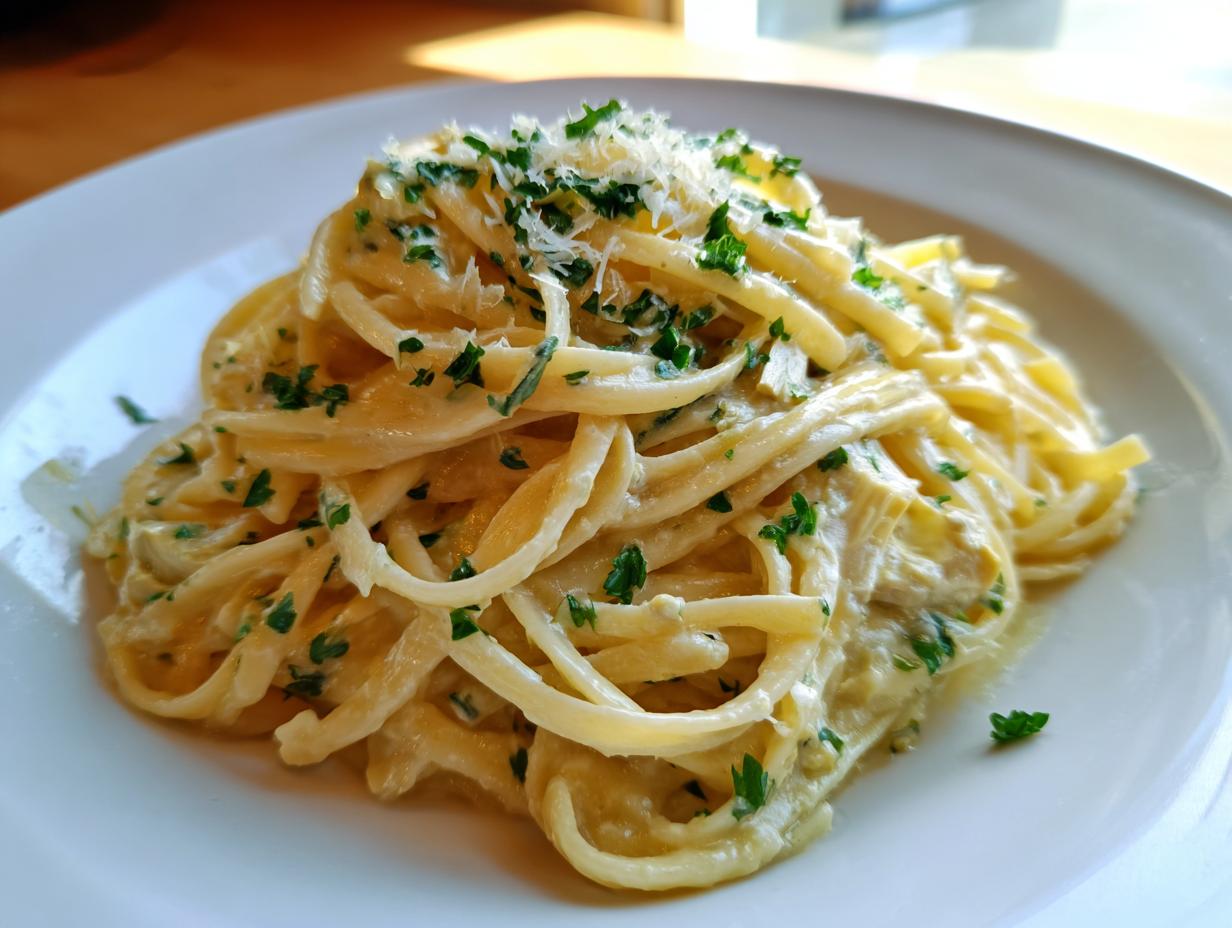
If you’ve ever stared at your weeknight schedule wishing you could whip up something that tastes like it came straight from a trendy Italian kitchen but takes less than 30 minutes, I get it. That’s exactly why Dishicious was created! I’m Leo Grant, and I run this kitchen like a project—every step is engineered for maximum flavor payoff with minimum fuss. Today, we’re tackling the ultimate goal: a main event vegetarian dish that feels incredibly bright and sophisticated. We’re making the Creamy Lemon Artichoke Pasta, and trust me, this Artichoke pasta is going to redefine your idea of easy weeknight elegance. We’re building that perfect creamy yet zesty Mediterranean vibe using simple kitchen logic; you’ll see that achieving deliciousness doesn’t require complexity, just smart steps.
- Why This Creamy Artichoke Pasta is Your New Weeknight Favorite
- Essential Ingredients for Perfect Artichoke Pasta
- Step-by-Step Guide to Restaurant-Quality Artichoke Pasta
- Tips for Success with Your Parmesan Artichoke Pasta
- Serving Suggestions for Your Artichoke Pasta Dinner
- Storing Leftover Artichoke Pasta
- Frequently Asked Questions About This Creamy Pasta Recipe
- Estimated Nutritional Information for Artichoke Pasta
- Share Your Success with This Vegetarian Dinner Idea
Why This Creamy Artichoke Pasta is Your New Weeknight Favorite
I promise you, this recipe is the definition of efficiency meeting flavor. If you’re looking for a main course that feels impressive but leaves you time to actually relax afterward, you found it. Forget complicated sauces; we’ve streamlined everything. This Artichoke pasta delivers on multiple levels:
- It’s lightning fast. Total cook time is around 30 minutes from start to finish, making it a genuine weeknight winner.
- The flavor profile is unbeatable: bright from that fresh lemon cutting through the richness of the cream.
- It’s my go-to vegetarian dinner idea that always feels elevated, even though it’s built from everyday pantry staples.
You need reliable recipes that work, and this one is engineered for success. If you’re looking for more speedy wins like this, check out my collection of quick and easy dinners—we make busy evenings delicious.
Essential Ingredients for Perfect Artichoke Pasta
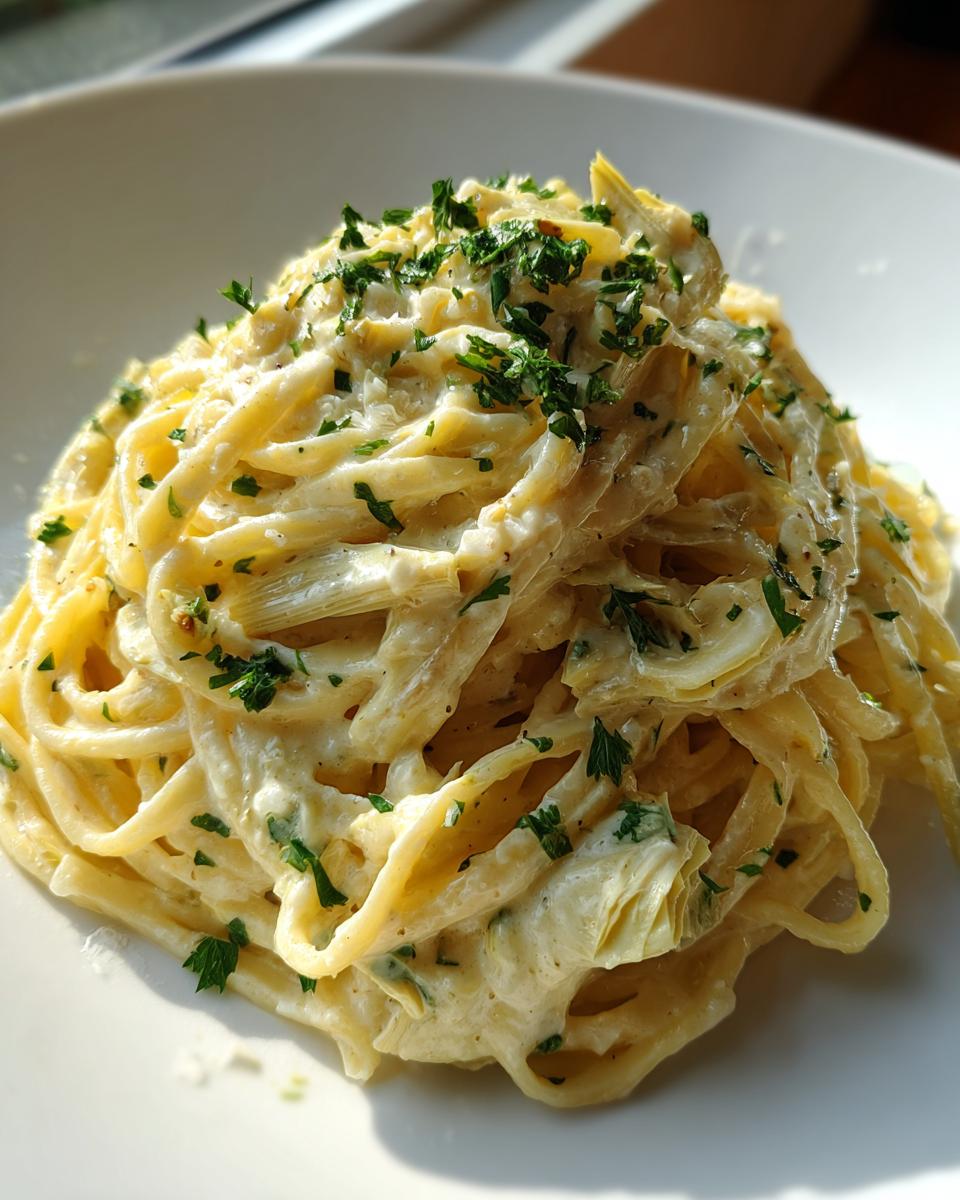
When I optimize a recipe like this Artichoke pasta, I focus hard on ingredient quality because we aren’t using a ton of different things. Simplicity demands perfection in what you *do* use! We’re aiming for that beautiful, bright, restaurant feel, and every component has to pull its weight. You’ll need your standard pasta—I prefer linguine or fettuccine because the strands really grab that creamy sauce—plus the usual aromatics: good olive oil and fresh minced garlic. But the real flavor heavy lifters here are the artichokes, the lemon, and the cheese.
Speaking of cheese, don’t skimp on the Parmesan! A block of good quality Parmesan, freshly grated at home, melts so much silkier into the sauce than the pre-grated stuff. That difference is what takes you from a simple pasta dish to a high-end creamy pasta recipe. Also, don’t forget that heavy cream and lemon zest; those are critical for hitting that perfect balance of rich and bright throughout the whole dish. If you’re looking for other ways to maximize cheese flavor in minimal time, you’ve got to check out my guide on foolproof garlic Parmesan pasta.
Ingredient Notes and Smart Substitutions
Let’s talk artichokes. I designed this recipe to be fast, so utilizing good quality canned artichoke hearts (drained and chopped) is totally fine—it saves you all the prep work and they are already tender. If you happen to have fresh ones and want the extra step, go for it! The wine is optional, but if you use it, that little splash adds depth right before the cream goes in, making for a truly fantastic base for our lemon butter sauce.
If you skip the wine, boost the lemon juice just a tiny bit extra, or add a tablespoon of water to help deglaze the pan after the artichokes cook. Consistency is key here. We need that sauce to coat everything beautifully, and the starch from the pasta water we reserve is non-negotiable for making this truly creamy!
Step-by-Step Guide to Restaurant-Quality Artichoke Pasta
Okay, this is where the project management mindset really shines. We aren’t just throwing things in the pan; we are building layers of flavor efficiently. First things first: get that pasta going! Cook it until it’s just shy of done—al dente is crucial. And here is the non-negotiable step: scoop out at least half a cup of that starchy, cloudy water before you drain it. That liquid gold is your secret weapon for a perfect emulsion; without it, the sauce won’t stick right.
While the pasta is cooking, we fire up the skillet. One tablespoon of olive oil over medium heat. Next, the garlic goes in. You only want about 30 seconds here—just long enough for it to get aromatic and wake up. If you let it brown, the whole sauce tastes bitter, so be vigilant! Immediately add your chopped canned artichoke hearts. Let them cook for about 3 or 4 minutes, just stirring them around to soak up that garlic oil.
If you are using that optional white wine, pour it in now. Let it bubble and reduce for about a minute. This burns off the alcohol and leaves this concentrated flavor base that makes this Artichoke pasta taste so complex. Then, knock that heat down low! We are moving into sauce territory.
Mastering the Creamy Lemon Butter Sauce
Low heat is key here. We add the heavy cream, that vanilla-scented pasta water we saved, the bright lemon zest, and the juice. Let this mixture warm up gently until you see the smallest simmer—we don’t want a rolling boil, ever! A boiling cream sauce gets temperamental. This careful heating process ensures we maintain the integrity of our rich lemon butter sauce.
Now, the most important technique for velvety smooth results: Take the pan completely off the heat before you add that half-cup of grated Parmesan. I learned this the hard way years ago—dumping cheese into actively bubbling liquid makes it seize up and get grainy. Off the heat, whisk in that Parmesan until the mixture is smooth, luxurious, and creamy. If you’re trying to master other luxurious textures, you should browse my other creamy pasta recipes!
Combining Pasta and Sauce for the Best Artichoke Pasta Finish
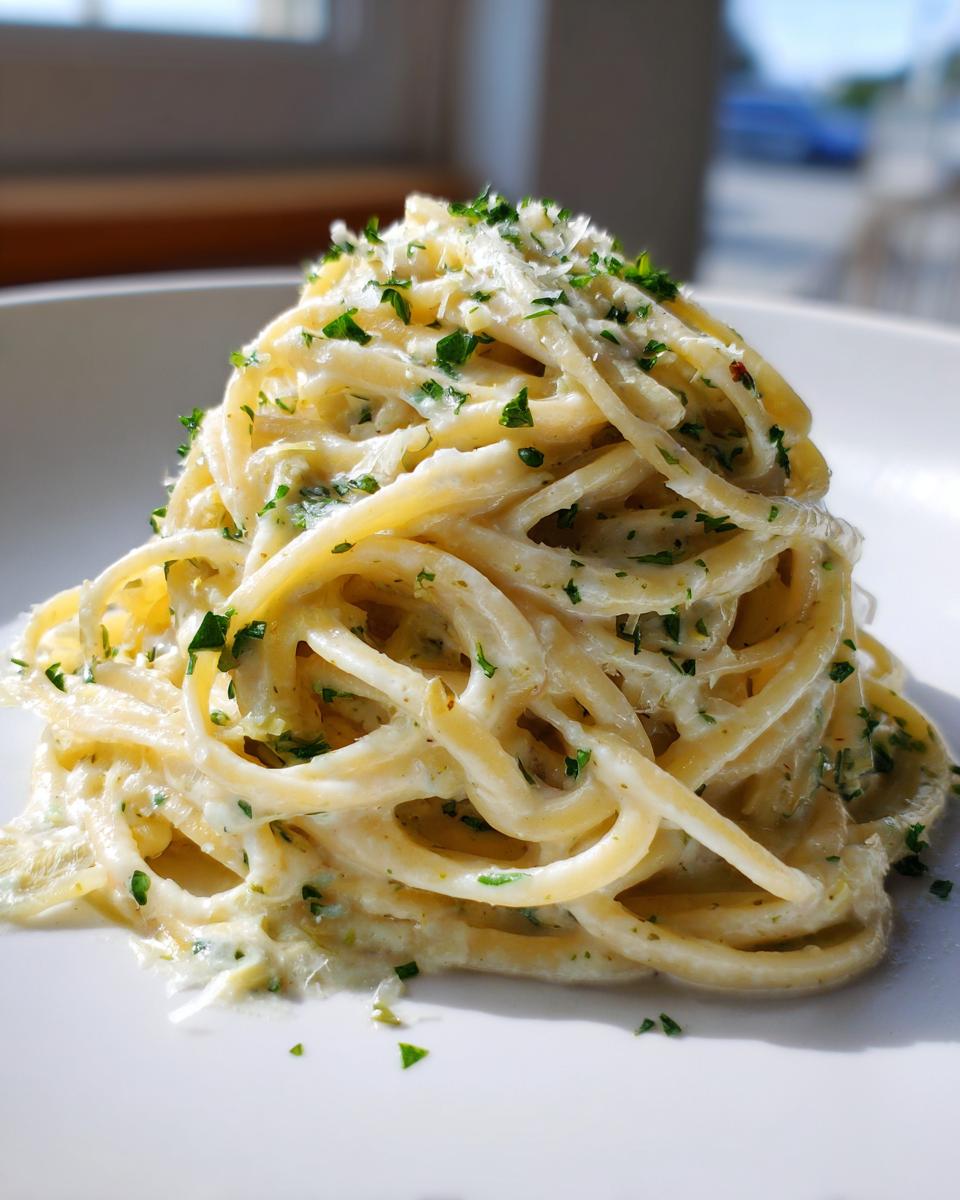
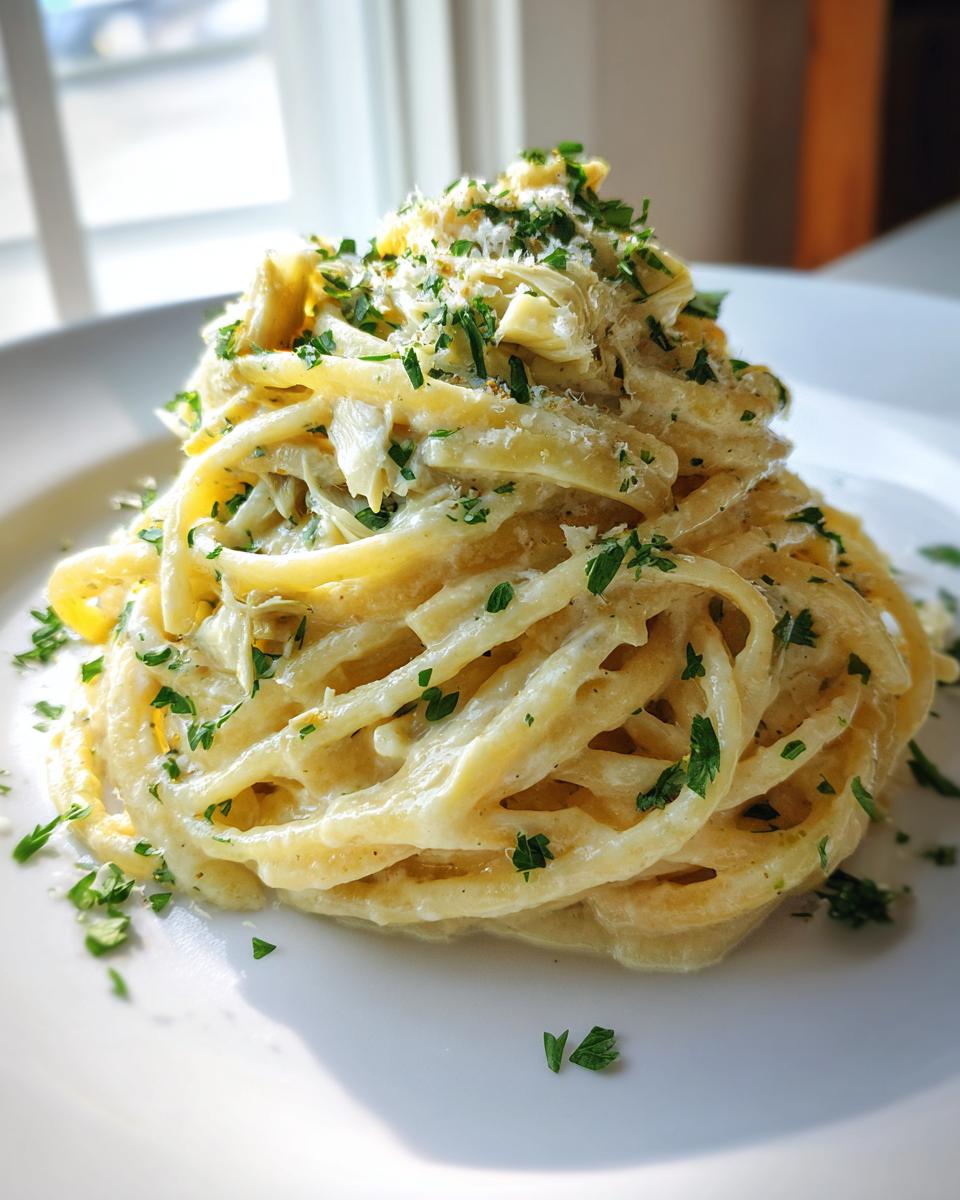
Time to bring it all together! Add your drained pasta directly into the sauce pan. Toss, toss, toss! You need to coat every single strand. If it looks too tight or sticky, add a tablespoon of reserved pasta water at a time until it loosens up and clings perfectly. That sauce should nap perfectly around the noodles, creating that ideal parmesan artichoke pasta texture we are aiming for.
The very last thing to go in is the fresh parsley. Give it one final, enthusiastic stir. Don’t cook the parsley; we want its fresh color and herbaceous pop right at the end. Serve this immediately while it’s hot and glossy!
Tips for Success with Your Parmesan Artichoke Pasta
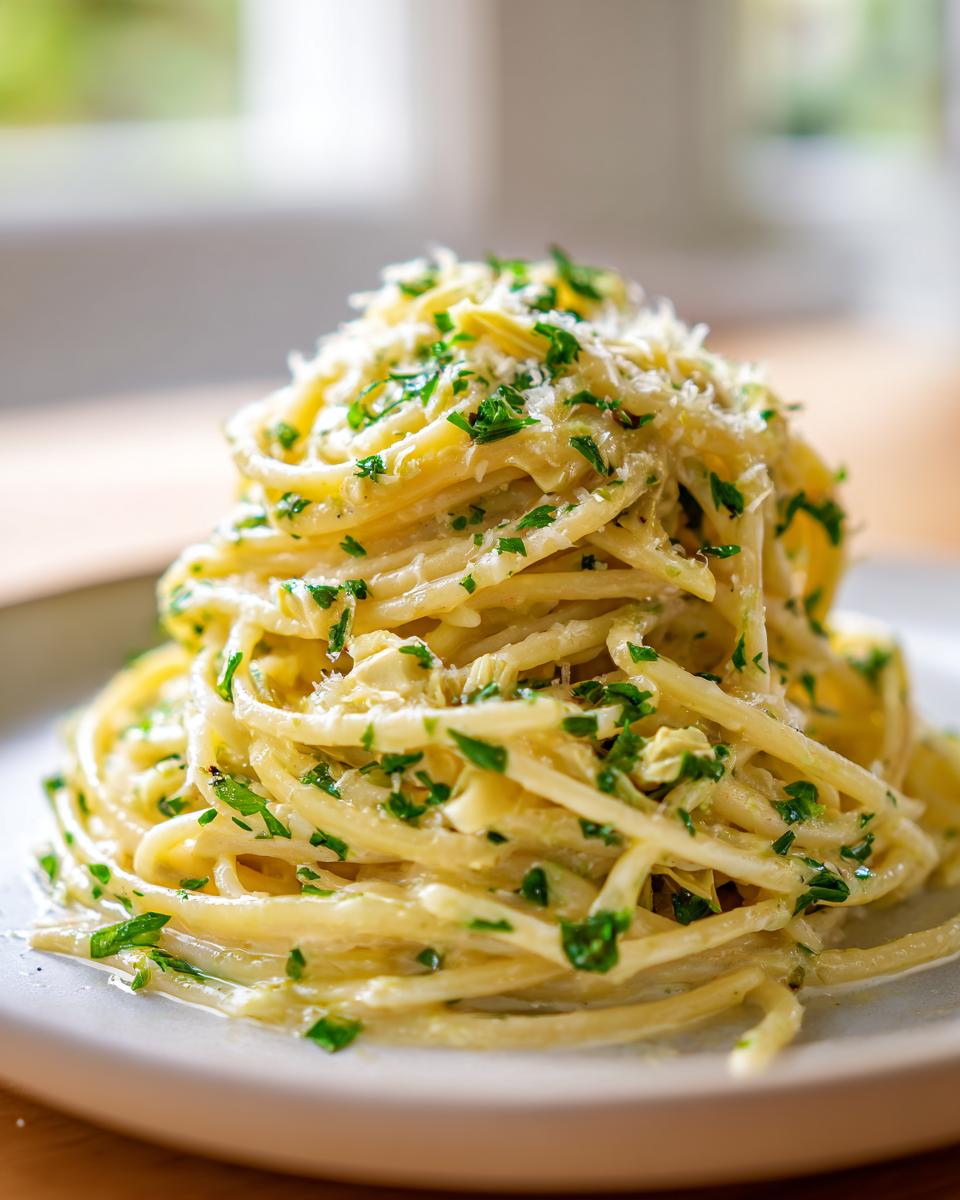
When I develop a recipe here at Dishicious, I build in checkpoints to guarantee the process runs smoothly. This Parmesan artichoke pasta is no different. You want reliable results, so follow these small technical adjustments:
First, about that cream. This is crucial for any creamy pasta recipe: never, ever let the cream aggressively boil once you add it to the pan with the wine reduction or artichokes. Keep that heat low and slow while it warms up. A hard boil can cause the fats and proteins in the cream to break down, leading to a patchy or oily sauce, not the velvety coating we want.
Second, the Parmesan addition. As I mentioned, taking the pan off the heat before incorporating the cheese is non-negotiable. Think of it like managing a critical project stage; you need stable conditions. If the heat is too high, the melted cheese clumps instead of emulsifying with the cream and starch. This methodical approach ensures a smooth finish every time, much like perfecting a homemade Alfredo sauce.
Third, taste as you go! Don’t wait until the end. After you’ve added the lemon zest and juice, taste the sauce base before adding the pasta. Does it need a pinch more salt? A touch more zest for brightness? Since everyone’s lemon or Parmesan intensity varies, doing a quick quality check here lets you tune the final flavor profile perfectly before you commit all the noodles to the pan.
Serving Suggestions for Your Artichoke Pasta Dinner
Now that you have this perfect, bright Artichoke pasta coated in that luxurious sauce, you need simple sides that don’t fight the flavor. We aimed for a light, Mediterranean feel here, so we shouldn’t weigh the meal down with heavy starches—we already have plenty of pasta!
The acidity in this dish sings, so you want something crisp and palate-cleansing alongside it. A simple, lightly dressed green salad is my top recommendation. I love keeping the greens simple—maybe some arugula or mixed field greens tossed with just good olive oil, white wine vinegar, salt, and pepper. It slices right through the richness of the cream beautifully.
If you’re feeling like you need something else to run through that sauce, go for a really good quality, crusty Italian bread. You don’t need to dress it up—just toast it slightly so you can drag it around the edge of your bowl to soak up every last drop of that lemon Parmesan sauce. Honestly, that bread-and-sauce moment is sometimes the best part!
If you want a salad that’s a little more structured but still light, you absolutely have to try my favorite copycat salad recipe. Its dressing has that slight tang that pairs perfectly with the lemon and artichokes in the pasta.
Storing Leftover Artichoke Pasta
If you somehow manage to have leftovers of this incredible Artichoke pasta—which I honestly doubt in my house—storage is pretty straightforward, but you do need to handle the reheating process carefully. Cream sauces are notoriously fussy when they cool down and firm up!
The first thing you need to do is store it in an airtight container in the fridge. Make sure you don’t cram it in there; leave a little air pocket. It generally lasts well for about three days, though the taste is always best on day one, naturally.
When you go to reheat it, don’t just blast it in the microwave, or you’ll end up with stiff noodles and separated sauce. You need to reintroduce moisture. Heat the pasta slowly over medium-low heat on the stovetop in a saucepan. As it warms, add liquid a tablespoon at a time. You can use milk, a splash of cream, or, my favorite choice, a little reserved pasta water if you happened to save some.
Adding that fresh liquid helps loosen the sauce again and brings back that silky texture you loved when it was first made. It might take a couple of additions, but stirring constantly while reheating gently will revitalize your Artichoke pasta so it tastes almost exactly like it did fresh off the stove!
Frequently Asked Questions About This Creamy Pasta Recipe
I know when I optimize a recipe, I try to cover every variable, but readers always have fantastic, specific questions! That’s great, because it means you’re thinking critically about how to make this dish work perfectly in your own kitchen. Here are some of the things I get asked most often about this vibrant Artichoke pasta.
Can I make this Artichoke pasta vegan?
That’s a great question if you’re plant-based! Absolutely. You swap the heavy cream for a high-quality, plain, unsweetened cashew cream or even quality oat cream. For the Parmesan, you’ll replace it with nutritional yeast for that cheesy, umami flavor hit. It won’t have the exact same melt as dairy cheese, but it works beautifully with the lemon and artichoke base. You’ll still want that starch reserved from the pasta water to thicken things up!
What is the best wine pairing for this lemon butter sauce?
Since we are building such a bright, zesty flavor profile with that lemon butter sauce, you need a crisp, dry white wine that won’t overpower the delicate artichokes. I always lean toward Sauvignon Blanc or a dry Pinot Grigio. If you used the wine in the cooking process, a small glass of the same wine alongside the meal is a fantastic chef-inspired way to tie the flavors together. It should be served chilled, of course!
Do I really need to use fresh lemon zest *and* juice?
Yes, you really do! This is critical for achieving that bright flavor we are aiming for in these creamy pasta recipes. The zest holds the essential oils—that’s where 90% of the lemon *aroma* comes from. The juice brings the acidity and tang that cuts through the richness of the cream and Parmesan. Leaving one out throws the entire balance off, making the dish either flat or too sour. For me, this technique is what ensures the dish feels ‘grounded and optimistic’—it’s bright, not heavy!
I hate artichokes! Can I still make a great vegetarian dinner idea?
While I’d urge you to give this one a try because the lemon balances the artichoke perfectly, I totally understand! If you need a vegetable swap, this creamy base is very forgiving. Asparagus tips are a spectacular substitute when they are in season, as they keep that bright green color and fresh flavor. Alternatively, thinly sliced mushrooms sautéed until deeply brown before adding the garlic will give you a wonderful earthy depth instead of the vegetal brightness.
If you’re looking for other ways to integrate vegetables into fast meals, check out my post on healthy lunch ideas—many of those techniques transfer right back into dinner prep!
Estimated Nutritional Information for Artichoke Pasta
Look, I’m not a nutritionist, I’m a home cook who likes efficiency, but transparency is important. When I designed this Artichoke pasta, I kept the ingredients relatively clean, using fresh Parmesan and good quality cream, so the numbers aren’t scary. But remember, these figures are estimates based on the standard ingredient breakdown I provided above.
If you are tracking macros or counting calories, take these as a general guideline. Your exact serving size, how much Parmesan you sprinkle on top at the table, or even the brand of heavy cream you buy can shift these totals noticeably. I always say, eat the food you love, but it’s smart to know what’s in the bowl!
- Serving Size: 1 serving
- Calories: 650
- Fat: 30g (Saturated Fat: 18g)
- Carbohydrates: 75g (Fiber: 6g, Sugar: 5g)
- Protein: 22g
- Sodium: 450mg
We aim for big flavor here, not guesswork, but for those who track, this breakdown gives you a solid foundation for this delicious creamy pasta recipe.
Share Your Success with This Vegetarian Dinner Idea
Now that you’ve got this streamlined, restaurant-worthy Artichoke pasta under your belt, I want to hear about it! Did you manage to get that sauce impossibly creamy? Did the lemon cut through the richness just right? Tell me how this fast-track vegetarian dinner idea fits into your busy schedule.
Don’t be shy—head down to the comments section below and leave a rating. If you took a picture of your beautiful bowl of zesty, comforting pasta, please share it! Tag us on social media so I can see your results. Seriously, seeing your success is the whole reason I engineer these efficient recipes in the first place!
I’m always tweaking and improving the Dishicious playbook, and your feedback helps tremendously. Happy cooking, and I hope this creamy lemon dish makes your next dinner feel a little bit special!
For more proven recipes that simplify your weeknights, make sure you bookmark the Dishicious homepage!
PrintCreamy Lemon Artichoke Pasta with Parmesan
Make this bright, creamy vegetarian pasta featuring seasonal artichokes, lemon, and Parmesan cheese for a simple, chef-inspired Mediterranean meal.
- Prep Time: 10 min
- Cook Time: 20 min
- Total Time: 30 min
- Yield: 4 servings 1x
- Category: Main Course
- Method: Stovetop
- Cuisine: Italian-American
- Diet: Vegetarian
Ingredients
- 1 pound pasta (linguine or fettuccine recommended)
- 1 tablespoon olive oil
- 2 cloves garlic, minced
- 1 (14 ounce) can artichoke hearts, drained and roughly chopped
- 1/2 cup dry white wine (optional)
- 1 cup heavy cream
- 1/2 cup reserved pasta water
- 1/2 cup grated Parmesan cheese, plus more for serving
- Zest of 1 large lemon
- 2 tablespoons fresh lemon juice
- 1/4 cup fresh parsley, chopped
- Salt and black pepper to taste
Instructions
- Cook the pasta according to package directions until al dente. Before draining, reserve at least 1/2 cup of the starchy cooking water. Set the pasta aside.
- While the pasta cooks, heat the olive oil in a large skillet over medium heat. Add the minced garlic and cook for 30 seconds until fragrant. Do not let it brown.
- Add the chopped artichoke hearts to the skillet. Cook for 3 to 4 minutes, stirring occasionally.
- If using, pour in the white wine and let it simmer for 1 minute, scraping up any bits from the bottom of the pan.
- Reduce the heat to low. Stir in the heavy cream, reserved pasta water, lemon zest, and lemon juice. Heat gently until the sauce just begins to simmer.
- Remove the skillet from the heat. Stir in the 1/2 cup of grated Parmesan cheese until the sauce is smooth and creamy. Season with salt and pepper.
- Add the drained pasta directly to the skillet with the sauce. Toss everything together until the pasta is evenly coated. Add more pasta water, a tablespoon at a time, if the sauce seems too thick.
- Stir in the fresh parsley. Serve immediately with extra Parmesan cheese on top.
Notes
- For a richer flavor, substitute half of the heavy cream with mascarpone cheese.
- If you do not have fresh artichoke hearts, this recipe works well with good quality canned artichoke hearts, which saves preparation time.
- This recipe makes an excellent vegetarian dinner idea that feels restaurant-quality.
Nutrition
- Serving Size: 1 serving
- Calories: 650
- Sugar: 5
- Sodium: 450
- Fat: 30
- Saturated Fat: 18
- Unsaturated Fat: 12
- Trans Fat: 1
- Carbohydrates: 75
- Fiber: 6
- Protein: 22
- Cholesterol: 70