

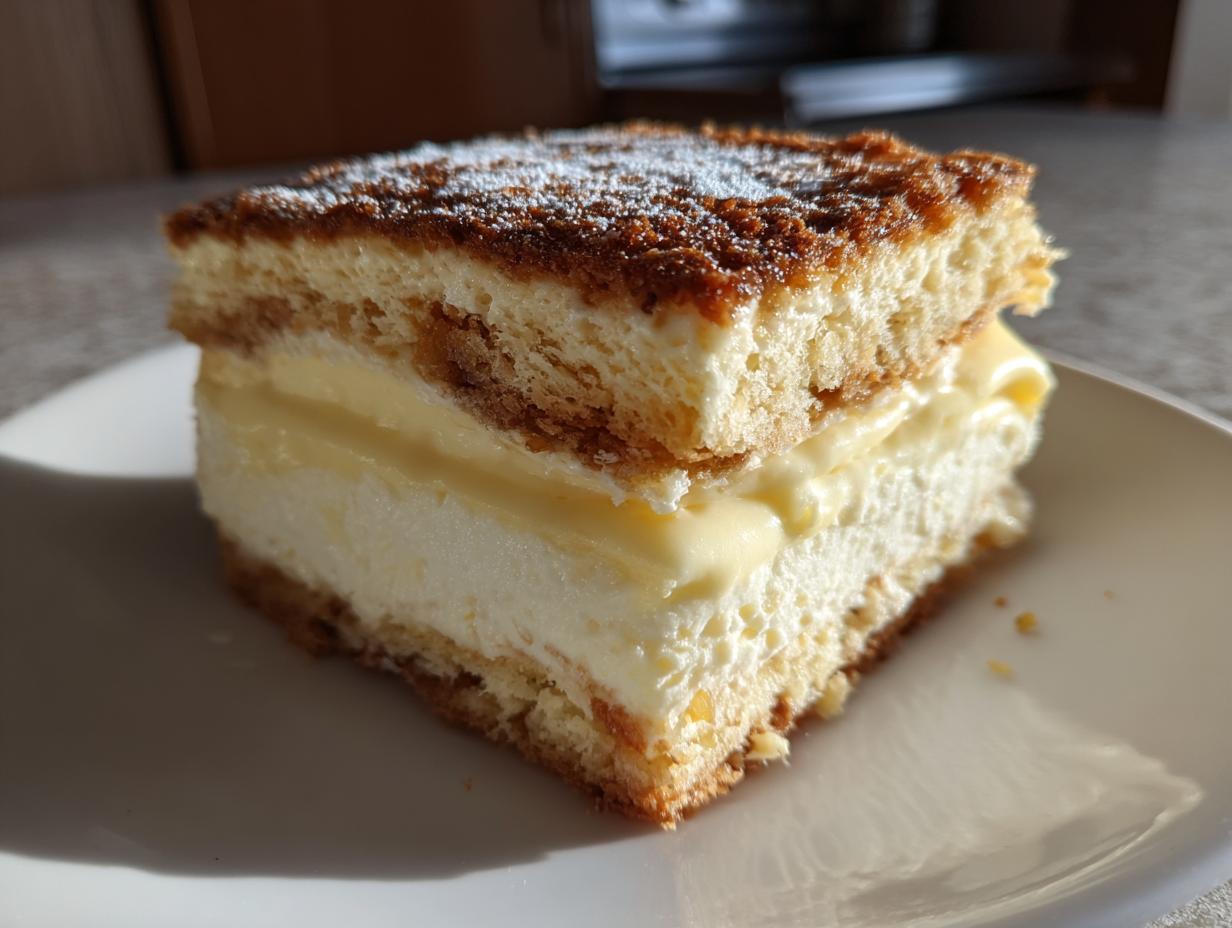
Oh, let’s talk about European baking for a minute because sometimes they make these wildly impressive desserts that look like they belong behind glass in a fancy bakery. But honestly, they don’t have to be complicated! I knew I had to tackle the famous **bee sting cake**, or Bienenstich, because it’s pure textural heaven.
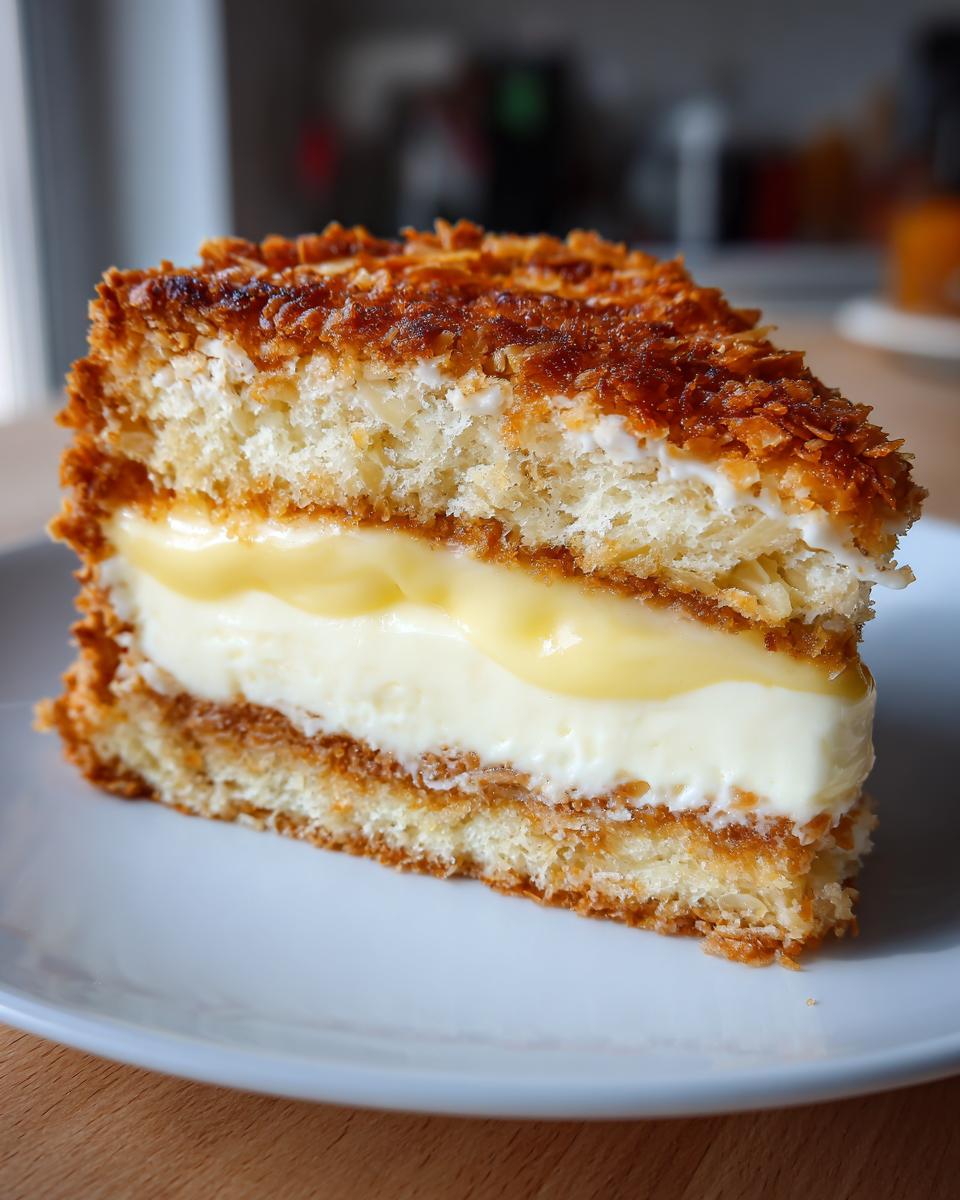
What makes this cake, you ask? It’s the layering, my friend! You get this soft base made from a light yeast dough, then a lush, cool vanilla custard filling, and finally, that crunchy, bubbly honey-almond topping that gets beautifully caramelized when it bakes.
I took this traditional German Layer Cake and broke down every single step, just like Leo taught me to do here at the blog. My goal was to strip away the intimidation factor so you can achieve that authentic, bakery-style elegance without needing a flight to Bavaria. You can find more dessert ideas over at my roundup of dessert recipes, but this one is special. Trust me, once you nail the topping, you’ll feel like a baking wizard!
- Why This Authentic Bee Sting Cake Recipe Works for Home Bakers
- Ingredients for Your (Bienenstich Recipe)
- Step-by-Step Instructions for the Bee Sting Cake
- Tips for Authentic German Baking Success
- Ingredient Notes and Substitutions for Your Bee Sting Cake
- Serving Suggestions for this Classic Coffee Time Cake
- Storage and Reheating Instructions for Bee Sting Cake
- Frequently Asked Questions About Bee Sting Cake
- Share Your Bee Sting Cake Creations
- Estimated Nutritional Data for This German Layer Cake
Why This Authentic Bee Sting Cake Recipe Works for Home Bakers
When facing a recipe labeled Traditional German Dessert, I know people get nervous about the yeast dough, but don’t you worry! That’s where our streamlined approach comes in handy. We focus on making sure every component sets you up for success. We aren’t trying to reinvent Grandma’s classic method, we’re just making those methods super clear so you get reliable, bakery-style results without the guesswork.
This isn’t a fussy dessert, either; it’s a Showstopping Cake for Parties that actually fits into a busy life. We handle the tricky parts, like ensuring the custard gets thick enough, so you can focus on the delicious outcome. For anyone nervous about yeast, check out my beginner yeast bread guide—it shows you how simple the dough actually is!
The Three Essential Layers of a Perfect Bee Sting Cake
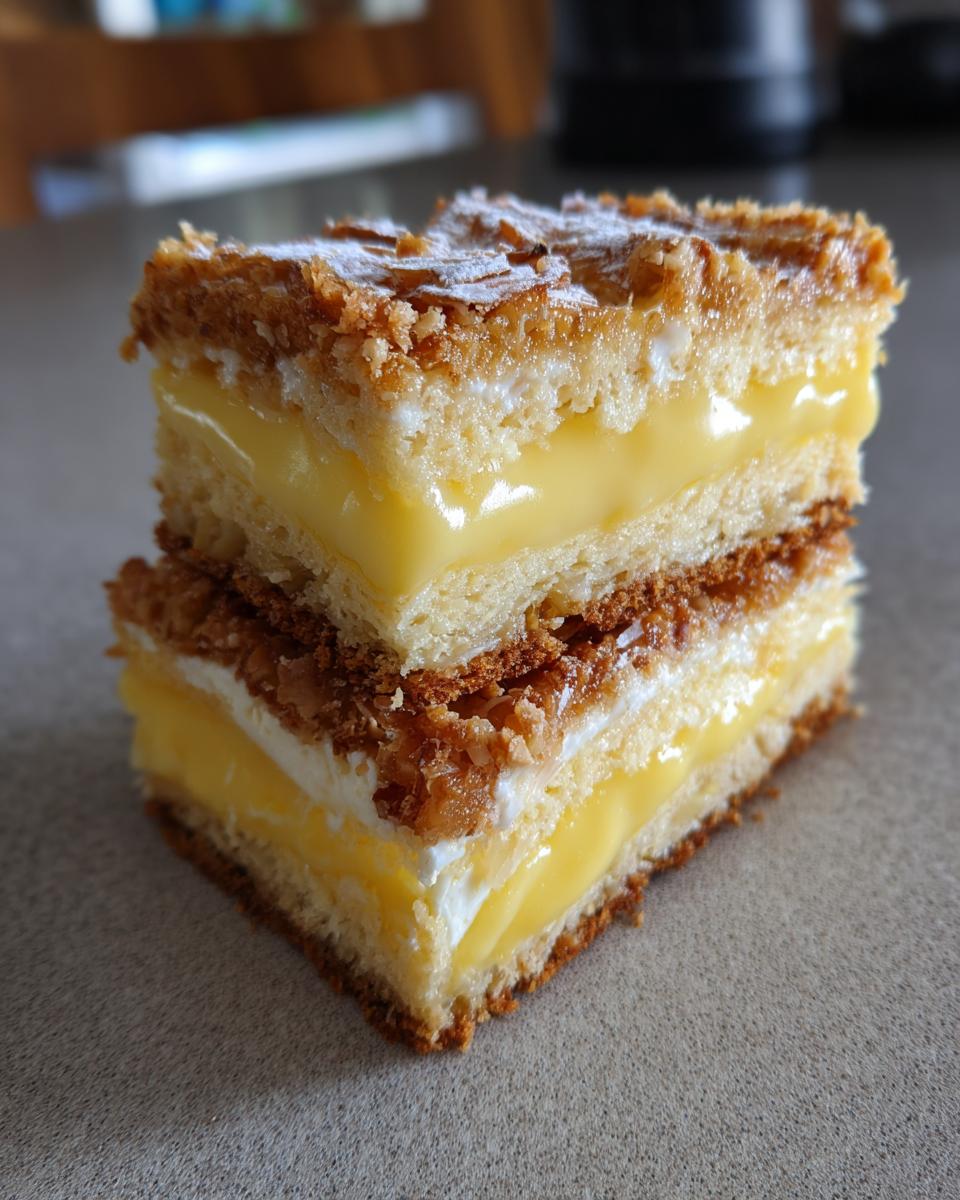
It just clicks when you understand the roles of the three layers. The bottom is a wonderfully light and fluffy yeast dough—it should feel almost cloud-like once baked. Then you get that cool, smooth vanilla cream filling that cuts right through the richness. Finally, the top layer is the crunch! That sticky, sweet honey almond glaze toasts up perfectly in the oven, giving you that satisfying snap with every single bite.
Ingredients for Your (Bienenstich Recipe)
This is where we get down to business. Having everything measured out and ready—what we call mise en place—stops chaos when you’re dealing with yeast dough. Since this cake has three distinct parts, I’ve broken down the list so you know exactly what goes where. Pay close attention to the temperatures required!
For the Fluffy Yeast Dough Cake
- 1 cup whole milk (warmed until lukewarm)
- 1/2 cup granulated sugar, divided
- 1 package active dry yeast
- 3 cups all-purpose flour
- 1/2 teaspoon salt
- 1/4 cup unsalted butter, softened
- 2 large eggs, room temperature
For the Crunchy Honey Almond Topping Cake
- 1/2 cup sliced almonds
- 1/4 cup honey
- 2 tablespoons heavy cream
- 1/4 cup butter, cubed (for topping)
- 1/4 cup packed light brown sugar
For the Vanilla Cream Filled Cake
- 1 cup heavy cream, cold (for filling)
- 1/2 cup whole milk (for filling)
- 1/4 cup cornstarch
- 2 large egg yolks
- 1/2 cup granulated sugar (the remainder of the initial 1 cup)
- 1 teaspoon vanilla extract
Step-by-Step Instructions for the Bee Sting Cake
Okay, this is the fun part, but it requires a little patience because a good yeast cake needs time to get happy. Remember how we talked about making this German Layer Cake approachable? Well, that starts right here with clear steps. Make sure you check out this guide if you want a second look at the topping process!
Making the Fluffy Yeast Dough Cake Base
First up, wake up that yeast! Warm your milk, just until it’s cozy—not hot—then stir in a tablespoon of sugar, sprinkle the yeast on top, and wait for the foam party to start, which usually takes about five minutes. While that’s happening, whisk your flour and salt together. Then, we work that softened butter into the dry mix until it looks like coarse sand. Now, add the yeast mixture and the rest of the sugar. Once it comes together into a shaggy ball, add your room-temperature eggs, one by one. You want the dough to be smooth but still a little sticky—that slight stickiness is the sign of a great rise coming later!
Preparing the Honey Almond Topping Cake
This topping needs your attention on the stovetop! In a small saucepan, toss in the sliced almonds, honey, the cubed butter for this layer, brown sugar, and just two tablespoons of heavy cream. Get this over medium heat and stir it like crazy. You must keep stirring until it starts bubbling happily and thickens up just a bit. As soon as it does, pull it off the heat right away. After your dough has had its big rise and you’ve pressed it into your greased springform pan, go ahead and spread this incredible sticky mixture evenly over the top.
Baking and Cooling the Bee Sting Cake
Preheat your oven to 375°F (190°C). Place the pan with the topped dough inside and bake it for about 25 to 30 minutes. You’re looking for that topping to turn deeply golden brown—don’t be scared if it looks dark; that caramelization is flavor! Once it’s baked through, take it out and let it cool down completely. And I mean completely. If you try to slice this while it’s even a little warm, the whole thing turns into a sloppy mess, and we want structure here!
Creating the Vanilla Cream Filled Cake Center
This is where we build the lush interior. In a saucepan, you need to whisk together the milk for the filling, cornstarch, and your egg yolks. Add the remaining sugar too. Heat this over medium heat, but here’s the absolute rule: stir constantly! You need constant motion so the cornstarch does the hard work and it turns into a thick, pudding-like custard. Once it’s thick, take it off the heat, stir in the vanilla, and then cover the surface directly with plastic wrap—this stops that awful skin from forming. It needs to be totally cool before the next step.
In a separate, very cold bowl, whip your heavy cream until you have stiff peaks. Then, take your completely cooled custard and gently fold the whipped cream into it. Don’t just dump it in! We worked hard to get air into that cream, so gently fold until it’s all one luscious, light mixture. For an easy way to mix creamy things without losing volume, I sometimes use techniques I learned making creamy dips; the principle is the same!
Assembling and Chilling the Final Bee Sting Cake
Once your base cake layer is finally cool, take a nice, long serrated knife and slice it right through the middle horizontally to create two even layers. Now, take all that amazing vanilla cream filling and spread it generously on the bottom layer. Place the toasted almond top layer back on. This last part is critical: you need to let the whole thing chill in the fridge for at least two hours. That chilling time lets the filling set up perfectly so you get clean, beautiful slices when you serve this cake!
Tips for Authentic German Baking Success
When you’re aiming for that authentic feel, sometimes the smallest details make the biggest difference. I learned this the hard way! When I first tried incorporating the yeast, I grabbed milk straight from the fridge instead of warming it slightly, and my dough barely lifted—it was dense, not fluffy. That mistake taught me to always, always check that temperature, even if the recipe just says ‘lukewarm.’ If you are new to working with dough, my guide on easy yeast bread for beginners is a must-read first step!
Also, don’t skip the little finishing touches the original instructions suggest! The recipe notes mentioned using heavy cream instead of milk in the yeast dough for a richer outcome, and it really pays off. Also, for texture variation, substituting some slivered almonds into the topping is wonderful. For more inspiration on European sweets, I always peek over at Cherful Cook’s version. Following these little traditional rules ensures you get that high-quality Homemade Bienenstich everyone raves about.
Ingredient Notes and Substitutions for Your Bee Sting Cake
You saw the ingredient list, but let’s talk about why we stress certain things. When you’re making something this classic, like a German Layer Cake, ingredient quality really hits your final flavor profile, especially the honey. If you can find a really high-quality, floral honey for that topping, it makes a huge difference in the final caramelized flavor. It just tastes brighter!
Now, about those room temperature eggs for the dough—this isn’t just an arbitrary rule! Eggs that are cold shock the butter and yeast mixture, which can slow down or even prevent that wonderful rise we are counting on in the yeast dough. Warm eggs incorporate much more smoothly into the dough, keeping the butter pliable and allowing those necessary air pockets to form evenly. Think of it as a critical kindness to your dough!
The Importance of the Yeast Cake Structure
The structure of the yeast dough is what holds up that rich filling and crunchy lid! If your yeast isn’t healthy, everything falls apart. When you warm the milk, remember it should pass the ‘finger test’—warm enough to feel nice, but cool enough that you could comfortably hold your finger in it for a good ten seconds. Temperatures that are too high will kill your yeast instantly, and then you just have sweet milk and flour, not a lovely Fluffy Yeast Dough Cake.
Also, don’t measure flour by scooping the cup right into the bag! You’ll compact it, add too much, and end up with a tougher cake. I always spoon the flour into my measuring cup and then level it off. It seems so simple, but this ensures you have the correct ratio for that light, airy base.
Serving Suggestions for this Classic Coffee Time Cake
So, you’ve made this stunning, multi-layered masterpiece! Now, how do you serve it? Honestly, the bee sting cake is perfect for whatever occasion you whip it up for. It’s definitely sturdy enough to be a centerpiece for a birthday or special gathering, cutting into beautiful, clean slices thanks to that chilling time we talked about.
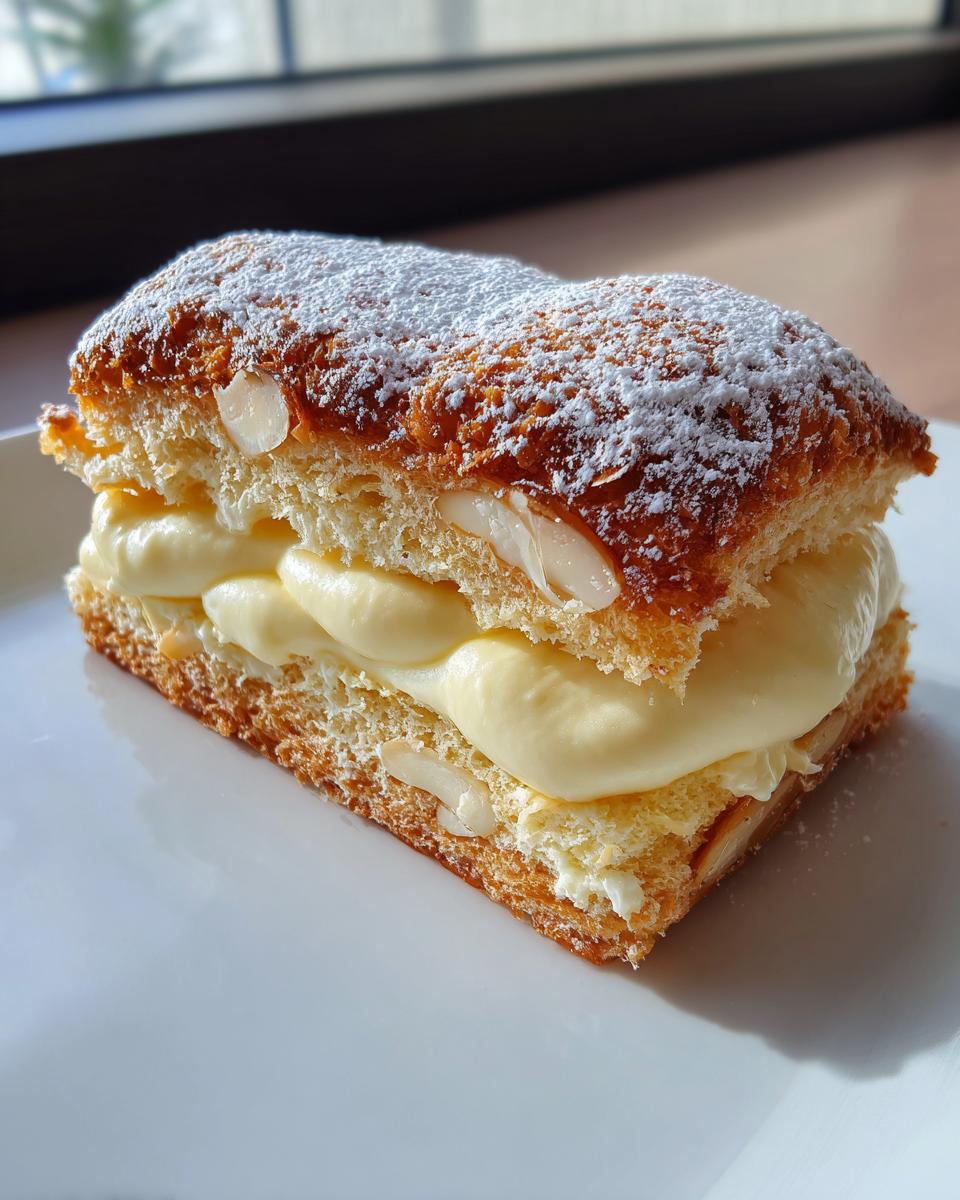
But for me, this really shines as the ultimate Classic Coffee Time Cake. Forget those dry, sad little store-bought slices! Pair a generous piece with a strong cup of black coffee or maybe a nice cup of spiced tea. The sweetness of the honey glaze and the cool vanilla cream just sing when they meet that warm bitterness of the coffee. It’s delightful for afternoon visitors, but honestly, I never say no to leftovers for breakfast the next day!
If you are looking for other simple pairing ideas or maybe a quick dessert to serve *before* this showstopper, you should check out my recipe for easy brownie batter dip—it’s a weeknight lifesaver. For more inspiration on serving impressive European desserts, take a look at the gorgeous presentation ideas over here!
Storage and Reheating Instructions for Bee Sting Cake
Because we put all that lovely, rich vanilla custard in the middle, this cake absolutely has to live in the fridge. Don’t even think about leaving it on the counter overnight; that cream will turn sour fast! Keep it covered tightly in an airtight container in the refrigerator, and it holds up beautifully for about three days. That cold cake hits different the next morning, seriously.
Now, reheating? Forget about it. The honey-almond topping loves to be crunchy and the custard loves to be cold. If you try warming this up, you’ll just end up with a soupy mess, and that crackle will disappear into sogginess. So, serve it chilled straight from the fridge for the best experience!
Frequently Asked Questions About Bee Sting Cake
I get so many messages asking the same things about this incredible Bienenstich Recipe, which is totally understandable because it seems like a lot going on with the yeast and the custard! Let’s clear up a few things right now so you’re totally confident before you start baking your own Homemade Bienenstich.
Why is the Bee Sting Cake named Bienenstich?
This is my favorite baking trivia! The name Bienenstich translates directly to “bee sting.” There are a couple of sweet stories about it, but the most popular one says that long ago, bakers in the village heard the enemy approaching and threw a hard honey topping they were making at the invaders, scaring them away—hence, a ‘sting’ from the bees’ honey product! Another version says the topping is so crunchy it crackles like a bee’s wings. Either way, it involves honey and drama!
Can I make the Yeast Cake with Custard Filling ahead of time?
Yes, absolutely! This is actually how I manage to get this Traditional German Dessert assembly-ready for guests without stressing out the day of. You can make the yeast cake layer, let it cool completely, and store it wrapped tight at room temperature overnight. You can also make the custard filling a day ahead, remembering to press plastic wrap onto the surface so it stays skin-free!
The only part you must do right before assembling is whipping the heavy cream and folding it into the cooled custard. That needs to be done fresh so the filling stays light and airy. Once assembled, it needs to chill, so that ahead-of-time prep really helps break up the work. If you need a good base recipe for creamy fillings, check out my tips for using creamy bases in creamy chicken soup; the technique for smoothing out the base is similar!
I’m nervous about yeast. Can I skip it and use baking powder?
Please don’t! I know yeast seems scary, but for this Bee Sting Cake, you really can’t substitute it. The whole character of this German Layer Cake comes from that light, airy lift that only yeast provides in a sweet dough. Baking powder would give you a standard cake texture, not the fluffy, chewy base needed to balance that sticky almond topping and the smooth cream. Trust me on this one; mastering that yeast dough is worth the effort!
How firm should the vanilla custard filling be before I fold in the whipped cream?
This is super important for stability! When you take the cooked custard off the heat, it’s going to seem thick, but it solidifies a lot more as it cools. It should be very soft, like a firm pudding, when you fold in the whipped cream. If it’s still runny when you start adding the whipped cream, you’ll lose all that lovely volume, and your filling will be too liquidy once sliced. It needs to hold a soft peak on its own before you gently fold in the airiness of the cream.

Share Your Bee Sting Cake Creations
I have shared all my secrets here, and I have poured my heart into making sure this Bee Sting Cake turns out perfectly for you, just like it does for me every time I pull one out of the oven. Now, it’s your turn to shine in the kitchen!
I absolutely live for hearing your feedback. Did the honey almond topping get super crunchy? Did your family ask for seconds immediately? Please, don’t be shy—head down to the comments section below and tell me all about your experience!
Rating the recipe is the best way you can help other bakers gain the confidence to try this Traditional German Dessert. If you loved the fluffy yeast dough or the creamy vanilla filling, let everyone know! And if you snapped any gorgeous photos of your final creation, I’d love to see them. You can always reach out to me directly through the contact page if you have a big question, but general comments make my day!
Happy baking, friends. I can’t wait to see your amazing Homemade Bienenstich!
Estimated Nutritional Data for This German Layer Cake
Alright, now that we’ve achieved baking perfection by creating this gorgeous German Layer Cake, we should probably talk about the numbers, right? I always want to be upfront that since this is homemade and depends on exactly how much butter makes it into the topping versus how much drips off, these figures are just estimates. Think of them as a close ballpark figure for one slice based on the ingredients I listed, not a precise lab measurement!
I calculate this based on 10 generous servings, because who is cutting this cake into 12 sad little slivers? Never me! I always recommend using this data as a general guide rather than tracking exactly what’s in your specific slice.
- Serving Size: 1 slice
- Calories: 410
- Sugar: 32g
- Sodium: 250mg
- Fat: 22g
- Saturated Fat: 12g
- Carbohydrates: 48g
- Protein: 7g
It’s definitely a treat, thanks to the rich custard and the lovely honey glaze, as you can see. But wow, is it worth every single calorie when you take that first bite of the cold cream and the crunchy almonds. Enjoy it!
PrintAuthentic German Bee Sting Cake (Bienenstich) with Vanilla Custard Filling
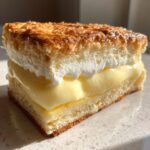
Make a traditional German Bee Sting Cake featuring a light yeast dough, creamy vanilla custard filling, and a crunchy, caramelized honey-almond topping. This recipe delivers bakery-style elegance for your coffee time or special occasions.
- Prep Time: 45 min
- Cook Time: 30 min
- Total Time: 150 min
- Yield: 10 servings 1x
- Category: Dessert
- Method: Baking
- Cuisine: German
- Diet: Vegetarian
Ingredients
- 1 cup whole milk
- 1/2 cup granulated sugar, divided
- 1 package active dry yeast
- 3 cups all-purpose flour
- 1/2 teaspoon salt
- 1/4 cup unsalted butter, softened
- 2 large eggs, room temperature
- 1/2 cup sliced almonds
- 1/4 cup honey
- 2 tablespoons heavy cream
- 1/4 cup butter, cubed (for topping)
- 1/4 cup packed light brown sugar (for topping)
- 1 cup heavy cream, cold (for filling)
- 1/2 cup whole milk (for filling)
- 1/4 cup cornstarch
- 2 large egg yolks
- 1 teaspoon vanilla extract
Instructions
- Prepare the Yeast Dough: Warm the milk until lukewarm. In a small bowl, dissolve 1 tablespoon of the sugar in the warm milk. Sprinkle the yeast over the top and let it sit for 5 minutes until foamy.
- In a large bowl, whisk together the flour and salt. Add the softened butter and work it into the flour mixture with your fingers until it resembles coarse crumbs.
- Add the foamy yeast mixture and the remaining sugar to the flour mixture. Mix until a shaggy dough forms. Add the eggs one at a time, mixing well after each addition until a smooth, slightly sticky dough forms.
- Knead the dough on a lightly floured surface for about 5 minutes until elastic. Place the dough in a lightly oiled bowl, cover, and let it rise in a warm place for 1 to 1.5 hours, or until doubled in size.
- Prepare the Topping: While the dough rises, combine the sliced almonds, honey, 2 tablespoons of heavy cream, 1/4 cup butter, and brown sugar in a small saucepan. Heat over medium heat, stirring constantly, until the butter melts and the mixture bubbles and thickens slightly (about 5 minutes). Remove from heat.
- Preheat your oven to 375°F (190°C). Punch down the risen dough and press it evenly into a greased 9-inch round springform pan.
- Spread the warm honey-almond topping evenly over the dough surface.
- Bake for 25 to 30 minutes, or until the topping is deeply golden brown and the cake is cooked through. Let the cake cool completely on a wire rack.
- Prepare the Custard Filling: In a saucepan, whisk together the 1/2 cup milk, cornstarch, and egg yolks. Whisk in the remaining 1/2 cup sugar. Heat over medium heat, stirring constantly, until the mixture thickens significantly into a pudding consistency. Remove from heat and stir in the vanilla extract. Cover the surface directly with plastic wrap to prevent a skin from forming and let it cool completely.
- Whip the cold heavy cream until stiff peaks form. Gently fold the whipped cream into the cooled custard filling.
- Assemble the Cake: Once the cake is completely cool, slice the cake horizontally into two equal layers. Spread the vanilla cream filling evenly over the bottom layer. Place the top layer back on.
- Chill the cake for at least 2 hours before slicing and serving.
Notes
- For a richer flavor, use heavy cream instead of milk in the yeast dough.
- You can substitute half of the sliced almonds with slivered almonds for varied texture.
- If you want a faster rise time, place the dough in a slightly warm oven that is turned off.
Nutrition
- Serving Size: 1 slice
- Calories: 410
- Sugar: 32g
- Sodium: 250mg
- Fat: 22g
- Saturated Fat: 12g
- Unsaturated Fat: 10g
- Trans Fat: 0.5g
- Carbohydrates: 48g
- Fiber: 1g
- Protein: 7g
- Cholesterol: 110mg