

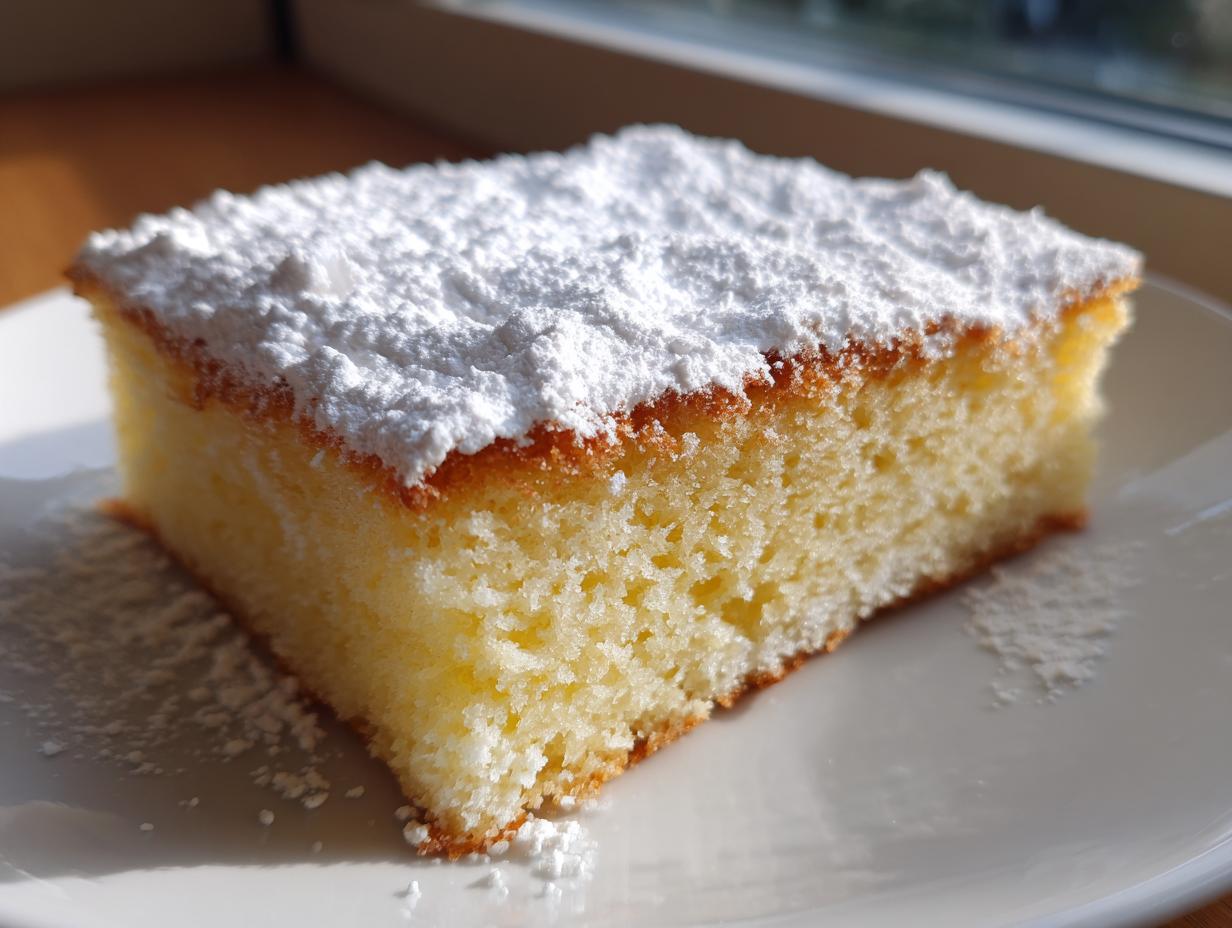
If you’re looking for a bit of homey comfort, especially with World Milk Day coming up, you need to stop what you’re doing and bake this warm milk cake. Forget those fussy layer cakes that take all afternoon; this is pure, straightforward nostalgia in a pan. As a cook who treats recipes like projects to be optimized, I promise you, this cake is streamlined perfection. It produces the most incredibly moist, tender, sponge-like texture, relying on simple ingredients handled the right way. This isn’t just another recipe; it’s an engineered solution for guaranteed deliciousness that fits right into your busy life. Trust me, this traditional dessert is incredibly reliable.
- Why This Warm Milk Cake is Your New Go-To Simple Baking Recipe
- Gathering Ingredients for Your Warm Milk Cake
- Step-by-Step Instructions for Simple Baking This Warm Milk Cake
- Tips for the Best Ever Warm Milk Cake Results
- Serving Suggestions for Your Milk Cake
- Storage and Reheating Instructions for Warm Milk Cake
- Frequently Asked Questions About Warm Milk Cake
- Estimated Nutritional Data for This Moist Cake
- Share Your Warm Milk Cake Experience
Why This Warm Milk Cake is Your New Go-To Simple Baking Recipe
I developed this recipe because I needed assurance in the kitchen—I needed results without guesswork. That’s exactly what this warm milk cake delivers. It strips away the complexity, turning a potentially tricky bake into true simple baking success. If you want that throwback vibe, perfect for celebrating milk and dairy goodness, this is it. It’s incredibly high-yield when it comes to flavor for the low effort required. You get a wonderfully moist cake that tastes like it came from Grandma’s own kitchen, guaranteed.
If you need more reliable recipes for finishing your week right, check out my collection of foolproof dessert recipes right here.
Achieving the Perfect Sponge Cake Texture
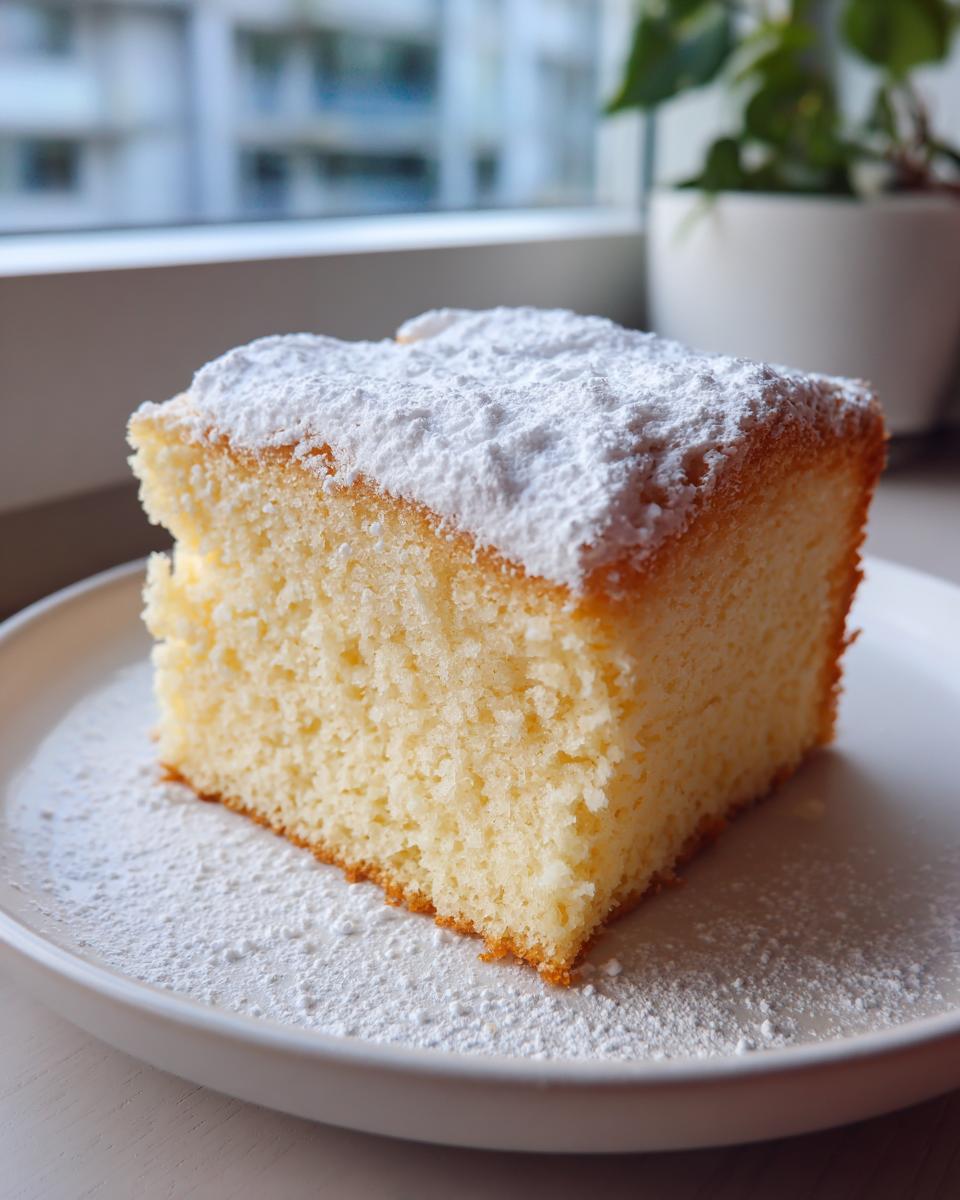
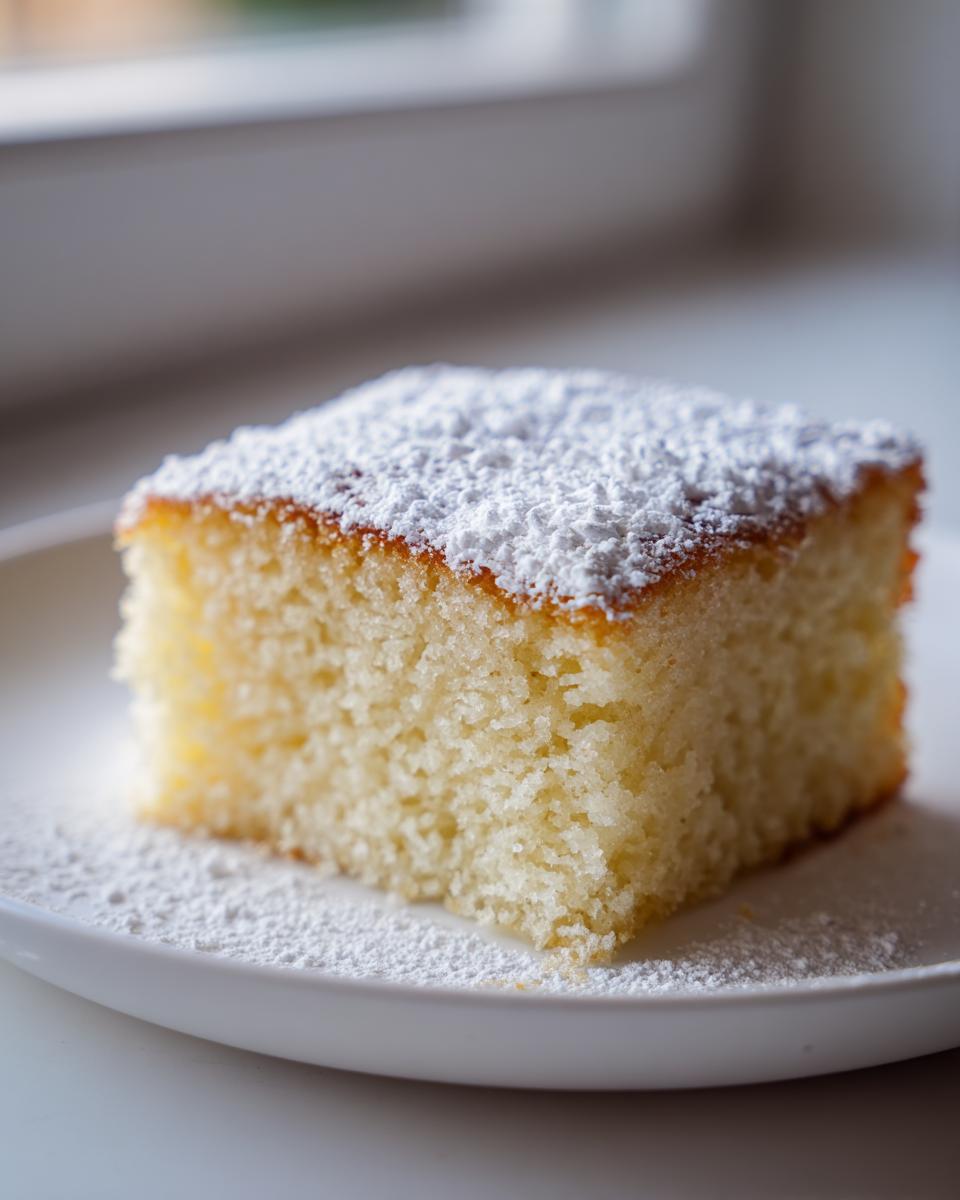
The secret here is preheating that milk! Warming the whole milk slightly before adding it to the batter helps everything emulsify properly. It encourages the gluten to relax just enough. This simple step is what turns a regular batter into an ethereal, delicate sponge cake that feels light as air when you bite into it.
Nostalgic Finish: The Simple Powdered Sugar Dusting
Honestly, this cake doesn’t need frosting or fussy drizzles. That’s part of its charm! Once it’s completely cool, you just grab a fine-mesh sieve and dust it heavily with powdered sugar. That snowy white topping against the golden crumb gives you that perfect, old-fashioned simplicity everyone loves. It’s elegant because it’s honest.
Gathering Ingredients for Your Warm Milk Cake
When we talk about simple baking, we mean it. There are no obscure items you have to hunt down for this project. Every ingredient below is a staple, and knowing exactly what you need is the first step to a successful bake. I’ve broken down exactly what goes into this reliable recipe so you can prep your mise en place perfectly. Since time efficiency is my whole goal here at Dishicious, making sure you have everything ready to go means you can mix this up quicker than you can decide on takeout!
If you want more reliable baking projects that save you time on busy days, check out my favorite brunch items here.
- 1 3/4 cups all-purpose flour
- 1 1/2 teaspoons baking powder
- 1/2 teaspoon salt
- 1 cup granulated sugar
- 1/2 cup unsalted butter, softened
- 2 large eggs
- 1 teaspoon vanilla extract
- 3/4 cup whole milk, warmed
- Powdered sugar, for dusting
Ingredient Notes and Substitutions for Milk Cake
For the best possible results in this moist cake, stick to whole milk; it adds the necessary fat content for that tender crumb. If you really want to splurge, you can swap out half of that warm milk for heavy cream—it just adds a touch more richness. A crucial tip from my project management approach: always make sure your eggs are at room temperature before you start creaming them with the butter. Room temperature eggs incorporate air much better than cold ones, which is key to that light sponge cake structure.
Step-by-Step Instructions for Simple Baking This Warm Milk Cake
Okay, let’s get down to the engineering of this perfect bake. If you follow this system, you’ll have zero issues. We are optimizing for texture and flavor without wasting a single minute. This process is designed to be intuitive so you can focus on enjoying the process, not stressing over the method. We mix smart here!
If you need some streamlined dinner ideas to balance out your baking time, I’ve got you covered with my collection of quick and easy dinners right here.
Preparation: Preheating and Pan Setup
First thing first: temperature control is crucial for any engineered baking project. Get your oven humming along at 350°F (that’s 175°C). While it’s heating up, take an 8-inch square baking pan and make sure it is well-greased and lightly floured. I’m serious about setting this up right; you want that cake to slide out perfectly later on. Don’t skip this prep step!
Mixing the Batter for a Moist Cake
Now for the core mixing. In one bowl, quickly whisk your flour, baking powder, and salt—this is your dry mix. Set that aside. In your big mixing bowl, we’re going to cream the softened butter and the full cup of sugar until it looks genuinely light and fluffy. It usually takes me a good three minutes to get the air incorporated just right. Then, drop in the eggs one at a time, making sure each one is fully mixed in before adding the next, along with that vanilla. Here is the key for a moist cake: you add the dry ingredients alternating with the warm milk. Start with the dry mix, then add some milk, then dry, then milk, and finish with the last bit of the dry mix. Only mix until it’s **just combined**. Overmixing develops gluten, and we absolutely do not want tough gluten in this delicate base!
Baking and Cooling the Traditional Dessert
Carefully pour that smooth batter into your prepared square pan. Slide it into the oven and let it work its magic for about 30 to 35 minutes. You’re looking for that classic sign of readiness: a toothpick inserted right in the center comes out completely clean—no wet batter clinging to it! Once done, pull it out, but don’t rush it yet. Let the cake hang out in the pan for exactly 10 minutes on a cooling rack. This slight rest helps it firm up. After those 10 minutes, gently turn it out onto the rack to cool totally before you even think about dusting it with sugar.
Tips for the Best Ever Warm Milk Cake Results
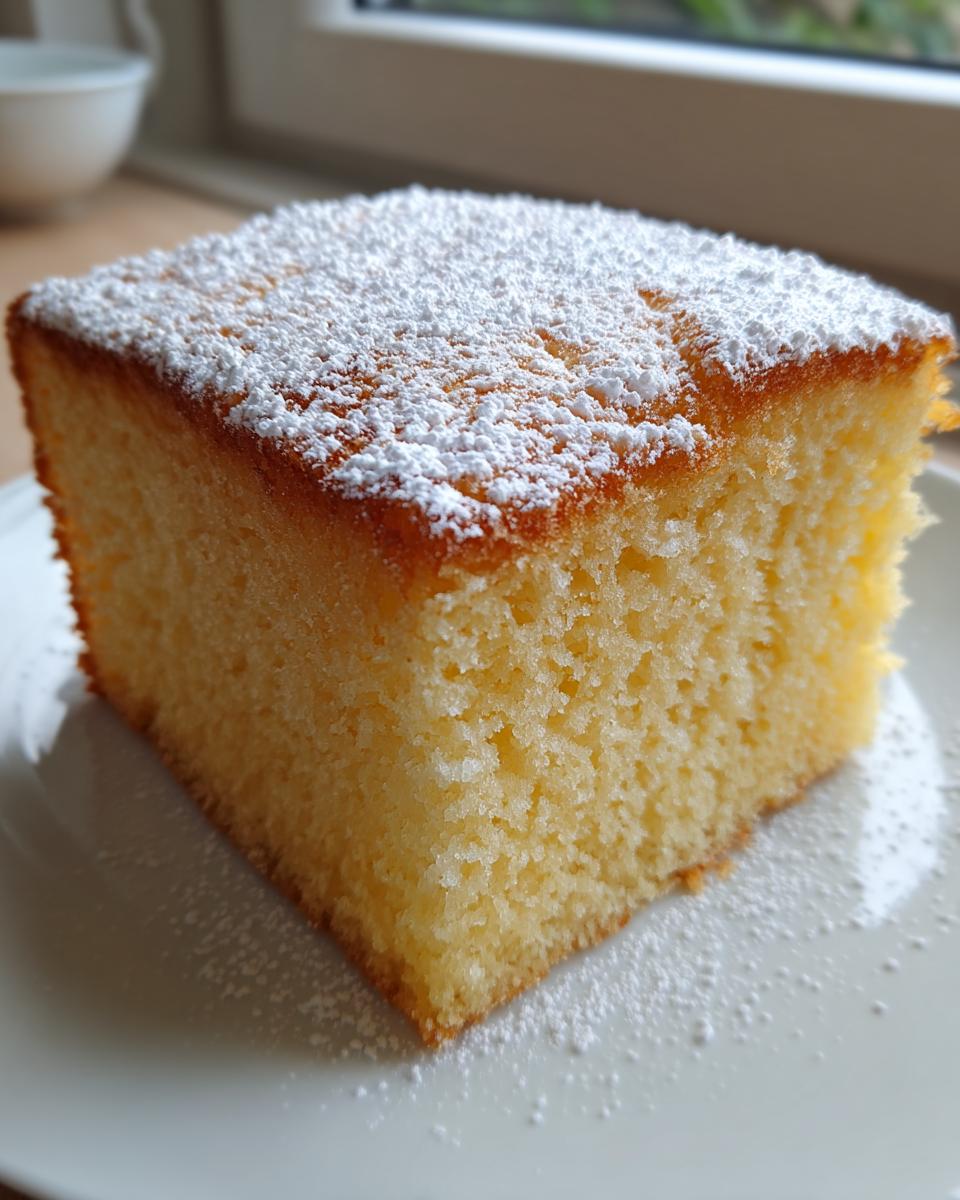
Since I approach baking as optimizing a project, I have a few non-negotiable checks to ensure this warm milk cake turns out flawlessly every time. First, I always calibrate my oven before I start. Ovens lie! A small electronic thermometer tells you if 350°F is actually 350°F. Also, seriously, don’t try to sneak in skim milk here. The whole milk is essential for the texture we are aiming for; anything leaner compromises the required moisture. The absolute final rule? Don’t dust it until it’s stone cold. If you try to dust a room-temperature cake, the powdered sugar just melts right in, and you lose that beautiful, simple look. Trust the process!
If you’re looking for other high-success baking projects that fit into a busy schedule, take a look at my brunch favorites here.
Serving Suggestions for Your Milk Cake
The best part about this beautifully simple warm milk cake is how perfectly it shines all on its own. That clean, pure flavor from the butter and milk is something you don’t want to mask too much. However, if you need to elevate it just a tiny bit for company, keep the additions simple, okay? We aren’t moving into fussy territory here.
For a perfect pairing, go for fresh, seasonal fruit. Right now, I love slicing this traditional dessert up and serving it with a handful of sweet strawberries and a dollop of freshly whipped cream—nothing complicated, just light and airy. On a colder day, it’s fantastic warmed just slightly in the microwave for about ten seconds. That gentle heat brings out the aroma beautifully, making it the perfect partner for a strong cup of coffee.
If you’re looking for a very light glaze that won’t overtake the texture, just thin out some powdered sugar with a few drops of milk and a tiny splash of vanilla until it’s thin enough to drizzle loosely across the top. You can find some other great ideas for pairing our dessert recipes on my main dessert page.
Storage and Reheating Instructions for Warm Milk Cake
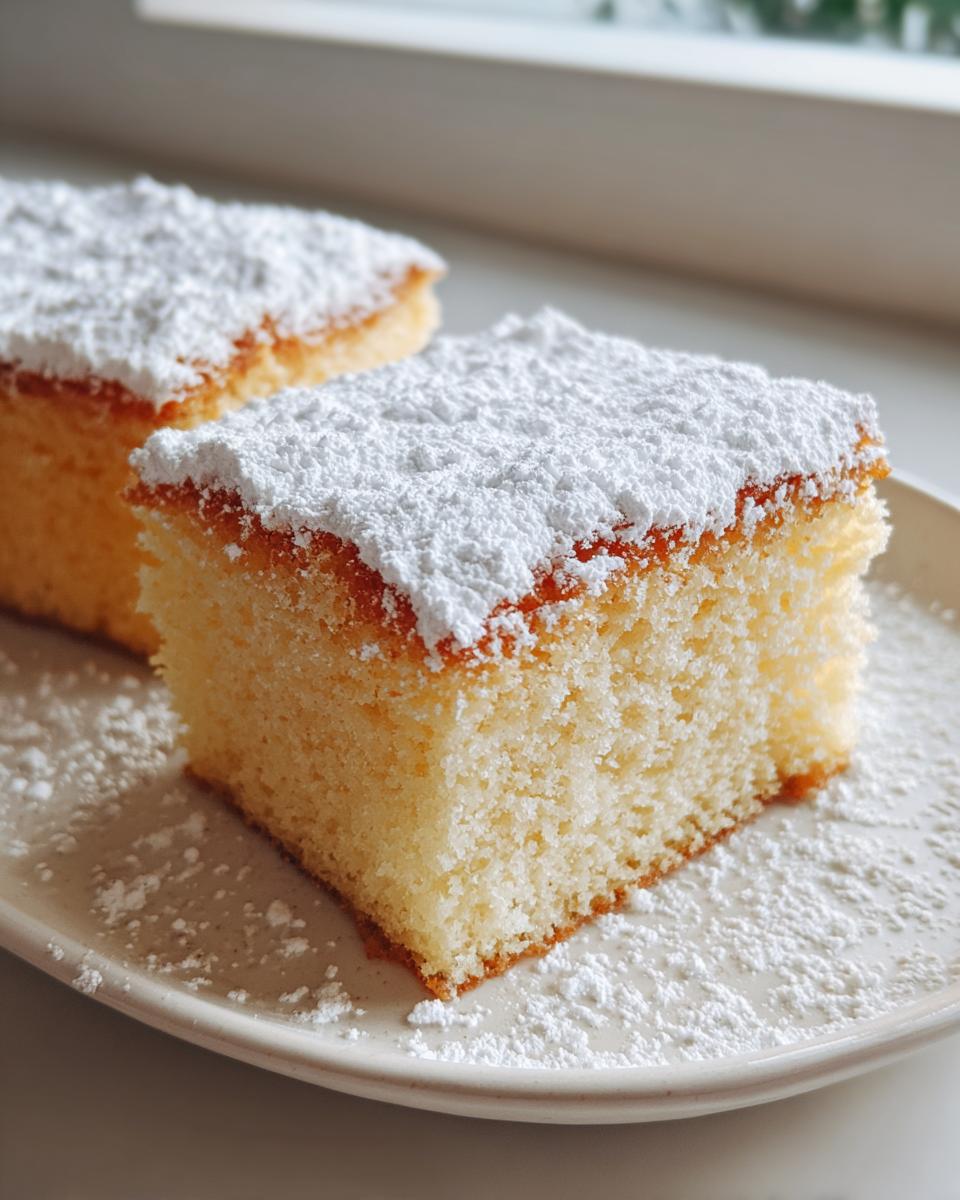
Okay, let’s talk long-term strategy for a moment. While I designed this recipe for immediate satisfaction—it’s so good that it rarely lasts past dinner—sometimes you need to reserve some. Because this warm milk cake is such a wonderfully moist cake, storage is straightforward, but you have to treat it right. The goal is to lock in that tender crumb.
You should always keep the leftover slices in an airtight container at room temperature. Don’t even think about the fridge unless your kitchen is ridiculously humid! Cold air sucks the moisture right out of simple cakes like this, and we worked hard for that soft texture.
If you find it’s been a day or two and it feels just a tiny bit drier than when you first cut it—which is normal—don’t worry! We have a simple fix. Pop a slice onto a microwave-safe plate and give it about 8 to 10 seconds on about fifty percent power. That gentle, low heat just coaxes the residual moisture back to the surface. It brings the tenderness right back without turning the cake spongy or rubbery. It’s a quick little recalibration so you can enjoy your milk cake later, no stress involved.
Frequently Asked Questions About Warm Milk Cake
As a project manager, I always anticipate potential variables—that’s how we guarantee a reliable outcome! Here are a few common questions I get about optimizing this flawless warm milk cake process. If you have an issue, chances are it’s one of these little details that cleans it right up.
If you’ve navigated this recipe successfully and are looking for some other foolproof solutions for your week, check out my general recipe file here.
Can I use low-fat milk instead of whole milk in this milk cake?
You technically can, but I strongly advise against optimization failure! When we talk about a truly moist cake, fat content is a huge factor. Low-fat or skim milk lacks the necessary fat that gives this milk cake its tender, rich structure. You’ll notice the crumb becomes slightly tougher and drier because the structure isn’t as well-lubricated. Stick with whole milk for the best performance metrics on this recipe.
How long does this sponge cake stay fresh?
This sponge cake is at its absolute statistical peak on the day you bake it, hands down. Because it relies on that perfect balance of milk and butter rather than heavy preservatives, the quality starts to degrade slightly after 24 hours. Properly stored airtight at room temperature, it’s reliably good for about two days. After that, it’s still safe, but you’ll definitely want to use that quick warming trick I mentioned to bring back some of the initial moisture.
Is this recipe difficult for simple baking beginners?
Not at all! This is precisely why I engineered it this way. If you can cream butter and sugar and alternate two bowls of ingredients, you’ve succeeded. There are no complicated folding techniques or fussy glazes here. This recipe is highly reliable, making it one of my top recommendations for anyone new to baking who wants a big flavor payoff with minimal risk. It’s top-tier simple baking!
Estimated Nutritional Data for This Moist Cake
I always like to provide the data for this recipe, just like I log the details of any project. Knowing what you’re putting into the world, digestively speaking, is part of cooking smart. Since we’re using standard measurements of butter and sugar here, the calorie count is right where you’d expect for a perfect slice of moist cake.
Keep in mind, these are averages I’ve calculated based on standard pantry items. If you substitute, say, a lower-fat milk or use a different brand of sugar, these numbers will shift slightly. This is a good benchmark to start with for enjoying this traditional dessert responsibly!
- Serving Size: 1 slice
- Calories: 245
- Fat: 11g
- Carbohydrates: 34g
- Protein: 4g
- Sugar: 18g
This information is a guide only, folks! It confirms that you get a great, satisfying treat without going overboard on the more complex desserts. Now, go enjoy the simplicity of this fantastic milk cake!
Share Your Warm Milk Cake Experience
Alright, project complete! You’ve successfully engineered a batch of the most comforting, **moist cake** around. Now, that’s where my job ends and yours begins—the feedback loop! Part of making sure Dishicious keeps delivering reliable recipes is knowing what works for you in your own kitchen.
I genuinely want to hear about your results. Did you dust it heavily with sugar, or did you sneak a little fruit alongside it? Did it disappear as fast in your house as it does in mine? Head down to the comments section and leave me a rating. A five-star rating means this **warm milk cake** has officially passed the reliability test!
If you took a picture of your beautifully simple **milk cake**, please tag me on social media! Seeing your classic finishes reminds me why we strip down these complex recipes into straightforward projects. You can find me cooking up other efficient meals over on my main page. Happy baking, everyone!
PrintSimple Warm Milk Cake for World Milk Day
Bake this moist, sponge-like warm milk cake for a comforting, nostalgic dessert. It is easy to make and finishes with a simple dusting of powdered sugar.
- Prep Time: 15 min
- Cook Time: 35 min
- Total Time: 50 min
- Yield: 9 servings 1x
- Category: Dessert
- Method: Baking
- Cuisine: American
- Diet: Vegetarian
Ingredients
- 1 3/4 cups all-purpose flour
- 1 1/2 teaspoons baking powder
- 1/2 teaspoon salt
- 1 cup granulated sugar
- 1/2 cup unsalted butter, softened
- 2 large eggs
- 1 teaspoon vanilla extract
- 3/4 cup whole milk, warmed
- Powdered sugar, for dusting
Instructions
- Preheat your oven to 350°F (175°C). Grease and flour an 8-inch square baking pan.
- In a medium bowl, whisk together the flour, baking powder, and salt. Set this aside.
- In a large bowl, cream the softened butter and granulated sugar together until light and fluffy. This takes about 3 minutes.
- Beat in the eggs one at a time, mixing well after each addition. Stir in the vanilla extract.
- Gradually add the dry ingredients to the wet ingredients, alternating with the warm milk. Begin and end with the dry ingredients. Mix until just combined; do not overmix.
- Pour the batter into your prepared pan.
- Bake for 30 to 35 minutes, or until a toothpick inserted into the center comes out clean.
- Let the cake cool in the pan for 10 minutes before inverting it onto a wire rack to cool completely.
- Once cool, dust the top generously with powdered sugar before slicing and serving.
Notes
- Using whole milk provides the best moisture content for this sponge cake.
- For a slightly richer flavor, you can substitute half of the warm milk with heavy cream.
- This traditional dessert tastes best when served the day it is made.
Nutrition
- Serving Size: 1 slice
- Calories: 245
- Sugar: 18
- Sodium: 150
- Fat: 11
- Saturated Fat: 7
- Unsaturated Fat: 4
- Trans Fat: 0
- Carbohydrates: 34
- Fiber: 1
- Protein: 4
- Cholesterol: 55