

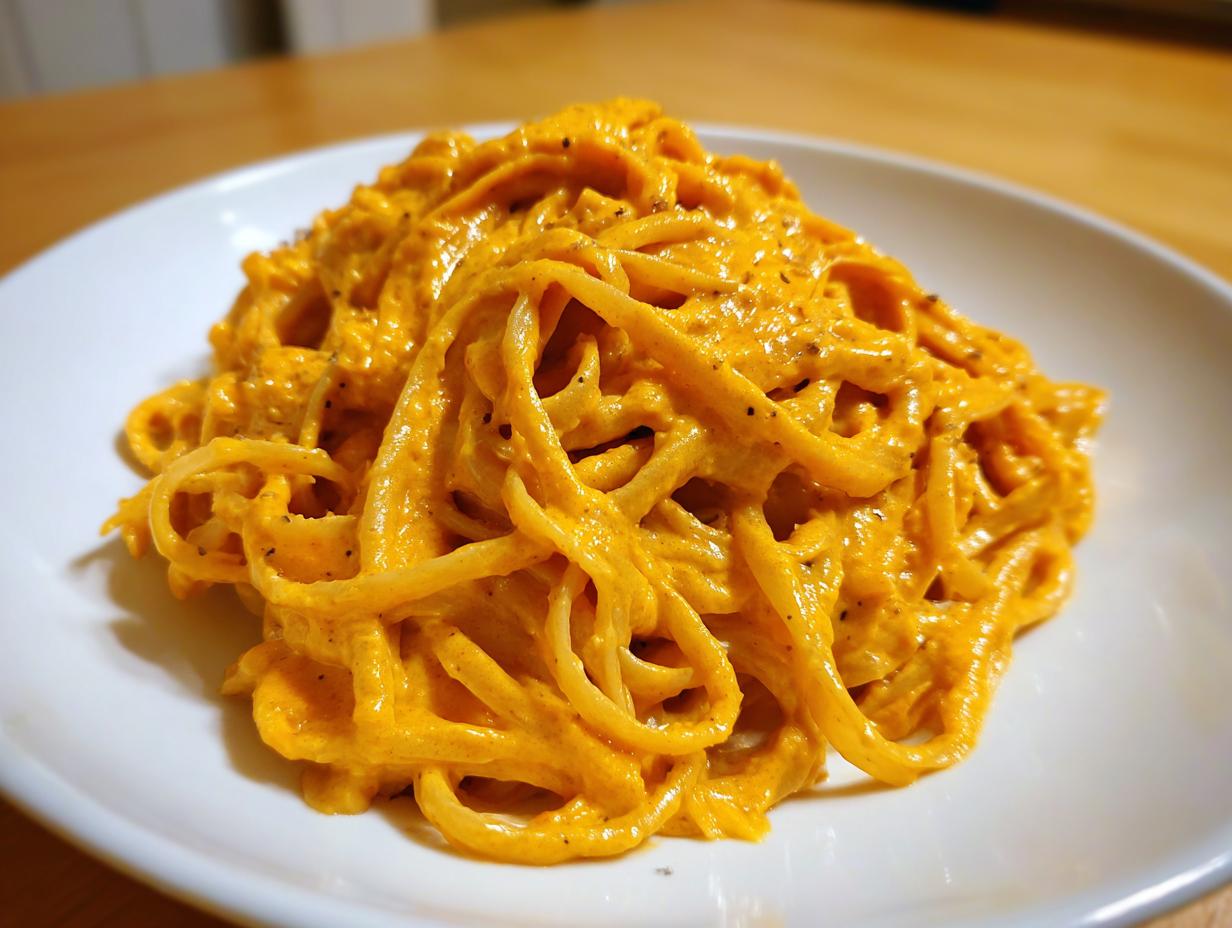
When those crisp autumn evenings hit, I crave comfort food, but let’s be real—I don’t have two hours to babysit a sauce on the stove. That’s why I engineered the ultimate, velvety butternut squash pasta sauce. This is where my project manager brain shines: we are maximizing flavor output while minimizing active time. We roast the squash to lock in maximum sweetness, which means we get that rich, gourmet taste usually reserved for fancy restaurants. Trust me, this recipe is optimized for guaranteed flavor delivery, making it the perfect, reliable solution for your next busy weeknight dinner.
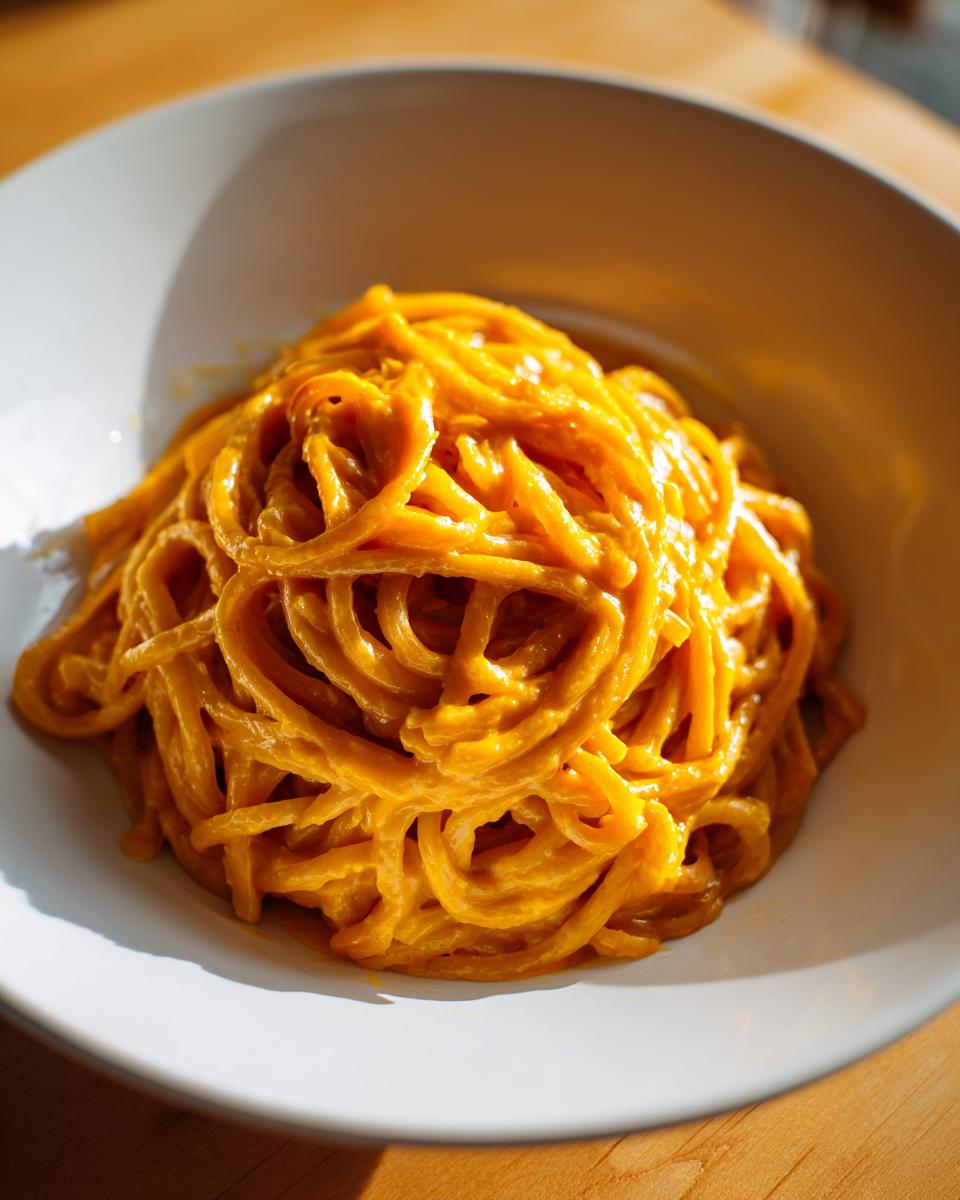
- Why This Roasted Butternut Squash Pasta Sauce Works Every Time
- Gathering Ingredients for Your Butternut Squash Pasta Sauce
- Step-by-Step Guide to Making the Best Butternut Squash Pasta Sauce
- Tips for a Perfect Butternut Squash Pasta Sauce
- Making This Butternut Squash Pasta Sauce Ahead of Time
- Serving Suggestions for Your Fall Pasta Dishes
- Frequently Asked Questions About Butternut Squash Pasta Sauce
- Nutritional Estimate for This Butternut Squash Pasta Sauce
- Share Your Experience with This Comfort Food Pasta
Why This Roasted Butternut Squash Pasta Sauce Works Every Time
I’ve tested a lot of vegetable-forward sauces, and honestly, you haven’t lived until you’ve roasted your squash first. Boiling it is fast, sure, but it just tastes… watery. Roasting changes the game entirely, delivering that deep, comforting sweetness we all want.
This method guarantees you get that signature velvety pasta sauce without needing a ton of heavy cream. It’s simple efficiency that delivers big results every time you decide to make an easy weeknight pasta.
Flavor Built Through Roasting
This is the core principle of the Dishicious method: maximizing flavor with minimal fuss. When you roast the squash cubes, the sugars naturally present caramelize in the oven’s heat. That browning—the Maillard reaction, if you want to get technical—gives the sauce a robust, almost nutty background flavor that you simply cannot achieve by simmering it in liquid on the stovetop. It’s flavor integrity, folks.
Quick Prep for an Easy Weeknight Pasta
I know you’re busy. That’s why I designed this to fit into your schedule. While the oven does most of the heavy lifting, your active time is remarkably low. We’re looking at about 15 minutes of prep before it goes into the oven, and then you just sauté the aromatics while it cooks. The whole process wraps up in under 50 minutes, making it perfect even when you’re racing the clock. If you need fast, healthy options, check out my guide to 30-minute healthy dinners, too!
Gathering Ingredients for Your Butternut Squash Pasta Sauce
Okay, ingredient gathering is where we lock in success. Like any good project, we need the exact components specified upfront so there are no last-minute pantry scrambles. I’ve laid out exactly what you need for this ultimate butternut squash pasta sauce below. Please pay attention to the details—the difference between a so-so sauce and a ‘can-I-have-seconds’ sauce is often in the prep.
For this recipe, you’ll need:
One medium butternut squash—and this is important—we need it peeled, seeded, and cubed. Don’t try to use those tiny, fiddly squash if you can help it; aim for about 3 pounds total heft. You’ll need 2 tablespoons of olive oil, divided between roasting and sautéing. Chop up one medium yellow onion, and mince 3 cloves of garlic—yes, every bit of that garlic, but keep it minced so it incorporates nicely. For the liquid base, grab 1 cup of vegetable broth. For creaminess, we use 1/2 cup of heavy cream, or if you’re going dairy-free, use the full-fat coconut milk, which I detail below. Add 1/4 cup of grated Parmesan cheese only if you’re not keeping this strictly vegetarian. Finally, you need 1 teaspoon of fresh sage, chopped, plus salt and pepper to taste. And, of course, 1 pound of whatever pasta shape your heart desires.
Ingredient Notes and Dietary Substitutions
This recipe is built to be flexible, which is key for any modern kitchen playbook. If you’re looking for a fantastic healthy pasta dinner that skips the dairy, swapping the heavy cream for full-fat coconut milk works like a charm. It adds the richness you need without altering the squash flavor too much. Seriously, don’t use light coconut milk here; you need that fat content for the texture. If you need a completely Dairy Free Pasta Sauce, just stick to the coconut milk and skip the Parmesan. If you’re making this a totally Vegan Butternut Squash Recipe, the substitution rules are the same—coconut milk and no cheese!
Also, freshly chopped sage is non-negotiable for me. Dried sage is just too dusty and overpowering for this delicate sauce flavor. A teaspoon of fresh herbs makes such a difference!
Step-by-Step Guide to Making the Best Butternut Squash Pasta Sauce
Okay, this is the execution phase, and it’s incredibly straightforward—that’s the beauty of engineered recipes, right? We break it down into manageable projects. Getting these four main stages right ensures you end up with the amazing, rich Roasted Squash Sauce everyone raves about.
Roasting the Squash for Depth of Flavor
First things first: Preheat that oven to 400°F (200°C). Don’t rush this; the temperature is key for proper caramelization. Toss your cubed squash with just 1 tablespoon of olive oil, plus salt and pepper—nothing fancy yet. Spread it in a single layer on a baking sheet. We need to roast this for about 25 to 30 minutes. Here’s my check: use a fork to poke the biggest piece. If the fork slides in with zero resistance, it’s done. If you feel any tug whatsoever, give it another five minutes. Under-roasted squash equals a thin, watery sauce base, and we absolutely cannot have that!
Building the Flavor Base in the Skillet
While that’s happening in the oven, move over to the stove. Use the second tablespoon of olive oil in a large skillet over medium heat. Toss in your chopped onion and let it cook down patiently until it’s softened and translucent—that usually takes a solid 5 minutes. Now, the timing on the garlic is critical when making any good butternut squash pasta sauce. Add that minced garlic and cook it for just 60 seconds more. If it smells fragrant, you stop. If you let it brown, you introduce bitterness that ruins the delicate sweetness of the squash. Don’t burn the garlic; that’s Lesson Number One in flavorful cooking. If you want other ideas on roasting aromatics, check out my guide to garlic herb roasting—it uses the same principle!
Achieving the Velvety Texture
Now we combine everything for the magic blend. Carefully transfer the oven-roasted squash, the softened onion and garlic mixture from the skillet, and the full 1 cup of vegetable broth into your high-speed blender. You want this completely smooth—I mean truly seamless, no flecks of onion remaining. The broth is necessary here; it gives the blades something to work with so they can achieve that perfectly velvety pasta sauce texture.
Finishing and Tossing with Pasta
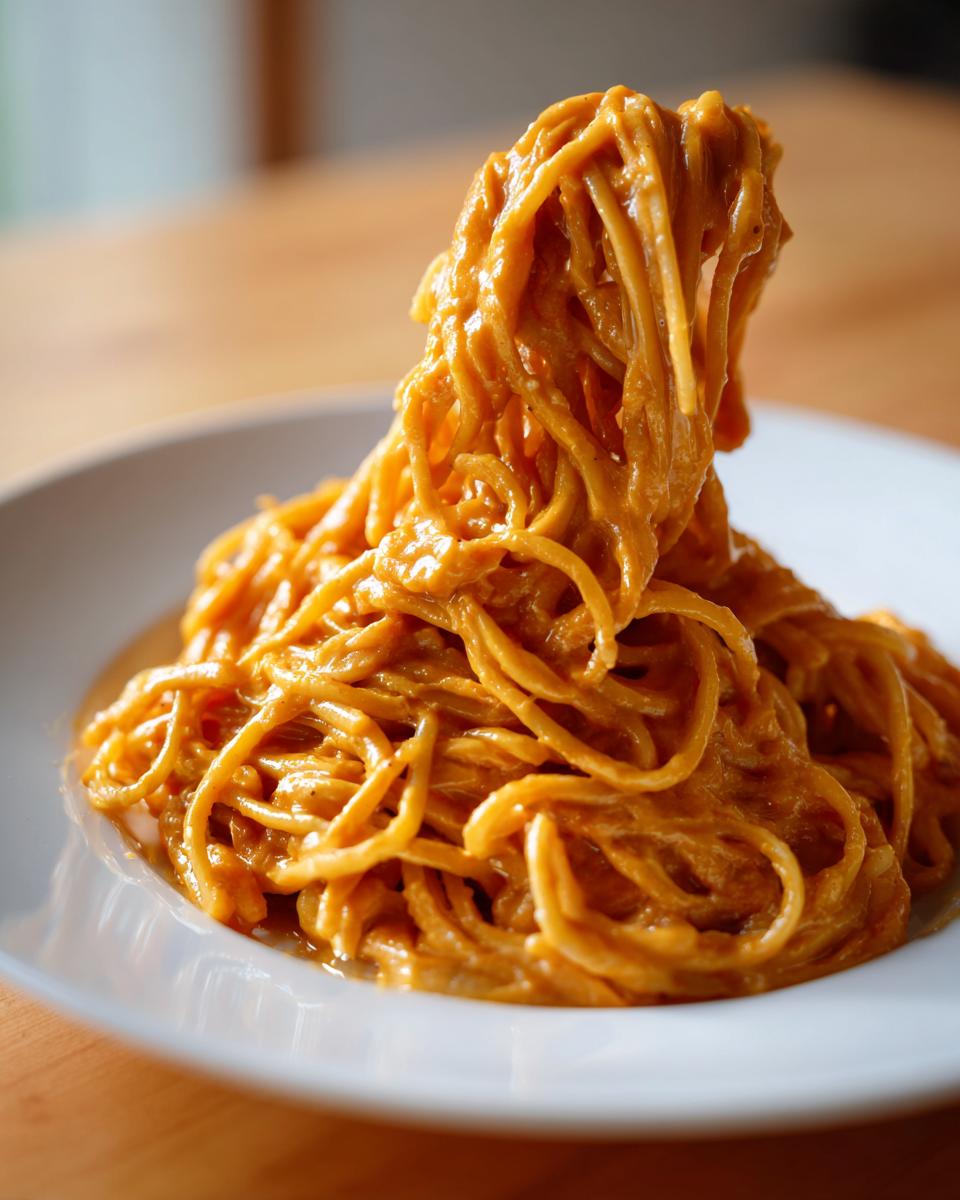
Pour that beautiful puree right back into the empty skillet. Set the heat to low—we are just warming this through, not boiling it now. Stir in your heavy cream (or coconut milk) and the Parmesan, if you’re using it. Once it’s warmed up, stir in that fresh sage. Now for the secret weapon that separates amateurs from experts when making a Creamy Pasta Sauce Recipe: start cooking your pasta. When it’s done, drain it, but right before you dump it in the colander, scoop out about a half-cup of that starchy pasta water. Add the drained pasta directly into the sauce. Toss everything together, adding that reserved pasta water just a tablespoon at a time until the sauce grabs onto every single noodle. That water emulsifies the fat and starch perfectly, making this sauce cling like a dream.
Tips for a Perfect Butternut Squash Pasta Sauce
Even with a streamlined process, sometimes the sauce just needs a little tweak at the end to hit that perfect mark. This is where you step away from the recipe card and use your palate—that’s the final step in conquering any kitchen project! Don’t worry if things seem a little off when you first blend it; adjustments are easy.
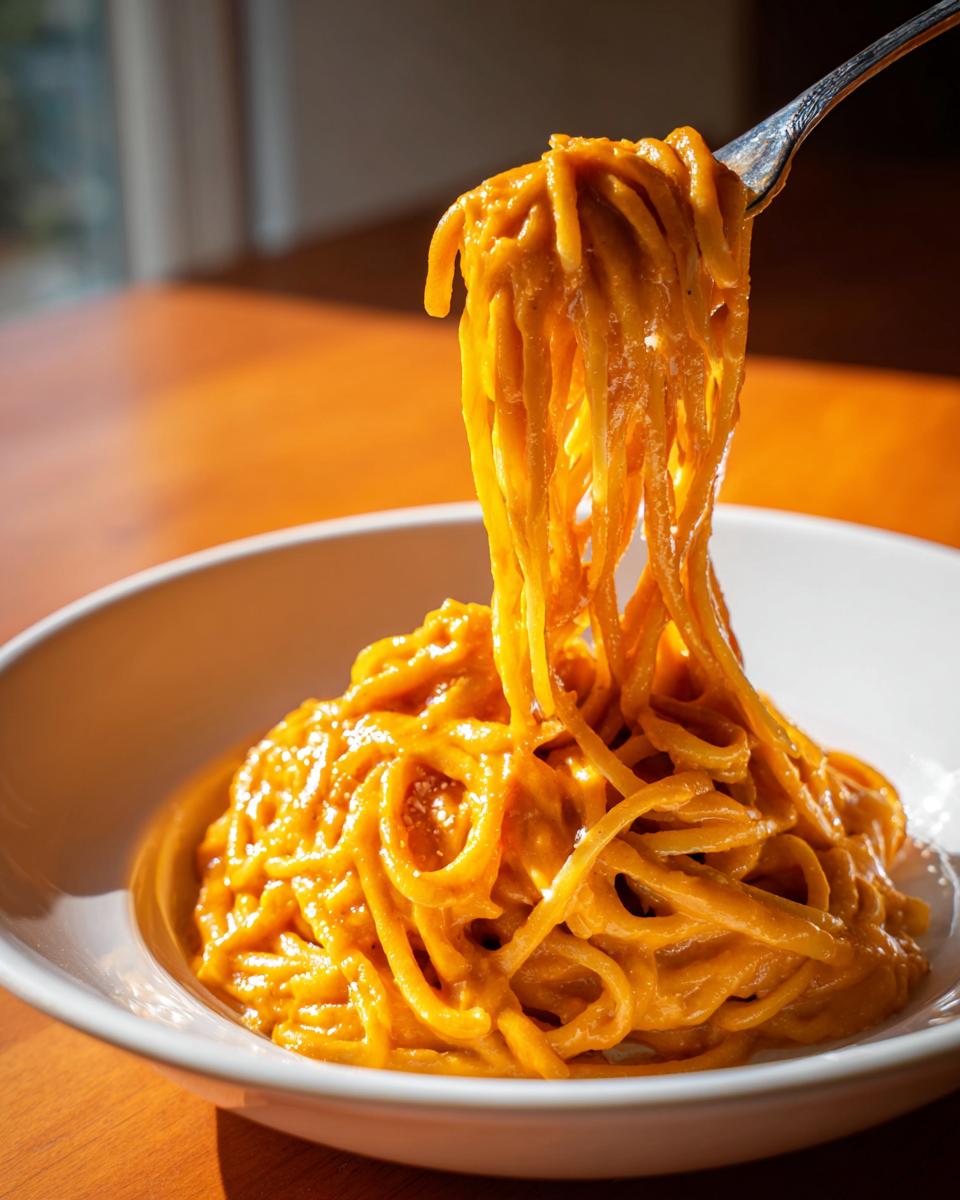
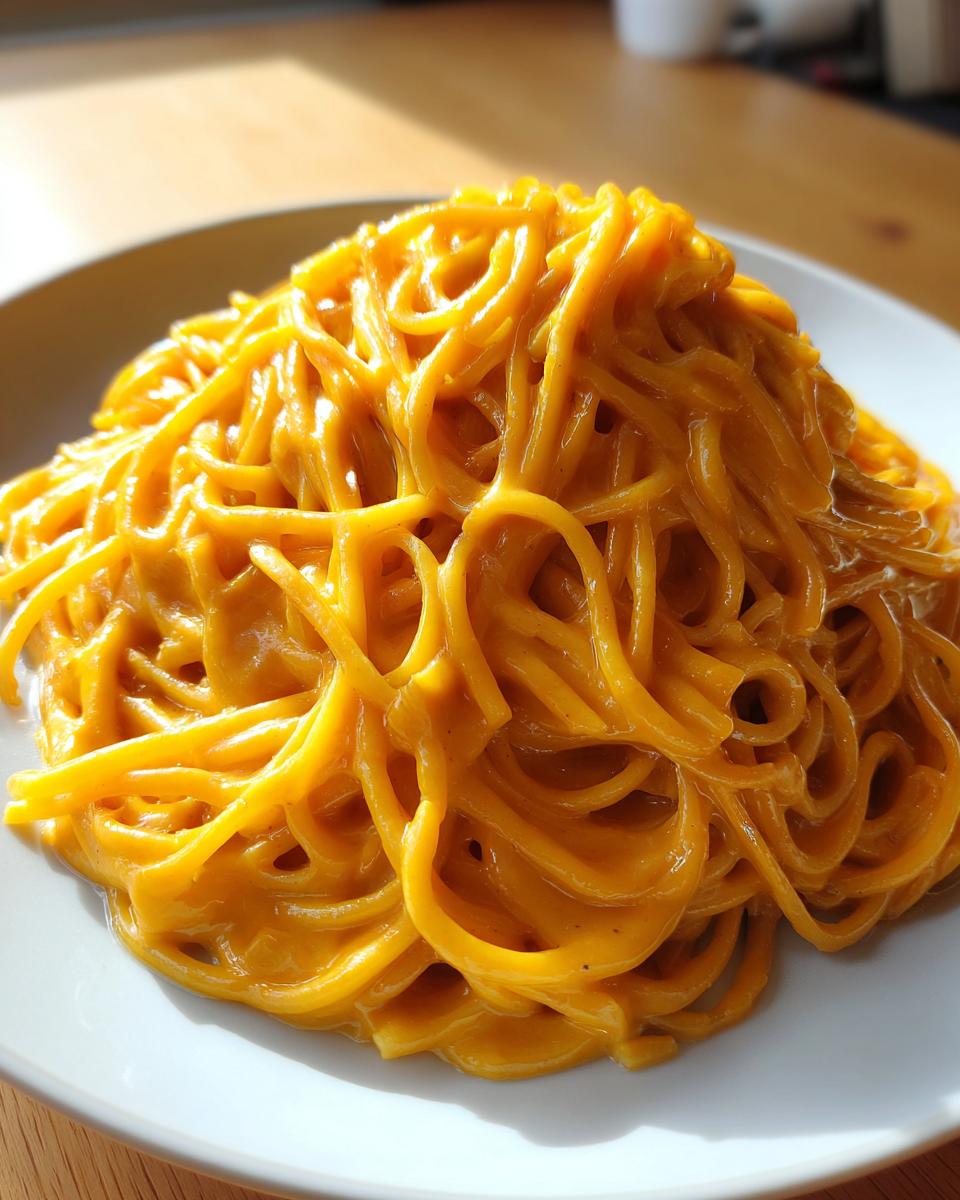
If your sauce is too thick, which happens if your squash was on the drier side, you have one main tool: that reserved pasta water. You saw me mention it earlier, but it bears repeating. Add it slowly, tablespoon by tablespoon, while tossing the pasta in the sauce until it loosens up to that creamy consistency you saw in the pictures. If you’re out of pasta water, slightly warm broth works, but the starch in the water really helps bind everything.
Now, let’s talk seasoning, because this is often overlooked in quick recipes. Once the cream and Parmesan are in, taste it again. Does it taste flat? Maybe it needs a tiny pinch more salt. Does it taste sweet but lack complexity? Sometimes a tiny squeeze of fresh lemon juice—seriously, just half a teaspoon—can brighten the whole thing up without making it taste lemony. It just balances the richness. For more simple ways to boost flavor bases quickly, I cover that extensively in my guide to quick creamy sauces.
Finally, on the sage: if you accidentally added a little too much, don’t panic. The fat from the cream or coconut milk will help mellow it out as it warms through. The goal here is always balance, even when you’re sprinting to get dinner on the table.
Making This Butternut Squash Pasta Sauce Ahead of Time
I’m all about efficiency, and you should be, too! If you’re looking to knock out one piece of your prep for the week, making this Homemade Squash Sauce ahead of time is a brilliant move for securing a Quick Butternut Squash Dinner later on. This sauce is a total winner for meal prep because it actually tastes better the next day once the sage and squash flavors have really settled together in the fridge.
The best strategy is to complete the recipe right up to the point *before* you add the cooked pasta. Once the sauce is blended, heated with the cream, and seasoned, you pull it off the heat. Let it cool down completely before you stash it away. Trying to cool down hot sauce in the fridge just wastes energy and might affect other foods in there, so speed up the cooling by placing the skillet into an ice bath for about ten minutes first. Then, transfer it to an airtight container.
It keeps beautifully in the refrigerator for about four days. Honestly, four days is pushing it; I usually use mine up in three because it’s just too good to ignore!
When it comes time to serve it up for that lightning-fast weeknight meal, reheating is easy. Dump the sauce back into a saucepan over low to medium-low heat. Don’t crank the heat up high, or you risk scorching the milk solids in the cream. Just warm it gently until it’s simmering. You will probably need to thin it out slightly; the sauce will thicken up considerably overnight in the cold. Use a splash of fresh broth or just plain water—but I always sneak in a thin splash of that starchy reserved pasta water if I happen to have any left over from a previous batch. Cook your pasta while the sauce heats, toss them together, and bam—gourmet dinner in five minutes flat. For more ideas on how to streamline your entire week, swing by my guide to quick and easy dinners!
Serving Suggestions for Your Fall Pasta Dishes
So you have this incredibly rich and savory butternut squash pasta sauce coating your noodles. That’s fantastic! But a great meal is about balancing textures and flavors on the plate. Since this sauce is inherently creamy and robust, we want to pair it with things that offer a clean contrast—something crunchy or something bright.
When I build out the perfect plate for these Fall Pasta Dishes, I think about what complements the sweet, earthy squash. You definitely don’t want another heavy, soft side dish sitting next to it. Keep it simple, keep it fresh, or add that required crunch!
Here are the pairings I rely on to take this dish from “great weeknight meal” to “impress the guests comfortable dinner”:
- Toasted Nuts for Crunch: Honestly, this is the easiest upgrade. Toss some toasted pecans or walnuts right over the top of the finished bowl. You get this fantastic, snappy crunch against the velvety sauce. Toast them quickly in a dry pan while the pasta water boils so you don’t waste any time.
- Crispy Protein Add-Ins: If you want to make this heartier, skip the sautéed onions/garlic and instead brown up some Italian sausage or pancetta until crispy, then use that rendered fat to cook your onions. Or, post-sauce, add crispy fried sage leaves—they look beautiful scattered on top!
- A Bright Side Salad: Since the main dish is so rich, a side salad needs some zip. Use a simple vinaigrette, maybe one with apple cider vinegar, which really plays well with autumnal flavors. Something super crisp, like shaved Brussels sprouts or baby kale, cuts right through the creaminess beautifully. If you want inspiration for simple veggie sides, you can check out my guide to garlic herb roasting—a simple pan of roasted broccoli pairs well, too!
- A Dash of Heat: For those who like a little kick, a light dusting of red pepper flakes right before serving adds a surprising warmth that I absolutely love against the sweet squash.
Keep the accompaniments simple. The star here is that beautiful, smooth sauce, and we just want to make sure the supporting cast adds texture without getting in the way of that cozy flavor.
Frequently Asked Questions About Butternut Squash Pasta Sauce
I get a ton of messages after people first try this recipe, and honestly, the questions are usually variations on a few key themes—usually revolving around speed, texture, or dietary swaps. Because I want this to be your go-to Creamy Pasta Sauce Recipe, let’s nail down any lingering doubts you might have right here.
Can I use frozen butternut squash for this butternut squash pasta sauce?
Yes, absolutely! I get it; sometimes peeling and cubing a whole squash just isn’t in the cards, especially when you need a Quick Butternut Squash Dinner. If you use frozen squash, you can skip the initial roasting step entirely, but you’ll need to thaw it first and drain off any excess liquid. Honestly, the flavor won’t be quite as deep as roasting it yourself, but it saves you about 20 minutes, which is a huge win on a Tuesday night. Just make sure you add slightly less starting broth since frozen squash often releases more water during thawing.
How do I make this a healthier pasta dinner without losing creaminess?
That’s a great question for anyone focusing on a Healthy Pasta Dinner! The squash itself is naturally thick, so you actually have more wiggle room than you think. If you’re trying to cut back on the heavy cream, the first thing I suggest is reducing it by half and replacing that volume with just a little more vegetable broth—or if you need that body, use a little bit of reserved starchy pasta water. The key is to prioritize the blend! If you blend that squash until it’s almost paste-like, you get maximum creaminess from the squash structure itself, minimizing the need for added dairy.
What is the best pasta shape to use with this creamy pasta sauce recipe?
This is pure personal preference, but for a rich, heavy sauce like this incredibly flavorful Butternut Squash Sauce, you want a noodle that can really hold everything in its crevices. My top recommendation is always something ridged or hollow. Think rigatoni, penne, or maybe even cavatappi if you can find it. Those shapes trap little pools of the sauce inside the tube. Fettuccine or pappardelle also work beautifully because the wide surface area gets completely coated in that silky goodness. Whatever you choose, remember to always finish tossing that pasta right in the skillet with the sauce!
Nutritional Estimate for This Butternut Squash Pasta Sauce
Look, I’m a cook, not a dietitian, but I know many of you are tracking macros or just curious about what you’re dipping into. Since we’re talking about a homemade butternut squash pasta sauce with pasta, the numbers can shift based on how much cream you use or if you load up on Parmesan. This estimate is based on the core recipe proportions listed above, paired with the pasta.
We pride ourselves on reliability here at Dishicious, and that extends to ingredient honesty. So, take these numbers as a solid guideline, not a certified lab result. Ingredient brand variance and the exact size of your squash will change things slightly, but this gives you a great starting point for planning your meal for the week!
- Serving Size: 1 serving (approx. 1.5 cups sauce with pasta)
- Calories: 450
- Fat: 18g
- Saturated Fat: 10g
- Carbohydrates: 60g
- Fiber: 8g
- Protein: 15g
- Sugar: 10g
- Sodium: 450mg
Notice the great fiber content—that’s the squash doing its job! If you were aiming for a lower-fat version, you could definitely see those saturated fat numbers drop by using a lighter cream substitute, but I always warn folks: don’t sacrifice that rich mouthfeel completely! That’s what makes it such a satisfying Comfort Food Pasta dish.
Share Your Experience with This Comfort Food Pasta
Alright, we’ve roasted, we’ve blended, and I know you’re sitting down right now enjoying what I promise is one of the best, most comforting things you’ll eat this season. But the project isn’t over until I hear back from you!
Did this butternut squash pasta sauce truly simplify your Tuesday night? Did you add a pinch of nutmeg, like I sometimes sneak in when nobody is looking? Or maybe you went bold and swapped the vegan option for a squeeze of lemon juice? I want to hear all about your successes—and even your learning moments. When you tweak a recipe, you’re adding to the Dishicious playbook, and that’s what this site is all about!
Please take a moment to rate this recipe below using the star system. High ratings show me that these streamlined, high-flavor methods are working for your busy life. If you have any questions that weren’t covered in the FAQ, or if you managed to get that sauce perfectly emulsified with the pasta water, drop a comment!
I love seeing these beautiful, velvety bowls of orange goodness out in the wild. If you snap a picture of your finished family dinner, tag me on social media! If you’re ever having trouble tracking down an ingredient or need advice on adapting a recipe for a crowd, don’t hesitate to reach out directly through my contact page. Happy cooking, and I hope this becomes your new reliable comfort food pasta staple!
PrintThe Ultimate Creamy Roasted Butternut Squash Pasta Sauce
This recipe delivers a rich, velvety butternut squash pasta sauce that tastes gourmet but is simple enough for a busy weeknight dinner. Roasting the squash creates deep flavor for this comforting, easy pasta dish.
- Prep Time: 15 min
- Cook Time: 35 min
- Total Time: 50 min
- Yield: 4 servings 1x
- Category: Dinner
- Method: Roasting and Blending
- Cuisine: American
- Diet: Vegetarian
Ingredients
- 1 medium butternut squash (about 3 lbs), peeled, seeded, and cubed
- 2 tablespoons olive oil, divided
- 1 medium yellow onion, chopped
- 3 cloves garlic, minced
- 1 cup vegetable broth
- 1/2 cup heavy cream (or full-fat coconut milk for dairy-free)
- 1/4 cup grated Parmesan cheese (optional, omit for vegan)
- 1 teaspoon fresh sage, chopped
- 1/2 teaspoon salt
- 1/4 teaspoon black pepper
- 1 pound pasta of choice
Instructions
- Preheat your oven to 400°F (200°C). Toss the cubed butternut squash with 1 tablespoon of olive oil, salt, and pepper on a baking sheet. Roast for 25 to 30 minutes, or until tender and lightly browned.
- While the squash roasts, heat the remaining 1 tablespoon of olive oil in a large skillet over medium heat. Add the chopped onion and cook until softened, about 5 minutes.
- Add the minced garlic to the skillet and cook for 1 minute until fragrant. Do not let the garlic burn.
- Transfer the roasted squash, onion, garlic mixture, and vegetable broth to a high-speed blender. Blend until completely smooth and velvety.
- Pour the blended sauce back into the skillet over low heat. Stir in the heavy cream (or coconut milk) and Parmesan cheese, if using. Heat through gently.
- Stir in the fresh sage. Taste the sauce and adjust salt and pepper as needed.
- Cook your pasta according to package directions. Drain the pasta, reserving about 1/2 cup of the pasta water.
- Add the drained pasta directly to the skillet with the sauce. Toss to coat, adding reserved pasta water a tablespoon at a time if the sauce is too thick.
- Serve immediately for a quick, comforting dinner.
Notes
- For a vegan butternut squash recipe, substitute heavy cream with full-fat coconut milk and omit the Parmesan cheese.
- You can roast the squash ahead of time to make this an even faster weeknight pasta option.
- This sauce freezes well; cool completely before storing in an airtight container for up to 3 months.
Nutrition
- Serving Size: 1 serving (approx. 1.5 cups sauce with pasta)
- Calories: 450
- Sugar: 10
- Sodium: 450
- Fat: 18
- Saturated Fat: 10
- Unsaturated Fat: 5
- Trans Fat: 0
- Carbohydrates: 60
- Fiber: 8
- Protein: 15
- Cholesterol: 35