

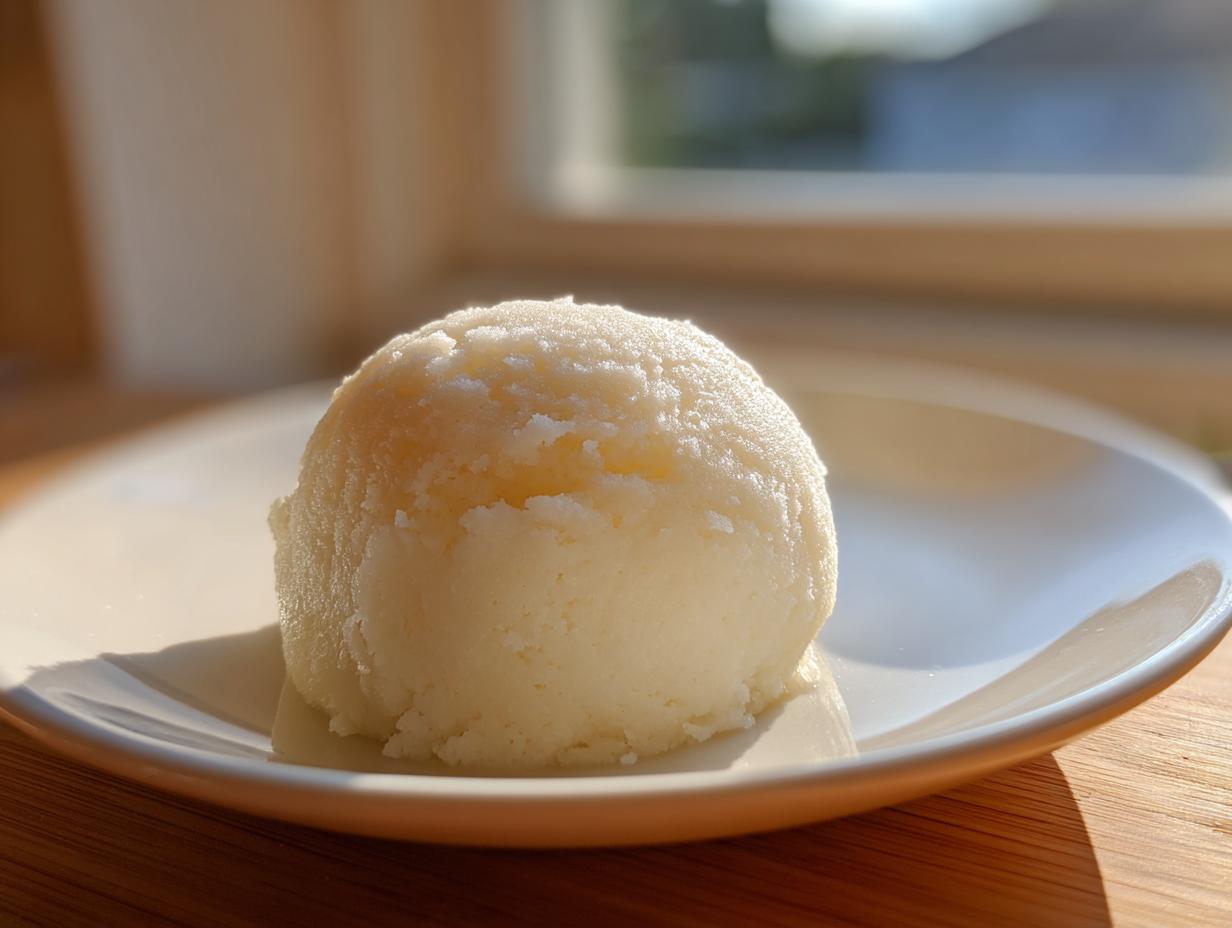
There is something profoundly satisfying about digging into a bowl of rich, savory West African Food, isn’t there? You need that perfect utensil—that soft, earthy foundation to carry all that amazing flavor from your Egusi Soup. That foundation is fufu. As a project manager turned home cook, I looked at the traditional method of making this staple dish and thought: we can streamline this. I engineered this Easy Fufu Recipe specifically so you can skip the hours of pounding and still achieve that gorgeous, Smooth Fufu Texture. Trust me, this method transforms culinary complexity into an incredibly simple 20-minute process.
- Why This Easy Fufu Recipe Works for Your Weeknight Dinner
- Gathering Ingredients for Your Cassava Fufu
- How to Make Fufu at Home: Step-by-Step Instructions
- Expert Tips for Making the Best Fufu
- Pairing Fufu with Soup: The Ultimate Egusi Soup Side Dish
- Storage and Reheating Instructions for Leftover Fufu
- Understanding Fufu in Global Cuisines Dinner Ideas
- Frequently Asked Questions About Making Fufu
- Expert Tips for Making the Best Fufu
- Pairing Fufu with Soup: The Ultimate Egusi Soup Side Dish
- Storage and Reheating Instructions for Leftover Fufu
- Understanding Fufu in Global Cuisines Dinner Ideas
- Frequently Asked Questions About Making Fufu
- Expert Tips for Making the Best Fufu
- Pairing Fufu with Soup: The Ultimate Egusi Soup Side Dish
- Storage and Reheating Instructions for Leftover Fufu
- Understanding Fufu in Global Cuisines Dinner Ideas
- Frequently Asked Questions About Making Fufu
- Estimated Nutritional Data for Fufu
Why This Easy Fufu Recipe Works for Your Weeknight Dinner
When I look at a recipe, I see a project timeline. And frankly, spending an hour pounding dough isn’t efficient for a Tuesday night. That’s why this streamlined process for making authentic fufu is my go-to. We focus on maximizing flavor transfer while minimizing active stirring time. It’s about reliability—you need that perfect consistency every time you want a genuinely satisfying African Staple Dish.
- It cuts the cooking time down dramatically so you can get dinner on the table faster.
- It relies on accessible flours, cutting down on ingredient sourcing stress.
- It produces a beautifully uniform texture that rivals methods taking much longer.
- It’s 100% foolproof if you follow the initial mixing steps correctly.
For more great time-savers, check out my favorite reliable meals over at Quick & Easy Dinners.
Achieving Pliable Fufu Texture Fast
The secret to getting that sought-after pliable fufu texture without the heavy-duty equipment is simple: the slurry. Most people dump the flour and water into the hot pot with a prayer, right? Nope. By first creating a smooth paste—the slurry—we hydrate the starch evenly *before* we apply heat. This pretreatment is what prevents lumps and guarantees a smooth, elastic final product, making this the best Easy Fufu Recipe you’ll try.
Minimal Ingredients for Authentic African Staple Dish
Traditional methods sometimes call for sourcing multiple, sometimes tricky-to-find, tubers or derivatives. We keep the ingredient list tight because, let’s be honest, the flavor should come from the soup you pair it with! Using pre-milled cassava flour means we hit that perfect starch base instantly. Plus, this preparation method means you are automatically making one of the best naturally Gluten Free African Dishes out there, which is a huge win for serving different dietary needs at the table.
Gathering Ingredients for Your Cassava Fufu
Okay, let’s talk supplies. When you’re aiming for that perfect, smooth fufu texture, the flour you choose is non-negotiable. I stick to cassava flour because it gives that classic, slightly springy texture East and West African diners expect. When I source mine, I look for a very finely milled powder—it makes that initial slurry stage much easier to manage and is key to avoiding clumps. Don’t just grab any powdered starch; you want one labeled specifically for fufu or cassava, as texture really does matter here.
The beauty of this streamlined recipe is that you only need three core things on your counter before you start. It’s efficient cooking!
- 2 cups Cassava Flour (The base for authentic fufu)
- 3 cups Water (Yes, that specific ratio is important!)
- Pinch of Salt (Optional, but I usually toss a *tiny* pinch in)
Ingredient Notes and Substitution Options
While cassava flour is my preferred starting point for this classic fufu, project management means having backup plans! If you can’t find cassava flour, you can absolutely pivot to Yam Flour or even Plantain Flour to create something delicious. Just know that changing the flour changes the final texture slightly—Plantain Fufu tends to be a little denser, for example.
The water isn’t just a filler; it’s what allows the starch to gelatinize properly when cooked. Don’t skimp on it! And that pinch of salt? It’s strictly optional. I find that if I am using a really seasoned soup, like a rich Egusi Soup, I skip it entirely so the fufu remains neutral. But if I’m eating it simply, that tiny bit of salt wakes everything up nicely.
How to Make Fufu at Home: Step-by-Step Instructions
This is where we put the efficiency plan into action. Making great fufu isn’t about brute strength; it’s about process management. Remember, we aren’t pounding anything here! We are cooking and stirring to develop the structure, giving you a restaurant-quality fufu wrap in minutes rather than hours. It’s truly an Easy Fufu Recipe if you don’t skip the preparation steps.
- First, get your dry stuff sorted. Measure the cassava flour right into a medium saucepan. If you’re using that optional salt, toss it in now too.
- Now, we build the foundation for that Smooth Fufu Texture. Pour just 1 cup of your water into the flour. Use a wooden spoon or a reliable spatula right away and mix this vigorously until you have a thin, completely smooth slurry. There should be zero lumps floating around. This step is so critical for your final Quick Fufu Dough, don’t rush through it!
- Set that pan over medium heat. Don’t walk away—this happens fast.
- Gradually add the remaining 2 cups of water while stirring non-stop. I mean it, keep that spoon moving! As it heats up, the mixture will go from liquid to a thick paste very quickly.
Creating the Lump-Free Slurry for Perfect Fufu
Seriously, pay attention to this slurry phase. If you dump all the water in at once, you’ll end up fighting lumps for the next twenty minutes, which defeats the whole purpose of this engineered process! The first cup of water, used to dissolve the starch into a smooth paste, is what ensures that when the milk hits the heat, everything hydrates evenly. Get this slurry perfect, and you’ve pretty much guaranteed a fantastic final fufu result. It’s the baseline for perfect Cassava Fufu.
Cooking and Developing the Smooth Fufu Texture
Once the mixture stiffens up and starts pulling away from the sides, lower that heat down to low. This is the crucial development stage where we replace the hard work of pounding. You need to stir and fold this dough vigorously for a solid 5 to 7 minutes. You’ll feel it transform from a stiff paste into a unified, elastic ball. This is the moment the starches bind perfectly, creating that amazing, pliable fufu consistency you’re looking for. For more tried-and-true cooking logic, I often reference the efficiency principles of skillet bread workflows when stirring tough doughs like this!
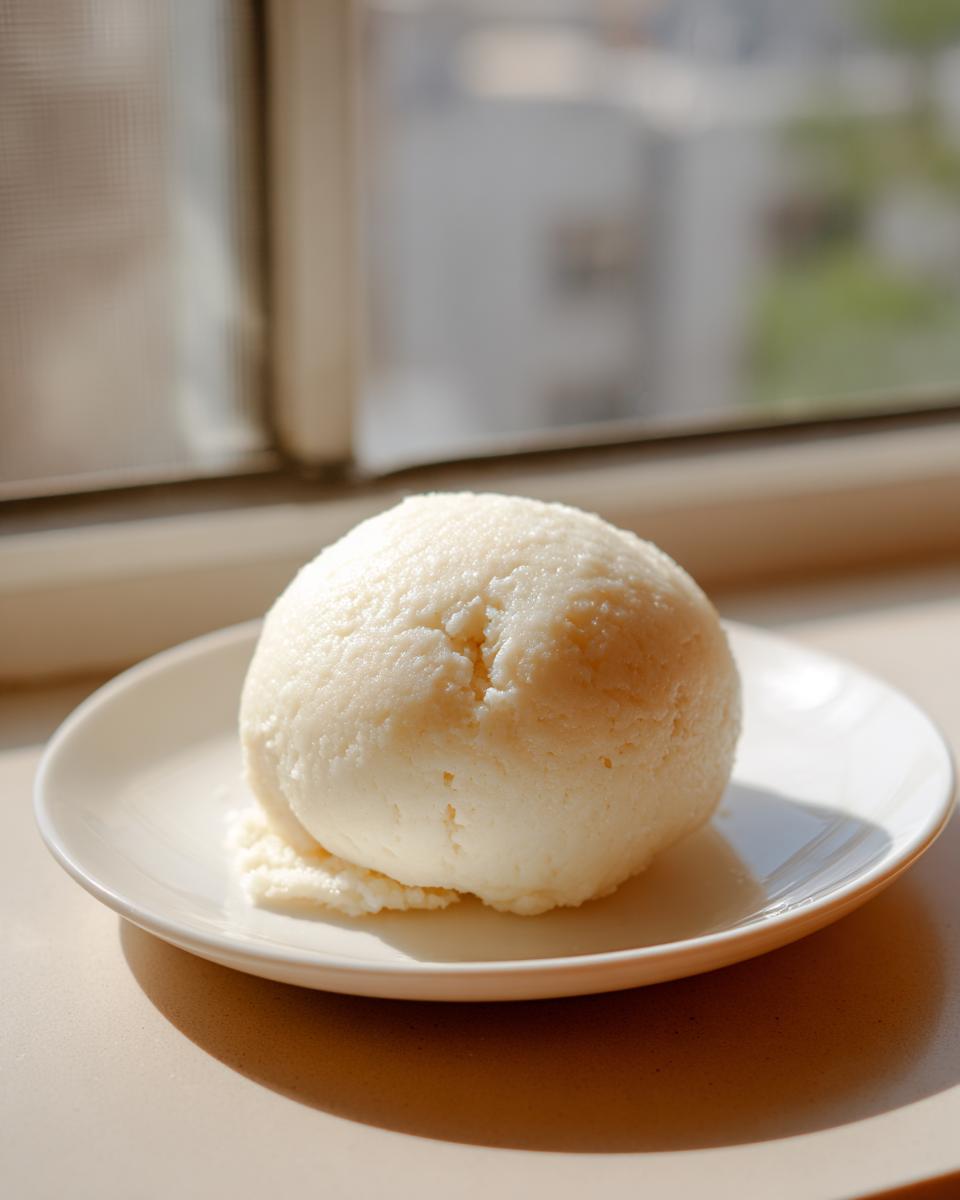
Portioning and Shaping Your Swallow Food Recipe
Once your fufu is visibly pulling away from the pan and feels firm, pull it off the heat immediately. It hardens significantly as it cools, so you have to work quickly! Lightly wet your hands with cool water—this stops the hot dough from sticking to you. Divide the mass into the serving sizes you need. Quickly roll each portion between your palms until you have a neat, smooth ball. That’s it! You’ve made ready-to-eat swallow food. If you want more professional tips on quick-cook doughs, check out this resource: Make Restaurant-Quality Fufu in 15 Minutes.
Expert Tips for Making the Best Fufu
Since I approach cooking like I approach managing a tricky project, my biggest goal is eliminating downtime and ensuring the final product meets spec. For this fufu recipe, that means optimizing your workflow before the heat even goes on. My number one non-recipe tip? Always pre-measure every single ingredient—flour, water, salt—before you turn on the burner. When you’re stirring this densely, you don’t want to be scrambling for a measuring cup when the mixture thickens rapidly.
Secondly, that heavy-duty wooden spoon I mentioned earlier isn’t just for show. It’s your best tool for applying the necessary force during that final 5-minute vigorous stir to create that perfect, soft ball. A flimsy whisk or rubber spatula simply won’t cut it when you’re hitting that late-stage stiffness. Trust me on this; using the right tool saves your arm and guarantees the right smooth fufu texture.
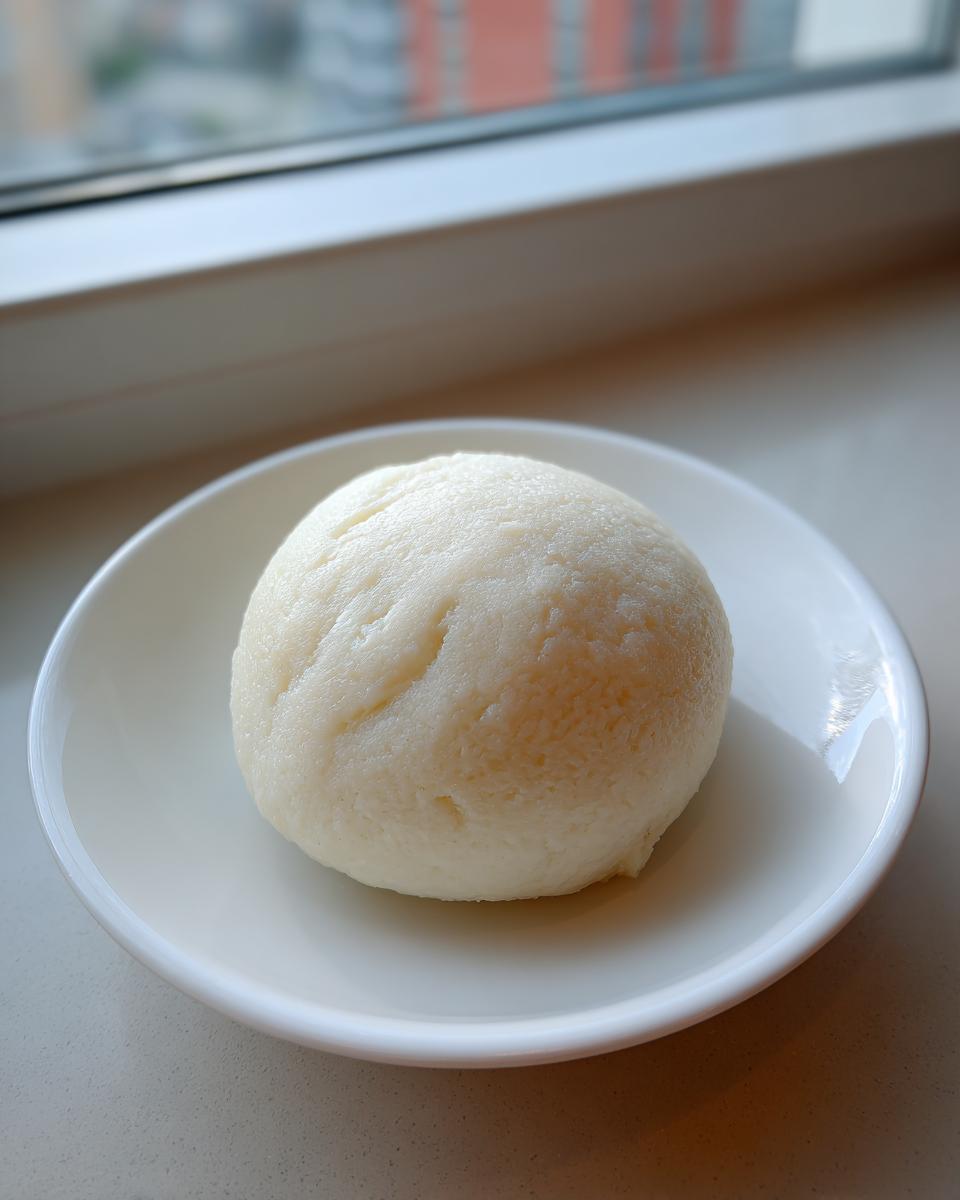
And remember the cardinal rule for all swallow food: serve it hot! Fufu firms up substantially as it cools down because of the starch content. If your soup cools off while you’re dealing with plating or talking, the fufu ball will be harder than you expected. Keep your soup warm on the lowest setting while you portion your dough. For more insights into streamlining African recipes, I found this piece very interesting: Diving Deep Into the World of Fufu Cuisine.
Finally, don’t overthink the shape. Getting a perfectly round ball is nice for presentation, sure, but function wins over form here. As long as you wet your hands slightly and quickly roll it into a smooth mound, it’s ready to go alongside your soup. Perfection is fast and reliable in this kitchen!
Pairing Fufu with Soup: The Ultimate Egusi Soup Side Dish
Now that you have perfected your smooth fufu dough, you have to know how to serve it. This staple isn’t meant to be eaten alone; it’s known as a swallow food recipe for a reason! The whole point is creating that perfect delivery vehicle for rich, flavorful sauces, which is why this recipe is the ideal Egusi Soup Side Dish.
When I make my West African meals, the fufu ball is crucial. You pinch off a small piece, create a small indentation with your thumb, and use it to scoop up that soup. My favorite combo, hands down, is a hearty, nutty Egusi Soup. If you’re looking for soup inspiration that requires that perfect fufu base, definitely check out my recipe for handling a rich, thick soup base—even though it’s Americanized, the principles of scooping apply!
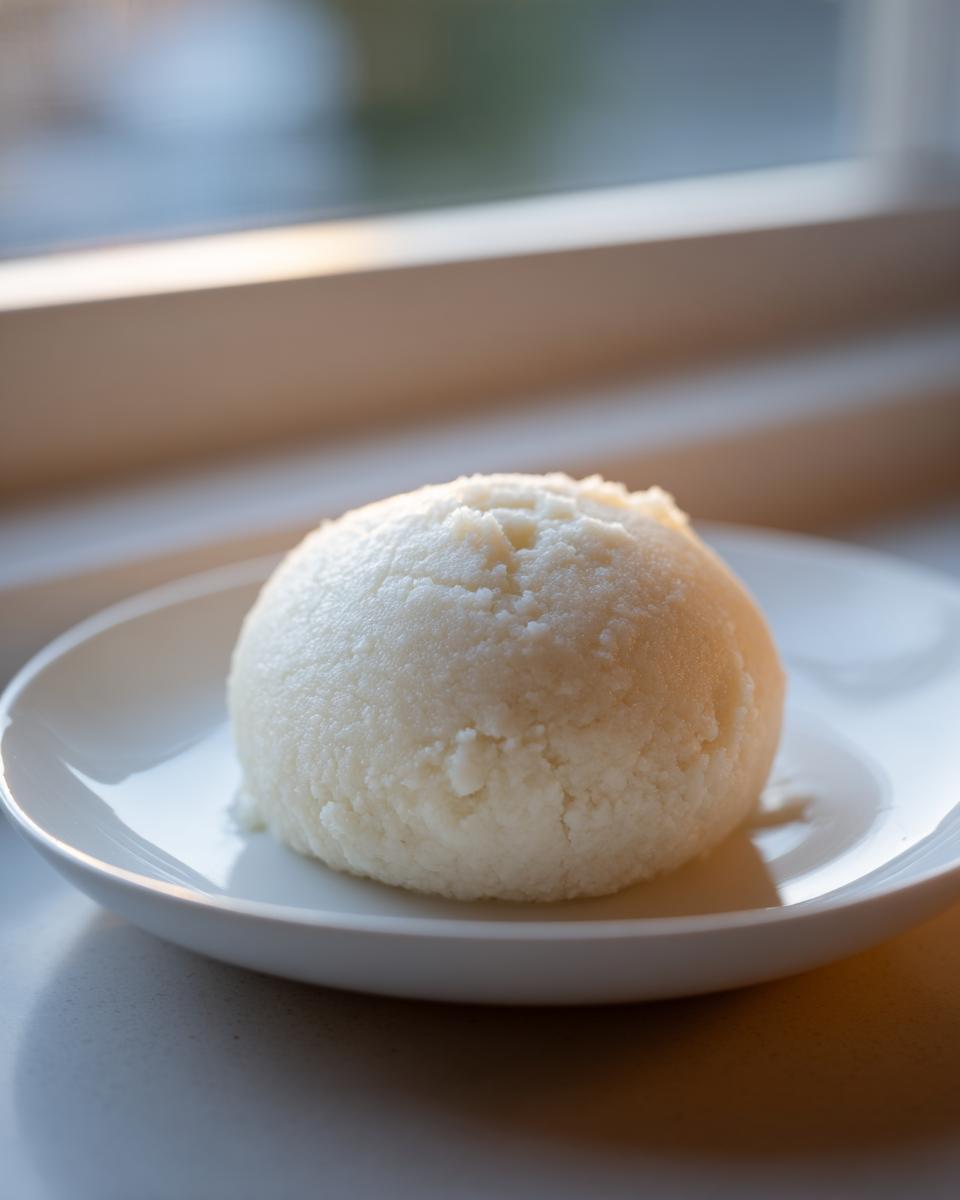
The texture of our homemade fufu means it won’t crumble when dipped, giving you that authentic mouthfeel central to West African Food. For the definitive guide on enjoying this classic pairing, take a look at this masterclass: Egusi and Fufu Masterclass. Enjoy every single scoop!
Storage and Reheating Instructions for Leftover Fufu
Here’s a tough spot for any home cook trying to manage their leftovers: fufu does not play nice with the refrigerator. As this amazing fufu dough cools, those starches lock up completely, and what was once soft and pliable becomes… well, a rock. If you’re planning for leftovers from your batch of fufu, you need a solid storage and reheating plan ahead of time. I treat this phase just like I treat the initial cooking phase; efficiency matters!
For storage, first, make sure you portion the fufu into balls immediately after kneading. Once they are set, wrap each ball tightly in plastic wrap, almost like small presents. Then, place those wrapped portions into an airtight container before popping them into the fridge. This double layer of wrapping prevents that dry refrigerator air from sucking all the remaining moisture out. Don’t leave them on the counter; this is comfort food, not room-temperature food!
Restoring Your Fufu After Refrigeration
When it comes time to eat your leftover fufu, you need steam and motion to bring it back to life. Simply microwaving a cold, hard ball of fufu will only make it harder in spots. Here’s the project manager’s trick for restoring that smooth texture:
- Take one wrapped ball and unwrap it. Place it in a microwave-safe bowl.
- Add just about one teaspoon of water directly onto the ball. Don’t add too much—you want steam, not soup!
- Cover the bowl tightly with a plate or microwave-safe lid, trapping that moisture in.
- Microwave on medium power for about 45–60 seconds. It needs to get steaming hot internally.
Once it comes out hot, be careful—it will be steamy! Immediately wet your hands again and quickly knead and fold the hot fufu right in the bowl. That little bit of water, combined with the heat and your stirring motion, re-activates the starches. In about thirty seconds of kneading, that hard lump transforms back into a warm, pliable fufu ready for your soup. It won’t be *exactly* like fresh-made, but it is definitely ready to scoop!
Understanding Fufu in Global Cuisines Dinner Ideas
While this recipe focuses on the fufu you love from West African Food traditions, it’s worth noting how this incredible preparation fits into the bigger picture. If you are looking to expand your repertoire beyond the usual fare, this African Staple Dish is a fantastic entry point. It proves that comforting, filling meals don’t need complicated sourcing.
We categorize this under Global Cuisines Dinner Ideas because mastering this simple, reliable method opens up so many delicious pairings. Explore mixing up your routine; you already nailed the perfect fufu dough right here! Find more efficient world-inspired meals on my page about Global Cuisines Dinner Ideas.
Frequently Asked Questions About Making Fufu
I know you might have a few lingering questions after diving into this streamlined process for making fufu. That’s totally normal! When you’re introducing a new staple like this into your rotation, you want to make sure you get it right. I’ve compiled a few of the most common queries I get about achieving that perfect, smooth swallow food consistency.
How do I know when my fufu is done cooking on the stove?
This is where you listen to the dough, not just the timer. You’ll know your fufu is done when it stops behaving like a thick, bubbling paste and starts pulling away cleanly from the sides of the saucepan. If you stir it, it should feel heavy and elastic, moving almost as one single unit rather than splashing liquid. When I test mine, I look for that clean pull, reduce the heat, and then stir vigorously for the final five minutes—that pulling away is your cue that the structure is developed!
Can I use regular wheat flour instead of cassava flour for fufu?
Oh, absolutely not! I really caution against substituting standard wheat or all-purpose flour when you’re trying to make authentic fufu. Wheat flour contains gluten, which will turn your dough into a sticky, gummy mess that hardens like cement when cool. You need the specialized starch from cassava, yam, or plantain flour to get that signature smooth, pliable texture. We keep this recipe Gluten Free African Dishes for a reason—the flour choice matters for texture!
Is this process considered a Nigerian Fufu Recipe or Traditional Ghanaian Food?
That’s a great question about regional differences! The beauty of using pre-milled flour and the stovetop stirring method is that it crosses most traditional lines. This technique is functionally the same way many people prepare their fufu base across West Africa, whether you call it Nigerian fufu or it leans toward Traditional Ghanaian Food preparations. The difference usually lies in what you serve *with* it, not how the dough itself is made when skipping the pounding.
Can I make a big batch of fufu ahead of time for meal prep?
You can, but you have to manage expectations and reheating, because, as I covered earlier, this fufu hates the fridge! If you’re prepping for the week, I recommend making smaller, individually portioned balls immediately after cooking, wrapping them tightly, and refrigerating them. When you reheat them with a splash of water and steam, they come back much better than reheating one giant, hard lump. If you have questions about streamlining kitchen projects, feel free to reach out through my Contact Page.
If you are curious about how different cultures manage their doughs worldwide, I always suggest looking at other resources, like this general guide on What Is Fufu, to see regional variations!
Expert Tips for Making the Best Fufu
Since I approach cooking like I approach managing a tricky project, my biggest goal is eliminating downtime and ensuring the final product meets spec. For this fufu recipe, that means optimizing your workflow before the heat even goes on. My number one non-recipe tip? Always pre-measure every single ingredient—flour, water, salt—before you turn on the burner. When you’re stirring this densely, you don’t want to be scrambling for a measuring cup when the mixture thickens rapidly.
Secondly, that heavy-duty wooden spoon I mentioned earlier isn’t just for show. It’s your best tool for applying the necessary force during that final 5-minute vigorous stir to create that perfect, soft ball. A flimsy whisk or rubber spatula simply won’t cut it when you’re hitting that late-stage stiffness. Trust me on this; using the right tool saves your arm and guarantees the right smooth fufu texture.
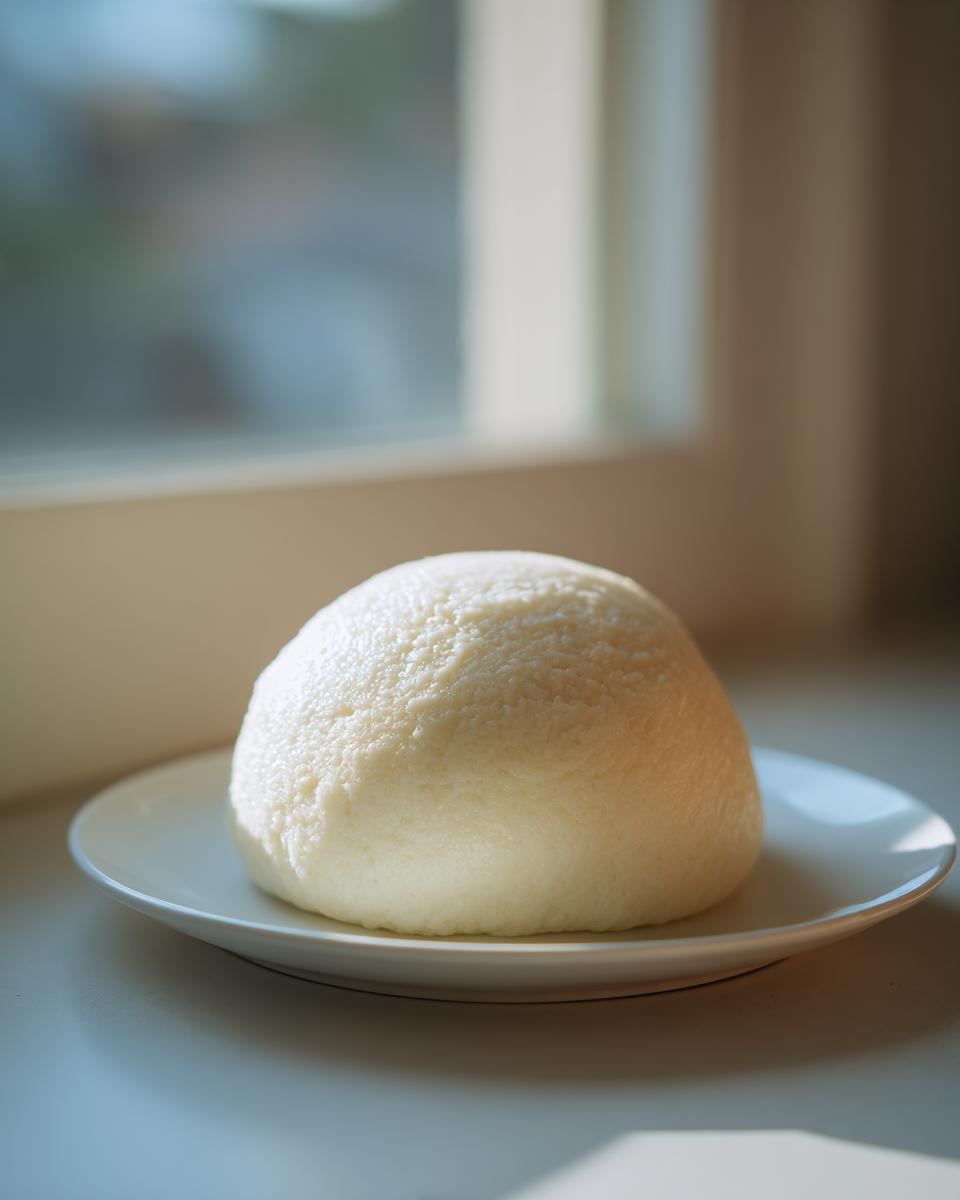
And remember the cardinal rule for all swallow food: serve it hot! Fufu firms up substantially as it cools down because of the starch content. If your soup cools off while you’re dealing with plating or talking, the fufu ball will be harder than you expected. Keep your soup warm on the lowest setting while you portion your dough. For more insights into streamlining African recipes, I found this piece very interesting: Diving Deep Into the World of Fufu Cuisine.
Finally, don’t overthink the shape. Getting a perfectly round ball is nice for presentation, sure, but function wins over form here. As long as you wet your hands slightly and quickly roll it into a smooth mound, it’s ready to go alongside your soup. Perfection is fast and reliable in this kitchen!
Pairing Fufu with Soup: The Ultimate Egusi Soup Side Dish
Now that you have perfected your smooth fufu dough, you have to know how to serve it. This staple isn’t meant to be eaten alone; it’s known as a swallow food recipe for a reason! The whole point is creating that perfect delivery vehicle for rich, flavorful sauces, which is why this recipe is the ideal Egusi Soup Side Dish.
When I make my West African meals, the fufu ball is crucial. You pinch off a small piece, create a small indentation with your thumb, and use it to scoop up that soup. My favorite combo, hands down, is a hearty, nutty Egusi Soup. If you’re looking for soup inspiration that requires that perfect fufu base, definitely check out my recipe for handling a rich, thick soup base—even though it’s Americanized, the principles of scooping apply!
The texture of our homemade fufu means it won’t crumble when dipped, giving you that authentic mouthfeel central to West African Food. For the definitive guide on enjoying this classic pairing, take a look at this masterclass: Egusi and Fufu Masterclass. Enjoy every single scoop!
Storage and Reheating Instructions for Leftover Fufu
Here’s a tough spot for any home cook trying to manage their leftovers: fufu does not play nice with the refrigerator. As this amazing fufu dough cools, those starches lock up completely, and what was once soft and pliable becomes… well, a rock. If you’re planning for leftovers from your batch of fufu, you need a solid storage and reheating plan ahead of time. I treat this phase just like I treat the initial cooking phase; efficiency matters!
For storage, first, make sure you portion the fufu into balls immediately after kneading. Once they are set, wrap each ball tightly in plastic wrap, almost like small presents. Then, place those wrapped portions into an airtight container before popping them into the fridge. This double layer of wrapping prevents that dry refrigerator air from sucking all the remaining moisture out. Don’t leave them on the counter; this is comfort food, not room-temperature food!
Restoring Your Fufu After Refrigeration
When it comes time to eat your leftover fufu, you need steam and motion to bring it back to life. Simply microwaving a cold, hard ball of fufu will only make it harder in spots. Here’s the project manager’s trick for restoring that smooth texture:
- Take one wrapped ball and unwrap it. Place it in a microwave-safe bowl.
- Add just about one teaspoon of water directly onto the ball. Don’t add too much—you want steam, not soup!
- Cover the bowl tightly with a plate or microwave-safe lid, trapping that moisture in.
- Microwave on medium power for about 45–60 seconds. It needs to get steaming hot internally.
Once it comes out hot, be careful—it will be steamy! Immediately wet your hands again and quickly knead and fold the hot fufu right in the bowl. That little bit of water, combined with the heat and your stirring motion, re-activates the starches. In about thirty seconds of kneading, that hard lump transforms back into a warm, pliable fufu ready for your soup. It won’t be *exactly* like fresh-made, but it is definitely ready to scoop!
Understanding Fufu in Global Cuisines Dinner Ideas
While this recipe focuses on the fufu you love from West African Food traditions, it’s worth noting how this incredible preparation fits into the bigger picture. If you are looking to expand your repertoire beyond the usual fare, this African Staple Dish is a fantastic entry point. It proves that comforting, filling meals don’t need complicated sourcing.
We categorize this under Global Cuisines Dinner Ideas because mastering this simple, reliable method opens up so many delicious pairings. Explore mixing up your routine; you already nailed the perfect fufu dough right here! Find more efficient world-inspired meals on my page about Global Cuisines Dinner Ideas.
Frequently Asked Questions About Making Fufu
I know you might have a few lingering questions after diving into this streamlined process for making fufu. That’s totally normal! When you’re introducing a new staple like this into your rotation, you want to make sure you get it right. I’ve compiled a few of the most common queries I get about achieving that perfect, smooth swallow food consistency.
How do I know when my fufu is done cooking on the stove?
This is where you listen to the dough, not just the timer. You’ll know your fufu is done when it stops behaving like a thick, bubbling paste and starts pulling away cleanly from the sides of the saucepan. If you stir it, it should feel heavy and elastic, moving almost as one single unit rather than splashing liquid. When I test mine, I look for that clean pull, reduce the heat, and then stir vigorously for the final five minutes—that pulling away is your cue that the structure is developed!
Can I use regular wheat flour instead of cassava flour for fufu?
Oh, absolutely not! I really caution against substituting standard wheat or all-purpose flour when you’re trying to make authentic fufu. Wheat flour contains gluten, which will turn your dough into a sticky, gummy mess that hardens like cement when cool. You need the specialized starch from cassava, yam, or plantain flour to get that signature smooth, pliable texture. We keep this recipe Gluten Free African Dishes for a reason—the flour choice matters for texture!
Is this process considered a Nigerian Fufu Recipe or Traditional Ghanaian Food?
That’s a great question about regional differences! The beauty of using pre-milled flour and the stovetop stirring method is that it crosses most traditional lines. This technique is functionally the same way many people prepare their fufu base across West Africa, whether you call it Nigerian fufu or it leans toward Traditional Ghanaian Food preparations. The difference usually lies in what you serve *with* it, not how the dough itself is made when skipping the pounding.
Can I make a big batch of fufu ahead of time for meal prep?
You can, but you have to manage expectations and reheating, because, as I covered earlier, this fufu hates the fridge! If you’re prepping for the week, I recommend making smaller, individually portioned balls immediately after cooking, wrapping them tightly, and refrigerating them. When you reheat them with a splash of water and steam, they come back much better than reheating one giant, hard lump. If you have questions about streamlining kitchen projects, feel free to reach out through my Contact Page.
If you are curious about how different cultures manage their doughs worldwide, I always suggest looking at other resources, like this general guide on What Is Fufu, to see regional variations!
Expert Tips for Making the Best Fufu
Since I approach cooking like I approach managing a tricky project, my biggest goal is eliminating downtime and ensuring the final product meets spec. For this fufu recipe, that means optimizing your workflow before the heat even goes on. My number one non-recipe tip? Always pre-measure every single ingredient—flour, water, salt—before you turn on the burner. When you’re stirring this densely, you don’t want to be scrambling for a measuring cup when the mixture thickens rapidly.
Secondly, that heavy-duty wooden spoon I mentioned earlier isn’t just for show. It’s your best tool for applying the necessary force during that final 5-minute vigorous stir to create that perfect, soft ball. A flimsy whisk or rubber spatula simply won’t cut it when you’re hitting that late-stage stiffness. Trust me on this; using the right tool saves your arm and guarantees the right smooth fufu texture.
And remember the cardinal rule for all swallow food: serve it hot! Fufu firms up substantially as it cools down because of the starch content. If your soup cools off while you’re dealing with plating or talking, the fufu ball will be harder than you expected. Keep your soup warm on the lowest setting while you portion your dough. For more insights into streamlining African recipes, I found this piece very interesting: Diving Deep Into the World of Fufu Cuisine.
Finally, don’t overthink the shape. Getting a perfectly round ball is nice for presentation, sure, but function wins over form here. As long as you wet your hands slightly and quickly roll it into a smooth mound, it’s ready to go alongside your soup. Perfection is fast and reliable in this kitchen!
Pairing Fufu with Soup: The Ultimate Egusi Soup Side Dish
Now that you have perfected your smooth fufu dough, you have to know how to serve it. This staple isn’t meant to be eaten alone; it’s known as a swallow food recipe for a reason! The whole point is creating that perfect delivery vehicle for rich, flavorful sauces, which is why this recipe is the ideal Egusi Soup Side Dish.
When I make my West African meals, the fufu ball is crucial. You pinch off a small piece, create a small indentation with your thumb, and use it to scoop up that soup. My favorite combo, hands down, is a hearty, nutty Egusi Soup. If you’re looking for soup inspiration that requires that perfect fufu base, definitely check out my recipe for handling a rich, thick soup base—even though it’s Americanized, the principles of scooping apply!
The texture of our homemade fufu means it won’t crumble when dipped, giving you that authentic mouthfeel central to West African Food. For the definitive guide on enjoying this classic pairing, take a look at this masterclass: Egusi and Fufu Masterclass. Enjoy every single scoop!
Storage and Reheating Instructions for Leftover Fufu
Here’s a tough spot for any home cook trying to manage their leftovers: fufu does not play nice with the refrigerator. As this amazing fufu dough cools, those starches lock up completely, and what was once soft and pliable becomes… well, a rock. If you’re planning for leftovers from your batch of fufu, you need a solid storage and reheating plan ahead of time. I treat this phase just like I treat the initial cooking phase; efficiency matters!
For storage, first, make sure you portion the fufu into balls immediately after kneading. Once they are set, wrap each ball tightly in plastic wrap, almost like small presents. Then, place those wrapped portions into an airtight container before popping them into the fridge. This double layer of wrapping prevents that dry refrigerator air from sucking all the remaining moisture out. Don’t leave them on the counter; this is comfort food, not room-temperature food!
Restoring Your Fufu After Refrigeration
When it comes time to eat your leftover fufu, you need steam and motion to bring it back to life. Simply microwaving a cold, hard ball of fufu will only make it harder in spots. Here’s the project manager’s trick for restoring that smooth texture:
- Take one wrapped ball and unwrap it. Place it in a microwave-safe bowl.
- Add just about one teaspoon of water directly onto the ball. Don’t add too much—you want steam, not soup!
- Cover the bowl tightly with a plate or microwave-safe lid, trapping that moisture in.
- Microwave on medium power for about 45–60 seconds. It needs to get steaming hot internally.
Once it comes out hot, be careful—it will be steamy! Immediately wet your hands again and quickly knead and fold the hot fufu right in the bowl. That little bit of water, combined with the heat and your stirring motion, re-activates the starches. In about thirty seconds of kneading, that hard lump transforms back into a warm, pliable fufu ready for your soup. It won’t be *exactly* like fresh-made, but it is definitely ready to scoop!
Understanding Fufu in Global Cuisines Dinner Ideas
While this recipe focuses on the fufu you love from West African Food traditions, it’s worth noting how this incredible preparation fits into the bigger picture. If you are looking to expand your repertoire beyond the usual fare, this African Staple Dish is a fantastic entry point. It proves that comforting, filling meals don’t need complicated sourcing.
We categorize this under Global Cuisines Dinner Ideas because mastering this simple, reliable method opens up so many delicious pairings. Explore mixing up your routine; you already nailed the perfect fufu dough right here! Find more efficient world-inspired meals on my page about Global Cuisines Dinner Ideas.
Frequently Asked Questions About Making Fufu
I know you might have a few lingering questions after diving into this streamlined process for making fufu. That’s totally normal! When you’re introducing a new staple like this into your rotation, you want to make sure you get it right. I’ve compiled a few of the most common queries I get about achieving that perfect, smooth swallow food consistency.
How do I know when my fufu is done cooking on the stove?
This is where you listen to the dough, not just the timer. You’ll know your fufu is done when it stops behaving like a thick, bubbling paste and starts pulling away cleanly from the sides of the saucepan. If you stir it, it should feel heavy and elastic, moving almost as one single unit rather than splashing liquid. When I test mine, I look for that clean pull, reduce the heat, and then stir vigorously for the final five minutes—that pulling away is your cue that the structure is developed!
Can I use regular wheat flour instead of cassava flour for fufu?
Oh, absolutely not! I really caution against substituting standard wheat or all-purpose flour when you’re trying to make authentic fufu. Wheat flour contains gluten, which will turn your dough into a sticky, gummy mess that hardens like cement when cool. You need the specialized starch from cassava, yam, or plantain flour to get that signature smooth, pliable texture. We keep this recipe Gluten Free African Dishes for a reason—the flour choice matters for texture!
Is this process considered a Nigerian Fufu Recipe or Traditional Ghanaian Food?
That’s a great question about regional differences! The beauty of using pre-milled flour and the stovetop stirring method is that it crosses most traditional lines. This technique is functionally the same way many people prepare their fufu base across West Africa, whether you call it Nigerian fufu or it leans toward Traditional Ghanaian Food preparations. The difference usually lies in what you serve *with* it, not how the dough itself is made when skipping the pounding.
Can I make a big batch of fufu ahead of time for meal prep?
You can, but you have to manage expectations and reheating, because, as I covered earlier, this fufu hates the fridge! If you’re prepping for the week, I recommend making smaller, individually portioned balls immediately after cooking, wrapping them tightly, and refrigerating them. When you reheat them with a splash of water and steam, they come back much better than reheating one giant, hard lump. If you have questions about streamlining kitchen projects, feel free to reach out through my Contact Page.
If you are curious about how different cultures manage their doughs worldwide, I always suggest looking at other resources, like this general guide on What Is Fufu, to see regional variations!
Estimated Nutritional Data for Fufu
I always want you to know exactly what you’re putting into your body, even when we’re talking about simple, pure fufu like this. Since this recipe relies almost entirely on cassava flour and water, the numbers are pretty straightforward. It’s fantastic, naturally gluten-free comfort food!
Keep in mind, because I’m not running a certified lab here in Chicago, these are estimated figures based on standard cassava flour nutrition profiles. How hearty your stew is on the side will obviously change the overall meal nutrition, but for the African Staple Dish itself, here are the averages per serving size:
- Serving Size: 1 ball
- Calories: 280
- Carbohydrates: 65g
- Protein: 3g
- Fat: 1g
- Fiber: 3g
- Sugar: 1g
- Sodium: 5mg
See? It’s wonderfully clean fuel for enjoying a great meal. That low sodium and fat content really highlights that it’s the soup—the Egusi or peanut soup—that brings all the richness to the plate. When you’re trying out new Global Cuisines Dinner Ideas, knowing the base components are simple is a huge project success factor for me. Enjoy your hearty, simple fufu!
PrintEasy Fufu Recipe: Smooth West African Staple Dish
Make authentic, smooth Fufu at home without traditional pounding. This beginner-friendly recipe provides the perfect pliable dough to serve with your favorite West African soups and stews, like Egusi soup.
- Prep Time: 5 min
- Cook Time: 15 min
- Total Time: 20 min
- Yield: 4 servings 1x
- Category: Dinner
- Method: Stovetop Cooking
- Cuisine: West African
- Diet: Gluten Free
Ingredients
- 2 cups Cassava Flour (or Yam Flour/Plantain Flour for variation)
- 3 cups Water
- Pinch of Salt (optional)
Instructions
- Measure the cassava flour into a medium saucepan. Add the salt, if using.
- Pour 1 cup of the water into the saucepan with the flour and mix thoroughly until you have a smooth, thin slurry with no lumps. This step is key for a smooth Fufu texture.
- Place the saucepan over medium heat.
- Gradually add the remaining 2 cups of water while continuously stirring the mixture with a wooden spoon or sturdy spatula.
- Continue stirring constantly as the mixture begins to thicken. It will go through several stages, from a thick paste to a very stiff dough.
- Once the mixture is very stiff and pulls away cleanly from the sides of the pan, reduce the heat to low.
- Continue to stir and fold the dough vigorously for about 5 to 7 minutes. This process develops the smooth, pliable texture essential for good Fufu.
- Remove the Fufu from the heat.
- Divide the Fufu into desired serving sizes. Wet your hands slightly and quickly roll each portion into a smooth ball.
- Serve your Fufu immediately as a swallow food alongside hearty West African soups or stews, such as Egusi Soup.
Notes
- For a quicker method, you can use instant Fufu flour, which requires less cooking time.
- Always serve Fufu hot. It hardens as it cools.
- To achieve the best texture, use a strong wooden spoon for the final stirring phase.
- This Fufu recipe is naturally Gluten Free.
Nutrition
- Serving Size: 1 ball
- Calories: 280
- Sugar: 1
- Sodium: 5
- Fat: 1
- Saturated Fat: 0
- Unsaturated Fat: 1
- Trans Fat: 0
- Carbohydrates: 65
- Fiber: 3
- Protein: 3
- Cholesterol: 0