


I don’t know about you, but for years, getting that restaurant-quality soft, chewy flatbread meant either ordering takeout or trying some incredibly complex recipe involving yeast proofing and praying for a tandoor oven to magically appear in my backyard. It felt like a culinary project I just didn’t have the bandwidth for on a Tuesday night. That stress is finished. As someone who treats cooking like project management—streamlining complexity for reliable results—I’ve engineered the perfect solution: this naan bread recipe. This Easy Homemade Soft & Fluffy Skillet Naan Bread skips the yeast entirely and uses your stovetop. We’re talking truly fluffy Indian bread, ready in under 30 minutes total. That’s efficiency you can eat! Pair it with a sharp dip like my easy 15-minute beer cheese dip for a perfect snack.
- Why This Easy Homemade Naan Bread Recipe Works (The Dishicious Method)
- Ingredients for Your Skillet Naan Recipe
- Simple Bread Making: How to Prepare the Naan Bread Recipe
- Cooking the Naan Bread Without Yeast on the Stovetop
- Ingredient Notes and Substitutions for Your Naan Bread Recipe
- Tips for Success with This Homemade Naan Recipe
- Serving Suggestions: Naan Perfect for Curry and Dips
- Storing and Reheating Your Soft and Chewy Bread
- Frequently Asked Questions About This Naan Bread Recipe
Why This Easy Homemade Naan Bread Recipe Works (The Dishicious Method)
When I approach any recipe, my goal is to eliminate unnecessary steps without sacrificing flavor or texture. This Homemade Naan Recipe is a prime example of that efficiency in action. We are cutting out the long wait times associated with traditional yeast breads and skipping the specialized tandoor oven entirely, which is a huge win for weeknight cooking. You get amazing results using basic items you already have.
- Achieving Soft and Chewy Bread Without Yeast: We rely on the chemical reaction of baking powder, boosted by the natural acidity of yogurt, to give us instant lift. This means no waiting for dough to rise! It’s pure science engineered for speed, resulting in perfectly Soft and Chewy Bread every time.
- The Power of the Stovetop Naan Recipe: Forget complex heating chambers. A scorching hot cast-iron skillet gets hot enough to mimic that intense heat from a tandoor. This high temp is what creates the signature air pockets and those beautiful, slightly charred spots you crave in authentic Indian flatbread. This Stovetop Naan Recipe is foolproof.
If you want to see this focused, efficiency-first approach applied elsewhere, check out my guide for easy sheet pan mini meatloaf recipe—same fast, reliable results!
Ingredients for Your Skillet Naan Recipe
Okay, let’s talk inventory. The goal here is simplicity, using ingredients that give you massive flavor payoff for very little effort. Since we are skipping yeast, our wet ingredients are doing the heavy lifting. Trust me when I say that the right kind of yogurt makes a huge difference in getting that authentic texture. Don’t forget the optional toppings—they really turn this into a showstopper!
For the dough, you’ll need:
- 2 cups all-purpose flour
- 1 teaspoon baking powder (this is our engine!)
- 1 teaspoon sugar
- 1 teaspoon salt
- 1 cup plain yogurt (I highly recommend using full fat; it makes the Easy Flatbread Recipe so much creamier)
- 2 tablespoons milk, plus extra for brushing later
- 2 tablespoons olive oil, plus extra for the pan and brushing
And for the amazing fluffy finish, if you’re feeling adventurous:
- 2 cloves garlic, minced (optional, for topping)
- 2 tablespoons fresh cilantro, chopped (optional, for topping)
If you make an extra batch of that garlic topping, it’s also fantastic on my cilantro lime sauce recipe!
Simple Bread Making: How to Prepare the Naan Bread Recipe
This is where the magic starts, and look, it’s fast! We are turning these simple pantry items into beautiful Fluffy Indian Bread without waiting around. Since this is a 30 Minute Flatbread project, efficiency in mixing is key. We only need about 15 minutes of active time before it hits the heat. Ready to mix?
Mixing and Kneading the Fluffy Indian Bread Dough
First things first: grab your big bowl and whisk together all your dry stuff—flour, baking powder, sugar, and salt. Don’t skip the whisking; we need that baking powder evenly distributed! Next, dump in the yogurt and the olive oil. Mix it with a spoon or your hands until you get what I call a ‘shaggy dough.’ It looks messy, but that’s normal!
Now, turn that shaggy mix out onto a lightly floured surface. This is the project management part: knead it! You need about 5 to 7 minutes of solid work until the dough is visibly smooth and elastic. If you find it’s sticking to your hands too much, add flour just one teaspoon at a time. We are aiming for workable, not stiff.
Rolling Out and Resting the Naan
Once it feels good, divide the entire batch into 8 equal pieces. Roll each piece into a tight little ball, cover them all with a clean kitchen towel, and let them chill out for just 10 minutes. This rest time is non-negotiable! It relaxes the gluten just enough so you aren’t battling the dough when you try to roll it flat. After resting, roll each ball out into an oval or teardrop shape, aiming for about 1/8 inch thick. Don’t make them too thick, or they won’t puff up right!
Need some other quick cooking strategy guides? My approach for stress-free evenings is covered in my easy BBQ chicken recipe slow cooker guide.
Cooking the Naan Bread Without Yeast on the Stovetop
This is the moment of truth for our No Tandoor Bread Recipe. Forget low and slow; we need high heat for this Skillet Naan Recipe to mimic that crazy-hot oven environment. Seriously, put your heaviest cast-iron skillet on the burner and crank the heat up to medium-high. We want it ripping hot—so hot that you can feel the heat radiating off the pan before you even place the dough on it. Crucially, do not add any oil to the pan! This naan bread recipe thrives on direct, dry heat.
Lay one rolled-out naan onto that skillet. Watch it constantly—this goes fast! In about 1 to 2 minutes, you should see big, dramatic bubbles popping up across the surface. That’s the moisture turning to steam inside, giving you that fluffy lift. The underside should have distinct brown or even lightly blackened spots. When you see that, flip it immediately and cook the second side for just about a minute until it puffs up even more.
Applying the Garlic Butter Naan Recipe Topping
As soon as that naan comes off the skillet, don’t let it sit! Transfer it immediately to your serving plate and brush the top surface generously with your topping. If you’re going for that amazing flavor boost, quickly melt some butter and stir in your minced garlic and cilantro while the first piece cooks. The leftover heat in the naan melts the butter perfectly and infuses those aromatics right into the bread. Stack your cooked naans and cover them lightly with foil or a clean cloth to keep them warm while you finish the rest. You can find more quick-cook strategies in my easy steak fajitas sheet pan recipe.

Ingredient Notes and Substitutions for Your Naan Bread Recipe
Part of keeping things efficient is knowing what you can skip or swap without derailing the results. Since we are making a naan bread recipe without yeast, we have flexibility, but we need to respect the dough’s structure. If you are low on yogurt, you can totally try subbing in buttermilk or even sour cream, but you might need slightly less liquid overall. Just watch the dough texture closely when kneading.
Now, the gluten-free search intent? That’s trickier for this specific recipe style, as the flour provides the stretch. If you absolutely need to go gluten-free, you’ll need a high-quality GF blend designed for yeast baking, and you’ll sacrifice some of that classic chewy texture. For the rest of us sticking to all-purpose flour, using full-fat yogurt is my non-negotiable tip—it guarantees that wonderful tenderness. For other dependable recipes that skip fussy ingredients, check out my easy crockpot potato soup!
Tips for Success with This Homemade Naan Recipe
Even the easiest recipe can flop if we skip a small detail. Since you are aiming for the Best Homemade Naan possible—that soft, puffy, slightly charred beautiful bread—I put together a few non-negotiable control points from my testing process. Follow these, and you won’t have a single flat, sad piece of bread.
First, let’s talk about temperature control. If your skillet isn’t screaming hot, the naan will simply dry out instead of ballooning up. We need that initial blast of heat to create the steam pockets. So, preheat your cast iron for a good five minutes before the dough even touches it. If you feel like you’re waiting too long between batches, it means your pan is cooling down too much. Give it a minute or two to fully recover its heat between each piece.
The second big point is handling the dough gently during rolling. Remember, we didn’t use yeast, so we are actively trying to keep the gas we created with the baking powder trapped inside. Don’t press down hard with your rolling pin, and don’t overwork the dough once it’s rolled out. You want thin, light ovals, not dense disks. Work quickly, roll gently, and bake immediately after rolling.
Finally, for keeping them soft *after* cooking, this is Leo Grant’s move: immediately stack the freshly cooked and brushed naan on a plate and cover the entire stack loosely with a clean kitchen towel or aluminum foil. The residual steam gets trapped in that little tent, keeping the whole batch incredibly soft and pliable, which is key if you’re eating them slightly later with something amazing like my braised leeks.
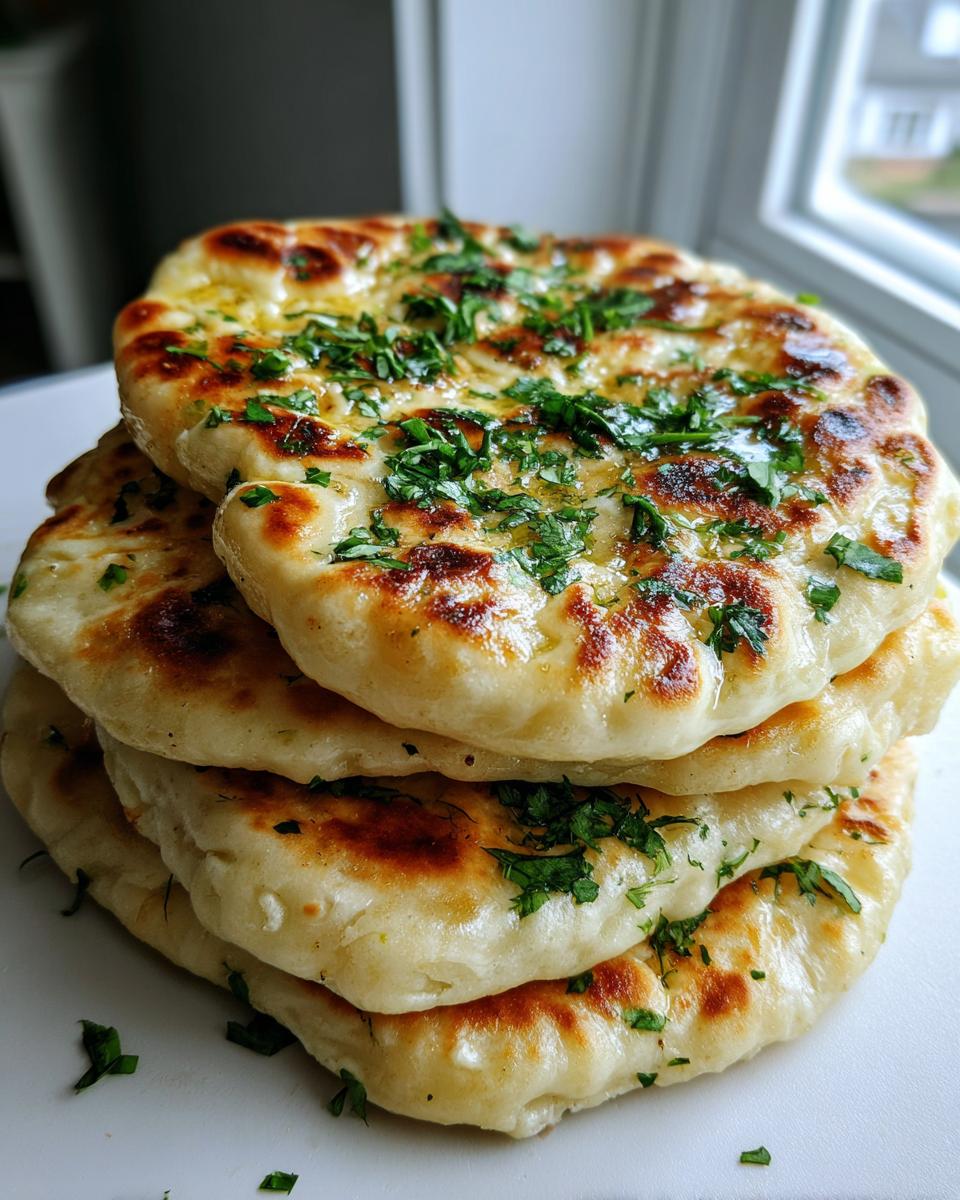
Serving Suggestions: Naan Perfect for Curry and Dips
So, you’ve got eight pieces of the best homemade naan—what are you using them for? Don’t just eat them plain (though honestly, that warm, buttery, garlicky flavor is tempting enough!). This bread is truly versatile, and that’s why I love it so much. It’s the ultimate vehicle for soaking up flavor, which is why it’s absolutely Naan Perfect for Curry.
If you’re making a rich tikka masala or a creamy lentil daal, forget the spoon! You tear off a piece of this soft bread, slightly charred on the edges, and use it to scoop every last bit of sauce onto your plate. It’s essential. But don’t stop at curry. These are fantastic simple dips companions—hummus, tzatziki, or even a simple chili crisp would be amazing brushed on top.
Beyond dipping and scooping, you can totally repurpose this bread. If you have leftovers (which rarely happens in my house, but let’s pretend), roll it out a tiny bit thinner and use it as a quick pizza base. Top it with some mozzarella, sauce, and veggies, and bake until bubbly. It absolutely beats ordering delivery!
My personal favorite, especially after spending a hectic day streamlining code or finalizing a project timeline, is to use the naan when I make something crisp and fresh, like my grinder salad. Tearing off a piece of warm, fluffy naan and eating it alongside that crunchy, tangy salad? It’s the perfect balance of comfort food and efficiency. You get the best of both worlds!

Storing and Reheating Your Soft and Chewy Bread
Listen, the minute this naan leaves the heat, it starts on its journey to becoming less fluffy. But we can stop that decline! If you have leftovers of this Soft and Chewy Bread, the best way to save it is by stacking them up immediately after brushing with butter and wrapping that stack tightly in plastic wrap or tossing them into an airtight container. Store them at room temperature for up to two days; refrigeration generally makes bread tougher.
When you’re ready for round two, the microwave is the quickest fix—just zap it for about 10 to 15 seconds to bring back the softness. If you want those nice browned spots again, toss it back into that same hot, dry skillet you used before for about 30 seconds per side. It reheats beautifully, especially if you’re planning on pairing it with a hearty bowl of vegetable beef soup!

Frequently Asked Questions About This Naan Bread Recipe
Look, I know you have questions. When you’re optimizing a recipe for speed and flavor, sometimes the unknowns pop up, especially if you’re trying to substitute something in your pantry. My goal with this naan bread recipe is to provide reliable results, so let’s tackle the common bottlenecks here. We want this process to be as streamlined as possible, whether you’re making a full meal or just a quick bread recipe.
Can I make this naan bread recipe ahead of time?
You absolutely can! I recommend rolling out the dough (Step 5), stacking the pieces with parchment paper between them, and storing them in an airtight container in the fridge for up to 24 hours. That way, when dinner time rolls around, you just roll, pan-fry, and brush with butter. You avoid that 15-minute prep time altogether, making it an even faster flatbread recipe when you need it.
What if I don’t have yogurt? Can I use milk instead for this easy flatbread recipe?
Yes, you can pivot! If you’re looking for a naan bread without yeast option, yogurt is key because the fat content and acidity make the dough incredibly tender. If you skip the yogurt, you’ll need to replace that liquid volume with milk, but you should also add about 1/4 teaspoon of lemon juice or white vinegar to the milk. This acidity helps tenderize the flour, mimicking the function of the yogurt for that fluffy Indian bread texture.
Honestly, though, the yogurt gives you the best homemade naan result, so if you can grab some, stick to the recipe! If you are looking for other reliable, fast recipes, you should check out my foolproof guide to Yorkshire pudding.
PrintEasy Homemade Soft & Fluffy Skillet Naan Bread (No Yeast Required)

Make soft, fluffy, and chewy homemade naan bread using only a skillet on your stovetop. This simple recipe requires no yeast and delivers authentic Indian flatbread flavor quickly, perfect for pairing with curry or dips.
- Prep Time: 15 min
- Cook Time: 15 min
- Total Time: 30 min
- Yield: 8 servings 1x
- Category: Side Dish
- Method: Stovetop Cooking
- Cuisine: Indian
- Diet: Vegetarian
Ingredients
- 2 cups all-purpose flour
- 1 teaspoon baking powder
- 1 teaspoon sugar
- 1 teaspoon salt
- 1 cup plain yogurt (full fat recommended)
- 2 tablespoons milk, plus more for brushing
- 2 tablespoons olive oil, plus more for brushing
- 2 cloves garlic, minced (optional, for topping)
- 2 tablespoons fresh cilantro, chopped (optional, for topping)
Instructions
- Combine dry ingredients: In a large bowl, whisk together the flour, baking powder, sugar, and salt.
- Mix wet ingredients: Add the yogurt and 2 tablespoons of olive oil to the dry ingredients. Mix until a shaggy dough forms.
- Knead the dough: Turn the dough onto a lightly floured surface. Knead for 5 to 7 minutes until the dough is smooth and elastic. If the dough is too sticky, add flour one teaspoon at a time.
- Rest the dough: Divide the dough into 8 equal pieces. Roll each piece into a ball, cover with a clean towel, and let it rest for 10 minutes.
- Roll out the naan: On a lightly floured surface, roll each dough ball into an oval or teardrop shape, about 1/8 inch thick.
- Cook the naan: Heat a heavy-bottomed skillet or cast-iron pan over medium-high heat until very hot. Do not add oil to the pan.
- Cook the first side: Place one rolled naan onto the hot, dry skillet. Cook for 1 to 2 minutes until large bubbles form on the surface and the underside has brown spots.
- Flip and cook: Flip the naan and cook the second side for about 1 minute until it puffs up slightly and develops more brown spots.
- Brush with topping (optional): Immediately transfer the cooked naan to a plate. Brush the top surface generously with melted butter mixed with minced garlic and cilantro, if using.
- Repeat: Continue with the remaining dough pieces, stacking the finished naan and covering them lightly to keep them warm and soft.
Notes
- For a softer texture, use whole milk yogurt.
- If you skip the resting step, the dough will be harder to roll out.
- To achieve the characteristic charred spots without a tandoor, ensure your skillet is very hot before placing the dough down.
- Use this naan bread recipe for quick naan pizza bases.
Nutrition
- Serving Size: 1 piece
- Calories: 210
- Sugar: 1
- Sodium: 350
- Fat: 5
- Saturated Fat: 1
- Unsaturated Fat: 4
- Trans Fat: 0
- Carbohydrates: 36
- Fiber: 1
- Protein: 6
- Cholesterol: 5