

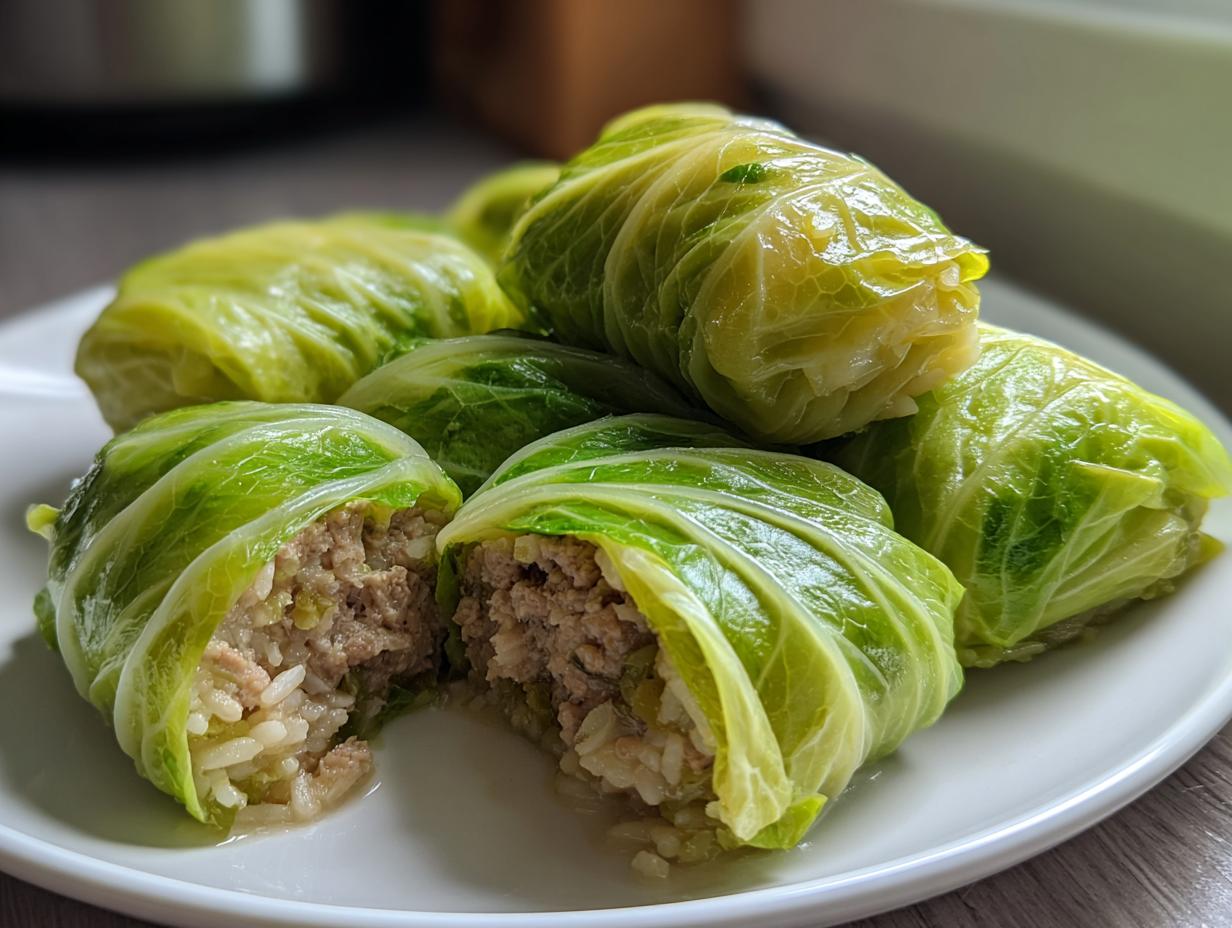
If you’re feeling that familiar weekday squeeze—wanting vibrant, healthy food but only having a tiny window for cooking—you are definitely in the right place. I see too many people struggle between ordering takeout and wrestling with complicated menus. That’s how Dishicious was actually born. As a project manager by trade, I started looking at recipes like processes that needed streamlining, and frankly, that’s what led to our signature healthy Asian recipes.
We don’t need more complex techniques; we need efficient solutions that deliver huge flavor payoffs. If you’ve been looking for a way to embrace that high-fiber life without feeling deprived, meet your new weeknight hero: these Steamed Cabbage Rolls. They are the perfect answer to the modern ‘Cabbage Crush’ movement, swapping heavy dough for crisp, tender leaves. Trust me, these flavorful cabbage dumplings are proof that the fastest route to dinner can also be the healthiest and the most satisfying.
- Why These Cabbage Dumplings Fit Your Busy Schedule
- Gathering Ingredients for Flavorful Cabbage Dumplings
- Step-by-Step Instructions for Steamed Cabbage Rolls
- Mastering the Steaming Technique for Perfect Cabbage Dumplings
- Serving Suggestions for Your Healthy Asian Recipes
- Storage and Reheating Tips for Leftover Cabbage Dumplings
- Troubleshooting Common Issues with Cabbage Dumplings
- Frequently Asked Questions About Low Carb Dumplings
- Nutritional Estimates for Steamed Cabbage Rolls
Why These Cabbage Dumplings Fit Your Busy Schedule
When I designed this recipe, efficiency was my primary goal. There’s no point in finding a healthier meal if it costs you your entire evening. These rolls come together incredibly fast, clocking in at only 40 minutes total time. They are the perfect example of our Cabbage crush recipes philosophy: maximum flavor, minimum fuss.
- They clock in under 40 minutes total, moving quickly from prep to plate.
- The filling mixture is straightforward—no fussy layering required.
- They deliver fantastic results as true low carb dumplings.
High Fiber, Low Carb Dumplings Advantage
This is where we eliminate those extra refined carbs without sacrificing texture! We are using tender Napa cabbage leaves instead of flour-based dough. This simple swap immediately makes these some of the best low carb dumplings you’ll ever make, boosting the fiber content significantly. It’s smart cooking, plain and simple.
Gathering Ingredients for Flavorful Cabbage Dumplings
When I map out a meal, I always start with the ingredients list, and this recipe keeps things incredibly focused. We aren’t hunting at specialty markets for this one! We need standard items, but we need to treat them right, especially that ginger. For the filling, you’ll grab a pound of ground pork or turkey, some cooked brown rice—gotta have that structure—and four main flavor boosters.
You’ll need one head of Napa cabbage, obviously, about a half cup of scallions chopped finely, and two tablespoons of fresh ginger, which you absolutely must grate yourself. Finish the mix with soy sauce, sesame oil, and pepper. That’s it. Simple, project-managed, and ready to go.
Ingredient Notes and Substitutions
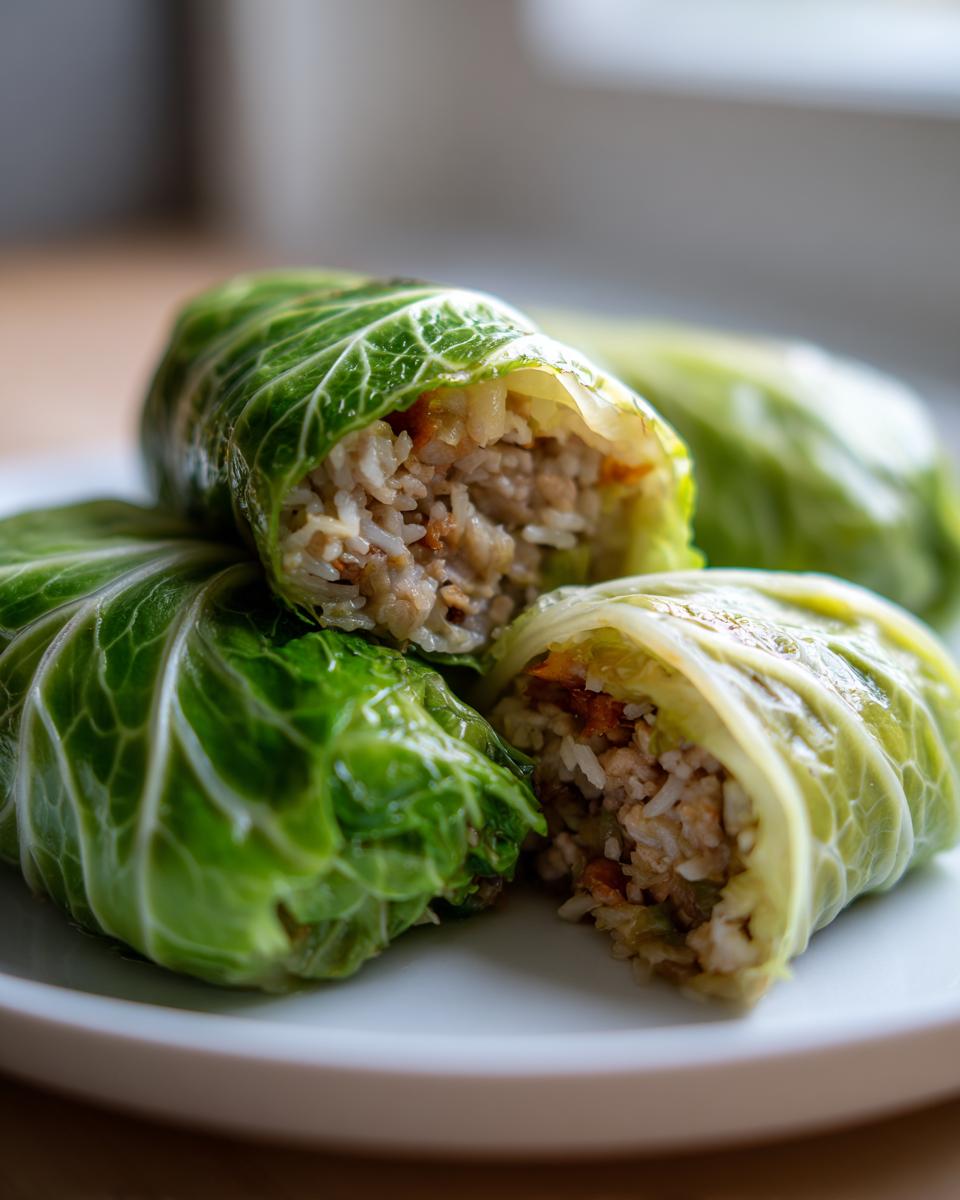
The most important part here is selecting your leaves. When you peel off the outer layer of the Napa cabbage, look for two or three that are large and relatively intact. These are your wrappers! If you’re going vegetarian, I’ve tested this thoroughly: swap the meat for equal parts finely chopped shiitake mushrooms mixed with firm tofu. Mash the tofu slightly to help it bind. Don’t skip the fresh ginger, though; that’s the key to the whole profile!
Step-by-Step Instructions for Steamed Cabbage Rolls
This is where the project comes together. Like any good plan, we tackle this in sequence. We prep the raw materials, we mix the core components, and then we assemble. Don’t rush the blanching step; it’s the quality control check for your wrapper material. You’re aiming to make these rolls handheld and neat, not sloppy puddles. Following these steps precisely means you’ll have tender, perfectly cooked quick and easy dinners ready in under 40 minutes.
Preparing the Napa Cabbage Wraps
Get a big pot of water boiling first. Peel off those outer Napa cabbage leaves gently—you want the biggest ones you can find. Drop them into the boiling water for about two to three minutes. They should look slightly wilted and floppy. Move them straight into an ice bath to stop the cooking process immediately. Once they’re cool enough to handle, take a small paring knife and carefully slice off that thick, woody center rib on each leaf. Don’t cut through the leaf, just reduce the thickness so it rolls smoothly.
Mixing the Filling for Your Cabbage Dumplings
Time to combine the meat, rice, scallions, ginger, soy sauce, and sesame oil in a bowl. Now, here is one of my key management rules for ground meat mixtures: Do not overmix! When you beat the stuffing too much, the protein structures tighten up, and you end up with tough, rubbery mounds instead of tender cabbage dumplings. Mix only until everything is just barely incorporated. You should still see flecks of the individual ingredients.
Assembling and Steaming the Cabbage Dumplings
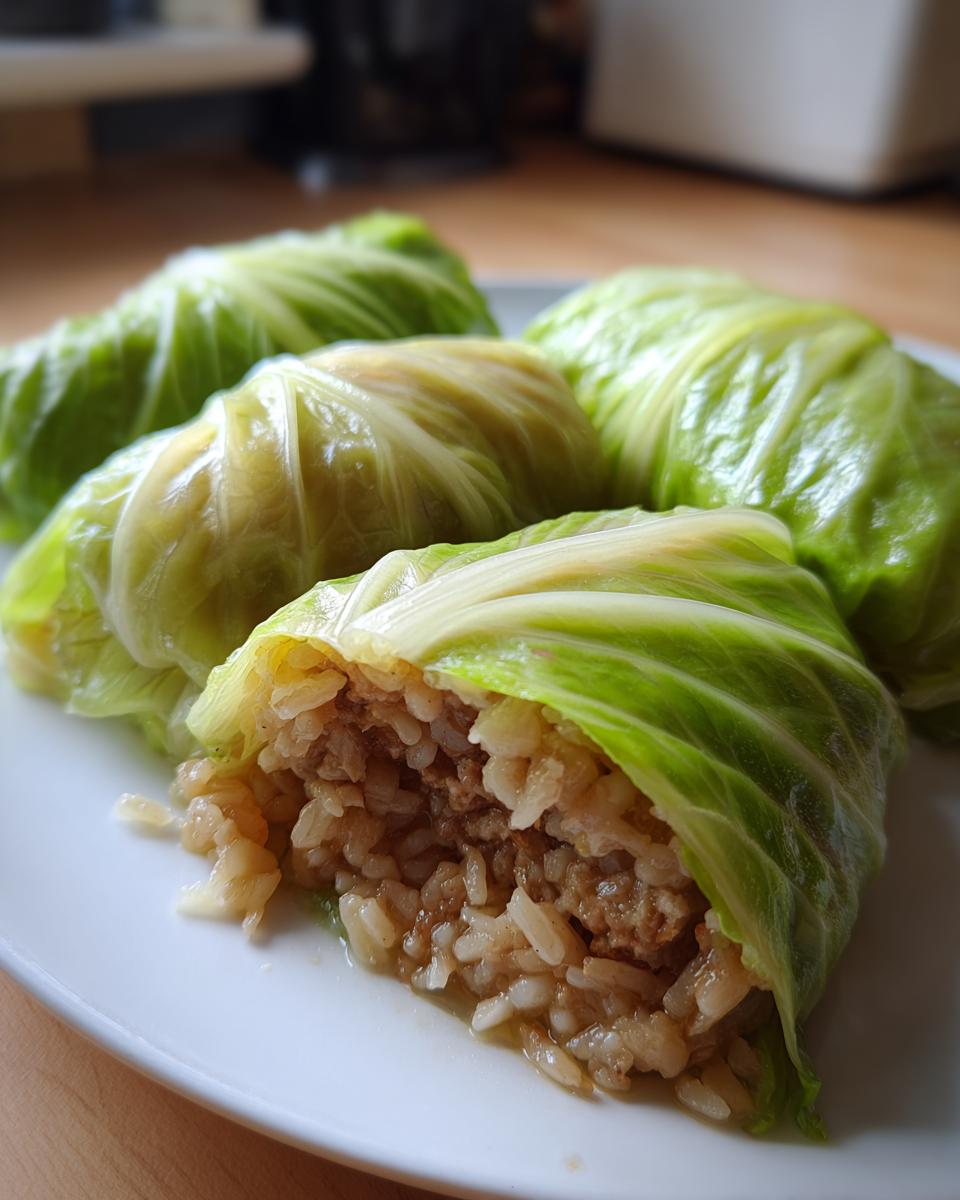
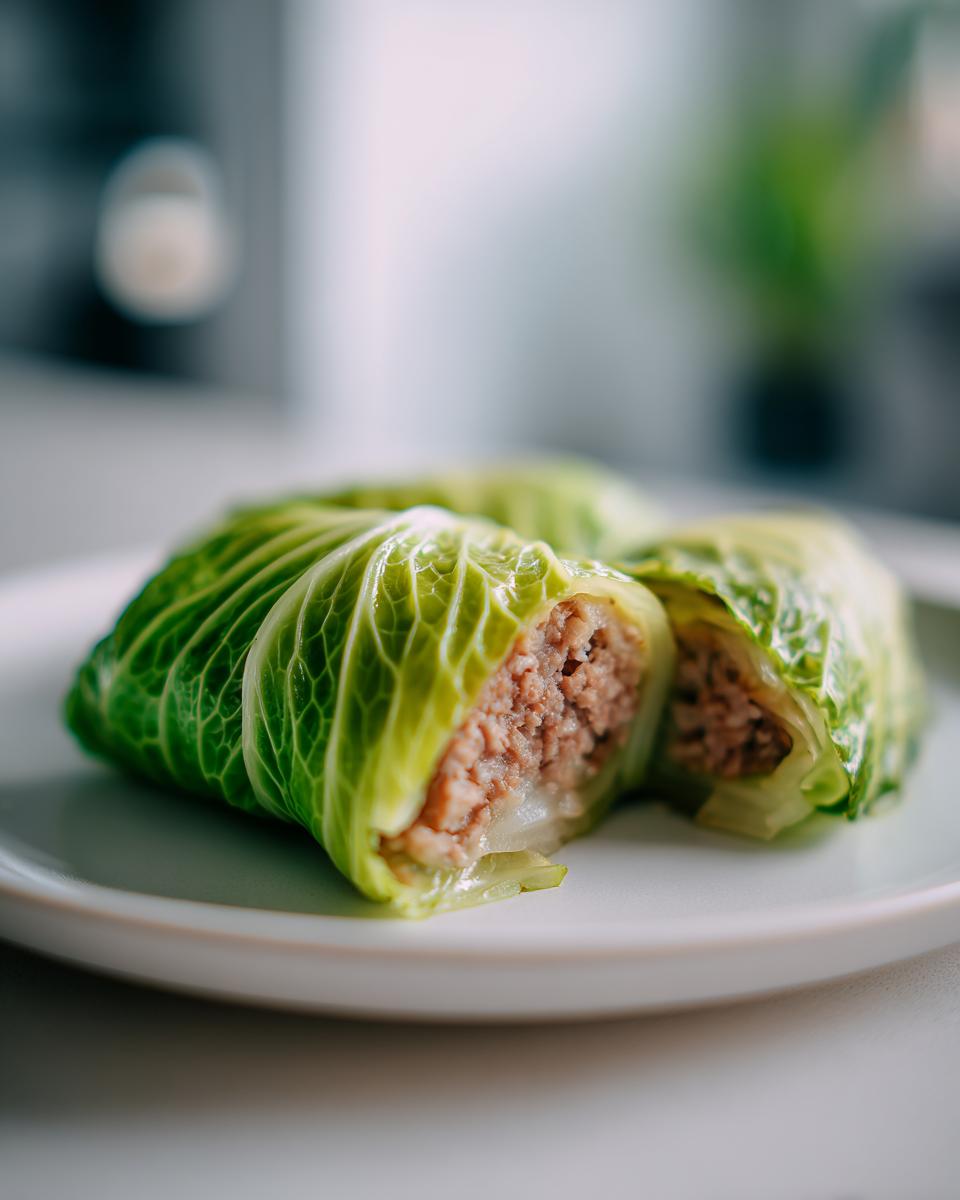
Lay a trimmed leaf flat. Put about two tablespoons of filling near the base. You fold the sides in first—like you’re wrapping a tight burrito—and then roll it firmly from bottom to top. This shape holds up best to steaming. Arrange all your finished rolls seam-side down inside your lined steamer basket. Make sure they’re snug, but not packed so tightly they can’t breathe. Steam them over high heat for 15 to 20 minutes until the meat is totally cooked through.
Mastering the Steaming Technique for Perfect Cabbage Dumplings
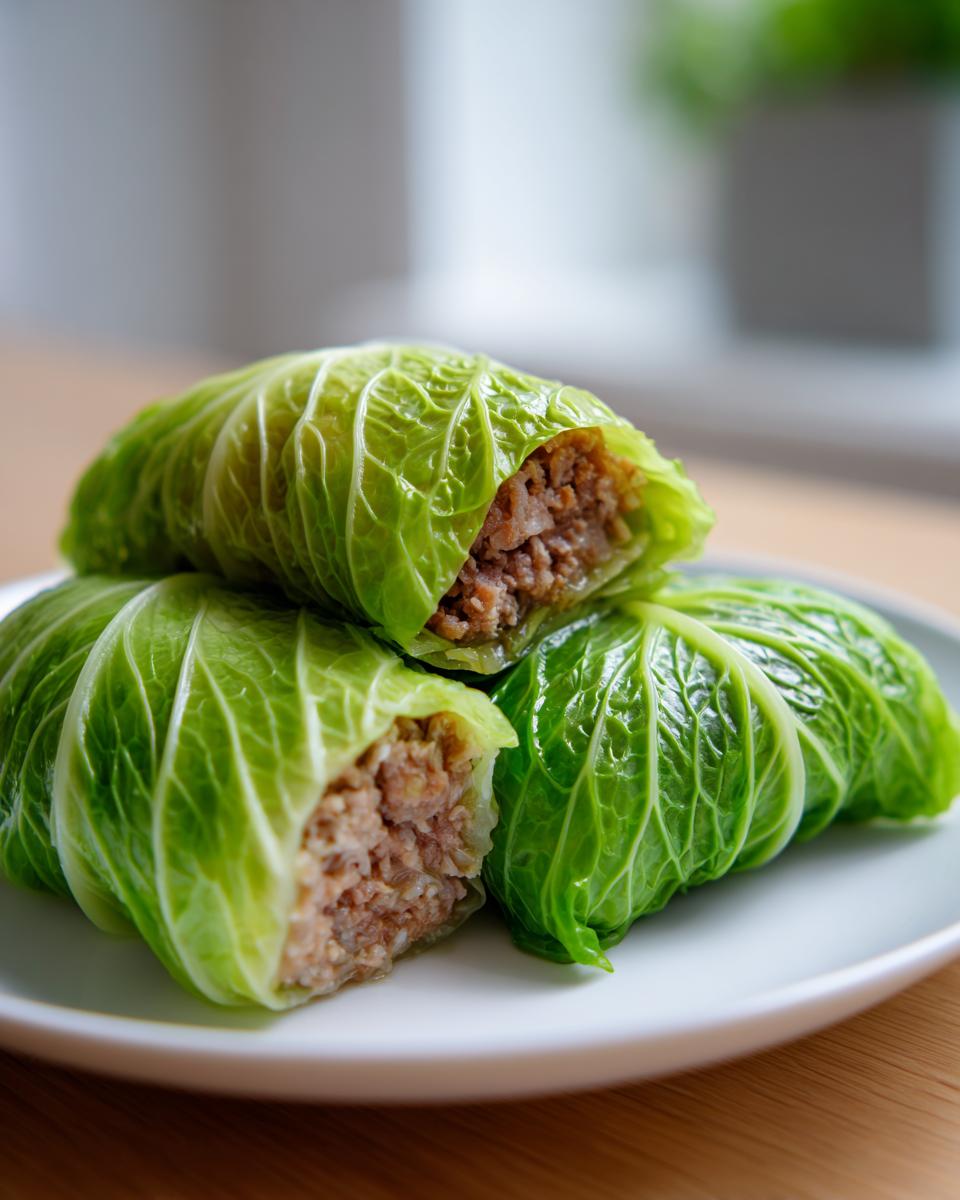
Steaming is non-negotiable here; you can’t bake these, or the cabbage dries right out. The goal when making these cabbage dumplings is to use moist, consistent heat to tenderize the leaves while safely cooking the center. If you’re using a standard steamer pot, here’s a trick: make sure your water level is high enough so it won’t boil dry before the 20 minutes are up. Running out of water mid-steam means sad, slightly scorched rolls.
I always line my steamer basket with parchment paper that has holes poked in it, or sometimes I just use a few extra, flawed cabbage leaves underneath like a natural grate. This prevents sticking, which is critical. You want the heat to flow evenly around every single dumpling so they emerge perfectly done and ready to serve immediately.
Serving Suggestions for Your Healthy Asian Recipes
These rolls are fantastic all by themselves, but every good dish needs a partner! Since the filling is so savory with ginger and sesame, we want a sauce that cuts through that richness. You absolutely must try the simple dipping sauce I mentioned: just mix extra soy sauce, a splash of rice vinegar, and a tiny bit of chili garlic sauce for a kick. It takes literally 30 seconds.
If you need a side, treating these as part of a larger spread of healthy Asian recipes works great. Try serving them alongside some quick steamed broccoli or maybe a bright, citrusy slaw. They keep the meal feeling light, high-fiber, and totally balanced.
Storage and Reheating Tips for Leftover Cabbage Dumplings
We all know that sometimes the best part of cooking is knowing you have planned-ahead meals, right? The good news is these cabbage dumplings freeze like a dream. Once they are completely cooled down after steaming—and I mean totally cool—layer them in an airtight container. Make sure you use wax paper or parchment between layers so they don’t stick together into one giant cabbage brick!
When you want to bring them back for lunch or dinner later, forget the microwave if you can. The best method is always re-steaming them for about 8 to 10 minutes until they are heated through. This keeps that cabbage leaf incredibly tender, exactly the way we want it. They reheat beautifully this way, making sure your efficiency plan lasts all week long.
Troubleshooting Common Issues with Cabbage Dumplings
Okay, so you’ve got the plan, but sometimes the ingredients fight back just a little bit! That’s normal; it’s just part of the cooking process. When I’m troubleshooting a batch of these cabbage dumplings, it usually comes down to one of three sticking points: the wrapper tears, the filling is weak, or they fall apart in the steamer. Don’t stress—we can optimize these small hiccups right away.
If your filling seems too wet and is oozing out the ends while you roll, you probably packed too much liquid into your seasoning, or maybe your brown rice wasn’t fully drained. Add just a tiny pinch more rice or a small amount of breadcrumb if you have it on hand to help bind things up before you assemble the next few rolls.
Why are my Napa Cabbage Wraps stiff?
This is the biggest clue that your blanching timing was off. If the leaves are stiff, it means the core fibers haven’t relaxed enough to let you roll them nicely. Remember, you need at least two minutes in that boiling water, maybe three for thicker leaves, until they are visibly pliable, almost droopy!
The second critical step here is the ice bath. Shocking them immediately stops the cooking, but it also makes the remaining structure set correctly, so they don’t turn mushy when you steam them later. If you skip the cold water, the leaves stay hot and soft, and they sometimes tear when you handle them during assembly. Every time I notice this issue, I know I rushed the chilling phase.
Frequently Asked Questions About Low Carb Dumplings
When testing recipes, I always keep a running list of all the questions that pop up, because chances are, you have the same ones! Dealing with low carb dumplings means you might have questions about structure or ingredient swaps. I try to solve every potential roadblock right here so your cooking project goes off without a hitch.
Can I use rice paper instead of cabbage for these low carb dumplings?
That’s a great idea if you were making spring rolls, but for this recipe, no, I wouldn’t recommend it! The whole point here is using the Napa cabbage leaf for its texture and fiber content—it holds up beautifully to steaming and adds its own subtle, sweet flavor during the cooking time. Rice paper would just turn into a thin, sticky mess under the steam, destroying the structure of these specific low carb dumplings.
What is the best way to use these as Napa Cabbage Wraps?
If you want to lean into the ‘wrap’ idea rather than the ‘dumpling’ idea, assembly is key! You can use slightly larger leaves and just serve them open-faced, or you can fold them more like lettuce wraps and serve them with a bigger pile of that dipping sauce on the side. Think of it like a deconstructed version of the roll—the flavor profile still delivers that great Asian-inspired taste we’re after, and it still counts as one of those great Napa cabbage wraps.
I want to make these vegetarian—do I have to use mushrooms and tofu?
You absolutely don’t have to! The mushroom and tofu combination is just what I found to give the best texture replacement for ground meat, but feel free to experiment if you have other things on hand. Finely minced cooked lentils mixed with some sautéed grated carrots would also work wonderfully. As long as you keep the ginger and sesame oil ratio the same, you’ll keep that authentic flavor profile in your veggie cabbage dumplings!
How far in advance can I mix the filling for these?
I always like to keep my kitchen workflow smooth—I usually mix the filling the night before and keep it tightly sealed in the fridge. It actually lets the ginger flavor deepen into the meat a bit more! But stick to no more than 24 hours, especially if you are using pork. Freshness is key when you’re relying on simple ingredients. You can check out my tips for planning meals ahead here: low carb chicken casserole.
Nutritional Estimates for Steamed Cabbage Rolls
When we talk about streamlining your meals, we aren’t just talking about time management; we are talking about smart fuel for your body. Since these are built around cabbage and lean protein, they really deliver on the high-fiber, lower-carb front. I ran these numbers through a standard calculator based on lean ground turkey, but remember, my figures are just estimates based on standard brands.
If you swap pork for turkey or use different rice ratios, the numbers will shift slightly, but this gives you a solid baseline for what these delicious steamed cabbage rolls are doing for you nutritionally. This is smarter cooking because you know exactly what you’re getting!
- Serving Size: 4 rolls
- Calories: 280
- Protein: 24g
- Fat: 14g (Mostly unsaturated!)
- Carbohydrates: 15g
- Fiber: 4g
- Sugar: 3g
See that fiber count? That’s the cabbage working overtime! It’s a perfect example of why I love recipes that fit into a high-fiber diet without feeling like you’re eating rabbit food. Enjoy them knowing you’ve made an efficient, flavorful choice!
PrintSteamed Cabbage Rolls with Ginger-Sesame Filling
Make these low carb dumplings using tender cabbage leaves as a wrap for a flavorful, high-fiber meal. This recipe is simple and quick for weeknight cooking.
- Prep Time: 20 min
- Cook Time: 20 min
- Total Time: 40 min
- Yield: 4 servings 1x
- Category: Dinner
- Method: Steaming
- Cuisine: Asian Inspired
- Diet: Low Fat
Ingredients
- 1 head Napa cabbage
- 1 lb ground pork or turkey
- 1/2 cup cooked brown rice
- 1/4 cup finely chopped scallions
- 2 tablespoons fresh ginger, grated
- 1 tablespoon soy sauce
- 1 teaspoon sesame oil
- 1/2 teaspoon black pepper
- Water for steaming
Instructions
- Prepare the cabbage: Bring a large pot of water to a boil. Carefully remove the outer leaves of the Napa cabbage, one by one, until you reach the core. Blanch the leaves in boiling water for 2-3 minutes until pliable. Remove and place in ice water to stop cooking. Trim the thick center rib from each leaf.
- Mix the filling: In a bowl, combine the ground meat, cooked brown rice, scallions, grated ginger, soy sauce, sesame oil, and black pepper. Mix until just combined; do not overmix.
- Assemble the rolls: Place about 2 tablespoons of filling near the base of a cabbage leaf. Fold the sides in, then roll tightly from the bottom up, like a burrito.
- Steam the rolls: Arrange the cabbage rolls seam-side down in a steamer basket lined with parchment paper or extra cabbage leaves to prevent sticking. Steam over boiling water for 15 to 20 minutes, or until the meat filling is cooked through.
- Serve immediately.
Notes
- For a vegetarian option, substitute the meat with finely chopped mushrooms and firm tofu.
- You can make a simple dipping sauce using extra soy sauce, rice vinegar, and a dash of chili garlic sauce.
- These steamed cabbage rolls freeze well after cooking. Cool completely, then store in an airtight container.
Nutrition
- Serving Size: 4 rolls
- Calories: 280
- Sugar: 3
- Sodium: 450
- Fat: 14
- Saturated Fat: 4
- Unsaturated Fat: 10
- Trans Fat: 0
- Carbohydrates: 15
- Fiber: 4
- Protein: 24
- Cholesterol: 65