

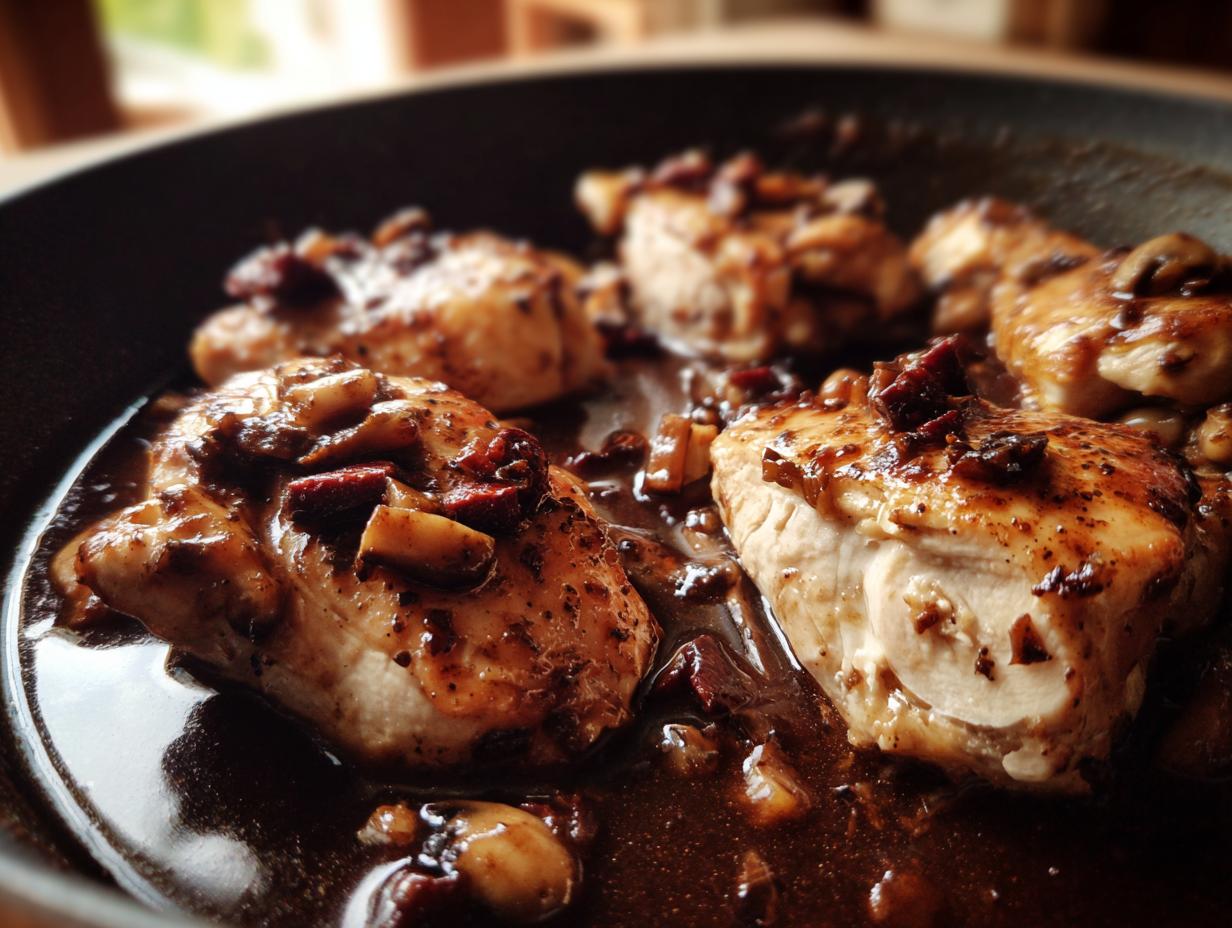
When I think about those fancy Friday nights that look like they came straight out of a Parisian bistro, I used to think the cooking had to be impossibly hard. Honestly, some classic recipes feel like they were designed to intimidate you! But here at Dishicious, we’re flipping that script. We’re taking something truly elegant—a deep, wine-braised Classic coq au vin—and proving you can nail it without turning your kitchen into a disaster zone.
My whole philosophy started because I, Leo, got tired of takeout costing a fortune or spending four hours over a stove after managing work projects all day. This version of coq au vin is streamlined. It follows a simple project plan: brown the meat perfectly, build that rich red wine sauce layer by layer, and let the Dutch oven do the heavy lifting. It delivers that soul-warming, sophisticated flavor you want for an elegant dinner, but with straightforward steps that actually fit into a busy schedule. Trust me, this **braised chicken** is easier than it looks!
- Why This Classic Coq Au Vin Recipe Works for Your Kitchen Project
- Gathering Your Components for Classic Coq Au Vin
- Essential Tips for Perfecting Your Classic Coq Au Vin
- Step-by-Step Instructions for Classic Coq Au Vin
- Serving Suggestions for Your Braised Chicken Masterpiece
- Storage and Reheating for Leftover Coq Au Vin
- Understanding French Cooking Techniques in This Dish
- Frequently Asked Questions About Making Classic Coq Au Vin
- Nutritional Estimate for Your Classic Coq Au Vin
Why This Classic Coq Au Vin Recipe Works for Your Kitchen Project
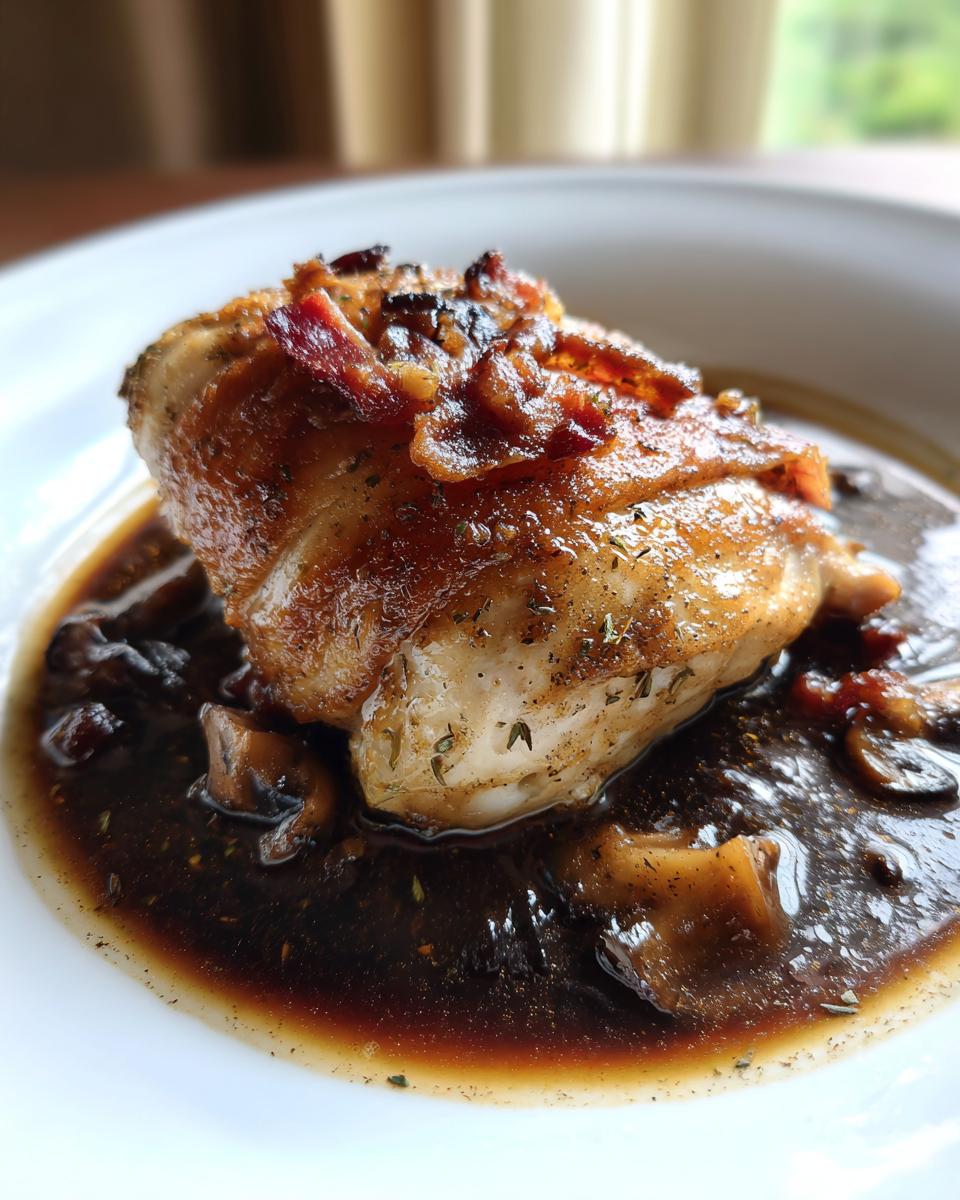
This isn’t about fussy French technique; it’s about efficiency. We’ve engineered this Classic coq au vin to maximize flavor output while minimizing micromanagement. You get that deep, complex taste of traditional French cooking without babysitting the stove the whole time. It’s reliable, which is my favorite kind of recipe!
- The steps are sequential and logical—no guesswork, just execution.
- We use accessible ingredients to build massive flavor quickly.
- It holds beautifully if you need to prep the sauce ahead of time for an elegant dinner.
Projected Time Breakdown
For those of us who plan our evenings, here’s the timeline we are working with:
- Prep Time: 25 minutes
- Cook Time: 2 hours 10 minutes
- Total Time: 2 hours 35 minutes
Gathering Your Components for Classic Coq Au Vin
Alright, project managers of the kitchen, listen up! When tackling a dish like classic coq au vin, the success hinges on having all your mise en place ready to go before that Dutch oven hits the heat. We need precision here to make sure that rich wine sauce develops perfectly. Don’t just measure; make sure everything is prepped exactly as listed—diced, sliced, minced—that’s half the battle won before you even turn on the stove! We’re making a serious statement with this braised chicken, so let’s stick to the list.
Ingredients for the Braised Chicken
Here’s the materials list for four servings. Be mindful of that wine choice; it sets the entire tone!
- 1 whole chicken (about 3-4 lbs), cut into 8 pieces
- 1 bottle (750ml) dry red wine (Burgundy or Pinot Noir)
- 4 oz bacon or lardons, diced
- 1 large onion, chopped
- 2 carrots, sliced
- 2 cloves garlic, minced
- 8 oz cremini mushrooms, halved or quartered
- 1 cup chicken broth
- 2 tablespoons tomato paste
- 1 tablespoon all-purpose flour
- 2 tablespoons olive oil
- 1 bay leaf
- 1 teaspoon dried thyme
- Salt and black pepper to taste
- Fresh parsley, chopped, for garnish
Essential Tips for Perfecting Your Classic Coq Au Vin
Okay, now that we have all the components ready, let’s talk about the little things that separate a good coq au vin from something you’d remember for years. This is where we lean into smart French cooking without the fuss. Browning the chicken isn’t just for looks; it locks in structure and flavor that you desperately need later in the braise.
Wine Selection and Flavor Depth
You absolutely cannot skimp on the wine here—it’s the primary carrier for flavor in this entire dish! I insist on a good, dry red wine, like Burgundy if you can find it, or a decent Pinot Noir. If the wine tastes bad on its own, guess what? It’s going to taste like bad wine soaking your chicken. Seriously, if you wouldn’t drink a glass of it, don’t cook with it. For an even deeper, richer final product and to really impress your guests, go ahead and marinate the chicken pieces in the entire bottle of wine overnight in the fridge. Pull it out about an hour before you start searing to let the chill wear off.
Achieving the Right Wine Sauce Consistency
The sauce is everything. That little bit of flour and tomato paste we stir in with the pre-cooked vegetables is key. It creates what we call a light roux, which helps bind the sauce later. It cooks for just a minute to get rid of that raw flour taste—don’t rush it! After the long braise, we strain out all those cooked-down vegetables. That straining step is non-negotiable for an elegant result; we want a smooth, glossy wine sauce, not vegetable puree.
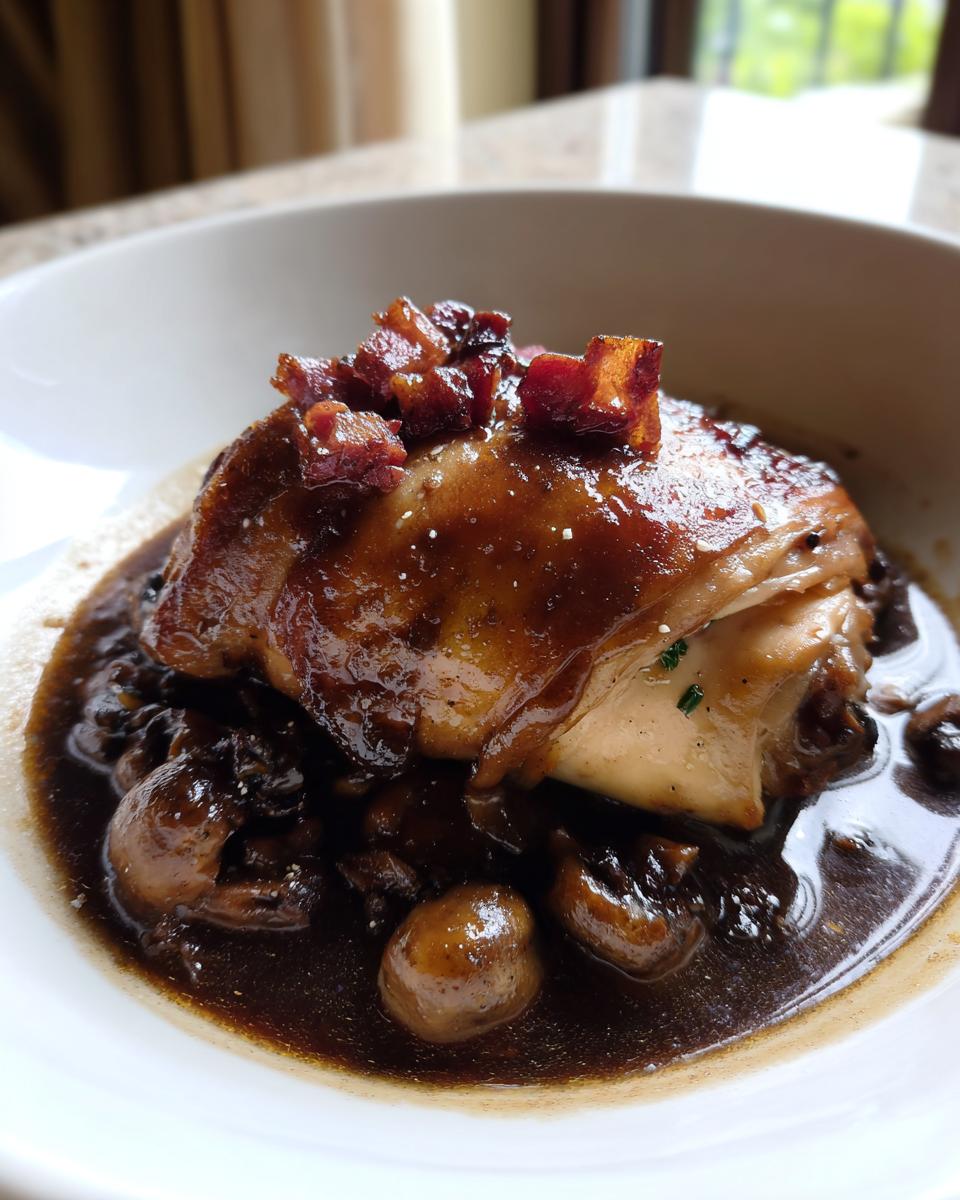
When you reduce that strained liquid, if it still seems a bit thin for your liking, use the beurre manié trick from the notes. Just quickly mash equal parts soft butter and flour together in a tiny bowl until it’s smooth, then whisk tiny bits of that paste into the simmering sauce. It thickens like magic almost instantly without leaving lumps. It’s a fast fix for the perfect coating on your braised chicken.
Step-by-Step Instructions for Classic Coq Au Vin
Okay, this is where the project really kicks off, so pay attention to the sequence! We’re moving quickly in the beginning to build layers of flavor, and then we step back and let the oven or stovetop do the slow, patient work that makes this classic coq au vin so magnificent. Keep your Dutch oven handy—it’s the workhorse here.
Browning and Building the Base Flavor
First things first: season that chicken aggressively with salt and pepper. Don’t be shy! Next, take your diced bacon and render it down over medium heat until it’s crispy—that fat is gold, so leave it in the pot. Now we brown the chicken. You have to do this in batches! If you crowd the pot, the chicken steams instead of searing, and we lose that crucial color. Pull the browned pieces out and set them aside.
In that flavorful fat, toss in your chopped onion and sliced carrots. Let them soften up for about five minutes until they start looking cozy. Add the garlic last—it burns fast, so just a minute until you smell it, then stir in the tomato paste and the flour. Let that cook for 60 seconds, stirring constantly! This cooks out the raw starch flavor before we add the liquids.
The Slow Braise and Sauce Finishing
Time to reunite the team! Put the chicken back in the pot. Pour in the entire bottle of wine, the chicken broth, the bay leaf, and the thyme. You want the liquid to mostly cover the meat. Bring everything up to a simmer on the stovetop, then immediately drop the heat way down low, slap the lid on, and just let it go for 1.5 to 2 hours. The chicken should be incredibly tender when you poke it—falling off the bone territory.
While that’s happening, quickly sauté those mushrooms in a separate pan until they look nice and brown; set those aside too. Once the chicken is done, gently remove the pieces and keep them warm. Now for the crucial, elegant step: strain that sauce! Push all those cooked-down vegetables through a fine-mesh sieve into a clean saucepan. Discard the solids—we want a clean, deep wine sauce. Skim off the surface fat, bring it to a simmer, and let it reduce until it coats the back of a spoon. Add the chicken, bacon, and mushrooms back in for a final ten minutes to soak up that beautiful sauce. Garnish with parsley, and you’re done!
Serving Suggestions for Your Braised Chicken Masterpiece
So you’ve nailed the **classic coq au vin**! This **braised chicken** is rich, savory, and it deserves some fantastic company on the plate. Since we’re aiming for that elegant dinner party vibe on a Friday night, we want sides that soak up that incredible **wine sauce** but don’t steal the spotlight. This dish is heavy on flavor, so we need sides that are either creamy or light.
My go-to choice, which I love because it doubles as a sauce sponge, is simple mashed potatoes. But not just any mash—I use my recipe for loaded mashed potatoes just for this! The creamy texture against the deep wine reduction is heaven. If you’re watching carbs or want something brighter, serve this over egg noodles, or even alongside some perfectly steamed green beans tossed quickly with a little lemon zest.
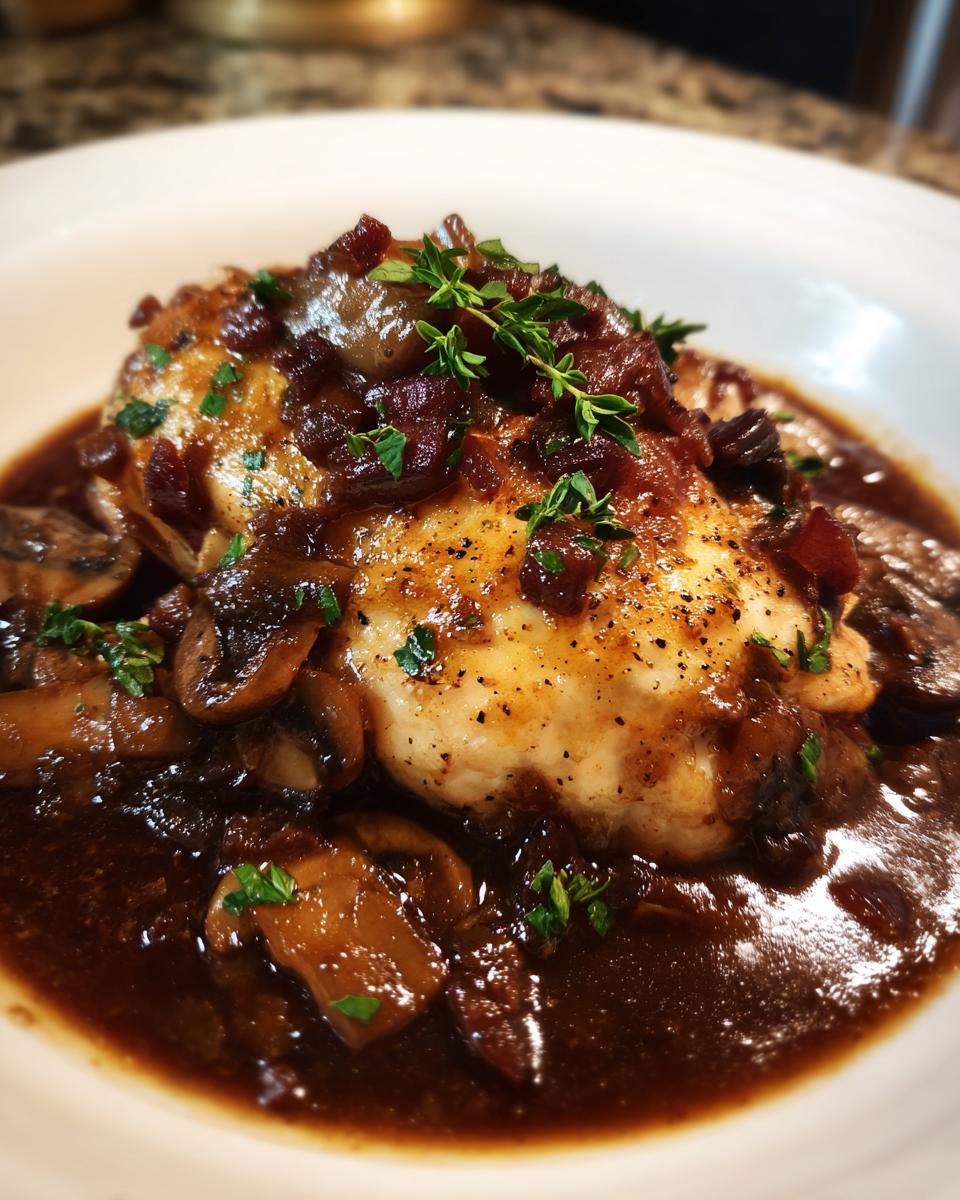
Oh, and don’t forget bread! You need something crusty to attack that residual sauce left in your bowl. A fresh baguette is mandatory. Honestly, a truly great **coq au vin** dinner is about context, and these simple pairings make the whole experience feel totally polished.
Storage and Reheating for Leftover Coq Au Vin
One of the best parts of making a rich dish like **coq au vin** is knowing you’ve made enough for lunch tomorrow! This **braised chicken** actually gets even better overnight as those flavors continue to meld together. Store any leftovers tightly covered in the fridge for up to three days. When you reheat it, keep the heat low on the stovetop—do not boil it!
Reheating slowly in a pan lets the **wine sauce** warm back up gently without getting oily or breaking. If it seems a little thick after chilling, just whisk in a splash of water or some extra broth while it simmers. Easy cleanup, excellent second-day flavor—that’s smart cooking right there.
Understanding French Cooking Techniques in This Dish
When you tackle classic coq au vin, you are entering the world of classic French cooking, but that doesn’t mean we have to adhere to every stuffy rule out there. The core technique we’re using here is braising—and it’s beautifully simple, really. It’s just searing meat and then cooking it low and slow submerged in liquid until it’s unbelievably tender. It turns tougher cuts, or in our case, bone-in chicken, into something luxurious.
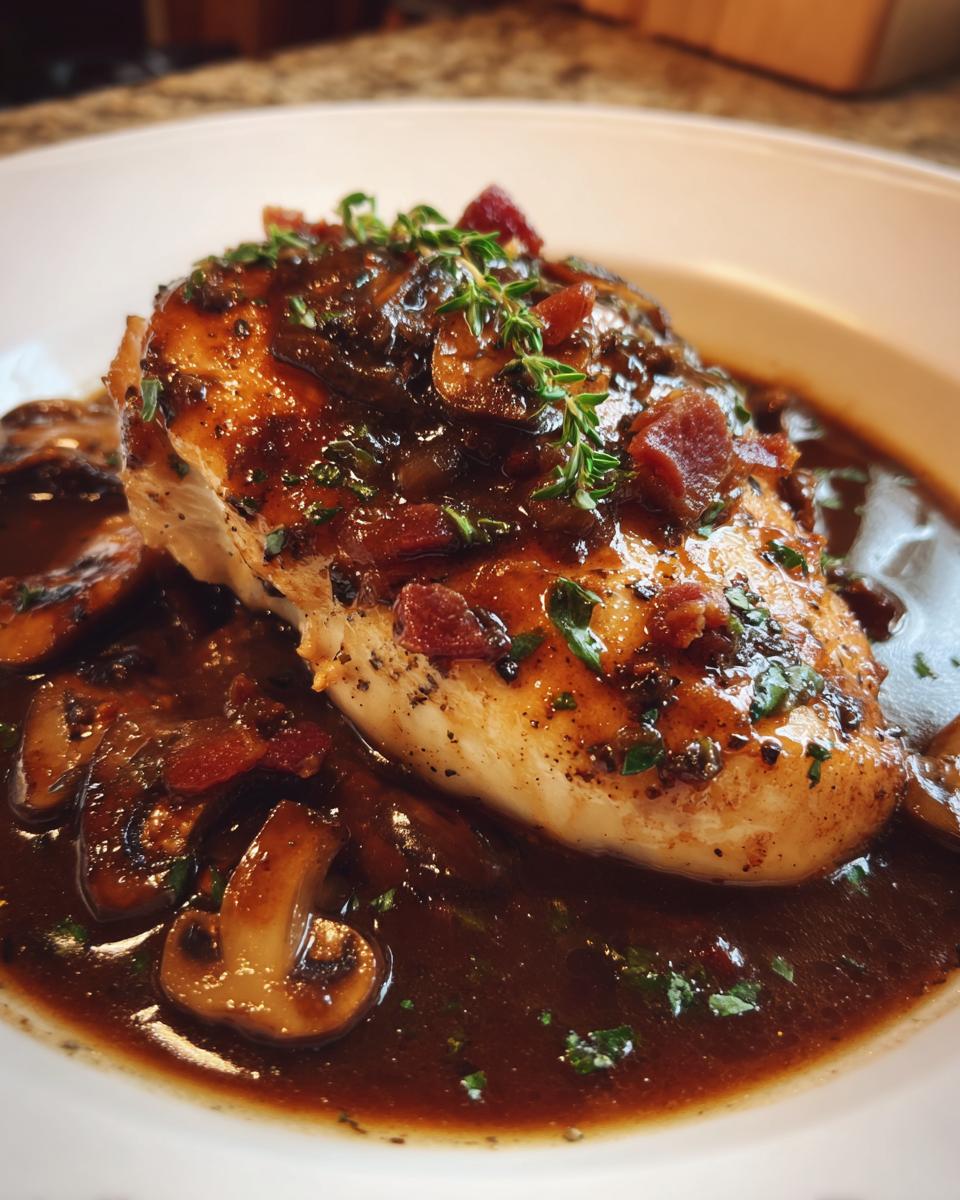
My goal at Dishicious is to honor that intense flavor profile that the French perfected while stripping away the unnecessary steps. We brown everything, we build the base, and then we trust the process. I think this disciplined approach proves that authentic, deep flavor is totally achievable for a busy person. If you want to learn more about how we streamline things here, you can check out my background right here!
Frequently Asked Questions About Making Classic Coq Au Vin
I get a ton of questions about this dish because people assume a **classic recipe** needs complicated adjustments. Don’t worry, nearly every common hurdle has a simple fix!
Can I use chicken breasts instead of bone-in pieces for this coq au vin?
Honestly, I really advise against it, especially since this is a braised chicken dish that cooks for a long time. Chicken breasts are lean, and after two hours in the oven, they will be dry and stringy, even submerged in that gorgeous sauce. If you absolutely must use them, use a mix—maybe two thighs and two breasts—and pull the breasts out after about an hour and a half, keeping them warm while the thighs finish cooking. Thighs are designed for this!
What if I don’t have Burgundy wine? What substitutes work for this classic recipe?
That’s the beauty of flexible French cooking! If you can’t grab a Burgundy, any good quality, dry, fruit-forward red will work beautifully for your **wine sauce**. I often reach for a good Pinot Noir, which gives a similar profile. You could also use a dry Beaujolais or even a Merlot. The key thing is low tannin. A big, tannic Cabernet Sauvignon will overpower the chicken and leave your sauce tasting bitter. If you’re looking for other simple but impressive meals, check out my easy chicken and dumplings recipe!
Nutritional Estimate for Your Classic Coq Au Vin
Now, I know tracking macros isn’t what we’re usually focused on here at the kitchen project desk, but it’s good to have the data! Since this is a slow-cooked dish where a lot of the wine evaporates, the final numbers are actually quite decent for a rich **braised chicken**. Remember, these are just estimates based on the ingredients list—your specific bacon fat rendering and wine reduction level will change things slightly.
This calculation is based on dividing the total recipe components across 4 servings. If you serve this **coq au vin** alongside mashed potatoes like I suggested, you’ll obviously need to factor those in too! We aren’t aiming for low-fat perfection here, but the use of chicken rather than duck makes this surprisingly manageable for an elegant dinner.
- Serving Size: 1 piece chicken with sauce
- Calories: 450
- Sugar: 6g
- Sodium: 450mg
- Fat: 18g
- Saturated Fat: 5g
- Unsaturated Fat: 13g
- Trans Fat: 0g
- Carbohydrates: 15g
- Fiber: 3g
- Protein: 45g
- Cholesterol: 130mg
Just keep in mind that this estimate assumes you’ve skimmed the fat off the sauce nicely before the final reduction. That’s one of those little efficiency checks that boosts your final result while keeping the numbers reasonable!
PrintClassic Coq Au Vin
Make this rich, wine-braised chicken dish for an elegant dinner party main course using straightforward cooking methods.
- Prep Time: 25 min
- Cook Time: 2 hr 10 min
- Total Time: 2 hr 35 min
- Yield: 4 servings 1x
- Category: Dinner
- Method: Braising
- Cuisine: French
- Diet: Low Fat
Ingredients
- 1 whole chicken (about 3–4 lbs), cut into 8 pieces
- 1 bottle (750ml) dry red wine (Burgundy or Pinot Noir)
- 4 oz bacon or lardons, diced
- 1 large onion, chopped
- 2 carrots, sliced
- 2 cloves garlic, minced
- 8 oz cremini mushrooms, halved or quartered
- 1 cup chicken broth
- 2 tablespoons tomato paste
- 1 tablespoon all-purpose flour
- 2 tablespoons olive oil
- 1 bay leaf
- 1 teaspoon dried thyme
- Salt and black pepper to taste
- Fresh parsley, chopped, for garnish
Instructions
- Season the chicken pieces generously with salt and pepper.
- In a large Dutch oven, cook the bacon over medium heat until crisp. Remove the bacon with a slotted spoon and set aside, leaving the rendered fat in the pot.
- Add the olive oil to the pot if needed. Brown the chicken pieces in batches on all sides. Remove the browned chicken and set aside.
- Add the onion and carrots to the pot. Cook until softened, about 5 minutes. Add the garlic and cook for 1 minute more until fragrant.
- Stir in the tomato paste and flour. Cook for 1 minute, stirring constantly.
- Return the chicken to the pot. Add the red wine, chicken broth, bay leaf, and thyme. The liquid should mostly cover the chicken.
- Bring the mixture to a simmer, then reduce the heat to low. Cover the pot and cook slowly for 1.5 to 2 hours, or until the chicken is very tender.
- While the chicken cooks, sauté the mushrooms in a separate pan with a little butter or oil until golden brown. Set aside.
- Once the chicken is tender, remove the pieces from the pot and set them aside, keeping them warm.
- Strain the sauce through a fine-mesh sieve into a clean saucepan, discarding the solids. Skim off excess fat from the sauce surface.
- Bring the sauce to a simmer over medium heat. Cook until it reduces slightly and thickens enough to coat the back of a spoon. Taste and adjust seasoning.
- Return the chicken, cooked bacon, and sautéed mushrooms to the sauce. Simmer gently for 10 minutes to heat through.
- Serve hot, garnished with fresh parsley.
Notes
- For a deeper flavor, you can marinate the chicken pieces in the wine overnight before cooking.
- If you prefer a thicker sauce, mix 1 tablespoon of softened butter with 1 tablespoon of flour (a beurre manié) and whisk it into the simmering sauce at the end.
Nutrition
- Serving Size: 1 piece chicken with sauce
- Calories: 450
- Sugar: 6
- Sodium: 450
- Fat: 18
- Saturated Fat: 5
- Unsaturated Fat: 13
- Trans Fat: 0
- Carbohydrates: 15
- Fiber: 3
- Protein: 45
- Cholesterol: 130