

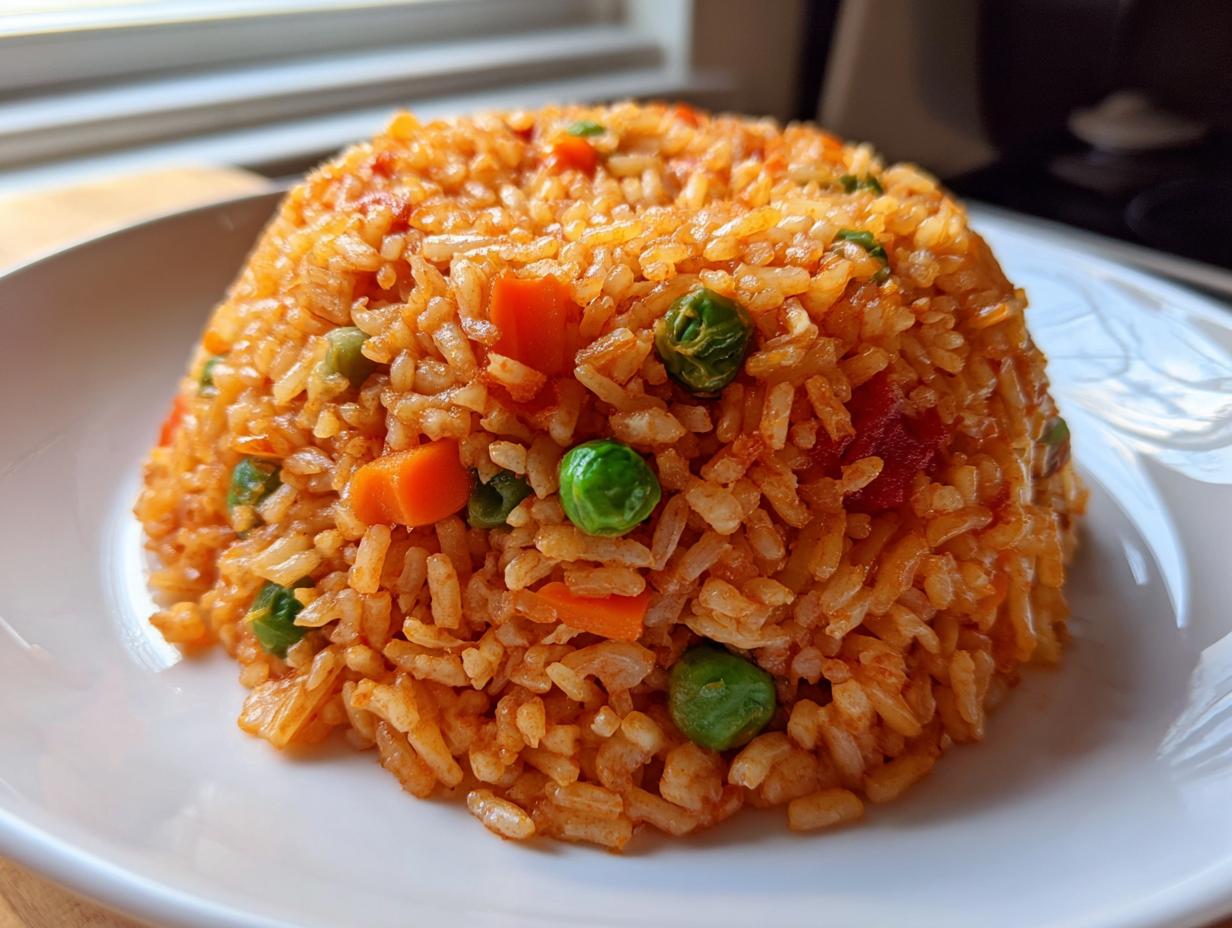
Tired of spending half your evening fighting with liquid ratios only to end up with sticky, disappointing rice? I’ve been there. That’s why, as Leo Grant, I apply my project management mindset to the kitchen: we strip away the complexity and focus straight on the outcome. Forget standing over a bubbling pot—this recipe for authentic Spanish rice, often called Arroz Rojo, is designed to be 100% hands-off once it’s simmering. We’re building maximum restaurant-style flavor in one simple pot. Trust me, your taco night just got an instant upgrade.
- Why This Easy Spanish Rice Recipe Works Every Time
- Ingredients for Authentic Spanish Rice (Arroz Rojo)
- How to Prepare Restaurant-Style Spanish Rice
- Expert Tips for the Best Spanish Rice Recipe
- Ingredient Notes and Substitutions for Spanish Rice
- Serving Suggestions for Your Flavorful Rice Side Dishes
- Storage and Reheating Instructions for Leftover Spanish Rice
- Frequently Asked Questions About Making Spanish Rice
- Nutritional Snapshot of This Easy Side Dish
- Nutritional Snapshot of This Easy Side Dish
Why This Easy Spanish Rice Recipe Works Every Time
When I approach a recipe, I look for rock-solid reliability. This isn’t some fussy recipe that only works if the humidity is just right. We are aiming for that perfect, vibrant, super-flavorful rice you always ask for at the best Mexican spots, and the beauty is we do it all in one pot. That cuts down on cleanup, which is always a win in my book. Plus, you’re looking at under 30 minutes of active cooking time!
- We focus intensely on flavor delivery using simple, accessible pantry staples.
- It’s a true one-pot wonder that respects your time on busy weeknights.
- The technique guarantees the rice grains stay separate—no gummy messes here.
If you want results you can consistently count on, you need to understand the ‘why’ behind a couple of key steps. I’ve linked out to my guide on achieving that perfect texture in other fluffy rice dishes, but the core principle applies right here.
The Secret to Fluffy Rice: Toasting the Grains
Listen, this is non-negotiable if you want that authentic texture. Before we add any liquid, we are taking the bare white rice and frying it gently in that oil for about five to seven minutes. We’re not burning it, of course—we just want it to turn a nice, pale golden color. Toasting the exterior of the grain seals it up just a bit. What happens then is that the grain absorbs the simmering liquid more evenly, preventing it from falling apart and getting mushy. It’s a simple engineering trick for a much better side dish.
Ingredients for Authentic Spanish Rice (Arroz Rojo)
Look, I’m not going to ask you to track down anything obscure for this recipe. This is about maximum flavor using things you probably already have, or can easily grab on your next grocery run. When you see a restaurant serve up this vibrant color and perfect texture, you think they used some secret spice blend, right? Nope, it’s mostly smart technique and relying on the basics done right. If this recipe becomes a staple for you, check out my guide on making other restaurant-style Mexican rice dishes for more inspiration!
Here’s what you need to gather up before we start cooking. Precision here makes sure we nail that 20-minute simmer time later:
- 2 tablespoons vegetable oil (Nothing fancy needed here, just a good, neutral oil.)
- 1 cup long-grain white rice (Use standard long-grain; no need for Basmati or anything too exotic.)
- 1/2 cup chopped yellow onion
- 2 cloves garlic, minced (Don’t use that pre-minced jar stuff if you can help it; fresh garlic makes a huge difference in aroma!)
- 1 (8 ounce) can tomato sauce (This is where our signature color comes from!)
- 2 cups chicken broth (or vegetable broth if you’re keeping it vegetarian)
- 1 teaspoon salt
- 1/2 teaspoon ground cumin
- 1/4 teaspoon dried oregano
- 1/4 cup frozen peas and carrots mix (This is optional, but I like throwing them in for that classic look and a tiny bit of extra texture.)
See? Totally doable list. Having these measured out before you turn on the stove is the core of my efficient cooking system. Stay organized, and the process practically runs itself.
How to Prepare Restaurant-Style Spanish Rice
Alright, this is where the project comes together seamlessly. Because we prepped everything in the last section, the actual cooking is super straightforward. My goal here is efficiency, and this quick stovetop method delivers that beautiful, vibrant color and fluffy texture without tying you down. If you’re trying to get dinner on the table fast, this one pot rice recipe is a lifesaver. Trust me, once you see how easy it is, you’ll use this method for all your simple sides. You can see how I apply similar streamlining to other one-pot wonders, like my black beans and rice.
Step-by-Step Instructions for Perfect Spanish Rice
First things first: get that medium saucepan or Dutch oven over medium heat and let your two tablespoons of oil warm up. Now comes the most important part for texture—Step 2. You need to add your cup of rice and cook this, stirring constantly, for a solid 5 to 7 minutes until those grains look light golden brown. Seriously, don’t rush this toasting time; this locks in the fluffiness.
Once toasted, toss in your chopped onion and cook it down until it’s soft, maybe three minutes. Then, hit it with the minced garlic for just one minute until you really smell it—don’t let it burn! Now, pour in that tomato sauce, the broth, salt, cumin, and oregano. Give it one good stir, bring it up to a boil, and add those optional peas and carrots. Once it’s boiling hard, reduce the heat IMMEDIATELY to low. Cover that pot tightly, and now, you wait. Do not peek! Not for 20 minutes.
The critical finale: after 20 minutes simmering, kill the heat completely. Leave the pot alone, lid on, for another 10 minutes! That resting period lets the steam finish the cooking process perfectly. After that, you can lift the lid, fluff it gently with a fork, and admire your beautiful, restaurant-quality Spanish rice.
Expert Tips for the Best Spanish Rice Recipe
When you’re going for that authentic look and taste, you need a couple of non-negotiable checks in place. This isn’t just about boiling rice; it’s about engineering a side dish that pops with color and tastes like it came straight from a busy kitchen. I always tell people that while the toasting step is crucial for texture, these little flavor boosts separate the good rice from the great Spanish rice.
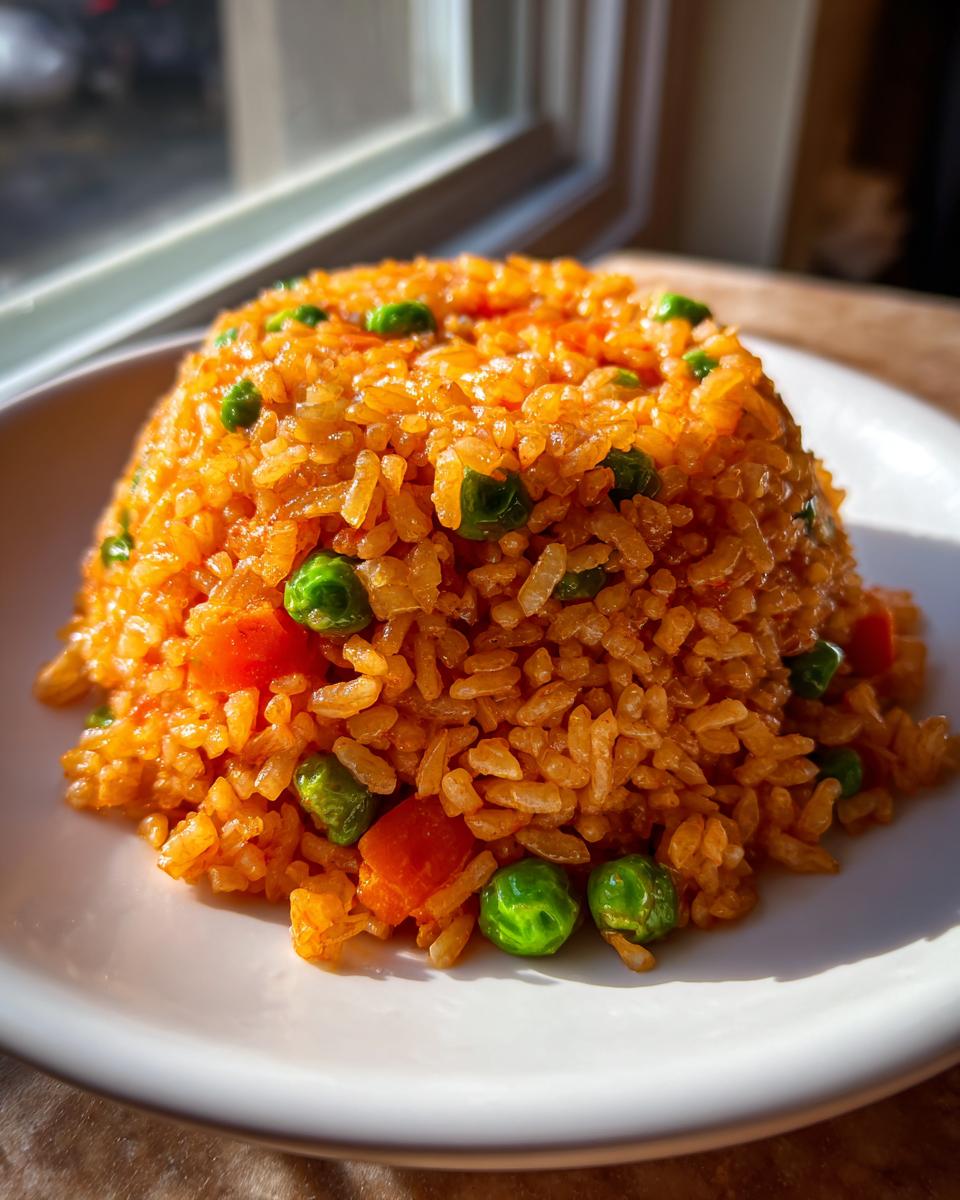
First, remember that vibrant red-orange color? That comes almost entirely from the tomato sauce doing its job early on. Don’t try to skimp there. Second, if you want to punch up the savoriness—especially if you’re using water instead of all broth—try adding 1/2 teaspoon of chicken bouillon powder along with your salt and spices. It gives things a deeper background note that mimics slow-simmered real stock.
If you’re looking for other ways to enhance your flavorful sides, my recipe for cilantro lime rice uses simple ingredients to deliver a totally different but equally exciting flavor profile!
Ingredient Notes and Substitutions for Spanish Rice
Let’s talk specifics on what goes into the pot, because knowing why we choose certain ingredients is how you build a reliable repertoire in the kitchen. If you ask me how to make Spanish rice taste like the restaurant version, it comes down to using the right fluids and spices to build that flavor foundation.
First, the broth: I listed two cups of chicken broth, and that gives you a wonderful, rich base. If you’re vegetarian, go ahead and swap that for vegetable broth—it works just fine, though the flavor profile will be slightly lighter. Either way, make sure it’s good quality or low sodium, since we are adding salt separately.
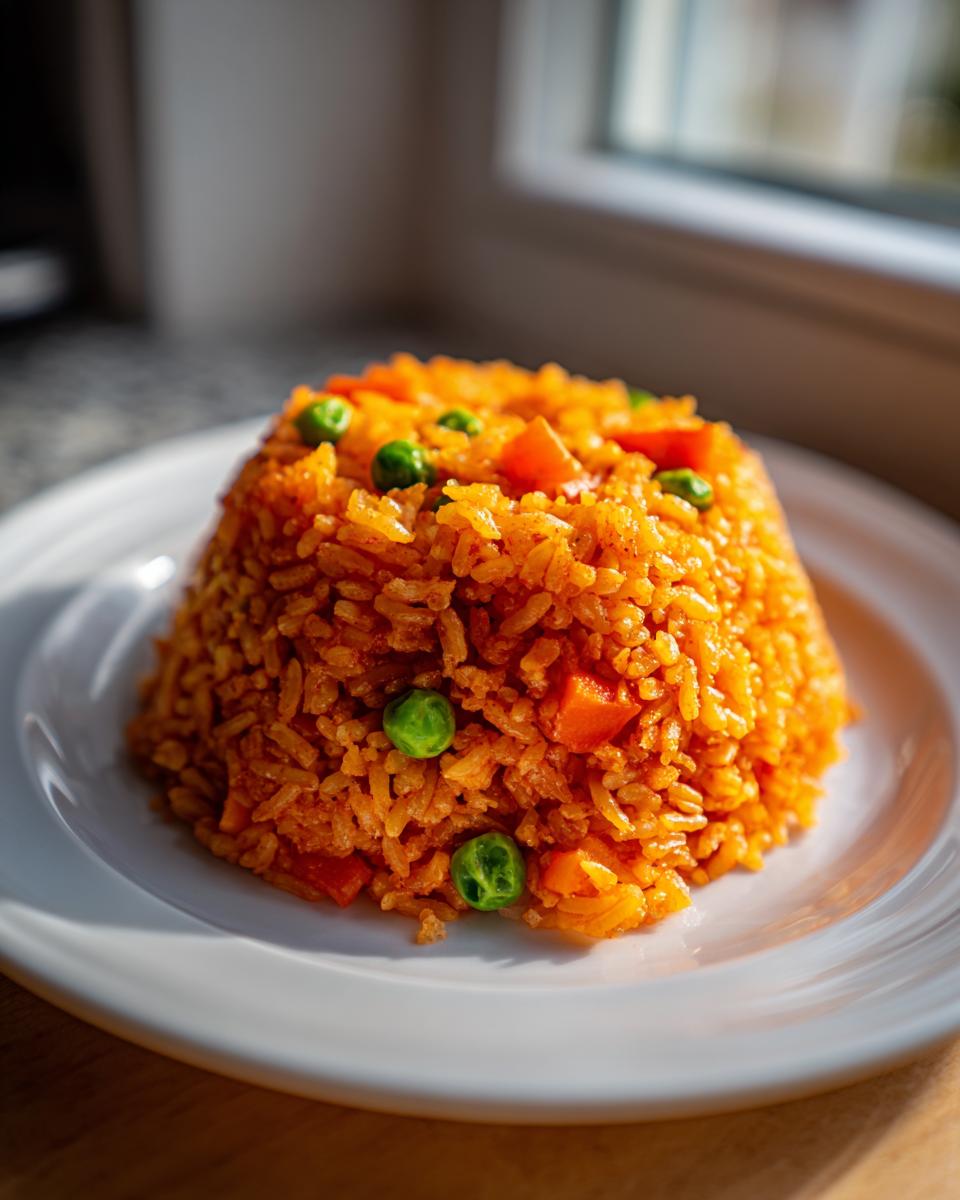
About those peas and carrots? They are purely optional. I throw them in because they add a little visual interest and sweetness, but if you hate them, skip them, no guilt! They go in with the liquid so they steam perfectly.
Now, for a little secret flavor booster that I mentioned earlier: if you’re using broth and want that deep, savory note without having to simmer actual chicken stock for hours, grab some bouillon powder. Mix about 1/2 teaspoon of chicken bouillon powder right in with your cumin and oregano. It amps up the savoriness immediately. It’s one of those engineering shortcuts that gets you restaurant results faster!
Serving Suggestions for Your Flavorful Rice Side Dishes
Okay, now that you have a gorgeous batch of fluffy, vibrant rice ready to go, the real question is: what are we eating it with? This Arroz Rojo isn’t just a filler; it’s a core component of a great meal, especially when we’re hitting those Mexican and Tex-Mex vibes.
If you’re planning a Taco Night, this rice is the perfect base. Pile some seasoned ground beef, shredded chicken, or even black beans right on top. Add a dollop of sour cream and some chopped cilantro, and suddenly your weeknight dinner looks like something special. It’s essential for rounding out those flavors.
It also shines right next to enchiladas or smothered burritos. Since the rice has that savory tomato-garlic punch, it cuts through richer sauces beautifully. I often make a big batch and serve it alongside simple grilled flank steak or chicken breast. It adds color and substance to even the quickest protein.
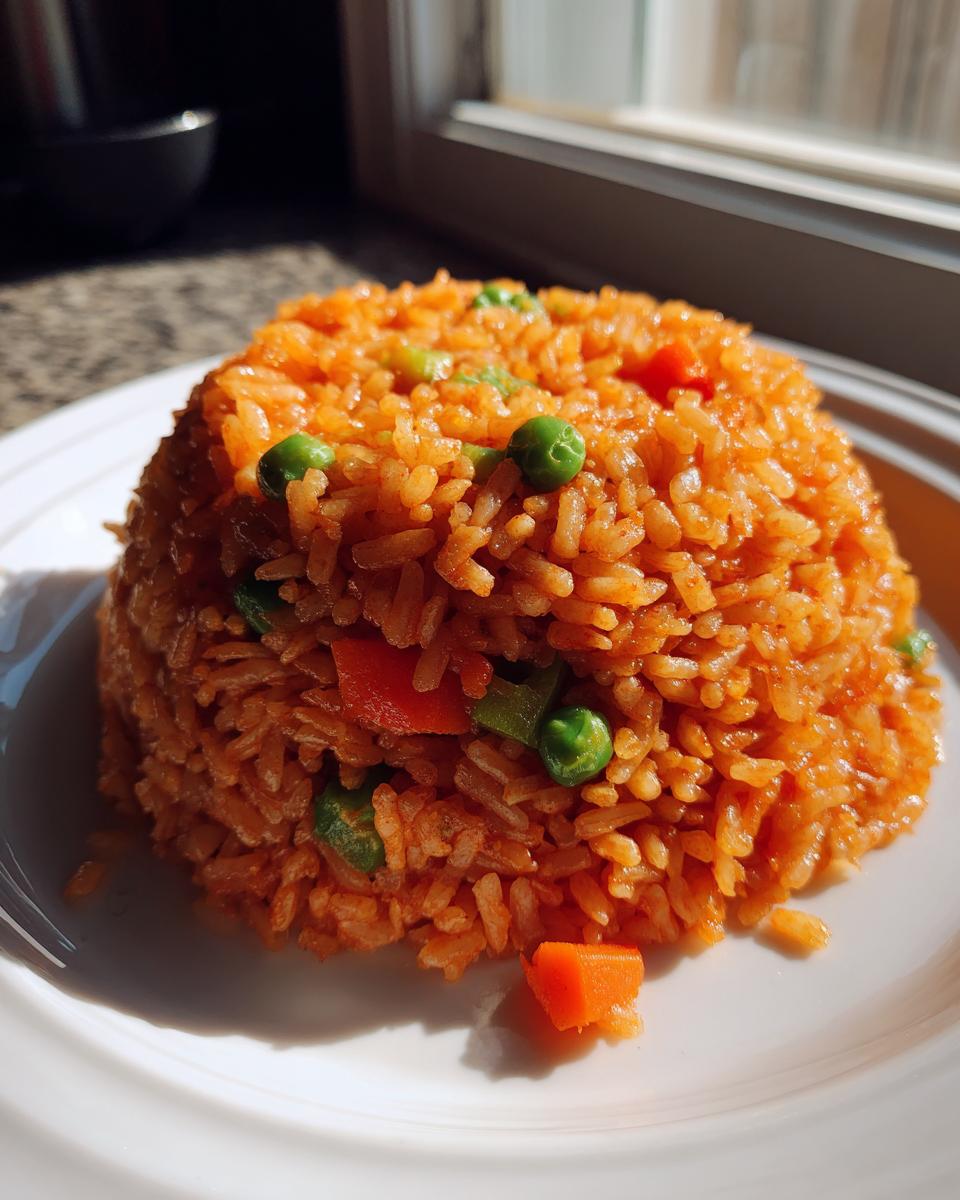
If you’re looking to branch out slightly but keep the comfort food angle going, this rice acts as a fantastic base for other simple dishes too. For instance, I highly recommend serving a scoop next to my recipe for quick and easy chicken chow mein—it ends up being a weirdly delicious cross-cultural mashup that just *works*!
Honestly, the combinations are endless once you have this foundational, flavorful rice ready to deploy. You can’t go wrong pairing it with anything that needs something savory and tender on the side.
Storage and Reheating Instructions for Leftover Spanish Rice
Okay, we all know how it goes: sometimes you make a perfect batch of Spanish rice, and you still end up with leftovers because you were trying to stretch it to feed an army! Dealing with leftovers efficiently is part of my system, too. You don’t want that beautiful, fluffy texture turning into a brick overnight, right? Especially when you’re planning quick weeknight sides, you need to know how to revive this stuff properly.
The key to keeping it good is airtight storage, plain and simple. Once the rice has cooled down a bit—don’t put piping hot rice directly into the fridge, that’s bad form for food safety!—transfer your remaining Spanish rice into a shallow, airtight container. This prevents it from drying out too much in the cold air. You should get three to four days out of it safely in the refrigerator.
When you’re ready to eat it again, don’t just blast it in the microwave! That’s a guaranteed way to steam it into glue. You have two better options, both designed to reintroduce moisture and fluff up those grains again. If you’re in a hurry, transfer a portion to a microwave-safe bowl and add just a tiny splash—maybe a teaspoon of water or broth—per cup of rice. Cover it loosely and nuke it in 30-second bursts, fluffing in between. It steams itself back to life!
My preferred method, though, is the stovetop method. Take your leftover rice, put it back into a dry saucepan over medium-low heat. Add that tiny bit of water or broth again, cover it, and let it gently steam for about five to eight minutes. This slow revival process really respects the texture we worked so hard for during the initial cook. It’s almost as good as fresh!
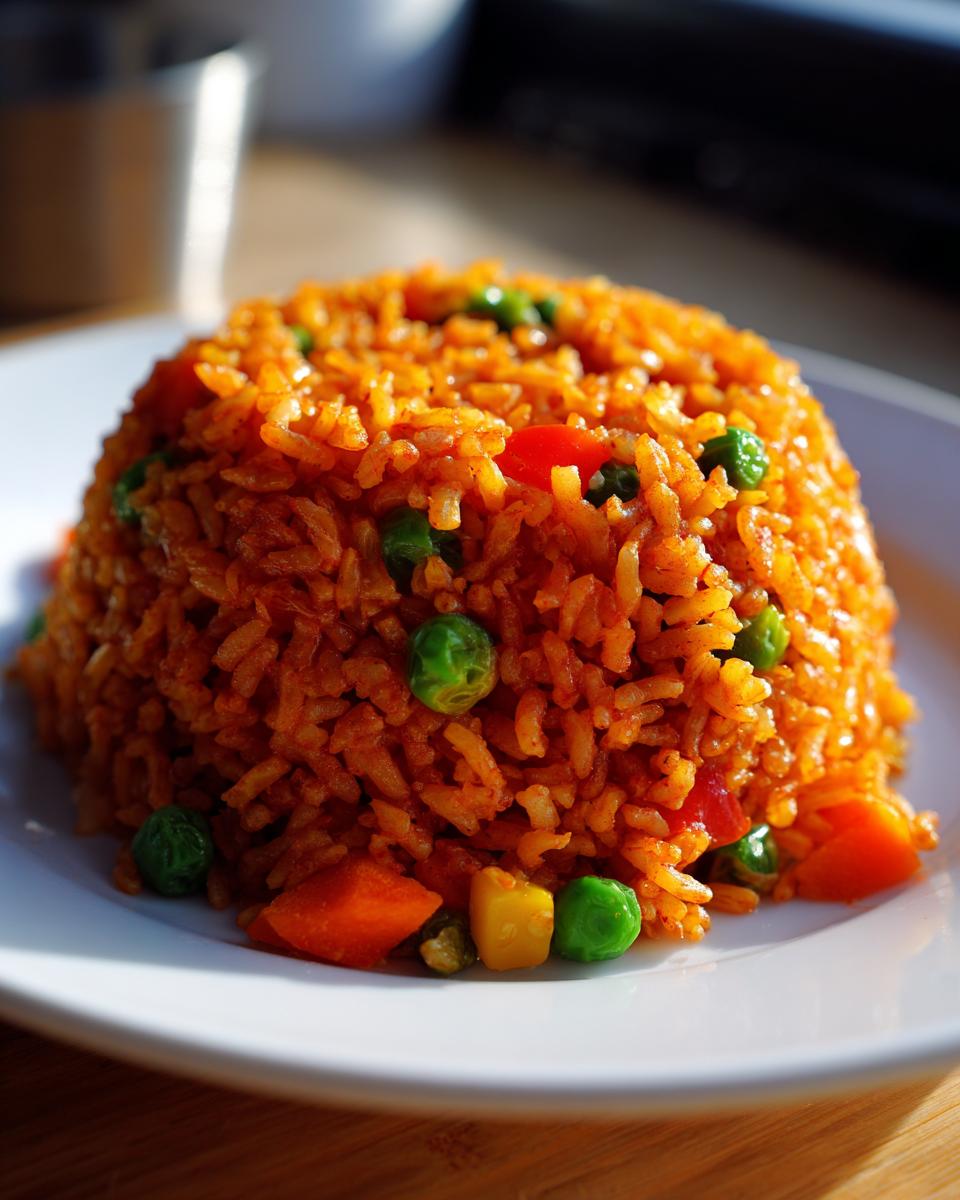
If you’re looking for inspiration for what to make next time you have leftovers, sometimes I use stuff like this rice as a base for something completely different, like in my garlic lemon turmeric rice preparations if I add just a few extra mix-ins. But for this Arroz Rojo, gentle steaming is the way to go.
Frequently Asked Questions About Making Spanish Rice
I know sometimes even the clearest instructions leave you with a quick question nagging in the back of your mind, especially when side dishes are concerned. Since I developed this approach to make every Spanish rice recipe foolproof, let’s clear up the most common issues I hear about. Having answers ready means less kitchen stress!
Why does my Spanish Rice turn out mushy or sticky instead of fluffy?
This is the number one question I get, and honestly, it almost always comes down to rushing Step 2. If you don’t toast the rice grains in the oil until they are lightly golden brown, they soak up liquid too quickly and break down, turning into glue. My process demands that 5-to-7-minute toasting window. Also, please, please do not lift that lid while it’s simmering or resting! You’re trapping the steam that finishes the job. If you follow those two rules, your Mexican rice recipe will be fluffy every time.
Can I use brown rice instead of white rice for this recipe?
In short, not easily. This specific one pot rice method is engineered for the texture and absorption rate of long-grain white rice. Brown rice contains the bran layer, meaning it takes way longer to cook and needs significantly more liquid. If you substitute brown rice, you’ll need to use about 3.5 cups of liquid and simmer it for 45 to 50 minutes instead of 20, and you still won’t get the exact same result. For this recipe’s intended flavor and speed, stick to white rice.
What exactly is Arroz Rojo and how is this recipe authentic?
Arroz Rojo just means “red rice” in Spanish, and it’s the classic side that comes with most traditional Mexican meals. Authenticity here comes from two places: first, the use of tomato sauce as the primary coloring and flavor base, not just a pinch of saffron or paprika. Second, it’s the cumin and oregano combo that gives it that familiar, savory depth. This recipe is authentic because it uses the technique—the rice toasting and the liquid ratios—that Mexican home cooks have relied on for years, just streamlined for efficiency.
Can I double or triple this recipe easily?
Absolutely, but you have to be smart about the liquid. While you can double the ingredients, you generally shouldn’t double the cooking time—the simmering time stays around 20 minutes. The crucial change is the pot size! You must use a much wider pot if you double or triple the rice volume. If you crowd too much rice into a narrow pot, the heat won’t distribute evenly, and you’ll end up with a crispy bottom layer and raw rice on top. Use a pot wide enough so the rice sits in a relatively thin, even layer.
If you’re looking for more versatile one pot rice solutions that keep cleanup minimal, you might want to check out my guide on making Mediterranean yellow rice next time you need a change of pace!
Nutritional Snapshot of This Easy Side Dish
Since my whole philosophy is about making sure you’re eating well without excessive fuss, I always like to give a quick look at what you’re taking in. This snapshot is based on one of the four servings listed in the recipe details, and remember, this is just an estimate since it depends on the specific brands of broth and tomato sauce you use!
This side dish keeps things light while still offering good texture and flavor:
- Calories: Roughly 250
- Total Fat: About 7g
- Carbohydrates: Around 40g (mostly from the rice itself)
- Protein: About 5g
- Sodium: This will vary based on your broth, but ours lands around 550mg per serving.
It’s a solid, budget-friendly way to round out your meal without adding a lot of heavy fats. If you’re interested in exploring other lighter side dishes that still pack a flavor punch, take a look at this great lentil salad recipe for another option!
Nutritional Snapshot of This Easy Side Dish
Since my whole philosophy is about making sure you’re eating well without excessive fuss, I always like to give a quick look at what you’re taking in. This snapshot is based on one of the four servings listed in the recipe details, and remember, this is just an estimate since it depends on the specific brands of broth and tomato sauce you use!
This side dish keeps things light while still offering good texture and flavor:
- Calories: Roughly 250
- Total Fat: About 7g
- Carbohydrates: Around 40g (mostly from the rice itself)
- Protein: About 5g
- Sodium: This will vary based on your broth, but ours lands around 550mg per serving.
It’s a solid, budget-friendly way to round out your meal without adding a lot of heavy fats. If you’re interested in exploring other lighter side dishes that still pack a flavor punch, take a look at this great lentil salad recipe for another option!
PrintEasy One-Pot Spanish Rice (Arroz Rojo): Restaurant-Style Side Dish
Make authentic, fluffy Spanish Rice (Arroz Rojo) in one pot. This easy recipe delivers the flavorful, vibrant side dish you expect from your favorite Mexican restaurant, perfect for tacos or weeknight dinners.
- Prep Time: 10 min
- Cook Time: 30 min
- Total Time: 40 min
- Yield: 4 servings 1x
- Category: Side Dish
- Method: Stovetop
- Cuisine: Mexican
- Diet: Vegetarian
Ingredients
- 2 tablespoons vegetable oil
- 1 cup long-grain white rice
- 1/2 cup chopped yellow onion
- 2 cloves garlic, minced
- 1 (8 ounce) can tomato sauce
- 2 cups chicken broth (or vegetable broth)
- 1 teaspoon salt
- 1/2 teaspoon ground cumin
- 1/4 teaspoon dried oregano
- 1/4 cup frozen peas and carrots mix (optional)
Instructions
- Heat the vegetable oil in a medium saucepan or Dutch oven over medium heat.
- Add the rice and cook, stirring constantly, for 5 to 7 minutes until the grains turn light golden brown. This step is key for fluffy rice.
- Add the chopped onion and cook until softened, about 3 minutes. Add the minced garlic and cook for 1 minute more until fragrant.
- Stir in the tomato sauce, chicken broth, salt, cumin, and oregano. Bring the mixture to a boil.
- Once boiling, stir in the frozen peas and carrots, if using.
- Reduce the heat to low, cover the pot tightly, and simmer for 20 minutes without lifting the lid.
- Remove the pot from the heat and let it stand, covered, for an additional 10 minutes. Do not lift the lid during this resting time.
- Fluff the Spanish Rice gently with a fork before serving.
Notes
- To achieve restaurant-quality flavor, do not skip toasting the rice in oil until it is golden.
- For a richer color, you can substitute 1/2 cup of water for 1/2 cup of the broth and add 1/2 teaspoon of chicken bouillon powder.
- This recipe works well as a side dish for tacos, enchiladas, or grilled meats.
Nutrition
- Serving Size: 1 cup cooked
- Calories: 250
- Sugar: 4
- Sodium: 550
- Fat: 7
- Saturated Fat: 1
- Unsaturated Fat: 6
- Trans Fat: 0
- Carbohydrates: 40
- Fiber: 3
- Protein: 5
- Cholesterol: 0