

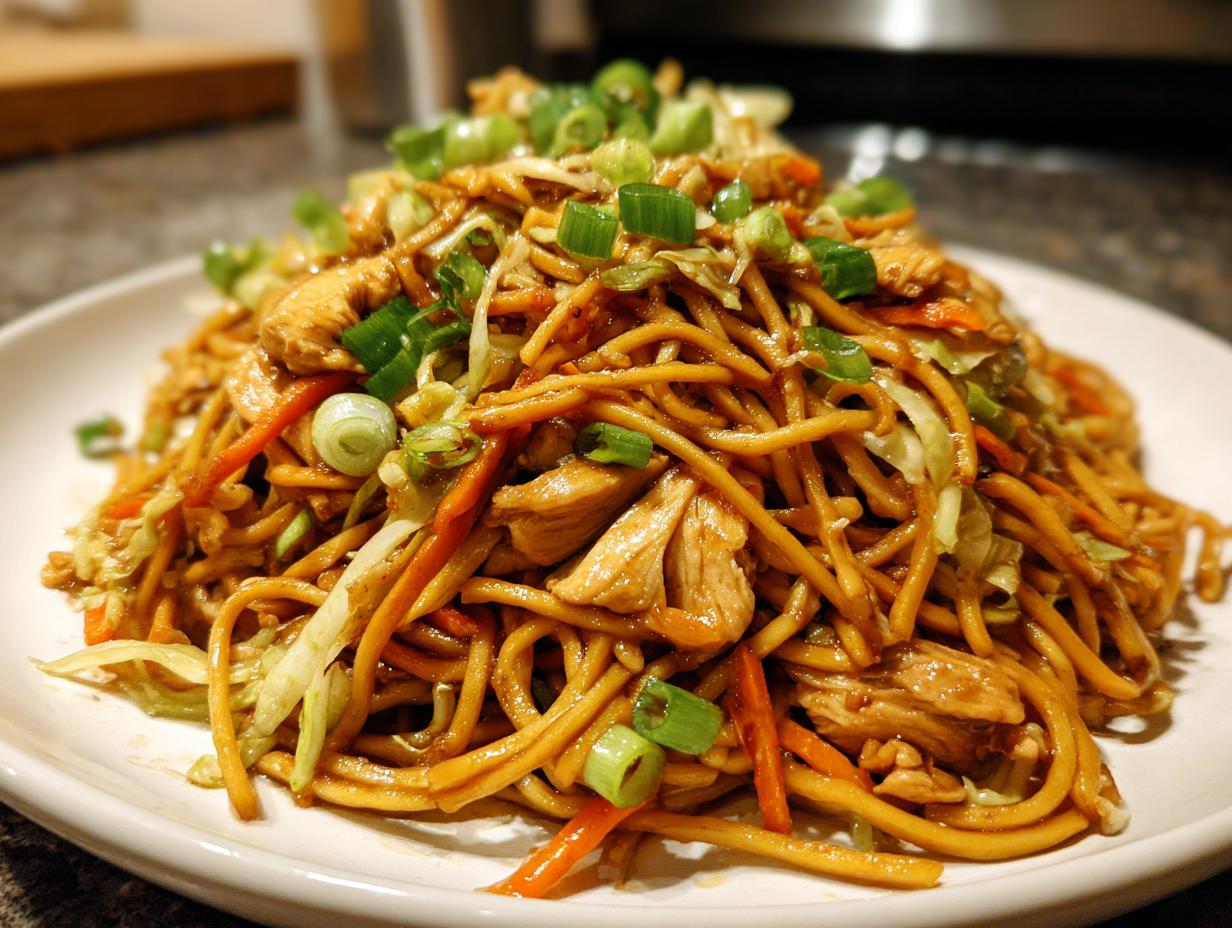
You know that moment? You’re staring down the clock at 6:30 PM, suddenly hit with this massive craving for flavorful Chinese takeout, but the thought of waiting an hour for delivery just kills the vibe. Believe me, I’ve been there! That’s exactly why we created this chicken chow mein recipe. It’s built on my philosophy here at Dishicious: complex flavor doesn’t need complex steps. We’re talking about ditching the delivery app and having this incredibly savory noodle dish, complete with tender chicken and crisp veggies, on the table in less than 30 minutes. It’s efficient cooking at its best – pure comfort food, engineered for your busy schedule. You’re going to love how fast this comes together! For more ideas like this, check out our collection of quick and easy dinners.
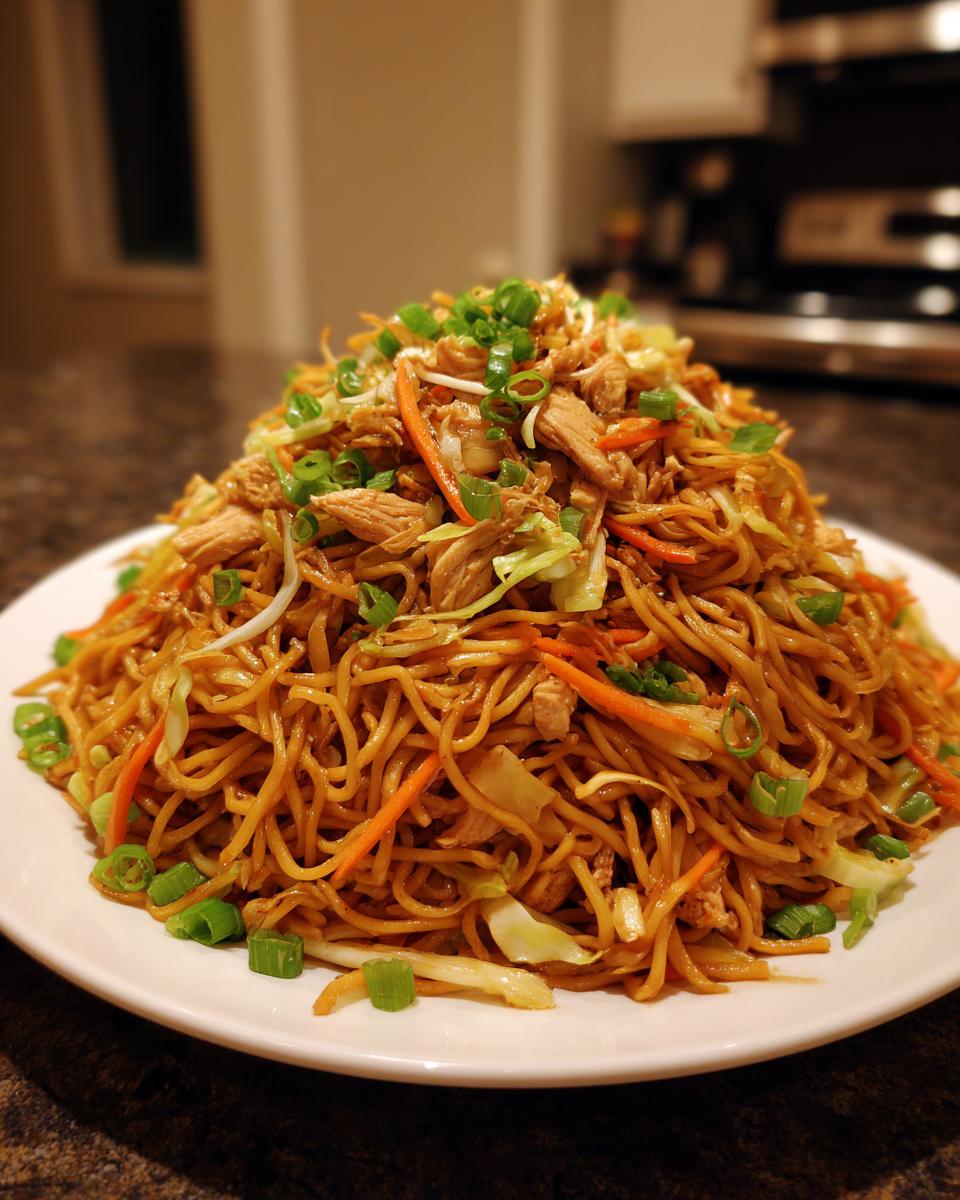
- Why This Quick & Easy Chicken Chow Mein Recipe Beats Takeout
- Ingredients for the Best Chicken Chow Mein
- Step-by-Step Instructions for Authentic Chicken Chow Mein Recipe
- Expert Tips for Perfect Chicken Chow Mein Recipe Success
- Customizing Your Quick Chicken Noodle Stir Fry
- Storage and Reheating for Your Homemade Takeout Chicken Noodles
- Frequently Asked Questions About the Chicken Chow Mein Recipe
- Estimated Nutritional Snapshot for This Chicken Chow Mein Recipe
- Share Your Homemade Takeout Chicken Noodles Experience
- Estimated Nutritional Snapshot for This Chicken Chow Mein Recipe
- Share Your Homemade Takeout Chicken Noodles Experience
Why This Quick & Easy Chicken Chow Mein Recipe Beats Takeout
When I design a recipe, I look at it like a workflow problem to solve. And frankly, takeout stir-fries take way too long. This Easy Chicken Chow Mein recipe is the result of streamlining every single step. It’s proof that you can have that restaurant-quality flavor without the wait. It’s your new go-to 30 Minute Chicken Dinner solution!
Here is what makes this system so reliable:
Ready in Under 30 Minutes
Seriously, the total time clocks in at just 25 minutes! That means from chopping board to serving spoon, we are talking less time than it takes to decide what to watch on TV. This is the fastest Quick Chicken Noodle Stir Fry you’ll ever manage, making it perfect for those chaotic weeknights. I love efficiency, and this recipe delivers!
The Secret to Savory Chow Mein Sauce Recipe
The sauce is where most home cooks get held back, trying to balance five different things. We keep it simple but powerful. By mixing the soy sauce, oyster sauce, and a touch of brown sugar ahead of time, you create a truly Savory Chow Mein Sauce Recipe instantly. That mix of salty and umami is what gives you that authentic flavor—no tasting and adjusting needed!
For a look at other speedy meals built on the same efficiency principle, check out these anti-inflammatory dinners.
Ingredients for the Best Chicken Chow Mein
Okay, you’re ready to cook, but before we fire up the wok, we need to get everything lined up. This is straight out of my project manager playbook: Mise en place! Seriously, having everything chopped, measured, and ready to go is why this whole dish only takes 25 minutes. If you try to chop while you’re cooking, things move too slowly, and you’ll end up with boring, steamed noodles. Don’t do that to yourself! Here’s the lineup for the Best Chicken Chow Mein.
Noodles and Protein
For the main actors, we keep it simple. We need something hearty that can soak up all that great sauce we are making later.
- 1 pound boneless, skinless chicken breast, cut into bite-sized pieces
- 8 ounces dried egg noodles or chow mein noodles
Vegetables and Aromatics
These are crucial for that great texture. We want crunchy, not mushy! Also, notice the green onions—we use them in two different stages. It’s a small step that makes a huge difference in the final presentation and flavor.
- 1 cup shredded cabbage
- 1 cup shredded carrots
- 1 cup sliced mushrooms
- 2 green onions, sliced (make sure you separate out the white parts from the lovely green tops!)
- 1 teaspoon minced garlic
The Flavorful Sauce Components
This is the magic potion! It needs to be done *before* you start cooking the chicken because once the heat is at medium-high, things move fast. Whisk these together in a little bowl and set it right next to your stove.
- 1/4 cup low sodium soy sauce
- 2 tablespoons oyster sauce
- 1 tablespoon brown sugar
- 1 teaspoon sesame oil
- 1/4 cup chicken broth
- 1 teaspoon cornstarch
- Pinch of white pepper
Trust me on the pre-whisking. When you dump that sauce in, everything just comes together immediately. That’s how we keep these cooking times so tight for every Simple Chicken Stir Fry Dinner!
Step-by-Step Instructions for Authentic Chicken Chow Mein Recipe
This is where the magic happens, and staying organized means the difference between a great meal and a messy kitchen disaster! Because we prepped everything, these steps fly by. We’re aiming for perfectly cooked chicken and veggies that still have a fantastic snap to them. When you follow this order, you guarantee the best texture for your Tender Chicken Noodles Veggies!
Preparing the Noodles and Sauce Base
First things first, get those noodles going! Cook them according to what the package says, but please, pull them a minute or two early—we don’t want them soft before they even hit the wok. Once they’re drained, toss them right away with 1 teaspoon of that vegetable oil we measured out. This simple trick stops them from clumping into one giant noodle brick later. Set those oiled noodles aside for now.
Next up, grab that small bowl of sauce ingredients we whisked together. Make sure the cornstarch is fully dissolved in there. You don’t want little white clumps gumming up your beautiful stir fry!
Cooking the Chicken and Stir-Frying Vegetables
Heat 1 tablespoon of your remaining oil in your biggest skillet or wok—and I mean *hot*. We want medium-high heat here to get a good sear. Toss in the chicken pieces and cook them until they’re nicely browned and fully cooked through. It should take about 5 to 7 minutes. Once they look perfect, scoop that chicken out onto a clean plate and walk away. Don’t crowd the pan!
Now, drop in that last bit of oil. Hit it with the white parts of the green onions and minced garlic—just 30 seconds until you smell that beautiful aroma. Then, toss in the cabbage, carrots, and mushrooms. Stir fry this mix for about 3 to 4 minutes. You want them tender-crisp. They should still fight back a little when you bite them; that’s how you know you haven’t ruined the crunch!
Combining Everything in the Chicken Chow Mein Recipe
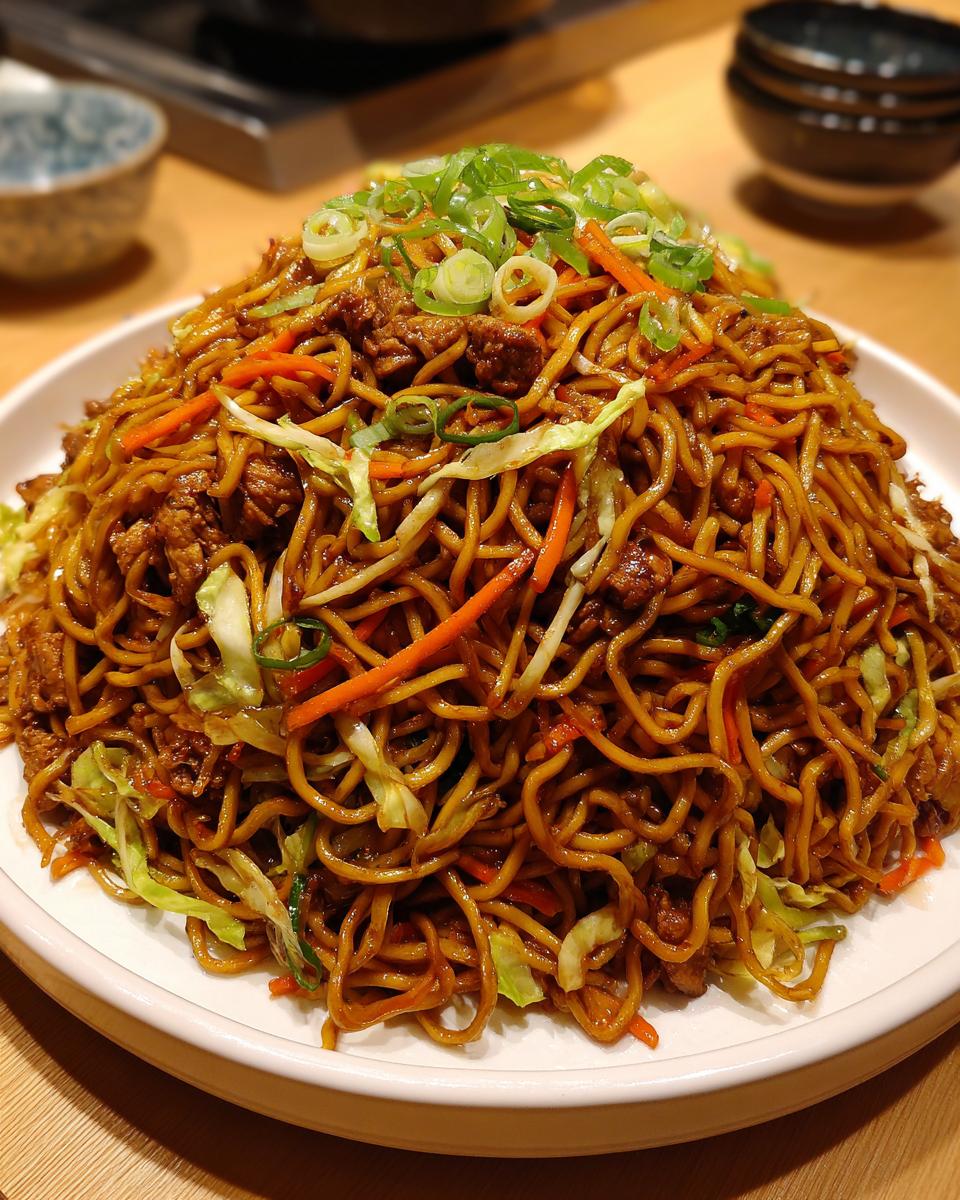
Time to bring it all home! Throw the cooked chicken pieces right back into the pan with those sizzling veggies. Give it a quick stir, and then pour that prepared sauce right over everything. Keep stirring constantly! You’ll notice within a minute that the cornstarch kicks in and the sauce starts thickening up and coating everything in that rich, dark color.
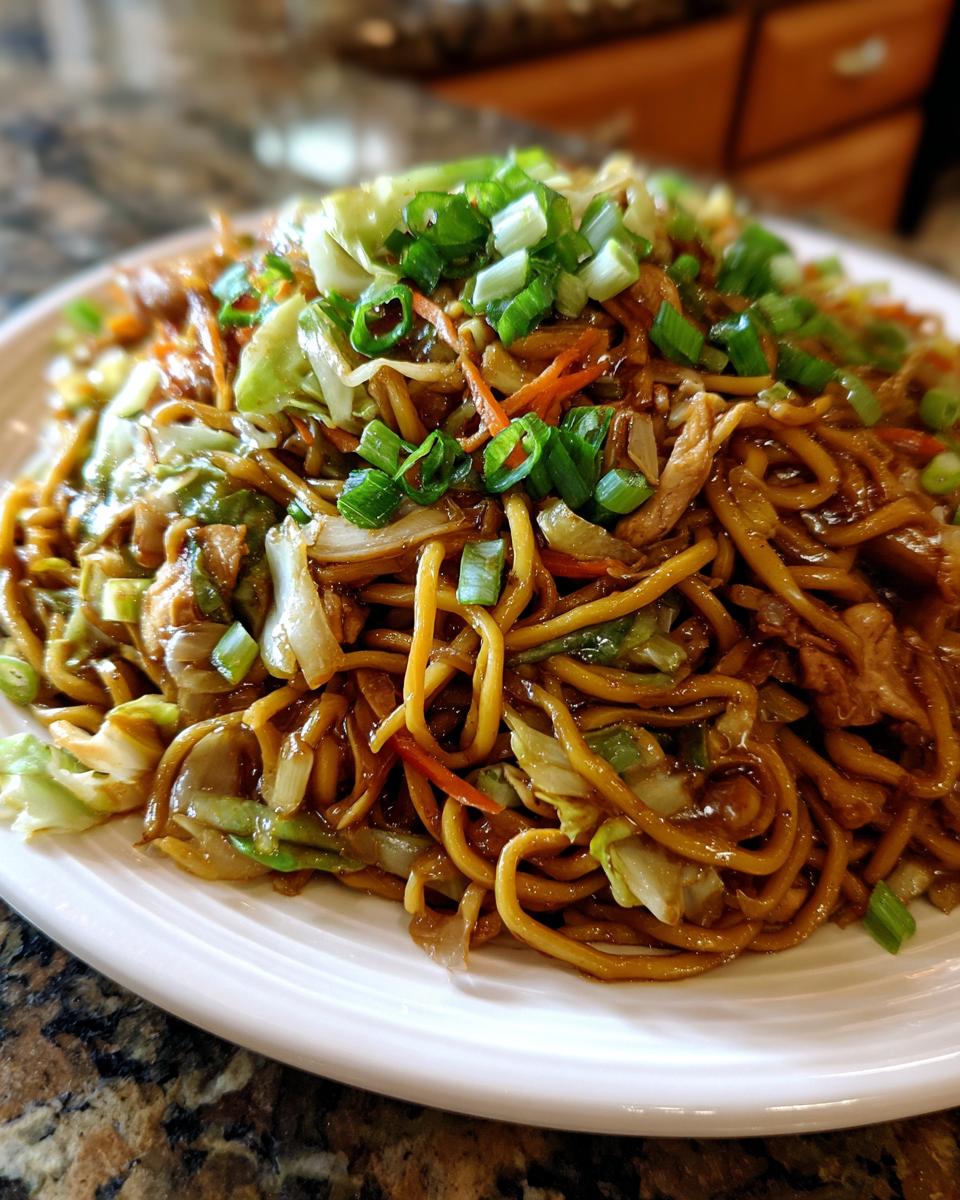
Finally, add your prepared noodles. Toss them quickly—maybe 1 to 2 minutes total—just until they absorb the sauce and are heated through. Remember, the noodles are already cooked, we are just warming them up and coating them. Finish it off by stirring in those vibrant green parts of the green onions right before you slide a big mound onto a plate. If you want more ideas on flavor building, check out how I make my creamy peanut sauce—it uses a similar one-pan thickening trick!
For the best guidance on stir-frying vegetables, you can also check out this recommendation for an easy chicken chow mein guide.
Expert Tips for Perfect Chicken Chow Mein Recipe Success
Listen, following instructions is step one, but understanding *why* we do certain things is what turns a good meal into an Authentic Chow Mein Recipe. Since I approach cooking like I approach managing a big project, I focus on maximizing efficiency and preventing failure points. Trust me, these little tweaks stop your stir-fry from turning into a gummy mess or tasting flat!
Here are the professional pointers—straight from my kitchen strategy guide—that ensure you get those beautiful, smoky notes every time you make this chicken chow mein recipe.
Wok Heat Management for Your Chicken Chow Mein Recipe
You absolutely have to commit to high heat here. If your pan isn’t smoking hot when the ingredients go in, everything steams instead of searing. That steam equals water, and water is the enemy of good stir-fry texture! That’s precisely why we spend time searing that chicken separately first. Once it’s browned, remove it. If you leave it in the pan while you cook the vegetables, the residual heat keeps cooking it, and it gets tough. Pulling it out pauses its cooking process, ensuring you get that lovely exterior char without drying the middle out. It just guarantees tender chicken noodles veggies when we finally bring everything back together.
Noodle Prep: The Key to Non-Sticky Results
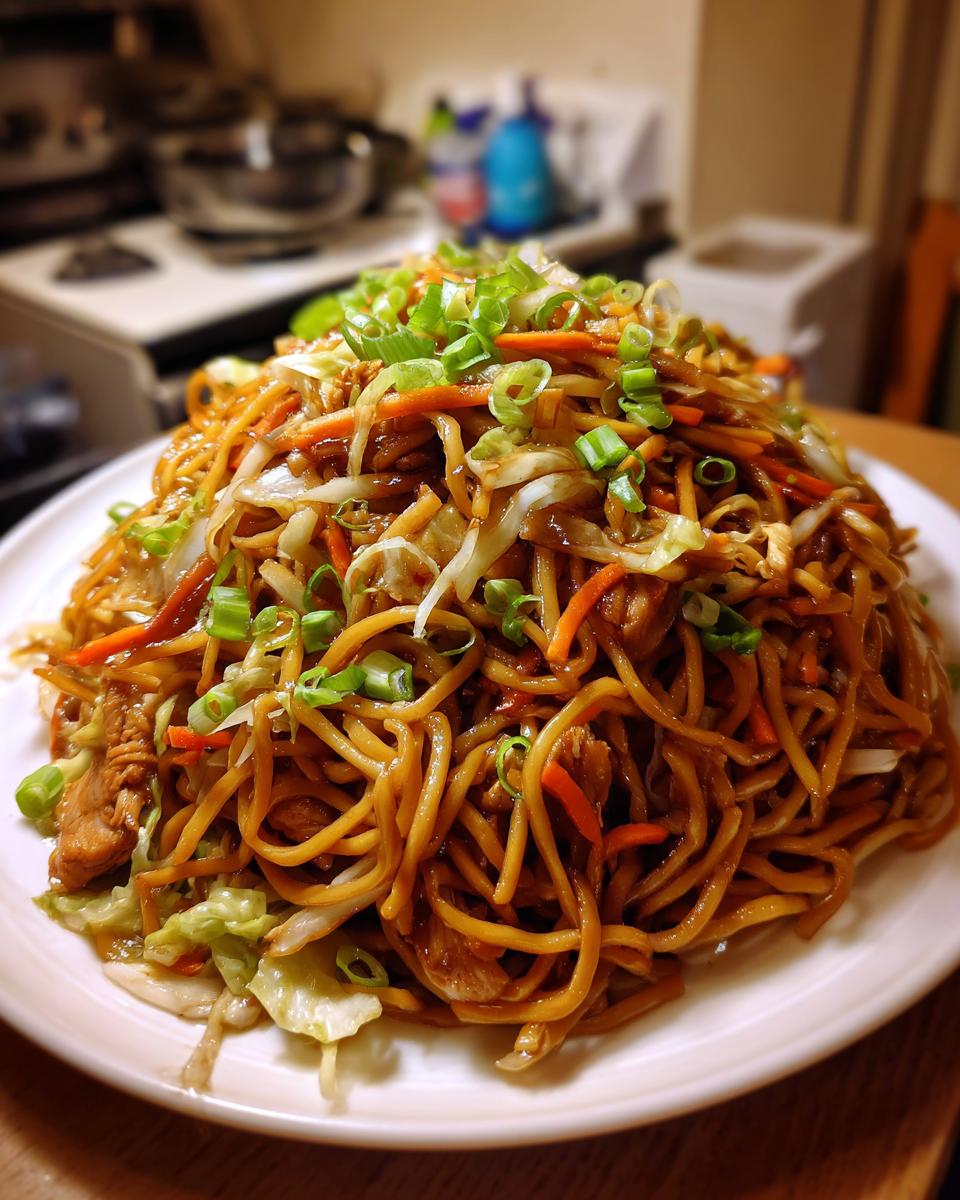
Okay, I mentioned this one before, but I’m saying it again because people skip it, and then they email me wondering why their noodles look like ramen bricks! As soon as you drain the noodles, stop doing whatever else you’re doing, grab that small amount of oil you reserved, and toss them around immediately. I mean, *right* in the colander if you have to! You are coating that sticky surface area before the starch gels up. It’s the simplest way to ensure you have a fluffy base for your Simple Chicken Stir Fry Dinner.
If you are interested in making great sauces on their own—maybe you want to try dipping sauces next—you might enjoy my recipe for creamy garlic sauce. For another example of how I optimize basics, take a look at my rice pilaf recipe, which uses efficient methods too.
If you are looking for more fail-proof directions, some great chefs have awesome takes on this classic, like the breakdown you can find in those failproof chicken chow mein recipes online.
Customizing Your Quick Chicken Noodle Stir Fry
So, you’re getting the hang of the flow, and now you want to tweak things? That’s the best part about sticking to a solid base recipe like this one—you can totally customize it without messing up the whole thing. Since this Quick Chicken Noodle Stir Fry is so flexible, feel free to swap out the protein or sneak in a few more veggies you have lying around. It’s your dinner, after all! But a word of warning: when you change the primary protein, you sometimes need to adjust the timing slightly.
Protein Swaps for the Chicken Chow Mein Recipe
If you’re trying to switch things up, whether avoiding chicken for a night or just craving seafood, I’ve got you covered. Shrimp is a fantastic swap! It cooks super fast, usually in just 2 to 3 minutes until pink. Make sure you add it *after* you pull the chicken out in Step 3, and only cook it right before you’re ready to add the sauce back in.
For our vegetarian friends, tofu is the way to go! I recommend extra-firm tofu that you’ve pressed well to get all that water out. Cube it up and give it a good fry in that same skillet until it’s nice and golden brown before you pull it out. If you’re looking at other Asian flavors that pivot well from this base, maybe check out my recipe for Thai chicken lettuce wraps sometime!
Vegetable Substitutions
We used cabbage, carrots, and mushrooms because they are fast and everyone usually has them. But if your fridge is begging for you to use up some broccoli florets or maybe some bell peppers, throw them in! The rule of thumb is timing. Harder vegetables need more time to get tender-crisp than soft ones.
So, if you add broccoli or maybe some thicker slices of bell pepper, toss those in with the carrots and cabbage almost immediately. If you are adding softer items, like snow peas or bean sprouts, wait until the very end—maybe just toss them in right when you add the noodles. This way, everything finishes cooking perfectly at the same time, giving you that excellent texture in your Homemade Takeout Chicken Noodles.
Storage and Reheating for Your Homemade Takeout Chicken Noodles
The great thing about making a big batch of this chicken chow mein recipe is that you usually end up with leftovers—which is fantastic, because honestly, this dish is often even better the next day!
The biggest worry everyone has when storing noodles is them turning into one sticky mass. It happens, right? But since we made sure to coat our noodles with oil right after draining them (remember that crucial step?), you’ve already won half the battle. This helps keep your Homemade Takeout Chicken Noodles separated even when cold.
Store your leftovers in a shallow, airtight container. I try not to pile them too high, as that can cause pressure on the noodles at the bottom. They’ll keep great in the fridge for about 3 days.
When you’re ready to reheat, the microwave is your friend, but you have to use water! Don’t just blast them dry, or they’ll seize up. Sprinkle a tiny bit of tap water—maybe a teaspoon for a single serving—over the noodles before you cover the container with a damp paper towel. Heat in 30-second bursts, stirring between each one. The steam that builds up thanks to that little bit of water loosens everything up and brings back that fantastic texture we worked so hard for.
If you’re looking for other great make-ahead meals that simplify your week, you should definitely take a look at how I prep my easy make-ahead egg muffins. They save so much time!
Frequently Asked Questions About the Chicken Chow Mein Recipe
I get a ton of questions about this recipe, which I absolutely love! It means you guys are out there streamlining your kitchens, just like I do. Most folks worry about texture or subs, which makes sense because getting Chinese-style noodles right at home can feel tricky. Here are the answers to the few things that pop up most often about making this chicken chow mein recipe work for you.
Can I make this chicken chow mein recipe vegetarian?
Totally! This whole philosophy is about efficiency, and that includes ingredient swaps. If you want to skip the chicken, I suggest going with extra-firm tofu. Make sure you press the tofu really well—that’s key to getting it crispy when you fry it up in Step 3! Alternatively, just lean into the veggies and use extra mushrooms or throw in some edamame for protein. The only other thing you absolutely need to track is the sauce: ditch the oyster sauce and use an equal amount of vegetarian stir-fry sauce or maybe a splash of vegetarian mushroom sauce to keep that umami depth in your Savory Chow Mein Sauce Recipe.
What if I don’t have oyster sauce for my Savory Chow Mein Sauce Recipe?
Oh, that happens all the time, don’t sweat it! Oyster sauce brings that fantastic, deep umami flavor that makes restaurant-style noodles taste right. If you are out, you can totally substitute. The recipe notes mention what I usually do: use an extra tablespoon of soy sauce, but you need to add a little something sweet with it to mimic the body of the oyster sauce. Try adding an extra half teaspoon of that brown sugar we used, or if you have it, a tiny splash of hoisin sauce works miracles! It keeps your Flavorful Noodle Recipe on track.
How do I ensure my noodles are not soggy in this Weeknight Chicken Stir Fry?
This is the #1 texture fear, and it all comes down to heat and timing. For this Weeknight Chicken Stir Fry to succeed, you must treat the noodles gently! Remember that first step? Cook them *al dente*—meaning slightly underdone. They finish cooking in the sauce! Also, make sure you drain them really well and toss them with that teaspoon of oil right away. When you finally add them back in during the last minute, your pan needs to be hot, and you just toss quickly to coat them. If you let them sit in the hot pan under the sauce for too long, that steam gets trapped, and boom—soggy disaster. Keep it moving fast at the end!
For another great way to approach Asian flavors with simple ingredients, try out my recipe for easy creamy seafood salad—it’s weirdly delicious!
Estimated Nutritional Snapshot for This Chicken Chow Mein Recipe
When we talk about efficiency, we also like to keep an eye on the fuel we put into our bodies, right? Since this is designed as a fantastic, satisfying 30 Minute Chicken Dinner, it’s packed with protein and fresh veggies. Keep in mind, this snapshot is just an estimate. I factored in the lean chicken breast, moderate oil use, and the standard amounts of soy and oyster sauce. Your actual numbers will change based on the brand of noodles or if you use low-sodium broth!
Here’s the general idea of what you’re looking at:
- Serving Size: 1 serving
- Calories: Approximately 450
- Protein: About 30g (That’s great fuel!)
- Fat: Right around 12g
- Carbohydrates: Roughly 55g
- Sodium: This will be the highest number, around 750mg, because of the soy sauce, but using low-sodium stock helps cut that down.
Overall, it’s a well-balanced, high-protein meal that checks all the boxes for a satisfying dinner without leaving you feeling heavy. If you’re into planning out your week’s meals, this is definitely one you can build a whole menu around. For more balanced ideas, check out my collection of healthy lunch ideas!
Share Your Homemade Takeout Chicken Noodles Experience
Now you have my whole system for getting the Best Chicken Chow Mein on the table in under 30 minutes. It’s fast, it’s savory, and frankly, I think it tastes better than anything I’ve waited 45 minutes for on a delivery app!
I really want to know what you think. Did this streamlined assembly line approach work for you? Did you toss in some broccoli or use shrimp instead? Hop down to the comments below and leave me a star rating—it helps me know which of these efficiency recipes I should share next! If you’ve got notes or want to get in touch directly about any step of your Homemade Takeout Chicken Noodles journey, you can always reach out via my contact page. Happy Stir-Frying!
Estimated Nutritional Snapshot for This Chicken Chow Mein Recipe
When we talk about efficiency, we also like to keep an eye on the fuel we put into our bodies, right? Since this is designed as a fantastic, satisfying 30 Minute Chicken Dinner, it’s packed with protein and fresh veggies. Keep in mind, this snapshot is just an estimate. I factored in the lean chicken breast, moderate oil use, and the standard amounts of soy and oyster sauce. Your actual numbers will change based on the brand of noodles or if you use low-sodium broth!
Here’s the general idea of what you’re looking at:
- Serving Size: 1 serving
- Calories: Approximately 450
- Protein: About 30g (That’s great fuel!)
- Fat: Right around 12g
- Carbohydrates: Roughly 55g
- Sodium: This will be the highest number, around 750mg, because of the soy sauce, but using low-sodium stock helps cut that down.
Overall, it’s a well-balanced, high-protein meal that checks all the boxes for a satisfying dinner without leaving you feeling heavy. If you’re into planning out your week’s meals, this is definitely one you can build a whole menu around. For more balanced ideas, check out my collection of healthy lunch ideas!
Share Your Homemade Takeout Chicken Noodles Experience
Now you have my whole system for getting the Best Chicken Chow Mein on the table in under 30 minutes. It’s fast, it’s savory, and frankly, I think it tastes better than anything I’ve waited 45 minutes for on a delivery app!
I really want to know what you think. Did this streamlined assembly line approach work for you? Did you toss in some broccoli or use shrimp instead? Hop down to the comments below and leave me a star rating—it helps me know which of these efficiency recipes I should share next! If you’ve got notes or want to get in touch directly about any step of your Homemade Takeout Chicken Noodles journey, you can always reach out via my contact page. Happy Stir-Frying!
PrintQuick & Easy Homemade Chicken Chow Mein
Make this simple Chicken Chow Mein recipe at home for a fast, flavorful dinner that beats takeout. It features tender chicken, crisp vegetables, and savory sauce tossed with noodles, ready in under 30 minutes.
- Prep Time: 10 min
- Cook Time: 15 min
- Total Time: 25 min
- Yield: 4 servings 1x
- Category: Dinner
- Method: Stir Fry
- Cuisine: Chinese
- Diet: Low Fat
Ingredients
- 1 pound boneless, skinless chicken breast, cut into bite-sized pieces
- 8 ounces dried egg noodles or chow mein noodles
- 2 tablespoons vegetable oil, divided
- 1 cup shredded cabbage
- 1 cup shredded carrots
- 1 cup sliced mushrooms
- 2 green onions, sliced (white and green parts separated)
- 1 teaspoon minced garlic
- 1/4 cup low sodium soy sauce
- 2 tablespoons oyster sauce
- 1 tablespoon brown sugar
- 1 teaspoon sesame oil
- 1/4 cup chicken broth
- 1 teaspoon cornstarch
- Pinch of white pepper
Instructions
- Cook the noodles according to package directions. Drain them and toss with 1 teaspoon of vegetable oil to prevent sticking. Set aside.
- In a small bowl, whisk together the soy sauce, oyster sauce, brown sugar, sesame oil, chicken broth, cornstarch, and white pepper to create the sauce. Set aside.
- Heat 1 tablespoon of vegetable oil in a large skillet or wok over medium-high heat. Add the chicken pieces and cook until browned and cooked through, about 5-7 minutes. Remove the chicken from the skillet and set aside.
- Add the remaining 1 tablespoon of vegetable oil to the skillet. Add the white parts of the green onions, garlic, cabbage, carrots, and mushrooms. Stir fry for 3-4 minutes until the vegetables are tender-crisp.
- Return the cooked chicken to the skillet. Pour the prepared sauce over the chicken and vegetables. Stir constantly until the sauce thickens and coats everything evenly.
- Add the cooked noodles to the skillet. Toss everything together quickly until the noodles are heated through and well combined with the sauce, about 1-2 minutes.
- Stir in the green parts of the green onions before serving immediately.
Notes
- For a healthier homemade chow mein, use less oil or substitute half the oil with water when stir-frying vegetables.
- If you do not have oyster sauce, you can substitute it with an equal amount of vegetarian stir-fry sauce or an extra tablespoon of soy sauce mixed with a pinch of sugar.
- This recipe is a great weeknight chicken stir fry dinner solution.
Nutrition
- Serving Size: 1 serving
- Calories: 450
- Sugar: 8
- Sodium: 750
- Fat: 12
- Saturated Fat: 2
- Unsaturated Fat: 10
- Trans Fat: 0
- Carbohydrates: 55
- Fiber: 4
- Protein: 30
- Cholesterol: 85