

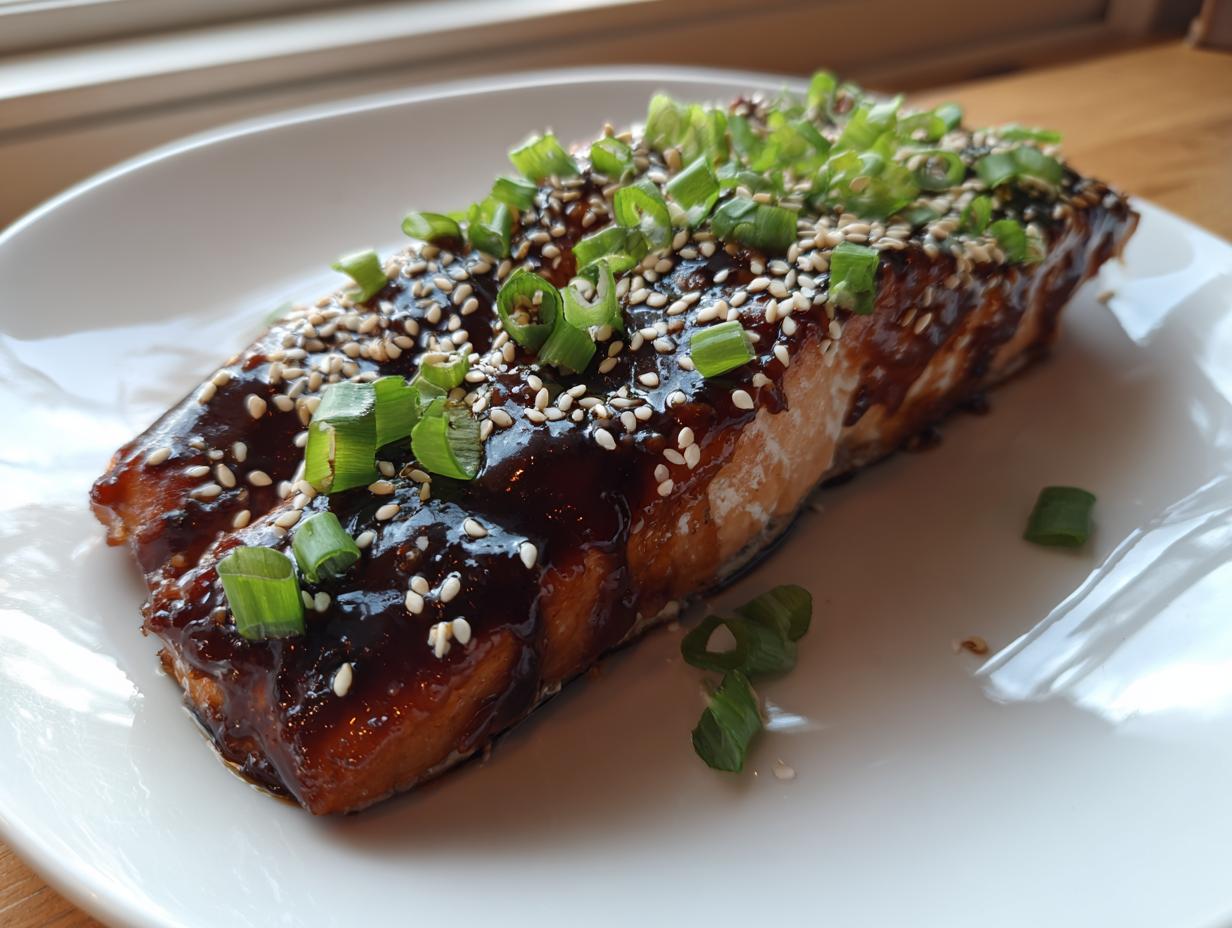
Tired of weeknight meals that require dirtying every pot you own and stealing an hour of your evening? I totally get it. That’s why I engineered this teriyaki salmon. As a project manager turned home cook, I believe maximum flavor shouldn’t require massive effort. We stripped this recipe down to its absolute essentials: tender, flaky fish coated in a rich, sticky, sweet and savory glaze. Forget those thick, gloopy jarred sauces. This homemade teriyaki sauce process is streamlined and fast. Trust me, this baked teriyaki salmon is hands down the easiest, most reliable recipe you will ever keep in your rotation. Dinner done right in under 30 minutes—that’s the goal here.
- Why This Easy Salmon Recipe is a Weeknight Hero (teriyaki salmon)
- Ingredients for the Best teriyaki salmon Glaze and Fillets
- How to Prepare Baked teriyaki salmon: Step-by-Step Instructions
- Ingredient Notes and Smart Substitutions for teriyaki salmon
- Troubleshooting Common teriyaki salmon Issues
- Serving Suggestions: Creating teriyaki salmon Bowls
- Storage and Meal Prep for teriyaki salmon
- Reader Questions Answered about teriyaki salmon
- Rate This Flavorful Baked Fish and Share Your Results
Why This Easy Salmon Recipe is a Weeknight Hero (teriyaki salmon)
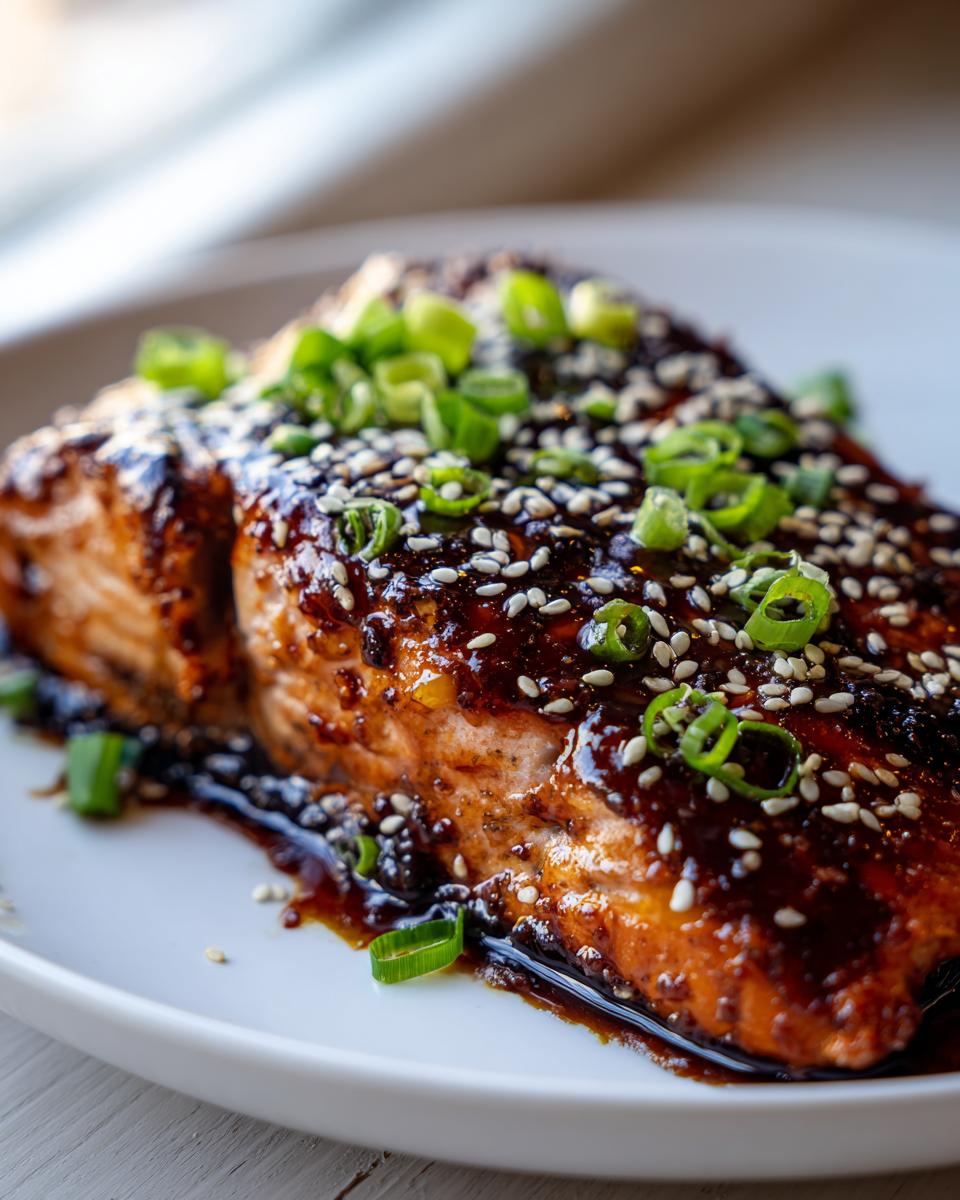
When I first started Dishicious, I was obsessed with cracking the code on the perfect weeknight meal. You want it delicious, you want it healthy salmon recipe status, but you only have about 20 minutes before you need to start thinking about homework or bedtime routines. That’s the efficiency mindset I brought to cooking. This baked teriyaki salmon isn’t just another recipe; it’s an optimized process. We cut out unnecessary steps but kept every element that defines that incredible, sticky salmon fillets flavor.
This preparation is designed for maximum impact with minimum active time. Since I developed this method, it reliably delivers tender flaky salmon without any last-minute panic. If you’re looking for a high-quality, quick salmon dinner that tastes like it took way longer, you hit the jackpot. It’s truly my favorite streamlined solution for busy nights.
Total Time Breakdown for teriyaki salmon
Here’s where the numbers prove this is a weeknight win:
- Prep Time: 10 minutes (Seriously, that’s just whisking the sauce!)
- Cook Time: A fast 15 minutes in the oven.
That brings us to a total time of just 25 minutes. That puts us right under that coveted 30-minute mark, making it an amazing option when you need a 20 minute salmon dinner.
Ingredients for the Best teriyaki salmon Glaze and Fillets
Okay, efficiency means we use high-impact ingredients, and for this teriyaki salmon, the focus is on developing that amazing sweet and savory salmon glaze quickly. We aren’t measuring things out for hours; we’re whisking and baking. Clarity here builds trust—I want you to see exactly what goes into making these flavorful baked fish fillets so good.
For the salmon itself, you’ll need exactly four good portions. For the sauce, these ingredients combine perfectly. Don’t skip the fresh garlic or ginger; those aromatics make the difference between good teriyaki and *best* teriyaki.
- Four (6 ounce) salmon fillets. Skin on or off, whichever you prefer!
- 1/4 cup low sodium soy sauce. Keeping the sodium lower means we can control the saltiness better when adding the honey.
- 1/4 cup honey. This is key for that sticky caramelization we are aiming for.
- 2 tablespoons rice vinegar. Just a little acid to balance the sweetness.
- 1 tablespoon sesame oil. Adds that classic depth of flavor.
- 2 cloves garlic, minced. Don’t use the jarred stuff if you can help it!
- 1 teaspoon fresh ginger, grated. I always grate mine fresh with a microplane—it releases so much more punch.
- 1 teaspoon cornstarch. This little secret weapon is for thickening, which we do right at the end.
- 2 tablespoons water. Mixed with the cornstarch for the slurry.
- Sesame seeds and sliced green onions, for garnish. Mandatory because presentation counts, even on a Tuesday night!
How to Prepare Baked teriyaki salmon: Step-by-Step Instructions
This is where our streamlined project management pays off. We move fast, but we don’t skip the critical steps. The secret to getting that gorgeous, sticky coating on your teriyaki salmon fillets without burning the honey is portion control and timing. Before you even look at the fish, get that oven heating up with the pan ready underneath. This baked teriyaki salmon method is built for reliability.
My one non-negotiable rule for any fish you’re glazing? Pat it bone dry first! Soggy fish equals a dull glaze. Use paper towels and press firmly. This simple step ensures the sauce sticks right where it belongs, rather than sliding off into the pan juices. It makes a huge difference in achieving that perfect restaurant finish.
Making the Homemade teriyaki sauce
Remember that list of ingredients? Now we bring them together. In a medium bowl, grab your whisk. Combine the low sodium soy sauce, honey, rice vinegar, sesame oil, minced garlic, and that grated ginger. Whisk it until everything looks happy and emulsified—that’s your primary sauce base.
Crucially, you need to divide this sauce action. Pour about half of that beautiful, fragrant sauce directly over the dried salmon fillets on your baking sheet. The other half needs to be kept separate. That reserved sauce is what we will carefully brush on toward the end to build that final, caramelized layer. Don’t mix them up!
We also made a tiny slurry—that cornstarch mixed with water—but we hold off on that specific part until the fish is almost done. We don’t want to thicken the whole batch of marinade, just the tiny bit we use for basting later.
Baking and Glazing the teriyaki salmon Fillets
Get those prepped fillets into the 400°F oven for the first round. We’re baking for about 12 to 15 minutes. Why that range? Because salmon thickness varies, right? You’re looking for that moment when the fish just starts to flake easily when you gently nudge it with a fork. That means it’s almost perfectly cooked, yielding tender flaky salmon.
Now for the magic touch: pull the tray out. Quickly brush that reserved sauce—the *un-thickened* half—over the top of each fillet. Slide it back in for only two more minutes. Those final 120 seconds are high heat, high sugar time. This short blast caramelizes the glaze just enough without letting the honey scorch. Pull it out the second those two minutes are up for the best results. You can check out more tips on getting sturdy cooking down, like with a baked ranch chicken, over here.
Ingredient Notes and Smart Substitutions for teriyaki salmon
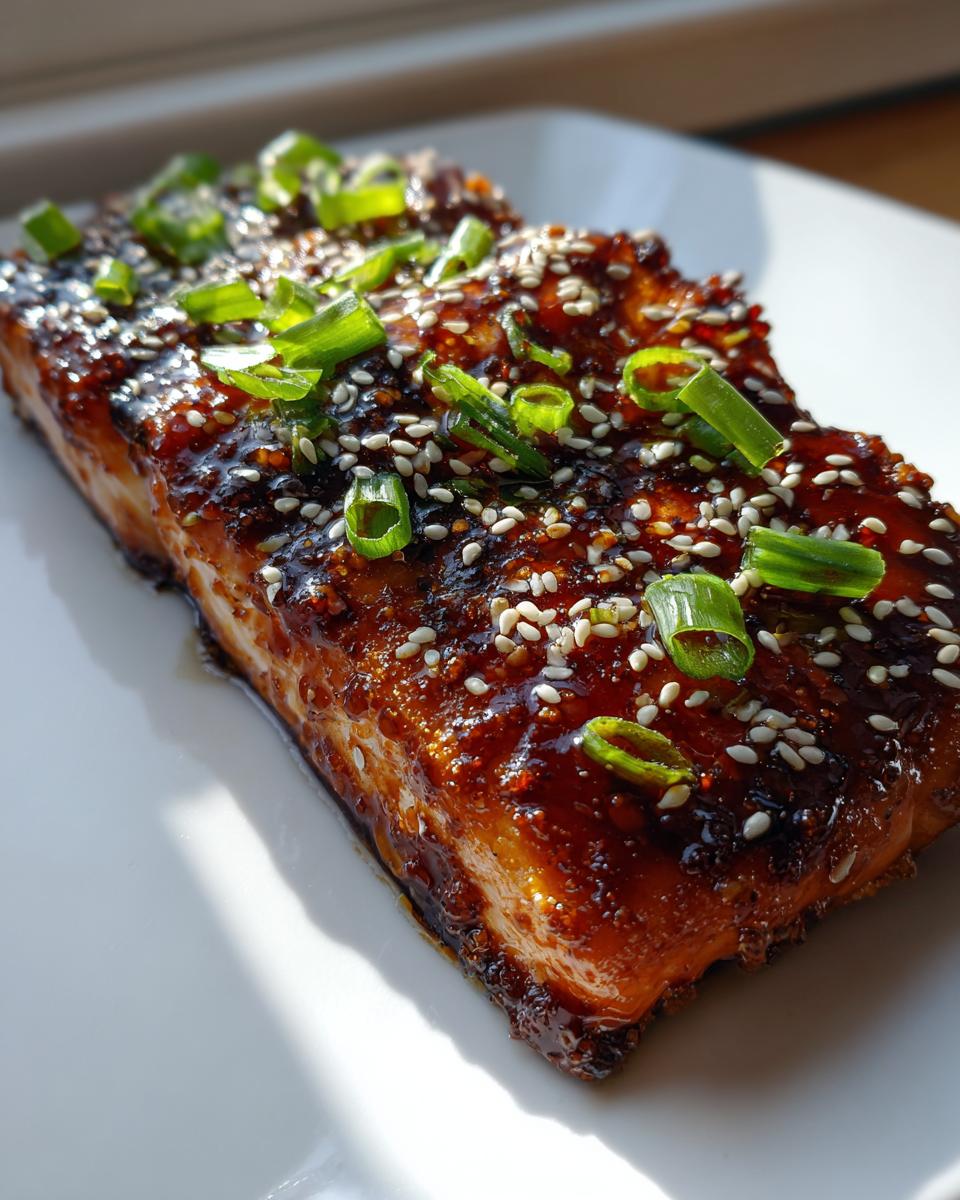
Look, nobody follows the plan 100% of the time, and I get that. Life happens. Maybe you grabbed standard salmon instead of low-sodium soy sauce, or maybe you only have thighs instead of pristine fillets. No panic necessary. The beauty of optimizing a recipe is knowing where you can safely swap things out without wrecking the final product. My goal is always that perfect flavor balance in the homemade teriyaki sauce.
If you’re working with frozen salmon—which, let’s be honest, is often essential for a quick salmon dinner—make sure it’s completely thawed before you start. Running cold water over the sealed package speeds this up considerably. Don’t try to bake it partially frozen; it’ll just end up steamed and sad.
You absolutely can let this marinate longer than the recommended 10 minutes. If you have an extra 15 minutes before you need dinner on the table—maybe you’re running to grab something from the store—let the salmon sit in that initial sauce coating for 25 minutes total. More time equals deeper flavor penetration, which is great for a flavorful baked fish.
Now for the big substitution question that comes up a lot: the sweetener. The honey gives you that amazing stickiness and sheen when it bakes, but if you’re out, you can absolutely sub in an equal amount of pure maple syrup. It’s going to taste slightly different—a little earthier—but it works flawlessly. If you want a deeper, almost molasses-like flavor, you can substitute half the honey with dark brown sugar. It leans into the savory side of the sweet and savory salmon glaze beautifully. Just make sure you whisk the sugar really well into the liquid components so it completely dissolves before you pour it over the fish!
Troubleshooting Common teriyaki salmon Issues
Even with the most optimized recipes—and believe me, I’ve tested this teriyaki salmon dozens of times—things can occasionally go sideways in the oven. Maybe your fillets were thinner than mine, or maybe you got pulled away from the oven for just a moment too long. Don’t stress! My whole philosophy here is about salvaging dinner confidently. When something looks slightly off, we look at the method and course-correct. Addressing these little bumps is how we build trust in the process and ensure we always end up with a satisfying, flavorful meal.
Most issues with this quick salmon dinner fall into two camps: either the glaze burns before the fish cooks, or the fish ends up dry no matter what. Both are usually easy fixes next time around, or sometimes, fixes for right now!
Fixing Dry or Overcooked teriyaki salmon
This is probably the number one fear people have when cooking fish, right? We want that tender, flaky result, not fish jerky! The primary factor here is thickness. Salmon fillets aren’t uniform. A skinny 4-ounce fillet cooks way differently than a thick 7-ounce chunk.
My standard guideline is to pull the fish when the internal temperature hits exactly 145°F. Use an instant-read thermometer if you own one—it’s the project manager’s favorite tool for precision! If you don’t have a thermometer, look for the visual cues we talked about: the fish should flake easily when you press gently with a fork, and it should look slightly opaque all the way through.
If you realize it’s gone a degree or two past that point, don’t panic. Take it out immediately. If it seems dry right off the bat, serve it with extra rice or some vegetables tossed in a squeeze of fresh lemon juice. That acid often tricks your palate into perceiving more moisture than there actually is. Next time, remember that thinner fillets need closer monitoring; pull them out two minutes sooner than you think you should!
What about a slightly burnt glaze? If the sauce on top darkened too much during that final burst of heat, the best move is to gently scrape off the very darkest bits before serving. Since we use reservation sauce for basting, you still have a clean, slightly less sticky glaze underneath to enjoy. If the glaze burns significantly, just skip the final two-minute bake altogether and drizzle that reserved sauce on right after taking the salmon out of the oven. It won’t be as caramelized, but at least it won’t taste bitter!
Serving Suggestions: Creating teriyaki salmon Bowls
You’ve nailed the perfect teriyaki salmon—it’s flaky, glistening, and steeped in that amazing sweet-and-savory flavor. Fantastic! Now, we need to turn this gorgeous protein into a complete, balanced meal, and that’s where my love affair with the dinner bowl comes in handy. To maximize the “healthy salmon recipe” aspect, serving this over a base layer of grains and tossing in some bright, crisp vegetables makes everything come together beautifully.
We are essentially building a killer teriyaki salmon bowl here. The goal is not just taste, but texture contrast. You want the soft, yielding fish against something with a bit of chew or crunch. This approach makes it feel like a substantial dinner without adding any extra stress to the cooking process, since the salmon is already done!
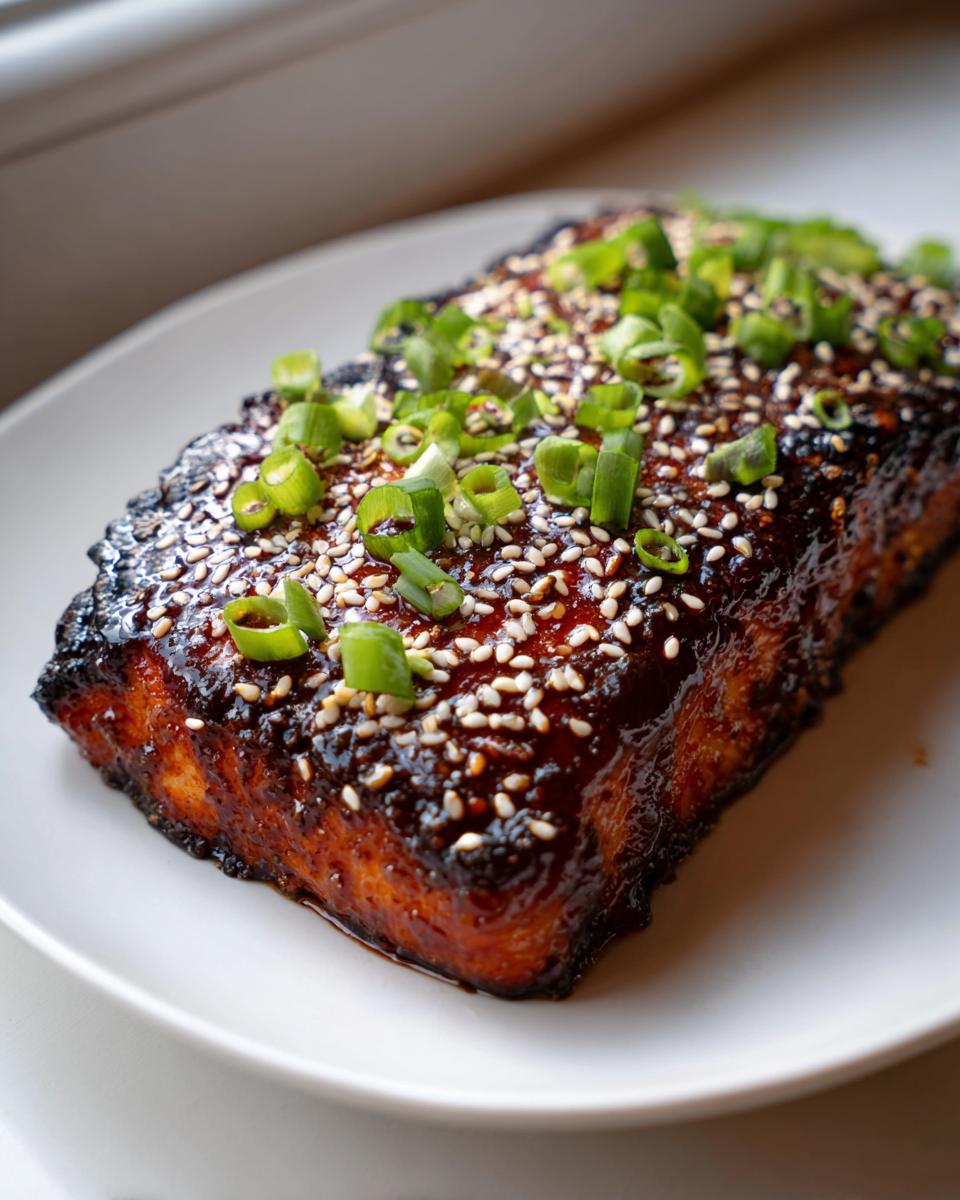
My go-to combination is always steamed jasmine rice because it soaks up all those extra glaze drippings—don’t let a single drop go to waste! However, if you served this over brown rice, quinoa, or even cauliflower rice, you’d still hit that weeknight efficiency target. Plus, pairing the salmon with a quick-blanched veggie keeps things feeling light and nutritious.
Speaking of pairings, you absolutely must try my side dish hack: cilantro lime rice. That bright, slightly acidic flavor is the perfect counterpoint to the richness of the honey and soy in the teriyaki. If you’re looking for a fast side dish recipe that pairs perfectly with virtually any Asian-inspired protein, check out how easy it is to whip up a batch of fluffy, zesty cilantro lime rice. It just elevates the whole bowl experience.
For the vegetables, keep it simple. Steamed or lightly roasted broccoli florets are fantastic because they absorb the glaze flavor. If you want something cooler, thinly sliced cucumber and shredded carrots tossed in a tiny splash of rice vinegar gives a great fresh crunch right on top of the hot salmon. Garnish everything with those reserved sesame seeds and green onions you already have ready, and boom—you have a meal that beats takeout any day of the week.
Storage and Meal Prep for teriyaki salmon
One of the biggest wins with this teriyaki salmon recipe is how well it holds up to meal prep during the week! Since this cooks up so fast—we’re talking 25 minutes total—it’s perfect for making four servings on Monday, knowing Tuesday and Wednesday dinners are essentially done. It satisfies that desire for meal prep salmon without feeling heavy or overly sauced by mid-week.
My approach to storage is focused purely on maintaining that texture we worked so hard to achieve—tender and flaky, not mushy. You want to cool any leftovers completely before sealing them up. Don’t leave the salmon sitting at room temperature for more than two hours; we’re keeping it safe!
Storing Your Leftovers
For the best results, store the cooked salmon fillets separately from any rice or cooked vegetables you might have paired them with. If you plan to integrate them into bowls later, I recommend keeping the grain separate too. When everything is separated, moisture transfer is minimized, keeping the salmon texture superior.
Use an airtight container. Stored properly in the fridge, this baked teriyaki salmon will stay fresh and delicious for about three days. By day four, it’s usually developed a slightly tougher texture around the edges when cold, so try to enjoy it within that 72-hour window.
Reheating for Maximum Flakiness
This is the critical project management step for leftovers. Oven-baked fish hates the microwave, generally speaking. Microwaving heats unevenly and fast-tracks dryness. If you want to keep that fish tender, you have better options!
Option one, my favorite: The Oven or Toaster Oven. Place the salmon on a small piece of foil, maybe add a tiny splash (seriously, just half a teaspoon) of water or broth underneath it, and wrap it loosely. Heat at 300°F for about 8 to 10 minutes. It gently warms the fish through without blasting away the residual moisture left from that sweet glaze.
Option two, if you are in a huge hurry: The Skillet. Heat a non-stick skillet over medium-low heat. Place the salmon in the pan—no extra oil needed—and cover it loosely with a lid for 3–4 minutes. The trapped, low heat warms it gently. This method is fantastic if you want to revisit that nice, slightly glazed exterior we achieved in the first place. It keeps the salmon from drying out while still giving you a great hot meal. For more ways to utilize quick recipes throughout your week, take a look at my roundup of healthy lunch ideas!
Reader Questions Answered about teriyaki salmon
This is where we clear up any lingering thoughts you might have before you start that whisking! Even though this teriyaki salmon recipe is designed to be streamlined, I know sometimes the specifics matter. I’ve taken some of the most common questions I get from folks trying to nail that perfect sticky salmon fillets texture and answered them here. It’s all about managing expectations and getting a fantastic result every time.
Can I use the Air Fryer Salmon Teriyaki variation?
Oh, absolutely! If you use an air fryer, you’re cutting down on cleanup even more, which I fully support. For the air fryer salmon teriyaki method, you’ll want to adjust the temperature slightly. Preheat the air fryer to 380°F. Instead of the initial 12–15 minute bake, you’ll start with 8 minutes. Then, pull it out, brush with the reserved sauce, and air fry for another 3 to 4 minutes until that glaze is bubbling nicely. It cooks a bit faster and more intensely than the oven, so keep a closer eye on it!
Is this a good recipe for meal prep salmon?
Yes, this is one of my favorite meal prep salmon recipes, provided you store it right! As I mentioned before, make sure you cool the cooked fish completely before sealing it in an airtight container. If you’re storing it with rice and veggies, try to pack them in separate compartments if your container allows it. It holds up wonderfully for three days in the fridge. When you reheat it gently—remember, low and slow is the way to go—you’ll be right back to that tender, flaky experience.
Another question I get a lot is about the glaze: “How do I prevent the glaze from being too sticky?” That usually happens if you bake the final sauce on for too long. If you are worried about it burning or sticking excessively to the pan, a quick fix is to skip step 8 entirely. Just remove the salmon after the initial bake, brush on that reserved sauce, and serve it immediately. It will still be moist and flavorful, just without that heavily caramelized, sticky crust. If you like seeing how other people use the machine for quick meals, I’ve got some great air fryer shrimp posts you might like to check out!
Rate This Flavorful Baked Fish and Share Your Results
Alright, you’ve done the project management, you’ve whisked the sauce, and now you have this gorgeous, flavorful baked fish sitting hot on your counter. That’s the finish line! But honestly, the project isn’t truly complete until I hear back from you. Every rating and every comment you leave truly helps me and others who stumble upon this recipe.
When you leave a star rating, you’re not just telling me if you liked it; you’re building trust within the Dishicious community. Knowing this teriyaki salmon works reliably for other busy people is the fuel that keeps me optimizing recipes!
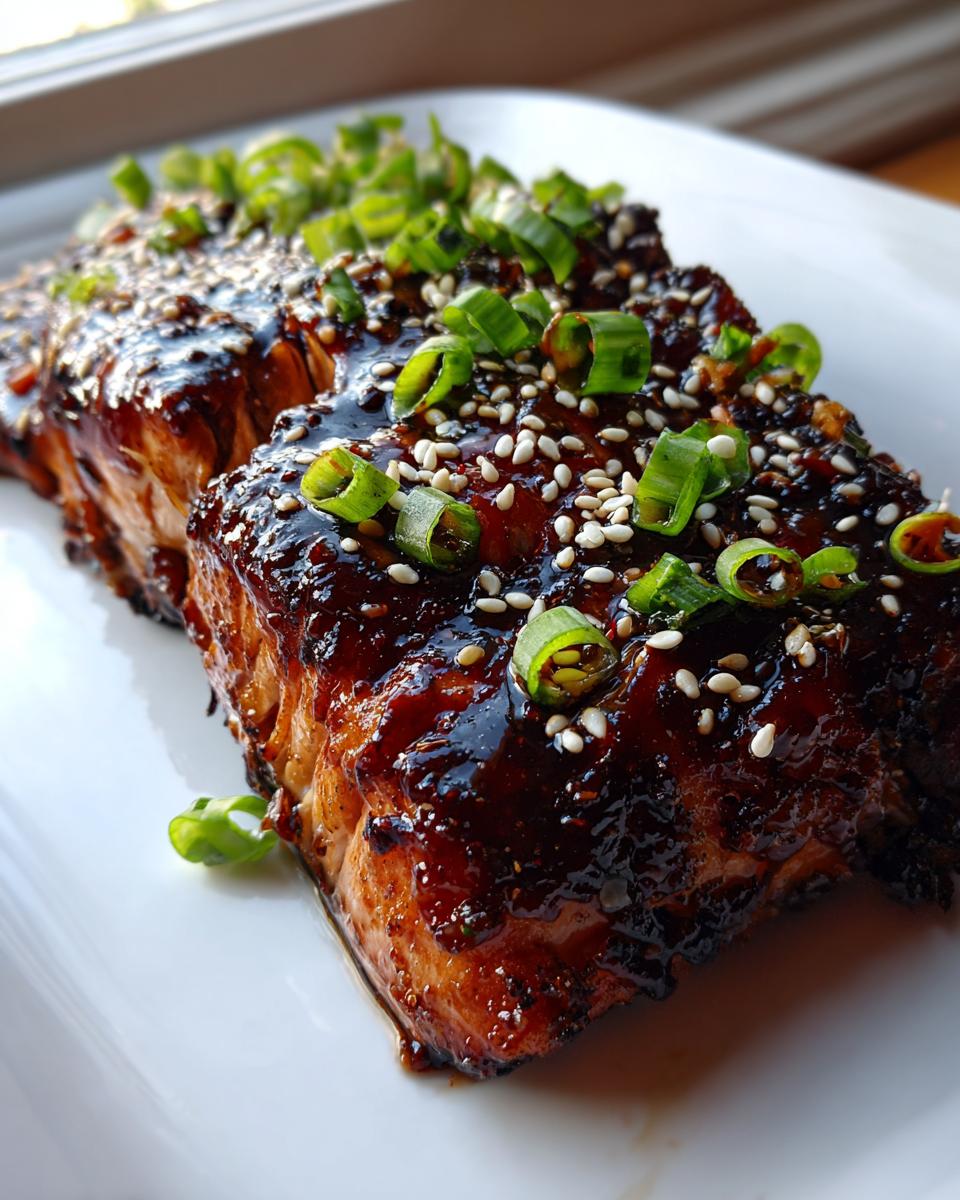
Did you stick strictly to the 25-minute bake? Did you turn it into a phenomenal teriyaki salmon bowl? Let me know how you customized it! Drop your thoughts below—I read every single comment. If you need to reach out directly or have a specific question I missed, you can always use the contact page here: Send me a quick message.
Go ahead, give this one a rating! I’m genuinely excited to see your results!
PrintEasy Baked Teriyaki Salmon Recipe
Follow this straightforward recipe to make tender, flaky teriyaki salmon baked in the oven. You get a sweet and savory glaze with minimal effort, perfect for a quick weeknight dinner.
- Prep Time: 10 min
- Cook Time: 15 min
- Total Time: 25 min
- Yield: 4 servings 1x
- Category: Dinner
- Method: Baking
- Cuisine: Asian-Inspired
- Diet: Low Fat
Ingredients
- 4 (6 ounce) salmon fillets
- 1/4 cup low sodium soy sauce
- 1/4 cup honey
- 2 tablespoons rice vinegar
- 1 tablespoon sesame oil
- 2 cloves garlic, minced
- 1 teaspoon fresh ginger, grated
- 1 teaspoon cornstarch
- 2 tablespoons water
- Sesame seeds, for garnish
- Green onions, sliced, for garnish
Instructions
- Preheat your oven to 400°F (200°C). Line a baking sheet with parchment paper or foil for easy cleanup.
- Pat the salmon fillets dry with paper towels. Place them skin-side down on the prepared baking sheet.
- In a small bowl, whisk together the soy sauce, honey, rice vinegar, sesame oil, minced garlic, and grated ginger. This is your homemade teriyaki sauce.
- Pour half of the teriyaki sauce evenly over the salmon fillets. Reserve the remaining half for basting later.
- Bake the salmon for 12 to 15 minutes, depending on the thickness of the fillets, until the salmon is cooked through and flakes easily with a fork.
- While the salmon bakes, prepare the thickening slurry: In a very small bowl, whisk the cornstarch and 2 tablespoons of water until smooth.
- About 2 minutes before the salmon is done, remove the baking sheet from the oven. Brush the reserved teriyaki sauce over the fillets.
- Place the baking sheet back in the oven for the final 2 minutes to allow the glaze to caramelize slightly.
- Remove the salmon from the oven. Garnish immediately with sesame seeds and sliced green onions.
- Serve the teriyaki salmon hot, perhaps over steamed rice or with roasted vegetables for a complete meal.
Notes
- You can use frozen salmon; thaw it completely before starting the recipe.
- For extra flavor, let the salmon marinate in the first half of the sauce for 15 minutes before baking.
- If you prefer a thicker glaze, you can quickly heat the reserved sauce in a small saucepan until it thickens, then drizzle it over the cooked salmon instead of baking it for the final two minutes.
Nutrition
- Serving Size: 1 fillet
- Calories: 350
- Sugar: 12
- Sodium: 550
- Fat: 15
- Saturated Fat: 3
- Unsaturated Fat: 12
- Trans Fat: 0
- Carbohydrates: 18
- Fiber: 0
- Protein: 35
- Cholesterol: 90