

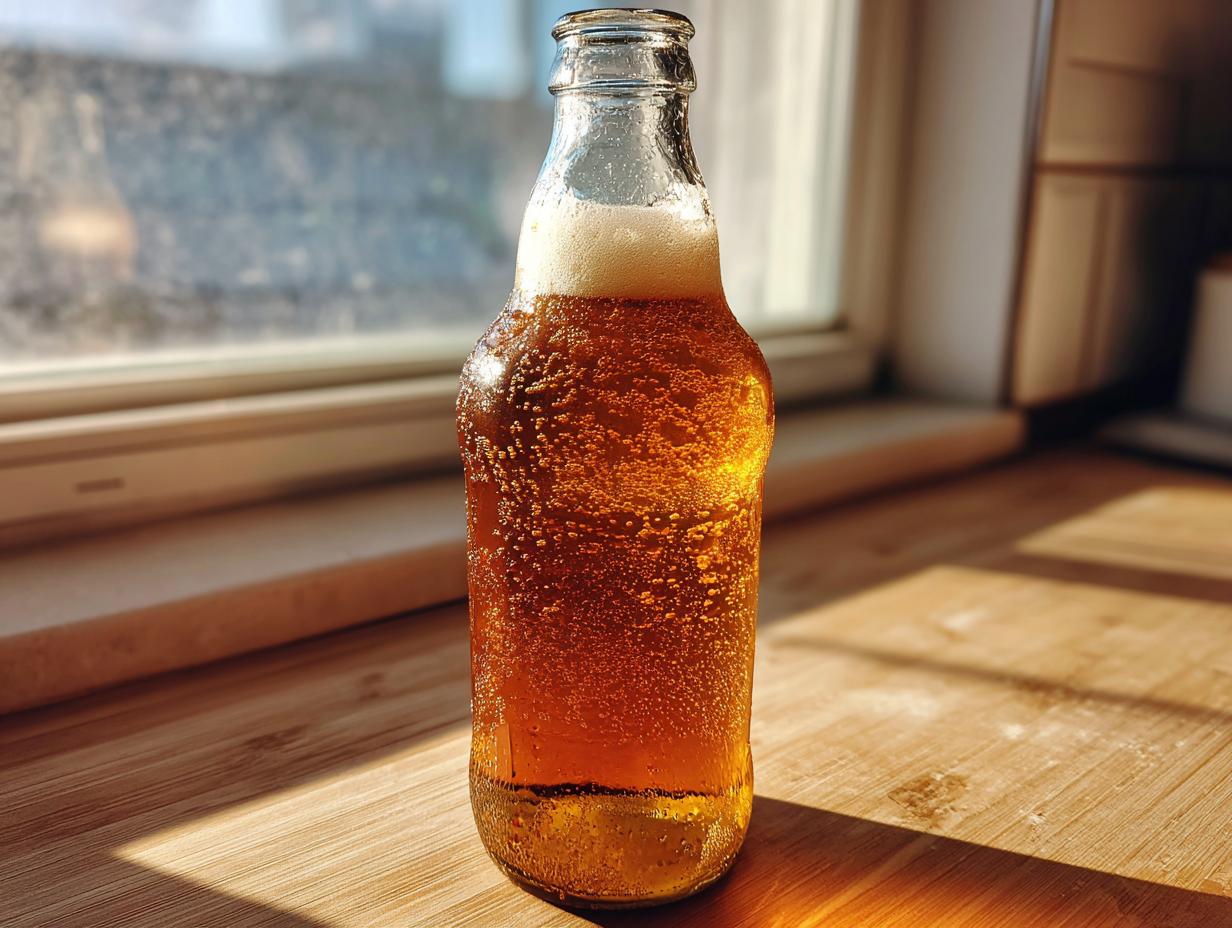
Happy National Homebrew Day, everyone! If you’re tired of shelling out cash for taproom exclusives and want to finally tackle that big, bold flavor profile you crave, you’ve landed in the right spot. Brewing your own **homemade IPA** is the ultimate celebration of craft, and I’ve engineered the perfect approach for you. Forget overly complicated procedures; I treat brewing just like managing a complex project: break it down, streamline the steps, and maximize the output. This particular **india pale ale recipe** is designed for small batch brewing, ensuring you get that bright, unapologetic citrus punch from the hops without needing a massive setup. It’s reliable, it’s straightforward, and trust me, the resulting flavor is anything but simple.
- Why This Small Batch Brewing Recipe Delivers the Perfect Homemade IPA
- Equipment Needed for Your Homemade IPA Project
- Ingredients for Your Small Batch Brewing India Pale Ale Recipe
- Step-by-Step Instructions to Brew Your Homemade IPA
- Tips for Success in Small Batch Brewing Your IPA
- Storage and Conditioning for Your India Pale Ale Recipe
- Variations on This Homemade IPA Recipe
- Frequently Asked Questions About Homebrewing for Beginners
- Nutritional Estimates for This India Pale Ale Recipe
Why This Small Batch Brewing Recipe Delivers the Perfect Homemade IPA
Look, the goal here isn’t just making *beer*; it’s making the specific *type* of beer that makes you step back and say, “Wow, I did that.” This recipe has been optimized specifically for maximum impact without demanding your entire weekend. For those of you just starting out with a basic beer making kit, this approach makes professional results totally achievable.
- Bold, Clean Flavor Punch: We skip the muddled tastes and focus the entire profile on bright, recognizable citrus hops—that’s what you want in a modern IPA.
- Perfect Starting Size: This is true small batch brewing. It’s enough to share but small enough that you can hit your temperature targets perfectly every time.
- Efficiency Guaranteed: Everything is timed precisely. If you follow the steps, you won’t end up with a batch that tastes… well, sad.
Optimized for Flavor: Showcasing Citrus Hops
When you’re building a great homemade IPA, the hops are non-negotiable. We’re leaning heavily on Citra and Mosaic late in the boil and heavily during the dry hop. This combination naturally carries those huge notes of grapefruit, tangerine, and maybe a hint of tropical fruit. It’s intentional; we are extracting the juiciest parts without adding excessive bitterness that masks the aroma.
Project Management Approach to Your India Pale Ale Recipe
When I developed this india pale ale recipe, I timed every single segment. In my mind, brew day is a project timeline. We need to dissolve the extracts quickly, hit the target boil time exactly, and cool down fast. This focus means less time worrying and more time enjoying the process. This small batch size keeps the variables manageable, boosting your confidence as a homebrewer.
Equipment Needed for Your Homemade IPA Project
Okay, let’s talk gear. Don’t panic if you think you need a massive stainless steel setup. Since we are keeping this manageable with our **small batch brewing** plan, most of what you need probably already came in a basic starter kit. Seriously, if you grabbed a standard beer making kit online, you’re already 90% set for this project.
The main thing you need is a good pot. You’re boiling about three gallons of liquid initially, so aim for at least a 5-gallon kettle. It needs to handle sustained heat without scorching that extract on the bottom.
Here’s the checklist. Remember, sanitation is step one for *any* successful brew, but this list covers the hardware:
- A large brew kettle (minimum 5 gallons).
- A fermenter—again, something 5-6 gallons big, plastic bucket or glass carboy works.
- A sanitized airlock and stopper.
- Something to chill the wort down fast—like an ice bath setup or, if you’re fancy, a wort chiller.
- A long, sanitized spoon or paddle for stirring.
- Bottles ready to go, plus caps and a capper. Don’t forget the bottling bucket for mixing that priming sugar later!
That’s it. We aren’t dealing with complex all-grain mashes here, so keep it simple. Focus your energy on keeping everything that touches the cooled wort spotless.
Ingredients for Your Small Batch Brewing India Pale Ale Recipe
This is where precision matters, just like in any good project timeline. Since we’re making a bold **homemade IPA**, the quality and timing of our hops are everything. Don’t try to substitute canned extract for the dry extracts here; we need that specific base for body.
You’ll notice we are using two different extracts. The Pale Malt gives us the color and primary fermentable sugar, but the Munich Malt Extract? That’s the secret background complexity that keeps this **india pale ale recipe** interesting even after the hops settle down.
Here is the specific list. Make sure you measure your hops exactly for the right boil times—we don’t want a bitter bomb, we want **citrus hops** flavor!
- For the Base: 5.5 lbs Pale Malt Extract (DME)
- For the Depth: 1 lb Munich Malt Extract (DME)
- For Bittering (60 min boil): 4.0 oz Cascade hops
- For Flavor (10 min boil): 2.0 oz Citra hops
- For Aroma (5 min boil): 2.0 oz Mosaic hops
- For the Aroma Blast (Dry Hop): 1.0 oz Citra hops (added later, remember!)
- For Fermentation: 1 packet American Ale Yeast (Safale US-05 works perfectly)
- For Carbonation: 5 oz Priming Sugar (Dextrose)
Seriously, double-check your hop measurements before brew day. Weighing them out ensures that when you follow the schedule, you get exactly the flavor profile we designed for this **small batch brewing** style.
Step-by-Step Instructions to Brew Your Homemade IPA
Alright, let’s get started on the core project management: the brew day. Before you even think about adding water, you have to sanitize everything that the wort will touch after it boils. I cannot stress this enough—if you skip sanitation, you might as well pour the batch right down the drain. For anyone new to homebrewing for beginners, think of sanitizer as your best friend. Once everything is clean, we move to the kettle. If you’re planning a little snack while you work, make sure you check out this amazing easy 15-minute beer cheese dip recipe!
The Boil: Achieving Proper Bittering for Your Homemade IPA
First, dissolve both the Pale and Munich Malt Extracts in about 2.5 gallons of water in your kettle. Get that mixture steaming hot until it hits a rolling boil. The moment it starts bubbling hard, set your timer for 60 minutes and toss in those 4.0 oz of Cascade hops. This is crucial for setting the backbone bitterness for our **homemade IPA**. Keep the heat steady; you want a solid, rolling boil going for the full hour. Don’t let it get too frantic—we don’t want boil-overs!
Cooling and Pitching the Yeast for Fermentation
When the 60 minutes are up, kill the heat immediately. Now, this is where speed matters. Throw in your 2.0 oz of Citra and 2.0 oz of Mosaic hops—these are your late additions—and stir them in gently. You need to chill this wort down to 68°F as fast as humanly possible, usually with an ice bath. Once it’s cool, transfer it to your sanitized fermenter, top up with cold, clean water to hit that 5-gallon mark, and then—shake it like crazy! Aeration ensures the yeast you pitch has oxygen to thrive. Then, pitch your American Ale Yeast and seal it up tight with that airlock.
Dry Hopping for Maximum Citrus Hops Aroma
Let it ferment for seven days at a steady temperature. Once you’re sure fermentation has slowed down, you need to transfer the beer off the yeast sediment. This prevents off-flavors. Carefully rack it into a secondary vessel and immediately add that final 1.0 oz of Citra hops for the dry hop. We only let this sit for three days; we want aroma, not vegetal flavor from too long of contact. After those three days, gently mix in your cooled, mixed priming sugar solution before bottling. Make sure you leave about an inch of headspace in each bottle, cap them up, and then just wait!
Tips for Success in Small Batch Brewing Your IPA
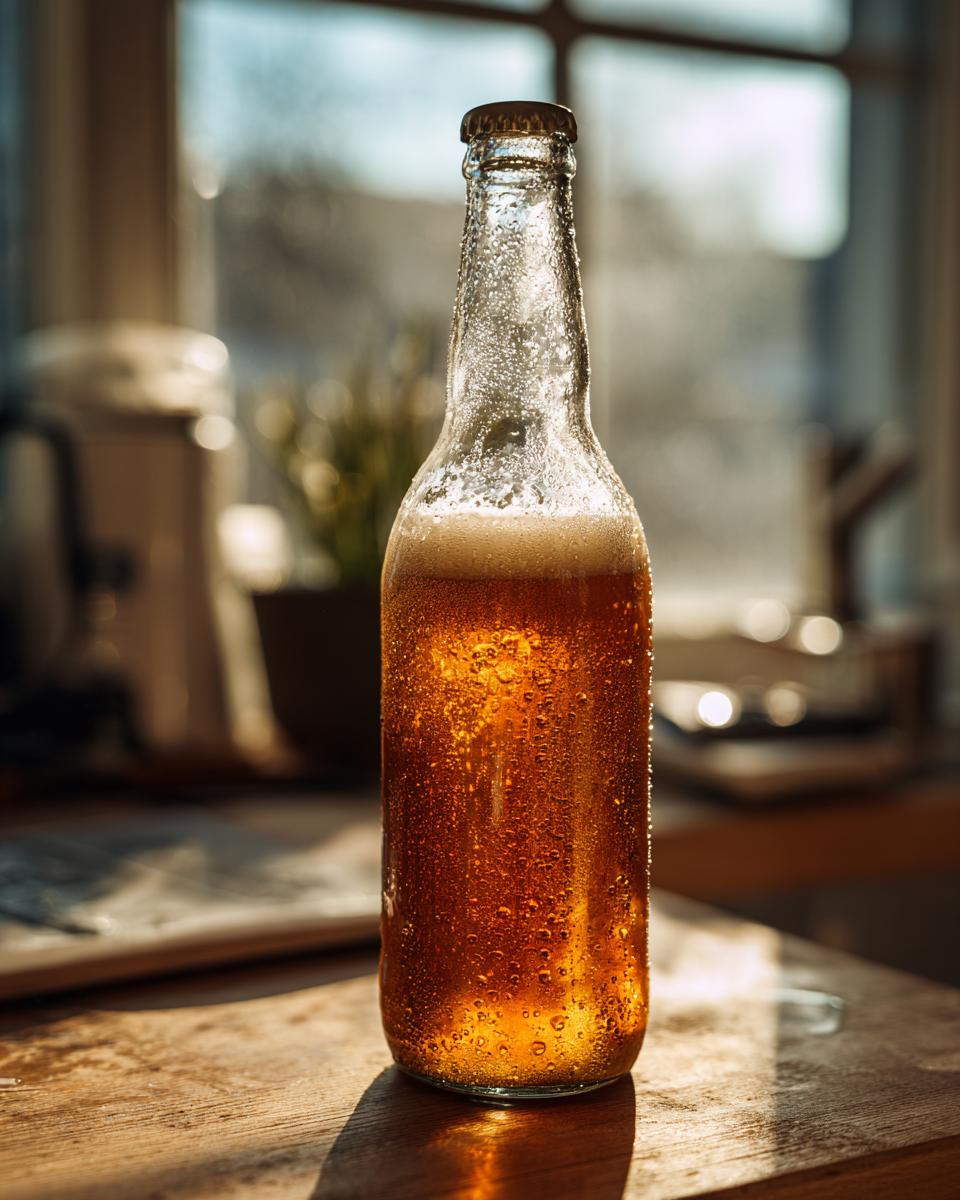
Look, brewing is satisfying, but it’s also chemistry, so a little project management finesse goes a long way toward getting that fantastic result from your **beer making kit**. My biggest successes always came when I stopped rushing the critical control points. Temperature and cleanliness are your bedrock here, trust me.
First, the temperature control during fermentation needs to be locked down. That yeast packet says 67-70°F? Stick to the middle of that range, like 68°F, for the whole seven days if you can manage it. If the temperature spikes, your yeast gets stressed, and you end up with harsh, unwanted flavors that kill the clean profile of this **homemade IPA**.
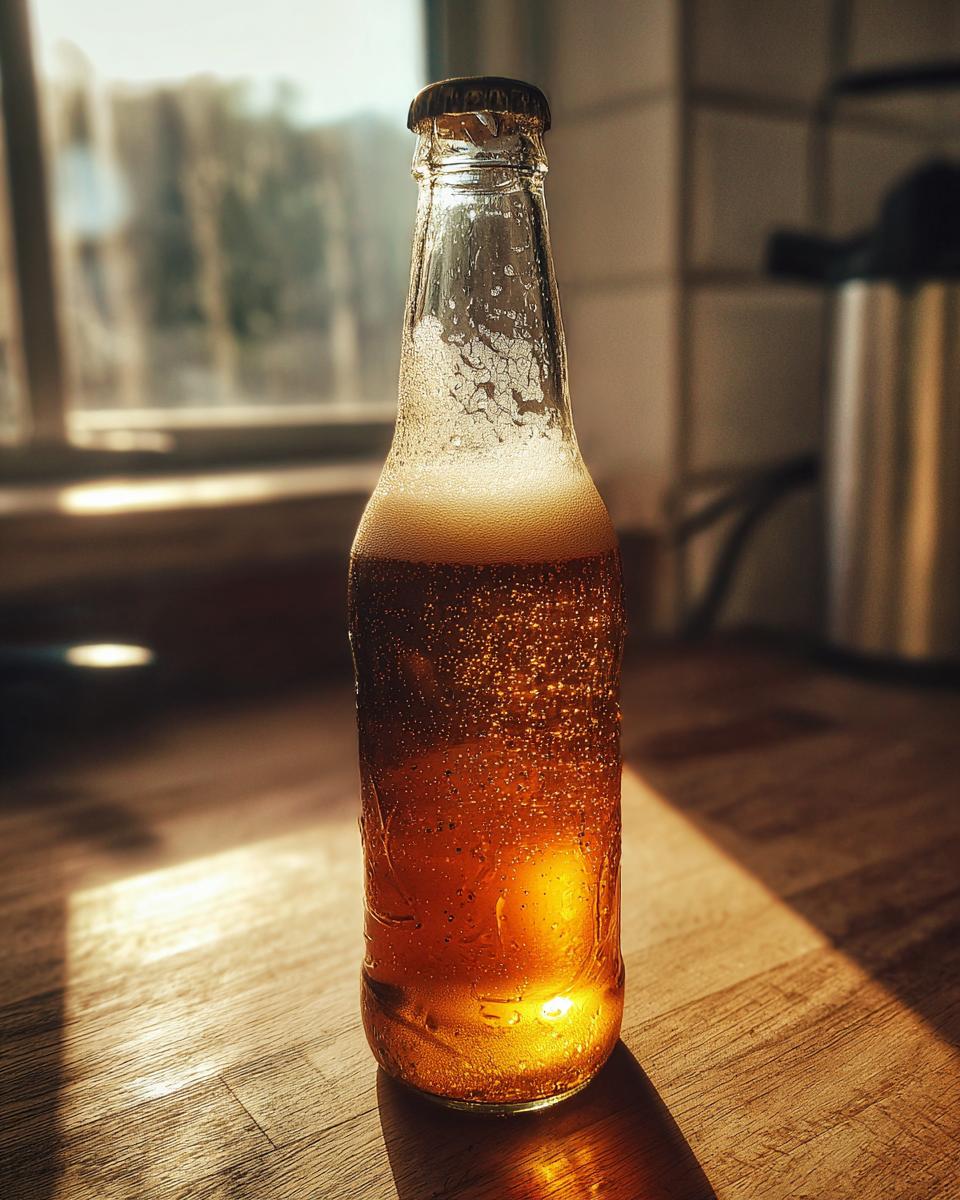
Second, I know I beat this drum constantly, but sanitation is not optional. If you mess up the cleaning process before you pitch the yeast, the final product will taste like wet cardboard. Pay extra attention to the siphon tubing and the inside of your bottling bucket. My personal rule, which I stick to for every **small batch brewing** run, is this: If it looks clean, sanitize it again.
The key to consistency in your **india pale ale recipe** is logging the temperature throughout fermentation. If you know exactly what environment it was in, you can replicate success or diagnose failure next time. It’s all about process optimization!
Storage and Conditioning for Your India Pale Ale Recipe
We’ve done the hard work—the boil, the fermentation, the glorious aroma infusion from the dry hop! Now we hit the waiting game. This part isn’t technically ‘brewing’ anymore, but it’s essential for a properly carbonated and tasting **homemade IPA**. Patience here separates the hobbyists from the true craft brewers.
You bottled the beer with that priming sugar solution, right? Good. That sugar is the fuel for the remaining yeast to create natural carbonation inside the sealed bottles. You need to let them sit undisturbed at room temperature—think 70°F, not the fridge, not a hot attic—for a solid two weeks. This conditioning period allows the CO2 to dissolve into the beer correctly, giving you that refreshing, fizzy mouthfeel you expect from an **India Pale Ale recipe**.
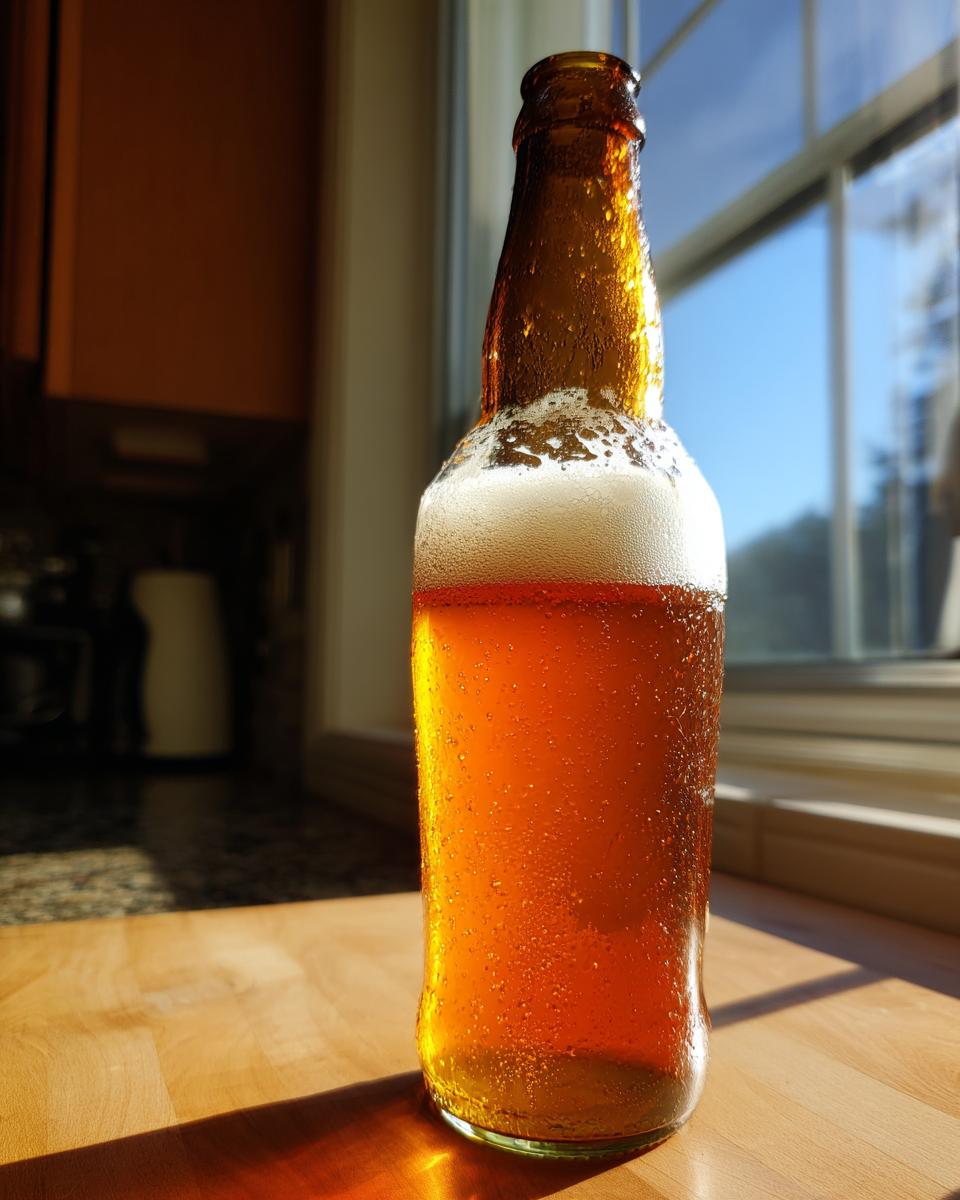
After those two weeks, you can move them to cold storage. Once chilled, try to drink them within a month or two. The intense **citrus hops** flavor is awesome when fresh, and while they won’t go bad quickly, the hop character definitely fades over time. Don’t store the bottles standing up either; lay them on their side so the beer stays in contact with the cap, which helps maintain a better seal!
Variations on This Homemade IPA Recipe
One of the best parts about committing to **homemade IPA** brewing is realizing that once you nail the base process, you can start tweaking things. This recipe is my tried-and-true project template, but it’s rigid for a reason—it works! However, once you understand the schedule, swapping out components is easy, especially regarding your hop choices.
You asked about different **citrus hops**? Absolutely. If you want to lean harder into the tropical side, try subbing out half of that dry hop Citra charge for Galaxy or El Dorado. You’ll get slightly different notes—maybe more passionfruit or stone fruit—but the structure of the boil schedule stays exactly the same, which is the beauty of this methodical approach.
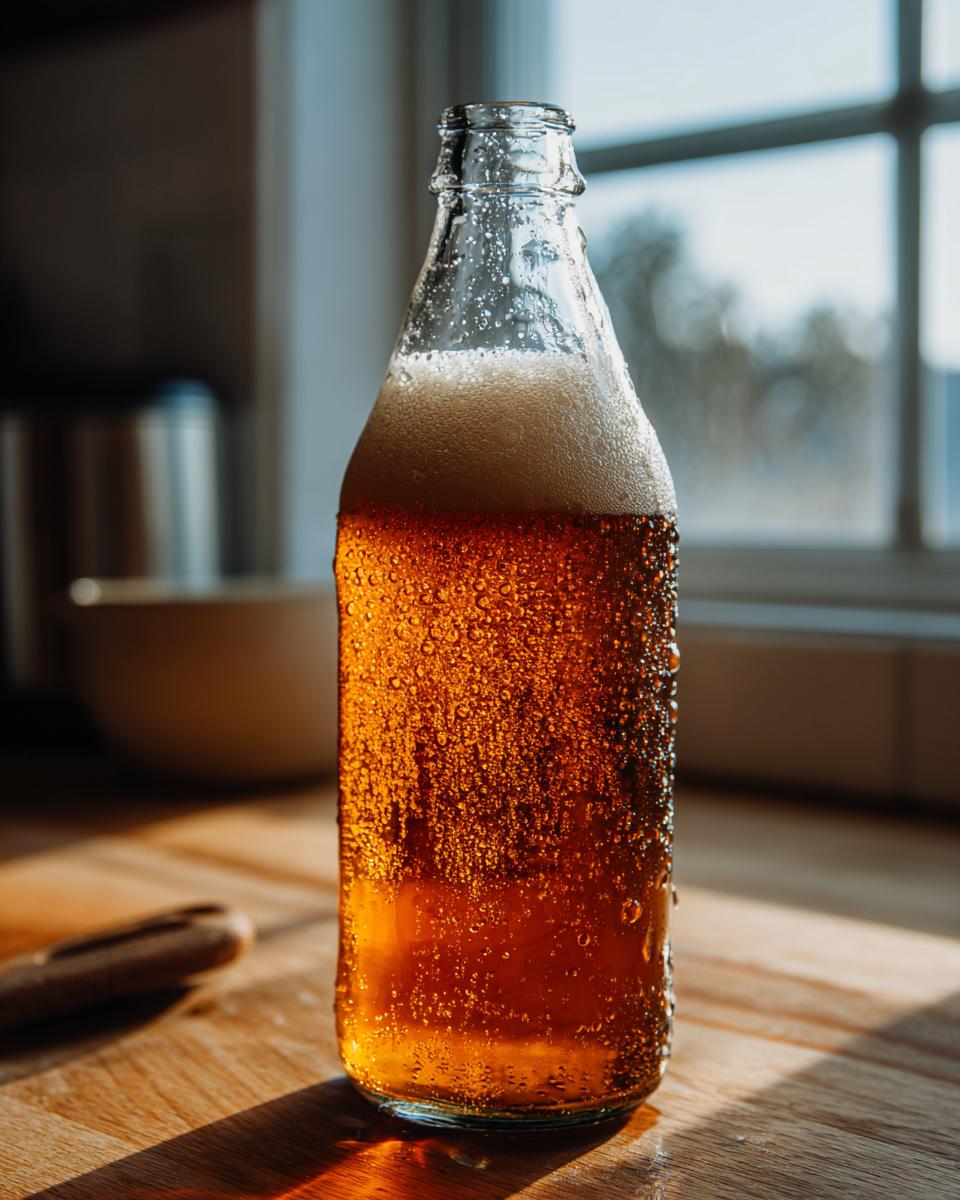
Another simple swap that dramatically changes the outcome is the yeast. If you want a slightly cleaner, crisper finish that really lets the hops shine even brighter, you could experiment with a Kolsch yeast strain instead of the standard American Ale Yeast. Just remember, different yeasts sometimes ferment a little slower or leave slightly different residual sweetness, so track it in your notes if you want to replicate the results next time you do some **small batch brewing**.
If you ever want to scale this up or down, remember the ratios! That’s project management 101. If you’re using a smaller **beer making kit** and only making three gallons, just cut everything in half. Easy peasy. Stick to the timing, and you’ll be fine!
Frequently Asked Questions About Homebrewing for Beginners
When you’re stepping into the world of **homebrewing for beginners**, I totally get that you’re going to have a million questions rolling around in your head. That’s normal! Approaching this with a clear plan helps squash anxiety. I put together this quick FAQ section to cover the basic management concerns that pop up immediately after brew day. If you’ve mastered this **small batch brewing** recipe, you’re ready for anything!
How long until my Homemade IPA is ready to drink?
This is the hardest part, knowing you have beer sitting there needing time! For this **homemade IPA**, you need patience. After bottling, it requires a minimum of two full weeks sitting at room temperature. That’s when the priming sugar really gets the yeast working to create the correct carbonation. If you rush it, you might end up with flat beer, and that’s just a management failure! Once those two weeks are up, chill a bottle, pop the cap, and celebrate!
Can I use this recipe for a 3-gallon batch?
Absolutely, this is a flexible recipe! Like I mentioned earlier, scaling down is one of the easiest parts of **small batch brewing**. If your setup is smaller, or maybe you just want to test out a new hop profile without committing to a full five gallons, just cut every single ingredient amount exactly in half. That means half the extract, half the hop coins for each boil addition, and about 2.5 ounces of dextrose for priming. Just make sure you adjust your cooking times slightly if your vessel geometry changes drastically, but generally, the timing holds up well for a smaller volume.
What if I don’t have a secondary fermenter?
That’s an easy fix! Honestly, I often skip the secondary fermenter myself for IPAs just to reduce oxygen exposure, which kills hop aroma so fast. If you’re comfortable using a bottling wand, you can actually skip the secondary stage entirely. After the primary seven-day fermentation is done, you can carefully siphon the beer directly from the primary fermenter into your bottling bucket, trying your best not to disturb that thick layer of yeast on the bottom. If you’re nervous about disturbing the yeast cake, a bottling wand is essential for gentle filling. For more on fermentation control, check out my notes on baking with yeast, too—it follows some similar principles! This link about baking with yeast explains the science a bit more clearly!
Is using extract okay, or should I go all-grain next time?
For **homebrewing for beginners**, extract brewing is the absolute best way to learn process management without getting bogged down trying to mash grains correctly for hours. This **india pale ale recipe** is designed for extract efficiency. Don’t feel like you need to rush into all-grain brewing just because it sounds fancier. Once you can consistently hit your targets with this extract kit, you’ll have the confidence to switch methodologies later. The bold flavor from those **citrus hops** will shine through regardless of your base method, provided you manage the temperature!
Nutritional Estimates for This India Pale Ale Recipe
Now, I know when you’re focused on crafting the perfect **homemade IPA**, you probably aren’t logging every sip in a food diary, but it’s good practice to know what’s in the glass. Just like with any recipe on this site, I treat the nutritional data as a baseline projection, not a mandate. Since fermentation is an active biological process, and how aggressively you prime the bottles affects the final sugar load, these numbers are the result of precise calculations based on ingredients, not lab testing.
For this **india pale ale recipe**, assuming a full five-gallon yield after bottling and that the yeast consumes most of the added priming sugar during conditioning, here’s the general breakdown per 12 oz serving:
- Calories: 190
- Sugar: 12g
- Sodium: 15mg
- Fat: 0g
- Carbohydrates: 40g
- Protein: 2g
The carbs are coming almost entirely from the unfermented extract and residual sugars left over after fermentation. If you keep your fermentation temperature dialed in perfectly—which is key for clean **small batch brewing**—you usually get a drier finish, which means those sugar numbers might actually drop slightly lower than this estimate. If you notice the beer is exceptionally sweet when you try it, that just means the yeast is still working, so give it a few more days at room temperature before chilling!
PrintSmall Batch Homemade IPA: Citrus Hops Project
Follow this straightforward recipe to brew your own India Pale Ale at home, focusing on bright citrus hop flavors perfect for National Homebrew Day.
- Prep Time: 30 min
- Cook Time: 75 min
- Total Time: 175 min
- Yield: 5 gallons 1x
- Category: Beverage
- Method: Boiling and Fermentation
- Cuisine: American Craft
- Diet: Vegetarian
Ingredients
- 5.5 lbs Pale Malt Extract (DME)
- 1 lb Munich Malt Extract (DME)
- 4.0 oz Cascade hops (for bittering, 60 min boil)
- 2.0 oz Citra hops (for flavor, 10 min boil)
- 2.0 oz Mosaic hops (for aroma, 5 min boil)
- 1.0 oz Citra hops (dry hop, 3 days)
- 1 packet American Ale Yeast (e.g., Safale US-05)
- 5 oz Priming Sugar (Dextrose)
Instructions
- Sanitize all your beer making kit equipment thoroughly.
- In your brew kettle, dissolve the Pale Malt Extract and Munich Malt Extract in 2.5 gallons of water, heating to a boil.
- Once boiling, add the 4.0 oz of Cascade hops. Maintain a steady boil for 60 minutes. This is your bittering addition.
- After 60 minutes, turn off the heat. Add the 2.0 oz of Citra hops and 2.0 oz of Mosaic hops. Stir gently.
- Cool the wort rapidly to 68 degrees Fahrenheit using an ice bath or wort chiller.
- Transfer the cooled wort to your sanitized fermenter. Top up with cold, clean water to reach a 5-gallon batch volume.
- Aerate the wort well by shaking the fermenter or using an aeration stone.
- Pitch the American Ale Yeast onto the wort. Seal the fermenter with an airlock.
- Ferment at 67-70 degrees Fahrenheit for 7 days.
- After 7 days, carefully transfer the beer to a secondary fermenter or bottling bucket, leaving the yeast cake behind. Add the 1.0 oz of Citra hops for a 3-day dry hop.
- After dry hopping, prepare your priming sugar by dissolving 5 oz of Dextrose in 1 cup of boiling water. Cool this solution.
- Gently mix the cooled priming sugar solution into the beer. Bottle immediately into sanitized bottles, leaving about one inch of headspace.
- Condition at room temperature for 2 weeks before chilling and serving your homemade IPA.
Notes
- For a true small batch brewing experience, you can scale this recipe down to a 3-gallon batch, adjusting hop amounts proportionally.
- If you are new to homebrewing for beginners, consider using a bottling wand for easier filling without disturbing the sediment.
- Maintaining a consistent fermentation temperature is key to clean flavor development in this India Pale Ale recipe.
Nutrition
- Serving Size: 12 oz
- Calories: 190
- Sugar: 12
- Sodium: 15
- Fat: 0
- Saturated Fat: 0
- Unsaturated Fat: 0
- Trans Fat: 0
- Carbohydrates: 40
- Fiber: 0
- Protein: 2
- Cholesterol: 0