

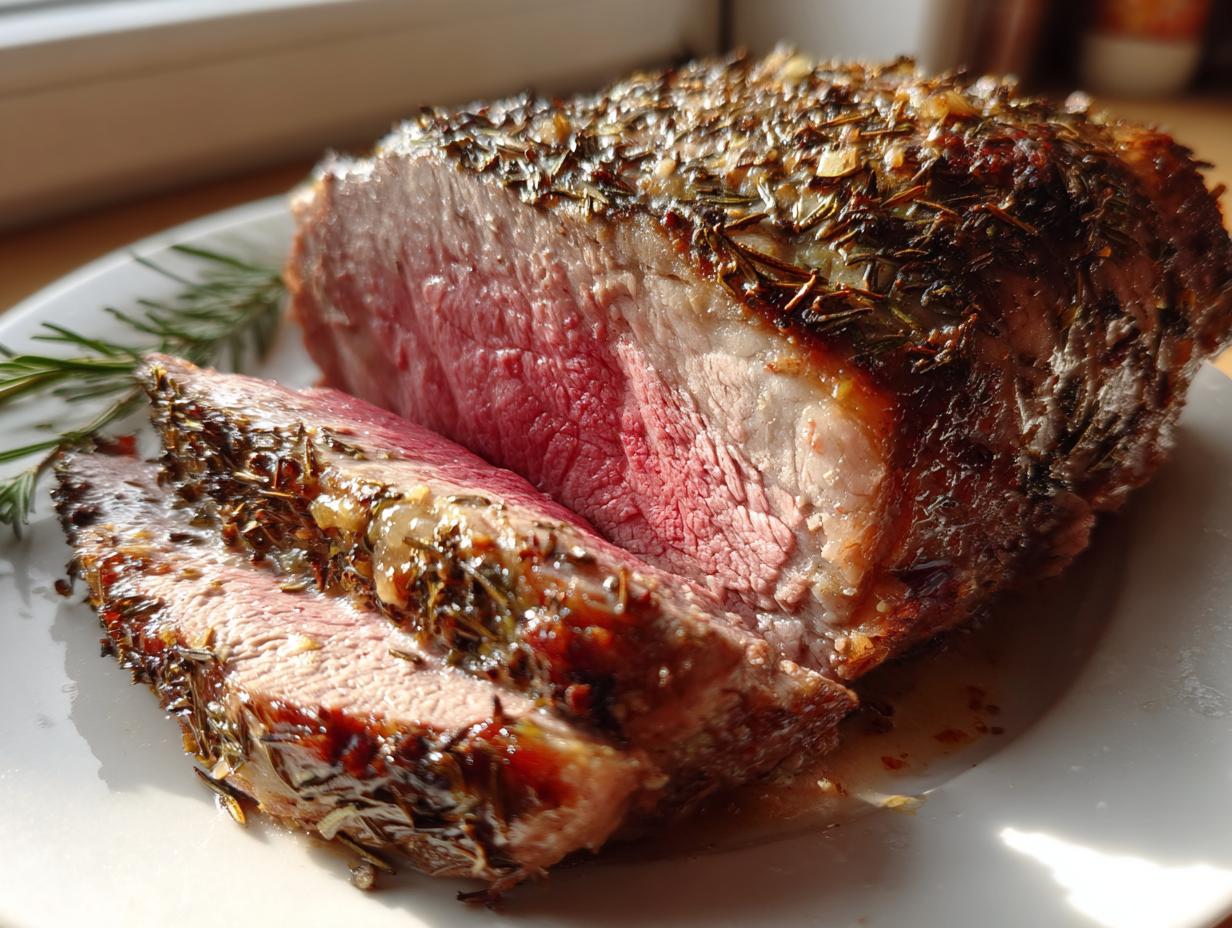
When you need a showstopper—something that truly anchors the table for a holiday or special Sunday—you need a centerpiece that performs. For me, that means the classic roast leg of lamb. I know what you might be thinking: roasting lamb seems intimidating, something reserved for professional chefs. But I’m Leo Grant, and here at Dishicious, we approach the kitchen like project managers. We strip away the noise and focus only on the critical steps that guarantee success.
My goal is efficiency married to flavor. This recipe isn’t about complicated rubs or juggling three different oven zones. It’s a streamlined, modern method that uses precision timing (my favorite part!) to ensure you get that perfectly tender, beautifully crusted result every single time you tackle this traditional main dish. If you want to know more about my kitchen philosophy, check out our About Us page. Forget the stress; we’re making the best roast lamb you’ve ever had, simply.
- Why This Roast Leg of Lamb Method Works Every Time
- Gathering Your Ingredients for Roast Leg of Lamb
- Step-by-Step Instructions for Your Roast Leg of Lamb
- Tips for a Showstopping Traditional Roast Dinner
- Serving Suggestions for Your Roast Leg of Lamb
- Storage and Reheating Instructions for Roast Leg of Lamb
- Frequently Asked Questions About Roast Leg of Lamb
- Nutritional Estimate for This Easy Lamb Recipe
- Share Your Perfect Roast Leg of Lamb Experience
Why This Roast Leg of Lamb Method Works Every Time
Look, I hate wasting expensive cuts of meat. That’s why this roast leg of lamb recipe is engineered for reliability. When I tackle a big roast, I need consistency, not guesswork. My system cuts out the variables that cause dry meat or uneven cooking. It’s less about ‘cooking by feel’ and more about ‘executing the plan.’
- It keeps cleanup minimal, which is always a win on busy days.
- The flavor payoff—that classic herbaceous crust—is huge, using only four core flavor components.
- You get a massive centerpiece without needing all afternoon hovering over the oven.
Foolproof Temperature Control for Perfect Roast Leg of Lamb
This is where the project management kicks in. We don’t just throw it in hot and hope. First, we temper the meat—letting it sit out for two hours—so the center starts warming up evenly. Then, we use a high sear at 425°F to lock in that crust before dropping the heat down to 325°F for the long, gentle finish. This two-stage temperature approach is the secret to perfect oven roasted lamb; it ensures the interior gets the right temp without burning the outside. Your instant-read thermometer is your best friend here!
The Flavor Profile: Classic garlic rosemary lamb
You don’t need ten different exotic spices to make lamb taste amazing. It’s already rich! We lean into tradition here because it just works flawlessly. Fresh rosemary is incredibly aromatic, and when you pair it with sharp, pungent slices of garlic tucked right into the meat, you get this incredible, savory perfume filling your kitchen. This combination of garlic rosemary lamb is classic for a reason—it complements the richness without overpowering it. It’s simple, sophisticated flavor built on reliable pairings.
Gathering Your Ingredients for Roast Leg of Lamb
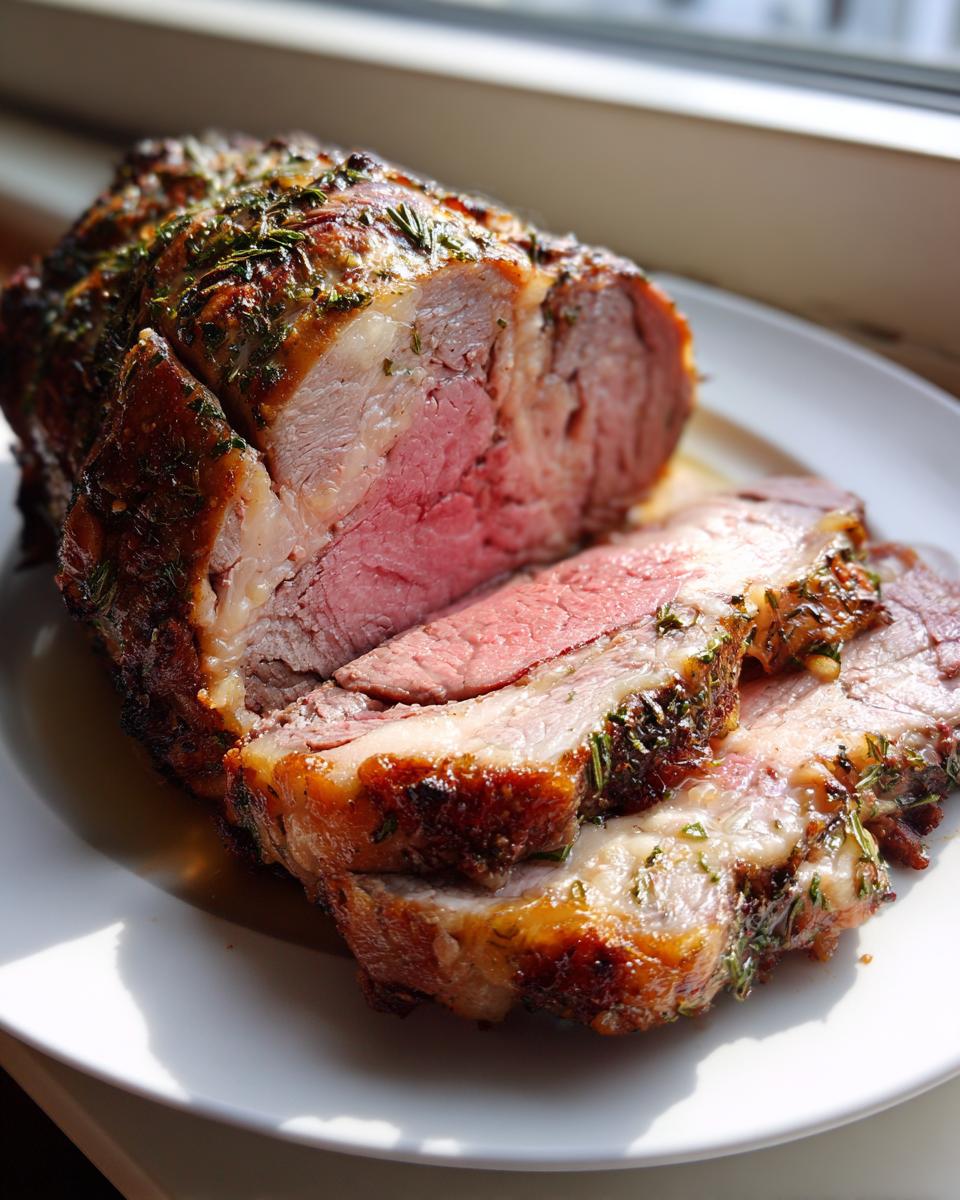
When you’ve got a fantastic cut of meat, the goal isn’t to complicate it—it’s to enhance it efficiently. For this roast leg of lamb, stick exactly to the list. I’ve documented the weights and measurements carefully so we get that perfect crust and tender interior. Notice we’re using 8 cloves of garlic, sliced thin, and only the leaves from fresh rosemary. When you’re doing a high-impact, low-ingredient dish like this, the quality of what you *do* use really shines through. Remember, the olive oil needs to be quality because we’re using it as the binder for all that flavor!
Ingredient Notes and Essential Substitutions
My philosophy means we work with what’s available, but I have one firm rule for this recipe: fresh rosemary is vastly superior here. If you absolutely have to use dried, use about one teaspoon total instead of the fresh, chopped leaves—the dried stuff is much more concentrated. Also, make sure you’re using kosher salt. The crystal size matters when you’re rubbing it over the entire roast; it helps create a better surface texture for that initial high-heat sear. Don’t sweat the pepper, though; fresh cracked black pepper is usually perfect!
Step-by-Step Instructions for Your Roast Leg of Lamb
Alright, let’s manage this project! When you follow these steps exactly, you’re setting yourself up for success. This is an easy lamb recipe because the steps are logical and linear. No juggling; just process execution. Remember, precision in these early stages guarantees a perfect outcome later. If you’re looking for other precision-timed roasts, you should check out my guide on the perfect prime rib—it uses the same mindset!
Preparing the Lamb: Temperature and Aromatics
First thing first: take the roast out of the icebox at least two hours before you plan to use the oven. We need the roast leg of lamb to relax and warm up toward room temperature; this prevents a cold center. Next, grab a sharp knife and start making small pockets—just deep enough for a single slice of garlic. Stab those garlic slices right into those holes all over the lamb. Then whip up your rub: mix the rosemary leaves, oil, salt, and pepper, and give that entire surface a good, thorough massage. It should look completely coated before it hits the pan!
The Two-Stage Roasting Process for Roast Leg of Lamb
Time to hit the heat! Set your oven to a blasting 425°F and roast the lamb, fat-side up, for exactly 15 minutes. This is the sear—we’re trying to crisp that exterior right away. After that initial blast, drop the temperature down to 325°F. Now, we cook low and slow until your thermometer hits 130°F in the thickest part, avoiding the bone entirely. That’s your medium-rare target for the best oven roasted lamb. This controlled two-stage approach is key to balancing the intense sear and the gentle internal cook.
The Critical Resting Period for Oven Roasted Lamb
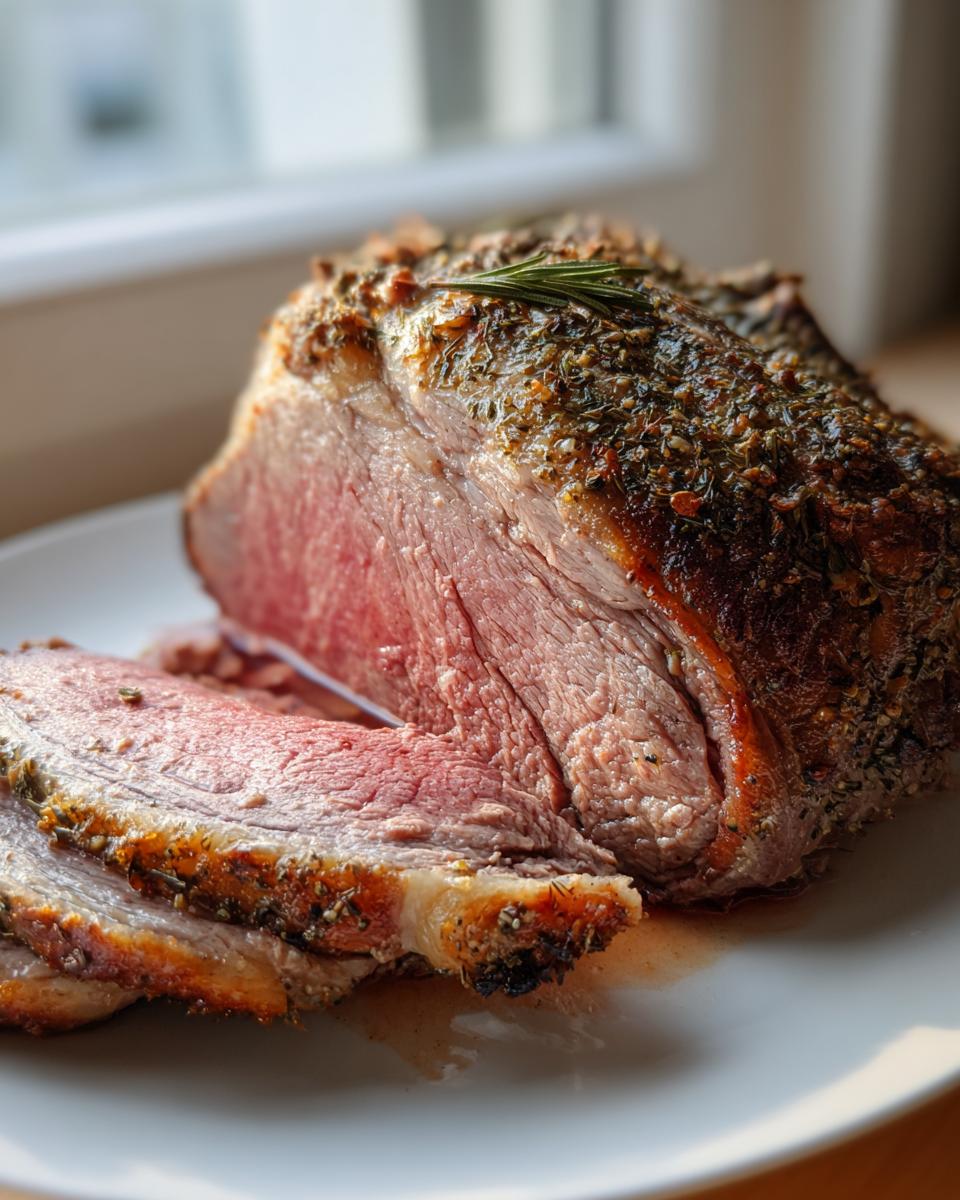
When you pull that beauty out, resist the immediate urge to carve! I’m serious—don’t touch it. Transfer the roast to a cutting board and cover it loosely with foil. It needs to rest for a full 20 minutes. I know it feels like forever, but this resting period lets the juices redistribute throughout the meat. If you carve too soon, all that hard-earned moisture just floods out onto the board. Twenty minutes of patience equals maximum juiciness for your oven roasted lamb.
Tips for a Showstopping Traditional Roast Dinner
Getting that perfect internal temperature is half the battle, but presentation is what makes this a true traditional roast dinner centerpiece. I know you’re focusing on the lamb, but don’t neglect what happens in the pan! Those drippings are pure gold for your entire meal. Even if you’re serving simple sides, a rich gravy elevates everything instantly. You can use those pan drippings—maybe skimming off just a little fat—to build a quick, intense gravy right on the stovetop. For the full guide on maximizing those flavors, check out my recipe for homemade brown gravy; it’s worth the three extra minutes, I promise.
Also, think about the carving board presentation. Before you slice it, try laying a few fresh sprigs of rosemary directly onto the board when you transfer the roast over after resting. It just looks festive and smells incredible. For an extra layer of flavor for your holiday main dish, consider roasting some root vegetables in the pan *under* the lamb during that second, lower-temperature stage. They’ll soak up all those savory lamb juices—they basically cook themselves, and you’ll have perfectly flavored vegetables with zero extra effort.
Serving Suggestions for Your Roast Leg of Lamb
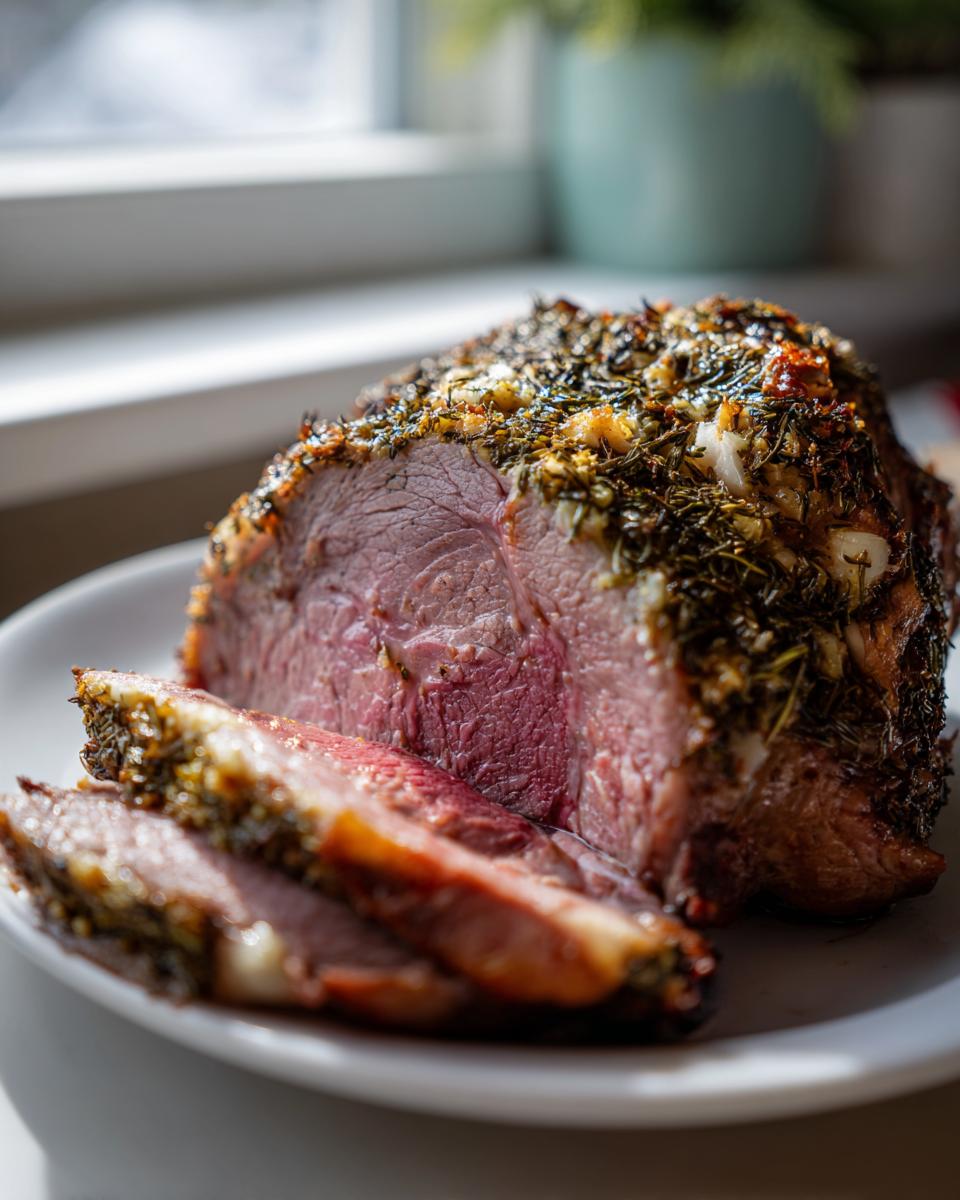
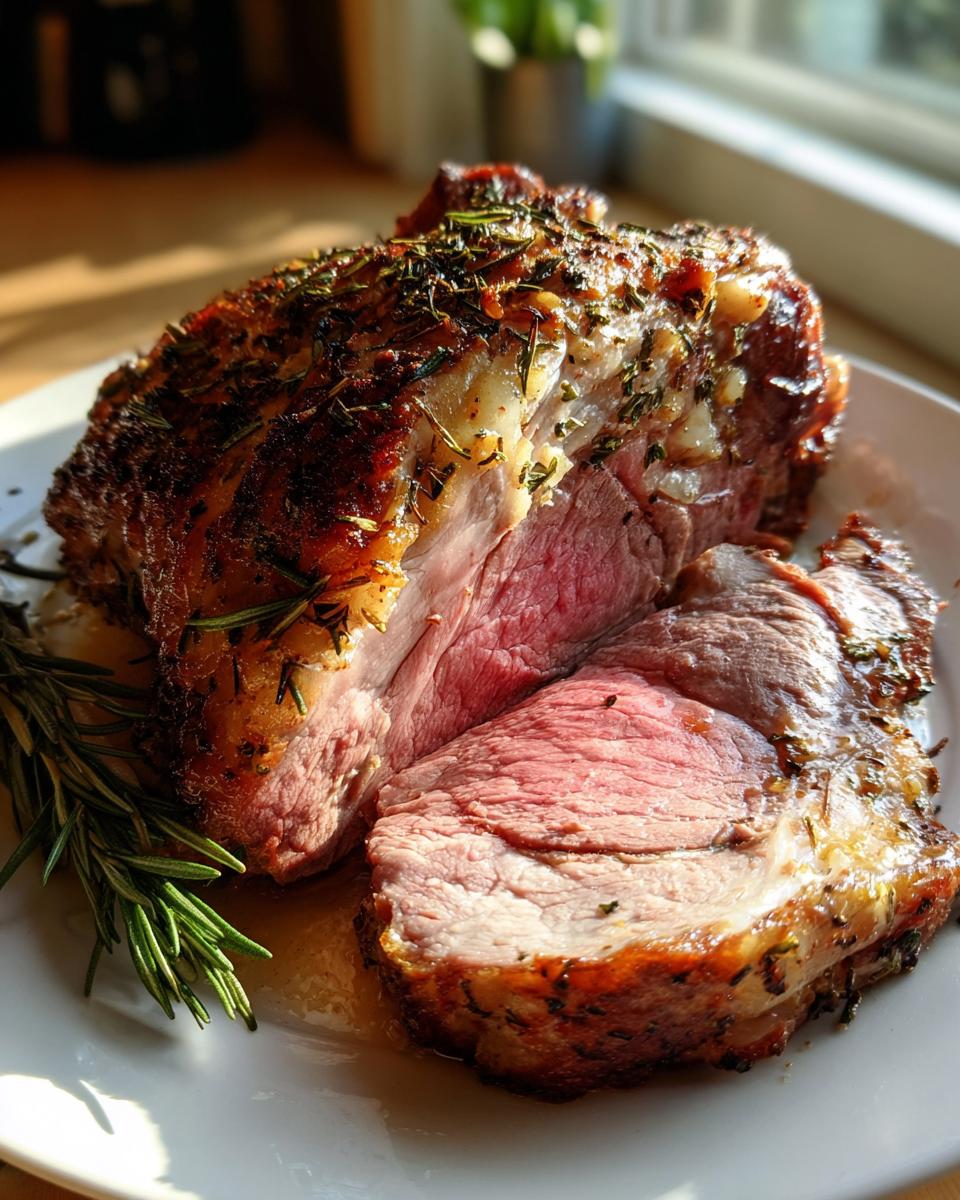
So, you’ve nailed the timing on your roast leg of lamb—you’ve got that beautiful pink interior and fantastic herb crust. Now we need sides that match that commitment to flavor without bogging down the plate. Since this is such a rich and flavorful main dish, I always aim for sides that are creamy or slightly sharp to cut through the fat perfectly. It’s all about balance, right?
You absolutely need something starchy to soak up any juices left on the plate, but forget plain potatoes. I always make my loaded mashed potatoes when I serve lamb. They are rich, of course, but the sour cream and chives bring that necessary tang that cuts right through the richness of the meat. It’s decadent, but you deserve it!
For vegetables, keep it simple and bright. Roasted asparagus tossed with a squeeze of lemon juice right before serving is perfect—it provides that necessary green element and a little acidity. If you want something starchy that roasted alongside the meat, try some simple roasted carrots tossed lightly in honey and fresh thyme. That little bit of sweetness highlights the savory notes of the garlic rosemary lamb beautifully. It keeps the meal feeling completely traditional without requiring you to babysit multiple separate cooking stations.
Storage and Reheating Instructions for Roast Leg of Lamb
Even the best roast leg of lamb is often too big for one meal, and honestly, cold roast lamb the next day is fantastic! The key to making sure your leftovers are still delicious later—and not dry—is how you store and reheat them. We want efficiency here, so no complicated processes.
When you’re done carving, get any remaining meat into an airtight container as fast as you can. The faster you seal it up, the less moisture it loses to the fridge air. It’ll stay good—and safe—in the refrigerator for about three to four days. Trust me, I’ve tested the limits on this one!
When it comes time to reheat those perfect slices, never use the microwave on high power. That blasts the moisture right out. Instead, I suggest a super low oven setting, around 275°F, or even better, popping the slices into a pan over very low heat on the stove. Add just a splash of liquid—water, stock, or even leftover gravy—to the bottom of the pan, cover it tightly with a lid or foil, and let the steam gently warm the meat through. It takes just a few minutes, and those slices will taste almost as tender as when they first came off the cutting board!
Frequently Asked Questions About Roast Leg of Lamb
When you nail the process, you have fewer questions, but I always get a few follow-ups. That’s fine! That’s how we learn to make the next meal even better. I want everyone to feel confident tackling this big roast. If you’re looking for ways to speed things up on other nights, I have a great roundup of quick, easy dinners.
How do I adjust the cooking time if my leg of lamb is smaller or larger than 7 lbs?
That’s the nice thing about this easy lamb recipe—it scales! You generally calculate about 15 to 20 minutes per pound total cooking time at the lower 325°F temperature. So if you have a lighter 4-pound roast, you’ll obviously be done faster than with a giant 8-pounder. But here is my standing instruction: ignore the clock, trust the thermometer. Once you hit that initial 15-minute blast at high heat, drop the temp and start checking the thermometer every 15 minutes after the first hour. You are aiming for that 130°F mark every time, regardless of the scale.
Can I prepare the garlic rosemary lamb rub ahead of time?
Absolutely, you can! This is a great way to streamline your evening, especially if you are timing this for a big event. Mix up that rub—the olive oil, rosemary, salt, and pepper—and store it in a small sealed container in the fridge up to 24 hours ahead of time. Just make sure you pull the lamb out two hours early as usual so it can temper. The rub will stiffen up a bit in the cold, which actually makes it easier to apply evenly over the meat. It’s a solid, efficient prep step!
What internal temperature is best for medium-well oven roasted lamb?
Medium-rare (130°F) is my favorite because it preserves the most moisture, but I know some folks really prefer a slightly higher cook. If you prefer your oven roasted lamb more cooked, pull it when the instant-read thermometer hits 140°F for medium, and aim for 145°F if you want it solidly medium-well. Remember, even after you pull it out and it rests for that crucial 20 minutes, the temperature will climb another 5 degrees. That’s called carryover cooking, and it’s how we guarantee a perfect finish without ever overshooting!
Nutritional Estimate for This Easy Lamb Recipe
Now, I know we’re here for flavor first, but knowing what’s on your plate is part of being smart about your cooking, right? Since lamb cuts can vary wildly in fat content depending on the trim, these numbers are based on a standard 6-ounce serving of the final cooked meat, assuming we’ve trimmed off the excess surface fat before serving. This is an easy lamb recipe that still delivers serious protein!
Here is the breakdown based on the standard recipe yields:
- Serving Size: 6 oz cooked
- Calories: 450
- Protein: 55g
- Fat: 25g (with 9g Saturated Fat)
- Carbohydrates: 1g
- Sodium: 250mg
Just remember, this estimate is for the meat only—it doesn’t include that mashed potato situation you’re definitely going to serve alongside it! Since we’re sticking to simple ingredients like olive oil and fresh herbs, the carbohydrate count stays super low. It’s a great option if you’re watching carbs but still need a truly satisfying main course!
Share Your Perfect Roast Leg of Lamb Experience
Okay, project complete! What did you think? We engineered this roast leg of lamb to be the most reliable centerpiece you’ve ever cooked, and now I really want to hear if it performed as expected. Did that two-stage roasting method deliver the tenderness I know it can? Did your knife slides take the garlic right where they needed to go?
I need your data! Head down to the rating section below and give this recipe a star rating. Every rating helps me see how this method works in kitchens beyond my own here in Chicago. Don’t just rate it—tell me what you served it with! Did you use those creamy potatoes, or did you try a different side dish?
If you snapped a picture of that gorgeous golden crust or your perfectly pink slices, please share it with me. I absolutely love seeing your results—it fuels my mission for simpler cooking! If you ran into any hiccups or have a question that didn’t make it into the FAQ, let’s chat about it. You can send me a direct line via the Contact page. Happy cooking, and I hope your traditional roast dinner was a massive success!
PrintSimple Roast Leg of Lamb with Garlic and Rosemary
Follow this straightforward method to roast a tender, flavorful leg of lamb, perfect as a traditional main dish for any gathering.
- Prep Time: 20 min
- Cook Time: 2 hr 15 min
- Total Time: 2 hr 35 min
- Yield: 8 servings 1x
- Category: Main Dish
- Method: Roasting
- Cuisine: American
- Diet: Low Fat
Ingredients
- 1 (5-7 lb) bone-in leg of lamb
- 8 cloves garlic, thinly sliced
- 4 sprigs fresh rosemary, leaves chopped
- 3 tablespoons olive oil
- 2 teaspoons kosher salt
- 1 teaspoon black pepper
Instructions
- Remove the leg of lamb from the refrigerator 2 hours before roasting to allow it to come closer to room temperature.
- Preheat your oven to 425 degrees Fahrenheit.
- Make small incisions all over the lamb using a sharp paring knife. Insert the sliced garlic pieces into these cuts.
- In a small bowl, mix the chopped rosemary, olive oil, salt, and pepper.
- Rub this mixture evenly over the entire surface of the lamb.
- Place the lamb, fat side up, in a roasting pan.
- Roast at 425 degrees Fahrenheit for 15 minutes.
- Reduce the oven temperature to 325 degrees Fahrenheit. Continue roasting until an instant-read thermometer inserted into the thickest part of the thigh (avoiding the bone) registers 130 degrees Fahrenheit for medium-rare, about 1.5 to 2 hours total cooking time depending on the weight.
- Remove the roast from the oven and transfer it to a cutting board. Tent loosely with foil.
- Let the oven roasted lamb rest for 20 minutes before carving. This resting period is essential for a juicy result.
Notes
- For easier cleanup, line your roasting pan with aluminum foil before adding the lamb.
- If you prefer a more well-done roast, aim for an internal temperature of 145 degrees Fahrenheit.
- Use dried rosemary if fresh is unavailable, but reduce the amount slightly.
Nutrition
- Serving Size: 6 oz cooked
- Calories: 450
- Sugar: 1
- Sodium: 250
- Fat: 25
- Saturated Fat: 9
- Unsaturated Fat: 16
- Trans Fat: 0
- Carbohydrates: 1
- Fiber: 0
- Protein: 55
- Cholesterol: 150