

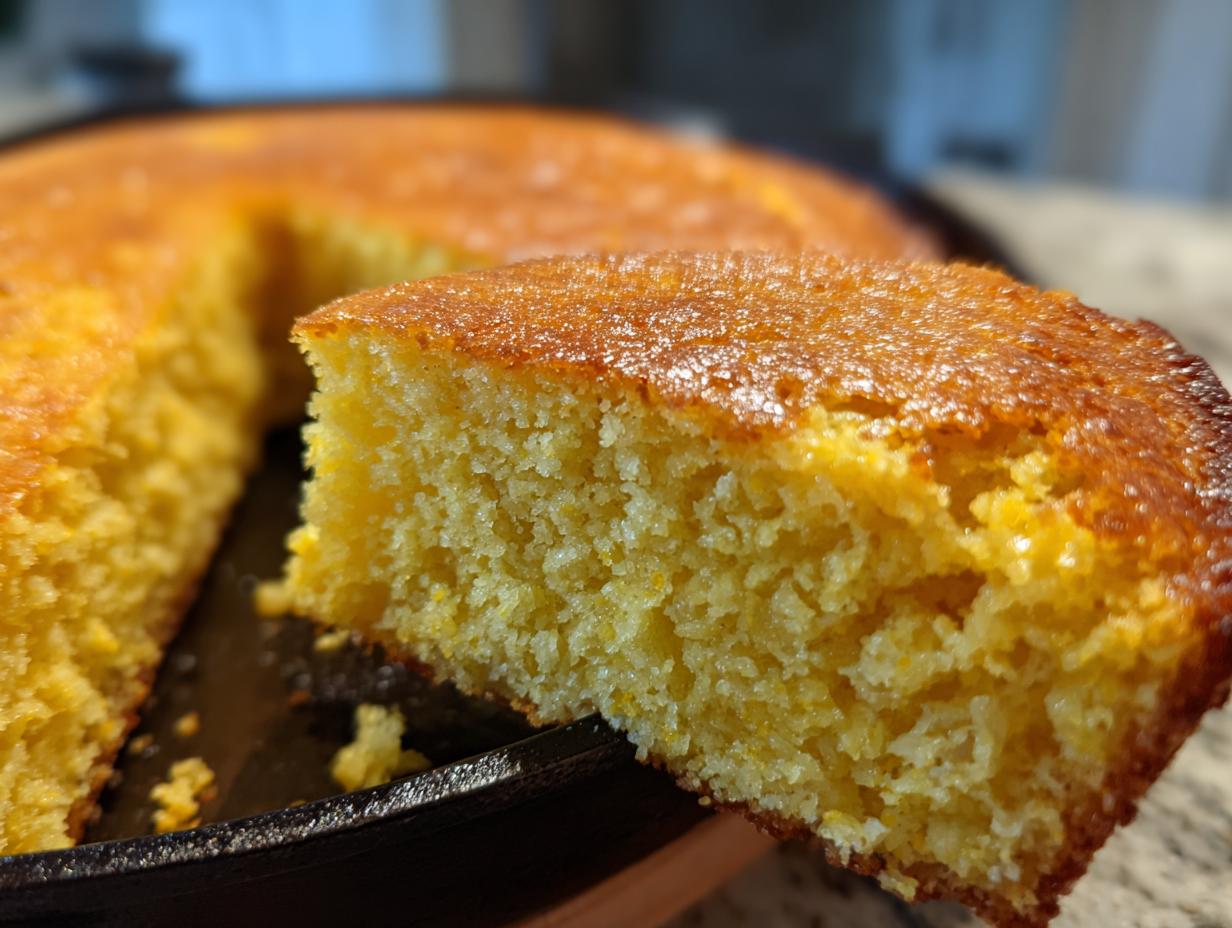
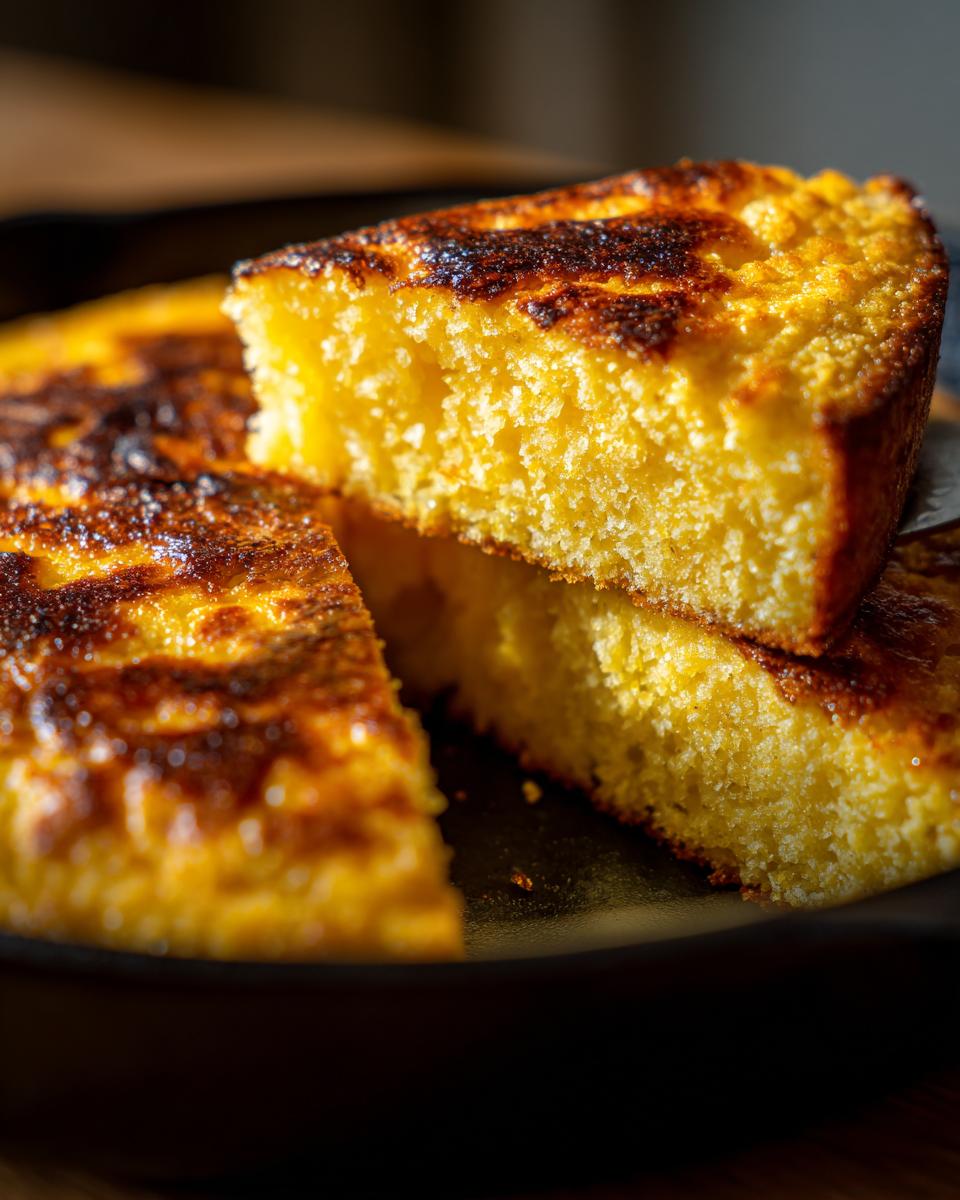
Okay, you have that inevitable jar of sourdough discard staring back at you, demanding to be used before it turns into a science experiment, right? I get it. That’s why I engineered this solution: the Ultimate Moist Honey Sourdough Discard Cornbread. This isn’t some fussy, time-consuming bake. We’re streamlining this whole process into literally one bowl for the batter, minimizing clean-up time—that’s Project Management 101 applied to your weeknight side dish. The magic happens when we bake it in a preheated cast iron skillet, guaranteeing those sought-after, buttery, crispy edges. This is the definition of efficiency meets comfort food.
- Why This 1-Bowl Sourdough Cornbread Recipe Works
- Ingredients for Your Amazing Sourdough Discard Cornbread
- How to Prepare the Ultimate Moist Sourdough Cornbread
- Ingredient Notes and Substitutions for Sourdough Discard Cornbread
- Tips for Perfect Fluffy Cornbread Every Time
- Serving Suggestions for Your Tangy Cornbread Side Dish
- Storage and Reheating Instructions for Sourdough Cornbread
- Frequently Asked Questions About Sourdough Cornbread
- Rate This Easy Sourdough Baking Recipe
Why This 1-Bowl Sourdough Cornbread Recipe Works
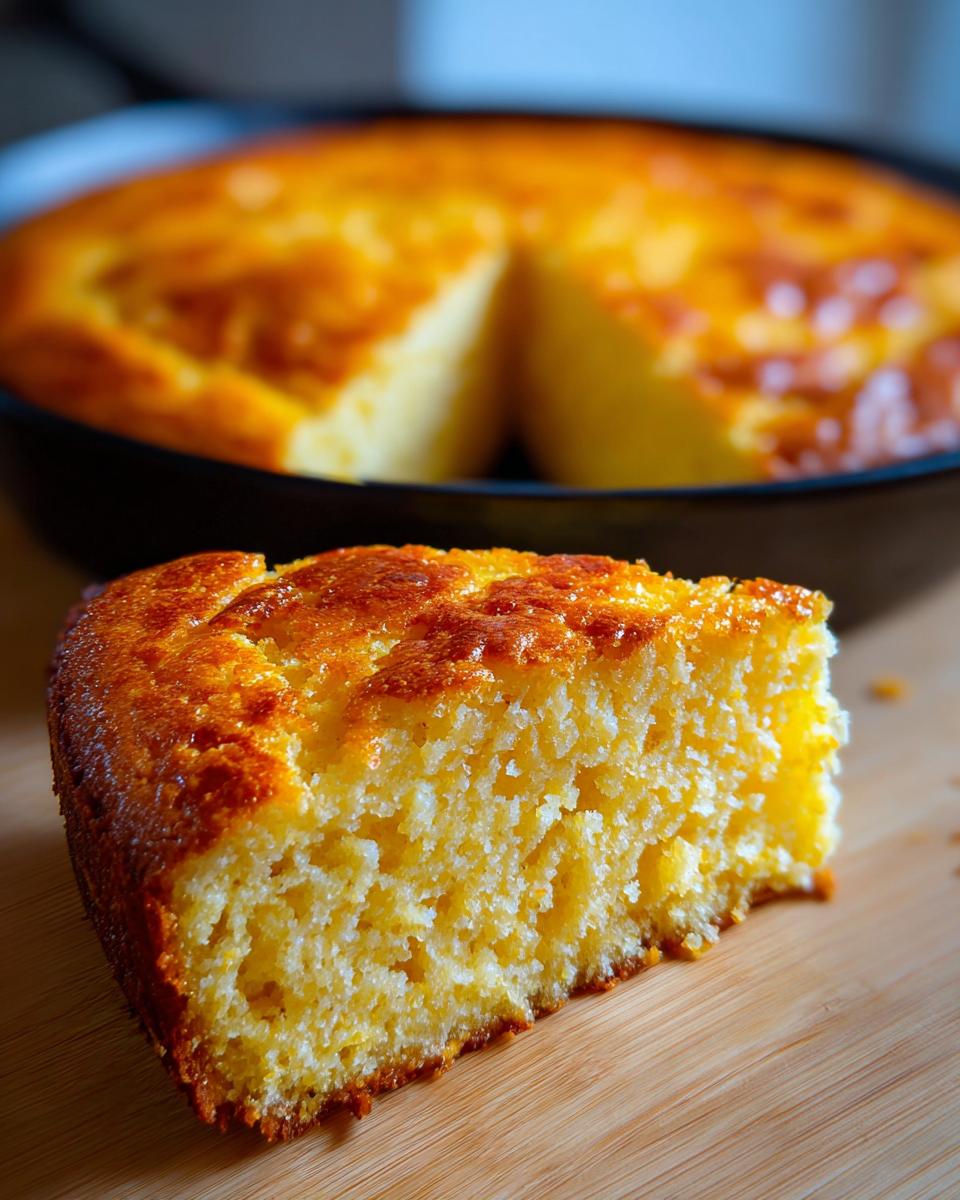
Most of my recipes focus on efficiency, and this sourdough cornbread recipe is no exception. The reason it consistently comes out moist and flavorful, unlike so many dry, crumbly versions you find, comes down to two key components working together: the sourdough discard and super-hot fat. We rely on the lactic acid from the starter to tenderize everything up front, which is a huge boost for texture. Plus, since we are using baking soda, we get immediate lift, meaning you don’t have to wait hours for fermentation. If you want to understand more about nurturing that starter, check out the guide on sourdough starter from scratch for beginners.
Achieving Maximum Moisture with Sourdough Discard
When you add that sourdough discard cornbread in, you’re introducing acid. That acid plays brilliantly with the baking soda, giving you that instant fluffiness we want in a fluffy cornbread. But beyond the lift, the discard itself adds hydration. We balance that slight tang with honey cornbread sweetness, so you get that perfect sweet and savory flavor profile—never too sour, just perfectly complex.
The Skillet Advantage for Buttery Cornbread Edges
If you want the best skillet cornbread recipe experience, you must preheat the pan. I’m not kidding about this step. By placing the cast iron in the 400-degree oven while you mix, that butter melts instantly when you pour the batter in. This flash-frying action is what creates the unbeatable crispy, golden crust that makes this side dish so addictive. It’s a simple technique that turns a regular bake into the ultimate buttery cornbread experience.
Ingredients for Your Amazing Sourdough Discard Cornbread
Here’s the streamlined schematic for what you need. Since we’re keeping the cleanup minimal, we treat the dry ingredients as one assembly unit and the wet ingredients as the second. Remember, the star here is the sourdough discard; it can be active or unfed, making this process so flexible. You’ll also see we skip refined sugar for the most part, relying on honey for that signature sweetness that complements the cornmeal so well.
- 1 cup sourdough discard (active or unfed)
- 1 cup yellow cornmeal
- 1 cup all-purpose flour
- 1/4 cup granulated sugar
- 2 tablespoons honey
- 1 teaspoon baking soda
- 1/2 teaspoon salt
- 1 large egg
- 1/2 cup milk (whole or 2%)
- 1/4 cup melted unsalted butter, plus more for greasing the skillet
How to Prepare the Ultimate Moist Sourdough Cornbread
This is where we execute the project plan. Because we are going for maximum flavor with minimum fuss, this whole process is so fast. You’ll likely spend more time preheating the oven than mixing the entire batch of sourdough cornbread batter. Efficiency dictates we get the heat going right away, because if the skillet isn’t screaming hot when the batter lands, you lose that essential crust. Remember, we are aiming for that signature moist, fluffy cornbread texture, and precision in the steps guarantees it.
Preheating the Skillet: Crucial Step for Skillet Cornbread Recipe
This step is non-negotiable. Put your 10-inch cast iron skillet right into the oven while it preheats to 400°F. Seriously, don’t skip it. This ensures that when the batter hits the pan, it immediately starts setting up around the edges. That hot, buttered surface is the secret weapon for achieving that golden, crispy crust that makes skillet cornbread recipe fans rave. You only have a small window to achieve that perfectly craggy edge, so having the pan ready is key.
Mixing the Sourdough Cornbread Batter: Avoid Overmixing
Once your dry ingredients are whisked and your wet ones are combined (in separate bowls, briefly!), it’s time to marry them. Pour the wet into the dry and mix with a rubber spatula. My project manager instincts kick in hard here: stop mixing the second you see no more dry flour streaks. If you overwork this batter, you develop gluten, and suddenly your light and fluffy side dish turns into rubber. Trust me, a few lumps are a sign you stopped on time. If you’re looking for other quick, simple bakes, check out my approach for easy homemade bread bowls recipe.
Baking Your Tangy Cornbread Side Dish
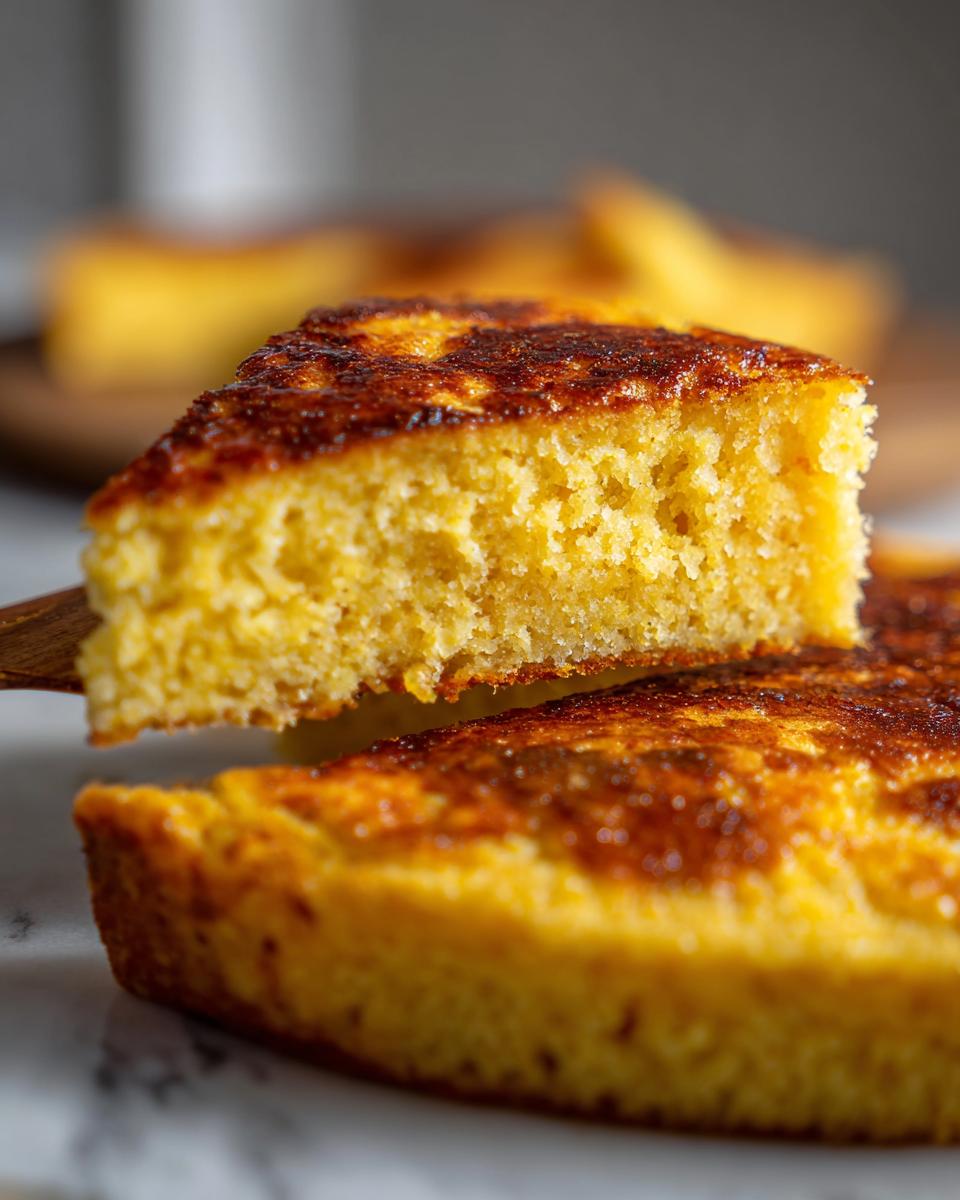
Carefully pour the batter into that sizzling hot, butter-filled skillet—be cautious, that butter is hot! Spread it quickly and get it back into the oven. It’ll bake for about 20 to 25 minutes. You’re looking for that deep golden top. Use a toothpick to check the center; it should come out clean or maybe with a few moist crumbs attached—that’s the sign of a truly moist cornbread recipe. Once it’s out, brush a little extra melted butter over the top, the extra fat really elevates the flavor of your tangy cornbread side dish.
Ingredient Notes and Substitutions for Sourdough Discard Cornbread
When you’re operating under my efficiency-first philosophy, flexibility is key. I know not everyone keeps a jar of discard sitting around all the time, or maybe you just prefer your sides leaning more savory than sweet for a specific meal. That’s totally fine! This recipe is designed to be adaptable. We’re not locking you into one flavor profile here. Addressing these common substitutions upfront saves you time later and ensures that your project—baking this perfect cornbread—comes out right, no matter what ingredients you have on hand.
Substituting Active Starter in Your Sourdough Cornbread Recipe
What happens if you fed your starter this morning and you don’t have any discards ready? Don’t worry, we have a workaround for that, too. My actual notes suggest that if you only have active, bubbly starter, you can substitute 1/2 cup of that active starter, but you need to supplement the liquid slightly. Mix that 1/2 cup of active starter with about 1/2 cup of plain yogurt or some cultured buttermilk. The yogurt/buttermilk replaces the hydration volume that the discard provides, and you still get that great lift from the actively rising starter. It works just as well for this recipe.
Making This a Savory Sourdough Cornbread
If you’re serving this alongside a really rich stew or maybe you’re planning a big BBQ spread where you don’t want anything overly sweet, cutting the sugar is simple. For a more savory sourdough cornbread experience, I recommend completely skipping the 1/4 cup of granulated sugar and reducing the honey down to just one teaspoon, or even leaving it out entirely. To replace that flavor depth, try whisking in some coarse black pepper or finely chopped chives right in with your dry ingredients. That hits the sweet and savory balance exactly where you need it to be.
Tips for Perfect Fluffy Cornbread Every Time
Look, baking is chemistry, but with a little optimization, we can bypass the fuss and head straight for success. Achieving that truly fluffy cornbread texture, especially when it has the tang of sourdough baked in, requires a few specific checks that I’ve built right into the process. These aren’t optional suggestions; these are tested protocols to ensure your bread doesn’t fall flat or get tough. Think of these as essential quality control checkpoints for your culinary project.
First, let’s talk about the cornmeal itself. Not all cornmeals are engineered equally! For the softest texture, you want to avoid coarse, gritty cornmeal. A finer grind, like medium grind yellow cornmeal, integrates better with the flour and fat, creating a more cohesive batter that rises beautifully. If you only have coarse, it’s fine, but expect a much heartier, less delicate crumb.
Second, the mixing temperature of your wet ingredients matters more than you think. Make sure your milk is at room temperature—not cold from the fridge. Cold liquids can seize up the melted butter slightly when they meet, which affects how everything emulsifies. Keeping everything in the mid-range temperature-wise ensures that wonderful, smooth blend throughout the batter that leads to a higher final rise. This is similar logic to why we treat our dough delicately when making easy homemade naan bread recipe skillet style.
Finally, regarding the baking soda: since this recipe relies on chemical leavening for its main lift (the sourdough just adds flavor and tenderness), make sure your baking soda is fresh. If your baking soda is older than six months, it loses its potency fast, and you won’t get the necessary lift for that fluffy cornbread result. A quick test—a small spoonful dusted with vinegar—should fizz immediately. If it doesn’t fizz, toss it and grab a new box. It’s a small upfront investment for guaranteed lift!
Serving Suggestions for Your Tangy Cornbread Side Dish
Okay, we’ve baked the perfect bread. Now, what’s the performance review look like? This sourdough cornbread wasn’t engineered just to sit on a plate; it was designed to pair flawlessly with your main event. That subtle tang and hint of honey we built into the batter make it incredibly versatile, bridging the gap between savory main courses and simple side dishes.
The absolute classic pairing, and one that comes up constantly in testing notes, is serving this with chili. That slightly sweet, incredibly moist bread soaks up broth beautifully without disintegrating. Imagine ripping off a hunk of this buttery cornbread and dunking it straight into a bowl of hearty beef chili—it’s peak comfort food, honestly.
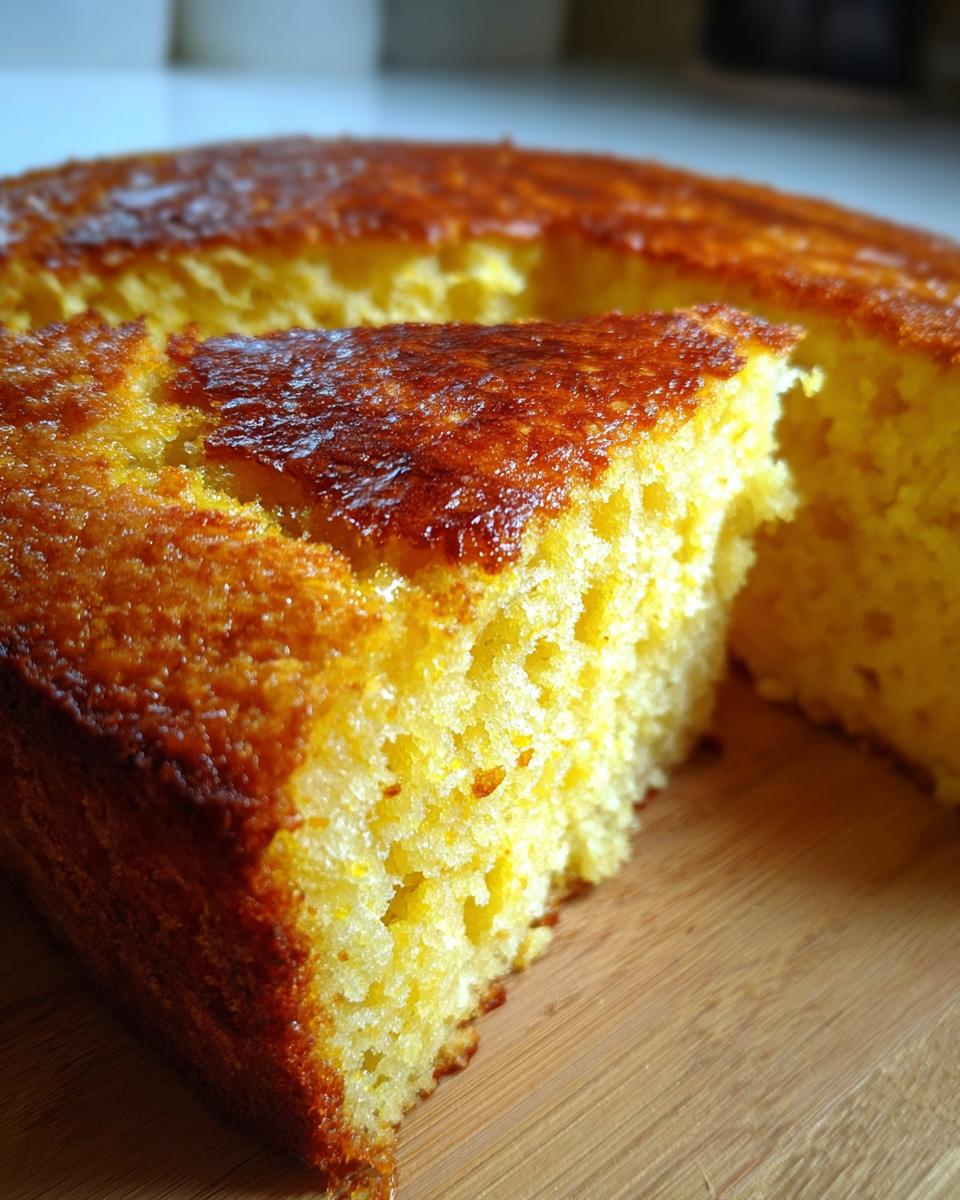
But don’t stop there! If you’re serving something lighter, this pairs wonderfully with soup. If you’re looking for a great pairing, I highly recommend serving this on the side of my quick easy chicken tortilla soup recipe—the tangy flavor cuts through the richness of the soup base perfectly. Or, if you want something creamy and cheesy, this cornbread is the ideal crunchy counterpoint to my broccoli cheddar ultimate copycat soup.
And naturally, for BBQ night? Forget the dry, crumbly stuff. This version holds up against pulled pork or ribs. The slightly sweet crumb stands up perfectly to smoky, spicy BBQ sauces. Just make sure you slice it thick so it can handle the weight of your sauce and meat. Honestly, once you nail this, you’ll start looking for excuses to make chili just so you have a reason to bake this fantastic sourdough cornbread.
Storage and Reheating Instructions for Sourdough Cornbread
Even though this sourdough cornbread is engineered for supreme moisture, we still need a solid plan for leftovers. Nobody wants to waste a perfectly baked skillet side dish! The good news is that because of the honey and the sourdough acid, this recipe holds up better than most quick breads. But keeping it moist requires the right storage strategy, and bringing back those crispy edges after a night in the fridge takes a specific reheat protocol.
For short-term storage—say, the next day—you can leave slices wrapped loosely at room temperature. Since we used honey and dairy, I wouldn’t push past 24 hours on the counter. After that, airtight storage is necessary. Place the cooled cornbread in an airtight container. I prefer lining the container with a paper towel first, just to absorb any stray condensation that can sometimes soften the crust overnight. This keeps the crumb soft without getting gummy.
Now, the big challenge: reheating. If you just microwave a piece, you’ll destroy those beautiful, crisp edges we worked so hard for by preheating that skillet! To restore texture, you need dry heat. The best method is putting individual slices back into a non-stick pan over medium-low heat for about three minutes per side. This crisps things up beautifully.
If you need to reheat the whole batch, the oven is your friend. Wrap the cornbread tightly in foil—this traps the moisture inside the crumb—and heat it at 300°F (150°C) for about 10 minutes. Once it is heated through, quickly unwrap the top slices and pop it under the broiler for 60 seconds. Watch it like a hawk! That quick blast under the broiler brings back that gorgeous golden, buttery top crust we love without drying out the interior.
Frequently Asked Questions About Sourdough Cornbread
Whenever I roll out a recipe optimized for efficiency, questions always pop up about substitutions or slight variations. That’s smart—it means you’re already figuring out how to fit this fantastic sourdough cornbread into your own busy schedule! I’ve gathered the most common queries right here so you can bake with total confidence. We want this to be a repeatable success every time you decide to whip up this tangy cornbread side dish.
Can I make this sourdough cornbread recipe without a cast iron skillet?
Yes, totally. While the cast iron skillet gives you those unbeatable crispy, golden edges, you can use a standard 9-inch round pan or an 8×8 inch glass dish instead. Just grease it well with butter before you pour the batter in. The main trade-off is that you won’t get the same crunchy crust; the sides and bottom will be softer, closer to a traditional non-skillet homemade cornbread from scratch. The baking time might need a slight reduction, so start checking around 18 minutes.
What is the difference between using active starter vs. discard for this cornbread?
This is a great question about the science behind using sourdough discard! For this specific bread, the difference is minimal flavor-wise because we are relying primarily on baking soda for our primary lift to keep things fast. The discard, whether bubbly or sluggish, provides the essential acid for flavor and tenderizing the crumb. If you use active, fresh starter, you might get a tiny bit more lift, but since we aren’t relying on a long sourdough fermentation, the outcome for this moist cornbread recipe will be nearly identical.
How long can I store leftover honey cornbread?
To keep things simple and safe, I recommend keeping leftover slices wrapped in a container at room temperature for up to 24 hours—especially if you plan on eating it quickly. For longer storage, keep it airtight in the refrigerator for up to four days. Remember what I said about reheating? If you store it in the fridge, make sure you put it back in a dry heat environment (like a warm skillet) to refresh those buttery edges! For other quick side dish ideas using leftover starter, check out my guide on making easy homemade bread bowls recipe.
Rate This Easy Sourdough Baking Recipe
Alright, we’ve covered the lean, mean, efficient machine that is this sourdough cornbread. This recipe is tested, streamlined, and ready for your dinner table. Now, it’s time for the execution phase, and I need your feedback!
If you followed the steps and loved the balance of sweetness from the honey and the necessary tang from the discard, please do me a favor and drop a star rating right below. A reliable rating helps other busy cooks know this streamlined process is worth their time. Did you nail those crispy skillet edges on the first try? Were you serving it with chili, or did you opt for BBQ?
Let me know in the comments exactly how this batch performed in your kitchen and what you paired it with. Happy cooking, and remember: smart baking is efficient baking!
PrintThe Ultimate Moist Honey Sourdough Discard Cornbread (Skillet Baked)

Bake this incredibly easy sourdough discard cornbread in a cast iron skillet. It achieves a perfect balance of sweet honey flavor and sourdough tang, resulting in a moist, fluffy side dish ideal for chili or BBQ.
- Prep Time: 10 min
- Cook Time: 25 min
- Total Time: 35 min
- Yield: 8 servings 1x
- Category: Side Dish
- Method: Baking
- Cuisine: American
- Diet: Vegetarian
Ingredients
- 1 cup sourdough discard (active or unfed)
- 1 cup yellow cornmeal
- 1 cup all-purpose flour
- 1/4 cup granulated sugar
- 2 tablespoons honey
- 1 teaspoon baking soda
- 1/2 teaspoon salt
- 1 large egg
- 1/2 cup milk (whole or 2%)
- 1/4 cup melted unsalted butter, plus more for greasing the skillet
Instructions
- Preheat your oven to 400°F (200°C). Place a 10-inch cast iron skillet in the oven while it preheats.
- In a large bowl, whisk together the cornmeal, flour, sugar, baking soda, and salt.
- In a separate medium bowl, whisk together the sourdough discard, egg, milk, honey, and melted butter until combined.
- Pour the wet ingredients into the dry ingredients. Mix gently with a spatula until just combined. Do not overmix; a few lumps are acceptable.
- Carefully remove the hot skillet from the oven. Add 2 tablespoons of butter to the hot skillet and swirl to coat the bottom and sides completely. The butter should melt immediately.
- Pour the cornbread batter into the hot, buttered skillet. Spread it evenly.
- Bake for 20 to 25 minutes, or until the top is golden brown and a toothpick inserted into the center comes out clean.
- Let the cornbread cool in the skillet for 5 minutes before slicing and serving warm. Brush the top with extra melted butter if desired.
Notes
- Baking in a preheated, buttered cast iron skillet creates the best crispy, golden edges for your cornbread.
- If you do not have sourdough discard, you can substitute 1/2 cup of active sourdough starter mixed with 1/2 cup of plain yogurt or buttermilk.
- This cornbread pairs well with chili, soups, or smoked meats.
Nutrition
- Serving Size: 1 slice
- Calories: 250
- Sugar: 8g
- Sodium: 350mg
- Fat: 11g
- Saturated Fat: 6g
- Unsaturated Fat: 5g
- Trans Fat: 0g
- Carbohydrates: 35g
- Fiber: 2g
- Protein: 6g
- Cholesterol: 45mg