

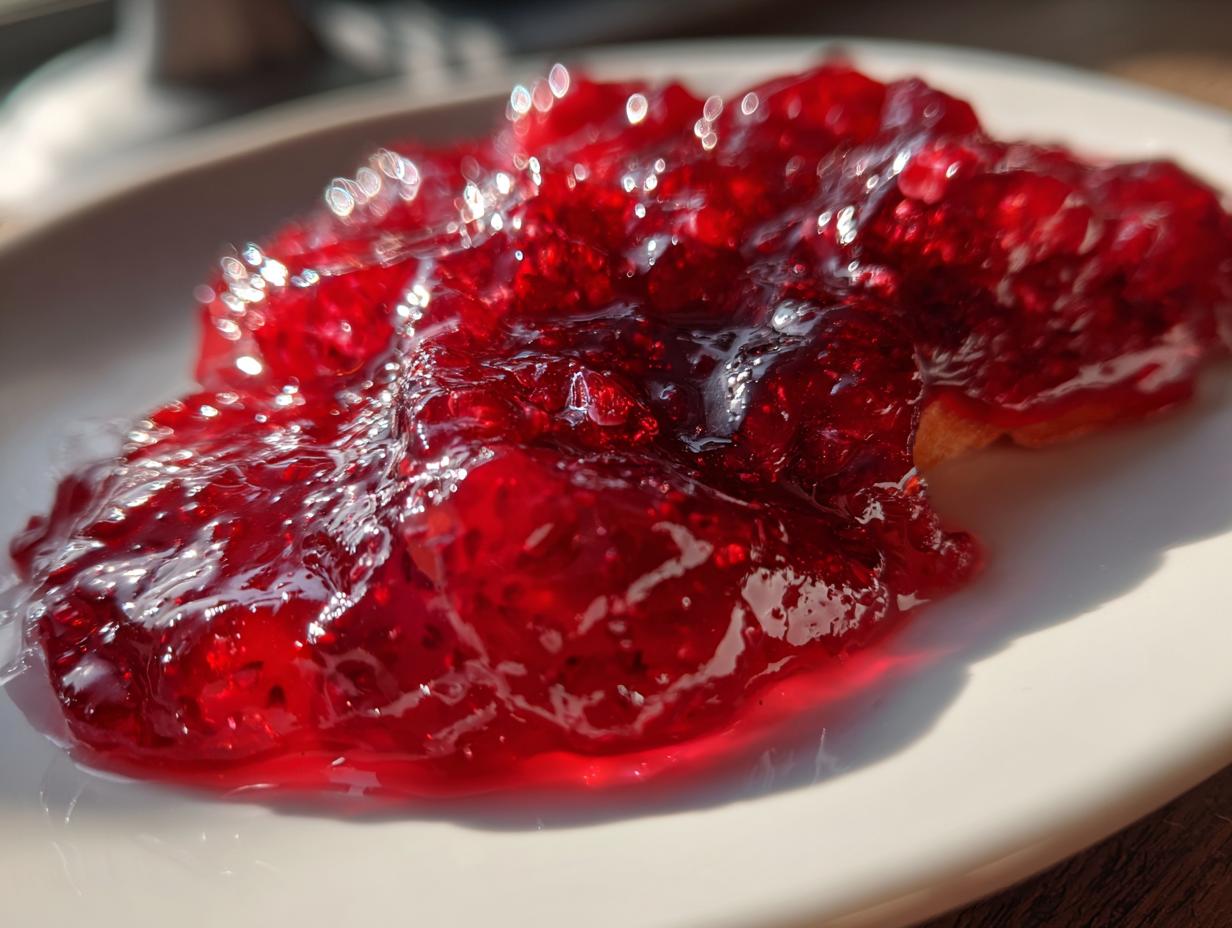
That first burst of June flavor—that tart punch from the rhubarb marrying the sweet perfume of early strawberries—is something I try to bottle up every single year. You know how I get; I treat my cooking projects like I used to treat deadlines at work. Complicated recipes that make you hunt for obscure ingredients? Not on my watch. This straightforward strawberry rhubarb jam is my blueprint for preserving that unbeatable summer taste.
We stripped this recipe down to the absolute essentials. It’s sturdy, it’s unbelievably bright, and it sets up perfectly thanks to the natural chemistry between those two fruits and the sugar. If you’ve been eyeing your **canning** equipment but feeling intimidated, trust me—this is the reliable batch of **preserves** you need to start with. We’re capturing June, and we’re doing it efficiently.
- Why This Simple Strawberry Rhubarb Jam Works Every Time
- Gathering Ingredients for Your Strawberry Rhubarb Jam
- Mastering the Process: How to Prepare Strawberry Rhubarb Jam
- Expert Tips for Perfect Strawberry Rhubarb Jam Consistency
- Storing Your Homemade Jam: Canning vs. Refrigerator Storage
- Serving Suggestions for Your Bright Strawberry Rhubarb Jam
- Ingredient Notes and Substitutions for Strawberry Rhubarb Jam
- Frequently Asked Questions About Making Strawberry Rhubarb Jam
- Details and Times for Your Strawberry Rhubarb Jam Project
Why This Simple Strawberry Rhubarb Jam Works Every Time
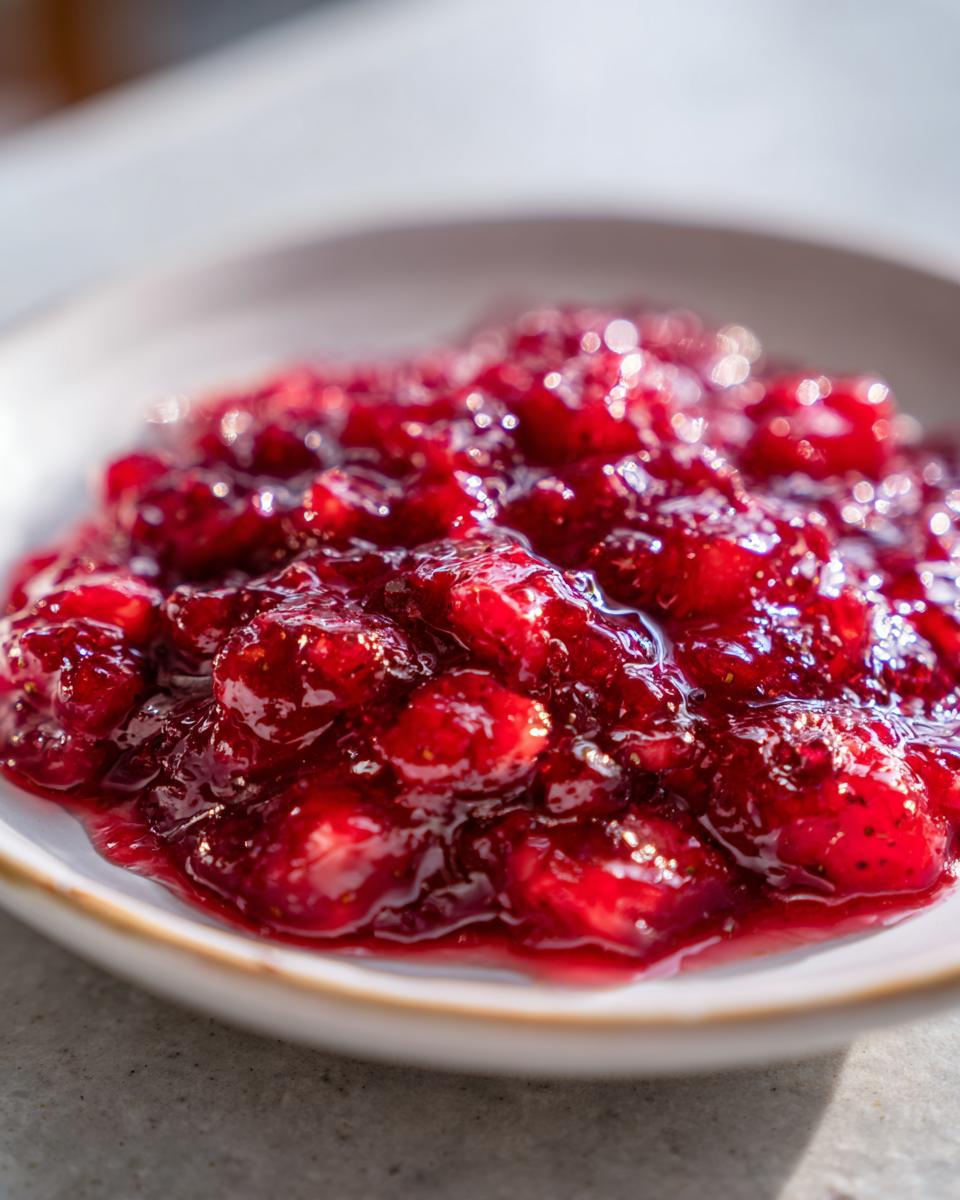
When I developed this spread, I wasn’t worried about fancy techniques; I was focused on results. That’s why this batch of **strawberry rhubarb jam** is so reliable, especially if you’re just getting into the world of **homemade jam**.
Here’s the project breakdown of why this recipe is a winner:
- It totally locks down that peak June flavor. That balance of sweet and tart is pristine.
- The pectin ratio between the rhubarb and the strawberries is just naturally perfect, meaning you get a super reliable set without needing to add much extra commercial pectin.
- It’s incredibly versatile. We aren’t just talking toast here; this stuff is amazing.
It’s streamlined so that beginners feel confident handing the jars over to the canner, knowing they’ll seal right up on the shelf.
Gathering Ingredients for Your Strawberry Rhubarb Jam
For any project to succeed, you have to start with the right components, right? This recipe keeps the list short and sweet. We’re working with pure, concentrated summer flavor here.
You’ll need:
- Two cups of fresh rhubarb, chopped into maybe half-inch chunks.
- Two cups of fresh strawberries—make sure they’re hulled and halved.
- Four cups of good old-fashioned granulated sugar. Don’t skimp!
- The juice from one whole lemon. That bright acid is crucial.
When you’re done, you should have yielded about four half-pint jars of gorgeous, shining **preserves**. It’s amazing how much flavor we pull from just these four simple items.
Mastering the Process: How to Prepare Strawberry Rhubarb Jam
Okay, this is where our project management skills really kick in. Before you even touch the stove, you need to have your workflow optimized. That means getting your jars hot and ready according to safe **canning** procedures first. Don’t wait until the jam is done boiling hot to start sterilizing because that’s when you’ll panic!
Preparing Jars and Initial Fruit Cook Down
Start by getting those jars prepped. Once your jars are set aside, throw the chopped rhubarb, strawberries, and that fresh lemon juice into your biggest, heaviest pot. Pop the heat to medium. We’re letting this simmer gently for about 10 minutes, just until the rhubarb starts getting soft and releases those wonderful pink juices. Don’t push it; we just want them tenderifying.
Achieving the Perfect Set in Your Strawberry Rhubarb Jam
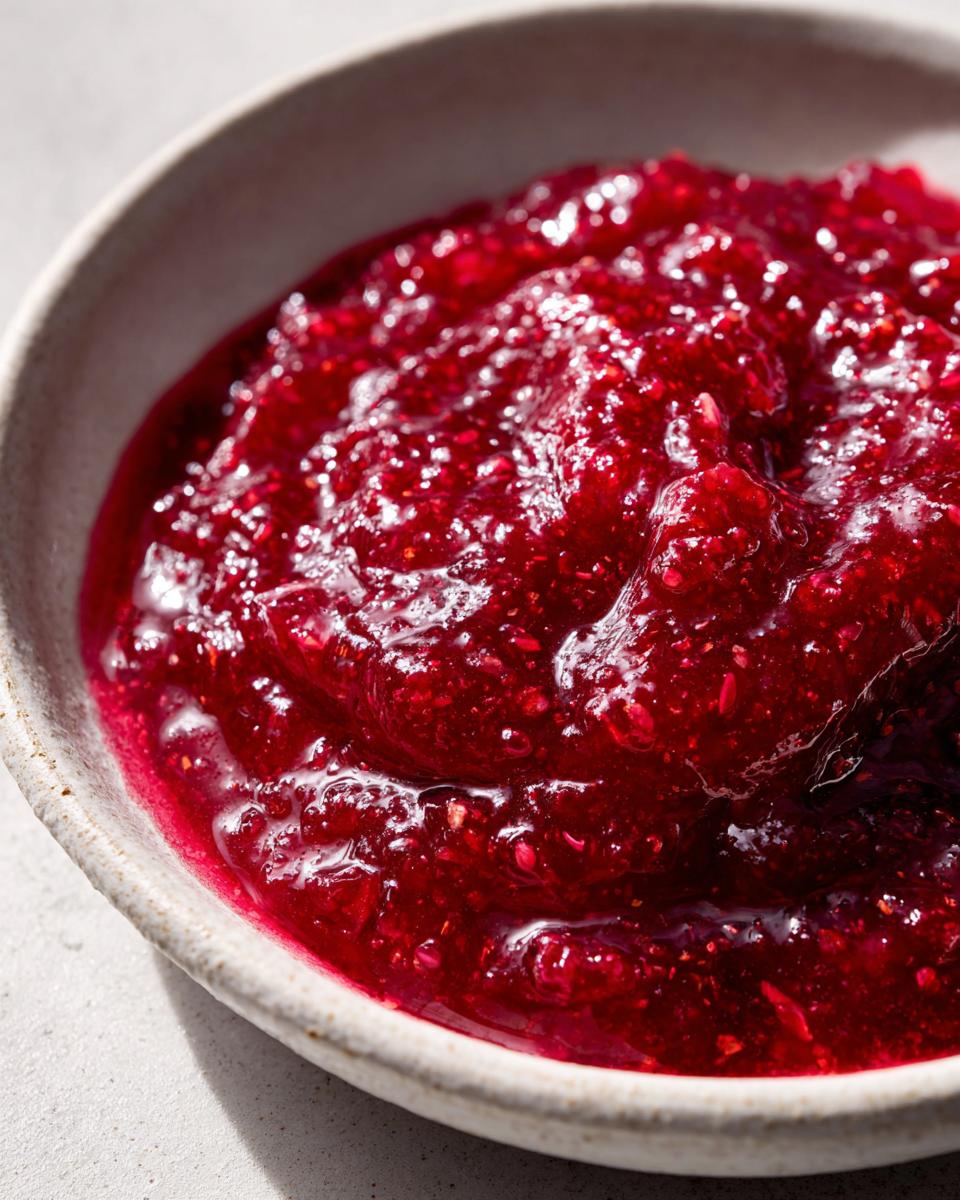
Now for the sweetness! Stir in all four cups of sugar, making sure it completely dissolves before you crank up the heat. Once it’s dissolved, bring that mixture to a full, rolling boil—the kind that doesn’t back down when you stir it. This is where the magic happens! We need to boil, stirring often so we don’t scorch the bottom, until we hit jam set. You absolutely must check the temperature here. Aim for 220 degrees Fahrenheit. If you don’t have a thermometer, use the plate test: put a spoonful on a chilled plate, wait a minute, and if it wrinkles when you push it, you’re ready for your next step in making homemade jam.
Filling, Sealing, and Processing the Strawberry Rhubarb Jam
Once it hits that setting point, pull it immediately off the heat. Very quickly skim off any foamy bubbles floating on top—this makes the final product look much cleaner. Then, ladle that hot jam into your sterilized jars, leaving exactly 1/4 inch of space at the top. Wipe the rims—super important!—put on the lids finger-tight, and immediately drop them into your boiling water bath canner for a solid 10 minutes. After processing, pull them out carefully and let them sit undisturbed for a full day to cool and seal tight.
Expert Tips for Perfect Strawberry Rhubarb Jam Consistency
Listen, the jump from runny fruit mix to perfect, spreadable **strawberry rhubarb jam** is all about managing that boil time. Don’t eyeball this part! My biggest rule for consistency, especially when I’m trying to get that shelf-stable seal for long-term storage, is to trust the thermometer.
If you’re using a candy thermometer, that **220 degrees Fahrenheit** mark is non-negotiable for me. If you skip that, you absolutely must rely on the chilled plate test—get that plate frosty! If the jam doesn’t wrinkle when you push it after chilling, it needs another 2-3 minutes of hard boiling.
Also, that foam that shows up when you pull the pot off the heat? Skim it off! It looks cloudy, and we want crystal clear **preserves**. If you want even more tips on managing fruit sets without commercial pectin, check out my notes on that no-pectin raspberry jam; the science is the same!
Storing Your Homemade Jam: Canning vs. Refrigerator Storage
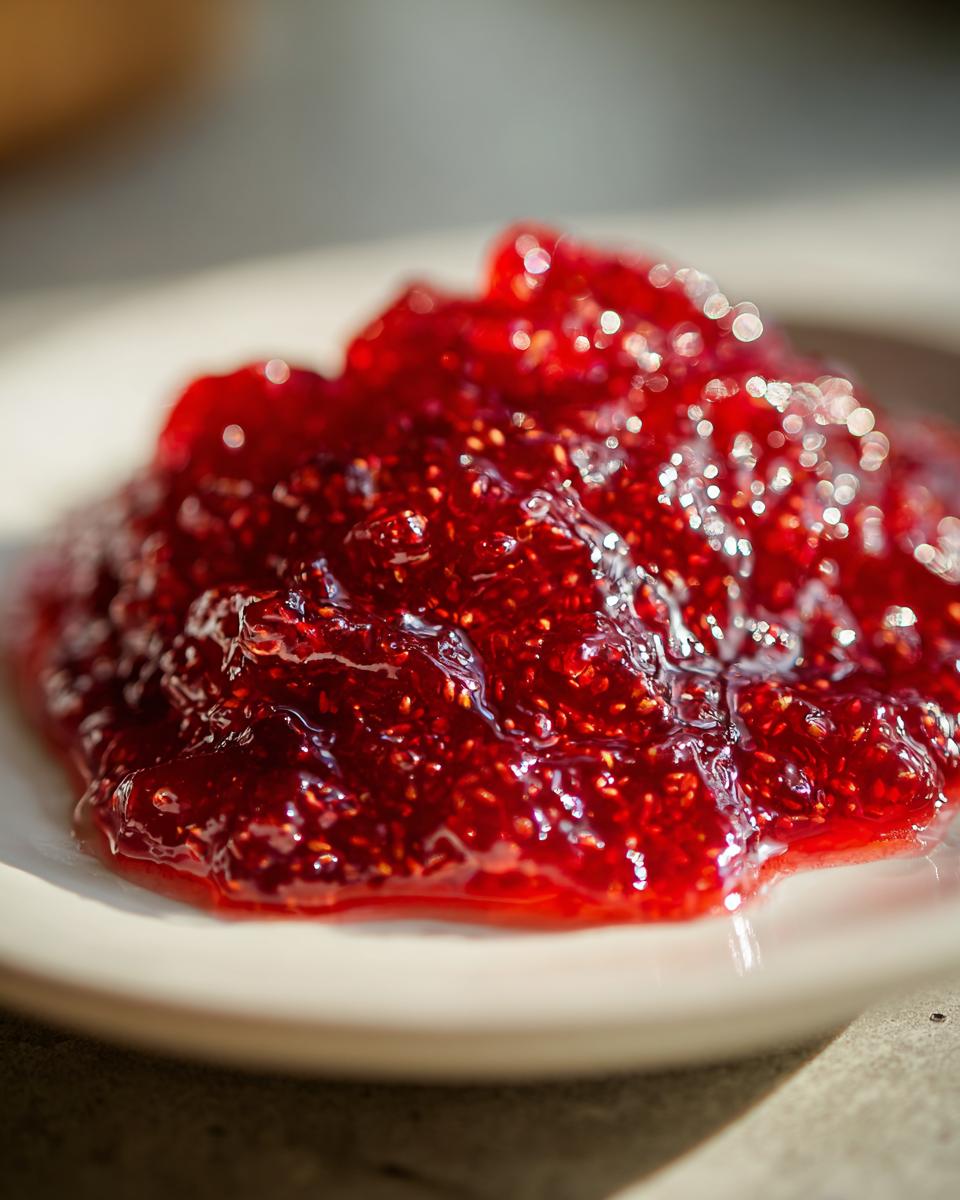
Alright, project complete! You’ve got jars of gorgeous **strawberry rhubarb jam**. Now you have a choice: immediate gratification or long-term preservation. Since we took the time to process these jars correctly, most of them are shelf-stable, which is the smart long-term solution.
If you’ve got a proper water bath **canning** seal, those jars are good to go in a cool, dark pantry for up to a year, maybe more. That’s the beauty of taking that final step! Just make sure the lids have that satisfying concave *pop* when you press them.
But what if you just made a small batch for immediate use, or you dipped into a jar before the sealing process was finished? No problem at all. If you just screw the lids on and stick them in the fridge—no processing—that **homemade jam** is great for about three weeks. Since this **rhubarb recipe** is so good, I usually find the refrigerated batch disappears long before the canned jars even get touched!
Serving Suggestions for Your Bright Strawberry Rhubarb Jam
I told you this jam was versatile, and I meant it! The primary goal here is capturing that June flavor to brighten up your boring breakfast routine. Of course, it’s phenomenal spooned thickly over warm biscuits or crusty bread.
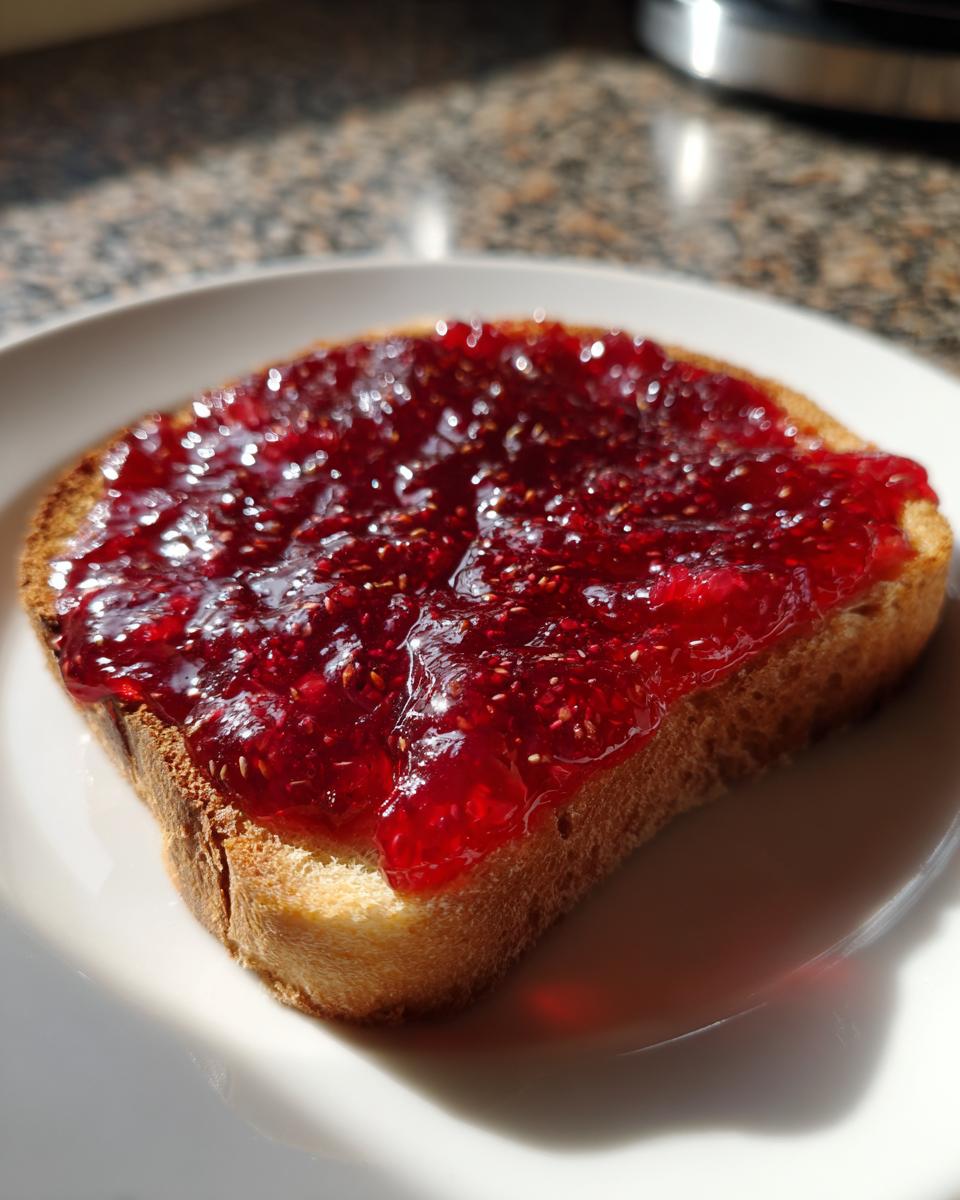
But don’t stop there! I love using this slightly tart **strawberry jam** as a filling for thumbprint cookies or spread thinly inside a turnover. It’s incredible swirled into plain yogurt—that balances the sweetness perfectly. If you’ve baked up a batch of my simple homemade bread bowls, this jam is the absolutely perfect sweet addition!
Ingredient Notes and Substitutions for Strawberry Rhubarb Jam
Let’s talk specifics on those few ingredients—because even in streamlined cooking, components matter. The lemon juice might seem small, but it’s doing heavy lifting here. Rhubarb has natural pectin, but the acid from that lemon juice really helps “wake up” that pectin when we boil it with the sugar. That’s a huge part of why we get that nice, firm set without messing around with powder.
Also, if you’re looking at this recipe and thinking, “I don’t want to get the whole canner out today,” I totally get it. That’s the beauty of this ratio. If you want just a small portion of **strawberry rhubarb jam** for immediate use, skip the water bath entirely. Just cook it down like we did, ladle it into clean, airtight jars, and cool them on the counter. Once cooled, you can put those straight into the fridge. Remember, those are your **refrigerator storage** jars—they’ll keep that bright flavor ready for about three weeks, maximum.
Frequently Asked Questions About Making Strawberry Rhubarb Jam
I know when you start a project like **canning**, you always end up with a few lingering questions. We want every batch of **homemade jam** to be a total success, so here are the common sticking points I ran into when I first perfected this simple **rhubarb recipe**.
Do I really need to use that much sugar for this strawberry rhubarb jam?
Yes, you absolutely do! While it seems like a lot, sugar does way more than just sweeten the deal. In jam making—especially when we aren’t adding extra pectin—the sugar plays a critical role in pulling the moisture out of the fruit and working with the natural pectin to create that firm, spreadable texture. Think of it as an essential thickener, not just a sweetener. Too little, and you’ll end up with syrup, not **preserves**.
What should I do if my jam doesn’t look like it’s setting up?
Don’t panic! This is a classic issue, often meaning the mixture hasn’t reached its right temperature yet. If you’re past the 25-minute boil time and the chilled plate test isn’t wrinkling, pull the pot off the heat. Quickly mix two tablespoons of sugar with one teaspoon of lemon juice, stir that in well, and bring it back to that rolling boil for another three to five minutes. Test again. This little trick boosts the sugar/acid ratio and usually gets it moving toward that perfect set.
Can I use frozen strawberries or rhubarb instead of fresh?
For this specific recipe, I heavily recommend fresh fruit, especially since the main goal is capturing that vibrant peak June flavor. Frozen fruit releases a ton of extra water when it thaws, which throws off the sugar-to-fruit ratio we’ve calculated for the set. If you absolutely must use frozen, thaw them first, drain off as much liquid as you possibly can, and then proceed. Just know you might need a little extra boil time to cook that excess water off.
If I’m only making a small batch and skipping the water bath, how long is it good for?
If you skip the full **canning** process and just cool the jars on the counter, treat it exactly like any other **strawberry jam** made for refrigerator storage. Seal the lid tight and stick it in the fridge. It’s usually good for about three weeks, but honestly, you’ll probably use it all before then because this flavor is addictive! For accessing more creative ways to use up your harvest, check out my guide on general rhubarb recipes.
Details and Times for Your Strawberry Rhubarb Jam Project
As a project manager, I hate ambiguity, especially when I’m trying to fit a great recipe into a busy kitchen schedule. So, to wrap up the details, here’s the snapshot of what you’re committing to and what you’ll have when you’re done. This makes planning the rest of your afternoon super simple.
We’re aiming for efficiency, remember? This whole process, from chopping to sealing, is surprisingly quick for a preserved item.
- **Prep Time:** You’ll need about 15 minutes just to chop the fruit and juice the lemon. Not bad!
- **Cook Time:** Plan for about 40 minutes of active cooking time on the stove—stirring and boiling included.
- **Total Time Commitment:** You’re looking at roughly 55 minutes total for the cooking part. The cooling and sealing time is hands-off, thankfully.
- **Yield:** This specific ratio gives us about 4 half-pint jars. That’s a perfect starter size for testing out your **canning** setup.
If you’re making this just to have really fresh **homemade jam** in the fridge—skipping the water bath—remember that this timeline is still accurate for the stovetop part, but you should aim to use it within three weeks.
PrintSimple Strawberry Rhubarb Jam for Preserving June Flavor
Make this straightforward strawberry rhubarb jam to capture the taste of early summer produce. This recipe is designed for easy canning and tastes great on toast or biscuits.
- Prep Time: 15 min
- Cook Time: 40 min
- Total Time: 55 min
- Yield: About 4 half-pint jars 1x
- Category: Preserves
- Method: Stovetop Cooking and Canning
- Cuisine: American
- Diet: Vegetarian
Ingredients
- 2 cups fresh rhubarb, chopped
- 2 cups fresh strawberries, hulled and halved
- 4 cups granulated sugar
- 1 lemon, juiced
Instructions
- Prepare your canning jars and lids according to standard safe canning procedures.
- Combine the chopped rhubarb and strawberries in a large, heavy-bottomed pot.
- Add the lemon juice to the fruit mixture.
- Cook the fruit over medium heat, stirring occasionally, until the rhubarb softens and releases its juices, about 10 minutes.
- Stir in the granulated sugar until it dissolves completely.
- Bring the mixture to a rolling boil that cannot be stirred down.
- Continue boiling, stirring frequently to prevent sticking, until the jam reaches 220 degrees Fahrenheit on a candy thermometer, or until it passes the plate test (a small spoonful dropped onto a chilled plate wrinkles when pushed). This usually takes 15 to 25 minutes after reaching a full boil.
- Remove the pot from the heat. Skim off any foam from the surface.
- Ladle the hot jam into the prepared canning jars, leaving 1/4 inch of headspace.
- Wipe the rims clean, center the lids, and screw on the bands until fingertip tight.
- Process the jars in a boiling water bath canner for 10 minutes, adjusting for altitude if necessary.
- Carefully remove the jars and let them cool undisturbed on a towel-lined counter for 12 to 24 hours until sealed. Check seals before storing.
Notes
- For the plate test, chill a small plate in the freezer before starting. Drop a teaspoon of jam onto the cold plate and return it to the freezer for one minute. Push the jam with your finger; if it wrinkles, it is done.
- If you are not canning, store the jam in airtight containers in the refrigerator for up to three weeks.
- This recipe yields a bright, slightly tart jam perfect for homemade jam enthusiasts.
Nutrition
- Serving Size: 1/4 cup
- Calories: 150
- Sugar: 38
- Sodium: 1
- Fat: 0
- Saturated Fat: 0
- Unsaturated Fat: 0
- Trans Fat: 0
- Carbohydrates: 39
- Fiber: 1
- Protein: 0
- Cholesterol: 0