

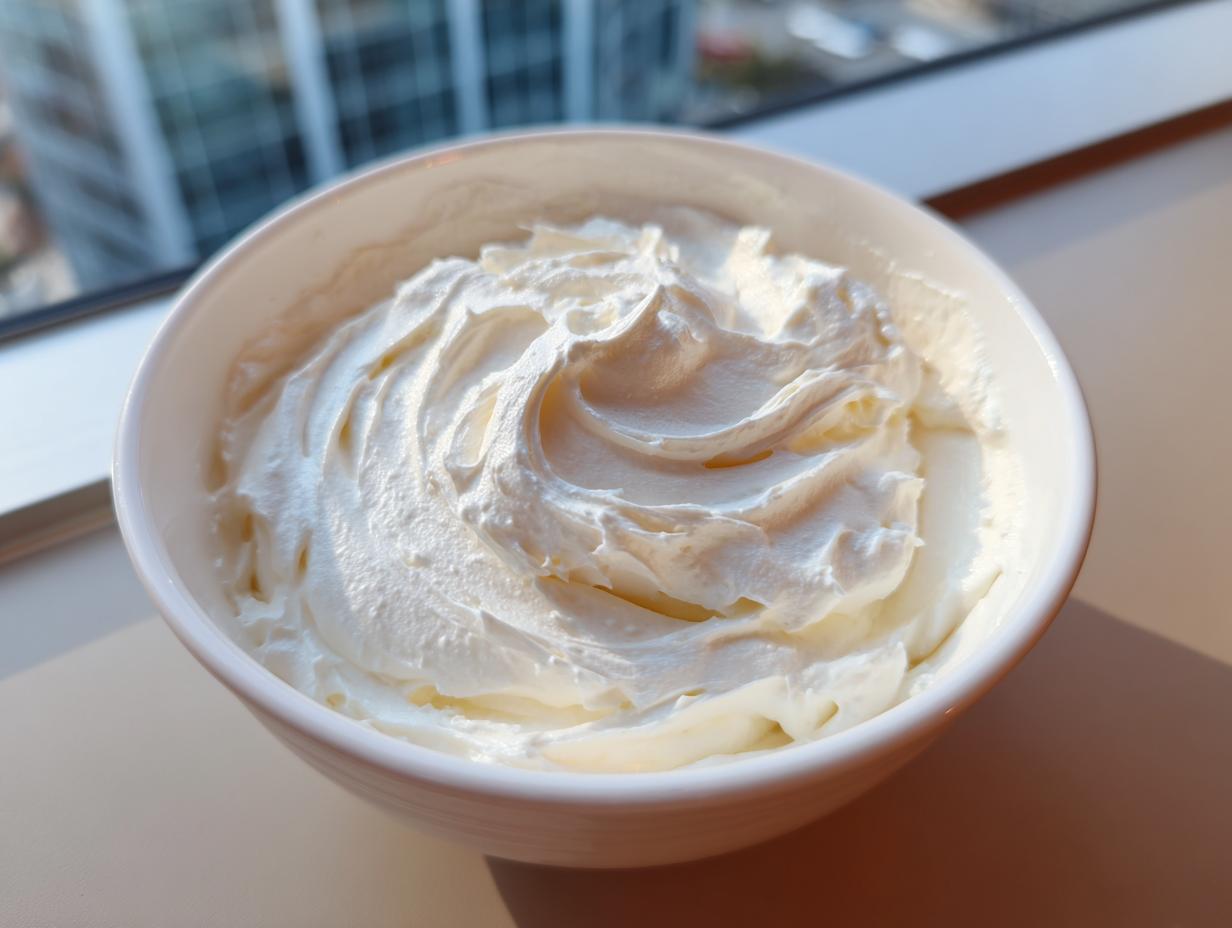
Oh, the sheer terror of starting a batch of cookie icing! You spend hours baking perfect sugar cookies, only to have your royal icing recipe turn out runny, crackle when it dries, or somehow look lumpy before you even pipe it. Sound familiar? I get it. Like tracking the perfect Levain Bakery Chocolate Chip Cookies, we treat our recipes like projects here—we streamline them for maximum reliability. That’s why I’m sharing my go-to base: this **royal icing recipe** ditches the raw egg worry by using meringue powder, and I promise you, it produces that smooth, professional finish that dries rock-hard and super glossy. If you’re ready for consistent, beautiful cookie decorating results without the guesswork, you absolutely need this recipe in your back pocket. Keep reading, because this is your new foundation for holiday baking!
- Why This Royal Icing Recipe Works for Beginners
- Gathering Ingredients for Your Royal Icing Recipe
- How to Make Royal Icing: Step-by-Step Instructions
- Coloring and Storing Your Piping Icing
- Tips for Success with Your Best Royal Icing for Cookies
- Versatile Icing Recipe Applications Beyond Cookies
- Frequently Asked Questions About This Royal Icing Recipe
- Estimated Nutritional Data for This Royal Icing Recipe
- Share Your Royal Icing Creations
Why This Royal Icing Recipe Works for Beginners
Look, I know troubleshooting icing is the absolute worst part of decorating, and that’s why I developed this method. If you are looking for an Easy Royal Icing that doesn’t leave you panicked about texture, this is it. My goal, much like figuring out an Easy Lemonade Recipe, is to simplify the process so it just *works*. Meringue powder is our secret weapon here, giving us the stability needed so you can concentrate on the fun piping part, not fixing breakage.
Meringue Powder vs. Raw Egg Whites in a Royal Icing Recipe
We are sticking with meringue powder for our **royal icing recipe** because it’s just safer and more reliable, honestly! Using powdered egg whites (meringue powder) means you bypass any worry about salmonella from using raw egg whites. Plus, it’s so much more stable between batches. You don’t get those little weird variations you see when you try to separate a perfect egg white. This makes it the ultimate Beginner Cookie Icing!
Achieving That Perfect Hardening Royal Icing Finish
The magic to that beautiful, shiny, hard finish isn’t just the ingredients—it’s the whipping time! You have to beat this icing for a solid five to seven minutes on high speed. That vigorous mixing incorporates air, which is exactly what sets up structure. That extra whipping time is the secret handshake that guarantees you get that **Hardening Royal Icing** texture that professionals rave about. Don’t rush this part, or your gorgeous designs will stay tacky forever!
Gathering Ingredients for Your Royal Icing Recipe
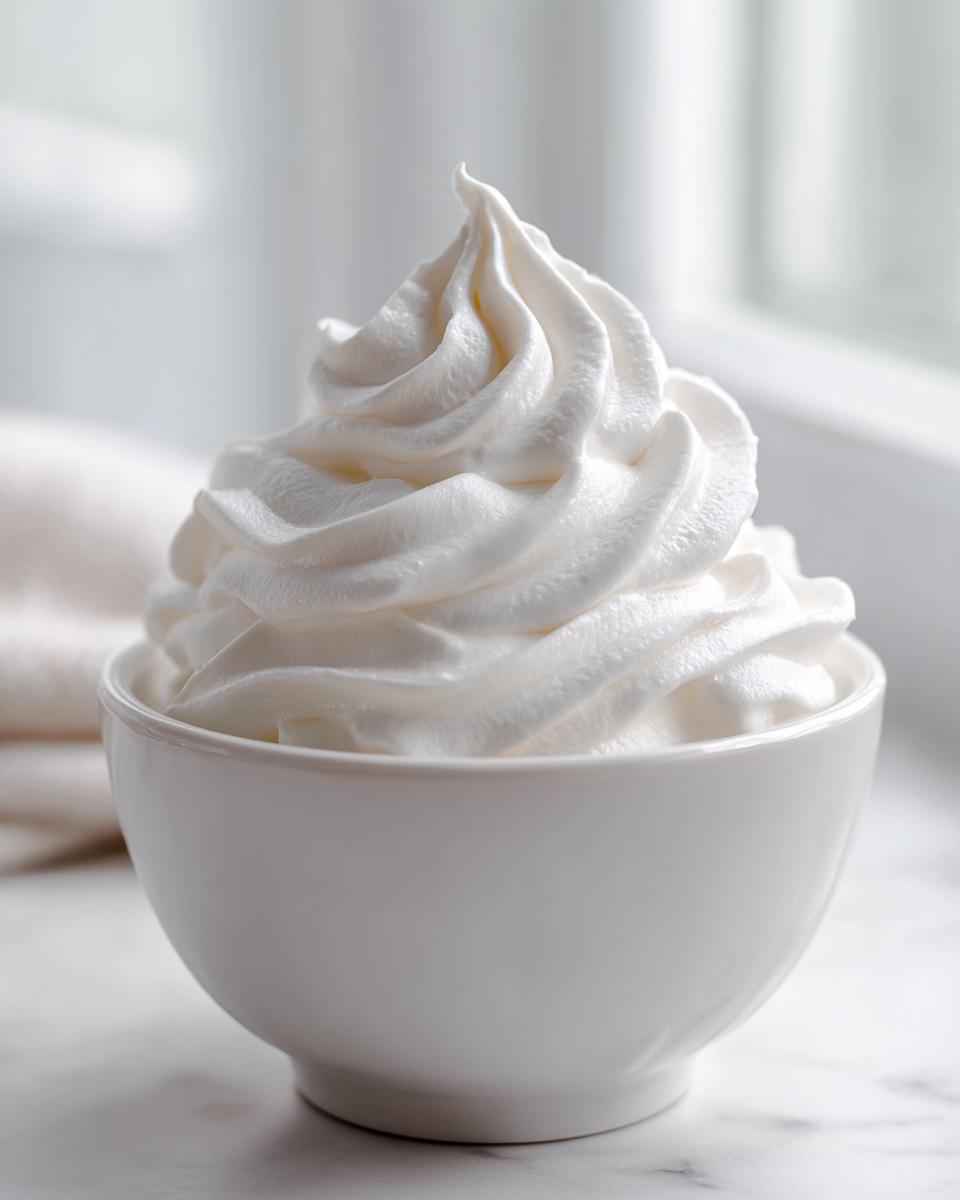
Okay, let’s get our supplies lined up! This **Royal Icing Recipe** is so simple because it uses very basic things you probably already have. Seriously, you only need four components to make this whole glorious batch. Remember, when you’re making icing, precision counts because we aren’t dealing with a soft buttercream here; this is a structural element for your cookies, so measure carefully!
Ingredient Notes and Substitutions for This Easy Royal Icing
The recipe makes enough to generously coat about two dozen standard-sized cookies, which is perfect for a practice batch. Now, a quick note on liquid: use warm water, not cold! It helps dissolve everything beautifully. For flavor, I always use clear vanilla extract. If you use regular vanilla, your icing will have a slightly yellow tint, and we want that brilliant white finish, right? If you don’t have vanilla, a teaspoon of lemon extract is fantastic, too. It adds that tiny bit of tang that cuts through the sugar.
How to Make Royal Icing: Step-by-Step Instructions
Learning How to Make Royal Icing is easier than you think once you follow a simple project plan. We start by building the dry base before we even think about adding any liquid. Trust me, dumping everything in at once leads to a sugary mess of clumps! We want this **Sugar Cookie Icing Recipe** to be foolproof, so stick right to the steps I laid out.
The Mixing Process for Smooth Icing for Cookies
First up, grab your mixing bowl and whisk together that sifted confectioners’ sugar and the meringue powder until they look totally uniform. Then, toss in your chosen flavor extract. Now, here’s the key for the initial stir: add about four tablespoons of your warm water and mix everything on low speed with your electric mixer. We mix low just to incorporate everything without creating a sugar cloud that coats your entire kitchen! Once it’s just combined, bump that speed way up to medium-high and beat it for a solid five to seven minutes. Seriously, set a timer—this whipping is what gives us that beautiful gloss!
Adjusting Your Royal Icing Consistency: Piping vs. Flooding
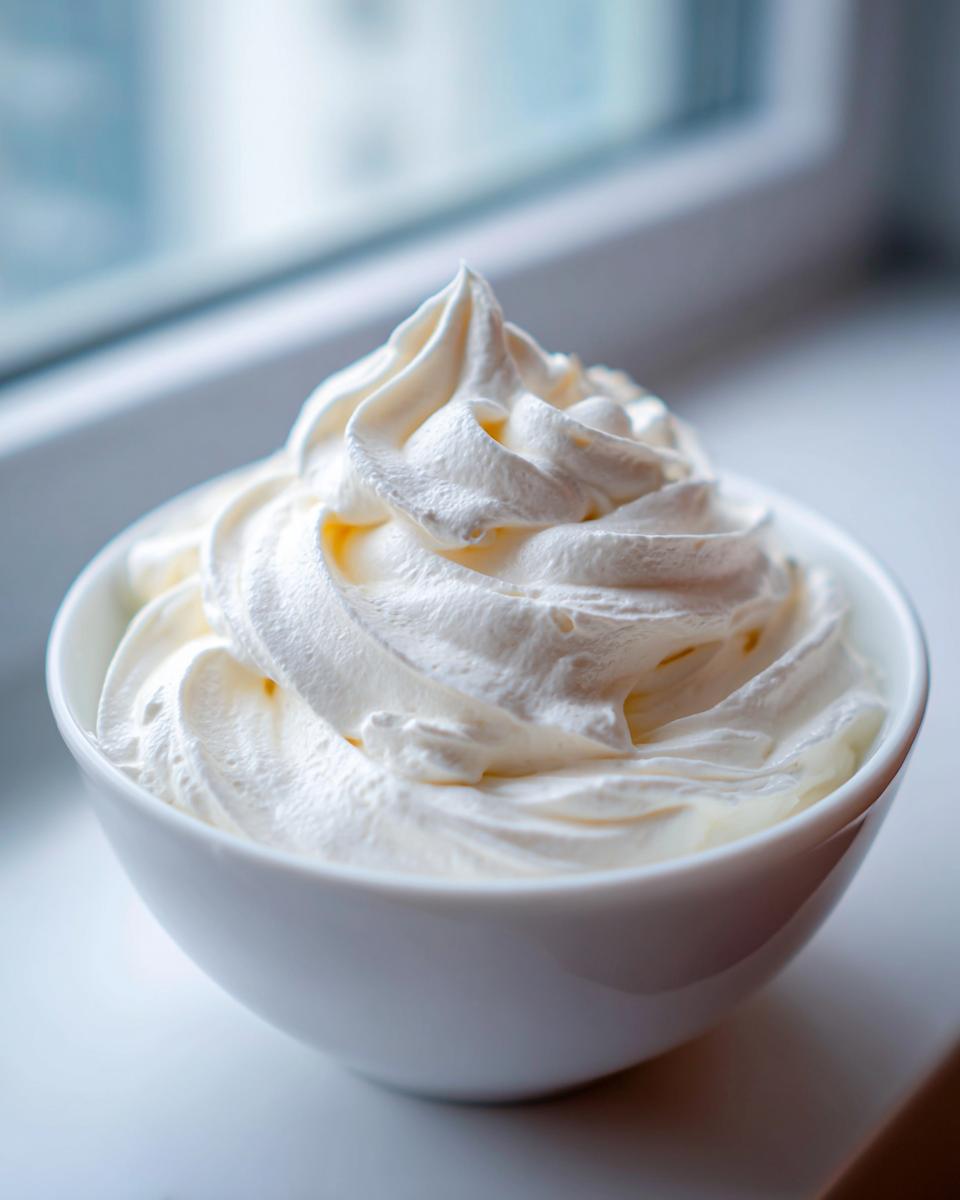
Once you’ve whipped it for seven minutes, you have a perfect, stiff consistency—great for outlining shapes! But for filling them in, we need to thin it out slightly. This is where we talk about **Royal Icing Consistency** and the famous 10-second rule. If you lift your whisk and drizzle some icing back into the bowl, watch the trail it leaves. If that trail sinks back into the rest of the icing in about ten seconds, you’ve nailed the flood consistency. If it disappears instantly, it’s too thin, so stop adding water! If it sits on top like a stiff mountain, add water one teaspoon at a time until it flows nicely. This technique, which avoids my favorite Chocolate Frosting Recipe disasters, is essential for smooth decorating.
Coloring and Storing Your Piping Icing
So you need different colors for your beautiful work, right? Here’s a key piece of advice for your **Piping Icing**: only add color *after* you’ve hit that perfect consistency when whipping is done. If you add food coloring too early, the extra liquid can throw off the entire batch, making your icing too thin and runny. Nobody wants cracked sugar cookies because their color was added too soon!
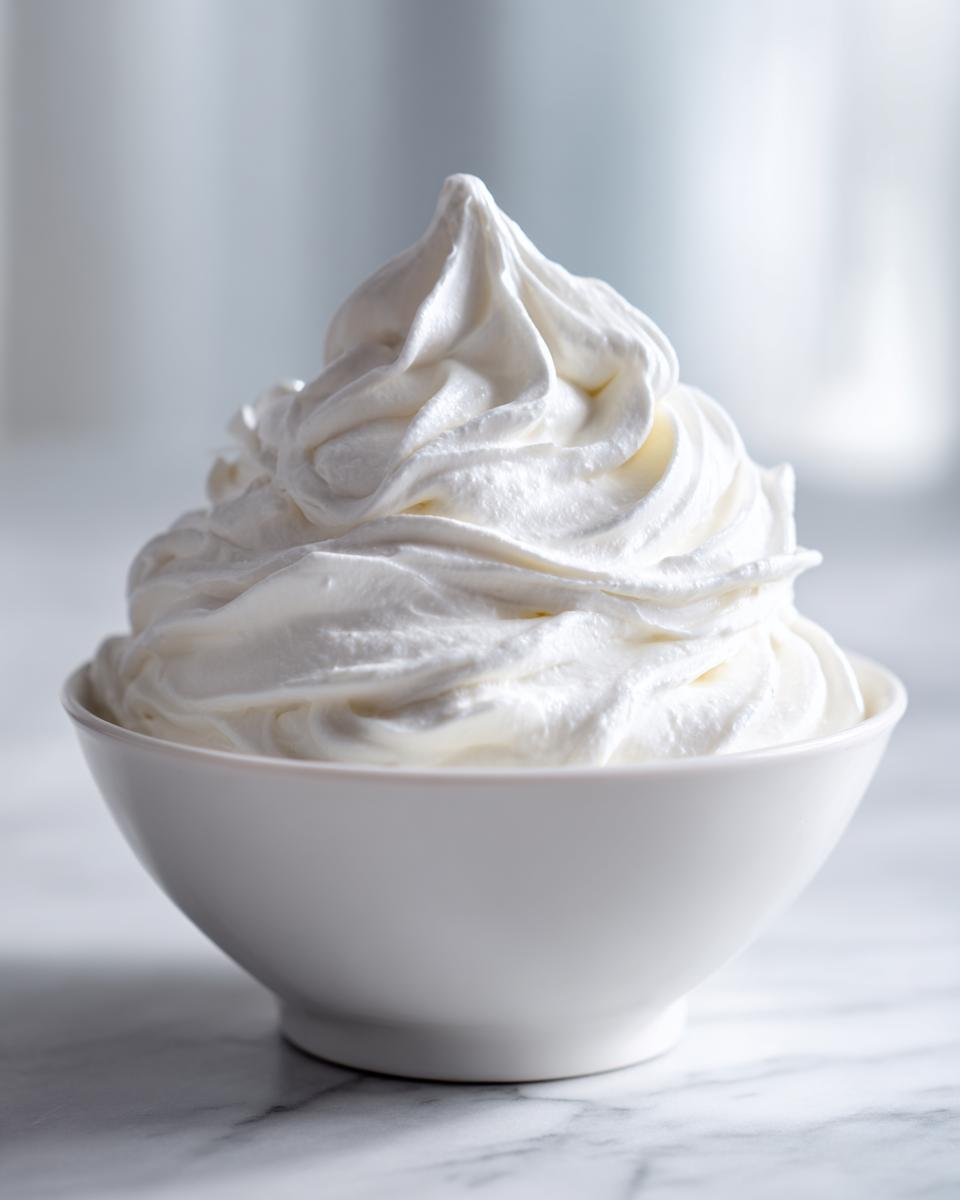
Now, storage is where most people mess up their beautiful **Royal Icing Recipe**. As soon as you divide your icing into bowls—whether you are leaving some white or adding color—you must cover it immediately. I mean it! Take a small piece of plastic wrap and press it directly onto the surface of the icing in the bowl. If air touches the top layer of this icing, it starts forming that horrible crust instantly. If you keep the surface covered, this icing lasts beautifully.
When stored tightly covered, this icing keeps really well in the fridge for about a week. When you’re ready to use it again, just grab it out, let it sit on the counter for about 15 minutes, and give it a quick stir—no need to re-whip unless it looks weirdly dry.
Tips for Success with Your Best Royal Icing for Cookies
Now that you know the basic mix, let’s talk about what happens when things don’t go exactly to plan. Remember how I mentioned treating recipes like a project? Precision matters here, just like when I whip up my White Chocolate Macadamia Nut Cookies—measure your powdered sugar and meringue powder the first time, and you solve 90% of your problems!
The goal is always the **Best Royal Icing for Cookies** that dries perfectly, but sometimes humidity or even the brand of sugar throws us off. Don’t panic if your icing misbehaves; we just need to adjust the project variables.
Troubleshooting Common Royal Icing Recipe Issues
The two biggest headaches are runny icing and cracked icing. If your outline work is slumping or your flood icing is spreading way too fast, it’s too thin. Resist the urge to stir in more water! Instead, mix up a tiny bit more dry meringue powder and sugar mixture, and slowly stream that in until it thickens back up. That’s the fix for runny batter.
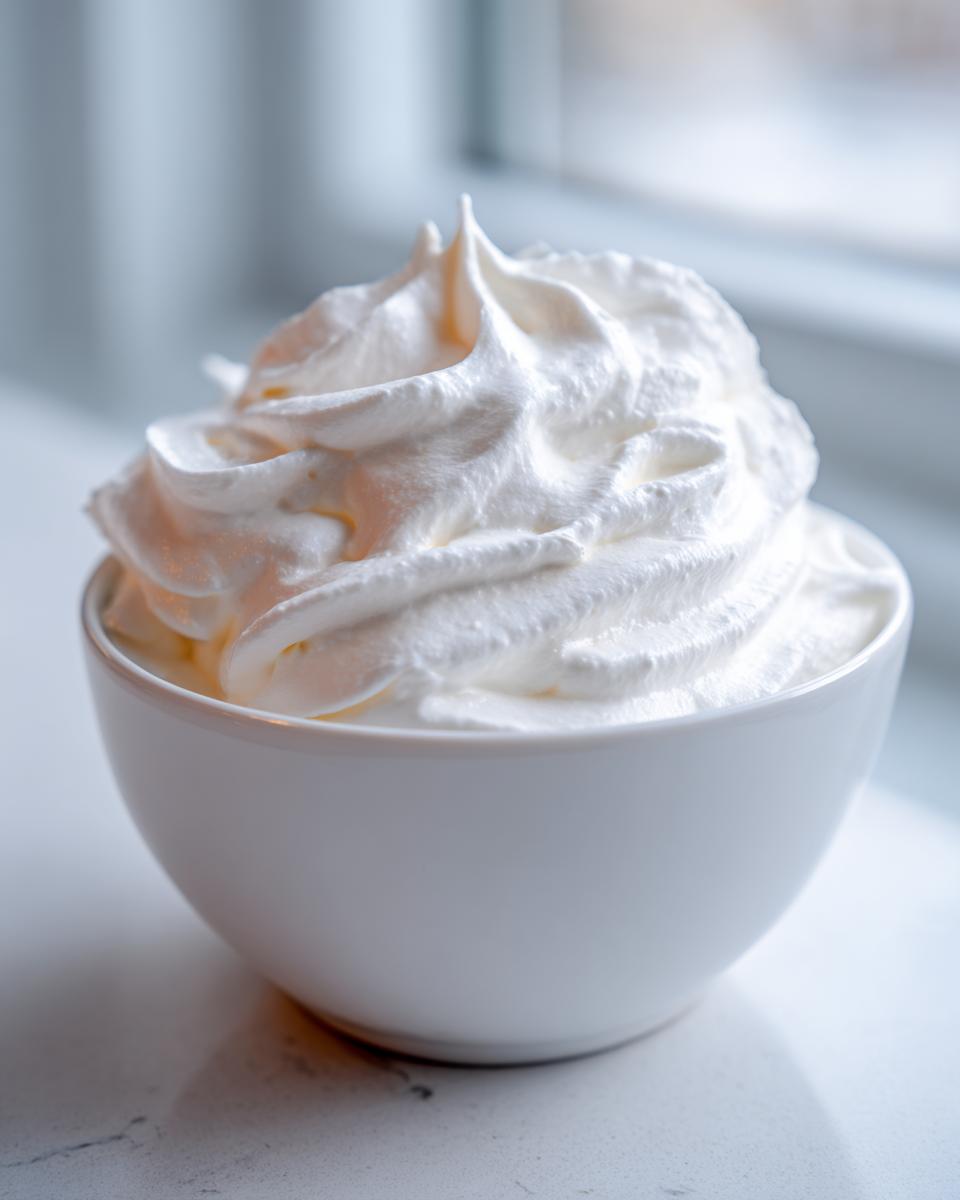
If your icing looks perfect going on but then dries with tiny cracks all over it? That means it was too stiff and didn’t have enough liquid to settle down properly. For cracked icing, you need to carefully mix in water, maybe just a little bit at a time, until it flows more easily. You can also check out guides like the one over at Semisweet Designs for visual aids, but usually, adding water solves the crack problem!
Versatile Icing Recipe Applications Beyond Cookies
While this base is absolutely the **Best Royal Icing for Cookies**, don’t lock it into one purpose! That’s the beauty of having a rock-solid primary **Royal Icing Recipe** like this one. You can drastically change the consistency to fit almost any edible project you have going on.
For example, if you’re building a gingerbread house this winter, switch the consistency back to stiff peaks (the outline consistency we discussed earlier). It acts like the strongest edible glue you can find! You can use it to attach candy details or stick roof panels together securely. I even use a batch of the super stiff version when making things like homemade Easy Brownie Batter Dip decorations, just to add height and structure. It’s just that good of a **Versatile Icing Recipe**!
Frequently Asked Questions About This Royal Icing Recipe
Even though this is the **easiest Royal Icing Recipe** to master, I always get lots of questions before people dive in. It’s smart to ask! Knowing these little details beforehand means the difference between perfect, stackable cookies and a frustrating mess. I’ve gathered up the ones I hear most often, especially from folks trying out their first batch of **Cookie Decorating Icing**.
Can I use regular egg whites instead of meringue powder in this royal icing recipe?
You absolutely *can*, but I really, really encourage you not to, at least with this specific formula. While traditionalists reach for fresh whites, you’re signing up for food safety concerns since they’re raw, and the consistency can be super unpredictable. Meringue powder gives you that steady, reliable base we need for perfect piping every single time. If you must use fresh whites, you’ll need to slightly adjust the water amount, but you’re taking a risk on that beautiful, stable texture!
How long does this glossy icing recipe take to dry completely?
This is going to depend a ton on your house, so think of it as a moving target! If you’re aiming for that hard, glossy finish, you need patience. In super dry weather, thinner flood layers might be dry to the touch in about two hours. But for thicker piping layers, or if your house is humid, give it eight hours minimum before stacking or moving them around too much. If you want them truly set so you can mail your treats somewhere, I always recommend waiting overnight.
How do I make a pure white royal icing recipe without yellowing?
This is a super common concern for people trying to achieve that pristine look, maybe for a wedding cookie or something classic. To get that bright, pure white when mixing your **Glossy Icing Recipe**, you need two tricks. Number one: use clear vanilla extract instead of standard vanilla. Regular vanilla has molasses in it, which adds a slight tan color. Number two: wait to add your food coloring! If you’re making a large batch, keep the white portion completely clear until you divide it out. Only add dark dyes to the small bowls you need colored. That keeps your main supply brilliantly white!
If you’ve tried this base, come tell me how it worked! Any successful batch of icing makes me happier than a perfect homemade Easy Creamy Peanut Sauce Recipe!
Estimated Nutritional Data for This Royal Icing Recipe
Since this **Royal Icing Recipe** is mostly just sugar and powder, the numbers are what you’d expect for something truly decadent! I always tell people that decorating is the fun, artistic part, not the health food section, ha! Treat this data as a close estimate, because the exact figures can wiggle around based on the brand names you use for your confectioners’ sugar and meringue powder. Don’t let the numbers scare you; remember, we use this sparingly to decorate beautiful cookies!
- Serving Size: 1/4 cup
- Calories: 450
- Sugar: 110g
- Sodium: 5mg
- Fat: 0g
- Protein: 1g
- Carbohydrates: 112g
Just know that these amounts are based on a quarter cup serving of the *uncooked, mixed icing*, not the icing applied to one cookie. If you use a tiny bit of this **Piping Icing** to line a gingerbread man, you’re totally fine! This is just for context when you look at the whole batch.
Share Your Royal Icing Creations
Whew! We made it through the structure, the whipping, and the trouble-shooting. Now comes my favorite part: seeing what you talented bakers have created with your perfect **Hardening Royal Icing**!
I genuinely hope this recipe took the stress out of your cookie decorating day. Whether you made simple dots, intricate lace patterns, or glued together a massive gingerbread mansion, I want to see it! Please take a second to come back here, click those stars, and give this batch of **Royal Icing Recipe** a rating—five stars if you’re thrilled with how smooth and shiny it dried!
Drop a photo or just tell me what you decorated in the comments below. Did you use clear vanilla? How fast did your flood consistency disappear? I love hearing your wins! If you have any last-minute questions that popped up while decorating, drop those below too; you can also reach out to me directly through the contact page if you need help on a bigger project. Happy decorating, everyone!
PrintThe Best Royal Icing Recipe Using Meringue Powder (Beginner Friendly, Dries Hard & Glossy)

Follow this straightforward royal icing recipe using meringue powder to create smooth, glossy icing that pipes well and dries hard, perfect for sugar cookie decorating.
- Prep Time: 10 min
- Cook Time: 0 min
- Total Time: 10 min
- Yield: Coats approximately 2 dozen cookies 1x
- Category: Baking
- Method: Mixing
- Cuisine: American
- Diet: Vegetarian
Ingredients
- 4 cups confectioners’ sugar, sifted
- 2 tablespoons meringue powder
- 1 teaspoon clear vanilla extract or lemon extract
- 6 tablespoons warm water (approximately)
Instructions
- In a large bowl, whisk together the sifted confectioners’ sugar and meringue powder until fully combined.
- Add the extract to the sugar mixture.
- Gradually add the warm water, starting with 4 tablespoons. Mix on low speed with an electric mixer until the ingredients are just combined.
- Increase the mixer speed to medium-high and beat for 5 to 7 minutes until the icing is smooth, thick, and holds stiff peaks. This whipping process incorporates air, which helps the icing dry hard and glossy.
- Check the consistency. If the icing is too thick for piping, add more water, one teaspoon at a time, mixing well after each addition.
- To achieve a flood consistency (the 10-second rule), add a few more teaspoons of water until the icing flows smoothly off the whisk and you can draw a line through it that disappears in about 10 seconds.
- Divide the icing into separate bowls for coloring, if desired. Cover bowls tightly with plastic wrap, pressing the wrap directly onto the surface of the icing to prevent a crust from forming.
- Use immediately for decorating cookies or store tightly covered in the refrigerator for up to one week.
Notes
- For stiff piping consistency, use less water. For flooding, use more water until you achieve the 10-second rule.
- If your icing cracks while drying, it likely needs more liquid. Add water slowly until the consistency is correct.
- To make this icing edible glue for attaching decorations, use a very stiff consistency.
- If you need a brilliant white finish, do not use dark food coloring until the icing is fully mixed and ready to be divided.
Nutrition
- Serving Size: 1/4 cup
- Calories: 450
- Sugar: 110
- Sodium: 5
- Fat: 0
- Saturated Fat: 0
- Unsaturated Fat: 0
- Trans Fat: 0
- Carbohydrates: 112
- Fiber: 0
- Protein: 1
- Cholesterol: 0