

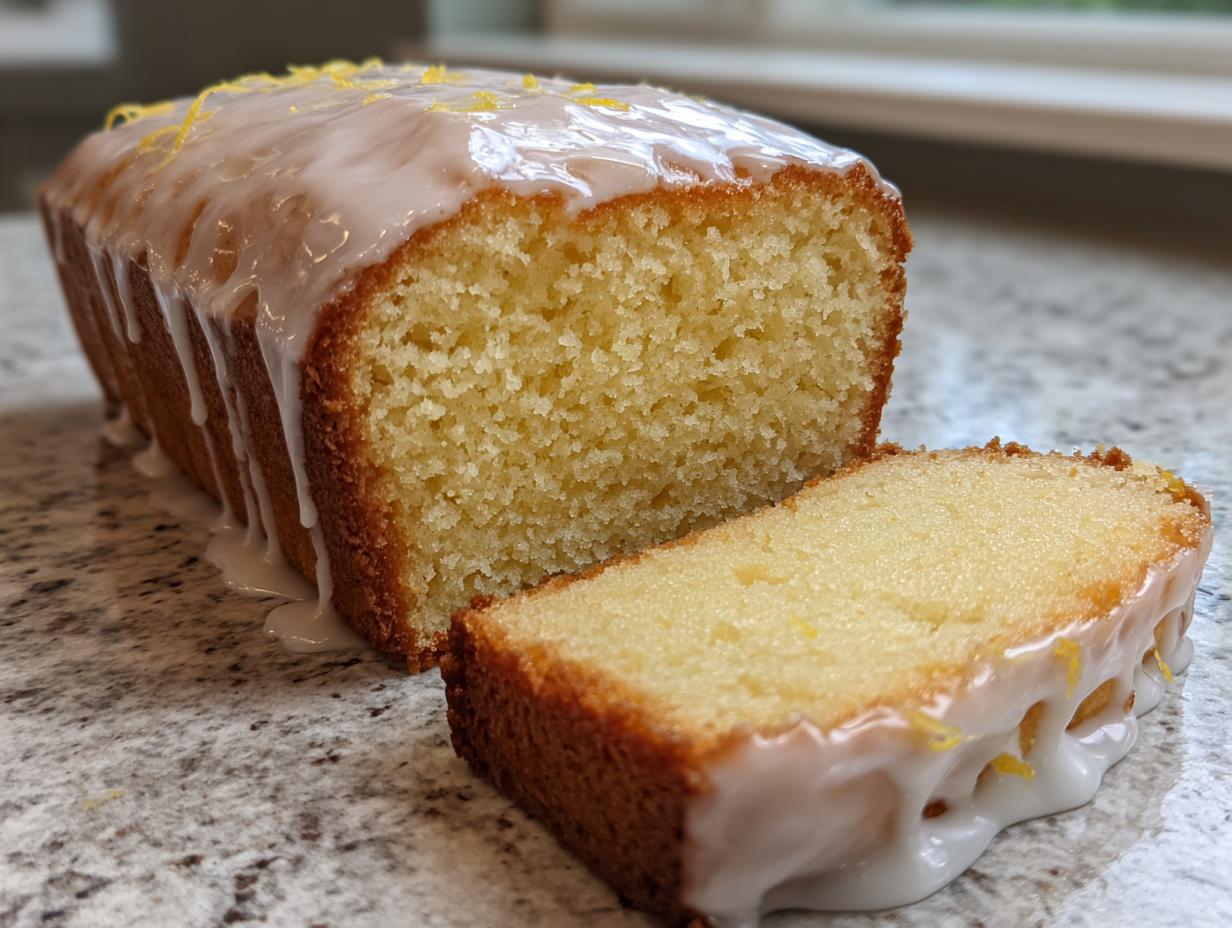
You know that feeling when you walk into a coffee shop and smell that distinct, bright, citrusy aroma? That perfect, slightly dense slice of heaven they call the lemon loaf? I spent way too much money chasing that feeling before I realized I could engineer a better version right here in my Chicago kitchen. As part of my mission here at Dishicious to optimize home cooking, this isn’t just any recipe; this is my ultra-moist, intensely zesty Starbucks copycat lemon loaf recipe. I’ve stripped away the complexity but kept every single flavor component that makes that bakery item so popular. Trust me, this lemon loaf works flawlessly.
- Why This Ultra-Moist Lemon Loaf Recipe Works
- Ingredients for Your Bakery Style Lemon Loaf
- Step-by-Step Instructions for the Quick Lemon Loaf
- Tips for the Perfect Lemon Loaf
- Ingredient Notes and Substitutions for Zesty Lemon Bread
- Serving Suggestions for Your Homemade Lemon Loaf
- Storage and Reheating Instructions for Your Lemon Loaf
- Frequently Asked Questions About This Starbucks Lemon Loaf Copycat
- Nutritional Estimates for One Slice of Lemon Loaf
Why This Ultra-Moist Lemon Loaf Recipe Works
When I optimize a recipe, I look for efficiency without sacrificing quality. This isn’t just another random recipe; it’s a system designed to deliver bakery results easily. That’s why this stands out as the moist lemon loaf recipe you need in your rotation. We’re aiming for that perfect intersection of quick baking time and maximum flavor payoff, kind of like my strategy for great lemon cookies.
- It’s quick—ready in just over an hour from start to finish, perfect for busy weeknights.
- The combination of syrup soak and yogurt guarantees an intensely flavorful and zesty lemon bread.
- It requires zero fancy equipment, just basic mixing bowls and your oven.
The Secret to a Tender Lemon Loaf Cake Crumb
The secret sauce for that tender crumb comes from two main players: melted butter and Greek yogurt. Melted butter keeps the final texture dense and satisfying—exactly how we want this loaf to be. The Greek yogurt adds necessary acid and moisture, preventing any hint of dryness. It’s all about controlled hydration here, folks.
Maximizing Zest for the Perfect Tangy Lemon Loaf Recipe
If you want real tang, you have to unlock the lemon oils, and that happens before any liquid goes in! My favorite expert hack is to rub the lemon zest directly into the granulated sugar until it smells intensely bright. This breaks down the zest and infuses the sugar completely. When you do this for your lemon loaf recipe, you capture every bit of citrus punch needed to make this loaf truly stand out.
Ingredients for Your Bakery Style Lemon Loaf
Laying out your ingredients upfront is the first step in any successful project, right? I call this prepping the inventory for my lemon loaf build. Getting everything measured and ready keeps the mixing phase smooth and prevents me from accidentally doubling up on the baking powder (oops!). Everything here is common, but the prep matters—we need fresh juice, not bottled stuff, to make sure that tang really pops! If you want a peek at how yogurt helps, check out my thoughts on the yogurt lemon loaf concept.
For the Lemon Loaf Batter
This is the main structure. Make sure your butter is melted but not piping hot before you start mixing. We need that precise measurement for the best texture.
- 1 3/4 cups all-purpose flour
- 1 1/2 teaspoons baking powder
- 1/2 teaspoon salt
- 1 cup granulated sugar
- Zest of 2 large lemons
- 2 large eggs
- 1/2 cup whole milk
- 1/2 cup plain Greek yogurt
- 1/2 cup unsalted butter, melted
- 1/4 cup fresh lemon juice
- 1 teaspoon vanilla extract
For the Lemon Syrup Soak
If you skip this soak, you miss out on true bakery-level moisture. This simple mixture is the key to delivering on that moist lemon loaf recipe promise right out of the oven. Don’t skip this flavor insurance plan!
- 1/4 cup granulated sugar
- 2 tablespoons fresh lemon juice
For the Sweet and Tangy Lemon Glaze
This is the beautiful, shiny capstone for your loaf. Finding the right consistency here is what makes the visual appeal of the lemon loaf with glaze so professional.
- 1 1/2 cups powdered sugar
- 3 tablespoons fresh lemon juice
Step-by-Step Instructions for the Quick Lemon Loaf
Okay, we’ve got the ingredients lined up—time to execute the build plan! Because we’re aiming for the quick lemon loaf experience, timing matters, especially that syrup soak. Remember, baking is chemistry, but it’s chemistry done simply. We want tender, not tough, so pay attention to the mixing instructions coming up. If you’re looking for other fast, high-impact recipes, check out my approach to enchilada pasta for dinner inspiration!
Preparing the Pan and Dry Mixture
First thing first: get that oven fired up to 350°F (175°C). Prep your 9×5 inch loaf pan—grease it well, flour it lightly, or use parchment paper with an overhang so you can lift the whole beautiful thing out later. In a medium bowl, just whisk the flour, baking powder, and salt together. That’s batch one done. Simple, right?
Combining Wet Ingredients and Flavor Building
This is where the magic smell starts. Take your 1 cup of sugar and rub in that lemon zest until you can practically taste the citrus fragrance rising off it. Whisk in your eggs next until they look lighter. Then, slowly incorporate the milk, yogurt, melted butter, 1/4 cup of lemon juice, and vanilla. Just mix until they look like a standard wet batter. No need for a stand mixer here; we’re keeping it easy!
Baking and Applying the Lemon Syrup Soak
Now add those dry ingredients to the wet, and I mean *gently*. Stir only until they disappear—seriously, stop mixing the second the streaks vanish. Overmixing is the enemy of a tender crumb! Pour it into your pan and bake for 50 to 60 minutes. While it bakes, quickly heat the syrup ingredients (sugar and 2 Tbsp juice) until the sugar melts. As soon as the loaf is done (test it with a skewer!), poke holes all over and brush that warm syrup directly onto the hot loaf. This step locks in the incredible moisture for that perfect moist lemon loaf recipe finish.
Finishing the Lemon Loaf with Glaze
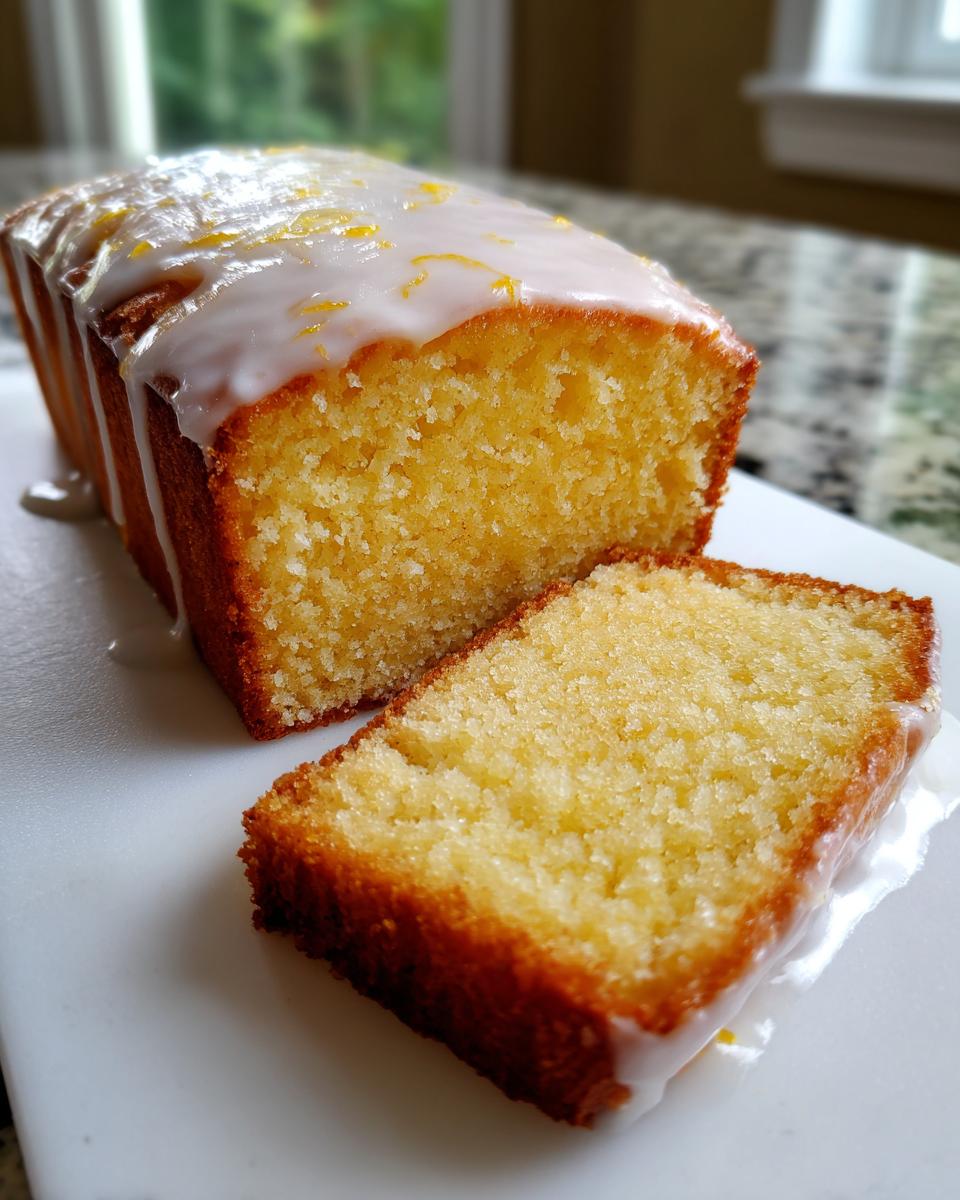
Let the loaf cool in the pan for about 15 minutes before you carefully transfer it to a wire rack to finish cooling down completely. You cannot glaze a warm loaf; the frosting will just disappear! Once it’s totally cool, whisk up your glaze ingredients—powdered sugar and 3 Tbsp of juice—until it’s thick but still runny enough to drizzle nicely. Drizzle it generously over the top and let it set. That’s the final touch for your perfect, shiny lemon loaf!
Tips for the Perfect Lemon Loaf
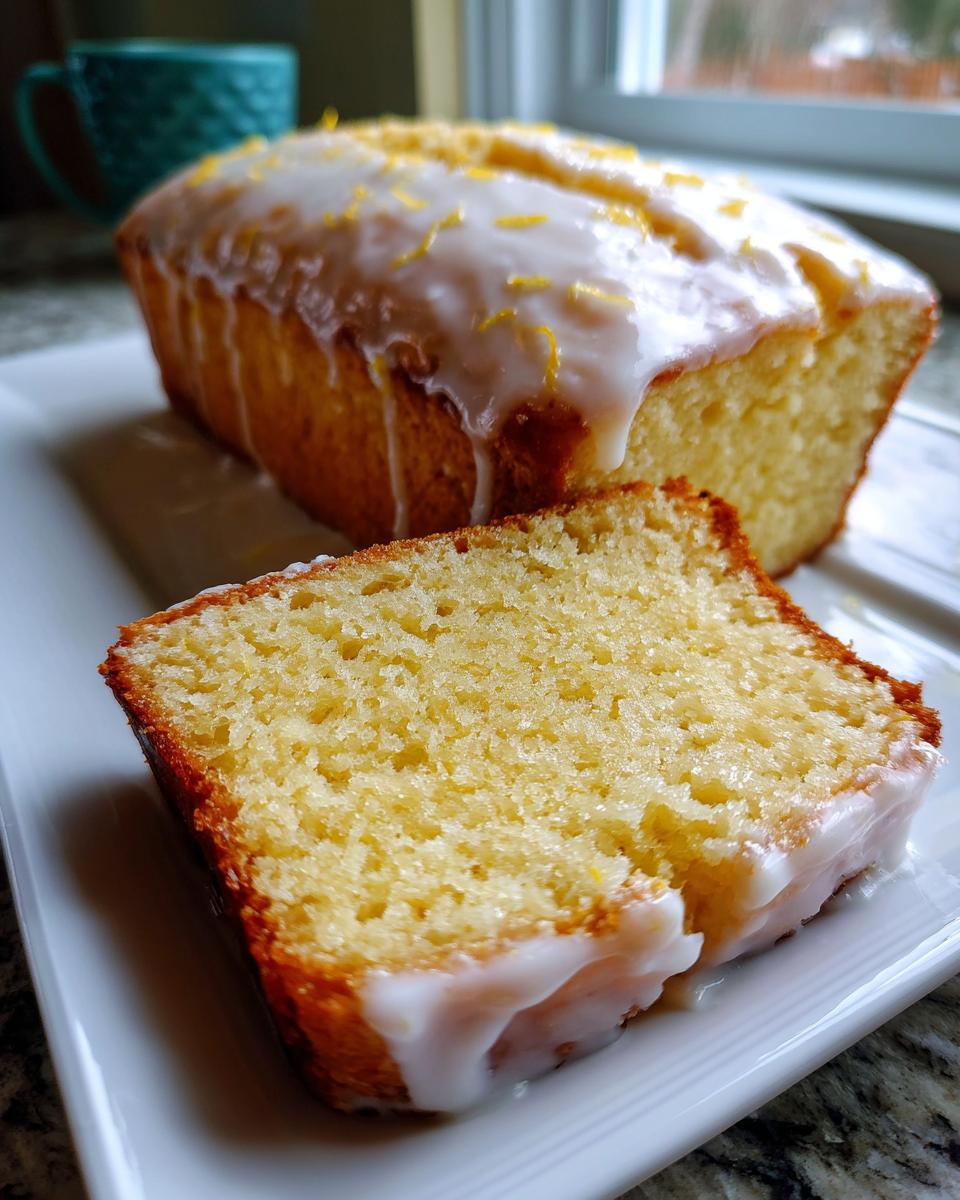
I know you followed the plan perfectly, but sometimes baking throws us a curveball! Getting that bakery style texture—that slightly domed top and the dense but springy interior—comes down to a couple of execution details I’ve refined over testing runs. When you’re aiming for the lemon loaf that truly tastes professional, pay attention to how you measure your flour. Don’t scoop it directly with the cup; gently spoon the flour into your measuring cup and level it off. This minor adjustment prevents you from adding too much dry product, which instantly kills the moisture. Plus, if you ever need inspiration for savory sides, check out my approach to copycat breadsticks!
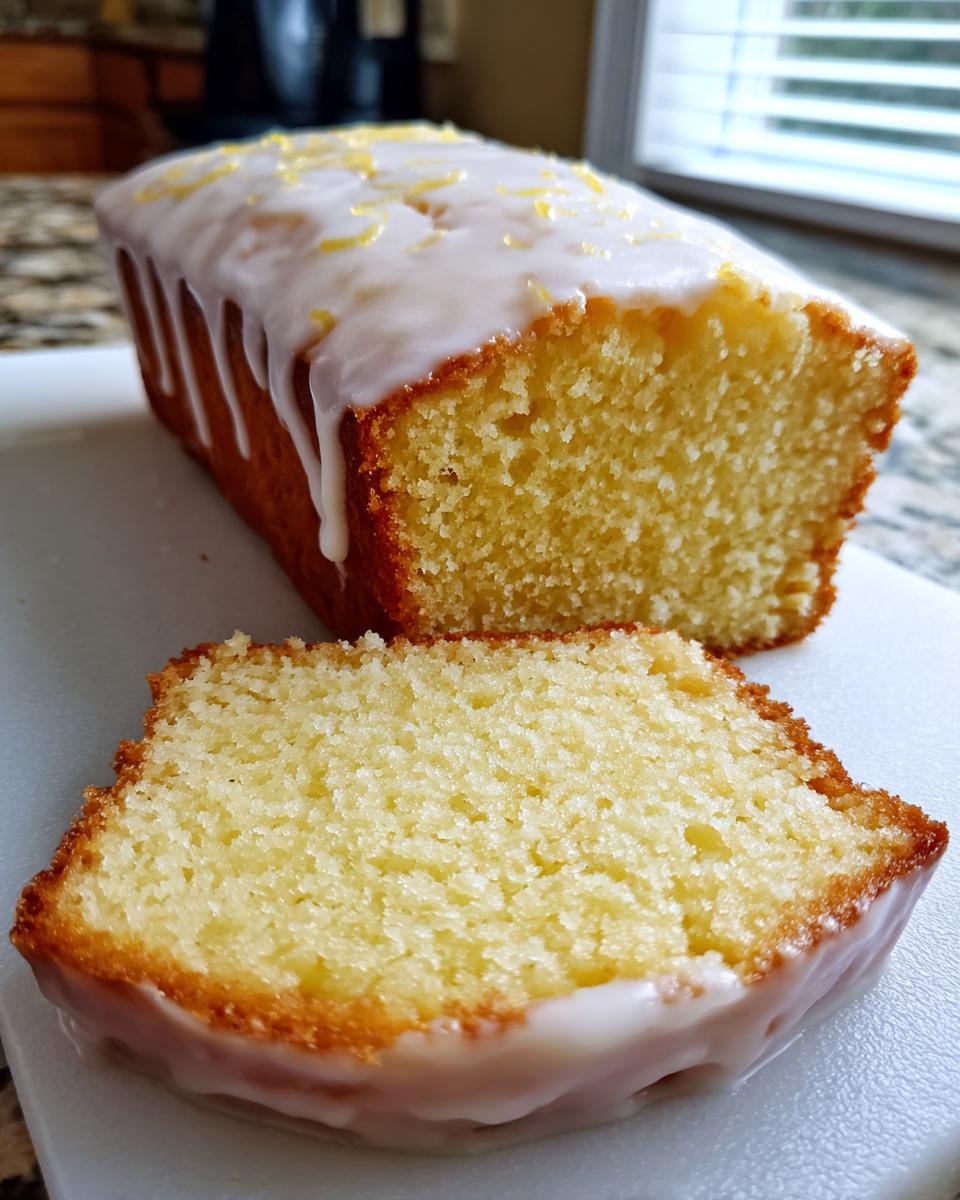
Another crucial point I learned managing this project: room temperature eggs. If your eggs are ice-cold, they fight the melted butter and sugar, leading to a slightly curdled batter look. Take them out while you’re zesting the lemons. Also, resist the urge to slice into it too soon after glazing! That final cooling period lets the glaze firm up and lets the syrup settle deep into the crumb, guaranteeing maximum moistness for every single slice.
Ingredient Notes and Substitutions for Zesty Lemon Bread
When we’re optimizing flavor, substitutions can be tricky, but I always want you to have options ready. For this zesty lemon bread, the fresh components are non-negotiable if you want the real citrus punch. I’m serious about that lemon juice: bottled juice just tastes flat compared to the real thing. Use fresh! If you’ve ever tasted the difference in my homemade mayo, you know exactly what I mean about freshness.
Now, let’s talk about the yogurt. I specified Greek yogurt because its lower water content and higher fat ratio provide structure and that slight tang we are chasing. If you only have regular plain yogurt, that will work, but you might need to strain it first to dump the excess liquid. Alternatively, sour cream is a decent 1:1 swap for Greek yogurt in a pinch. Just remember the goal: tenderness and moisture!
Serving Suggestions for Your Homemade Lemon Loaf
The beauty of a perfect, simple bake like this homemade lemon loaf is its versatility. It’s engineered to fit seamlessly into your schedule, whether you need a quick upgrade to your morning routine or a light finish to dinner. For breakfast, I love serving a thick slice alongside a hot coffee that needs a little brightness—it’s basically sunshine in portable form!
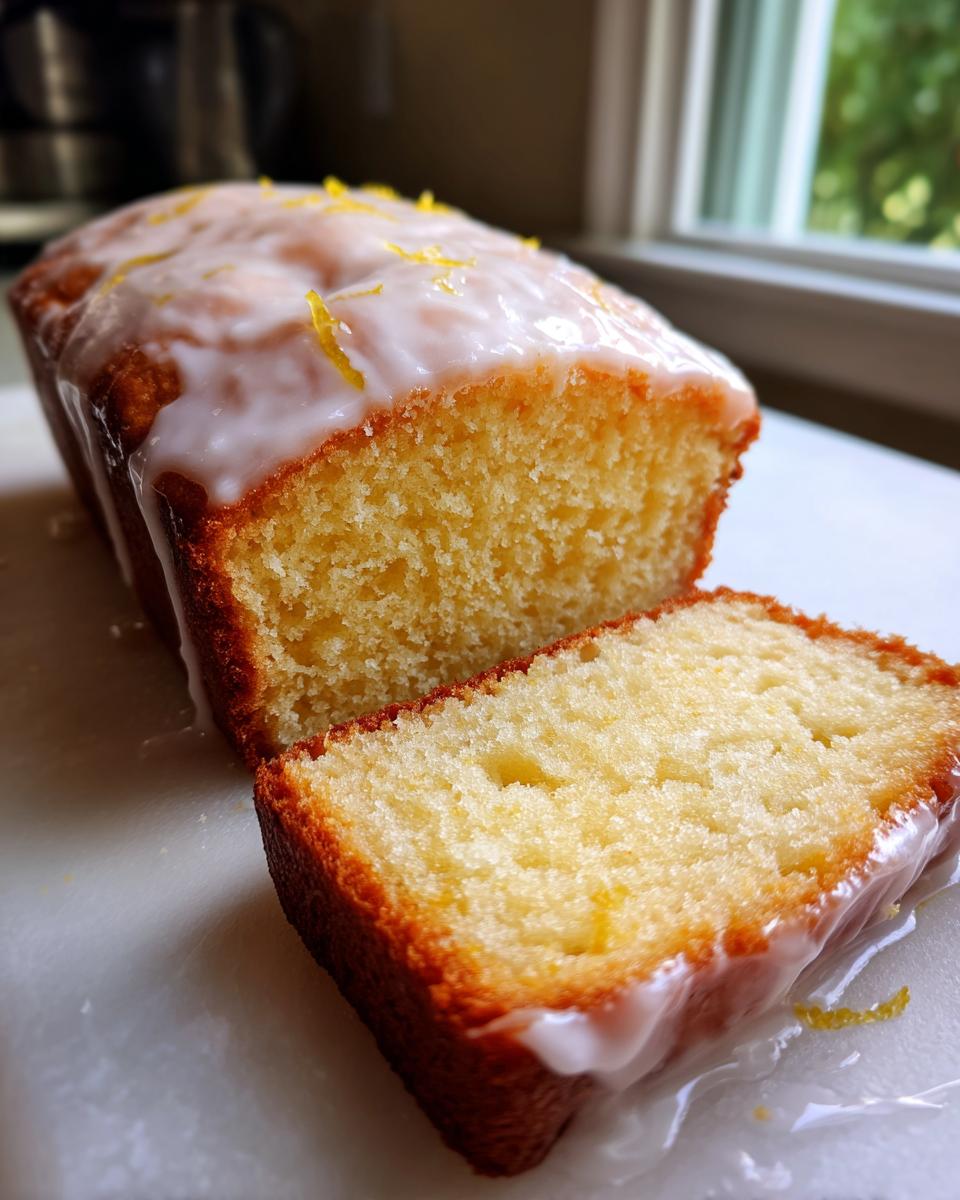
As an afternoon treat, this loaf is fantastic on its own. But if you’re feeling fancy, try serving it warmed slightly next to a tiny scoop of vanilla bean ice cream. It makes a surprisingly elegant dessert without any extra work. It’s such a reliable staple, check out my main page on easy breakfast and brunch ideas for more ways to use these quick bakes!
Storage and Reheating Instructions for Your Lemon Loaf
Because we put so much effort into making this the ultimate lemon loaf, we absolutely need a solid storage plan to lock in that moisture. If you have leftovers (which I sometimes struggle to—it’s dangerously good), wrap the remaining slices tightly in plastic wrap, and then place that bundle inside an airtight container. This keeps the surrounding air from drying out those tender edges.
It stays great on the counter, glazed side up, for about two days. If you need longer storage, this loaf freezes beautifully! Once the glaze is set, wrap the whole loaf tightly in plastic wrap, then add a layer of foil. It keeps well for up to two months. When you’re ready to enjoy it again, just let it thaw on the counter. A quick 10 seconds in the microwave warms it up perfectly, bringing that fresh-baked taste right back.
Frequently Asked Questions About This Starbucks Lemon Loaf Copycat
When you’re tackling a highly requested recipe like this, people always have specific checks to make sure it matches what they already love. I’ve gathered the most common questions about getting the texture and flavor just right for this iconic lemon loaf.
How do I make the glaze thicker or thinner?
Achieving the perfect pourable yet opaque glaze is all about the lemon juice ratio. If your glaze is too thin and runs right off when you drizzle it, you need more powdered sugar—add it one tablespoon at a time until it thickens up. If it’s too stiff for drizzling? Add a few drops of lemon juice. This fine-tuning is essential for getting that signature look of the Starbucks lemon loaf copycat.
Is this loaf truly as moist as the original cafe version?
Yes, I engineered it that way! The combination of the lemon syrup soak applied when the bread is hot and the use of Greek yogurt in the batter guarantees a superior crumb structure. While other recipes might dry out, my method focuses on two distinct moisture defense layers, making this the best tangy lemon loaf recipe for keeping fresh.
Can I skip the lemon syrup soak and just use the glaze?
Technically, you could, but I really advise against it if moisture is your goal. The glaze sits on top, but the syrup soaks deep into the crumb right after baking, penetrating the loaf while it’s hot. If you skip the soak, you miss out on that critical internal moisture boost that makes this lemon loaf so tender. It’s a key efficiency step that maximizes flavor!
What if I don’t have fresh lemons?
Look, I preach fresh ingredients, but I know life happens. If you absolutely must use bottled juice, do it sparingly, especially for the zest component—you simply cannot replicate fresh zest’s essential oils with anything bottled. If you use bottled juice, reduce the amount slightly at first because it tends to have a harsher, less bright flavor. For more quick, sweet ideas, have you looked at my cinnamon roll muffins yet?
Nutritional Estimates for One Slice of Lemon Loaf
Now, I’m not a nutritionist, I’m a project manager who learned how to bake efficiently, so take these numbers as good starting points! Based on the ingredients list for 8 to 10 servings, here is the estimated breakdown per slice. Remember, because we’re using real ingredients like butter and sugar, it’s a treat, not a diet staple! For the full breakdown, I use standard online calculators, but these estimates keep us in the loop.
- Calories: 350
- Sugar: 35g
- Fat: 16g
- Carbohydrates: 50g
- Protein: 5g
This is based on dividing the entire yield into 10 average slices. If you cut thicker, those numbers will shift slightly. Enjoy responsibly!
PrintUltra-Moist Lemon Loaf with Tangy Glaze (Starbucks Copycat Style)

Make the perfect bakery-style lemon loaf at home. This recipe delivers an ultra-moist, tender crumb packed with zesty lemon flavor, topped with a sweet and tangy lemon glaze. It is a quick, easy recipe for breakfast or dessert.
- Prep Time: 15 min
- Cook Time: 55 min
- Total Time: 70 min
- Yield: 1 loaf (8-10 servings) 1x
- Category: Dessert
- Method: Baking
- Cuisine: American
- Diet: Vegetarian
Ingredients
- 1 3/4 cups all-purpose flour
- 1 1/2 teaspoons baking powder
- 1/2 teaspoon salt
- 1 cup granulated sugar
- Zest of 2 large lemons
- 2 large eggs
- 1/2 cup whole milk
- 1/2 cup plain Greek yogurt
- 1/2 cup unsalted butter, melted
- 1/4 cup fresh lemon juice
- 1 teaspoon vanilla extract
- For the Lemon Syrup: 1/4 cup granulated sugar and 2 tablespoons fresh lemon juice
- For the Glaze: 1 1/2 cups powdered sugar and 3 tablespoons fresh lemon juice
Instructions
- Preheat your oven to 350°F (175°C). Grease and flour a standard 9×5 inch loaf pan, or line it with parchment paper, leaving an overhang for easy removal.
- In a medium bowl, whisk together the flour, baking powder, and salt. Set this dry mixture aside.
- In a large bowl, combine the 1 cup of granulated sugar and the lemon zest. Rub the zest into the sugar with your fingers until the sugar is fragrant and pale yellow. This releases the essential oils for maximum flavor.
- Add the eggs to the lemon sugar mixture and whisk until light and combined.
- Whisk in the milk, Greek yogurt, melted butter, 1/4 cup of lemon juice, and vanilla extract until the wet ingredients are smooth.
- Gradually add the dry ingredients to the wet ingredients, mixing only until just combined. Do not overmix; a few small lumps are acceptable.
- Pour the batter evenly into your prepared loaf pan.
- Bake for 50 to 60 minutes, or until a wooden skewer inserted into the center comes out clean.
- While the loaf is baking, prepare the lemon syrup: In a small saucepan, combine the 1/4 cup sugar and 2 tablespoons lemon juice. Heat over medium-low heat, stirring until the sugar dissolves completely. Remove from heat.
- As soon as the loaf comes out of the oven, immediately poke holes all over the top surface using the skewer or a fork. Brush or drizzle the warm lemon syrup evenly over the hot loaf. Let the loaf cool in the pan for 15 minutes.
- Carefully remove the loaf from the pan and transfer it to a wire rack to cool completely.
- Prepare the glaze: Whisk together the powdered sugar and 3 tablespoons of lemon juice until smooth. Adjust the liquid slightly to reach a thick but pourable consistency.
- Once the loaf is completely cool, drizzle the lemon glaze over the top. Allow the glaze to set before slicing and serving your perfect lemon loaf.
Notes
- For the best moisture, measure your flour by spooning it into the measuring cup and leveling it off, rather than scooping directly from the bag.
- If you prefer a thicker glaze, use less lemon juice in the final step. If you want a thinner drizzle that soaks in more, add a few extra drops of juice.
- This recipe makes a bakery style lemon loaf that is excellent for breakfast or an afternoon snack.
Nutrition
- Serving Size: 1 slice
- Calories: 350
- Sugar: 35g
- Sodium: 250mg
- Fat: 16g
- Saturated Fat: 9g
- Unsaturated Fat: 7g
- Trans Fat: 0g
- Carbohydrates: 50g
- Fiber: 1g
- Protein: 5g
- Cholesterol: 60mg