

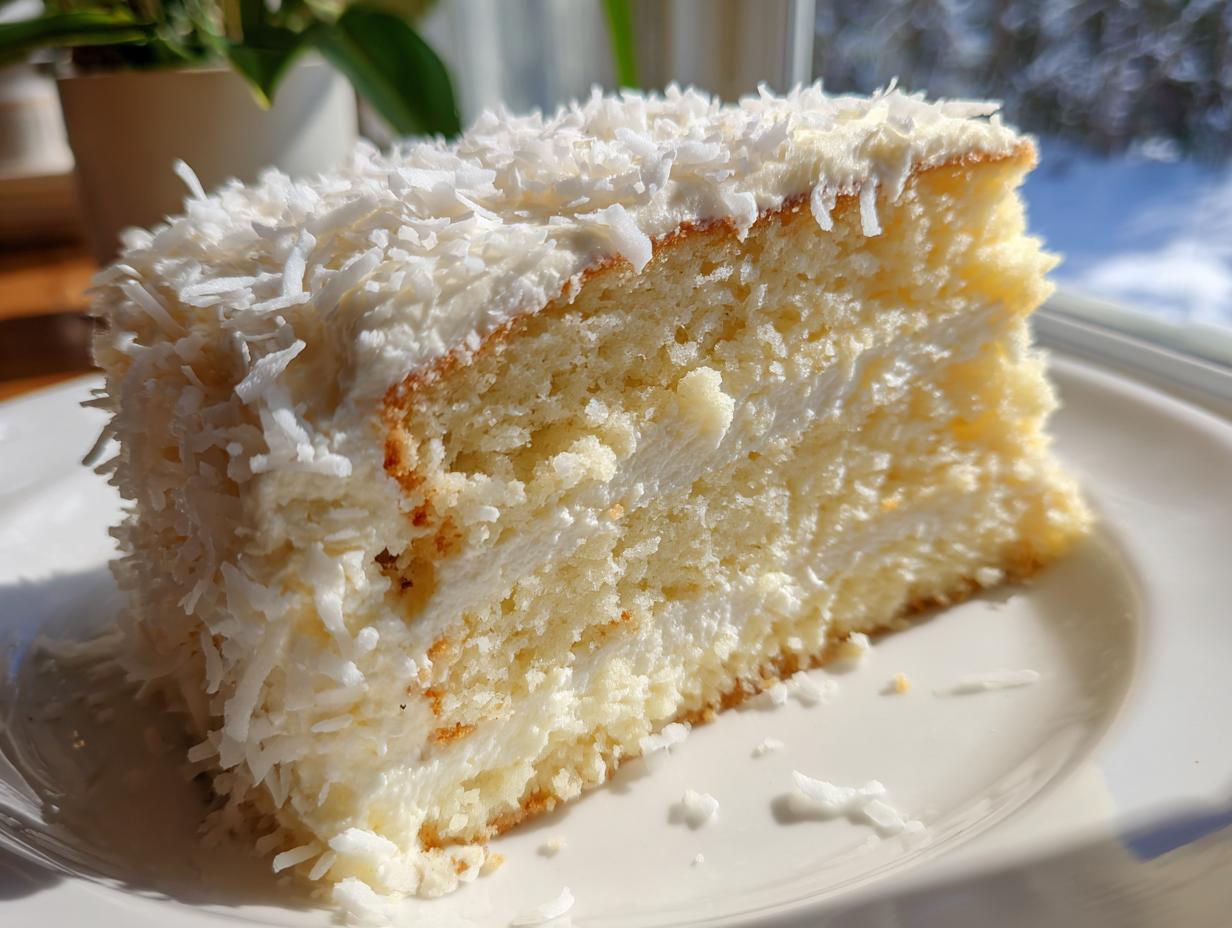
There is something about a towering, perfectly frosted coconut cake that just screams celebration. You know the one—it smells like a tropical vacation mixed with pure, nostalgic comfort. I spent ages perfecting this because I wanted a cake that was deeply flavorful, incredibly moist, and genuinely fluffy, not heavy or crumbly like some others I’ve tried.
After testing and re-coding the structure (my project manager background finally paid off!), I landed here. Trust me, this is the best coconut cake recipe you’ll ever need for achieving that perfect, decadent layer cake from scratch. It’s built for maximum impact with streamlined steps.
- Why This is the Best Coconut Cake Recipe You Will Make
- Ingredients for Your Homemade Coconut Cake from Scratch
- Step-by-Step Instructions for the Classic Coconut Cake Recipe
- Tips for a Bakery Style Coconut Cake Success
- Variations on the Classic Coconut Cake Recipe
- Serving Suggestions for Your Decadent Coconut Dessert
- Storage and Reheating the Homemade Coconut Cake Recipe
- Frequently Asked Questions About This Coconut Cake Recipe
- Estimated Nutritional Data for This Coconut Cake Recipe
Why This is the Best Coconut Cake Recipe You Will Make
Look, I’m not a professional baker, I’m just good at process engineering, and that’s why this cake works so well every time. We build in the moisture and flavor right from the start so you don’t have to worry later. You get that bakery style finish with just straightforward home methods, which is what Dishicious is all about. If you love a truly decadent experience, check out how we handle moisture in our strawberry cake recipe too!
Achieving a Truly Moist Coconut Cake
Moisture is non-negotiable for me, and that’s where the buttermilk comes into play. Its slight acidity tenderizes the gluten in the flour, giving you layers that feel soft, not stiff. Plus, we use a specific ratio of butter and liquid that keeps the crumb tender even after it cools completely. You’ll find this just doesn’t dry out after a day.
The Secret to Intense Coconut Flavor in This Coconut Cake Recipe
We don’t get a weak, afterthought coconut flavor here! The trick is doubling down: we use a full cup of sweetened flaked coconut *in* the batter, and we sneak in coconut milk alongside the regular liquids. This ensures the tropical flavor permeates every single bite of this Coconut Cake Recipe, making it unforgettable.
Ingredients for Your Homemade Coconut Cake from Scratch
When I engineer a recipe, clarity in the ingredient list is step one. No guesswork allowed! I’ve broken this down so you grab everything you need for the fluffy cake layers and the creamy frosting in one go. Having the butter softened ahead of time is key to keeping your batter smooth, just like my process for making a quick cream cheese frosting.
For the Fluffy Coconut Cake Layers
- 1 3/4 cups all-purpose flour
- 1 3/4 cups granulated sugar
- 1 tablespoon baking powder
- 1/2 teaspoon salt
- 1 cup unsalted butter, softened (this must be softened, not melted!)
- 4 large eggs
- 1 cup buttermilk (this is important for tenderness)
- 1 teaspoon vanilla extract
- 1/2 cup unsweetened coconut milk
- 1 cup sweetened flaked coconut, plus more for coating later
For the Creamy Coconut Cake Frosting
This frosting is where things get really decadent. Using both butter and cream cheese gives it that perfect balance of tang and richness that holds up beautifully on the cake.
- 1 cup cream cheese, softened
- 1/2 cup unsalted butter, softened
- 4 cups powdered sugar (sift this if you have time, trust me!)
- 1 teaspoon coconut extract (this punches up the flavor!)
- 1/4 cup heavy cream
Step-by-Step Instructions for the Classic Coconut Cake Recipe
Okay, this is where we put the plan into action. Baking is just a project with a deadline, right? We need to hit those internal temperatures and mixing times exactly to ensure this cake comes out beautiful and moist. I’ve broken down the process so you build that structure perfectly before we even think about topping it with that amazing frosting. If you love a stable frosting, my vanilla buttercream guide has some crossover blending tips!
Mixing the Moist Coconut Cake Batter
First things first: get that oven preheated to 350°F (175°C). Prepare three 8-inch round pans—grease them, flour them, and I always cut a circle of parchment paper for the bottom just to guarantee release. Don’t skip that parchment!
In your big bowl, whisk the dry stuff: flour, sugar, baking powder, and salt. Now, add the softened butter. I mean soft, guys, but not oily. Beat this on low speed until it looks like coarse, wet sand. This step gently incorporates air.
In a separate area, mix your wet elements: the eggs, buttermilk, that lovely vanilla, and the coconut milk. Now, here’s the critical process control: gradually add the wet mixture into the dry, mixing on low speed just until it *comes together*. Seriously, stop mixing! Overmixing develops gluten, and we want fluffy, not tough.
Finally, fold in that cup of interior sweetened coconut by hand. Use your spatula, gently, until you don’t see any major streaks. That batter is ready for the pans.
Baking and Cooling the Coconut Layer Cake
Divide that batter evenly between your three prepared pans. Pop them in the oven for about 25 to 30 minutes. How do you check? Try the wooden pick test—it should come out clean or with just a few moist crumbs clinging to it. Nothing wet!
Once they’re done, let them hang out in the pans for exactly 10 minutes. If you wait too long, they stick. If you pull them too soon, they tear. Then, flip them out onto a wire rack to cool completely. They *must* be totally cool before frosting, or your beautiful coconut cream cheese frosting will just melt into a puddle.
Preparing the Coconut Cream Cheese Frosting
While those layers chill out, let’s build the topping. Beat your softened cream cheese and softened butter together first until they become one smooth, gorgeous entity. We are eliminating lumps before we add sugar!
Start slowly adding the powdered sugar until it’s combined, and then bring in the flavor—that coconut extract along with the heavy cream. Beat this until it’s light and creamy. Taste it. Yes, it’s perfect.
Assembling Your Perfect Coconut Cake Recipe
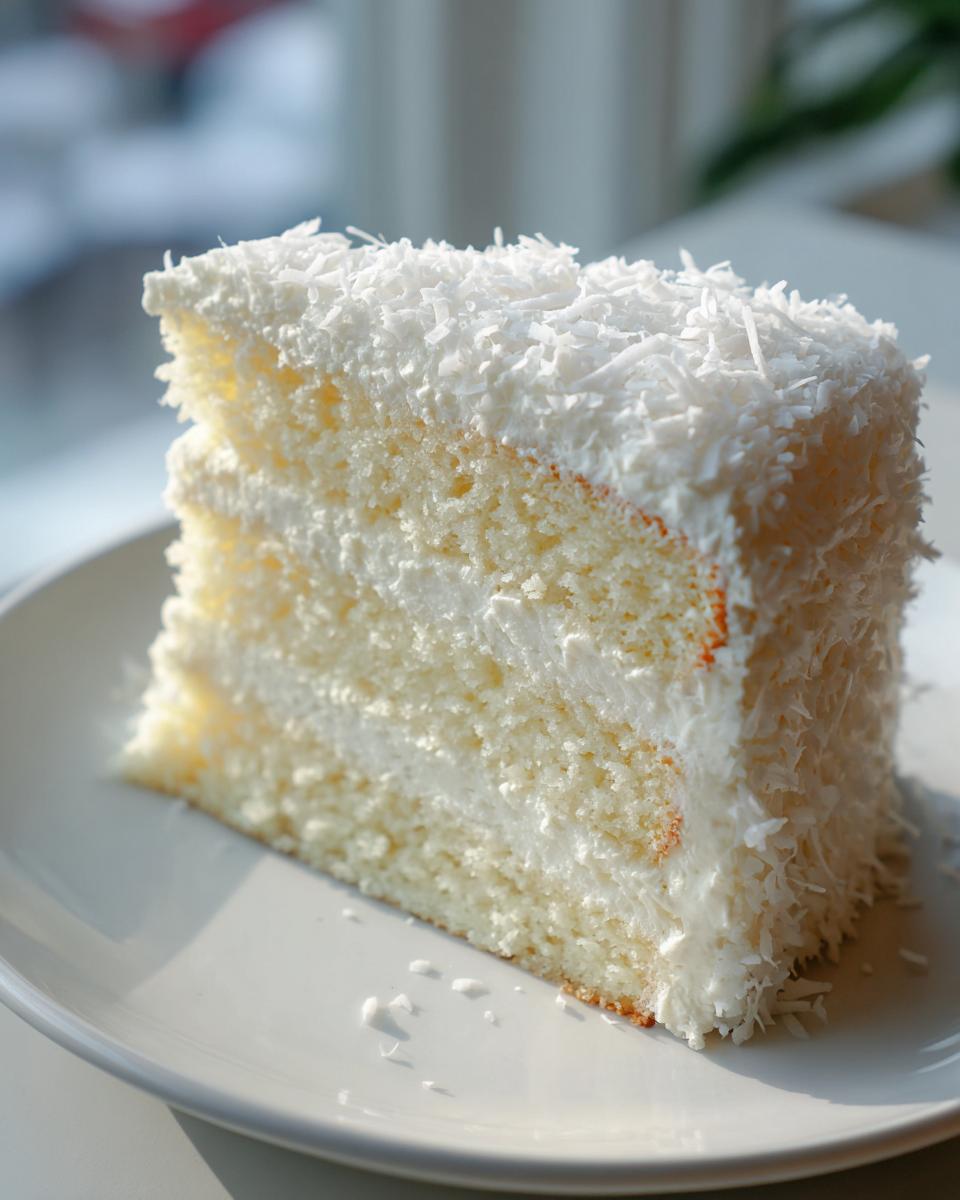
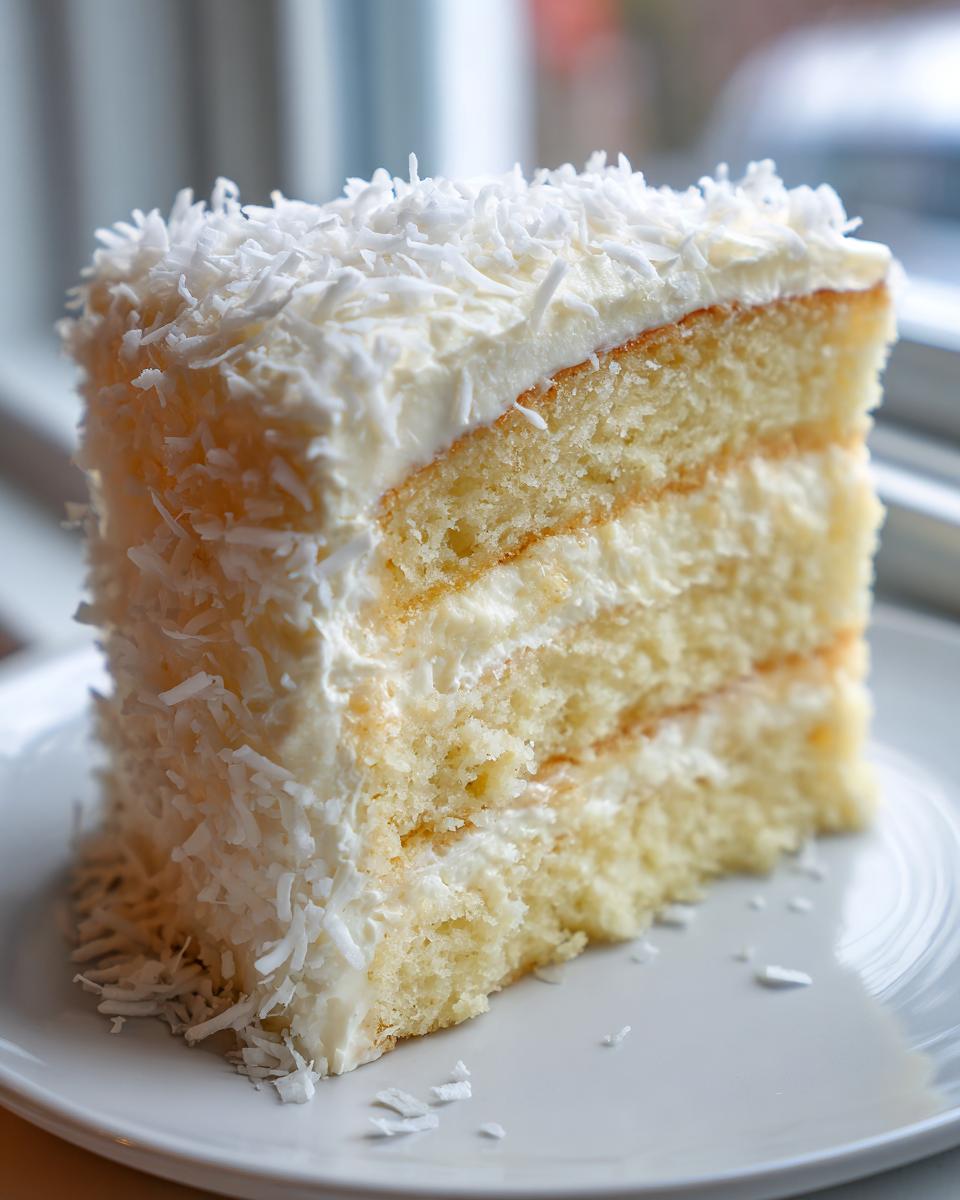
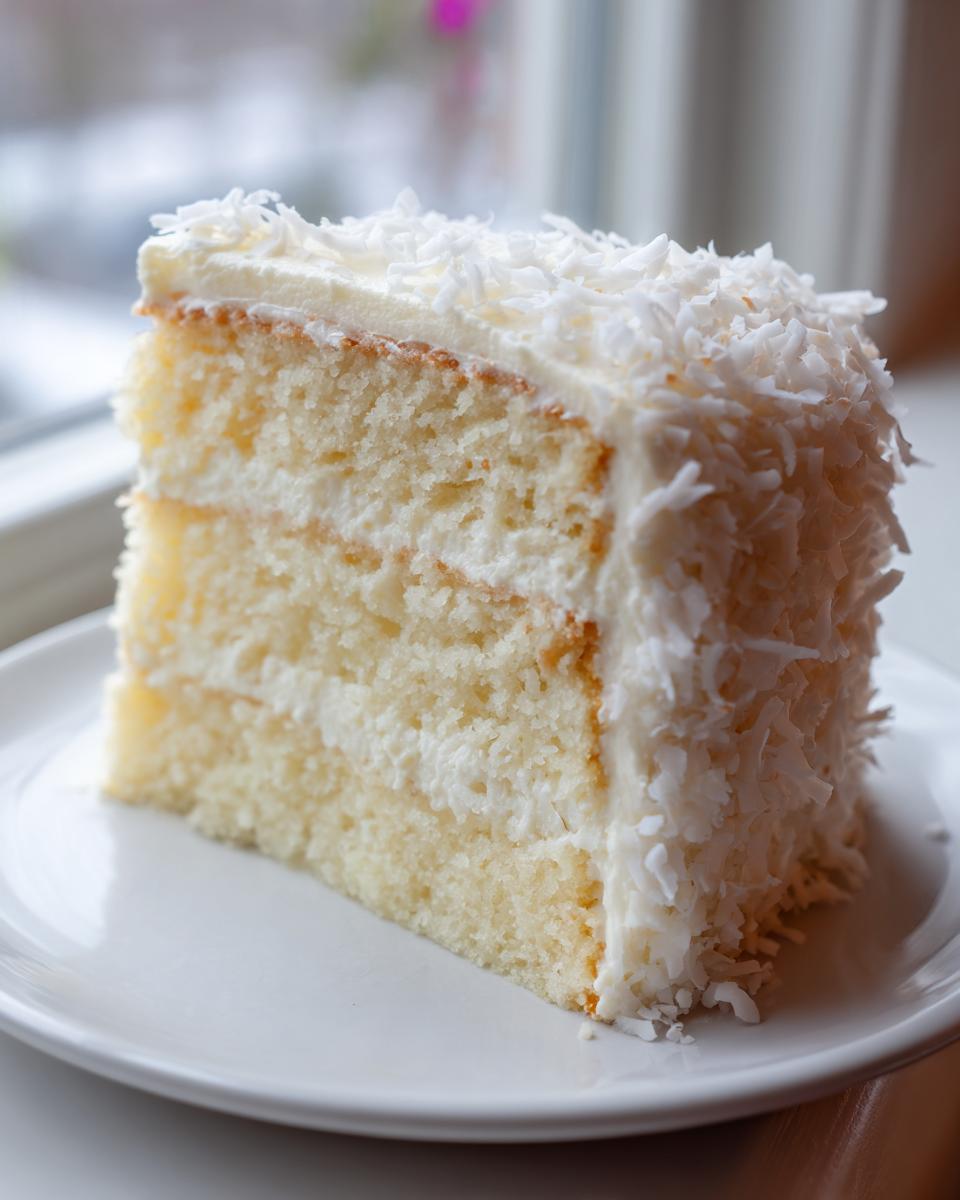
Time for the grand finale! Place your first cooled layer down. I skip the crumb coat because the texture is so stable, but you certainly can do one if you like! Spread a generous, even layer of that coconut cream cheese frosting on top, and then sprinkle on some extra flaked coconut.
Repeat that for the second layer. Then, place your final top layer on. Frost the top and the sides completely smooth. Now, take that extra flaked coconut and press it gently onto the sides and top. This final step gives you that incredible, professional-looking finish for your Coconut Cake Recipe.
Tips for a Bakery Style Coconut Cake Success
Even with a great process laid out, sometimes tiny details separate a good cake from a stunning one. Since I approach baking like a system that needs fine-tuning, I’ve gathered a few non-negotiable tips that elevate this dessert to that high-end bakery experience without requiring you to hunt down specialty tools. It’s all about managing your components correctly, especially temperature.
Ingredient Temperature Matters for This Coconut Cake Recipe
This is where so many home cooks lose out on that fluffy texture. Your butter and cream cheese *must* be at room temperature for the frosting, obviously. But for the cake batter, your eggs, buttermilk, and coconut milk need to be slightly warm or, at least, not ice cold straight from the fridge. Cold ingredients shock the creamed fat and sugar mixture, which deflates those air pockets we worked so hard to create.
When the fats and liquids are properly emulsified because they are all at a similar temperature, your batter stays stable. This is crucial for the airy structure you expect from the Coconut Cake Recipe. If the layers aren’t holding air, they won’t be fluffy!
Toasting Coconut for Deeper Flavor
You might be tempted to just throw that sweetened, flaked coconut right onto the frosting. Don’t do it! To unlock that deep, nutty, tropical flavor that separates the good cakes from the great ones, you absolutely need to toast your outside coconut. It takes five minutes, tops.
Spread the shredded coconut evenly on a dry baking sheet—no oil needed. Slide it into a 325°F (160°C) oven, and watch it like a hawk. Seriously, it goes from golden brown to charcoal in about 60 seconds. If you’re interested in other ways to boost flavor in recipes, I use a similar low-and-slow heat method for caramelizing onions in my chocolate meringue pie filling guide.
Pull it out when it looks gorgeously golden (about 5 to 8 minutes total, depending on your oven). Let it cool completely on the sheet before you press it onto the sides of your cake. That crunchy, toasted texture against the creamy frosting? Absolute perfection.
Variations on the Classic Coconut Cake Recipe
I love that this classic recipe is so robust, it handles slight changes really well. Sometimes you want that classic Southern celebration cake feel, and sometimes you want to shake things up a bit while still delivering on that intense coconut experience people expect from a great Coconut Cake Recipe.
Because you asked about tropical cake recipes and different layering styles, here are a couple of ways you can tweak this foundation. If you love citrus alongside your coconut, adapting this into a zesty powerhouse is surprisingly easy. For instance, if you ever make my cranberry orange bundt cake, you know how much a little unexpected citrus can lift a heavy dessert—we can do that here too!
Making an Old Fashioned Coconut Cake with Different Frosting
While I stand by the cream cheese frosting—it’s the perfect counterpoint to the sweetness—I know some folks prefer a lighter, purely sweet frosting, especially if they are going for that super-white coconut look. If cream cheese isn’t your jam, you have a couple of classic options to try instead.
My first suggestion for a truly old fashioned coconut cake is moving to a Seven-Minute Frosting. It’s marshmallow-fluffy, bright white, and cooks up into a sturdy meringue topping. It requires slightly more vigilance than our simple cream cheese mix, but the texture is unbeatable for light cakes.
Another option, especially if you want to keep things incredibly simple, is just using a very high-quality vanilla buttercream base (like the one I detailed in my guide, just without vanilla extract, swapping it for more coconut extract). You still get that necessary structure to stack the layers, but the flavor profile leans sweeter and less tangy. Either way, you’ll still load up the exterior with that toasted coconut for texture!
Serving Suggestions for Your Decadent Coconut Dessert
You’ve baked this masterpiece from scratch; now, how do you present it? This rich, sweet Southern coconut cake deserves a spot center stage, whether it’s for a big family gathering or just a Tuesday when you deserve something spectacular. Because it’s so rich, you don’t need a dozen complex sides, just a few thoughtful pairings.
For holidays like Easter or Mother’s Day, where you might want something slightly lighter alongside it, I like to play up the tropical notes. A slice of this cake pairs unbelievably well with a simple, slightly tart fruit salad. Think kiwi, fresh pineapple chunks, and mango. The acidity cuts through the richness of that coconut cream cheese frosting perfectly, making each bite feel balanced.
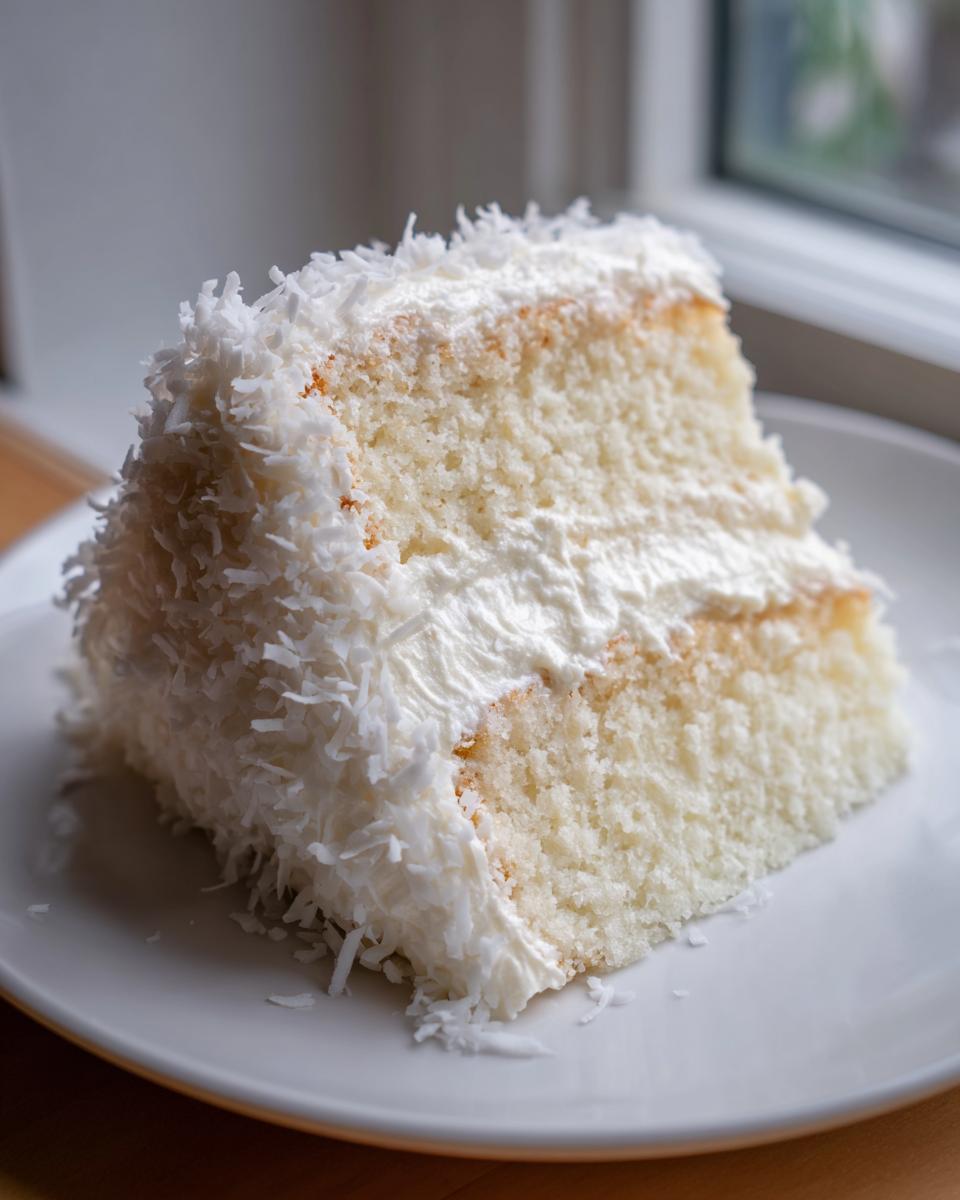
If you are presenting this as a birthday cake or for a special centerpiece dessert, sometimes the presentation is everything. Because this is such a **Decadent Coconut Dessert**, keep the drinks light. I highly recommend a cold glass of milk—old school, I know, but it lets the cake shine. If you are serving adults, a slightly chilled Moscato or a delicate prosecco works wonderfully; the bubbles cleanse the palate between bites of that fluffy coconut layer cake.
If you’re looking for inspiration on how to adapt this stunning cake shape for other holidays, check out my ideas for a festive holiday coconut cake! It proves this base recipe is versatile enough for any celebration.
Storage and Reheating the Homemade Coconut Cake Recipe
Now that we’ve engineered the perfect cake, we need a plan for preservation. Nobody wants to waste a slice of this spectacular cake, especially if you’ve put in the work to make your Coconut Cake Recipe totally from scratch. Since our frosting relies on that delicious, tangy cream cheese base, we have to be smart about storage to keep everything safe and tasting exactly as fresh as when you first assembled it.
For short-term storage—say, the next two or three days—the best system is airtight containment in the refrigerator. Make sure you’ve chilled the fully frosted cake for about 30 minutes first—that helps the frosting set up so it doesn’t get smashed when you cover it. Once set, cover it loosely with plastic wrap or, even better, use a large cake dome with a tight base. Refrigeration keeps that cream cheese frosting firm and prevents any spoilage.
If you are planning way ahead, freezing works great for this structure too. The cake layers freeze wonderfully on their own. Wrap cooled, unfrosted layers tightly in plastic wrap, and then give them a heavy foil wrapping to prevent freezer burn. I skip the frosting for longer storage. When you’re ready to use them, thaw them overnight in the fridge before you frost them. I use a similar freezing strategy when prepping dough for my homemade bread bowls!
When it comes to serving leftovers, remember that cold cake always tastes a little dense. Take your slice of Homemade Coconut Cake Recipe out of the fridge about 30 to 45 minutes before you plan to eat it. Letting it come back up to a slightly warmer temperature lets the butter in the cake and frosting soften up again, delivering that soft, moist texture we worked so hard to achieve.
Frequently Asked Questions About This Coconut Cake Recipe
I know you have questions when you’re tackling a fantastic recipe like this. It’s natural! I designed these steps to be as foolproof as possible, but sometimes a little extra insight helps you feel completely confident before you even turn on the mixer. If you’re interested in baking in smaller batches, these tips might also help you nail my coconut cupcake recipe too!
Can I use cake mix instead of making this Coconut Cake from Scratch?
You totally *can* use a white cake mix as a base if you’re in a mega rush, but honestly, that’s where you lose the magic! The reason this Coconut Cake from Scratch turns out so beautifully moist and fluffy is entirely due to the ratio of buttermilk, coconut milk, and the slow creaming of the butter and sugar. A boxed mix is designed for simplicity, but it won’t achieve that deep flavor or that specific tender crumb we worked so hard to engineer here. For the best results, stick to the full scratch recipe!
How do I keep my Coconut Layer Cake from drying out during assembly?
This is a common issue, especially if you live in a dry climate or if the layers cooled down too fast. The best defense is a technique I borrowed from professional bakers: the ‘seal and chill.’ Once your cakes are completely cool, before you start your main frosting layer, take a very thin layer—maybe even half the thickness of what you’d use for the final coat—of your coconut cream cheese frosting and spread it thinly over the top of each layer, right up to the edge.
This thin layer acts like a moisture barrier, trapping all the deliciousness inside the cake. Then, chill the layers for about 15 minutes. Once that thin layer firms up, you can apply the remaining, thicker layer of frosting without having crumbs mix into your beautiful white finish. It’s a simple step that ensures your Fluffy Coconut Cake stays perfect!
Estimated Nutritional Data for This Coconut Cake Recipe
As a process-driven cook, I always want to know the output metrics. Just like managing project timelines, understanding the nutritional delivery is important for planning any gathering or special treat. Please keep in mind that these numbers are estimates based on standard ingredient quantities and portion sizes calculated over 12 slices. If you substitute ingredients—say, using low-fat cream cheese—the final numbers will shift. This provides a reliable baseline for our decadent dessert!
- Serving Size: 1 slice
- Calories: 480
- Sugar: 55g
- Sodium: 280mg
- Fat: 26g
- Saturated Fat: 16g
- Unsaturated Fat: 10g
- Trans Fat: 0.5g
- Carbohydrates: 60g
- Fiber: 1g
- Protein: 5g
- Cholesterol: 95mg
The Best Moist and Fluffy Classic Coconut Layer Cake from Scratch
You can make this old fashioned coconut cake from scratch. This recipe delivers incredibly moist cake layers and a creamy coconut cream cheese frosting, perfect for any celebration.
- Prep Time: 30 min
- Cook Time: 30 min
- Total Time: 1 hour 30 min
- Yield: 12 servings 1x
- Category: Dessert
- Method: Baking
- Cuisine: American
- Diet: Vegetarian
Ingredients
- 1 3/4 cups all-purpose flour
- 1 3/4 cups granulated sugar
- 1 tablespoon baking powder
- 1/2 teaspoon salt
- 1 cup unsalted butter, softened
- 4 large eggs
- 1 cup buttermilk
- 1 teaspoon vanilla extract
- 1/2 cup unsweetened coconut milk
- 1 cup sweetened flaked coconut, plus more for coating
- 1 cup cream cheese, softened
- 1/2 cup unsalted butter, softened
- 4 cups powdered sugar
- 1 teaspoon coconut extract
- 1/4 cup heavy cream
Instructions
- Preheat your oven to 350°F (175°C). Grease and flour three 8-inch round cake pans. Line the bottoms with parchment paper.
- In a large bowl, whisk together the flour, sugar, baking powder, and salt.
- Add the 1 cup of softened butter to the dry ingredients. Beat with an electric mixer on low speed until the mixture resembles coarse sand.
- In a separate bowl, whisk together the eggs, buttermilk, vanilla extract, and coconut milk.
- Gradually add the wet ingredients to the dry ingredients, mixing on low speed until just combined. Do not overmix.
- Stir in the 1 cup of sweetened flaked coconut by hand.
- Divide the batter evenly among the prepared cake pans.
- Bake for 25 to 30 minutes, or until a wooden pick inserted into the center comes out clean. Let the cakes cool in the pans for 10 minutes before inverting them onto a wire rack to cool completely.
- Prepare the coconut cream cheese frosting: In a large bowl, beat the softened cream cheese and 1/2 cup softened butter until smooth.
- Gradually add the powdered sugar, beating until combined.
- Mix in the coconut extract and heavy cream until the frosting is light and creamy.
- Once the cake layers are completely cool, place one layer on a serving plate. Spread a layer of frosting over the top. Sprinkle with flaked coconut.
- Repeat with the second layer. Place the final layer on top. Frost the top and sides of the entire cake with the remaining frosting.
- Press extra sweetened flaked coconut onto the top and sides of the cake for a bakery style finish.
Notes
- For an extra intense coconut flavor, lightly toast the flaked coconut before using it to coat the outside of the cake.
- If you want a slightly tangier frosting, substitute sour cream for the heavy cream in the frosting recipe.
- Chill the frosted cake for 30 minutes before slicing to help the layers set.
Nutrition
- Serving Size: 1 slice
- Calories: 480
- Sugar: 55g
- Sodium: 280mg
- Fat: 26g
- Saturated Fat: 16g
- Unsaturated Fat: 10g
- Trans Fat: 0.5g
- Carbohydrates: 60g
- Fiber: 1g
- Protein: 5g
- Cholesterol: 95mg