

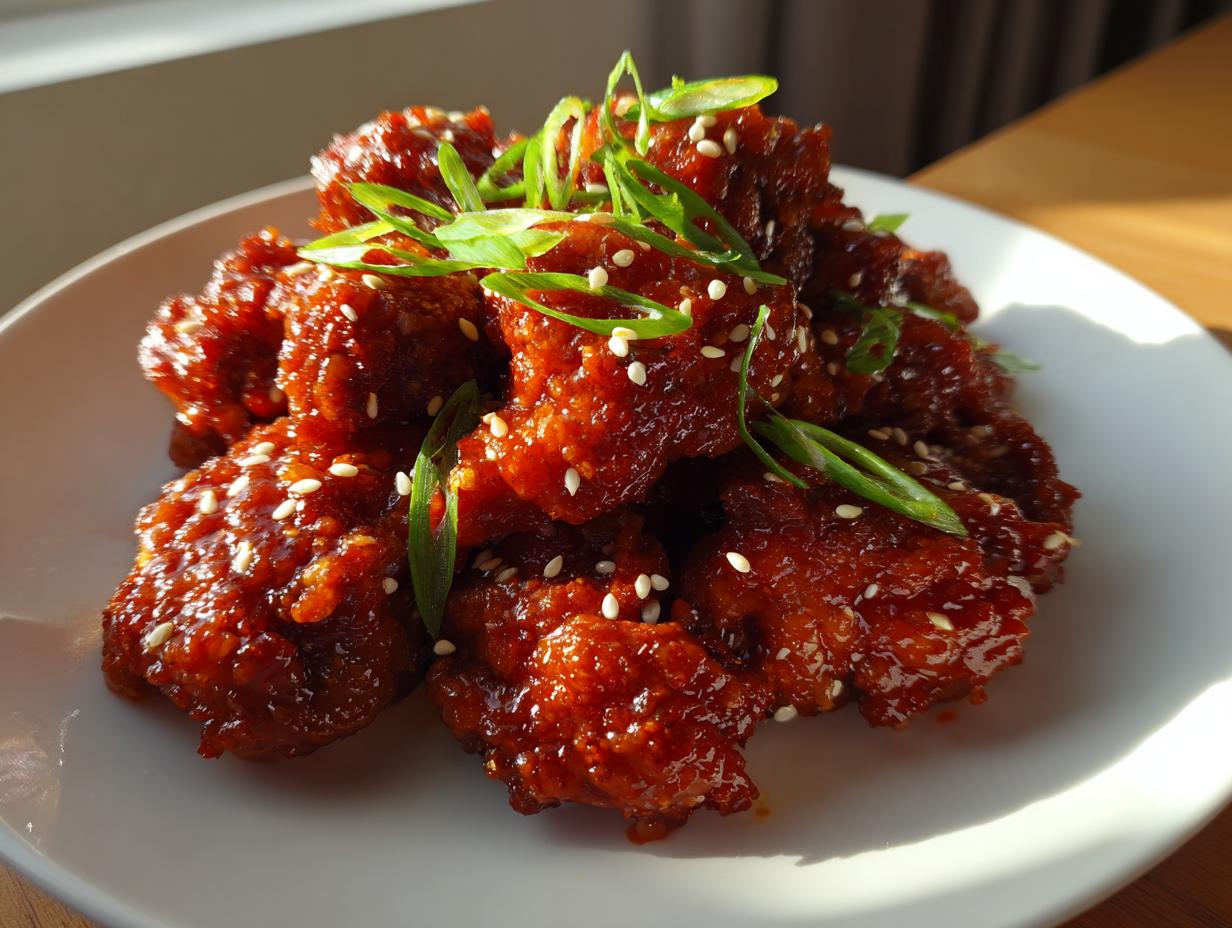
Are you tired of staring into the fridge at 6 PM, completely drained, and wondering how you’re going to pull off a decent dinner? I’ve been there. That’s the exact moment Dishicious was born—not in a fancy kitchen, but right there in my Chicago apartment. When I approach cooking, I think like a project manager: we need maximum flavor output with minimum timeline expenditure. That is why I’m handing you the blueprint for my absolute favorite solution when time is short: **gochujang chicken**. This isn’t just another spicy recipe; it’s an engineered, ultra-efficient **Korean Chicken Recipe** that delivers that amazing sweet and spicy punch you crave in about 30 minutes flat. Trust me, this optimized approach to weeknight cooking just works.
- Why This gochujang chicken Recipe Is Your New Quick Weeknight Meal (E-E-A-T)
- Essential Components for Flavorful gochujang chicken
- Step-by-Step Instructions for Perfect gochujang chicken
- Method Variations: Sheet Pan Chicken Dinner and Air Fryer Chicken Recipe
- Serving Suggestions for your gochujang chicken Dinner
- Storage and Reheating gochujang chicken
- Frequently Asked Questions about gochujang chicken
- Nutritional Snapshot of This gochujang chicken
- Share Your gochujang chicken Success
- Nutritional Snapshot of This gochujang chicken
- Share Your gochujang chicken Success
Why This gochujang chicken Recipe Is Your New Quick Weeknight Meal (E-E-A-T)
Look, I’m not a chef, I’m a process guy. And this gochujang chicken recipe is my personal definition of efficiency. We cut out all the unnecessary waiting time so you can get restaurant-quality flavor on the table fast. Since I started optimizing my own routine, this has become the default when I need serious flavor, seriously fast. You get the deep, savory punch of Korean spice without having to plan your dinner two days in advance.
- It’s guaranteed done in under 30 minutes—a true quick weeknight meal solution.
- The **honey gochujang glaze** nails that perfect sweet and spicy balance every single time.
- It’s a versatile stovetop project that handles chicken breasts or thighs beautifully.
Speed and Simplicity: The Dishicious Method for gochujang chicken
The secret behind making this a true 30 Minute Chicken Dinner is the method itself. We aren’t doing any long overnight marinades here—that’s just not efficient for Tuesday night! We’re relying on the super-hot stovetop to sear the chicken quickly, and then we build the sauce right in the same pan. By cooking the chicken pieces small and fast, we maximize surface area for that sticky glaze to cling to. Maximum flavor impact, minimal downtime. That’s the Dishicious way.
Essential Components for Flavorful gochujang chicken
When you have such a short cooking window, you can’t afford weak ingredients. We need every single item in this recipe to pull its weight. The star, without question, is the gochujang. That ruby red paste is the entire foundation of the **Best Gochujang Sauce** you’ll ever whip up, delivering savory depth alongside the heat. This is all about maximizing impact in minimal time.
Ingredient Breakdown and Sourcing
I keep these on hand because they are straightforward and accessible. When you’re mapping out this dinner project, make sure you have all these elements ready to go:
- 1.5 lbs boneless, skinless chicken thighs or breasts, cut into uniform 1-inch pieces. Thighs are my personal preference for that guaranteed juicy texture, but breasts work just fine if you manage the cooking time right.
- 1 tablespoon neutral oil, like canola, for searing.
- 2 tablespoons honey—this is crucial for that sticky glaze!
- 2 tablespoons soy sauce.
- 1 tablespoon rice vinegar.
- 1 tablespoon sesame oil.
- 3 cloves garlic, minced—don’t use the jarred stuff if you can help it!
- 1 teaspoon fresh ginger, grated.
- 3 tablespoons gochujang (Korean chili paste).
- 1 tablespoon brown sugar.
- 1/4 cup water or chicken broth to thin things out slightly for the sauce.
- Optional garnish: toasted sesame seeds and sliced green onions.
Ingredient Notes and Substitutions
Here’s where we put on the project manager hat and ensure we get the deliverables right. First, that chili paste—gochujang is so unique. It’s a Flavorful Fermented Chili Paste, and it brings a subtle sweetness and umami that you just can’t replicate by swapping it with something like Sriracha. If you use Sriracha, you just get heat, not that deep, savory profile.
If you’re worried about spice, start with 2 tablespoons of gochujang and add the third tablespoon later during the glaze phase. That gives you control over the heat level of your **Spicy Chicken Dinner**. Also, remember to pat your chicken pieces really dry. I cannot stress this enough! If the chicken is wet, it will steam instead of searing, and we need that beautiful golden crust to hold onto the sauce.
Step-by-Step Instructions for Perfect gochujang chicken
Okay, now that we have all our components lined up, let’s execute! Since this is a fast stovetop method, organization is everything. Think of it like setting up workstations on an assembly line. We move fast, but deliberately, to prevent that delicious honey from burning during the final step. Trust me, you want that sticky glaze, not a charred mess! This method is engineered for speed, much like how I get a great baked chicken ready without fuss.
Preparing the Chicken and the Honey gochujang glaze
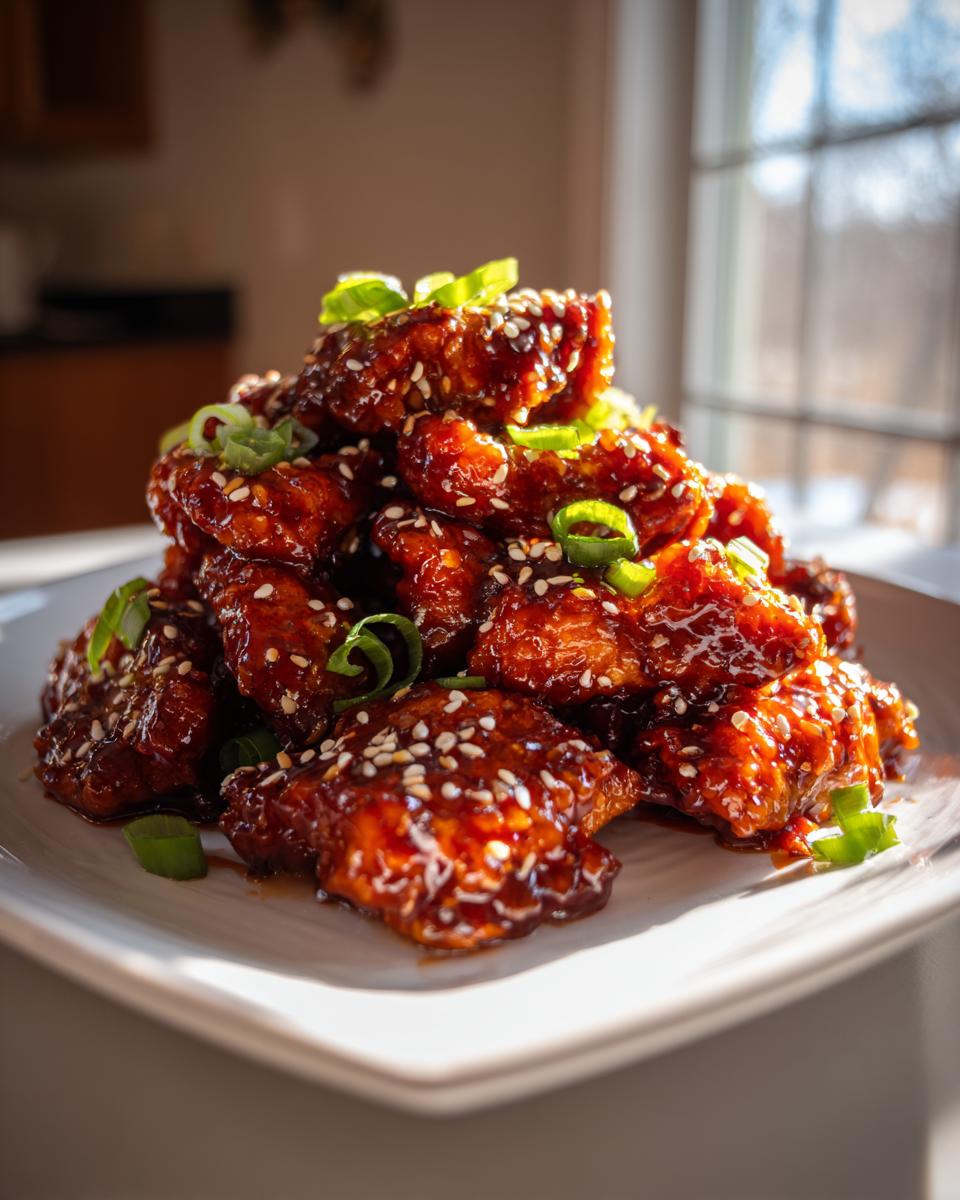
First thing’s first: prep the protein. Take your cut chicken pieces and give them a good pat down with paper towels. This removes the surface moisture, which is key for getting a nice sear later on. While that’s happening, grab a small bowl and get busy mixing up the sauce. You need to whisk together the gochujang chicken sauce ingredients—gochujang, honey, soy sauce, vinegar, sesame oil, brown sugar, garlic, ginger, and water—until it’s totally homogenous. When you’re done, it should look like the Best Gochujang Sauce, smooth and glossy, with no dry pockets of chili paste hiding anywhere.
Searing and Creating the Sticky gochujang Chicken Glaze
Next up, fire up your skillet over medium-high heat with that tablespoon of oil. Once it shimmers, drop in your chicken pieces. Remember what I said about patting them dry? That pays off now! Don’t overcrowd the pan, or you’ll end up steaming instead of searing—we need space for browning! Cook them until they get golden brown on all sides, maybe four or five minutes per side. Once the chicken looks cooked through, this is critical: turn the heat down immediately to medium-low. Pour in your beautiful glaze and stir constantly. That honey content means it bubbles and thickens fast! We only want 1 to 2 minutes of stirring until it’s clinging perfectly to every piece of chicken, creating that divine, sticky coating on your Glazed Chicken. If you want that extra insurance policy against sticking, tossing the raw chicken with a tiny bit of cornstarch before searing really helps create a crispier exterior, which is a great trick I use when trying to achieve super tender Juicy Chicken.
Method Variations: Sheet Pan Chicken Dinner and Air Fryer Chicken Recipe
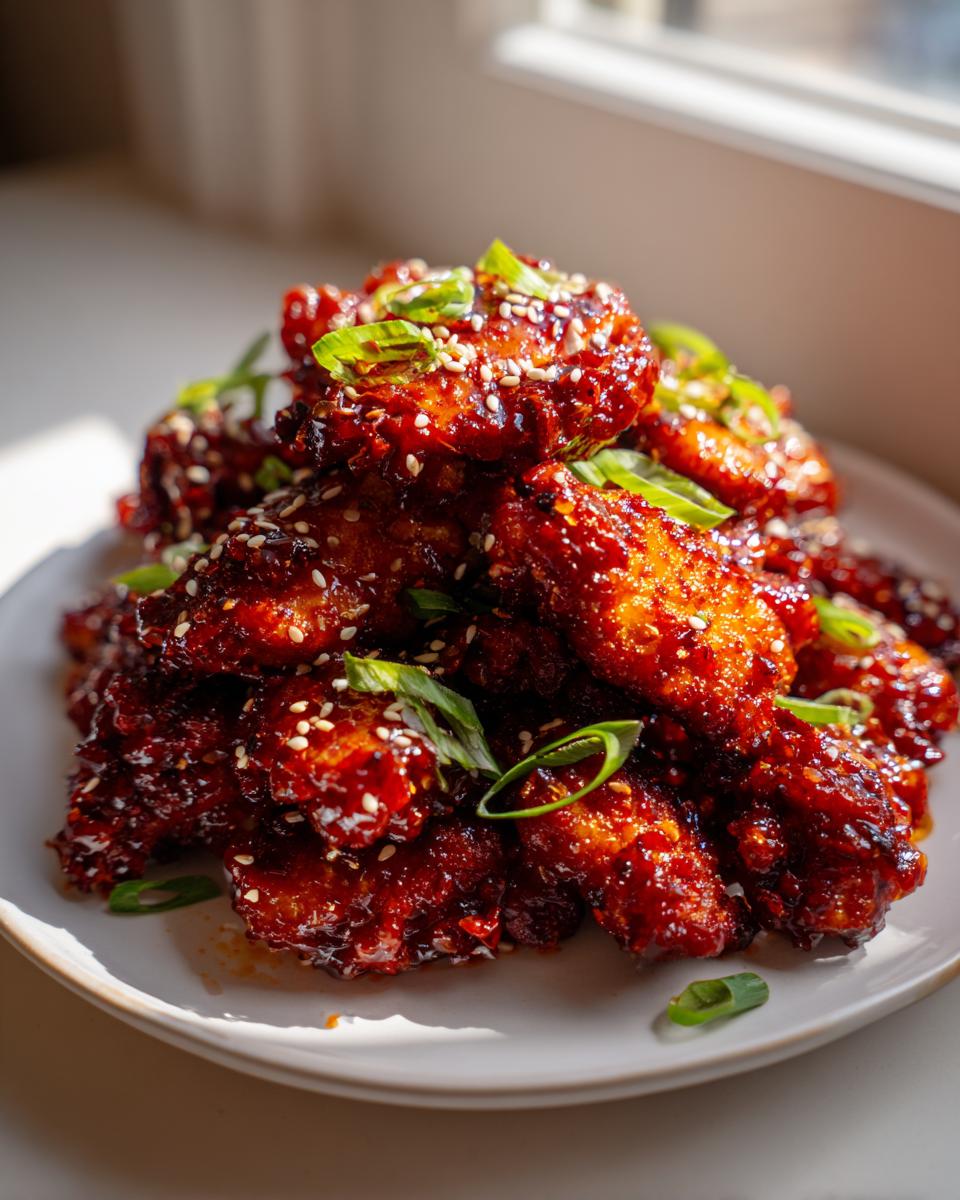
Look, I optimized this recipe for speed on the stovetop, but that doesn’t mean we stop there. Good project management means having contingency plans for different scenarios, right? If you’re having a busy day and don’t want to stand over the wok, or maybe you just want that crispy texture the oven gives you, we can absolutely adjust this recipe. It’s too adaptable not to share those other pathways. The core flavor from that **honey gochujang glaze** remains the same, it’s just the heat delivery system that changes.
Adapting the gochujang chicken for the Oven
If you’re looking to manage this as a hands-off Sheet Pan Chicken Dinner, the process is pretty streamlined. You’re still going to cut the chicken into pieces, but here’s the adjustment: skip the searing step entirely. Instead, toss your raw chicken pieces with about half your prepared glaze—just enough to coat them nicely. Then spread them out on a baking sheet lined with foil or parchment. Roast them at around 400°F (200°C). Check them after about 15 minutes; the timing depends on the thickness, of course. Once they are practically done, pull them out, drizzle the remaining glaze over everything, and pop them back in for just 3 to 5 minutes until that glaze gets shiny and sticky. Watch it close, though! Too much time in the oven and that honey can go from sticky to burnt quickly.
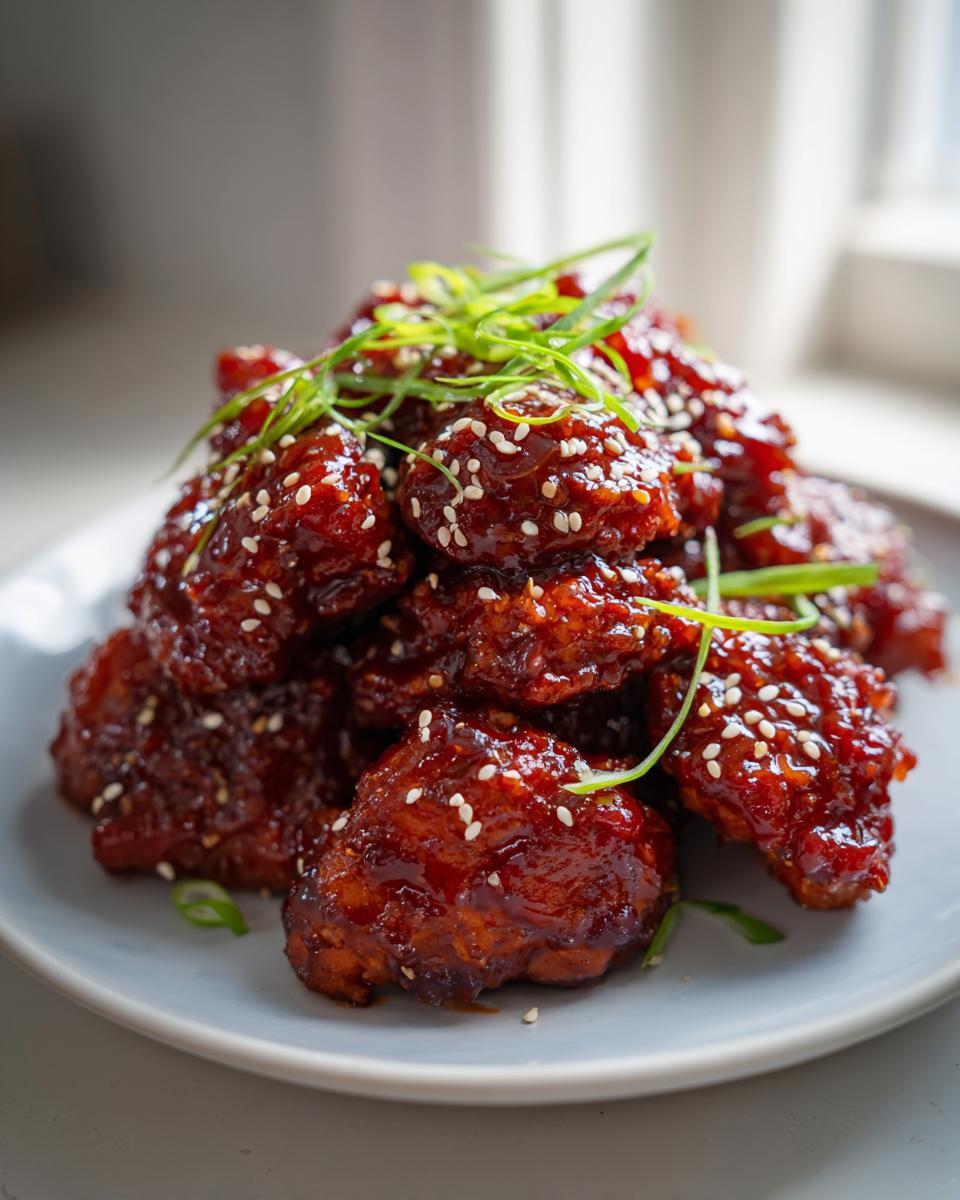
Now, if you happen to own an Air Fryer Chicken Recipe machine, that’s another fantastic route for that **tender juicy chicken**. You’d treat the chicken similarly: toss the raw pieces with the cornstarch trick I mentioned earlier if you want max crispiness. Air fry at 380°F until cooked, maybe 10-12 minutes, shaking halfway through. After they come out, toss them immediately in the *unheated* leftover glaze right off the stove. The residual heat will melt it right on there. For more inspiration on Asian flavor profiles, check out this great take on the dish over at Korean Gochujang Chicken recipes if you want another perspective on mixing these flavors!
Serving Suggestions for your gochujang chicken Dinner
We’ve nailed the main component, right? The star of the show is this amazing gochujang chicken, sticky and deeply flavorful. But a meal needs sides to feel complete, and since we optimized for speed, we want sides that are just as easy. The best way I find to serve this is by assembling hearty Chicken and Rice Bowls.
Here are a few ways I like to wrap up this Spicy Chicken Dinner:
- The Classic Bowl: You absolutely need a base. Cook up some plain steamed white rice—Jasmine is great if you have it—and let the sticky chicken pour right over it. It’s the perfect canvas for that spicy glaze.
- Balance the Heat: Because this dish has a little kick, you need something cool and crisp to cut through it. I always toss together a super quick cucumber and carrot slaw. A little rice vinegar, a touch of sugar, done. It adds a fresh crunch that stops the heat from overwhelming you.
- Something Green: Don’t skip the veggies! Steamed broccoli or lightly sautéed bok choy tossed with just a splash of soy sauce are perfect sidekicks. They absorb the extra sauce so nothing goes to waste.
If you’re feeling ambitious and want to keep the carb theme going, you could even serve this amazing glazed chicken alongside some very simple easy homemade bread bowls—though honestly, rice soaks up that sauce way better if you ask me!
Storage and Reheating gochujang chicken
You made a big batch, or maybe you’re eating leftovers for lunch tomorrow—I get it. The great news is that this is one of those Easy Asian Chicken recipes that actually tastes even better the next day once those spice flavors have completely married. The goal here, as always, is preserving that signature tenderness we worked so hard for; nobody wants dry chicken on day two!
For storage, you need an airtight container, obviously. I always recommend storing the cooked chicken separately from the rice if you’re making bowls, because the rice soaks up residual moisture and can get gummy if stored together underneath the sauce. I usually last about three or four days in the fridge this way. If you happen to have any extra raw chicken pieces you didn’t cook, those can be safely frozen, but I usually just cook everything right away—it’s too fast to save raw meat for later!
How to Keep Your gochujang chicken Tender Juicy Chicken
When you reheat this, slow and low is the strategy. If you throw it straight into a high-heat microwave or a blazing hot pan, you risk seizing up the protein and losing that lovely texture we achieved. For best results on reheating, I go the stovetop route. Put your serving of chicken in a non-stick skillet over medium-low heat. Add just a tiny splash of water—maybe a teaspoon or two. Cover the pan and let the steam gently warm the chicken through for a few minutes. It keeps the glaze soft and prevents the edges from hardening too much, ensuring you still get that amazing mouthfeel.
If you’re just microwaving a single portion, cover it loosely with a paper towel. The paper towel will trap some moisture near the chicken, preventing it from turning into leather. Only heat it until it’s just warm, not piping hot. This little step ensures your leftovers still feel like a Quick Weeknight Meal win rather than a concession!
Frequently Asked Questions about gochujang chicken
When I optimize a recipe, I always anticipate a few follow-up questions. It’s all about setting expectations so you can execute this dinner project flawlessly. Getting the details right on ingredients and spice level is key to nailing this classic gochujang chicken profile.
How do I control the heat in my gochujang chicken?
This is easy. Remember, the heat comes almost entirely from the star ingredient, the Gochujang. The honey and brown sugar balance it out, but the paste itself is the amplifier. My general rule for this recipe is to start with 3 tablespoons for medium heat—that’s flavorful but not overwhelming. If you are spice-sensitive, knock that back to 2 tablespoons and save the rest for next time. If you want it hotter than Hades, use 4 tablespoons or even add a sprinkle of Korean chili flakes (gochugaru) right into the glaze! It gives you total control over your Spicy Chicken Dinner.
Why should I use chicken thighs instead of breast?
Honestly, I love efficiency, and chicken thighs are more forgiving. They have more fat, which means they bake or sauté beautifully without drying out, delivering that fantastic Tender Juicy Chicken even if you accidentally overcook them by 30 seconds. Chicken breast is leaner, so you have to watch your timing closely, especially when you are trying to get that sauce caramelized quickly. Both work for an Easy Asian Chicken dish, but thighs are safer if you’re running between tasks!
What is the difference between gochujang and sriracha?
This is where we build some real culinary confidence. Sriracha is primarily chili pepper, vinegar, and salt—it’s bright and vinegary hot. Gochujang, on the other hand, is fermented rice, soybeans, and chili paste. That fermentation gives it incredible depth, savoriness, and a characteristic sweetness along with its heat. You can’t swap them 1:1 because our gorgeous honey gochujang glaze relies on that savory umami base that only the real paste provides. Always use gochujang for authentic Korean flavor!
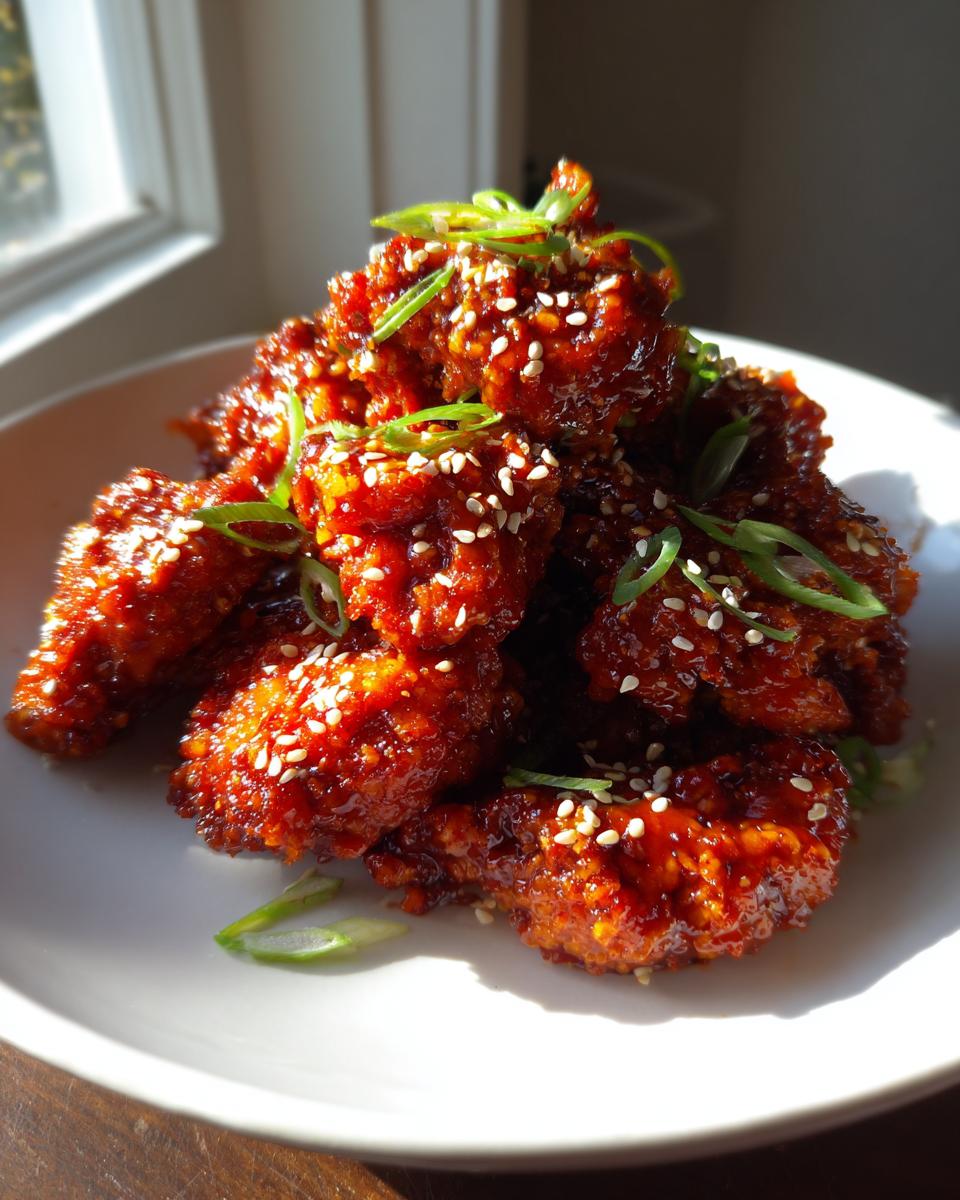
If you want to dive deeper into making great Korean Inspired Cuisine at home, check out some of my streamlined thoughts on Easy Asian Chicken recipes!
Nutritional Snapshot of This gochujang chicken
Keep in mind these figures are estimates based on using chicken thighs, as described in the recipe, and might shift slightly depending on your exact brand of soy sauce or honey. But this gives you a solid snapshot of what you are putting into your body when you create this efficient gochujang chicken dinner.
- Serving Size: 1 serving (about 1/4 of the batch)
- Calories: Approximately 410
- Protein: 38g (That’s solid fuel for your busy week!)
- Fat: 18g
- Carbohydrates: 25g
It’s such a satisfying way to eat, delivering huge flavor without a massive calorie hit. If you’re watching intake, you can easily reduce the honey just a touch or swap the brown sugar for a sugar alternative, though I’d warn you, it slightly impacts the texture of the final glaze. For the full breakdown, you can check out how these numbers stack up against other light dinners like those found in this Sticky Honey Gochujang Chicken guide online.
Share Your gochujang chicken Success
This is the fun part! Once you’ve executed the plan and that amazing sweet and spicy aroma fills your kitchen, I absolutely want to know how it went. Did you use chicken breasts or thighs? Did you adjust the heat level? Tell me everything!
Please take a minute or two to leave a star rating right below this section—that feedback helps me keep optimizing these projects for everyone else. And if you took a picture of your beautiful Chicken and Rice Bowls, tag us! I love seeing your results. If you have any detailed questions about the process or need to troubleshoot a step, don’t hesitate to reach out via the Contact page. Happy cooking, and welcome to smarter dinner planning!
Nutritional Snapshot of This gochujang chicken
Keep in mind these figures are estimates based on using chicken thighs, as described in the recipe, and might shift slightly depending on your exact brand of soy sauce or honey. But this gives you a solid snapshot of what you are putting into your body when you create this efficient gochujang chicken dinner.
- Serving Size: 1 serving (about 1/4 of the batch)
- Calories: Approximately 410
- Protein: 38g (That’s solid fuel for your busy week!)
- Fat: 18g
- Carbohydrates: 25g
It’s such a satisfying way to eat, delivering huge flavor without a massive calorie hit. If you’re watching intake, you can easily reduce the honey just a touch or swap the brown sugar for a sugar alternative, though I’d warn you, it slightly impacts the texture of the final glaze. For the full breakdown, you can check out how these numbers stack up against other light dinners like those found in this Sticky Honey Gochujang Chicken guide online.
Share Your gochujang chicken Success
This is the fun part! Once you’ve executed the plan and that amazing sweet and spicy aroma fills your kitchen, I absolutely want to know how it went. Did you use chicken breasts or thighs? Did you adjust the heat level because you wanted extra punch? Tell me everything about how you managed this quick dinner project!
Please take a minute or two to leave a star rating right below this section for the gochujang chicken—that feedback really helps me keep optimizing these projects for other cooks who need fast, reliable meals. And if you took a picture of your beautiful Chicken and Rice Bowls, I seriously want to see them! Share them on social media and tag us—seeing your results is the best reward.
If you have any detailed questions about the process, maybe you struggled to get that glaze tacky enough, or you need advice on sourcing the right chili paste for your next batch, don’t hesitate to reach out via the Contact page. We’re here to make sure your next attempt at this Easy Asian Chicken is even better than the first. Happy cooking, and welcome to smarter dinner planning!
PrintQuick Gochujang Chicken: Sweet, Spicy Weeknight Dinner
Make this flavorful Gochujang Chicken for a quick weeknight meal. It features tender chicken coated in a sticky, sweet, and spicy honey gochujang glaze, delivering authentic Korean flavor fast.
- Prep Time: 10 min
- Cook Time: 20 min
- Total Time: 30 min
- Yield: 4 servings 1x
- Category: Dinner
- Method: Stovetop Sauté
- Cuisine: Korean Inspired
- Diet: Low Lactose
Ingredients
- 1.5 lbs boneless, skinless chicken thighs or breasts, cut into 1-inch pieces
- 1 tablespoon neutral oil (like canola or vegetable)
- 2 tablespoons honey
- 2 tablespoons soy sauce
- 1 tablespoon rice vinegar
- 1 tablespoon sesame oil
- 3 cloves garlic, minced
- 1 teaspoon fresh ginger, grated
- 3 tablespoons gochujang (Korean chili paste)
- 1 tablespoon brown sugar
- 1/4 cup water or chicken broth
- Optional garnish: toasted sesame seeds, sliced green onions
- For serving: cooked rice, steamed vegetables
Instructions
- Prepare the chicken: Cut the chicken into uniform 1-inch pieces. Pat the pieces dry with paper towels to help them brown better.
- Mix the glaze: In a small bowl, whisk together the gochujang, honey, soy sauce, rice vinegar, sesame oil, brown sugar, minced garlic, grated ginger, and water or broth until smooth. This is your honey gochujang glaze.
- Cook the chicken: Heat the neutral oil in a large skillet or wok over medium-high heat. Add the chicken pieces in a single layer, avoiding overcrowding. Cook for 4-5 minutes per side until golden brown and cooked through.
- Glaze the chicken: Reduce the heat to medium-low. Pour the prepared gochujang glaze over the cooked chicken. Stir constantly for 1-2 minutes until the sauce thickens and coats every piece of chicken evenly, creating a sticky glaze. Do not overheat the sauce once it thickens.
- Serve immediately: Remove the skillet from the heat. Garnish with sesame seeds and green onions if desired. Serve your Gochujang Chicken over steamed rice with a side of fresh or steamed vegetables for a complete chicken and rice bowl.
Notes
- For extra crispy chicken, toss the raw chicken pieces lightly in 1 teaspoon of cornstarch before searing them in step 3.
- If you prefer using chicken thighs, they stay juicier, but adjust cooking time slightly if pieces are very thick.
- Adjust the amount of gochujang based on your preferred spice level; use less for mild heat.
Nutrition
- Serving Size: 1 serving
- Calories: 410
- Sugar: 12
- Sodium: 750
- Fat: 18
- Saturated Fat: 4
- Unsaturated Fat: 14
- Trans Fat: 0
- Carbohydrates: 25
- Fiber: 2
- Protein: 38
- Cholesterol: 120