

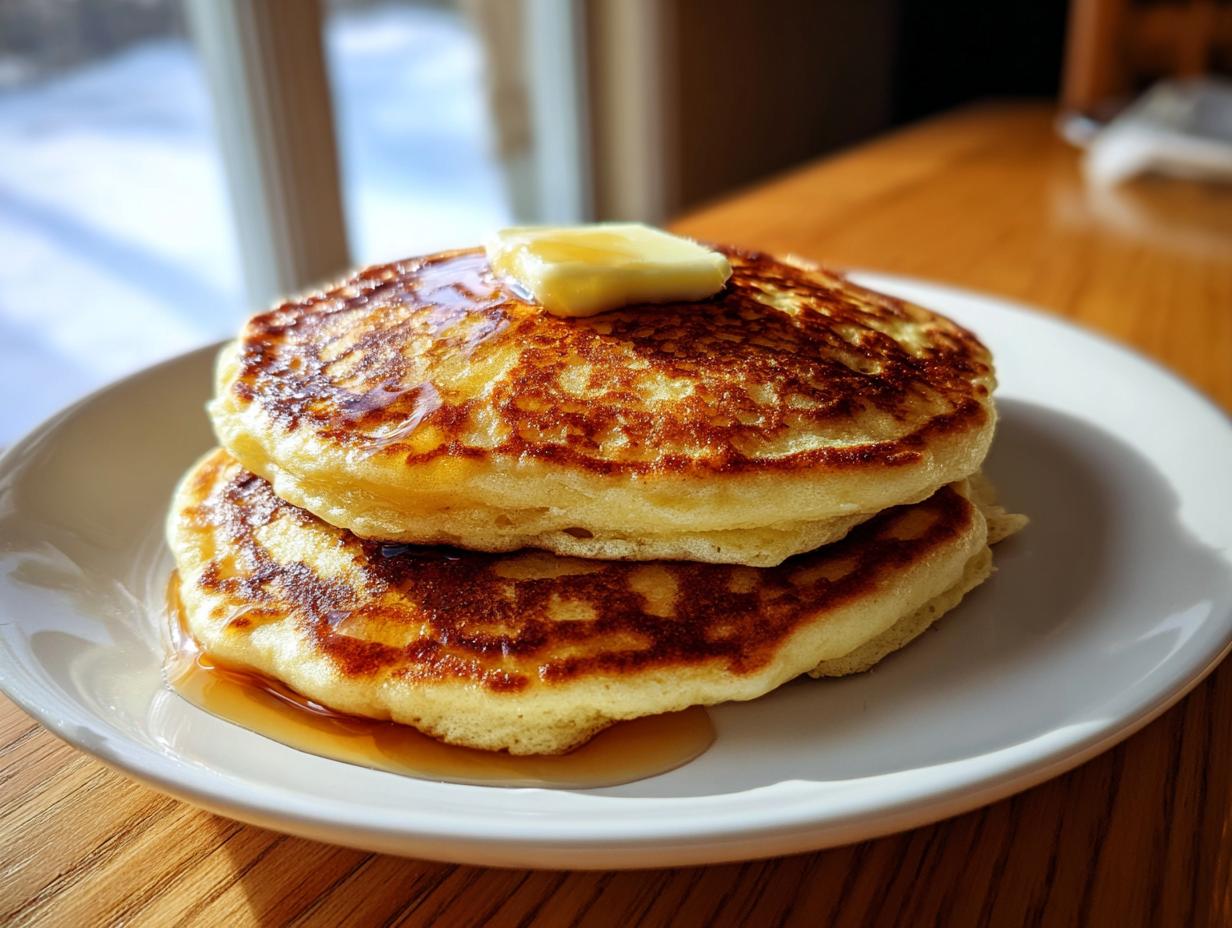
Are you tired of breakfast that falls flat? You know the feeling—you mix everything up, pour the batter, and end up with flat, sad discs instead of clouds on your plate. I get it. That’s exactly why I engineered The Best Fluffy Old-Fashioned Pancakes From Scratch. As the founder of Dishicious, my whole deal is taking culinary complexity and streamlining it, kind of like I do with project timelines. These aren’t fussy recipe hacks; these are simple, homemade pancakes that rely on basic pantry staples to guarantee that light, airy loft every single time. Trust me, Leo Grant’s methodical approach means mastering breakfast comfort food is now totally achievable.
- Why These Are The Best Fluffy Old-Fashioned Pancakes From Scratch
- Gathering Ingredients for Perfect Pancakes
- Step-by-Step Instructions for Making Pancakes From Scratch
- Expert Tips for Next-Level Pancakes
- Variations on Classic Pancakes
- Serving Suggestions for Your Homemade Pancakes
- Storage and Reheating Tips for Leftover Pancakes
- Frequently Asked Questions About Fluffy Pancakes
- Nutritional Estimate for These Pancakes
- Share Your Perfect Stack of Pancakes
- Nutritional Estimate for These Pancakes
- Share Your Perfect Stack of Pancakes
Why These Are The Best Fluffy Old-Fashioned Pancakes From Scratch
When you’re looking for that classic, cozy breakfast experience, you need old fashioned pancakes that deliver on their promise. I designed this recipe specifically to eliminate the guesswork so you can achieve towering, golden stacks every time, making your weekend breakfast ideas truly successful.
- They are genuinely fluffy—we engineered the leavening just right.
- Super easy, requiring only simple pantry staples.
- Consistent results; this foolproof method works every time.
Achieving Peak Fluffiness
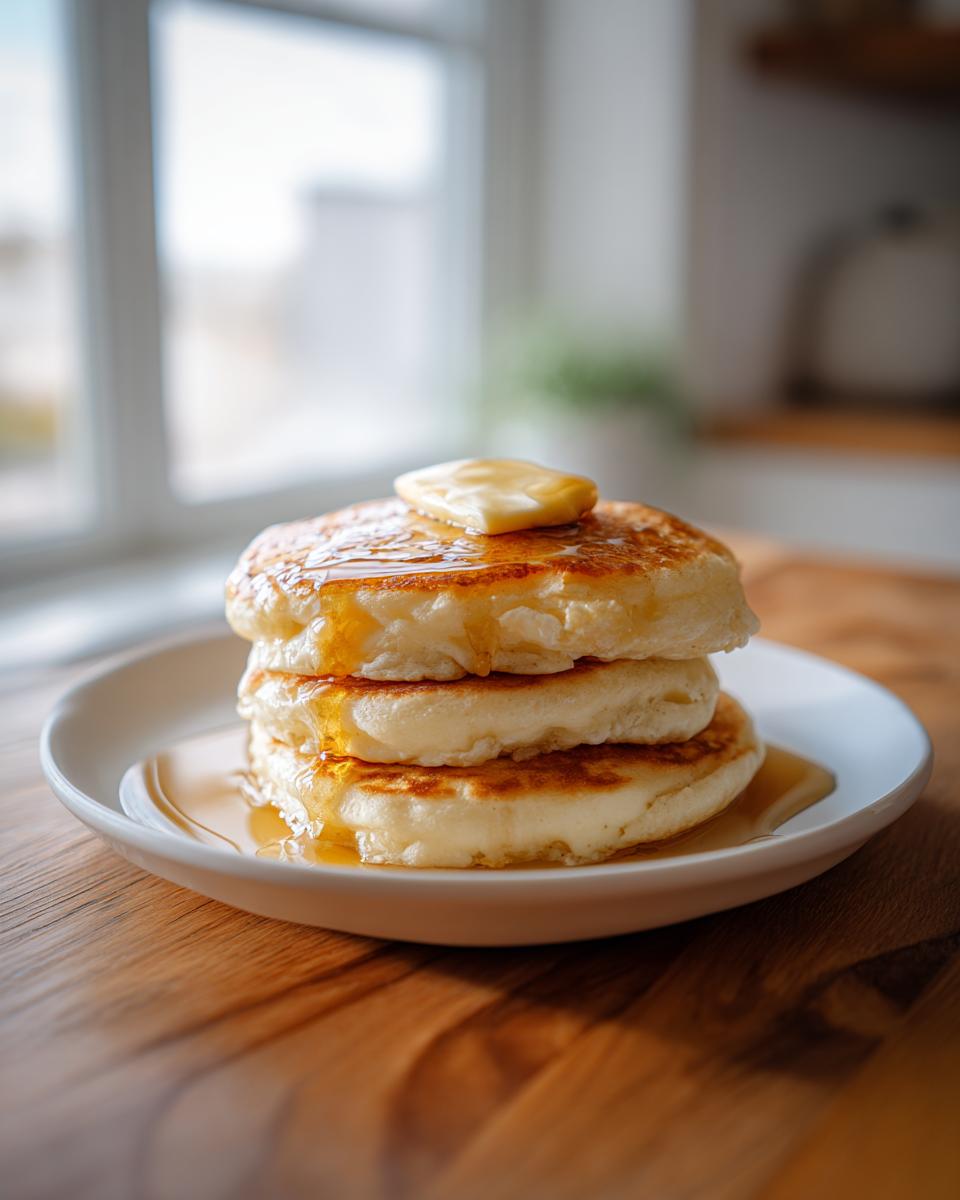
The fluffiness comes down to two things: the precise amount of baking powder, which gives maximum lift, and my number one rule here: do not overmix! I learned this watching my process—when you mix too much flour, you get gluten, and gluten means flat pancakes. Seriously, stop mixing when you still see a few small lumps. That’s your signal for fluffy pancakes.
Simple Ingredients for Homemade Pancakes
Forget specialty flours or hard-to-find extracts. This is a true easy pancake recipe done from scratch. We stick to the basics: flour, sugar, salt, milk, egg, and butter. If you have those things handy, you can have homemade pancakes on the table faster than a delivery truck can get to your house.
Gathering Ingredients for Perfect Pancakes
I look at ingredient gathering as prepping my main assembly line—if the parts aren’t ready, the project stalls prematurely. For these pancakes, we keep the list short because accessible components are key to an easy breakfast recipe. Everything you need should already be sitting in your pantry right now. Don’t stress about specialty shopping!
Essential Dry Ingredients for Fluffy Pancakes
First up, we dry-mix everything. You need 1 1/2 cups of standard all-purpose flour. Then, for that essential lift that gives you fluffy pancakes, make sure you use precisely 3 1/2 teaspoons of baking powder. Don’t skimp here! Add just 1 teaspoon of salt and 1 tablespoon of white sugar to balance things out.
Wet Components for Rich Pancakes
For the richness that keeps these homemade pancakes from tasting cardboard-y, we use good old dairy. Measure out 1 1/4 cups of milk—if you have buttermilk, that’s a great swap, but the regular works perfectly fine. You’ll need one large egg and exactly 3 tablespoons of melted butter. Yes, it has to be melted; it incorporates much better into the batter this way for that rich base.
Step-by-Step Instructions for Making Pancakes From Scratch
This is where the project moves from planning to execution. Making perfect pancakes is all about controlling the mixing and the heat. If you stick to these steps, you skip the flat pancake disaster and jump straight to that gorgeous stack of pancakes we all crave. As you prep, remember everything we’re shooting for is simplicity and maximum fluff. For the full rundown on achieving this efficiency, check out my guide to easy breakfast ideas.
Mixing the Dry and Wet Batches for Pancakes
Step one is always to handle the dry elements separately. Get your flour, baking powder, salt, and sugar combined in a big bowl and whisk them well. This ensures the leavening is distributed evenly, which is crucial for getting that lift we talked about. In a second, smaller bowl, tackle the wet stuff: whisk the milk and egg together until they look fully incorporated. Now, pour the wet mixture right into the dry. Here’s the key engineering trick: Mix them until they are just combined. I mean it! A few lumps lingering in the batter are totally fine—they actually help you achieve those light and airy pancakes. Don’t grab the electric mixer!
Cooking Your Fluffy Pancakes
Before anything else, get your griddle or large skillet heated up over medium heat. Lightly oil it; you want it hot enough that a drop of water sizzles immediately, but not so hot that it smokes. Now, you can gently stir in that 3 tablespoons of melted butter into your slightly lumpy batter. For the absolute fluffiest results, let this batter rest for about 5 to 10 minutes right now—this lets the baking powder activate. Once rested, pour about 1/4 cup of batter onto the hot surface for each pancake. Cook them for about 2 to 3 minutes on the first side. You are waiting patiently for those lovely bubbles to pop all over the surface. When they do, that’s your signal to flip them over and cook the other side until it’s golden brown. Serve them up immediately after they come off the heat!
Expert Tips for Next-Level Pancakes
Okay, so if you’ve followed the instructions, you have great pancakes. But if you want to move from “great” to “these are the best I’ve ever had,” you need to optimize the process slightly. My project manager brain loves finding these little efficiencies that pay off huge in flavor and texture. These small tweaks make all the difference when you’re aiming for that perfect breakfast presentation.
Batter Resting for Superior Pancakes
Remember how I told you to let the batter rest for 5 to 10 minutes after you stir in the butter? That’s not just filler time, team! That resting period is critical. It allows the flour enough time to fully hydrate. More importantly, it gives the little bubbles formed by the baking powder a moment to start growing before they hit the heat. This step is key to improving the final texture, making sure you get those incredibly fluffy pancakes everyone wants. Don’t skip this waiting game!
Adjusting Batter Thickness for Towering Pancake Stacks
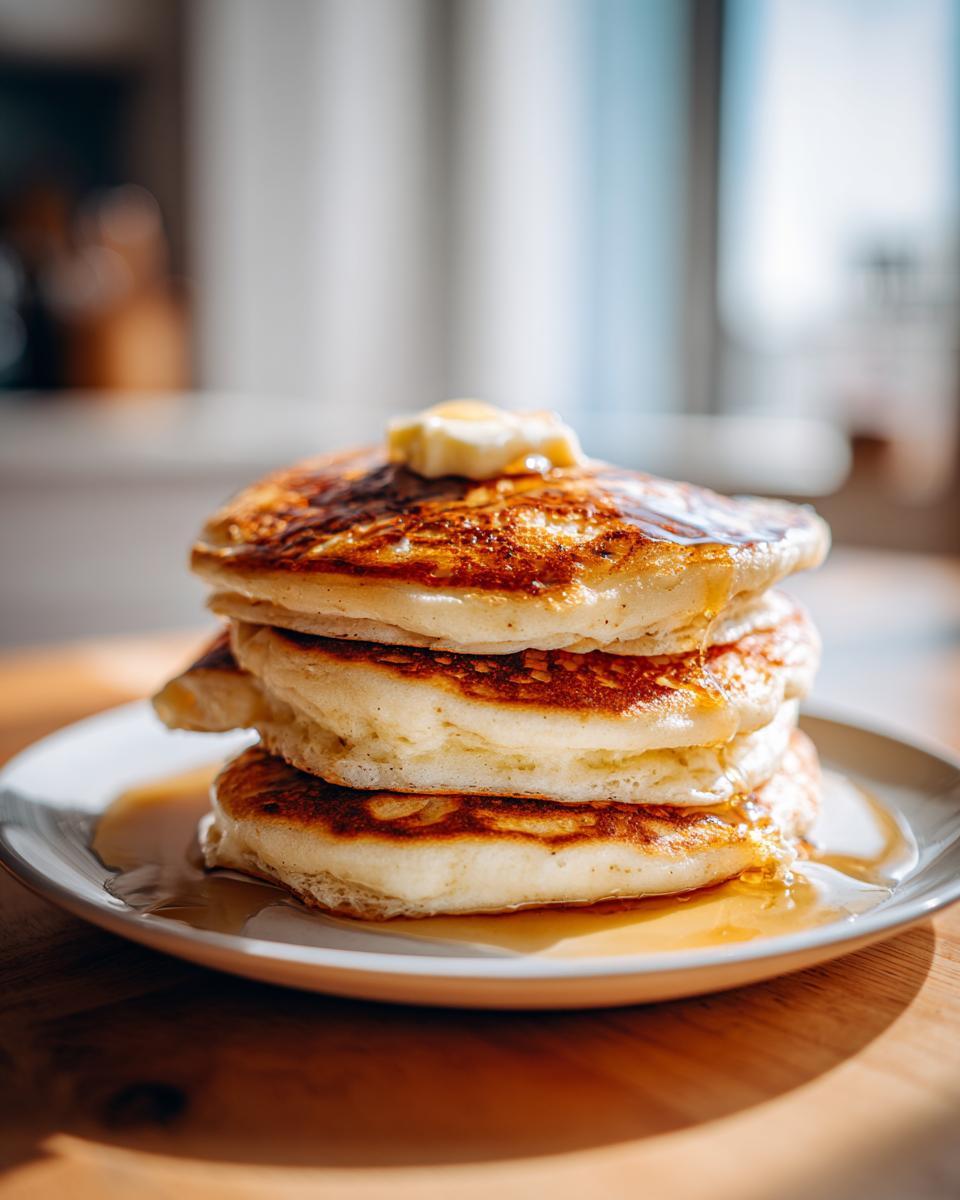
If you’ve ever seen photos of those unbelievable towering pancake stacks and wondered how they hold their shape, it comes down to density. For an ultra-thick batter that results in tall, fluffy discs, you can cheat the system slightly. It’s totally okay to reduce the milk by about a tablespoon or two. The trade-off is that the batter will be very stiff, and you’ll still need to mix it gently. A thicker mix won’t spread out as much on the griddle, forcing those gorgeous, high-rising edges. Want to see another version of optimized breakfast? Check out my guide on sourdough pancakes!
Variations on Classic Pancakes
So you’ve mastered the base recipe for perfect homemade pancakes—that’s fantastic progress! But let’s be real, making the same thing every weekend can get dull, even if they are perfectly fluffy. The beauty of this simple recipe is that it’s a fantastic canvas for creativity, which means we can easily pivot into those fun twists people look for on Pinterest, like blueberry or banana options, without adding much complexity to your easy pancake recipe. If you love adding mix-ins, you might want to check out how I simplify things like easy blueberry protein muffins, too!
Adding Fruit to Your Pancakes
If you want to elevate these into blueberry pancakes or maybe some lovely banana pancakes, here’s the smart way to do it. Do not stir the fruit directly into the whole bowl of batter! If you do that, by the time you get to the last third of the batter, all the heavy fruit will have sunk to the bottom and made those lower pancakes heavy and flat. The trick, which I optimized for efficiency, is this: Pour your 1/4 cup of batter onto the hot griddle as usual. Immediately after the batter is down, gently place 5 or 6 blueberries or a few thin banana pieces right on top of the raw batter. The heat will cook them perfectly into the top surface, giving you beautiful, non-soggy fruit distribution.
Sweet Swirls and Spice for Pancakes
For those who want that luxurious dessert feel—think cinnamon swirl pancakes—you don’t need a full pastry guide. Just mix about 2 tablespoons of brown sugar with 1 teaspoon of cinnamon in a tiny separate cup. After you pour your batter onto the griddle, take a small spoon and drizzle thin lines of that cinnamon mixture over the top of the raw side. Use a toothpick or skewer to gently—and I mean gently—swirl it in a figure-eight motion before you flip. It looks fancy, but takes literally five extra seconds. If you’re leaning toward an apple cinnamon pancakes vibe, just add half a teaspoon of pre-mixed apple pie spice into your main dry ingredients blend before wetting anything.
Serving Suggestions for Your Homemade Pancakes
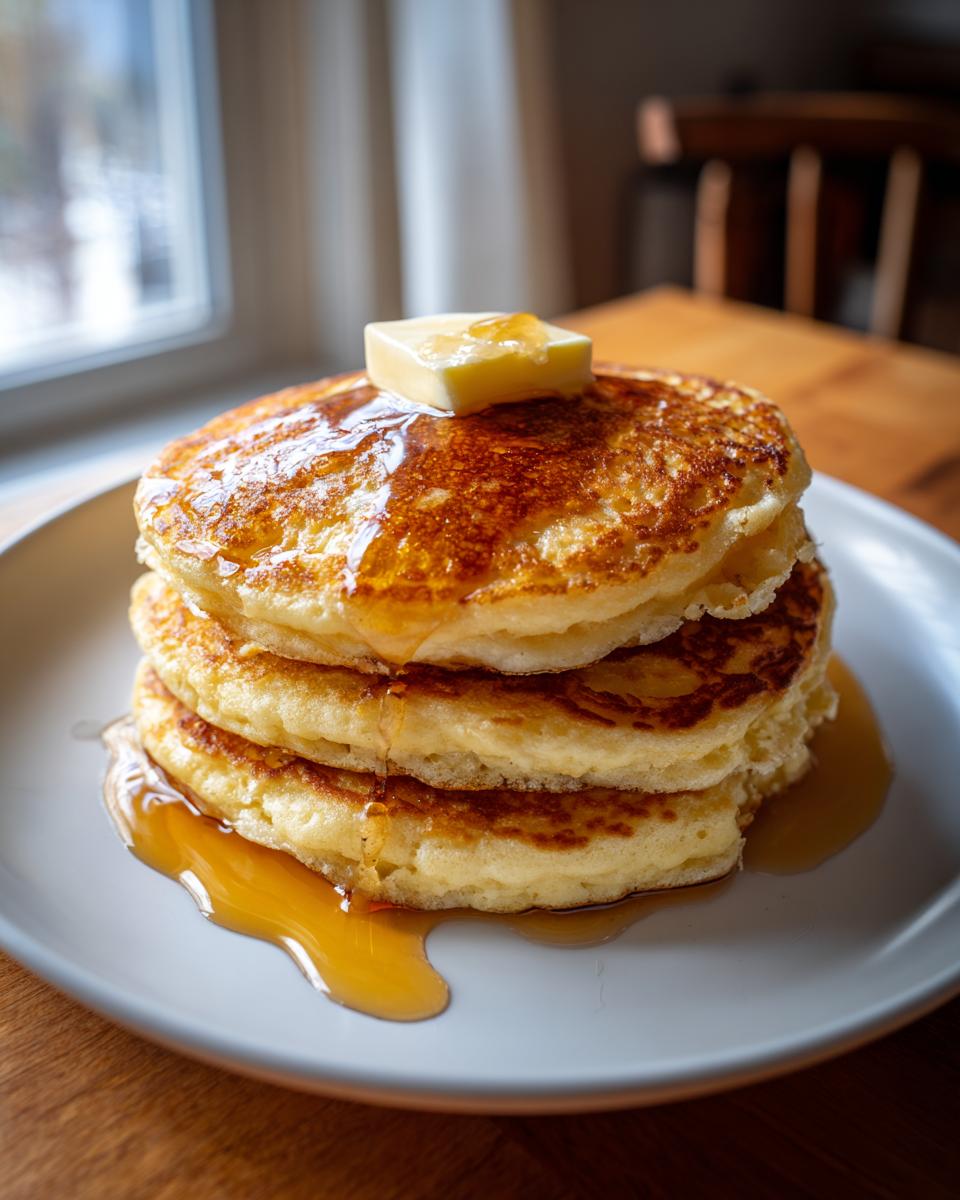
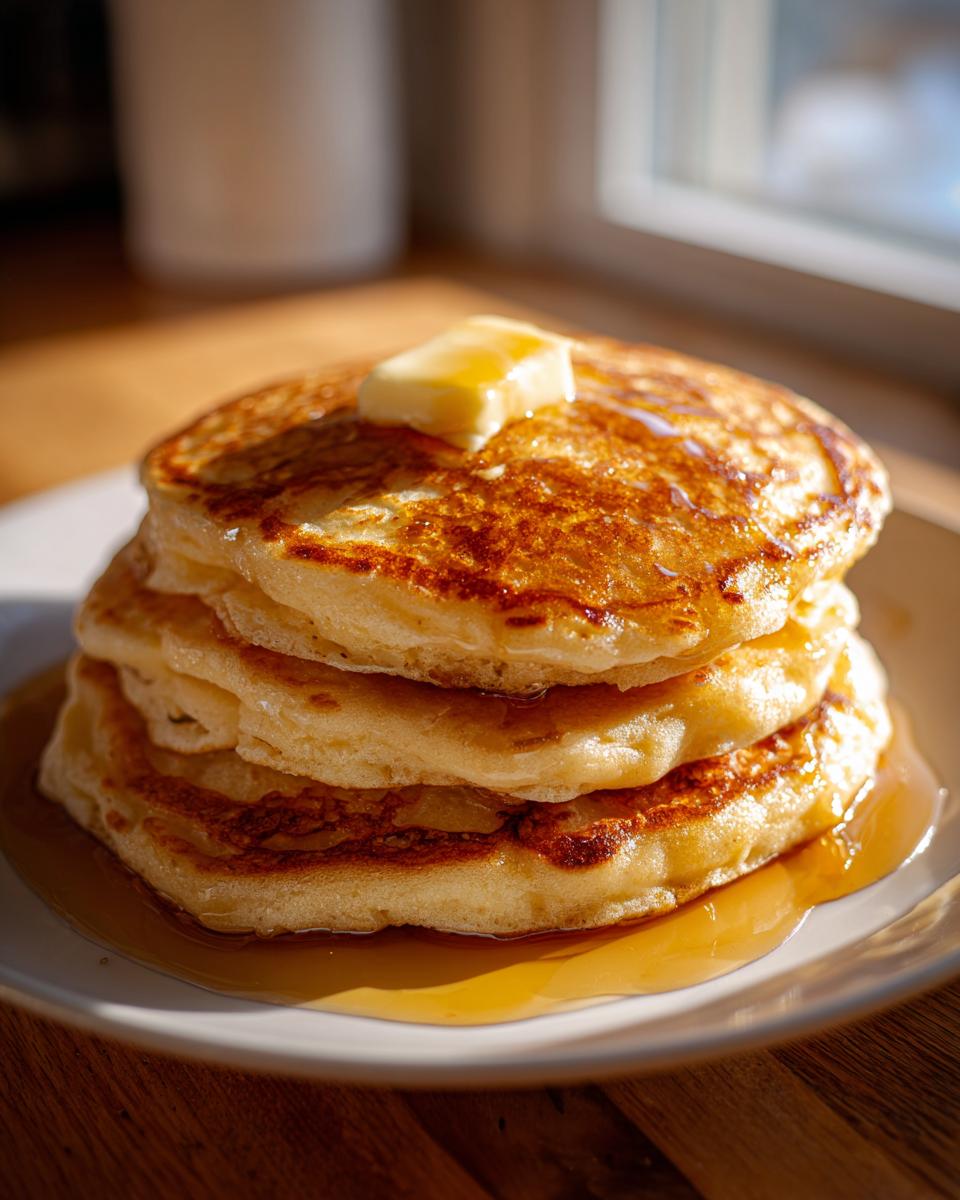
Okay, the pancakes are off the griddle, they are perfectly cooked, and now comes the best part: presentation! You’ve put in the work to make them from scratch, so let’s treat them right. We aren’t just throwing them on a plate here; we’re building a breakfast centerpiece. This is where your weekend breakfast ideas really shine. Nothing beats that visual impact of a tall, beautiful stack of pancakes shining under the morning light.
First and foremost, keep the stack warm while you finish the rest. You can pop the finished ones on a wire rack set over a baking sheet in a very low oven—like 200°F—just while the last few cook. This keeps them from getting steamy and soggy underneath.
For toppings, I always start with simple quality. A generous pat of real butter melting down the sides is non-negotiable. Follow that with a slow, deliberate drizzle of pure maple syrup—none of that imitation corn syrup stuff if you can help it! It makes a huge difference in flavor. If you’re leaning into the savory side for a surprising twist, I sometimes pair my homemade pancakes with a side of my savory homemade brown gravy. It sounds wild, but trust me, it’s incredibly satisfying!
For modern flair, think fresh color. A scattering of bright red raspberries or blueberries around the base elevates the look instantly. Need something richer? A dollop of lightly sweetened whipped cream or even a drizzle of chocolate sauce turns these easy breakfast recipes into a true brunch celebration.
Storage and Reheating Tips for Leftover Pancakes
No one wants to waste these perfect, fluffy things, but let’s face it—sometimes you just can’t eat an entire gigantic stack of pancakes in one go. The goal here, as always, is making sure that tomorrow’s batch tastes almost as good as today’s fresh batch, right? If you try to reheat them straight from the fridge, you’ll end up with sad, rubbery discs, and that’s an unacceptable outcome. We need a system to protect that lovely airiness.
Refrigerating Pancakes for Short-Term Storage
If you just have leftovers for the next couple of days, keep them in the fridge. The trick here, and this is really important for maintaining the texture, is preventing moisture loss AND moisture buildup. Place your cooled pancakes in a single layer on a plate, cover that plate tightly with plastic wrap, and then pop the whole thing in the fridge. If you stack them directly in a container, they steam each other, and you lose that slight crispness on the edge. They should stay good for about three days this way.
Freezing Pancakes for Future Weekend Breakfast Ideas
For the longest-term storage, freezing is the most efficient option. This is perfect for when you want a super quick morning meal without any prep. You must cool them completely first—no steam allowed! Once cool, stack them with sheets of parchment or wax paper between each pancake. This stops them from welding together into one giant, delicious (but ultimately unusable) pancake blob. Transfer the stacks into a heavy-duty freezer bag, push out as much air as you can, and they’ll last beautifully for up to three months.
Waking Up Your Pancakes (Reheating Like a Pro)
Forget the microwave, unless you enjoy pancakes that feel like wet sponges. To restore that fluffy breakfast texture, you have two efficient methods. The best method is the toaster oven or actual toaster if the pancakes are thin enough! Toasting them briefly works wonders; it dries the exterior just enough to bring back a slight chewiness. If you’re doing a large batch, use the oven. Lay the pancakes in a single layer on a baking sheet and warm them at 350°F (175°C) for about 5 to 7 minutes. They come out hot, perfectly soft inside, and ready for syrup. That slight warming process sets the structure better than any other reheating method I’ve tested.
Frequently Asked Questions About Fluffy Pancakes
It’s really common to have questions when aiming for the absolute best pancakes, especially when you want that signature loft. I’ve optimized this recipe so it’s totally foolproof, but sometimes little doubts pop up. Here are the questions I get most often about nailing those homemade pancakes!
Can I use baking soda instead of baking powder in these pancakes?
That’s a classic kitchen chemistry question! Baking powder already contains both the acid and the base it needs to rise when it hits liquid and heat. Baking soda needs an acid added to it—like buttermilk—to activate properly. Since this recipe uses regular milk, I strongly advise sticking to the baking powder measurement listed. If you swap to soda without an acid source, you risk ending up with dense, slightly metallic-tasting pancakes. I like to keep things simple, so let’s stick to the powder for this easy pancake recipe unless you’re intentionally using buttermilk!
What is the secret to making light and airy pancakes?
If I could only tell you one thing, it would be this: Stop mixing! Seriously. Once the wet meets the dry, give the whisk or spoon maybe five or six gentle turns—just enough to incorporate the major streaks of flour. If you see little lumps of dry mix floating around? Perfect! Those lumps are your insurance policy against gluten development. That, plus making sure your baking powder is fresh, is the real secret to achieving that light and airy pancakes structure. Go check out my post on other easy breakfast recipes for more shortcuts!
Can I make the pancakes batter ahead of time?
That’s a great question for planning your weekend breakfast ideas efficiently! Unfortunately, for this specific leavening setup, no, I don’t recommend making the batter too far ahead. Baking powder starts doing its work as soon as it gets wet. If you mix the batter, put it in the fridge, and wait an hour, most of the lift potential will have already been spent bubbling away in the cold. You’ll end up with flatter results. It’s best to mix this batter right before you start heating the griddle for consistent results.
Nutritional Estimate for These Pancakes
Since we are all about efficiency here, knowing the general facts about what goes into your belly is important. Remember, this is just an estimate based on the standard serving size of two pancakes, and it doesn’t account for how much syrup or butter you lovingly add on top! This gives you a good baseline for these homemade, satisfying pancakes.
- Serving Size: 2 pancakes
- Calories: 220
- Total Fat: 9g
- Protein: 7g
- Total Carbohydrates: 30g
Share Your Perfect Stack of Pancakes
Now you have the blueprint for pancakes from scratch that actually deliver that fluffy lift everyone searches for online. I genuinely want to see what you create! It’s one thing for me, Leo Grant, to test an engineered recipe in Chicago, but it’s another thing entirely to see it succeed in kitchens across the country.
Did these turn out light and airy? Did you manage to get a beautiful towering pancake stack? Drop a rating below—it helps us know this system works! And definitely reach out via my contact page if you have any questions while cooking. Happy cooking, and enjoy that perfect breakfast!
Nutritional Estimate for These Pancakes
Since we are all about efficiency here, knowing the general facts about what goes into your belly is important. Remember, this is just an estimate based on the standard serving size of two pancakes, and it doesn’t account for how much syrup or butter you lovingly add on top! This gives you a good baseline for these homemade, satisfying pancakes that you mastered making from scratch.
- Serving Size: 2 pancakes
- Calories: 220
- Total Fat: 9g
- Protein: 7g
- Total Carbohydrates: 30g
Share Your Perfect Stack of Pancakes
Now you have the blueprint for pancakes from scratch that actually deliver that fluffy lift everyone searches for online. I genuinely want to see what you create! It’s one thing for me, Leo Grant, to test an engineered recipe in Chicago, but it’s another thing entirely to see it succeed in kitchens across the country.
Did these turn out light and airy? Did you manage to get a beautiful towering pancake stack? Please take a minute to leave a rating below—it helps us know this streamlined system really works! And if anything felt confusing, or if you want to share a genius variation you came up with, don’t hesitate to reach out via my contact page.
We love seeing your homemade pancakes photos, so tag us if you share them! Enjoy that perfect weekend breakfast!
PrintThe Best Fluffy Old-Fashioned Pancakes From Scratch
Make tall, golden stacks of cloud-soft pancakes using simple pantry staples. This easy homemade recipe delivers the best pancake recipe for a satisfying weekend breakfast.
- Prep Time: 10 min
- Cook Time: 15 min
- Total Time: 25 min
- Yield: 8 servings 1x
- Category: Breakfast
- Method: Stovetop
- Cuisine: American
- Diet: Vegetarian
Ingredients
- 1 1/2 cups all-purpose flour
- 3 1/2 teaspoons baking powder
- 1 teaspoon salt
- 1 tablespoon white sugar
- 1 1/4 cups milk
- 1 egg
- 3 tablespoons melted butter
Instructions
- Combine the flour, baking powder, salt, and sugar in a large bowl. Whisk these dry ingredients together.
- In a separate bowl, whisk together the milk and egg. Pour the wet mixture into the dry ingredients. Mix until just combined; do not overmix the batter.
- Stir in the melted butter gently. A few lumps in the batter are fine; this helps keep the pancakes fluffy.
- Heat a lightly oiled griddle or large skillet over medium heat. Pour or scoop the batter onto the griddle, using approximately 1/4 cup for each pancake.
- Cook for 2 to 3 minutes per side, until golden brown and bubbles appear on the surface. Flip and cook the second side until done.
- Serve immediately with butter and maple syrup for a perfect homemade breakfast.
Notes
- For extra fluffy pancakes, let the batter rest for 5 to 10 minutes before cooking.
- If you want towering pancake stacks, use slightly less milk for a thicker batter.
- You can substitute buttermilk for regular milk and reduce the baking powder by 1/2 teaspoon for a slight tang.
Nutrition
- Serving Size: 2 pancakes
- Calories: 220
- Sugar: 4
- Sodium: 350
- Fat: 9
- Saturated Fat: 5
- Unsaturated Fat: 4
- Trans Fat: 0
- Carbohydrates: 30
- Fiber: 1
- Protein: 7
- Cholesterol: 55