

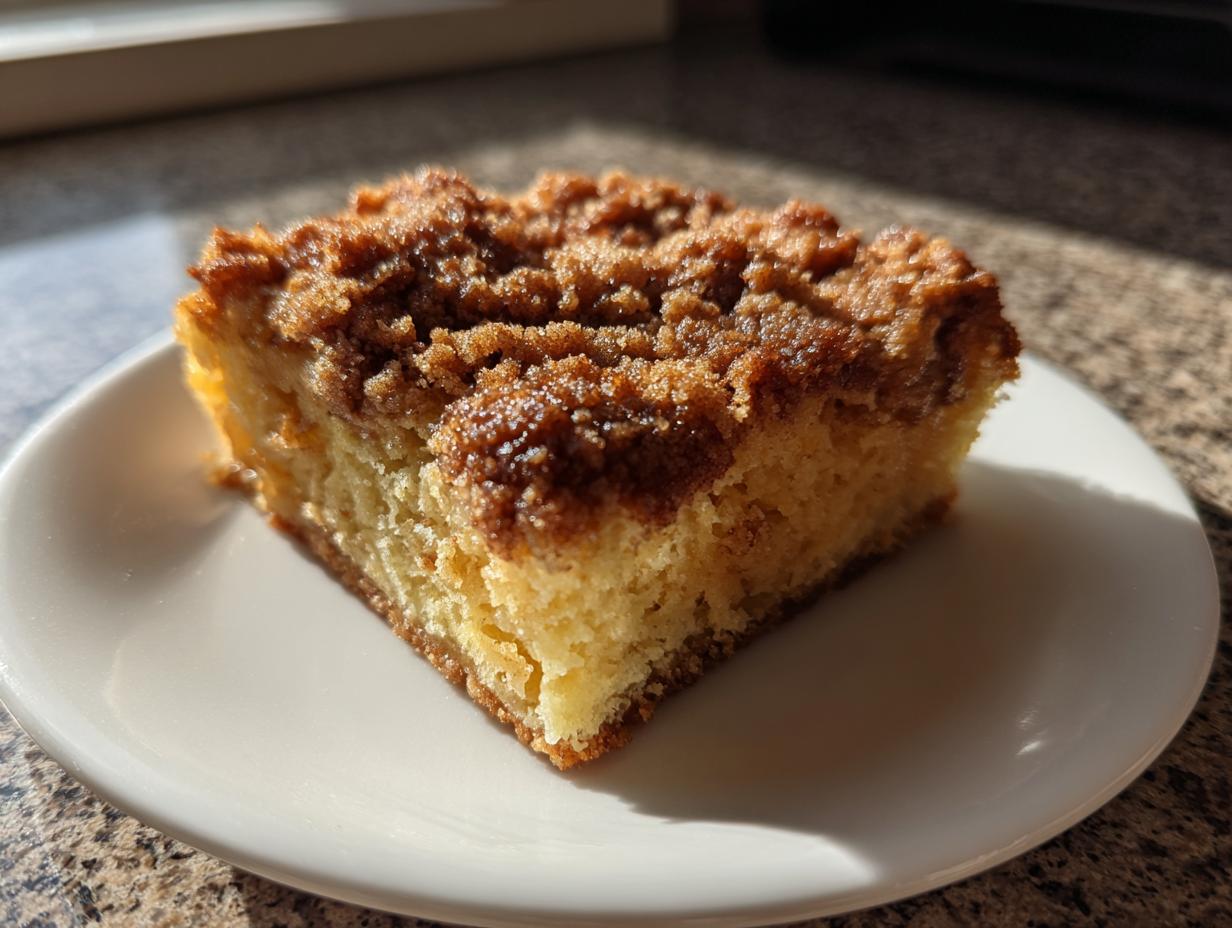
Let’s be honest: making classic French toast on the stovetop is a workout. You’re flipping tiny pieces one by one, trying to keep them warm while juggling coffee and company. It’s chaos! That’s why I engineered this Ultimate Overnight Baked French Toast Casserole. I’m Leo Grant, and I treat recipes like projects—we streamline them to get maximum flavor payoff, minimum effort. This preparation is the perfect solution for a stress-free weekend brunch. You prep nearly everything the night before, and the oven does the hard labor. Say goodbye to griddle duty and hello to being a relaxed host!
- Why This Ultimate Overnight Baked French Toast Casserole Works
- Ingredients for the Best Baked French Toast Casserole
- Step-by-Step Instructions for Your Oven Baked French Toast
- Tips for Success with Baked French Toast Casserole
- Variations for Your Baked Breakfast Casserole
- Serving Suggestions for This Crowd Pleaser Breakfast
- Storage and Reheating Instructions for Baked French Toast
- Frequently Asked Questions About Overnight French Toast Casserole
- Nutritional Estimates for This Custard Bread Bake
- Share Your Ultimate Baked French Toast Experience
Why This Ultimate Overnight Baked French Toast Casserole Works
Swapping the skillet for a casserole dish fundamentally changes the game, trust me. This isn’t just about making a big batch; it’s about achieving a texture stovetop cooking just can’t match. When I developed this method, the goal was simple: deliver an impressive **Crowd Pleaser Breakfast** without the usual morning hustle. Here’s why this technique wins every time.
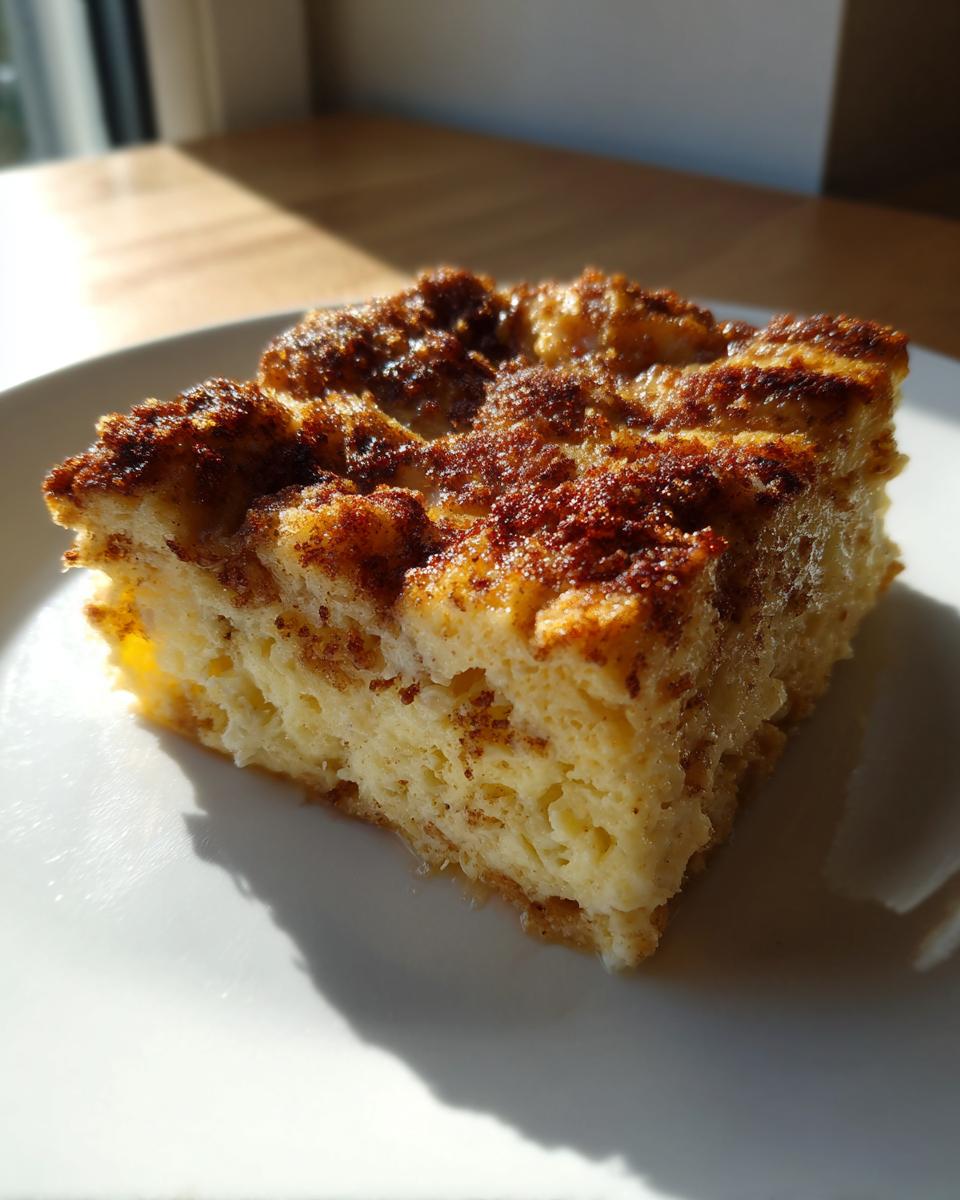
- It completely transforms your morning routine into a genuine Stress Free Breakfast experience.
- The slow soak creates an unbelievably uniform, rich interior.
Make Ahead Breakfast Efficiency
The overnight chilling isn’t optional; it’s the secret sauce for any good Make Ahead Breakfast. When the bread cubes soak up the custard mixture for 8 to 12 hours, they absorb every bit of spice and creaminess. When you wake up, all the hard work is already done! You just pop it in the oven. This means you can actually enjoy your weekend brunch instead of playing short-order cook.
Perfect Custard Bread Bake Texture
Baking in the oven guarantees even heat distribution across the whole 9×13 pan. You avoid the floppy, undercooked centers common with thick slices cooked on a griddle. This results in the most divine **baked french toast**—the edges are slightly crisp and caramelized from the streusel, while the inside is tender and molten, like the best bread pudding imaginable.
Ingredients for the Best Baked French Toast Casserole
You know I’m all about reliable setups, and that starts with listing everything clearly. For this baked french toast recipe, we break it down into two main teams: the stuff that soaks up all that glorious liquid, and the crunchy, cinnamon-heavy topping that makes it feel special. Get your bread cubed the night before, and you’ve already won half the battle. If you’re looking for homemade bread options when you have extra time, check out my tips for making sourdough sandwich bread sometime!
For the Custard Base and Bread
This is where the magic really soaks in. Pay close attention to the bread type—it makes a huge difference here!
- 1 loaf (about 1 pound) thick-cut bread like brioche or challah, cut into 1-inch cubes
- 12 large eggs (Yes, twelve! This helps structure the custard beautifully.)
- 2 cups whole milk
- 1 cup heavy cream
- 1/2 cup granulated sugar
- 2 teaspoons ground cinnamon
- 1 teaspoon vanilla extract
- 1/4 teaspoon ground nutmeg
- 1/4 teaspoon salt
For the Cinnamon Streusel Topping
This topping goes on right before baking, but you can mix the dry ingredients ahead of time. Keep that butter COLD, please! Cold butter creates those amazing little pockets of buttery crunch when it hits the heat.
- 1/2 cup all-purpose flour
- 1/2 cup packed brown sugar
- 1/4 cup cold unsalted butter, cut into small pieces
- 1 teaspoon ground cinnamon
Step-by-Step Instructions for Your Oven Baked French Toast
This is where the project management approach really pays off. If you followed the ingredient list, you’ve already done the heavy lifting by cubing the bread. Now we focus on getting the custard ratio perfect and ensuring maximum absorption. We are aiming for fantastic **Oven Baked French Toast** results here, so stick close to these steps, especially concerning the overnight chill. When you’re ready to move fast the next morning, check out this super simple sheet pan mini meatloaf recipe for inspiration on streamlining!
Prep and Overnight Soaking (The Make Ahead Step)
The night before you bake, we get things ready to soak. First, take your 9×13 dish and give it a good grease—don’t skip this! We don’t want this beautiful bake sticking to the sides.
Next, arrange all those bread cubes evenly across the bottom of the dish. Now for the custard: In a big bowl, whisk together those 12 eggs, milk, cream, sugar, cinnamon, nutmeg, vanilla, and salt. You need to whisk this until it looks *fully combined*. I mean it—no streaks of egg yolk allowed! Slowly pour that rich liquid base over the bread in the dish. Here’s a critical step: use your hands or a spatula to gently press the bread down. You want every cube feeling cozy and saturated. Cover the whole thing tightly with plastic wrap. It needs to sit in the fridge for at least 4 hours, but honestly, the overnight soak is when the texture turns from good to legendary.
Preparing the Cinnamon Streusel Topping
When you wake up the next morning, pull the dish out of the fridge about 20 minutes before you want to bake it—let it warm up slightly on the counter. Now, make the topping. In a separate little bowl, combine your flour, brown sugar, cold butter pieces, and that last teaspoon of cinnamon. The absolute key here is the butter: it must be freezing cold. You need to physically cut that butter into the dry stuff. Use your fingers—pinch and rub until it looks like coarse, sugary sand. Don’t try to over-mix it into a paste; we want that crumbly texture for crunch!
Baking the Cinnamon French Toast Bake
Preheat your oven to 350 degrees F. Once the oven is hot, take the plastic wrap off the soaked bread and sprinkle that streusel topping evenly over the top. Make sure you get good coverage right to the edges.
Pop it in the oven for 45 to 55 minutes. Keep an eye on it after the 45-minute mark. You are looking for a deep golden brown on top—that streusel should smell incredible! To check doneness, insert a knife near the center. If it comes out mostly clean, you’re good. If it’s wet, give it another 5 to 10 minutes. Once it’s done, please, let the Cinnamon French Toast Bake rest on the counter for at least 10 minutes before you cut into it. That setting time is crucial for clean slicing!
Tips for Success with Baked French Toast Casserole
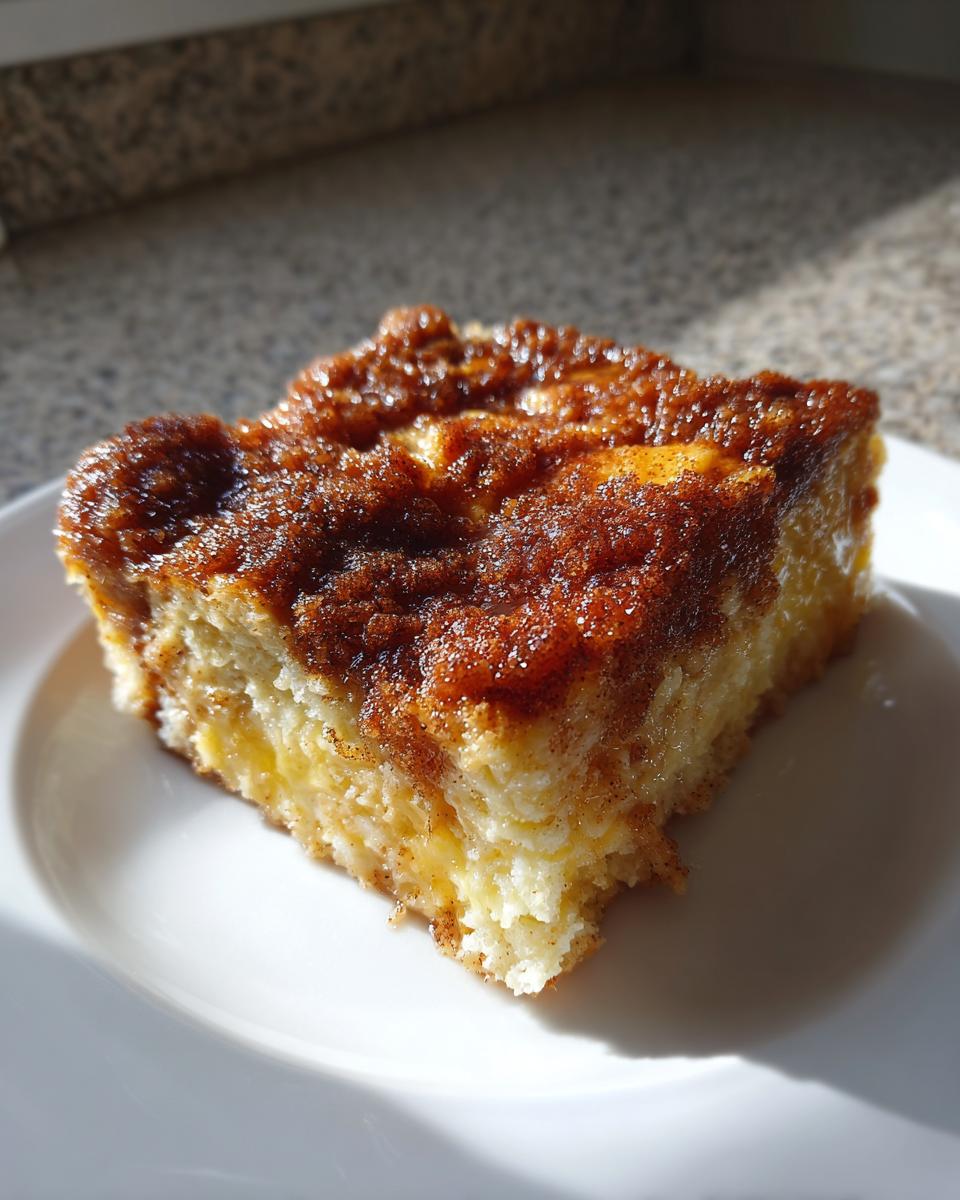
As a kitchen strategist, I always tell people that the failure point in most recipes isn’t the cooking—it’s the prep. This baked french toast casserole is super user-friendly, but if you use the wrong bread or rush the soak time, you end up with something sad and soggy. I’ve made every mistake possible over the years, mostly because I was impatient! Trust me on these tips; they prevent morning scrambling and guarantee that perfect custardy interior.
Bread Selection for Optimal Absorption
Seriously, do not grab a cheap, thin loaf of white bread for this! That’s how you get a wet, disintegrating mess that offers zero structural integrity. We need thick slices, like brioche or challah, cut into those big 1-inch cubes. Why? Because thick bread has the strength to soak up all that creamy custard without dissolving into mush by baking time. If your bread is super fresh, let it sit out on the counter, loosely covered, for about six hours. It should feel slightly dry—stale, but not rock hard. If you’re interested in building up your bread game generally, I’ve got a guide on starting a sourdough starter from scratch when you have a slow weekend coming up.
Adjusting for Same-Day Baking
I get it, sometimes you wake up on Saturday and decide you want this incredible casserole *now*, not tomorrow. If you have to skip the overnight chill, you absolutely can, but you need to commit to soaking time. Don’t just pour the custard over and throw it in the oven immediately! You need a minimum of 30 minutes for those thick bread cubes to start absorbing the liquid. If you can manage an hour, even better. Just press down on the bread several times during that 60 minutes to encourage that custard to move deep into the center. It won’t be *quite* as perfectly structured as the overnight version, but it will still be miles better than pan-fried toast.
Variations for Your Baked Breakfast Casserole
Once you’ve nailed the base recipe—the structure, the custard, the streusel—you can start experimenting, which is the fun, project-manager part of cooking! This **Baked Breakfast Casserole** is incredibly flexible, making it one of my favorite recipes for developing new Easy Brunch Ideas. You can swap out the spices or layer in some fruit. Remember, we are aiming for high flavor impact with minimal added work.
Here are a few swaps I’ve tested that work without needing to adjust the main custard ratio:
- Double Down on Spice: If you like things warming, swap out the nutmeg slightly for a quarter teaspoon of ground cloves. It gives the whole thing a deeper, almost holiday morning aroma.
- Fruit Additions: Berries are fantastic, but frozen fruit tends to bleed too much color and liquid into the custard overnight. If you want to add fruit, toss it with a little bit of flour before it goes into the pan. Think sliced bananas or fresh diced apples—they hold up better during the long soak.
- Nutty Upgrade: For an extra textural element, toast about half a cup of pecans or walnuts and mix those right into the streusel topping! They get wonderfully crisp in the oven and add a great earthy dimension against the cinnamon.
Serving Suggestions for This Crowd Pleaser Breakfast
Okay, the **baked french toast** is out of the oven, it looks incredible, and it smells like every cozy weekend morning we ever wanted. Now, what do we serve it with? Because this is a **Crowd Pleaser Breakfast**, you want toppings that complement that sweet cinnamon streusel without making the whole thing too soggy. I try to keep the wet stuff on the side so folks can control their sweetness level. It prevents the baked-on topping from getting soft too quickly!
My philosophy here is simple: let the casserole shine, but offer some easy sides for maximum enjoyment. Since you’ve already done the heavy lifting on the main event, we want the accompaniments to be quick fixes.
- Real Maple Syrup, Always: This is non-negotiable in my kitchen. Don’t even think about the corn syrup stuff; it muddies the flavor profile we worked so hard to build with the brown sugar and spices. If you’re feeling extra fancy, drizzle just a tiny bit of high-quality syrup over the top right before you bring it to the table, though most people prefer pouring their own. For another maple kick, I recently developed a recipe for maple brown sugar glaze that elevates treats perfectly.
- Fresh Fruit Medley: This is essential for cutting through the richness of the custard and cream. A simple bowl of fresh raspberries, sliced strawberries, and maybe some blueberries provides needed acidity and freshness. They look gorgeous scattered over the top of the slices.
- Protein Balance: Since this is such a sweet, carb-heavy dish, serving a savory side makes the whole meal feel complete. We usually default to simple cooked bacon or perhaps some classic sausage links. It’s easy to cook those while the casserole is resting after baking!
- Whipped Cream (Optional, but Encouraged): Keep this on the side in a bowl. A dollop of lightly sweetened whipped cream adds a beautiful, cloud-like texture contrast to the dense casserole cubes.
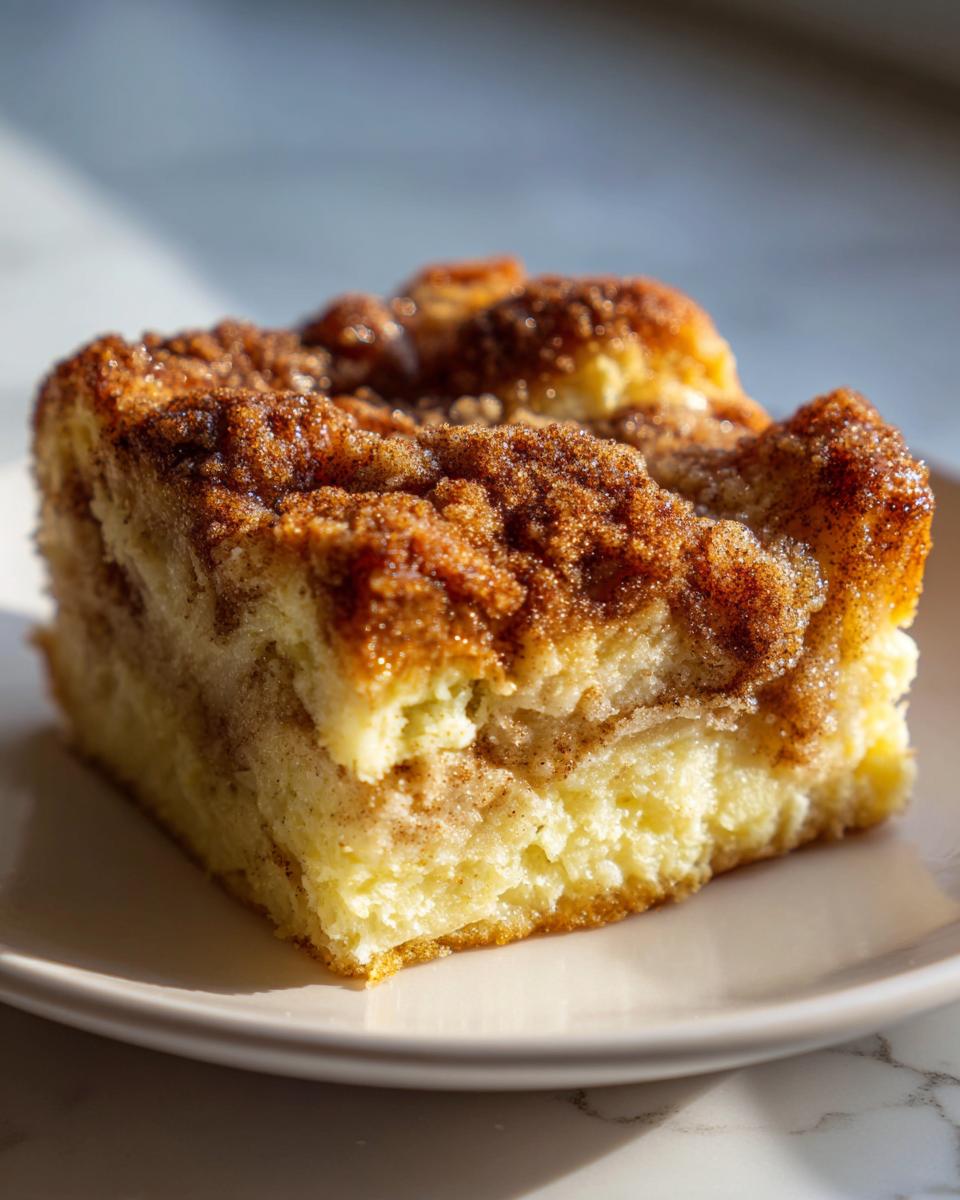
Seriously, with that crunchy streusel already on top, you don’t need much else. A little syrup, a side of bacon, and you’ve delivered a spectacular Holiday Morning Breakfast without breaking a sweat!
Storage and Reheating Instructions for Baked French Toast
Look, this Overnight French Toast Casserole is so good, you might actually have leftovers—though in my house, that’s rare! But for those times you planned ahead too well, or just want a quick **Comfort Food Breakfast** later in the week, proper storage is key. We want to protect that beautiful custard structure and that crunchy streusel topping we worked so hard on. Keep this in mind, and you’ll enjoy leftovers that taste almost as good as fresh out of the oven.
If you need to store something else for an easy meal later, check out how I simplify soup making with my easy crockpot potato soup recipe. It’s all about making life simpler!
Storing Leftovers
Once the casserole has cooled completely—and I mean completely cool, don’t trap steam in there—you need to seal it up tight. Use an airtight container or cover the original baking dish very securely with plastic wrap followed by a layer of aluminum foil. This double layer prevents that fridge air from drying out the edges.
You can safely store leftover **baked french toast** in the refrigerator for up to three days. If you are planning further ahead, you can actually freeze slices! Wrap individual slices really well in plastic wrap, then place them inside a heavy-duty freezer bag. They keep great in the freezer for about a month.
Reheating for the Best Texture
How you reheat this matters a lot, especially if you want to keep that contrast between the tender center and the crunchy top.
- For the Best Results (Oven Reheat): The oven is your friend for reviving texture. Preheat your oven to 350 degrees F. If reheating directly from the fridge, cover the dish loosely with foil and bake for about 15 minutes. Then, remove the foil and bake for another 5 to 10 minutes until heated through. This gentle heat brings back the crispness without making the custard rubbery.
- For Speed (Microwave): If you just need one quick slice right now, the microwave works, but be warned: the streusel will soften significantly. Pop a slice on a microwave-safe plate and heat in 30-second intervals until warm. It will be much softer and more bread-pudding-like, which some people actually prefer!
Either way, these are perfect for a quick, **Stress Free Breakfast** reheat on a busy weekday morning!
Frequently Asked Questions About Overnight French Toast Casserole
I gathered the most common questions I get about this recipe. Honestly, when you’re planning a big meal like a holiday morning breakfast, you need certainty. If I missed something, drop it in the comments below, and I’ll look over it!
Can I use regular sandwich bread instead of brioche for this baked french toast?
Uh oh, this is tricky. I really advise against it, and here’s why: standard sandwich bread is thin and has a low density. When it soaks up that rich custard overnight, it turns into basically sweet mush by morning. You lose that beautiful, fluffy-yet-structured interior that makes this dish so fantastic. If you absolutely must use it—maybe it’s all you have—you need to cut it thick and try to toast the slices lightly in a 300-degree oven for about 10 minutes first. That small bit of drying will give it just enough backbone to handle the liquid.
How far in advance can I prepare this Make Ahead Breakfast?
The sweet spot, the time I know gives the absolute best results, is leaving it to soak overnight—that means 8 to 12 hours is perfect. The bread gets fully saturated without getting waterlogged. You *can* technically push it to 24 hours in the fridge, but past the 12-hour mark, I start worrying about the cream absorbing too much spice and flavor, and the texture might start to degrade. For reliability, stick to overnight!
Can I make this a Sheet Pan French Toast Recipe?
Yes, absolutely! As I noted, this structure is really flexible. If you are cooking for a massive crowd (like more than 10 people) or just want crispier edges on every piece, spreading the bread mixture onto a large, rimmed baking sheet instead of the deep 9×13 dish is a fantastic switch. Just remember that because the mixture is spread thinner on a sheet pan, it cuts down on the necessary baking time. Start checking it around 35 to 40 minutes, and make sure the center is set before pulling it out.
Nutritional Estimates for This Custard Bread Bake
Okay, let’s talk numbers. I always tell people that while solving the complexity of life through smart cooking is my main goal here at Dishicious, we still need an idea of what we’re eating. Since every ingredient can vary slightly based on the bread you use—challah versus brioche, for instance—these figures are solid estimates based on the exact recipe provided for the baked french toast casserole.
Please remember, these are generalized approximations based on 1/8th of the total dish. They are guides, not guarantees, so take them as such! If you want to swap out the heavy cream for something lighter, your numbers will change, naturally. If you’re making substitutions, you’ll need to run your own calculation. But for a standard weekend brunch treat, here’s what you’re looking at for one serving.
- Serving Size: 1 slice (Yields 8 servings)
- Calories: 410
- Sugar: 22g (Mostly from the brown sugar in the custard and streusel)
- Fat: 19g
- Saturated Fat: 11g
- Unsaturated Fat: 8g
- Trans Fat: 0.5g
- Carbohydrates: 50g
- Fiber: 2g
- Protein: 15g
- Cholesterol: 210mg
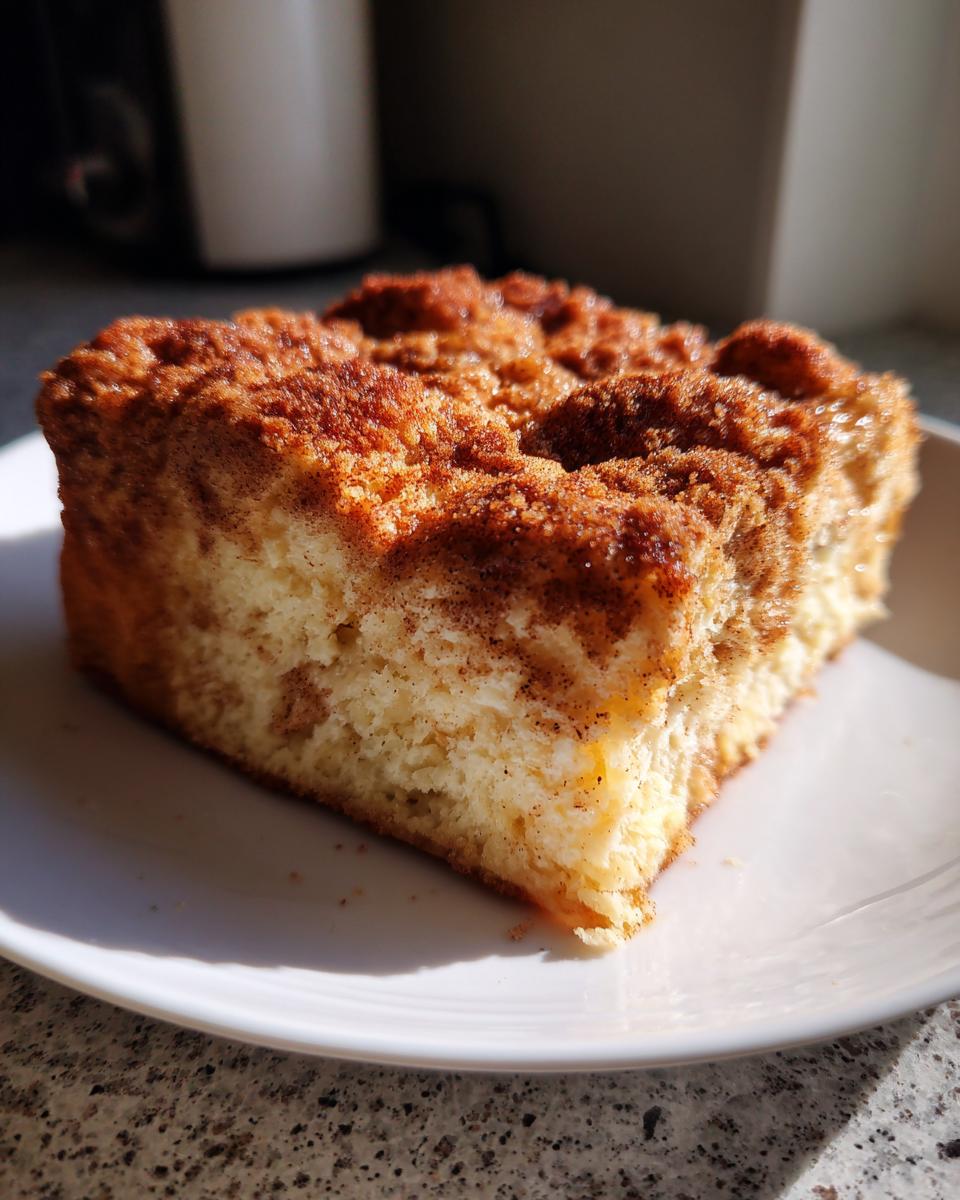
It’s a substantial slice, which is why skipping the overnight soak usually results in a structural failure—you need that dense bread to handle this much goodness! If you want to pair this with something lighter later in the week, perhaps after freezing some leftovers, you should check out my guide on making easy crockpot potato soup. It’s the perfect counterbalance to a rich weekend breakfast!
Share Your Ultimate Baked French Toast Experience
Alright, project complete! You’ve successfully navigated the planning, the overnight soak, and baked up what I truly believe is the best baked french toast you can make without standing over a stove. This is exactly what I aim for here at Dishicious: turning a potentially complex brunch into a simple, elegant win.
Now, here’s the final step of the project: feedback! I want to know how this Stress Free Breakfast worked out for your morning. Did you stick perfectly to the plan, or did you sneak in an extra splash of vanilla? Did the streusel turn out perfectly crunchy?
Please do me a huge favor and rate this recipe with 5 stars right here in the comments section below. Your ratings help me know which recipes are working perfectly for folks like you. And if you snapped a picture of that golden beauty, I’d love to see it! Tag us on social media when you share your **Crowd Pleaser Breakfast** successes. It helps other busy home cooks realize that spectacular weekend meals don’t have to be complicated.
If you need to get in touch with me directly for specific questions that aren’t covered in the FAQ, you can always reach out through my contact page. Happy baking, and enjoy your well-deserved relaxed morning!
PrintUltimate Overnight Baked French Toast Casserole with Cinnamon Streusel

Prepare this make-ahead breakfast casserole the night before for a stress-free, crowd-pleasing brunch. It features custardy bread topped with a crunchy cinnamon streusel, baked until golden.
- Prep Time: 20 min
- Cook Time: 50 min
- Total Time: 1 hr 10 min
- Yield: 8 servings 1x
- Category: Brunch
- Method: Baking
- Cuisine: American
- Diet: Vegetarian
Ingredients
- 1 loaf (about 1 pound) thick-cut bread like brioche or challah, cut into 1-inch cubes
- 12 large eggs
- 2 cups whole milk
- 1 cup heavy cream
- 1/2 cup granulated sugar
- 2 teaspoons ground cinnamon
- 1 teaspoon vanilla extract
- 1/4 teaspoon ground nutmeg
- 1/4 teaspoon salt
- For the Streusel Topping:
- 1/2 cup all-purpose flour
- 1/2 cup packed brown sugar
- 1/4 cup cold unsalted butter, cut into small pieces
- 1 teaspoon ground cinnamon
Instructions
- Lightly grease a 9×13 inch baking dish. Arrange the bread cubes evenly in the prepared dish.
- In a large bowl, whisk together the eggs, milk, heavy cream, granulated sugar, 2 teaspoons cinnamon, vanilla extract, nutmeg, and salt until fully combined. This is your custard base.
- Pour the custard mixture slowly and evenly over the bread cubes, pressing down gently to help the bread absorb the liquid.
- Cover the dish tightly with plastic wrap. Refrigerate for at least 4 hours, or preferably overnight. This step is key for the best texture.
- When ready to bake, preheat your oven to 350 degrees F.
- Prepare the streusel topping: In a small bowl, combine the flour, brown sugar, cold butter pieces, and 1 teaspoon cinnamon. Use your fingers or a pastry blender to cut the butter into the dry ingredients until the mixture resembles coarse crumbs.
- Remove the plastic wrap from the casserole dish. Sprinkle the streusel topping evenly over the soaked bread.
- Bake for 45 to 55 minutes, or until the top is golden brown and a knife inserted near the center comes out mostly clean.
- Let the baked French toast casserole rest for 10 minutes before slicing and serving. Serve warm with maple syrup.
Notes
- Use slightly stale bread for the best results; it absorbs the custard better without becoming mushy.
- If you need a quick breakfast, you can skip the overnight chill, but allow the bread to soak for at least 30 minutes before baking.
- This recipe works well as a sheet pan French toast recipe if you use a large rimmed baking sheet instead of a deep casserole dish; adjust baking time slightly.
Nutrition
- Serving Size: 1 slice
- Calories: 410
- Sugar: 22g
- Sodium: 450mg
- Fat: 19g
- Saturated Fat: 11g
- Unsaturated Fat: 8g
- Trans Fat: 0.5g
- Carbohydrates: 50g
- Fiber: 2g
- Protein: 15g
- Cholesterol: 210mg