

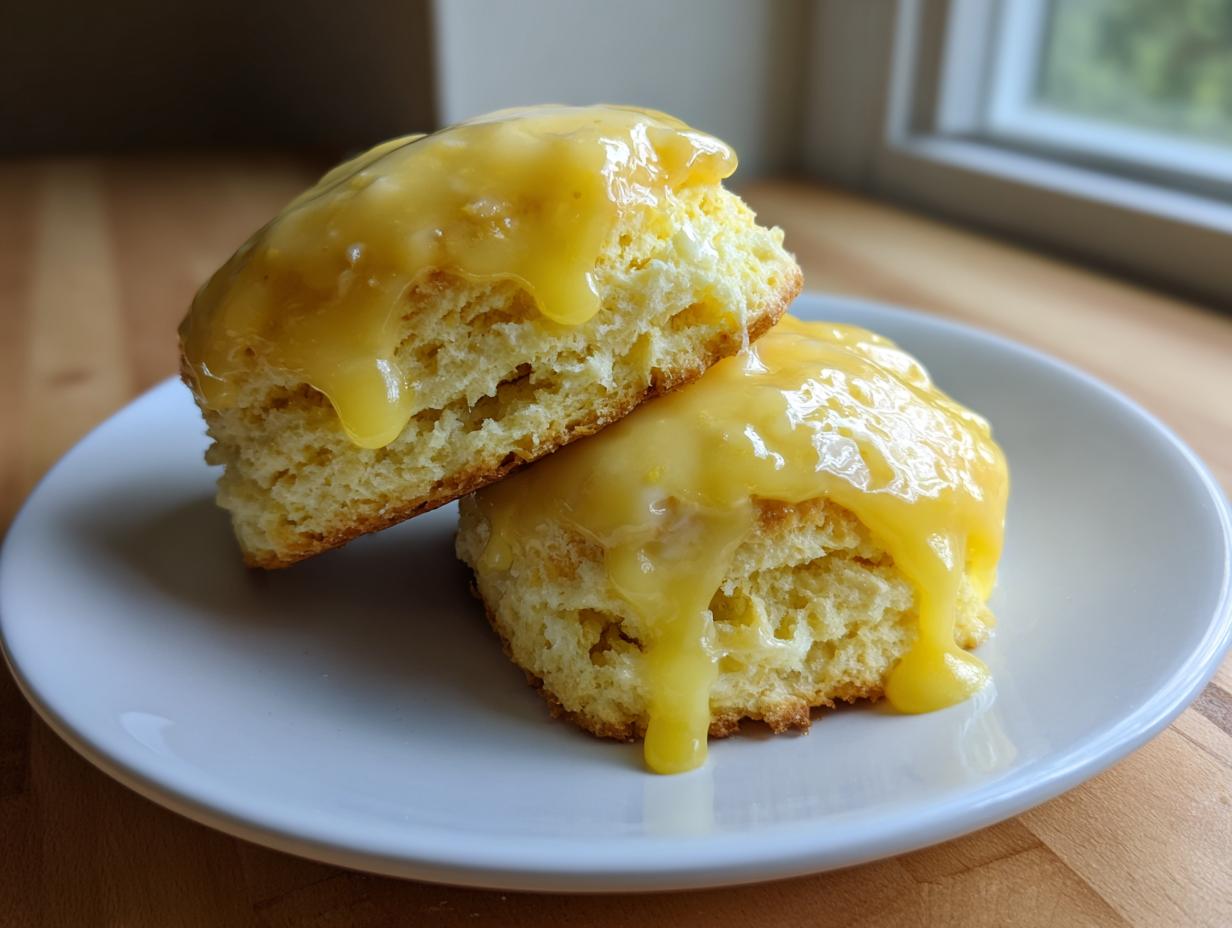
If you think you need complicated equipment or hours of fussing to get those perfect, melt-in-your-mouth layers from your favorite bakery, I’m here to prove you wrong. We’re officially unlocking the secret to achieving super soft and fluffy lemon scones right here at home, complete with a bright, tangy glaze. When I started Dishicious, it was all about treating recipes like a project to streamline, and making scones traditionally tricky texture simple was a major win. Trust me, these citrus bombs are tender, buttery, and unbelievably easy when you use the right approach.
- Why This is the best lemon scones recipe Ever
- Gathering Ingredients for Fluffy Lemon Scones with Glaze
- How to Prepare Your Easy Lemon Scone Recipe From Scratch
- Tips for Bakery Style Lemon Scones at Home
- Variations on Classic Lemon Scones Recipe
- Serving Suggestions for Your Zesty Lemon Baked Goods
- Storage and Reheating for Buttery Lemon Scones
- Frequently Asked Questions About Perfect Lemon Scones
- Share Your Experience Making These Lemon Scones
Why This is the best lemon scones recipe Ever
What makes these citrus bites take the top spot? It all comes down to efficiency and texture—my specialty! We cut out the fuss but focused intensely on the elements that deliver that signature bakery quality you crave. If you’re looking for scones that are actually moist and tangy, you’ve found your blueprint.
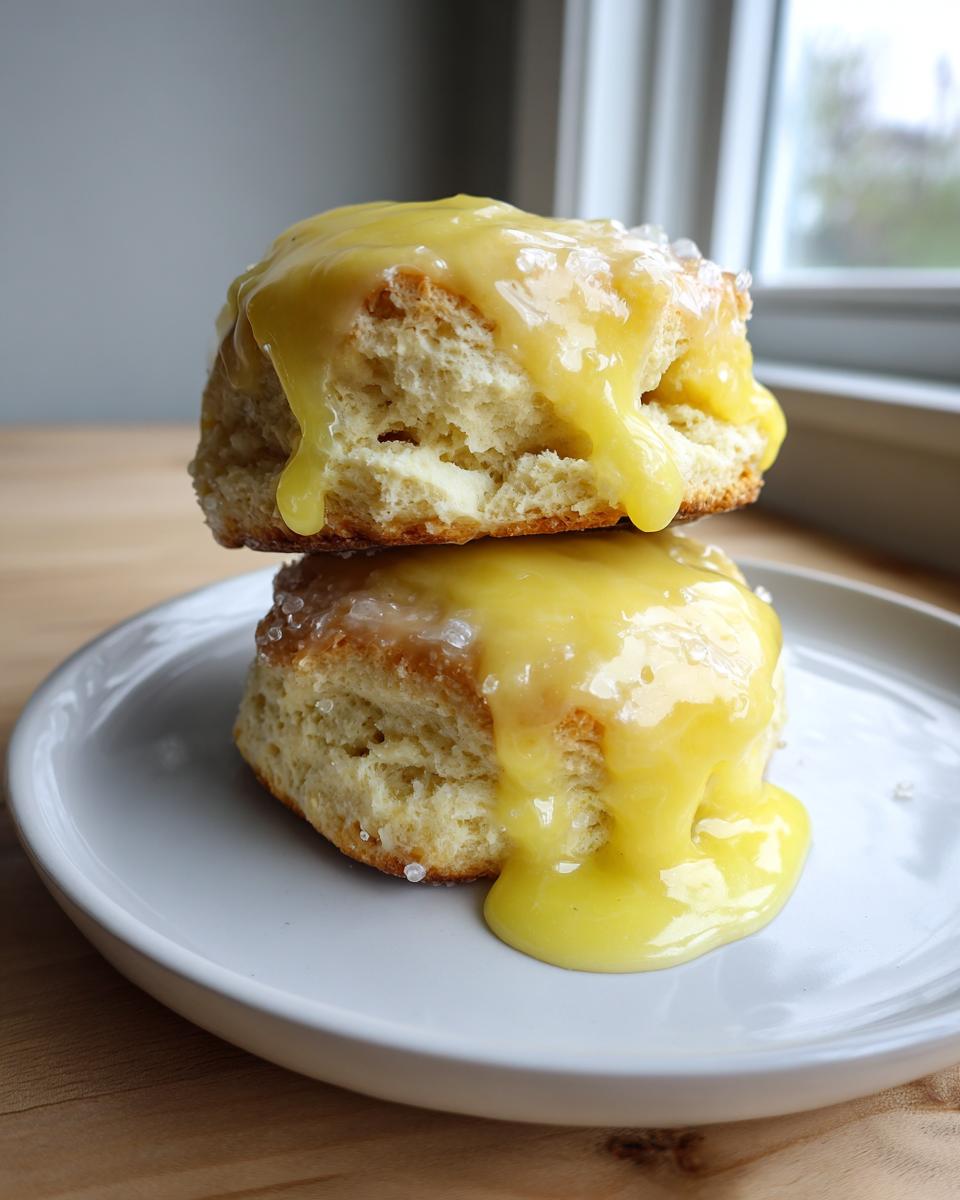
- Superior Softness: We lean heavily on cold heavy cream instead of just milk. That fat content is essential for that melt-in-your-mouth feeling.
- Intense Tang: We use both fresh lemon zest *and* juice. You can’t get that bright, zesty punch with just extracts, trust me on this one.
- Flaky Layers: We keep our butter ice cold and handle the dough as little as humanly possible when cutting it.
This focus on cold fat and fresh citrus is what separates an average scone from truly stellar lemon scones. It’s the simplest way to guarantee results!
Achieving Tender Lemon Scones Texture
The core rule for tender lemon scones is temperature control. If your butter warms up even a little, you lose the pockets of fat needed for flakiness. After you cut in the butter, you absolutely must mix the wet and dry ingredients quickly. Stop mixing the second everything comes together into a shaggy mess. Overworking the dough develops gluten, and gluten is the enemy of tender baked goods. Keep it cold and fast!
Gathering Ingredients for Fluffy Lemon Scones with Glaze
When it comes to fluffy lemon scones with glaze, the quality and temperature of your ingredients are non-negotiable—this is where project efficiency really pays off. No need for a massive ingredient catalog here; we are sticking to the essentials that make the biggest flavor impact. I’ve listed out exactly what you need below, making sure every measurement is precise so you get that perfect rise and structure when you bake.
Ingredient Notes and Substitutions for Lemon Scones
I can’t stress this enough: your butter and heavy cream must be straight-from-the-fridge cold. We need those distinct, icy pieces of butter to create steam pockets, which gives you those beautiful flakes. If your cream warms up while measuring, just pop it back in the freezer for five minutes!
If you want to level up, definitely experiment with Meyer lemons; their flavor is milder and sweeter. The recipe notes mention you can easily turn these into lemon poppy seed scones by tossing in a tablespoon of seeds when you add the flour. It’s a simple tweak that adds great texture.
How to Prepare Your Easy Lemon Scone Recipe From Scratch
Okay, this is where we execute the plan. Making these easy lemon scones doesn’t require multiple bowls or complicated resting periods—it’s designed for speed, making it a fantastic quick lemon scones recipe for a busy morning. Think of this as a simple, three-part assembly line process. First, prep the heat. Second, handle the dry components. Third, bring the wet in for the smoothest integration possible. Follow these structured steps, and you’ll have beautiful bakery-style scones ready in under 30 minutes! If you want more insight on simplifying tasks, check out my approach to making homemade mayonnaise from scratch; same philosophy applies here.
Mixing the Dough for Moist Lemon Scones
First, get that oven preheated to 400 degrees—we need to hit that temperature fast. Now, in your biggest bowl, you’re whisking the dry stuff: flour, sugar, baking powder, and salt. Next comes the cold butter. You must cut this in until you have coarse crumbs, like little pebbles, with some actual pea-sized chunks of butter remaining. These chunks are future flakiness! Once the zest is mixed in, pour in your cream/egg mixture all at once. Mix it with a fork—and I mean *gently*—until it just barely comes together. The dough should look shaggy and weird. If you stir until it’s perfectly smooth, you’ve already gone too far and you won’t get those moist lemon scones you want.
Baking and Glazing Your Lemon Scones
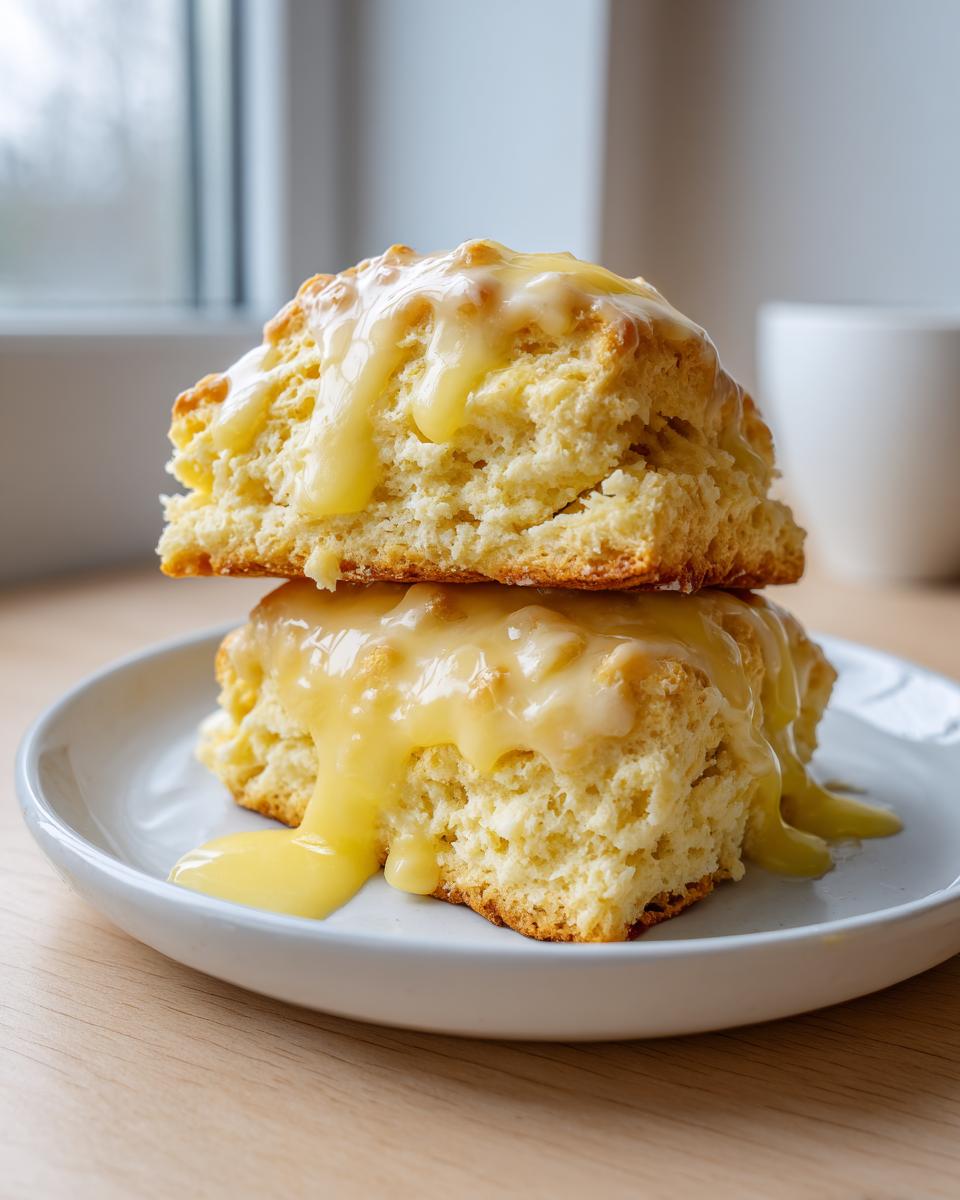
Turn that shaggy mass onto a lightly floured surface and gently pat it into a thick disc—no kneading allowed! Cut it into 8 neat wedges, place them on parchment paper, and give the tops a light brush with extra cream for that golden finish. They go into the hot oven for about 12 to 15 minutes. While they cool completely (this is important!), whisk together the powdered sugar and just enough lemon juice to get a thick, lovely drizzle consistency. If it runs right off the spoon, add more sugar. When the scones are totally cool, drizzle that bright icing over the tops. That tart glaze cutting into the buttery scone? That’s the payoff! This process is similar to the reliable methods others use for their lemon scones; it just works every time.
Tips for Bakery Style Lemon Scones at Home
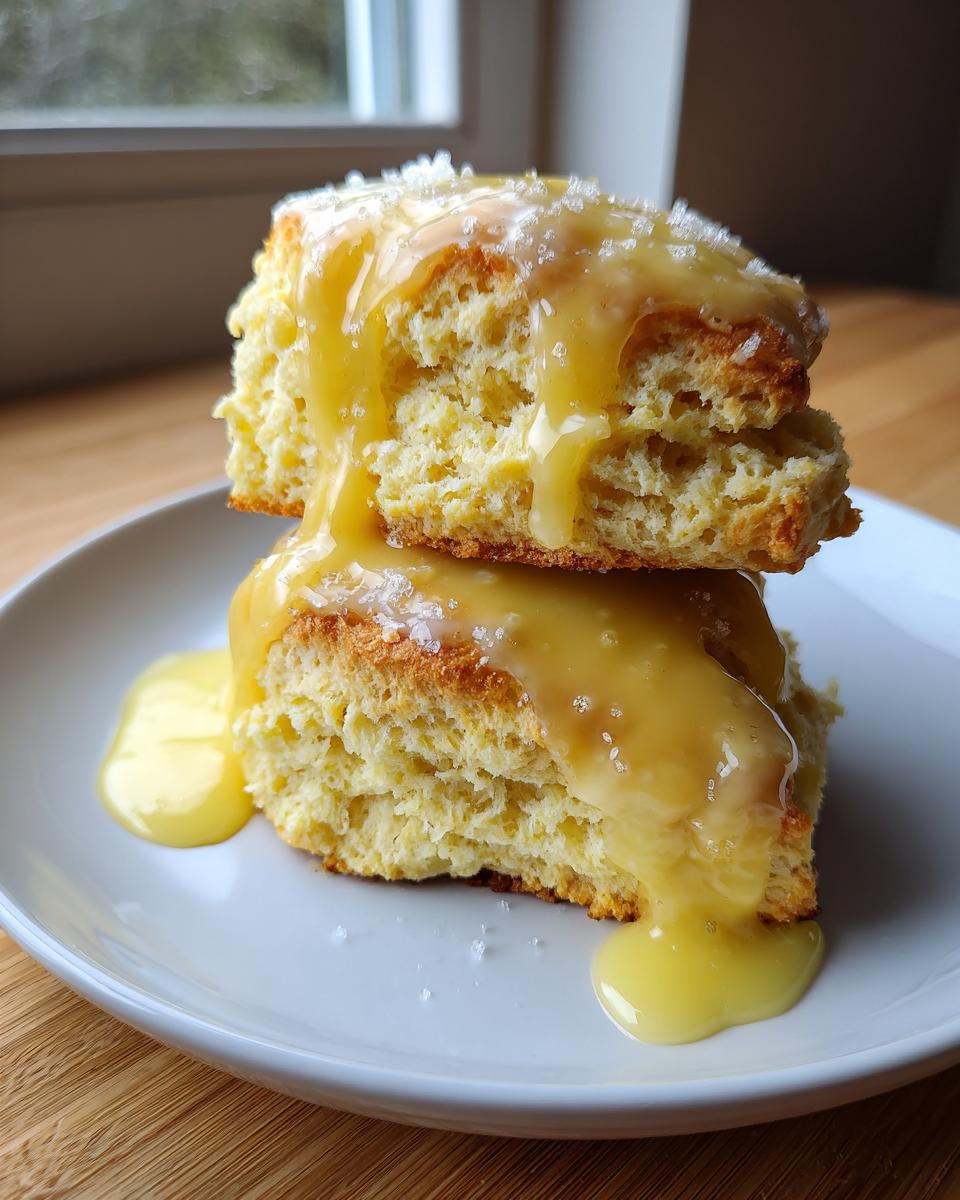
Getting that professional, bakery style lemon scones at home feel really comes down to respecting the physical state of your ingredients. I learned early on in streamlining these recipes that dough temperature isn’t just a suggestion; it’s a project parameter that dictates success or failure. If the butter melts, the layers merge, and you end up with a dense hockey puck instead of a fluffy treat.
My biggest tip is simple: work fast and keep things moving. When I first started testing this, I’d spend too much time fussing over the measurements. Now, I treat the prep like a quick sprint. Get the butter cubed and frozen for 10 minutes before you start, and have your liquids well chilled. This minimal handling ensures you don’t compress the dough too much, which keeps them light. It’s this kind of process optimization that makes all the difference in achieving that light, crumbly texture you usually only find at the coffee shop. For more on building foundational reliability in baking, check out my guide on sourdough starter.
Also, if you struggle with the dough sticking when you cut shapes, just lightly dust your cutter in flour between each cut. Don’t be afraid to use a sharp knife or bench scraper to make clean cuts—a ragged edge can sometimes seal up during baking and prevent the necessary lift. These little details are what separate a good batch from the amazing ones, just like the bakers over at Soft Lemon Cream Scones achieve!
Variations on Classic Lemon Scones Recipe
The beauty of this base recipe is how adaptable it is! Once you master the technique for these tender lemon scones, you can easily pivot into a new weekend project. You don’t need a whole new complicated method; just a few smart tweaks to the main dough keeps everything simple and reliable.
If you want to try a Meyer lemon scones recipe, go for it! Meyer lemons are sweeter and less acidic, so you might want to bump up the lemon juice in the glaze just a bit to keep that signature zing. You can find more details on using Meyer lemons in recipes like these wonderful Meyer Lemon Scones with Glaze. For a classic combo, turn these into lemon blueberry scones recipe batches. Just gently fold in about a cup of fresh or frozen blueberries right at the end, after the wet and dry ingredients are *just* incorporated. If you prefer something nutty, you can easily make lemon poppy seed scones!
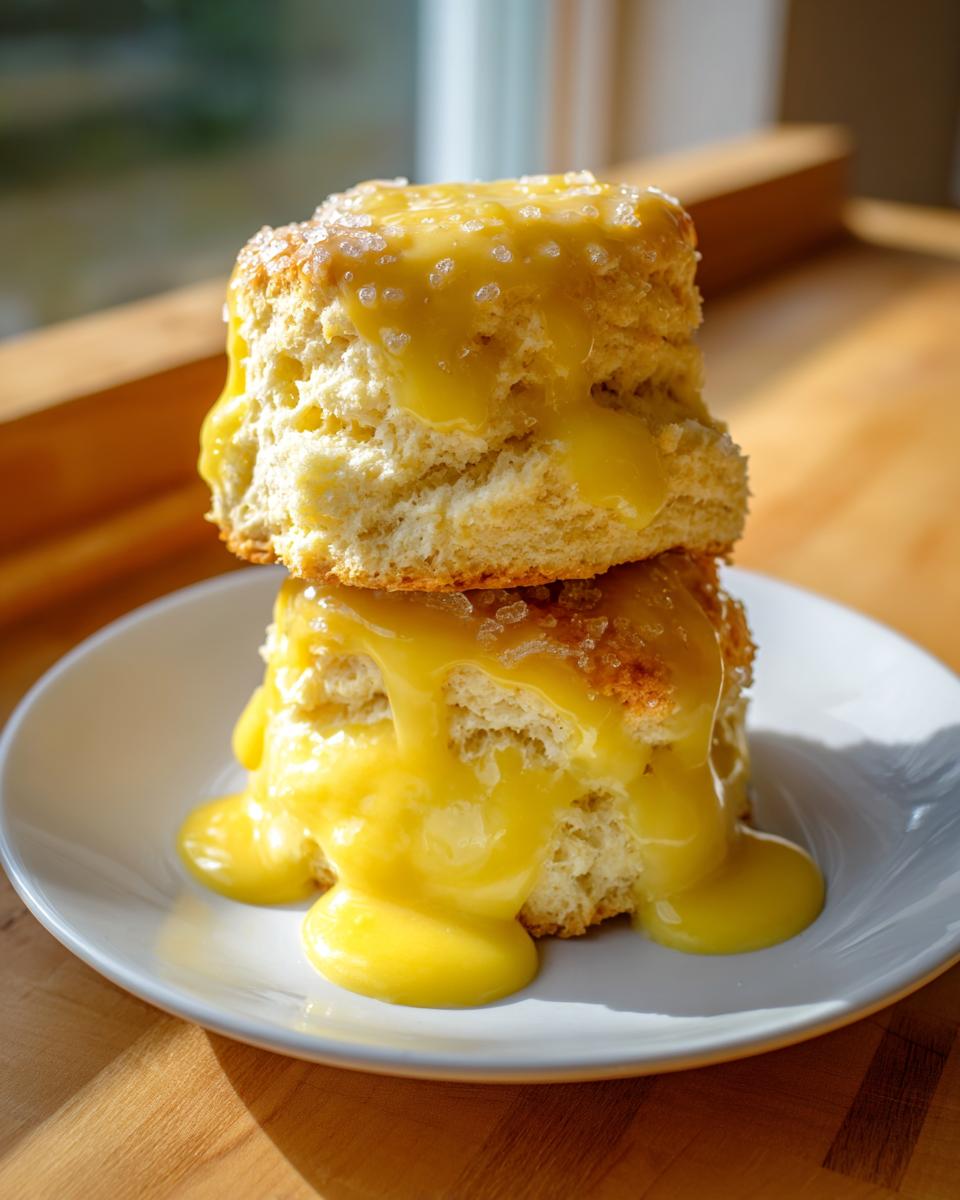
Remember those poppy seeds? Add a tablespoon in with your dry ingredients—that’s it! It’s so satisfying to create customized zesty lemon baked goods using the same core process. Looking for more citrus magic? You might enjoy my recipe for chewy lemon cookies next!
Serving Suggestions for Your Zesty Lemon Baked Goods
These zesty lemon baked goods aren’t just for one occasion; they are versatile little rays of sunshine for any time you need something bright and fast. Of course, they are incredible as a simple homemade scones for breakfast treat, but they truly shine when plated up for special events.
For afternoon tea, serve them slightly warm alongside a pot of Earl Grey or a simple black tea. If you’re planning a weekend brunch spread, these lemon brunch pastries pair beautifully with lighter, fruit-forward dishes. Try serving them with some fresh strawberries or perhaps a dollop of tangy homemade cranberry sauce from my recipe! Honestly, they’re wonderful next to something rich too, like how they balance out the brightness in these lovely lemon blueberry scones. Everything tastes better with a little citrus zing!
Storage and Reheating for Buttery Lemon Scones
We want these buttery lemon scones to stay soft, right? The glaze makes them a bit trickier than plain ones, but it’s manageable. Store any leftovers in an airtight container at room temperature for up to two days. Once they’re fully cooled, the glaze should be fully set, which helps seal in that moisture.
Okay, reheating tip: Skip the microwave if you can! Microwaving makes scones chewy and soft in a bad way. Instead, pop them into a toaster oven or a regular oven set to about 300 degrees F for just 5 to 7 minutes. That hits them with enough gentle heat to refresh the butter and crisp the outside slightly without drying out the inside texture. If you are looking for other versatile, make-ahead items, my recipe for mayonnaise is another staple that always lasts well!
Frequently Asked Questions About Perfect Lemon Scones
I get so many questions about these bad boys, especially after people take a bite and realize how easy they are to make! Here, I’ve gathered the most common queries so you can troubleshoot or plan ahead. If you are aiming for the perfect texture every time, paying attention to these details is key.
Can I use milk instead of heavy cream in this recipe?
You technically can, but I wouldn’t. If you need to substitute, use whole milk, but know that the texture won’t be as rich or as fluffy. Heavy cream has the higher fat content that prevents these from turning into dry biscuits. Milk won’t give you those super moist scones we are aiming for. It’s one of those spots where sticking to the original ingredients really pays off!
Why did my scones turn out tough instead of tender?
This almost always means one thing: overmixing. Remember, we’re mixing until it’s slightly messy and shaggy. If you mix until the dough looks smooth and uniform, you’ve built too much gluten. Treating dough handling like a critical project phase means minimizing friction and time spent mixing. For your next attempt at these tender lemon scones, try mixing the wet into the dry for about 10 seconds and then stop.
Can I make the dough ahead of time for a brunch party?
Yep, you can! Pat the dough out, cut your shapes, but don’t brush them with cream or bake them yet. Place the cut scones on the baking sheet, cover tightly with plastic wrap, and stash them in the fridge for up to 24 hours. When you’re ready to bake, let them sit on the counter for about 15 minutes while the oven heats up, brush with cream, and proceed with the recipe. Works like a charm for quick morning baking!
Share Your Experience Making These Lemon Scones
Now it’s your turn! If you followed the cold-ingredient rule and kept the mixing swift, I bet you have some incredible lemon scones cooling on the rack. Give this recipe a rating if it delivered that bakery-style fluffiness you were looking for. Drop a quick note below telling me what flavor additions you tried—was it poppy seed, or maybe a different citrus twist?
PrintSoft and Fluffy Lemon Scones with Bright Lemon Glaze

Make tender, bakery style lemon scones at home. This easy recipe uses cream for moist scones and finishes them with a zesty lemon icing, perfect for brunch or afternoon tea.
- Prep Time: 15 min
- Cook Time: 15 min
- Total Time: 30 min
- Yield: 8 servings 1x
- Category: Breakfast
- Method: Baking
- Cuisine: American
- Diet: Vegetarian
Ingredients
- 2 cups all-purpose flour
- 1/4 cup granulated sugar
- 1 tablespoon baking powder
- 1/2 teaspoon salt
- 1/2 cup (1 stick) cold unsalted butter, cut into small pieces
- 1 tablespoon fresh lemon zest
- 1/2 cup heavy cream, plus more for brushing
- 1 large egg
- 1 teaspoon vanilla extract
- For the Glaze: 1 cup powdered sugar
- For the Glaze: 2-3 tablespoons fresh lemon juice
Instructions
- Preheat your oven to 400 degrees F (200 degrees C). Line a baking sheet with parchment paper.
- In a large bowl, whisk together the flour, granulated sugar, baking powder, and salt.
- Cut in the cold butter using a pastry blender or your fingertips until the mixture resembles coarse crumbs with some pea-sized pieces of butter remaining.
- Stir in the lemon zest.
- In a separate small bowl, whisk together the heavy cream, egg, and vanilla extract.
- Pour the wet ingredients into the dry ingredients. Mix gently with a fork until just combined. Do not overmix; the dough will be slightly shaggy.
- Turn the dough out onto a lightly floured surface. Gently pat the dough into a 3/4-inch thick circle or rectangle.
- Cut the dough into 8 wedges or use a round cutter to make individual scones. Place them on the prepared baking sheet.
- Brush the tops lightly with extra heavy cream for a golden finish.
- Bake for 12 to 15 minutes, or until the tops are lightly golden brown. Let the scones cool completely on a wire rack.
- To make the glaze, whisk together the powdered sugar and lemon juice in a small bowl until smooth. Add more lemon juice, a half teaspoon at a time, until you reach a thick but pourable consistency.
- Drizzle the lemon glaze over the cooled scones before serving.
Notes
- For the softest scones ever, make sure your butter and heavy cream are very cold before mixing.
- If you prefer a stronger lemon flavor, substitute Meyer lemon juice and zest for regular lemon.
- This recipe works well for lemon poppy seed scones; add 1 tablespoon of poppy seeds with the dry ingredients.
Nutrition
- Serving Size: 1 scone
- Calories: 320
- Sugar: 18
- Sodium: 250
- Fat: 18
- Saturated Fat: 11
- Unsaturated Fat: 7
- Trans Fat: 0
- Carbohydrates: 36
- Fiber: 1
- Protein: 5
- Cholesterol: 60