

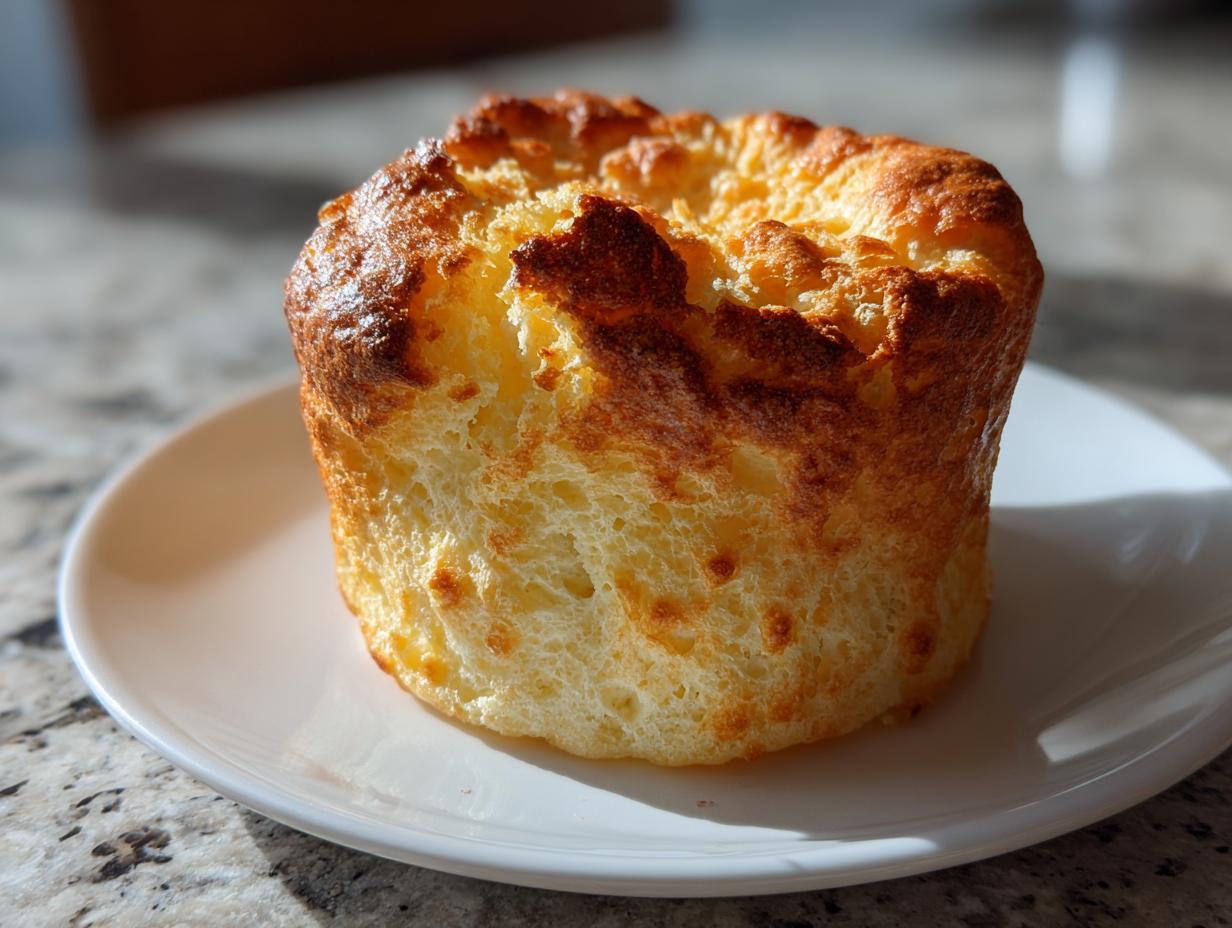
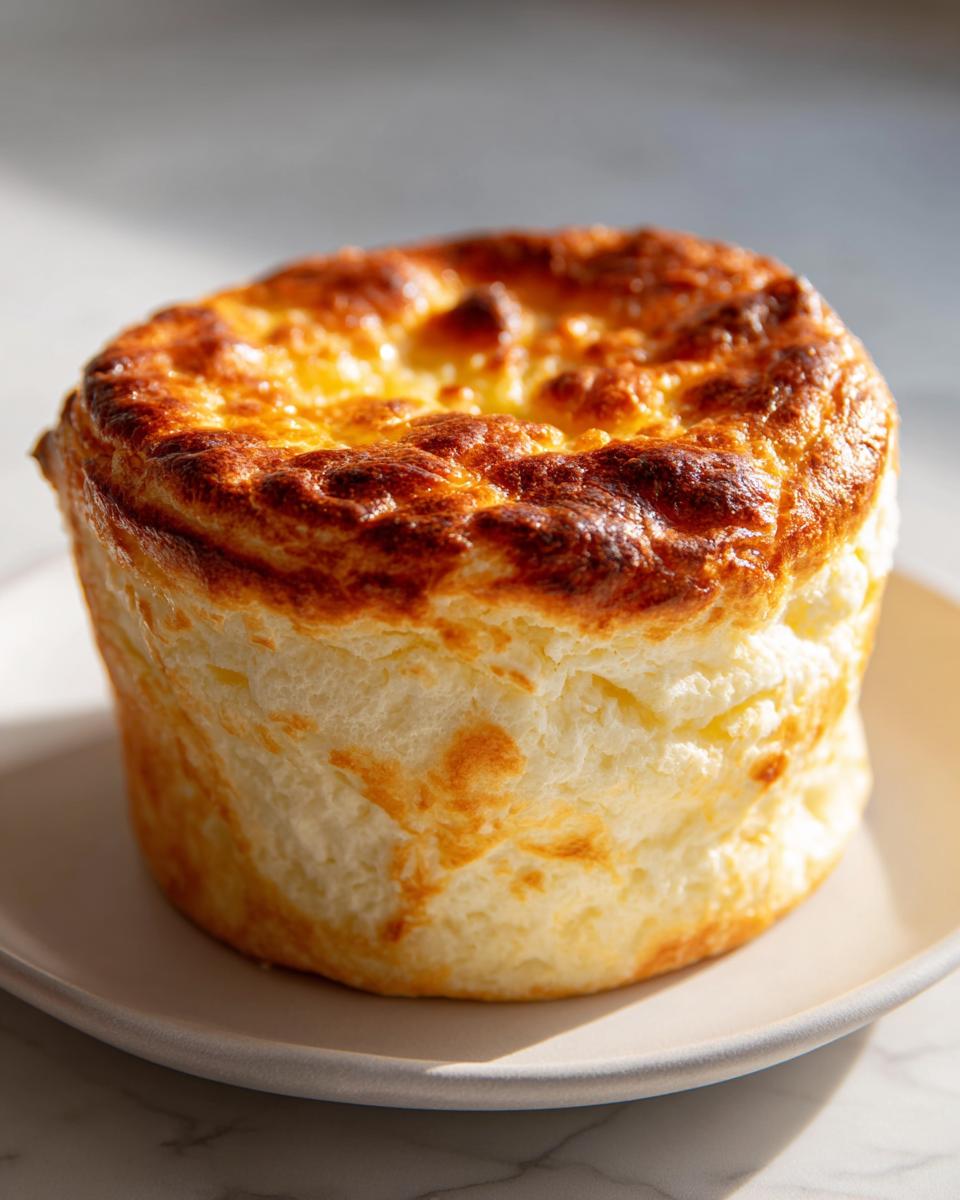
Look, I get it. The **classic cheese soufflé** is the Everest of home baking, right? It’s intimidating, it requires perfect timing, and frankly, if it collapses before you get it to the table, it feels like a culinary defeat. But that dramatic, towering rise? That’s pure bragging rights, and it’s why we attempt this magnificent **gourmet appetizer** in the first place. Forget the drama and the stress. When I approached this recipe, I treated it like any other project: breaking down the complexity into streamlined, utterly reliable steps. This isn’t some fragile, fussy attempt; this is the optimized technique that guarantees you’ll conquer this dish and show off that unforgettable, airy height. Trust me, your Sunday brunch just got a serious upgrade.
- Why This Classic Cheese Soufflé Recipe Works Every Time
- Essential Ingredients for Your Classic Cheese Soufflé
- Step-by-Step Instructions for a Perfect Classic Cheese Soufflé
- Tips for Success When Making a Classic Cheese Soufflé
- Serving Suggestions for Your Gourmet Appetizer
- Storing and Reheating Your Classic Cheese Soufflé
- Frequently Asked Questions About Perfecting Your Egg Recipes
- Estimated Nutritional Data for This Classic Cheese Soufflé
- Share Your Dramatic Rise: Tell Us About Your Classic Cheese Soufflé
Why This Classic Cheese Soufflé Recipe Works Every Time
When you’re aiming for that jaw-dropping height on a **classic cheese soufflé**, you need reliability, not guesswork. I engineered this process to eliminate the variables that usually cause those sad, flat results. It’s all about respecting the structure we’re building. We treat the base and the aerator (the egg whites!) separately until the final crucial moment. This method gives you confidence, which is everything when serving guests. Ready to nail this? Check out what makes this approach so trustworthy.
- Foolproof Structure: The Parmesan coating on the dish gives the rising batter something firm to cling to as it climbs.
- Perfect Lift: Using stiff, glossy, room-temperature egg whites ensures maximum volume and stability.
- Flavor First: We develop the béchamel base before folding anything in, guaranteeing deep savory flavor across the whole dish.
If you’re looking for more failsafe starters, take a peek at my collection of easy appetizers and snacks.
Achieving the Signature Dramatic Rise
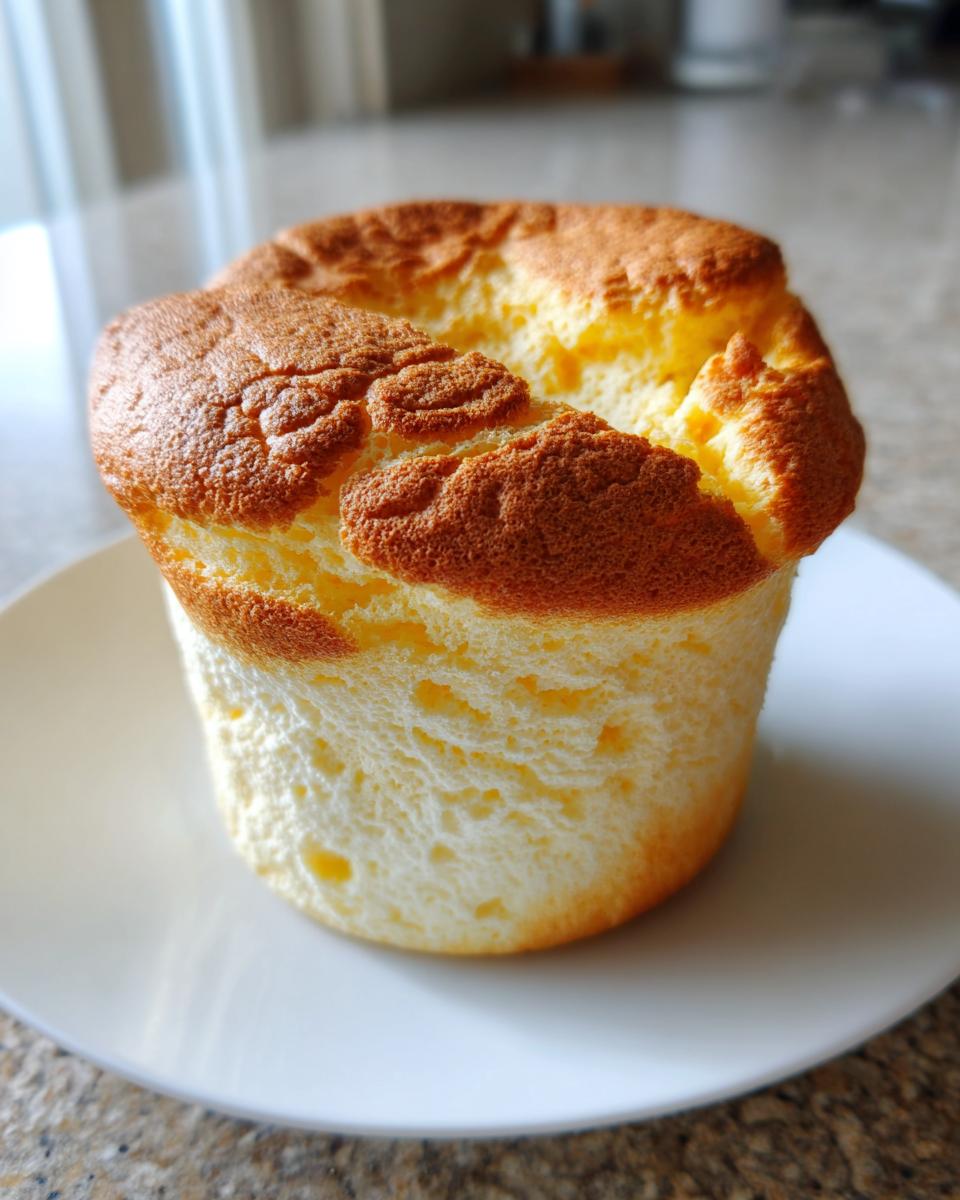
The height comes down to three non-negotiables. First, the dish preparation must be meticulous—really butter it up and use that dusting of Parmesan; that creates the perfect grip track for the batter. Second, the egg whites have to be beaten to genuinely firm peaks. I mean stiff enough to stand straight up without wavering. Third, and this is crucial, your folding technique has to be gentle but thorough. You’re incorporating air, not trying to make a smoothie. We mix just enough so there are no streaks left behind. That careful handling is what translates directly into those beautiful vertical inches in your oven.
Essential Ingredients for Your Classic Cheese Soufflé
With this recipe, ingredient quality is the project plan. Since we aren’t adding a million extra steps, every item on this list needs to pull its weight. Get these components ready before you even think about heating the stove. Everything needs to be measured precisely, especially the dairy and eggs. Consistency is everything in **French cooking**, and that starts right here with your mise en place.
- 2 tablespoons unsalted butter, plus extra for prepping the dish
- 3 tablespoons all-purpose flour
- 1/2 cup whole milk, warmed (yes, warm! It helps the sauce)
- 1/4 teaspoon salt
- Pinch of ground black pepper
- Pinch of ground nutmeg
- 4 large egg yolks
- 5 large egg whites, at room temperature (don’t cheat on this!)
- 1/2 cup grated Gruyère cheese (our preferred champion)
- 1/4 cup grated Parmesan cheese
Ingredient Notes and Cheese Selection for the Best Classic Cheese Soufflé
Let’s talk cheese, because that’s where the flavor payoff is. I strongly recommend Gruyère for this **classic cheese soufflé**. It melts beautifully and has that nutty, assertive flavor that stands up to the eggs. If you can’t find it, a very sharp, good-quality aged cheddar is the next best thing—avoid mild stuff; it just gets lost. Now, for the egg whites: they MUST be at room temperature. Cold whites won’t whip up to the huge, stable volume we need for that impressive lift. This is one of those basic science rules you can’t bypass if you want a spectacular result.
Step-by-Step Instructions for a Perfect Classic Cheese Soufflé
Alright, time to execute the plan. Once you have all your perfectly measured ingredients ready, making your **classic cheese soufflé** becomes a straightforward assembly project. We move through the base creation swiftly, then focus entirely on perfectly incorporating the air. Remember, speed and precision are key once we hit the egg whites!
Preparing the Dish: The Foundation of the Classic Cheese Soufflé Rise
This is step zero, and it’s critical. You want walls the soufflé can climb! Take your 1.5-quart dish (get it nice and straight) and generously slather the entire inside surface with soft, unsalted butter. Then, dust it heavily with Parmesan cheese—I mean really coat it—and flip the dish over to tap out any thick excess. That cheese coating is what gives the batter traction. Once prepped, pop that dish in the refrigerator while you work on the base. Keeping it cool ensures the butter doesn’t melt prematurely when we finally pour the warm base in there.
Mastering the Béchamel Base for Your Savory Soufflé
We start on the stovetop. Melt your main two tablespoons of butter over medium heat and whisk in the flour to cook out that raw taste for about 60 seconds—that’s called the roux. Now, pour in that warm milk slowly while whisking like crazy. Keep stirring until this sauce thickens up enough to coat the back of your spoon easily. Remember, lumps happen when you rush! Take it off the heat, immediately stir in your seasonings (salt, pepper, nutmeg), and then quickly beat in the four egg yolks, one by one. Finally, stir in both the Gruyère and Parmesan until that **cheese souffle** base is smooth, glossy, and tastes amazing. Set it aside to cool just a bit.
Folding Technique: The Key to a Light Classic Cheese Soufflé
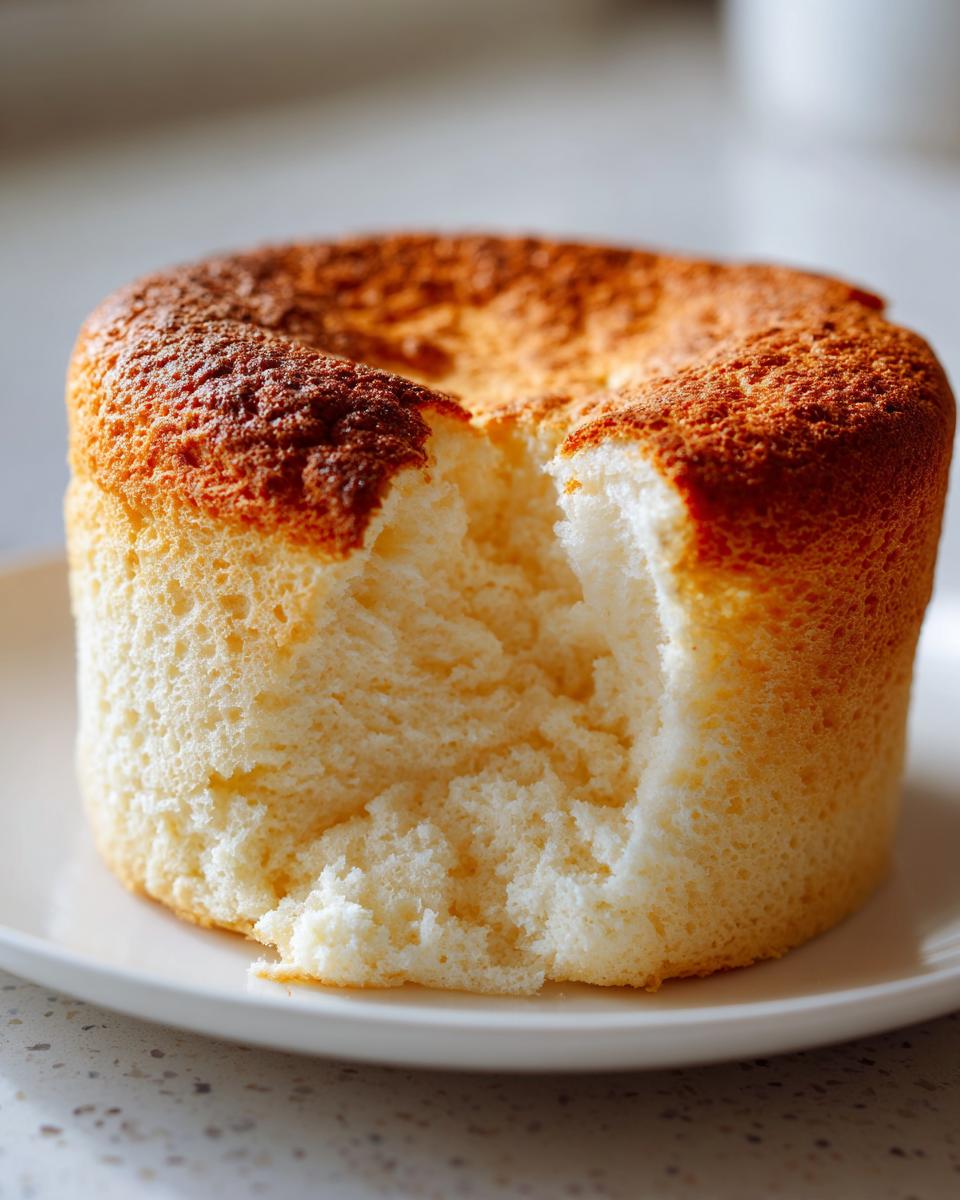
This is where we introduce the structure. In a separate, totally clean bowl, beat those room-temperature egg whites until they are stiff and shiny. Now, take about one big spoonful of those whites and beat it vigorously right into your cheese base. Don’t worry about deflating this first bit; you’re just softening the heavy base. Next, take the rest of the whites and add them in two batches. Use a spatula and fold gently—cut straight down the middle, sweep up the bottom of the bowl, and turn the bowl slightly. Stop folding the second you see no more white streaks. Seriously, a little bit of white left is better than totally deflating your **classic cheese soufflé** structure!
You can check out my recipe for a rich French Onion Chicken Bake if you want another deep flavor profile while you wait for this masterpiece to rise!
Tips for Success When Making a Classic Cheese Soufflé
Baking involves variables, but we can control most of them here to guarantee success for your **classic cheese soufflé**. Think of this phase as quality control before the big reveal. The recipe has built-in structural integrity, but you need to respect the environmental factors, especially heat. If your whites weren’t quite stiff enough, don’t panic; you might just need a minute or two longer in the oven.
Also, warming the milk before adding it to the roux is a small detail that makes a huge difference. Cold milk cools down your base too fast, which messes with the emulsion when you add the yolks. If you want to enhance flavor while you wait, check out my guide on making easy homemade gravy for another foolproof flavor base.
Oven Discipline: Do Not Open the Door
I cannot stress this enough: once that dish is in the oven, your job is done. You walk away. Forty-hundred degrees might seem hot, but that initial blast of heat is what causes the steam bubble to form rapidly and lift the structure. If you open that door, even for a peek, you introduce a sudden blast of cool air. That temperature shock is devastating to a rising **savory souffle**. Keep an eye on the clock, but keep the door shut tight for at least the first 20 minutes of that 25-to-30-minute bake time. Let the science work!
Serving Suggestions for Your Gourmet Appetizer
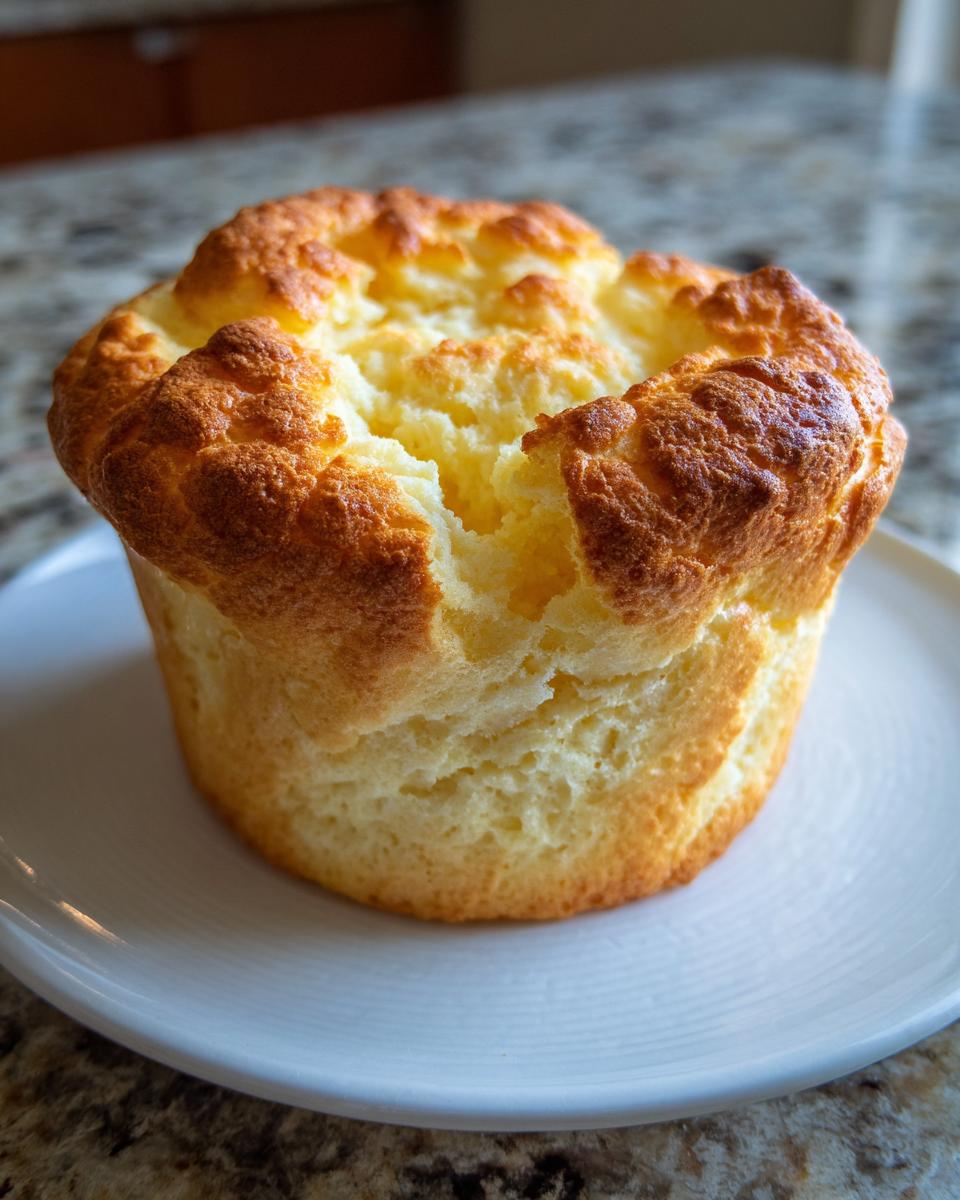
Okay, this is the moment of truth! Your **gourmet appetizer** is puffed up like a balloon, golden brown, and begging to be eaten. Soufflés wait for absolutely no one; they start sighing back toward earth the second they leave the heat. Serve it immediately! I usually have my plates ready and waiting. Because the flavor is so rich from the Gruyère, you don’t need much fuss on the side. A tiny, lightly dressed green salad with a sharp vinaigrette on the side is perfect for cutting through the richness. Or, if you’re feeling fancy, just a dash of smoked paprika sprinkled over the top right before serving looks amazing. Check out my recipes for other great gourmet appetizer options!
Storing and Reheating Your Classic Cheese Soufflé
Let’s be real: the dramatic rise only lasts a few glorious minutes. That’s the nature of a perfect **classic cheese soufflé**—it’s ephemeral! If you have leftovers, or if you just can’t get it into the oven right when it’s done, don’t toss it. The texture won’t be light and airy anymore; it will be dense, almost like a cheesy baked custard, but it will still taste fantastic.
For storage, let the slumped soufflé cool completely in its dish, cover it tightly with plastic wrap, and keep it in the fridge for up to two days. It’s dense, but it’s not wasted!
Reheating takes strategy. You can’t really bring back the dramatic puff, but you can bring back the warmth and flavor. Cover the dish loosely with foil and bake it at 350 degrees F until it’s heated through—maybe 15 to 20 minutes. It won’t rise again, but it’s a wonderful, rich, cheesy side dish or light lunch the next day. It totally beats scrambling old eggs!
Frequently Asked Questions About Perfecting Your Egg Recipes
When you’re tackling a technically skilled dish like this, you’re going to have questions. That’s smart project management—anticipating potential roadblocks before they happen! These issues usually come down to timing or ingredients, so let’s clear up the last few hurdles so you can focus on watching that beautiful **savory souffle** climb.
Can I make the cheese base ahead of time for my cheese souffle?
Yes, absolutely, here’s where you can save time! You can complete all the steps right up to folding in the egg whites. That finished béchamel base, loaded with cheese and yolks, stores beautifully. Cover it tightly and keep it in the fridge for up to 24 hours. When you’re ready to bake, make sure the base is slightly warmed up—maybe 15 minutes on the counter or 10 seconds in the microwave—before you fold in your freshly whipped, room-temperature egg whites. Never try to whip the whites ahead and then store them; that’s a recipe for deflation.
What is the best cheese to use for french cooking?
For classic, authentic flavor in your **french cooking**, Gruyère is truly the king because it melts so smoothly and offers that essential earthy complexity. Since this is a **gourmet appetizer**, using good quality, aged cheese really counts. If you want to layer flavors, you can swap out half the Gruyère for a very sharp, nutty Comté, or even a little bit of Gruyère mixed with a high-quality aged cheddar. The key is that it must grate easily and melt without becoming greasy or separating from the sauce.
My egg whites won’t get stiff peaks. What did I do wrong?
This almost always comes down to one of two things: grease or temperature. Did you accidentally get even a tiny speck of fat, butter, or yolk residue in the bowl or on the whisk? Fat destroys the structure of whipped whites instantly. Second, were your eggs cold? Cold whites won’t whip up to the huge, stable volume we need for that impressive lift. If you’re fighting a battle here, you might need to throw out the batch and start over with meticulously clean equipment and room-temp eggs. If you’re looking for easier **egg recipes** that don’t require this level of precision, check out my brunch section for great easy breakfast brunch ideas!
Why did my soufflé bake up lopsided?
A lopsided rise usually means an uneven oven temperature or uneven preparation of the dish. Did you butter the dish perfectly evenly? Did you run your thumb around the rim to clear that channel? If you don’t clear that channel, the batter hits the slick, buttery side and surges upwards only where it can, like a race car hitting an unpaved shoulder. Make sure your oven rack is perfectly level too; tilting ovens cause gravitational lean!
Estimated Nutritional Data for This Classic Cheese Soufflé
When you create a showstopper like this, you want to know what you’re getting into—though let’s be honest, you eat this for the glory, not the macros! Here are the estimates based on the ingredients listed. Because this is a rich **gourmet appetizer** built on butter and good cheese, the numbers reflect that decadent flavor profile. These are based on standard ingredient weights, so yours might differ slightly based on the exact sharpness of your Gruyère.
- Serving Size: 1 serving
- Calories: 320
- Fat: 22g (Saturated Fat: 13g)
- Protein: 18g
- Carbohydrates: 12g
Just remember, this is a delightful indulgence, not an everyday thing. Enjoy every single, cheesy, airy second of it!
Share Your Dramatic Rise: Tell Us About Your Classic Cheese Soufflé
If you followed the steps, you should be looking at a perfectly golden, sky-high masterpiece right now. That’s the payoff for treating this recipe like the precision project it is! I sincerely hope you got that show-stopping lift we aimed for, because that’s the best part of serving a **classic cheese soufflé**.
Now that you’ve conquered this classic, I want to see it! We built Dishicious on showcasing that achieving gourmet results is totally possible with smart planning. Head down to the rating section below and give me your honest assessment. Did it rise like a dream? Did those Gruyère flavors hit right? More importantly, snap a photo of that glorious puff and tag us!
Share your success story, or even if you hit a snag—we can troubleshoot together. Your feedback helps me keep perfecting these recipes for the next person who feels intimidated climbing their own culinary mountain. Ready for your next project? You can find more proven, delicious recipes over at the main Dishicious homepage!
PrintClassic Cheese Soufflé: The Reliable Recipe for a Dramatic Rise

Follow this straightforward method to achieve a light, airy, and impressive classic cheese soufflé. This recipe focuses on reliable technique for a perfect dramatic rise every time.
- Prep Time: 20 min
- Cook Time: 30 min
- Total Time: 50 min
- Yield: 4 servings 1x
- Category: Appetizer
- Method: Baking
- Cuisine: French
- Diet: Vegetarian
Ingredients
- 2 tablespoons unsalted butter, plus extra for preparing the dish
- 3 tablespoons all-purpose flour
- 1/2 cup whole milk, warmed
- 1/4 teaspoon salt
- Pinch of ground black pepper
- Pinch of ground nutmeg
- 4 large egg yolks
- 5 large egg whites, at room temperature
- 1/2 cup grated Gruyère cheese (or sharp cheddar)
- 1/4 cup grated Parmesan cheese
Instructions
- Prepare your soufflé dish: Generously butter the inside of a 1.5-quart soufflé dish. Dust the buttered interior with a light coating of grated Parmesan cheese, tapping out any excess. Place the dish in the refrigerator while you prepare the base.
- Make the roux: In a small saucepan over medium heat, melt the 2 tablespoons of butter. Whisk in the flour and cook for 1 minute, stirring constantly. Do not let it brown.
- Create the béchamel: Gradually whisk in the warm milk until the mixture is smooth. Continue cooking, stirring constantly, until the sauce thickens enough to coat the back of a spoon (about 2-3 minutes). Remove from heat.
- Season and add yolks: Stir in the salt, pepper, and nutmeg. Whisk in the egg yolks one at a time until fully incorporated. Stir in the Gruyère and Parmesan cheese until melted and smooth. This is your base. Set aside.
- Whip the egg whites: In a clean, dry bowl, beat the egg whites with an electric mixer until stiff, glossy peaks form. The peaks should hold their shape when the whisk is lifted.
- Lighten the base: Take one large spoonful of the beaten egg whites and vigorously mix it into the cheese base to lighten the mixture.
- Fold in the remaining whites: Gently fold the remaining egg whites into the cheese base in two additions using a rubber spatula. Cut down through the center and sweep up the side of the bowl, turning the bowl as you go. Stop folding just when no white streaks remain; do not overmix.
- Fill and bake: Pour the mixture into the prepared soufflé dish. Run your thumb around the inside rim of the dish to create a small channel; this helps the soufflé rise evenly. Place the dish on the center rack of your preheated oven.
- Bake: Bake at 400 degrees F (200 degrees C) for 25 to 30 minutes. Do not open the oven door during the first 20 minutes. The soufflé is done when it is well-risen and golden brown on top, and a skewer inserted near the center comes out mostly clean.
- Serve immediately: Serve your **classic cheese soufflé** right away for the best texture.
Notes
- Ensure your egg whites are at room temperature; they whip to a greater volume than cold whites.
- Use a clean, grease-free bowl when whipping egg whites for the best stiff peaks.
- For a taller rise, chill the prepared, unfilled soufflé dish in the freezer for 10 minutes before filling.
Nutrition
- Serving Size: 1 serving
- Calories: 320
- Sugar: 2
- Sodium: 350
- Fat: 22
- Saturated Fat: 13
- Unsaturated Fat: 9
- Trans Fat: 0.5
- Carbohydrates: 12
- Fiber: 0.5
- Protein: 18
- Cholesterol: 180