

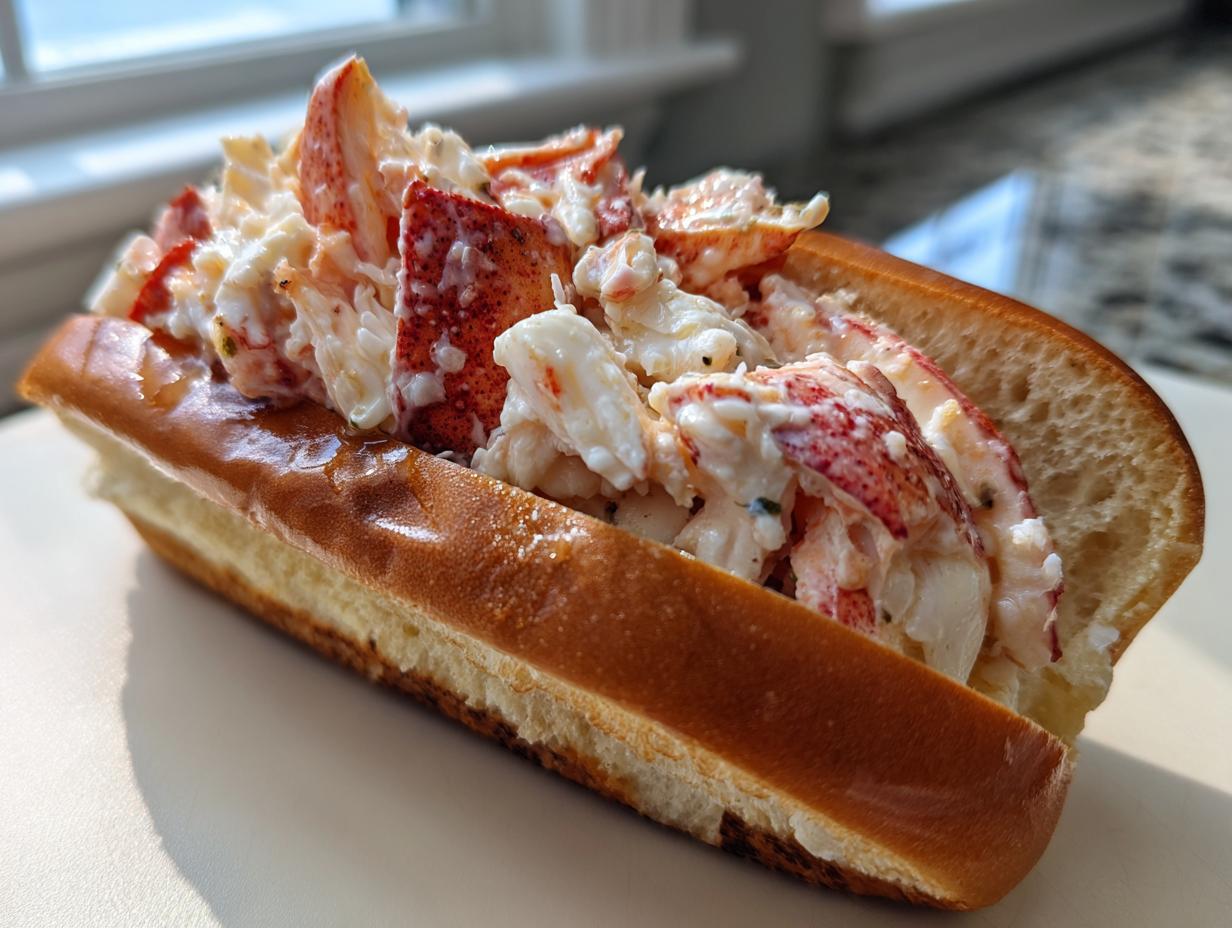
Summer seafood perfection isn’t about complication; it’s about letting the star ingredient shine through. When I first engineered this recipe here at Dishicious, I knew we weren’t messing around with heavy sauces or unnecessary fillers. This, my friends, is the absolute purist’s choice: the Connecticut warm butter lobster roll. It’s nothing more than sweet, fresh lobster meat, gloriously warmed, kissed with melted butter, and brightened by a squeeze of lemon, all nestled in a perfectly toasted split-top bun. As Leo Grant, I approached this like any other project: optimize for maximum flavor with minimum effort. In under 15 minutes, you get true seafood flavor. Forget the fussy stuff; this is the efficient, foolproof way to enjoy the best lobster roll experience possible.
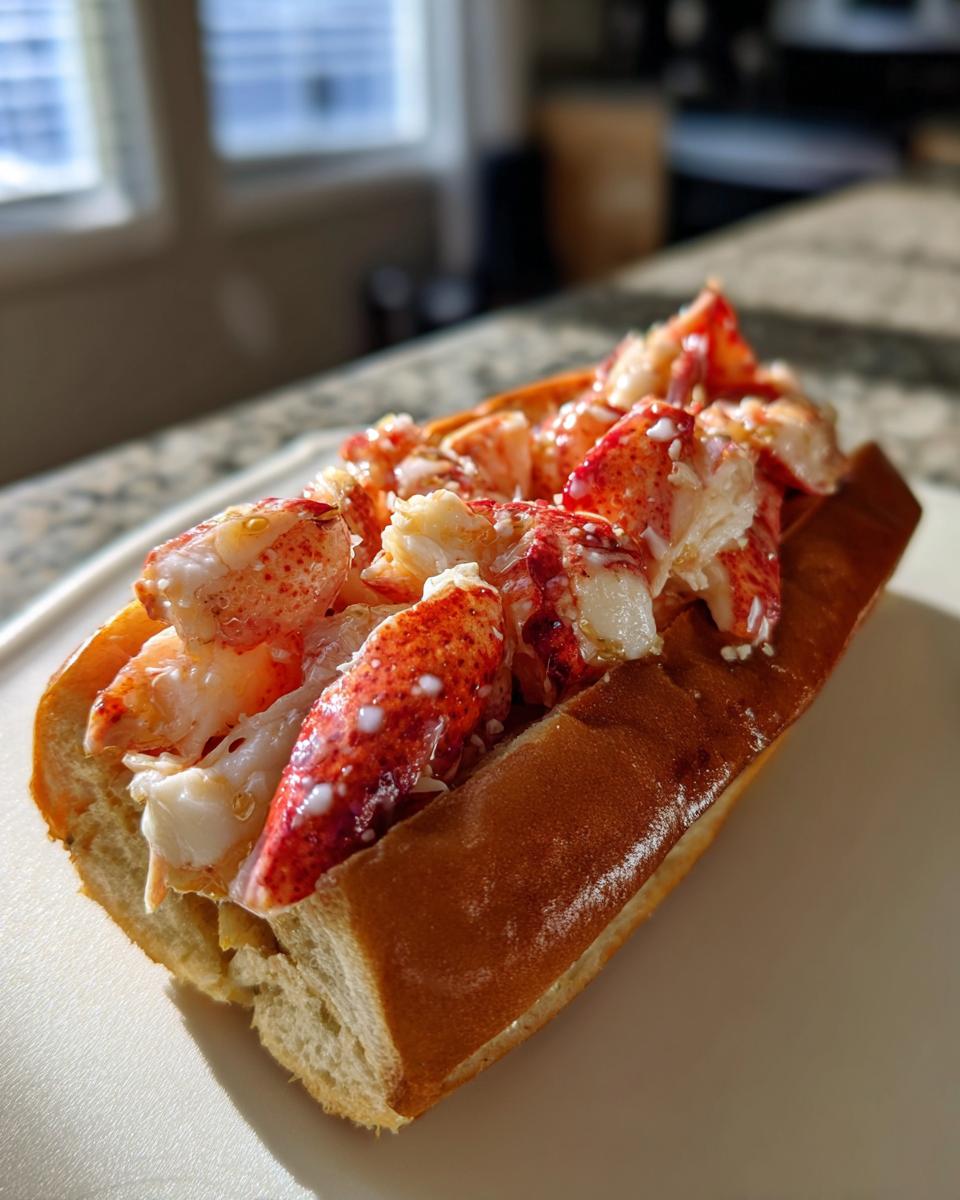
- Why This Connecticut Warm Butter Lobster Roll is the Purist’s Choice
- Gathering Ingredients for Your Connecticut Warm Butter Lobster Roll
- The Simple Steps for the Perfect Connecticut Warm Butter Lobster Roll
- Tips for Success with Your Butter Lobster Roll Assembly
- Serving Suggestions for the Connecticut Warm Butter Lobster Roll
- Storage and Reheating Instructions for Leftover Lobster Meat
- Troubleshooting Common Connecticut Warm Butter Lobster Roll Issues
- Frequently Asked Questions About the Classic Lobster Roll
- Estimated Nutritional Information for This Recipe
Why This Connecticut Warm Butter Lobster Roll is the Purist’s Choice
When you strip a recipe down to its core components, the quality of every single item shouts the loudest. That’s exactly what this approach does. We aren’t masking poor ingredients with mayo or herbs. We are celebrating that beautiful, sweet crustacean flavor. For me, that means efficiency equals excellence. If you’re looking for dependable, fast results that taste incredible, this is your go-to seafood recipe.
- Pure Flavor: The butter and lemon highlight the lobster itself, not a heavy dressing.
- Speed: Ready in about 15 minutes—perfect for busy evenings.
- Confidence: Fewer steps mean fewer places to make a mistake.
Focus on Freshness: The Key to a Great Connecticut Warm Butter Lobster Roll
If you’re making a Connecticut warm butter lobster roll, you absolutely cannot cut corners on the protein. Since there’s no heavy sauce hiding anything, the lobster meat needs to sing. I always insist on knuckle and claw meat—it holds its texture better when warmed than the lean tail meat does. My tip? When sourcing, look for meat that hasn’t been sitting around packed in liquid. If it smells strongly of the ocean versus smelling sweet and clean, keep looking. Quality here is non-negotiable for a truly authentic experience.
Gathering Ingredients for Your Connecticut Warm Butter Lobster Roll
Okay, we are moving into the supply check phase. Since this recipe is so simple, every component matters a lot. You don’t need a complex shopping list, but you need the *right* shopping list for an amazing Connecticut warm butter lobster roll. You need about one pound of beautiful, fresh lobster meat—I’m talking knuckle and claw preferred—and exactly four tablespoons of high-quality unsalted butter, fully melted.
Don’t forget the salt and one fresh lemon, cut into those perfect little wedges for serving. And crucial for the structure? Four soft, white, split-top hot dog buns. These must be the kind that opens flat on the side; skip the round bakery rolls for this specific project.
Ingredient Notes and Sourcing Tips
Let’s talk texture. That split-top bun has to be top-tier soft on the inside so it soaks up that beautiful melted butter perfectly when toasted. If you decide later you want to try a cold roll, you’d reach for mayo, but trust me, for this warm version, we are sticking strictly to butter. That fat is what carries the flavor and toasts the bread just right. Quality butter makes all the difference here!
The Simple Steps for the Perfect Connecticut Warm Butter Lobster Roll
This is where the efficiency of our project management approach really pays off. We’re aiming for speed and perfection here without any complicated transfers or messy bowls. The whole heating and toasting process takes less than ten minutes total. Remember, the goal for the Connecticut warm butter lobster roll is tenderness, so watch your heat closely—we are building flavor, not cooking rubber bands!
Warming the Lobster Meat Correctly
First step: gently warm your lobster meat. You definitely don’t want to cook it again, which makes it tough. I prefer using a double boiler setup—just a heat-safe bowl set over a pot of barely simmering water. Stir it minimally until it’s just warm to the touch, maybe five minutes max. If you’re in a real rush, microwave it on 10% power in 30-second bursts. That’s it for the seafood.
Achieving the Ideal Toasted Bun for Your Warm Lobster Roll
Now for the crunch factor! Take those beautiful split-top buns and generously brush the cut sides with your melted unsalted butter. Skip the oil—we need that fat content for the perfect toast. Heat a dry skillet over medium heat—no extra oil needed in the pan. Lay the buttered sides down and toast them until they hit that perfect golden-brown mark, which is usually about 2 to 3 minutes. This prevents a soggy result when you add the warm lobster. Watch them carefully; they burn fast!
Tips for Success with Your Butter Lobster Roll Assembly
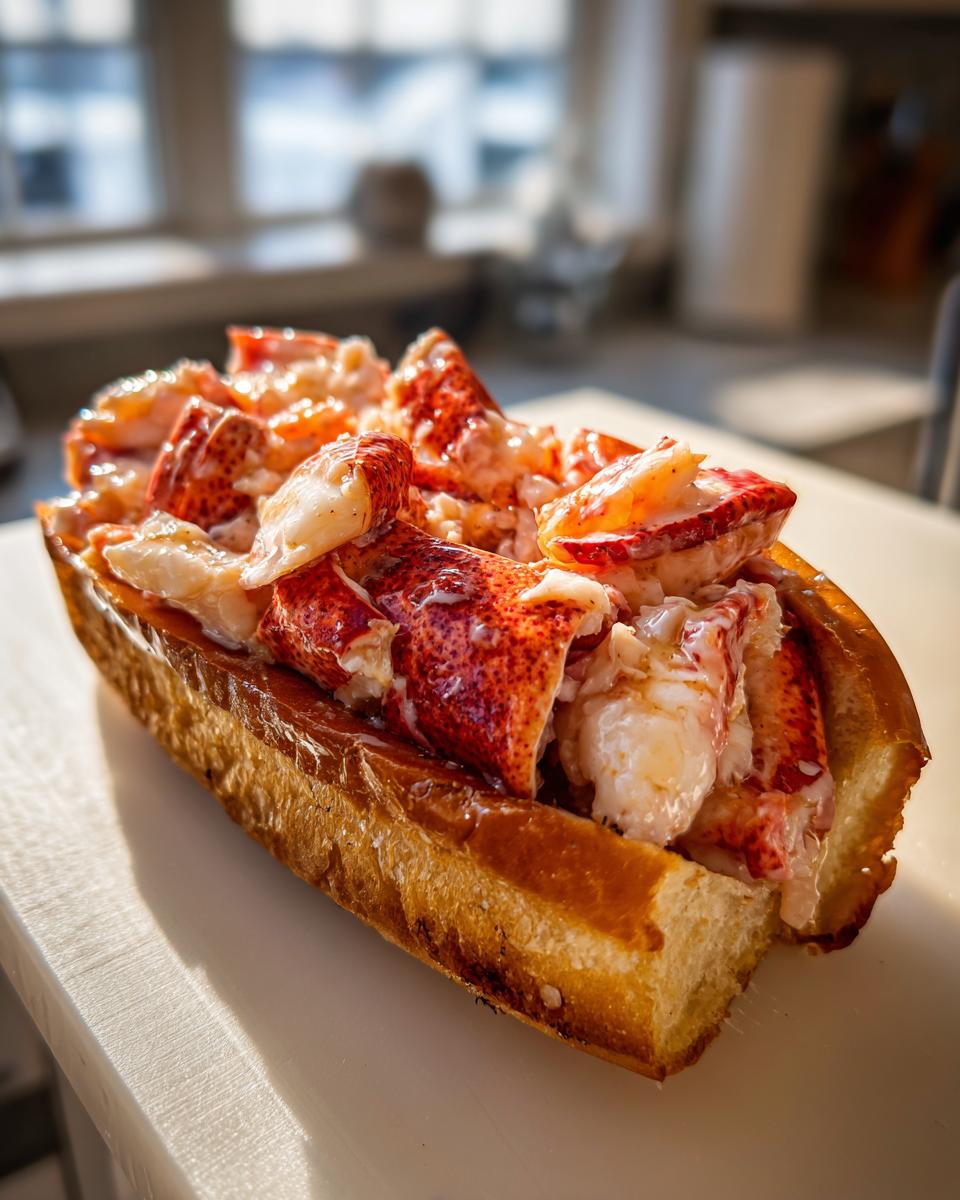
Once the components—the perfectly toasted bun and the gently warmed lobster—are ready, assembly needs to happen fast; we are optimizing for peak enjoyment here. My main tip for this butter lobster roll is about presentation and texture preservation. Don’t pile the lobster too high right away. Too much volume traps steam and will instantly undo all that hard work we did toasting the bun! Layer it carefully so the heat distributes evenly.
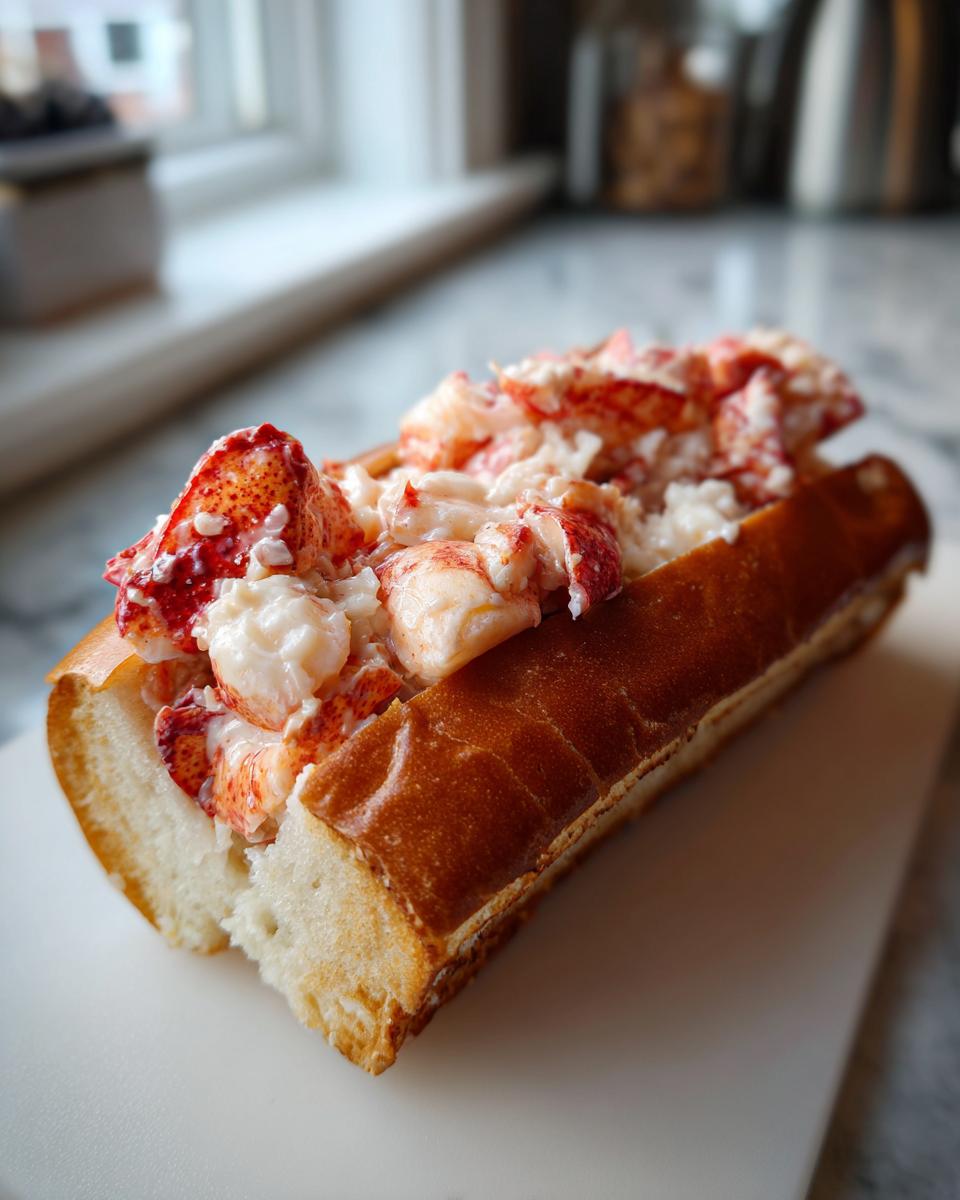
Also, make sure you reserve a little bit of that remaining melted butter for drizzling right at the end. That final drizzle adds gloss and releases a fresh wave of buttery aroma just before you hand it over. For serving ideas that match this simple elegance, check out my recipe for Cowboy Butter—though you won’t need it for dipping this roll, the intense flavor profile is fun inspiration!
Serving Suggestions for the Connecticut Warm Butter Lobster Roll
This roll is the star, and our sides should know their supporting roles! When you’ve perfected the Connecticut warm butter lobster roll, you don’t want heavy, complex dishes fighting for attention. Think light, crisp, and refreshing all the way through to embrace the pure flavor of the seafood. I keep my accompaniments incredibly simple to honor that classic coastal experience.
A handful of good salt and vinegar chips is always my first choice; the acid cuts through the richness of the butter perfectly. Alternatively, a quick, bright side salad tossed with a light vinaigrette works wonders. For something more substantial but still breezy, try some simple coleslaw that relies on vinegar rather than thick mayo. If you need more appetizer inspiration that fits this simple vibe, I have a whole section dedicated to easy snacks.

When it comes to genuine summer food, these lighter pairings let that sweet lobster shine!
Storage and Reheating Instructions for Leftover Lobster Meat
Listen, Leo here—I have to be upfront: about the only thing that won’t work well in this recipe is leftovers. Once that beautiful split-top bun gets buttered and toasted, it’s not going to survive storage; it gets soggy, fast. If you somehow ended up with extra, high-quality lobster meat, treat it right.
Pop the leftover meat into a tightly sealed container. You can store it in the fridge for about a day. When you get ready to use it again, you must reheat it very gently, just like the first time, ideally over that double boiler. Seriously, do not overheat that wonderful flesh!
Troubleshooting Common Connecticut Warm Butter Lobster Roll Issues
Even with a streamlined project, things can sometimes veer off track. When you’re working with something as elegant as the Connecticut warm butter lobster roll, the fixes are often about reversing a single incorrect step. The most common failure point I see? Tough lobster meat. That is 100% an overheating problem, which you fix by using lower heat and less time when warming it up next time. If you’re ever looking for more involved seafood recipes, you can always check out my creamy shrimp and crab option here.
If your bun turned out soggy, go back and check your toasting stage. You need direct heat on the cut sides and maybe even a bit more butter on the bread itself before it hits the pan. Finally, if the flavor just feels flat, it means your source material wasn’t sweet enough, or you scrimped on salt. A final pinch of flaky sea salt right before serving cuts through the richness and wakes everything up. Don’t let one little hiccup stop you from enjoying this classic!
Frequently Asked Questions About the Classic Lobster Roll
When you’re focusing on pure flavor, questions about variations pop up constantly. It’s smart to know the rules of the road when dealing with such high-quality ingredients. These simple seafood recipes are all about respecting the lobster, so knowing these nuances helps build kitchen confidence. You might want to save this information for future reference when planning your next lunch!
What is the difference between a Maine and Connecticut lobster roll?
This is the big one! The key difference is preparation. The Maine style is served cold, dressed lightly with mayonnaise. Our focus here is the Connecticut style, which is served warm, using only melted butter and a squeeze of lemon. If you want the warmest, buttery experience, you stick to the Connecticut method.
Can I use frozen lobster meat for this butter lobster recipe?
You technically can, but you have to be extremely careful. Since this recipe relies so heavily on the natural sweetness of the meat, if you use previously frozen, thawed lobster, you need to start with the highest quality product you can find. Thaw it slowly in the fridge and make sure it isn’t sitting in a pool of water when you go to warm it. Poor quality will show immediately in a simple butter lobster preparation like this.
Estimated Nutritional Information for This Recipe
Since we’re keeping this recipe so streamlined—just lobster, butter, and bread—the nutritional profile is straightforward, but always remember these numbers are estimates based on standard component sizes. We’re keeping the carbs reasonable and the protein high! This data is intended as a guideline for your personal tracking, not for medical review.
- Serving Size: 1 roll
- Calories: 380
- Protein: 20g
- Fat: 22g (Saturated Fat: 13g)
- Carbohydrates: 25g
Connecticut Warm Butter Lobster Roll

This recipe focuses on the pure flavor of fresh lobster, served warm with melted butter and a squeeze of lemon on a toasted split-top bun. This is the purist’s choice for a classic lobster roll.
- Prep Time: 10 min
- Cook Time: 5 min
- Total Time: 15 min
- Yield: 4 servings 1x
- Category: Seafood
- Method: Stovetop
- Cuisine: American
- Diet: Low Fat
Ingredients
- 1 lb fresh lobster meat, knuckle and claw preferred
- 4 tablespoons unsalted butter, melted
- 1 lemon, cut into wedges
- 4 split-top hot dog buns
- Pinch of sea salt
Instructions
- Gently warm the lobster meat in a separate bowl over a double boiler or in a microwave on low power until just heated through. Do not overcook.
- Brush the cut sides of the split-top buns generously with the melted unsalted butter.
- Place the buttered buns cut-side down in a dry skillet over medium heat. Toast until golden brown and crisp, about 2 to 3 minutes.
- Place the warm lobster meat into the toasted buns.
- Drizzle the lobster meat with any remaining melted butter.
- Serve immediately with a lemon wedge for squeezing over the top.
Notes
- For the best flavor, use fresh, high-quality lobster meat.
- If you prefer a cold roll, chill the meat after cooking and toss it lightly with mayonnaise before adding it to the bun.
- Use a high-quality, soft white bread for the split-top bun for an authentic experience.
Nutrition
- Serving Size: 1 roll
- Calories: 380
- Sugar: 3
- Sodium: 450
- Fat: 22
- Saturated Fat: 13
- Unsaturated Fat: 9
- Trans Fat: 0
- Carbohydrates: 25
- Fiber: 1
- Protein: 20
- Cholesterol: 150