

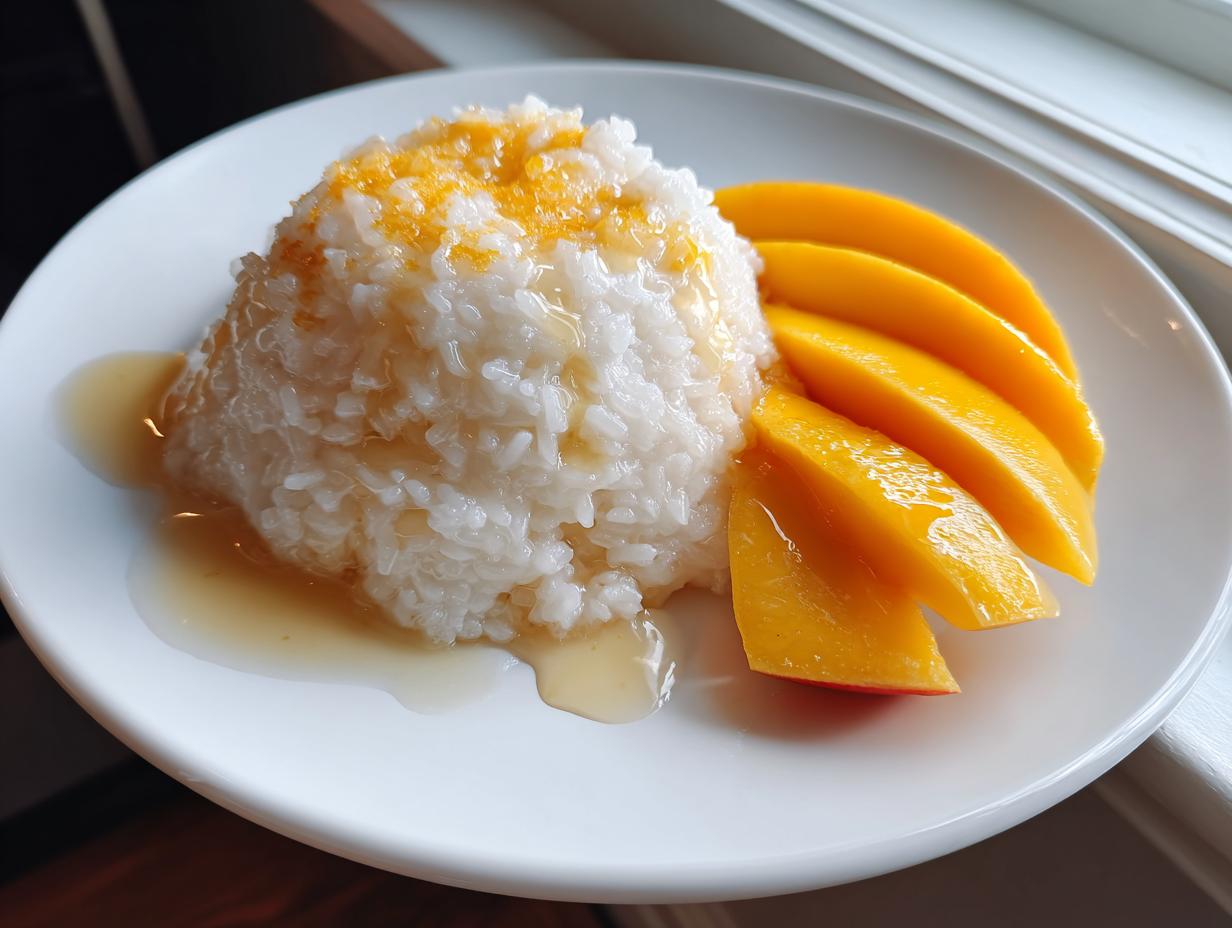
When you’re craving that perfect slice of tropical indulgence, nothing beats it—that soft, warm, sweet sticky rice soaked in rich coconut cream, paired with slices of bright, juicy mango. I know you think making authentic mango sticky rice (or Khao Niao Mamuang, if you want to sound fancy!) is complicated. Because, honestly, some recipes online are nightmares. But look, Leo—our founder here at Dishicious—approaches the kitchen like a project manager. He strips away the fuss, tests every single step, and boils it down to what actually works. That’s why I can promise you this is the easiest, most foolproof guide to getting that unbelievably creamy texture right here at home. You absolutely got this! If you’re looking for more great sweet ideas after this, swing by our collection of dessert recipes!
- Why This Easy Mango Sticky Rice Recipe Works
- Gathering Ingredients for Authentic Mango Sticky Rice
- Step-by-Step Instructions for Creamy Mango Sticky Rice
- Tips for Success with Your Mango Sticky Rice
- Serving Suggestions for This Tropical Fruit Recipe
- Storage and Reheating Instructions for Mango Sticky Rice
- Frequently Asked Questions About Mango Sticky Rice
- Estimated Nutritional Data for Mango Sticky Rice
- Share Your Homemade Mango Sticky Rice Experience
Why This Easy Mango Sticky Rice Recipe Works
I hear you. You’ve seen other recipes that call for specialized steamer baskets or complicated, multi-day soaking rituals. Forget all that nonsense! This recipe is engineered for maximum flavor payoff with minimum kitchen stress. We focus only on the steps that actually impact that dreamy texture we’re after. That’s how we guarantee success!
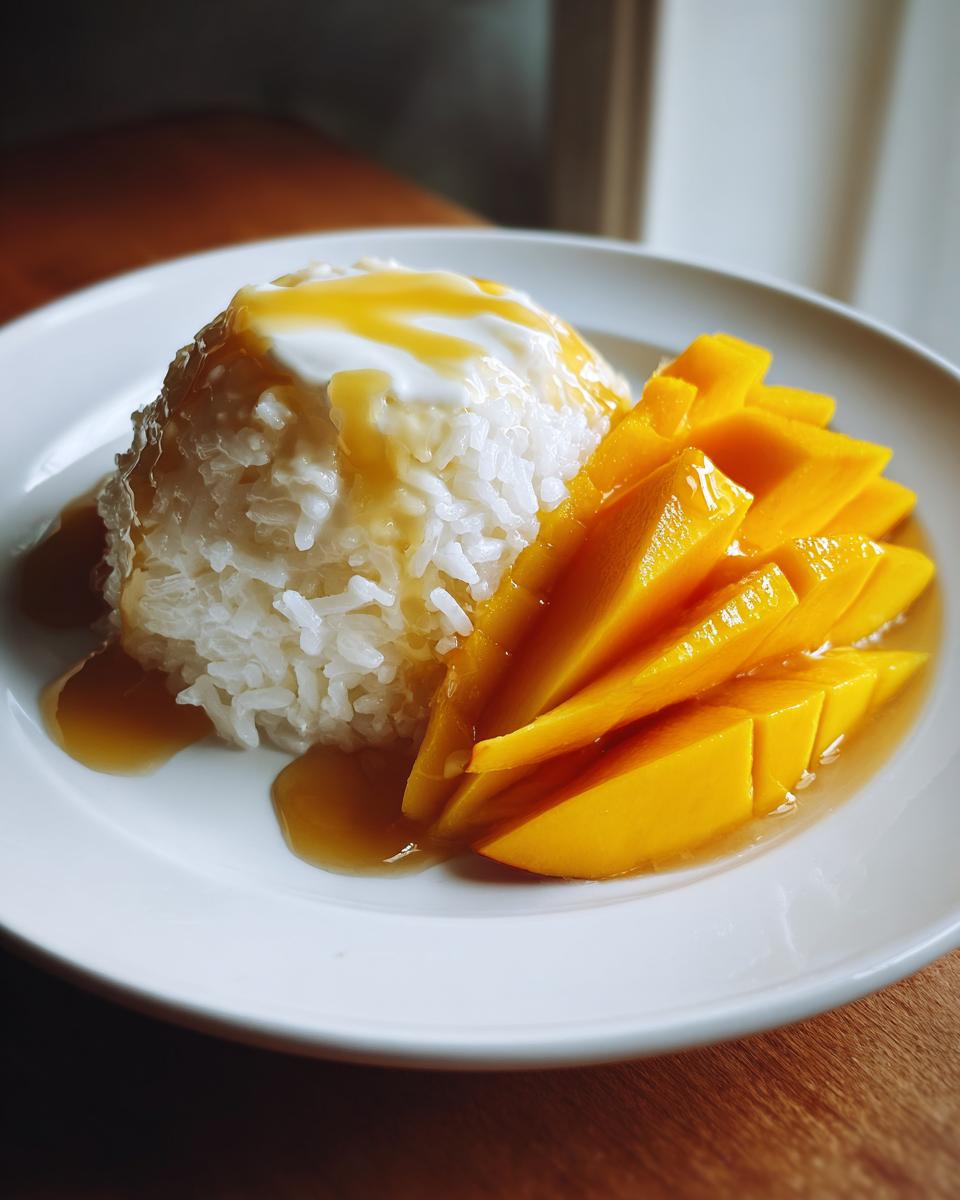
- You get that signature creamy texture without any guesswork. Seriously, the rice practically glazes itself!
- We keep the ingredient list short and sweet. No hunting down obscure imported spices, just simple pantry staples delivered perfectly.
- The soaking method works every single time, prepping those grains to absorb all that delicious coconut goodness.
Achieving Creamy Coconut Sticky Rice Texture
The secret sauce, literally and figuratively, comes down to how we treat the rice before cooking. By soaking the sweet/glutinous rice directly in coconut milk—even if you use the water steaming method later—you infuse the starch from the very beginning! This pre-soak is how we move past just having sweet rice and finally achieve that luxurious, melt-in-your-mouth *Creamy Rice Pudding* consistency that makes this **Thai Sweet Dessert** so famous.
The Perfect Sweet and Salty Sauce Ratio for Mango Sticky Rice
Oh, this is where so many people mess up! If the sauce is too sweet, it tastes childish. If it’s too salty, weird. We’ve nailed the exact balance of sugar and salt needed to complement the coconut. This ratio cuts through the richness of the milk beautifully, ensuring every spoonful tastes perfectly balanced and authentically Thai!
Gathering Ingredients for Authentic Mango Sticky Rice
Okay, let’s talk about what you need to pull this off. Because this is an Authentic Thai Food experience, the ingredients matter—especially the rice and the milk! Don’t stress over finding exotic stuff, though. Everything here is pretty easy to get at your regular grocery store, especially if you check the international aisle. Remember, for that amazing Ripe Mango Dessert, the mangoes are your star, so pick the best ones you can find. If you need some quick inspiration for other meals after we’re done with dessert, I always find new ideas over in the quick easy dinners section!
We are keeping this list tight. We need the right rice, the right dairy, and the right fruit. That’s it!
- 1 cup sweet/glutinous rice (sticky rice)
- 1 cup full-fat coconut milk (for soaking – yes, the whole can volume is close, but we use 1 cup here!)
- 1 cup water (for steaming)
- 1 cup full-fat coconut milk (for sauce – keep it consistent for the best flavor!)
- 1/2 cup granulated sugar
- 1/2 teaspoon salt
- 1 tablespoon cornstarch mixed with 2 tablespoons water (this is our thickening agent)
- 2 ripe large mangoes, sliced
- 1 tablespoon toasted sesame seeds (for garnish – gives that little crunch!)
Ingredient Notes and Substitutions for Mango Sticky Rice
Listen up, because this is where we build trust in the process. If you mess up the rice here, the whole dish fails. Do NOT, under any circumstances, swap the sweet/glutinous rice for Arborio or regular long-grain white rice. It just dissolves into mush; it won’t hold that perfect, satisfying chewiness we want. You need that specific starch; look for bags labeled “sweet rice” or “glutinous rice.”
For the coconut milk, only use *full-fat* canned stuff. The watery boxed kind won’t give you the richness needed for the sauce to coat the grains properly. Since this recipe uses dairy products (coconut milk is fine, but we use sugar and cornstarch which are generally vegan), it’s vegetarian! If you need it 100% vegan, just double-check your granulated sugar isn’t processed with bone char, but otherwise, you’re golden. Trust me on the full-fat milk; it makes the texture completely different.
Step-by-Step Instructions for Creamy Mango Sticky Rice
This is where the magic happens, and it’s super straightforward once you get organized! We’re going to tackle this in three straightforward parts: getting the rice ready, whipping up that dreamy sauce, and bringing them together for the final absorption. Don’t skimp on the soaking time—that’s the key to truly great mango sticky rice. Once we’re done, you’ll have a beautiful Decadent Tropical Dessert ready to go! If you need some quick inspiration for other meals after we’re done with dessert, I always find new ideas over in the quick easy dinners section! If you love this, be sure to check out all our dessert recipes afterward!
Preparing the Sticky Rice: Soaking and Steaming for Mango Sticky Rice
Start by rinsing your sweet rice. You have to keep rinsing it until the water runs completely clear—I mean crystal clear! Then, we let it soak for at least four hours, but honestly, overnight is better if you can manage it. Soak it in that first cup of coconut milk, topped up with water. When it’s done soaking, drain off that milk bath. Now you have two options: you can steam it for about 30 minutes until it’s perfectly tender, or, if you’re trying to keep things simple, cook it in your rice cooker with just 1 cup of plain water instead of the milk. Both methods work for this amazing Coconut Sticky Rice.
Making the Sweet Coconut Sauce for Mango Sticky Rice
While your rice is steaming or cooking, get the sauce ready. In a saucepan, gently warm that second cup of full-fat coconut milk with the sugar and salt until they completely dissolve. Remember, we don’t want a boil; just warm enough to melt everything down. This is important: scoop out maybe a quarter cup of that warm, sweet milk and set it aside—that’s for drizzling later! Now, take that remaining sauce on the stove, whisk in your cornstarch slurry, and cook it just until it thickens up a touch. That little bit of starch is what makes it coat the rice instead of just pooling at the bottom!
Combining and Resting the Mango Sticky Rice
Take your hot, just-cooked sticky rice and put it right into a bowl. Immediately pour that thickened coconut sauce right over the top and stir it *gently*. You don’t want to mash the grains, just make sure every grain gets coated. This is the crucial expert tip: cover that bowl tightly and just walk away for 20 minutes! That resting period is non-negotiable because it allows the rice to slowly absorb all that rich, creamy goodness. If you skip this, it’ll be soggy on the bottom and dry on top. After 20 minutes, it’s ready to eat warm with your mango slices!
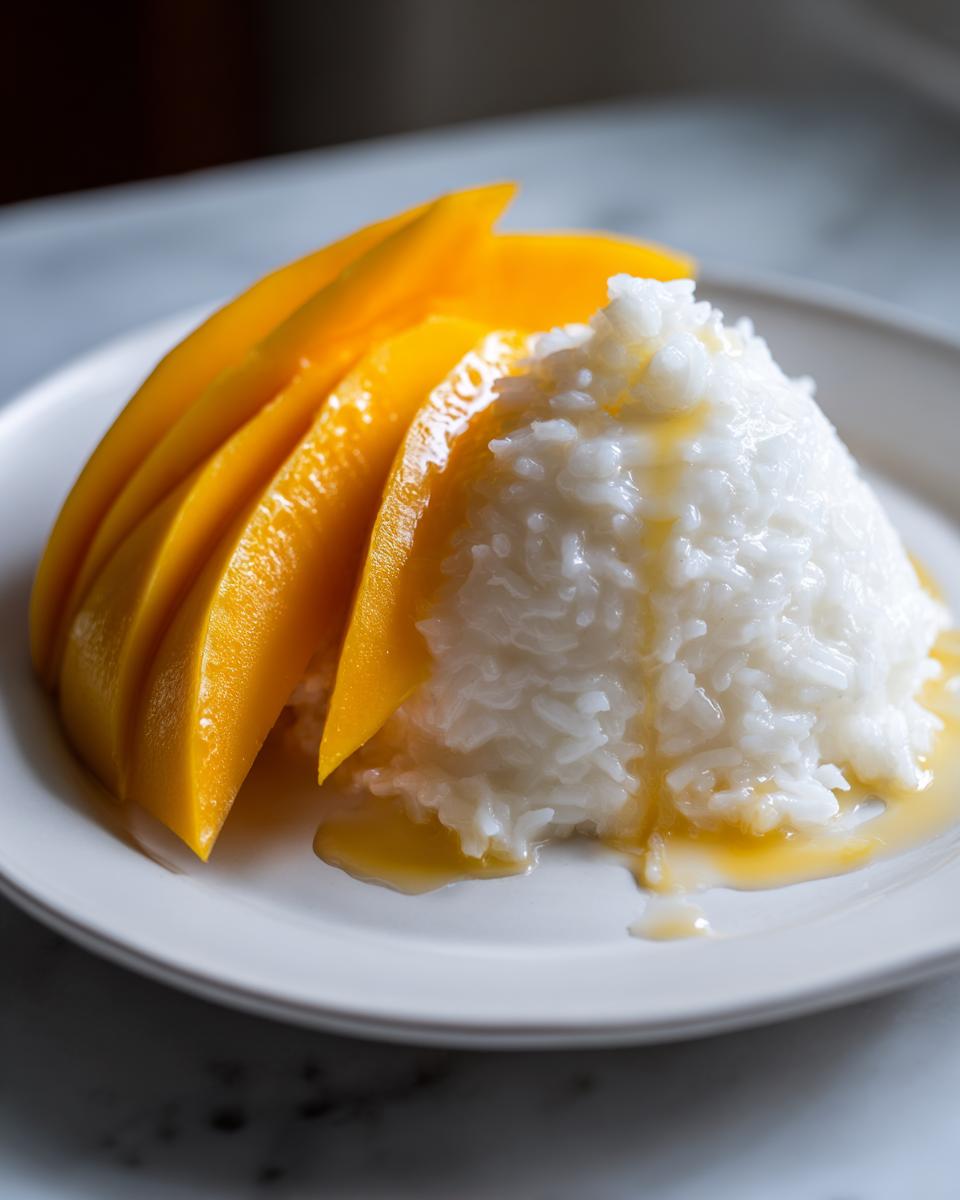
Tips for Success with Your Mango Sticky Rice
Even with the simplest method, sometimes you face little kitchen curveballs! But don’t worry, I’ve got the quick fixes that keep this from turning into a sticky mess. These aren’t glamorous steps, but they are what separates a good dessert from that amazing Summer Sweet Treat you see everywhere.
- If your rice seems a little dry after that 20-minute rest, don’t panic! Just splash in another tablespoon of warm, plain coconut milk and gently fold it in. Do NOT overheat it or it gets gummy.
- Choosing your mango is huge for getting that *Best Mango Dessert* vibe. You want mangoes that yield slightly when gently squeezed, but aren’t mushy. If they are too firm, they won’t taste sweet enough!
- For a real flavor boost, try adding a tiny pinch of extra salt to the reserved drizzling sauce (the one you set aside before adding the cornstarch). It really wakes up the sweetness! Visit this guide for more amazing Asian Recipes inspiration.
Serving Suggestions for This Tropical Fruit Recipe
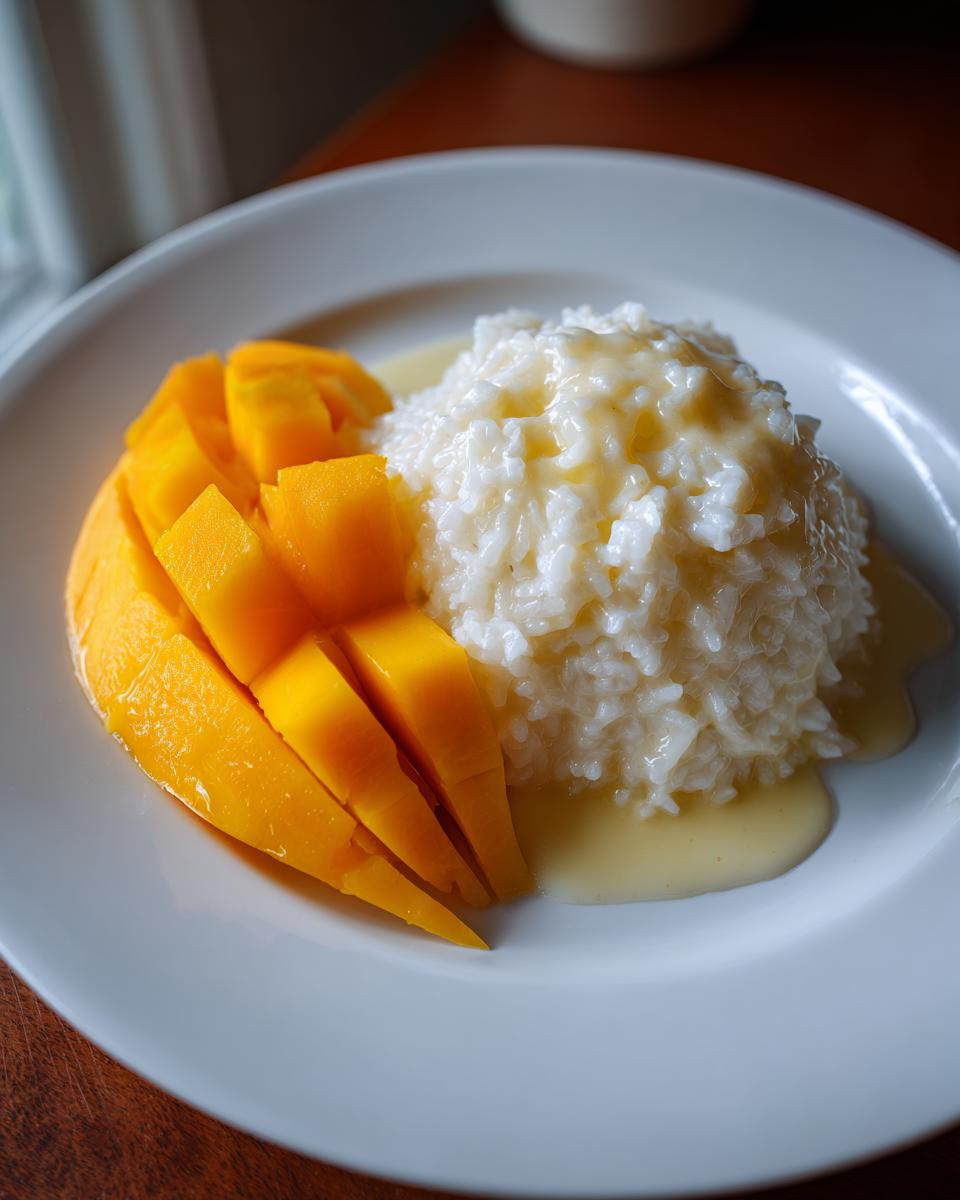
Okay, the rice is creamy, the mangoes are perfectly ripe—now let’s make it look like a masterpiece! This is honestly one of my favorite parts of making this Indulgent Fruit Dish. After you’ve let that rice soak up all the sauce, it’s time to plate it beautifully. Scoop a generous mound of that warm, sweet rice onto your favorite dish. Then, arrange those gorgeous, bright slices of mango right next to or draped over the top. Don’t forget the final flourish: drizzle that reserved, unthickened sweet coconut sauce you saved earlier right over the top. It runs down the sides; it’s gorgeous!
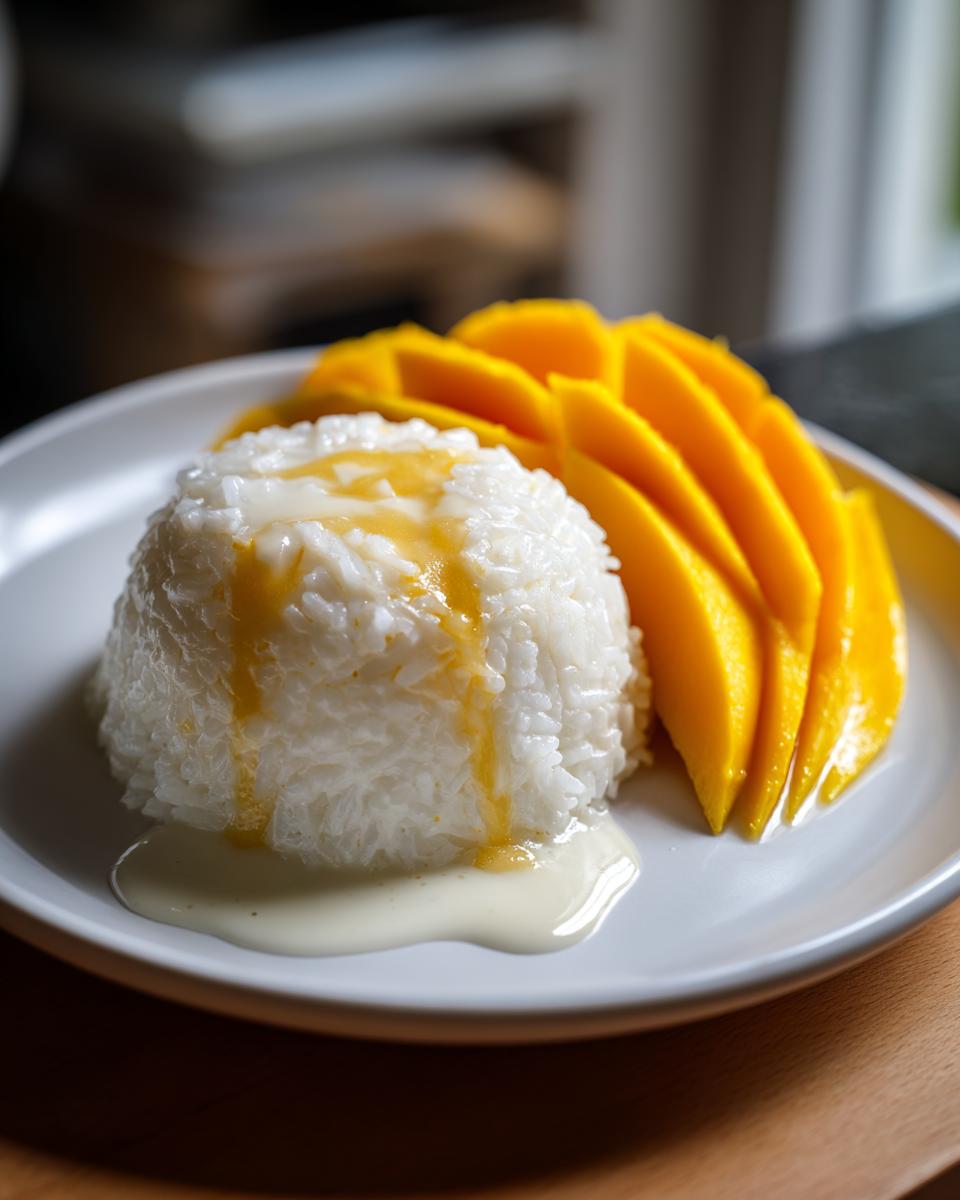
For that final *pop* of texture and color, sprinkle on those toasted sesame seeds we talked about. If you want to get really fancy, sometimes I shave a tiny bit of lime zest over the mango right before serving. It adds a really bright, fresh note to this ultimate sweet treat!
Storage and Reheating Instructions for Mango Sticky Rice
So, you’ve got some leftover mango sticky rice? That’s dangerous territory because it’s probably better the next day, right? But we have to be smart about storage, or you’ll end up with a block of hard rice instead of that fluffy, creamy consistency. The key here, just like in my organizational approach to dinner, is separation!
First things first: separate your components immediately. You want to store the sauced rice and the extra coconut sauce (the one you reserved for drizzling) in completely separate airtight containers in the fridge. If you store the mango with the rice, it gets slimy way too fast, and nobody wants that! The rice will firm up overnight because of the starch; that’s normal, don’t panic.
How to Gently Reheat the Coconut Sticky Rice
When you’re ready to eat it, you cannot just throw that rice in the microwave on high power—it’ll seize up and become tough. We need gentle moisture to wake it back up. Take the rice portion out of the fridge about 30 minutes before you plan to eat it to let it come toward room temperature a little. Then, transfer the rice to a microwave-safe bowl, add maybe a teaspoon or two of plain water or fresh coconut milk, cover it loosely, and microwave in 15-second bursts. Stir gently between each burst. This little bit of added steam dissolves that starch again, getting it back to that soft, warm, delicious state.
Storing and Serving the Reserved Coconut Sauce
That extra sauce needs special attention, too! Since you didn’t thicken it with cornstarch (unless you followed the notes for making extra sauce), it should keep really well in the fridge for up to two days. When you reheat the rice, gently warm this sauce on the stovetop—just until it’s runny and slightly warm, not hot. This way, when you plate your reheated rice and fresh mango, you can drizzle that perfect, rich, sweet liquid right over the top just like we did when it was fresh. It’s the best way to revive that delicious Homemade Asian Dessert feeling!
Frequently Asked Questions About Mango Sticky Rice
I get so many questions about making this dessert work perfectly, and that’s awesome! It means you’re serious about making an absolutely delicious Thai Sweet Dessert. I tried to make this the easiest, most streamlined process available, but sometimes people just need that extra little confirmation. Dealing with rice can feel tricky, but trust me, once you master this Simple Thai Recipe, you’ll be making it all the time!
Can I use regular white rice instead of glutinous rice for mango sticky rice?
Oh, gosh, please don’t! This is the absolute number one question and the number one mistake people make. You really need that sweet or glutinous rice for this Khao Neeo Mamuang. Regular white rice just doesn’t have the right starch structure; it’ll become mushy or fall apart. The glutinous variety is starchy enough to absorb the thick coconut milk and hold that perfect, chewy, slightly sticky texture we expect from this Authentic Thai Food.
What is the best type of mango to use in mango sticky rice?
You are looking for ripe, sweet mangoes, period. Don’t use hard, underripe ones—they won’t taste right next to that rich sauce! Here in the US, I find that Ataulfo mangoes—sometimes called Honey mangoes—are totally fantastic. They are smooth, less stringy, and incredibly sweet when perfectly ripe. If you can find a ripe Kent or Keitt, those also work wonderfully for your final Ripe Mango Dessert presentation. Give them a gentle squeeze; they should have a little give, just like an avocado!
If you’ve figured out the mango situation and want to try some savory dishes using rice, check out some of my go-to appetizer and snack recipes!
Estimated Nutritional Data for Mango Sticky Rice
Now, I always feel a little guilty looking at the numbers after making something this decadent, but here they are! Keep in mind that since we are using full-fat coconut milk and plenty of sugar—because, hello, it’s dessert—these numbers reflect that delicious richness. These estimates are based on the specific ingredients and measurements I used to make four servings of this Summer Sweet Treat.
- Serving Size: 1 serving
- Calories: 450
- Sugar: 30g
- Sodium: 150mg
- Fat: 20g
- Carbohydrates: 65g
- Protein: 5g
I must stress that these are just close guesstimates! The actual values can shift based on how sweet your mangoes are or the exact brand of coconut milk you decide to use. If you are tracking closely, you might want to calculate your own specific numbers, but for a general idea of this Southeast Asian Sweet, this tracking gives you a good baseline!
Share Your Homemade Mango Sticky Rice Experience
That’s it! You’ve managed to create an authentic, perfectly creamy bowl of joy, and honestly, I’m so proud of you for tackling this Tropical Fruit Recipe. Now comes the best part: telling me how it went! Leo built Dishicious on the idea that simple, optimized cooking builds kitchen confidence, and I want to know if this recipe gave you that “I did that!” feeling.
Please, take a moment and leave a rating—five stars if you loved the texture—and drop a comment down below! Tell me about your mangoes! Did you manage to soak the rice overnight? Did the sauce have that perfect salty/sweet balance? I absolutely love reading your success stories and fielding any little troubleshooting questions you might have. Seriously, no question is too small when you’re learning a new homemade favorite!
If you want to understand the method behind stripping complex recipes down to their most effective core—which is how we designed this insanely easy mango sticky rice—you should really check out Leo’s story on the About Page. He explains exactly why he focuses on efficiency over complexity, which is why this dessert is so quick to master.
And hey, if you snapped a picture of your gorgeous final plating with the mango slices and sesame seeds, share it around! I’d love to see your take on this ultimate comfort food dessert. Happy cooking, everyone!
PrintEasy and Creamy Mango Sticky Rice (Khao Niao Mamuang)
Make authentic Thai Mango Sticky Rice at home with this simple recipe. You achieve perfectly soft, sweet sticky rice soaked in rich coconut cream and served with ripe mango.
- Prep Time: 4 hours (soaking)
- Cook Time: 45 min
- Total Time: 4 hours 45 min
- Yield: 4 servings 1x
- Category: Dessert
- Method: Steaming
- Cuisine: Thai
- Diet: Vegetarian
Ingredients
- 1 cup sweet/glutinous rice (sticky rice)
- 1 cup full-fat coconut milk (for soaking)
- 1 cup water (for steaming)
- 1 cup full-fat coconut milk (for sauce)
- 1/2 cup granulated sugar
- 1/2 teaspoon salt
- 1 tablespoon cornstarch mixed with 2 tablespoons water (slurry)
- 2 ripe large mangoes, sliced
- 1 tablespoon toasted sesame seeds (for garnish)
Instructions
- Rinse the sticky rice several times until the water runs clear. Soak the rice in 1 cup of coconut milk and enough water to cover by one inch for at least 4 hours, or preferably overnight.
- Drain the soaked rice. Steam the rice for 25 to 30 minutes until tender and cooked through. Alternatively, cook the rice in a rice cooker using 1 cup of water instead of coconut milk, then proceed to the next step.
- While the rice steams, prepare the sweet coconut sauce. In a small saucepan, combine 1 cup of coconut milk, sugar, and salt. Heat over medium heat, stirring until the sugar and salt dissolve. Do not boil.
- Remove about 1/4 cup of this warm sauce and set it aside for drizzling later.
- Stir the cornstarch slurry into the remaining sauce in the saucepan. Cook, stirring constantly, until the sauce thickens slightly. Remove from heat.
- Transfer the hot, cooked sticky rice to a bowl. Pour the thickened coconut sauce over the rice. Stir gently to combine, then cover the bowl and let it sit for 20 minutes to allow the rice to absorb the liquid and become creamy.
- Serve the warm or room temperature sticky rice with slices of fresh, ripe mango. Drizzle the reserved plain coconut sauce over the top and sprinkle with toasted sesame seeds.
Notes
- Use only sweet or glutinous rice for the correct texture; standard white rice will not work.
- For the creamiest result, use high-quality, full-fat canned coconut milk.
- You can make the coconut sauce up to two days ahead and store it in the refrigerator. Reheat gently before serving.
Nutrition
- Serving Size: 1 serving
- Calories: 450
- Sugar: 30
- Sodium: 150
- Fat: 20
- Saturated Fat: 18
- Unsaturated Fat: 2
- Trans Fat: 0
- Carbohydrates: 65
- Fiber: 2
- Protein: 5
- Cholesterol: 0