

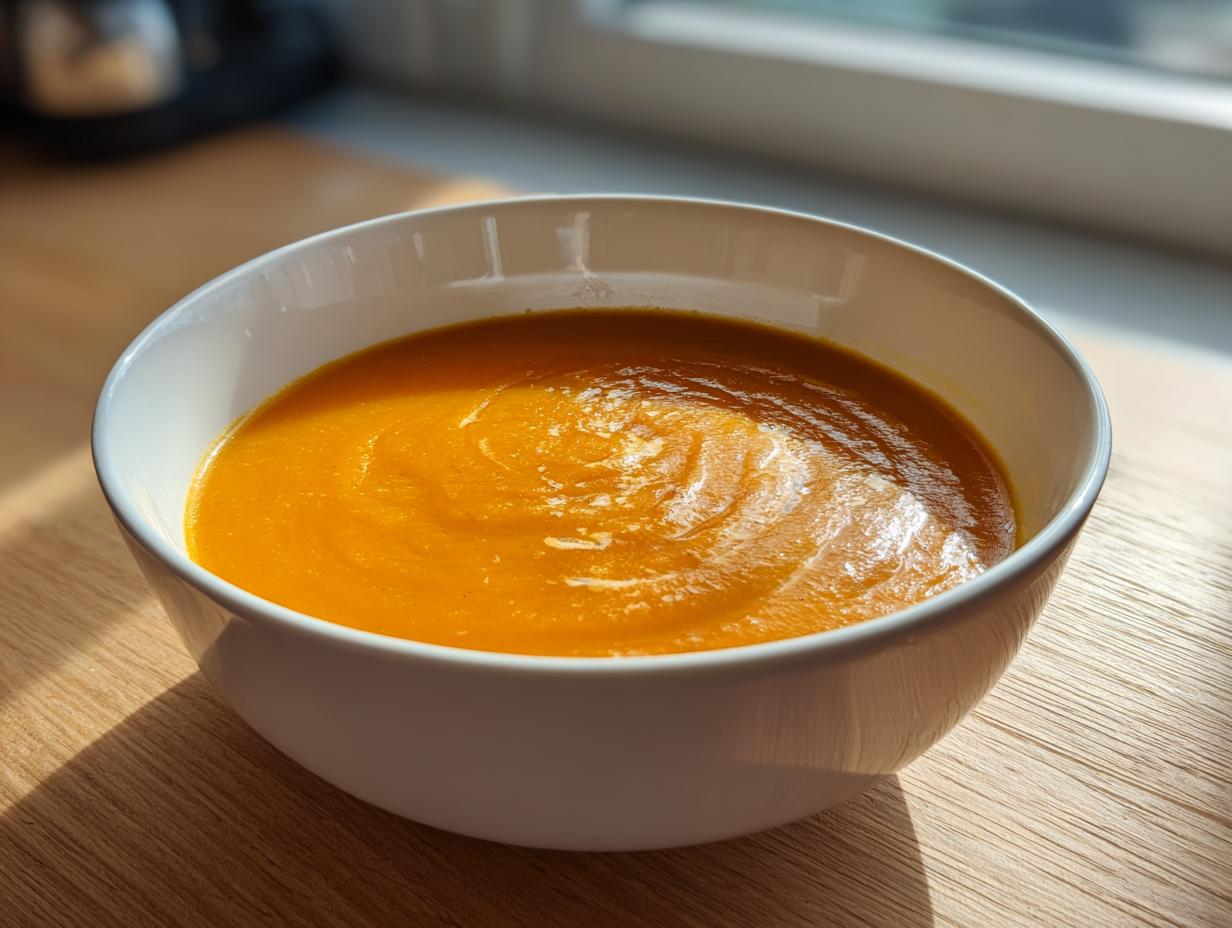
When that crisp, cool air finally hits, my brain immediately flips the switch to ‘Cozy,’ and nothing says cozy like a bowl of perfectly executed roasted butternut squash soup. Forget those thin, watery versions you sometimes get; we’re optimizing flavor here. This recipe is my answer to the fall dinner dilemma: how do you get incredible, deep, caramelized taste without turning your entire evening into a stressful project? We focus entirely on the roasting process, which naturally develops a silky smooth soup texture long before you even reach the blender. It’s pure flavor efficiency, which is exactly what the Dishicious philosophy is all about. Trust me, once you roast the flavor in, you won’t go back.
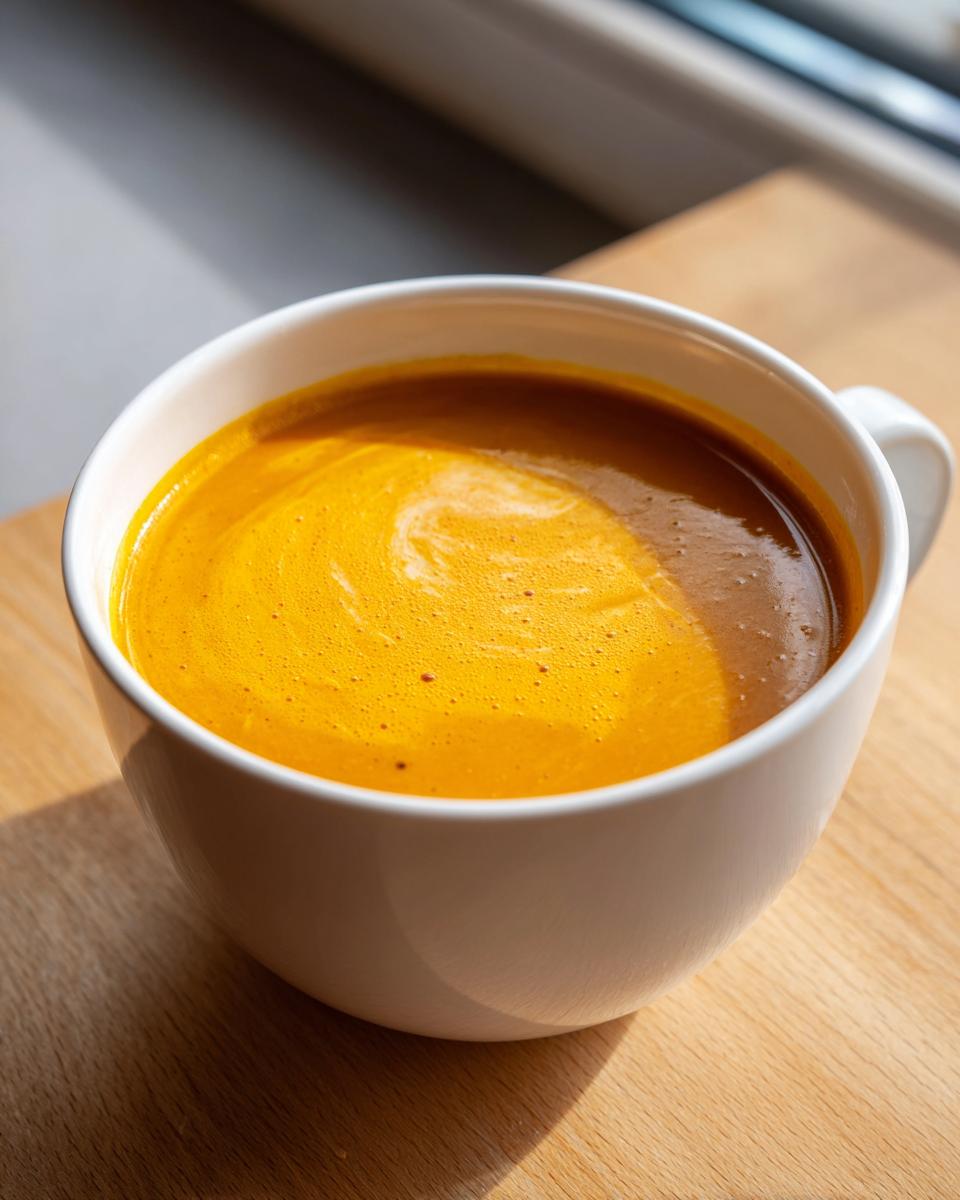
- Why Roasting Makes the Best Roasted Butternut Squash Soup
- Ingredients for Your Creamy Roasted Butternut Squash Soup
- How to Roast Butternut Squash for Soup
- Step-by-Step Instructions for Silky Smooth Roasted Butternut Squash Soup
- Tips for the Ultimate Creamy Butternut Squash Soup
- Serving Suggestions for Roasted Butternut Squash Soup
- Storage and Reheating Your Roasted Butternut Squash Soup
- Frequently Asked Questions About This Velvety Soup Recipe
- Estimated Nutritional Snapshot for Roasted Butternut Squash Soup
Why Roasting Makes the Best Roasted Butternut Squash Soup
The main differentiator in this roasted butternut squash soup recipe, honestly, is the oven time. If you just boil your squash, you get watery, one-note sweetness. We’re aiming higher; we’re aiming for deep, rich flavor that only comes from intense heat acting on natural sugars.
Roasting performs critical flavor engineering—it’s basically the Maillard reaction doing the heavy lifting for us. This caramelization creates those gorgeous, nutty undertones that signal deep, satisfying *winter comfort food*. Plus, when the squash breaks down in the oven, it inherently becomes softer and more concentrated, leading straight into that amazing, naturally silky smooth soup texture once we blend it.
Flavor Development Through Caramelization
Think about it: boiling just leaches flavor into the liquid you’ll end up discarding. Roasting, however, concentrates everything. We’re not just softening the squash; we’re transforming it. That nutty sweetness you taste? That’s the sugar locking in its flavor instead of washing out. It’s efficient, and it means you don’t have to pump your creamy butternut squash soup full of extra spices just to make it interesting. We let the squash do the hard work for us.
For another easy way heat transforms vegetables, check out my favorite method for roasted sweet potato cubes. Same principle, different result!
Ingredients for Your Creamy Roasted Butternut Squash Soup
When I design a recipe, I aim for quality ingredients handled simply. For this soup, we only need a few building blocks, but getting the right squashes is key since they are the star. I always look for squashes that feel heavy for their size; that usually means they are dense and have less internal stringiness. Don’t stress too much, though; the roasting process is very forgiving!
- 2 medium butternut squash (about 3 lbs total)
- 2 tablespoons olive oil
- 1 large yellow onion, chopped
- 2 carrots, chopped
- 2 cloves garlic, minced
- 4 cups vegetable or chicken broth
- 1 teaspoon salt
- 1/2 teaspoon black pepper
- 1/2 teaspoon ground nutmeg
- 1/4 teaspoon ground cinnamon
- 1/2 cup heavy cream (or full-fat coconut milk for dairy-free)
- Optional: 1 tablespoon fresh sage, chopped
Ingredient Notes and Dairy-Free Swaps
The cream is where you customize your richness level. If you need a truly vegan butternut squash soup, switching to a can of full-fat coconut milk makes it incredibly decadent—just make sure you use the thick cream off the top, not the watery liquid underneath. And don’t skip the nutmeg and cinnamon! They are the secret handshake for any proper *cozy soup season* recipe; they provide that warm, background hug in every sip.
How to Roast Butternut Squash for Soup
This is the make-or-break step for any truly great *roasted butternut squash soup*. My project-management brain insists we use a solid 400 degrees Fahrenheit—no skimping on the heat! You need to slice those two squashes in half lengthwise, scoop out those stringy seeds (get them out completely!), and give the cut insides just a light brush with a bit of olive oil. Then, the key is placing them cut-side down on a sturdy baking sheet. When I first tried this, I placed mine cut-side up, and they steamed instead of roasting! Oops.
They need a solid 40 to 50 minutes. They are done when you can easily pierce the flesh right down to the skin with a fork and it feels like nothing is there. Once they’re cool enough to handle, you just scoop that beautiful, concentrated flesh out. That tender, almost jammy result is exactly what we need for this signature roasted butternut squash soup.
Step-by-Step Instructions for Silky Smooth Roasted Butternut Squash Soup
Okay, the hard work of roasting is done, and we have our gorgeous, sweet squash flesh ready to go. Now we move to the soup pot to build our flavor foundation. This part is fast, honestly. While the squash was roasting, the project manager in me had me chopping the onion and carrots so they were ready to hit the heat immediately.
Sautéing Aromatics and Simmering Flavors
Grab a large pot or Dutch oven and heat up that last bit of olive oil over medium heat. Toss in your chopped onion and carrots we prepped earlier. You want these softened up, which usually takes about five to seven minutes. Don’t rush it; a soft base is crucial here. Once those get a little tender, toss in the minced garlic and, if you are using it, that optional fresh sage. Garlic cooks fast, so just one minute until you can really smell it—that’s your cue.
Now, add in all that beautiful roasted butternut squash flesh, the broth, the salt, pepper, nutmeg, and cinnamon. Bring this whole mixture up to a nice simmer. Once it’s simmering, reduce the heat way down, cover it, and let it hang out for about ten minutes. This just gives the spices a chance to marry up with the squash and broth. Honestly, that little simmer time makes a huge difference in the final result compared to just blending them right away. You can find more one-pot shortcuts like this in my garlic parmesan pasta recipe.
Achieving the Velvety Soup Texture
Time for the magic transformation! We need this to be unbelievably smooth. You have two choices here, and both are fast. If you’re using an immersion blender, careful! Set it in deep and blend right in the pot. If you’re using a traditional blender, you *must* work in batches. Seriously, never fill a standard blender more than halfway with hot liquid—it builds up serious pressure, and trust me, you do not want hot soup all over your kitchen ceiling. Blend until there are absolutely no lumps left; we are chasing that *velvety soup recipe* feeling!
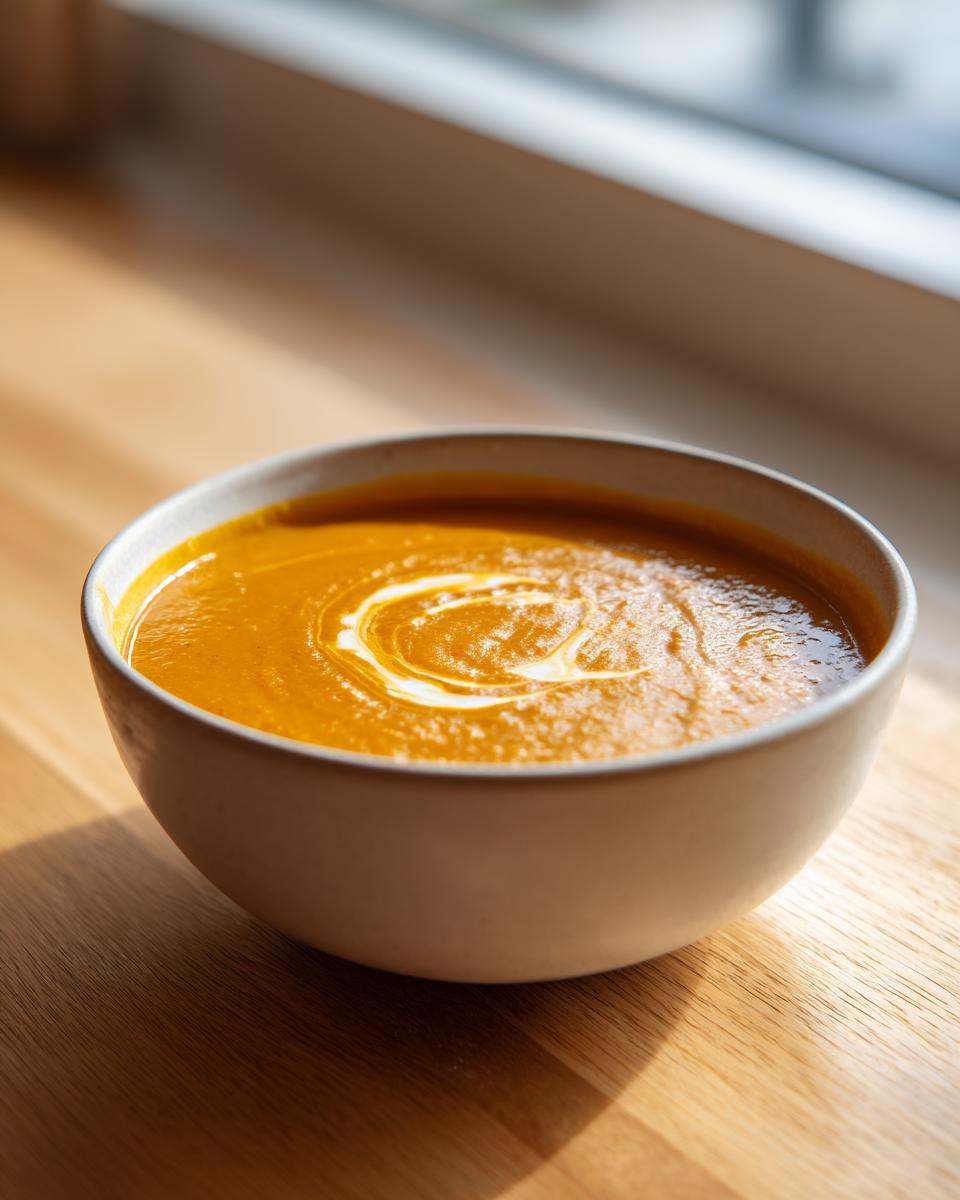
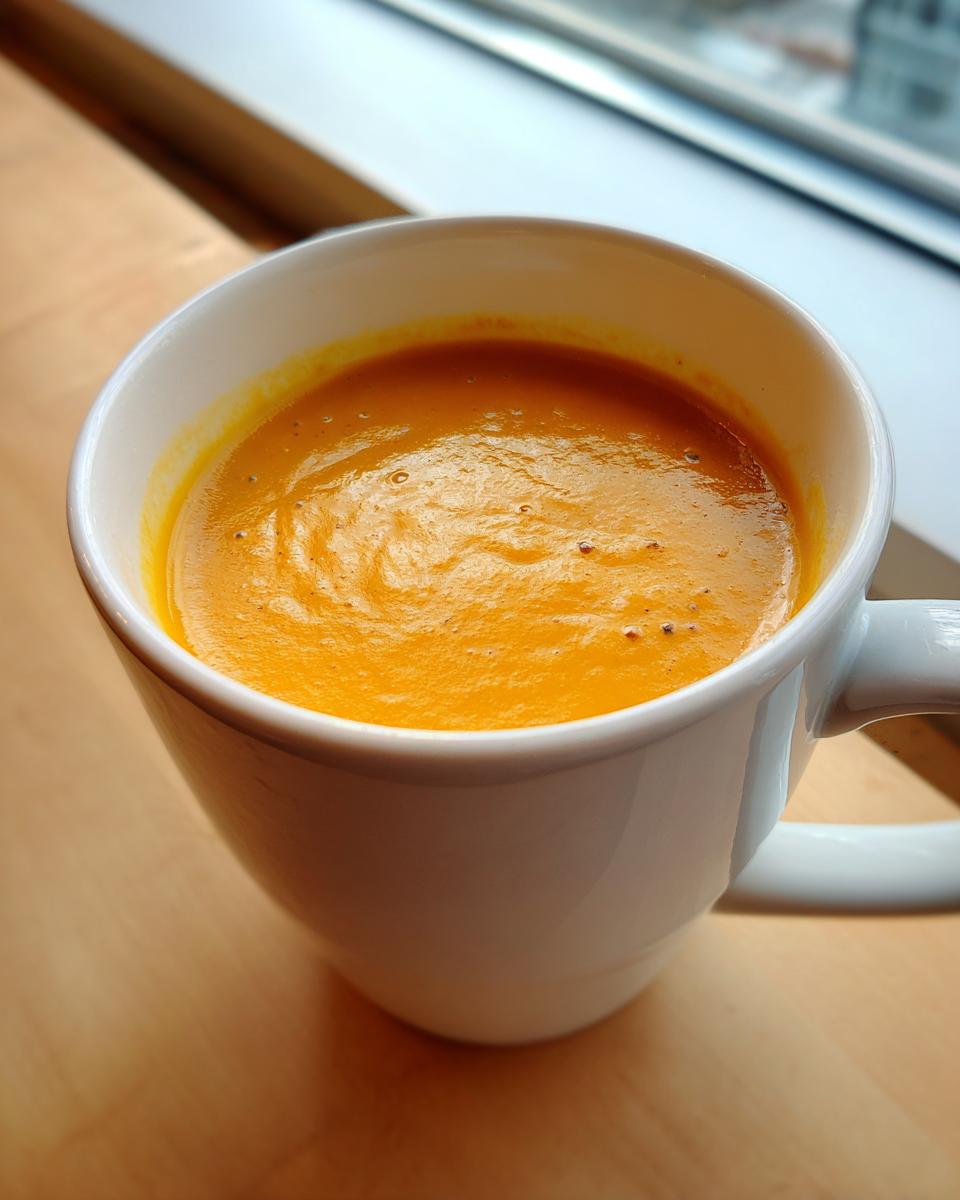
Once everything is pureed, return the soup to the pot (if needed). Stir in your heavy cream or coconut milk. Just warm it through gently after this addition; never let it boil once the dairy/milk is in! For the absolute plushest, most luxurious bite, I sometimes strain the blended soup through a fine-mesh sieve before adding the cream. It takes an extra three minutes, but the resulting silky smooth soup texture is worth every single second.
Tips for the Ultimate Creamy Butternut Squash Soup
Since I approach cooking like a workflow optimization problem, I’ve found a few shortcuts in this recipe that push the final result from “good” to “best.” These aren’t complicated steps; they are just efficiencies that guarantee you hit that peak creamy, flavorful moment every time. It’s about setting up the process so the success is almost automatic when you reach the end.
Boosting Flavor: Roasting Additions
If you truly want to elevate your roasted butternut squash soup without adding dozens of extra ingredients into the simmering stage, the oven is your best friend. Before you put those squash halves in to roast, try drizzling them with a touch of maple syrup. You don’t need much, just a light coat, and maybe a pinch more salt. That little bit of sugar caramelizes beautifully alongside the squash and adds this incredible depth that makes people ask, “What did you put in this?” It’s a premium flavor boost for almost zero extra effort.
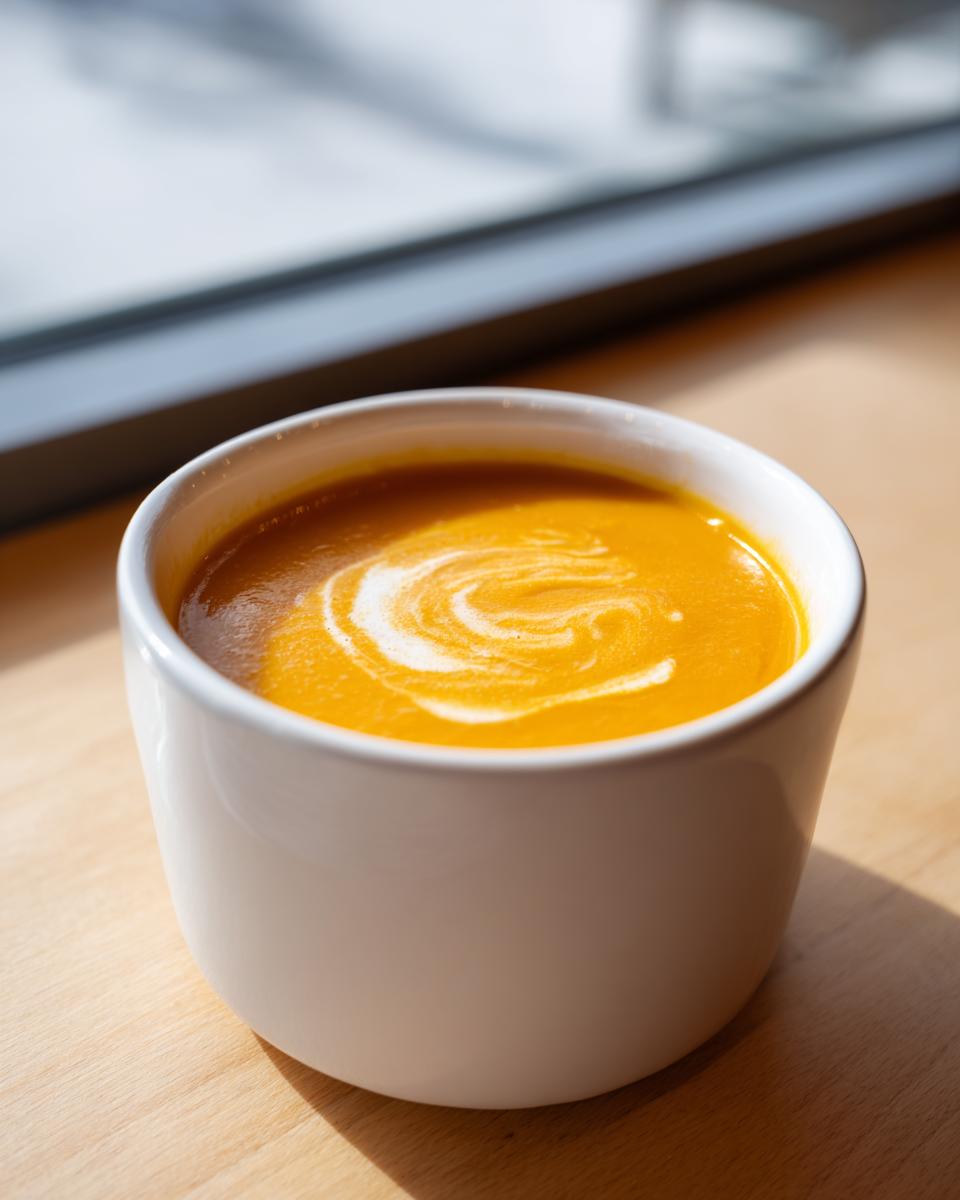
This idea of enhancing the base flavor applies to other dishes too! You can see a similar flavor-layering trick I use in my broccoli cheddar soup.
Making This an Easy Butternut Squash Soup
The biggest time sink in any soup recipe is waiting. That’s why we strategically overlap tasks. As soon as the squash goes into the 400-degree oven for its 40-minute minimum roast time, that’s your cue to get moving on everything else. Don’t just stand there watching it! While the squash is roasting, dice your onion and carrots, mince your garlic, and locate your spices. This parallel processing ensures that when the squash finally comes out tender, the rest of the sautéing and simmering moves forward without a hitch. It keeps the whole process flowing, which is the entire point of an easy butternut squash soup for a busy weeknight.
Serving Suggestions for Roasted Butternut Squash Soup
We’ve worked hard—well, mostly the oven has worked hard—to get this perfectly creamy butternut squash soup to that velvety peak. But a soup this rich deserves the right supporting cast on the plate or in the bowl! When you’re dealing with something so smooth and comforting, the key to making it truly satisfying is introducing textural contrast. We don’t want the whole meal to be soft; we want something to bite into!
This is where you can really customize your bowl and nail that perfect experience for your *fall soup recipes*. Think about what you’re eating it with. Is this a light lunch, or are you trying to make it a substantial *healthy butternut squash dinner*? The answer changes your approach to the finishing touches.
Perfect Toppings for Texture
I treat the toppings section like my final quality assurance check. They need to add flavor, look great, and—most importantly—add crunch! Don’t settle for less than a few tasty high points in your bowl. Here are a few things I always have ready when I’m serving this soup:
- Toasted Pumpkin Seeds (Pepitas): They give a great earthy crunch and look fantastic sprinkled over the top.
- Homemade Croutons: Nothing beats a good homemade crouton that has soaked up just a little bit of the soup flavor around the edges. If you’re feeling ambitious, you can skip store-bought and try making your own bread bowls using my easy homemade bread bowls recipe!
- A Drizzle of High-Quality Oil: A tiny swirl of really good, grassy olive oil or even brown butter right before serving adds aroma and mouthfeel.
- Crispy Sage Leaves: If you didn’t add sage to the pot, quickly crisp up a few leaves in hot oil until they shatter—they look elegant and taste amazing.
These little additions turn a delicious simple homemade soup into something that feels like it came straight from a gourmet menu.
Storage and Reheating Your Roasted Butternut Squash Soup
One of the best parts about making a big batch of this *roasted butternut squash soup* is knowing you have easy dinners set up for later in the week. Cleanup is usually done, and you still have that incredible flavor waiting for you! In the fridge, this soup keeps perfectly well in an airtight container for about four to five days. It thickens up a bit as it chills, but that’s totally normal.
When you reheat it, low and slow on the stovetop is my preferred method—no need to rush perfection. If you decide to freeze any portions (which you absolutely should for those super chilly days—it freezes like a dream!), here’s the process optimization tip: don’t add the cream or coconut milk until *after* it thaws and is fully reheated. The fat can sometimes separate weirdly when frozen in the soup. Just reheat the squash base, then stir in the dairy component right before serving for that fresh, velvety texture!
Frequently Asked Questions About This Velvety Soup Recipe
I always get questions after people try a new recipe for the first time, especially when they want to make sure they nail that signature texture. I’ve gathered some of the most common things folks ask me when they are making their first batch of this unbelievably creamy butternut squash soup. Let’s troubleshoot any potential roadblocks so you get the perfect bowl every time!
Can I make this an Easy Butternut Squash Soup without roasting?
You absolutely *can* make this soup without roasting, and it will certainly be faster, making it an *easy butternut squash soup*. However, I have to give you the reality check here: you will sacrifice the depth of flavor that makes this recipe what it is. Roasting the squash activates those sugars, giving you that essential caramelized baseline. If you boil or steam it instead, the flavor will be much milder, and you’ll need to compensate with heavier spices to make up the difference. For my money, since roasting is mostly hands-off time, it’s the key step that guarantees this great taste!
How do I make this a Spiced Squash Soup?
This recipe already has a warm base with nutmeg and cinnamon, but if you want to kick it up a notch and make it a real *spiced squash soup* centerpiece for *cozy soup season*, you need a little heat. My favorite trick is adding about an eighth of a teaspoon of cayenne pepper right when you add the broth and the other spices during the simmering stage. You don’t want it to taste hot, just to have that subtle warmth lingering in the background that cuts through the richness of the cream. Taste as you go, though—a little cayenne goes a long way!
What is the best way to ensure a truly creamy texture?
This is my bread and butter! If you want that enviable velvety soup recipe texture, it comes down to two things we focus on: blending and fat content. First, you must blend it thoroughly. If you have an immersion blender, use it until you think you can’t blend anymore, and then blend for another 30 seconds! If you use a standard blender, work in batches and go slow until it looks like silk. Second, the fat content matters. Make sure you use either a high-quality, full-fat heavy cream or, if you are going dairy-free, use the thick, solid cream off the top of a can of full-fat coconut milk. That density is what gives you that luxurious, rich mouthfeel.
If you want more application ideas for these creamy bases, check out how I use similar methods in my butternut squash pasta sauce!
Estimated Nutritional Snapshot for Roasted Butternut Squash Soup
Because I run this blog like a tight ship, I always include a nutritional estimate for accountability. Think of this like the final project sign-off—it tells you what you’re looking at in terms of macros. This data helps if you’re planning meals around that *healthy butternut squash dinner* goal!
Keep in mind, these numbers are just an estimate based on the standardized ingredient list provided. If you use a different type of broth or swap out your cream choices, the final tally will shift slightly—that’s just part of cooking with real food, right? Always treat these as guidelines, not strict lab results.
- Serving Size: 1.5 cups
- Calories: 280
- Fat: 16g
- Saturated Fat: 9g
- Carbohydrates: 32g
- Fiber: 7g
- Protein: 5g
- Sugar: 12g
- Sodium: 450mg
- Cholesterol: 35mg
We’re seeing good fiber content, which is great for keeping you full, especially when paired with the healthy fats from the cream or coconut milk. It’s a well-balanced, satisfying bowl of *winter comfort food* without being overly heavy!
PrintThe Best Creamy Roasted Butternut Squash Soup

This recipe focuses on roasting the butternut squash to achieve deep, caramelized flavor and a naturally velvety texture for a comforting fall dinner.
- Prep Time: 20 min
- Cook Time: 60 min
- Total Time: 80 min
- Yield: 6 servings 1x
- Category: Dinner
- Method: Roasting and Simmering
- Cuisine: American
- Diet: Vegetarian
Ingredients
- 2 medium butternut squash (about 3 lbs total)
- 2 tablespoons olive oil
- 1 large yellow onion, chopped
- 2 carrots, chopped
- 2 cloves garlic, minced
- 4 cups vegetable or chicken broth
- 1 teaspoon salt
- 1/2 teaspoon black pepper
- 1/2 teaspoon ground nutmeg
- 1/4 teaspoon ground cinnamon
- 1/2 cup heavy cream (or full-fat coconut milk for dairy-free)
- Optional: 1 tablespoon fresh sage, chopped
Instructions
- Preheat your oven to 400 degrees Fahrenheit. Cut the butternut squash in half lengthwise and scoop out the seeds. Rub the cut sides lightly with half of the olive oil. Place the squash cut-side down on a baking sheet.
- Roast the squash for 40 to 50 minutes, or until the flesh is very tender when pierced with a fork. Let it cool slightly, then scoop the flesh out of the skin.
- While the squash roasts, heat the remaining olive oil in a large pot or Dutch oven over medium heat. Add the chopped onion and carrots. Cook for 5 to 7 minutes until the onion softens.
- Add the minced garlic and optional sage (if using). Cook for 1 minute until fragrant.
- Add the roasted butternut squash flesh, broth, salt, pepper, nutmeg, and cinnamon to the pot. Bring the mixture to a simmer.
- Reduce the heat to low, cover, and cook for 10 minutes to allow the flavors to combine.
- Carefully transfer the soup mixture to a blender (or use an immersion blender directly in the pot). Blend until the soup is completely smooth and silky.
- Return the soup to the pot if necessary. Stir in the heavy cream or coconut milk. Heat through gently, but do not boil.
- Taste and adjust salt and pepper as needed before serving.
Notes
- For an extra layer of flavor, roast the squash with a drizzle of maple syrup before pureeing.
- To achieve the silkiest smooth soup texture, strain the blended soup through a fine-mesh sieve before adding the cream.
- Serve this healthy butternut squash dinner topped with toasted pumpkin seeds or homemade croutons for texture.
Nutrition
- Serving Size: 1.5 cups
- Calories: 280
- Sugar: 12
- Sodium: 450
- Fat: 16
- Saturated Fat: 9
- Unsaturated Fat: 7
- Trans Fat: 0
- Carbohydrates: 32
- Fiber: 7
- Protein: 5
- Cholesterol: 35