

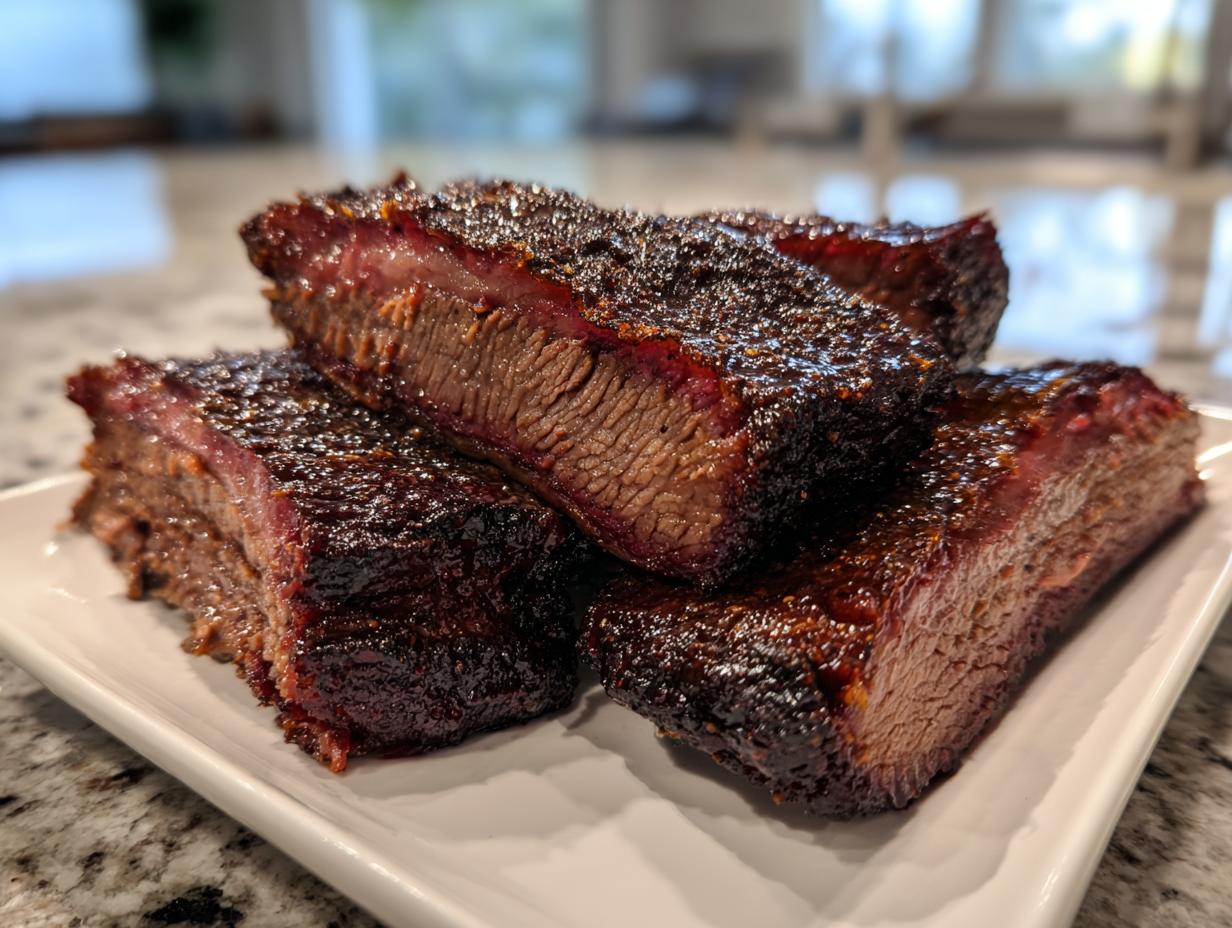
If your goal for National Brisket Day is to finally tell everyone you’ve achieved true pitmaster status, you’ve come to the right place. Look, I’m a project manager by trade, which means I approach cooking like any complex task: streamline, optimize, and focus only on the steps that deliver maximum flavor return. Complicated BBQ recipes feel like unnecessary overhead, so I’ve engineered the simplest, most reliable low-and-slow method for a perfect smoked beef brisket. We’re talking about achieving that deep, peppery bark and an interior so tender it melts, all without needing five extra steps you don’t need. This isn’t about guesswork; it’s about executing a foolproof plan.
- Why This Smoked Beef Brisket Recipe Delivers Pitmaster Results
- Essential Ingredients for Perfect Smoked Beef Brisket
- Step-by-Step Instructions for Smoked Beef Brisket
- The Crucial Rest Period for Tender Smoked Beef Brisket
- Tips for Perfecting Your Texas BBQ Smoked Beef Brisket
- Serving Suggestions for Your Smoked Beef Brisket Feast
- Storage and Reheating Instructions for Leftover Smoked Beef Brisket
- Frequently Asked Questions About Smoked Beef Brisket
- Estimated Nutritional Snapshot for Smoked Beef Brisket
Why This Smoked Beef Brisket Recipe Delivers Pitmaster Results
When I first started smoking brisket, I got bogged down in high-end wood rankings and complicated injections. That’s not efficient! The secret to great results, perfect for your summer celebration, is mastering three core variables. This approach gets you straight to classic texas bbq flavor without the hassle.
- The Bark: It locks in during the initial smoke phase, thanks to the specific simple rub and our timed spritzing technique.
- The Tenderness: We achieve that legendary pull-apart texture by holding a precise, low temperature until the connective tissues completely break down.
- The Reliability: It’s a straightforward process mapped out for success, minimizing the chances of a dry or improperly cooked piece of meat.
Achieving the Signature Bark on Your Smoked Beef Brisket
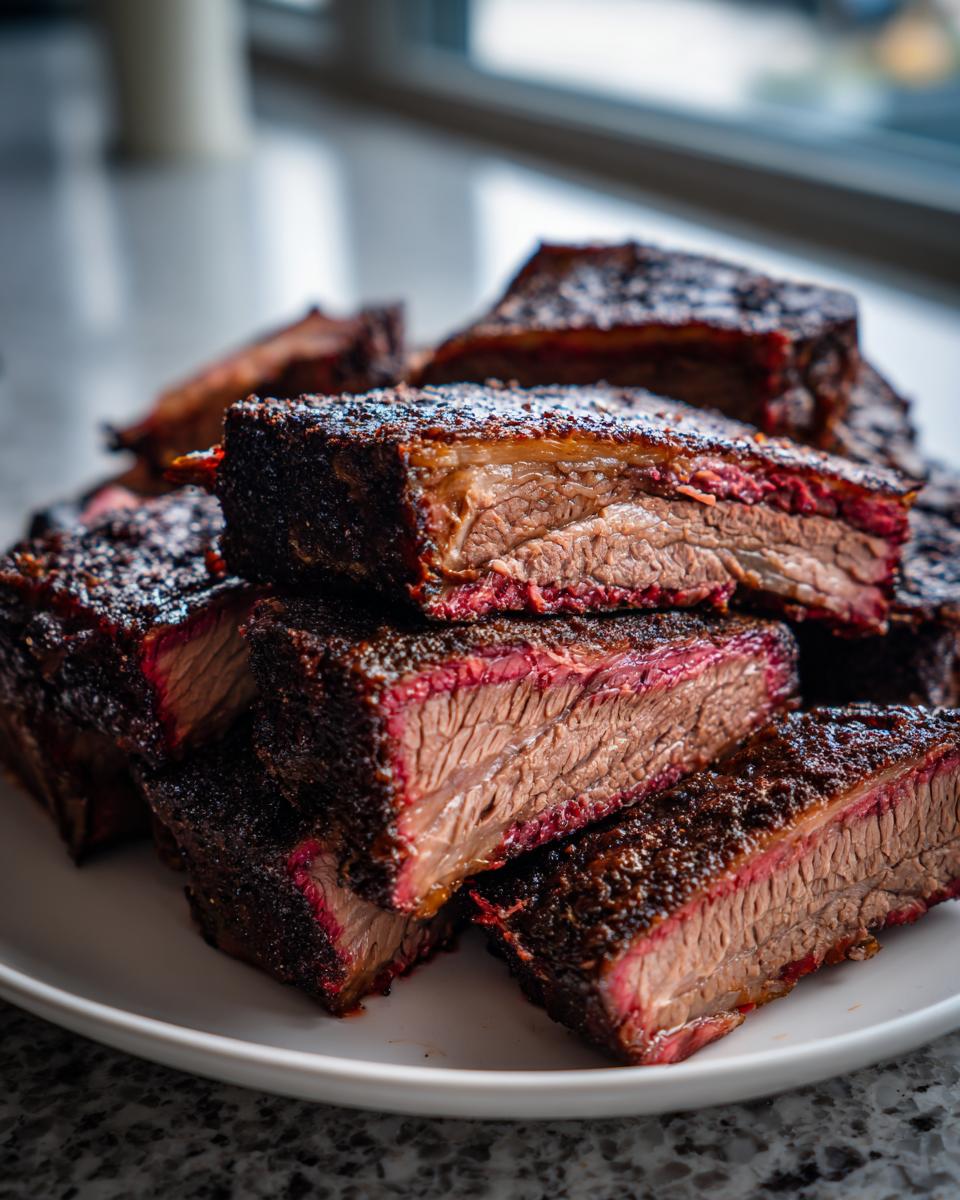
The bark is everything, right? It’s that crunchy, flavorful crust you see on competition cuts. For our smoked beef brisket, the bark forms nicely in the first few hours of smoke exposure. That liquid spritz every hour isn’t just flavor; it keeps the surface wet just long enough for the pepper and salt to polymerize under the smoke layer. Don’t skip that spritz!
The Secret to Tender Beef Brisket: Low and Slow
If you rush it, you get tough meat. Period. The connective tissue—the collagen in the beef brisket—needs 10 to 12 hours at a steady 225°F to truly render into gelatin. Rushing the finish temperature means you’re cooking muscle fibers instead of transforming them. This methodical pace is non-negotiable for that buttery texture.
Essential Ingredients for Perfect Smoked Beef Brisket
When you’re going for pitmaster results, the ingredients list needs to be precise. No ambiguity here—we are building a structure. I’ve listed exactly what you need for a 12 to 14-pound whole smoked beef brisket. Trust me, these measurements are spot on for that amazing crust you want.
We keep the ingredient list clean because the magic is in the method, not in chasing down hard-to-find items. You’ll need:
- One (12-14 lb) whole beef brisket, untrimmed (we trim it ourselves, just follow step one!)
- 1/4 cup coarse kosher salt
- 1/4 cup coarse black pepper
- 1 tablespoon granulated garlic
- 1 tablespoon onion powder
- 1/2 cup apple cider vinegar (for spritz duty)
- 1 cup beef broth (for the spritz moisture)
- 1 cup water (to balance the spritz)
- Wood chunks—oak or hickory only!
The Simple, Effective Brisket Rub Components
See how simple the rub is? It’s just salt, pepper, garlic, and onion powder. The key word here is coarse. That coarse salt and pepper create texture; they don’t fully dissolve into the meat, which is exactly what we need for that beautiful, dark bark to develop during the long smoke.
Wood Selection for the Best Smoked Brisket Flavor
We aren’t messing around with fruit woods for this project; we need backbone. For authentic power, stick to medium-flavor woods. I highly recommend using oak or hickory chunks. They burn clean and provide that deep, robust smoke flavor that defines great beef brisket without overpowering the meat itself.
Step-by-Step Instructions for Smoked Beef Brisket
Alright, this is where we go from having ingredients to having a plan in action. Treat this like project execution; stick to the sequence, and you’ll nail the target. Remember, we pull the brisket out two hours before we start prepping so it warms up slightly. That’s step one in building a better smoke structure.
Trimming and Applying the Rub to the Beef Brisket
First, trim off any really thick, hard chunks of fat—we’re not trying to eat a layer of solid tallow! But leave about a quarter-inch fat cap on there. That cap protects the flat and bastes the meat as it cooks. Once trimmed, grab that rub mixture and coat the entire surface evenly. Don’t just sprinkle it on; press it in firmly until the meat looks fully saturated. This rub is your foundation for the bark.
Managing Smoker Temperature and Initial Smoke Phase
Next, get your smoker dialed in. We need a tight temperature window here: a consistent 225°F up to 250°F is perfect. Get your oak or hickory chunks smoking nicely. Place the brisket fat-side up. Now, we smoke for about 5 to 7 hours until that internal probe hits 160°F. During this time, mix up your spritz—vinegar, broth, and water—in a sturdy spray bottle. Every 45 to 60 minutes, you need to hit the surface liberally. This keeps things moist and helps that crust set up perfectly.
Pushing Through the Stall: Wrapping Your Smoked Beef Brisket
Around 160°F is when the dreaded “stall” hits; the internal temperature stops climbing because the moisture evaporating off the surface cools it down. Standard procedure here, folks. Time to execute the wrap. Grab heavy-duty foil or butcher paper. Wrap the entire smoked beef brisket tightly—no gaps! Put it back on the smoker until it probes like warm butter when you push a thermometer in, usually around 200°F to 205°F. If you need faster results in the future, check out my guide on speeding up smoked chicken—the low-and-slow mindset still applies!
The Crucial Rest Period for Tender Smoked Beef Brisket
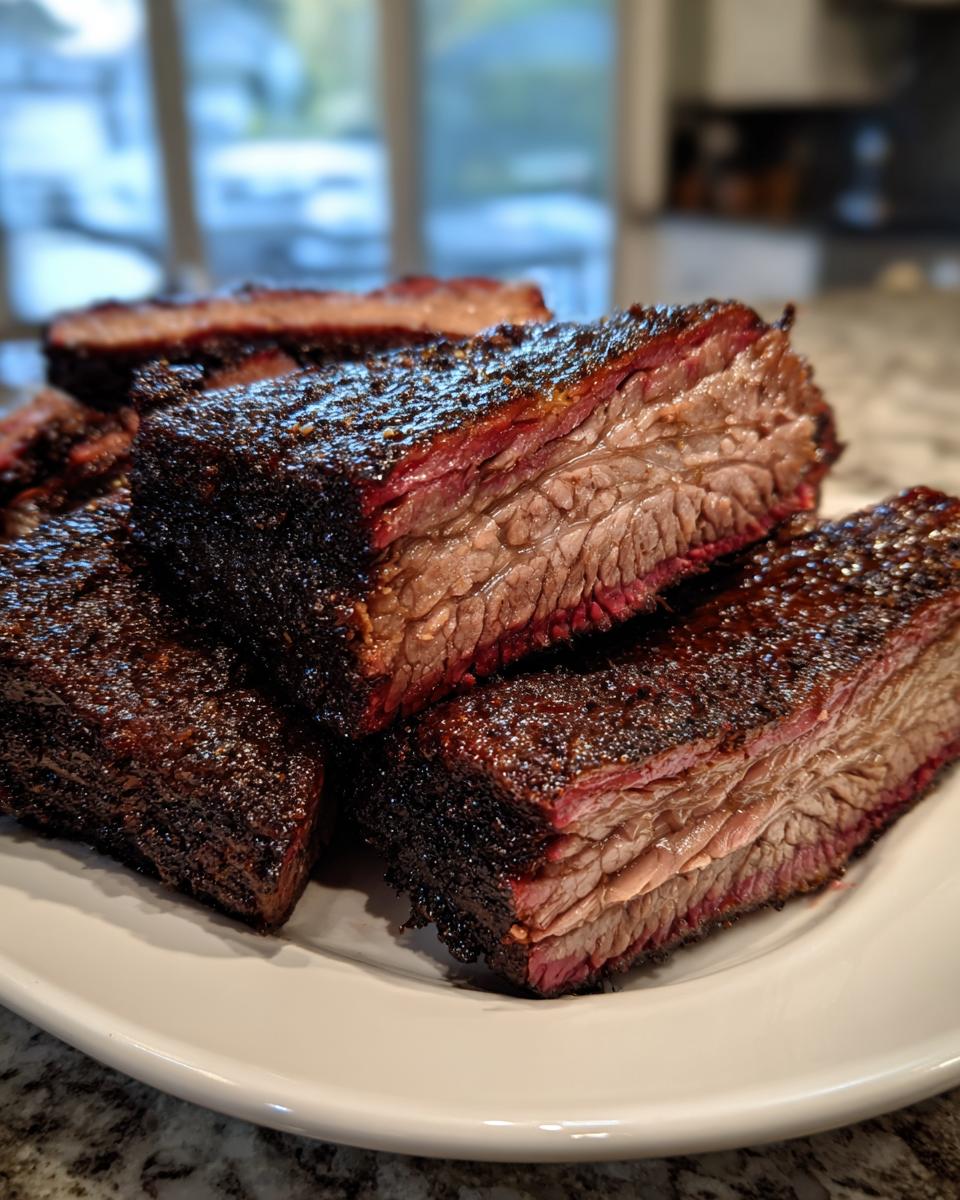
Okay, we’ve hit the target temperature of 205°F. Do NOT be tempted to slice it immediately! This step might seem like downtime, but it’s actually the final critical stage of our project. If you skip the rest on your smoked beef brisket, all that beautiful juice we worked so hard to retain will run right out onto the cutting board.
The technique here is simple but strict. When you pull that foil-wrapped beauty off the smoker, put it straight into an empty, dry cooler. Surround it, cradle it, wrap it in old towels—insulation is key. This keeps the temperature stable around 150°F for hours. You must let it rest for a minimum of one hour, but honestly, two or even three hours is where the magic solidifies the tenderness. Don’t open the cooler until it’s time to slice!
Tips for Perfecting Your Texas BBQ Smoked Beef Brisket
Even with a tight plan, sometimes you have to troubleshoot on the fly, especially when you’re mastering something as complex as real texas bbq. Because I like to give options, here are a couple of adjustments you can make depending on what your day looks like. Remember, consistency is the goal, but flexibility is how you survive a long smoke day!
Alternative Method: Skipping the Wrap for Maximum Bark
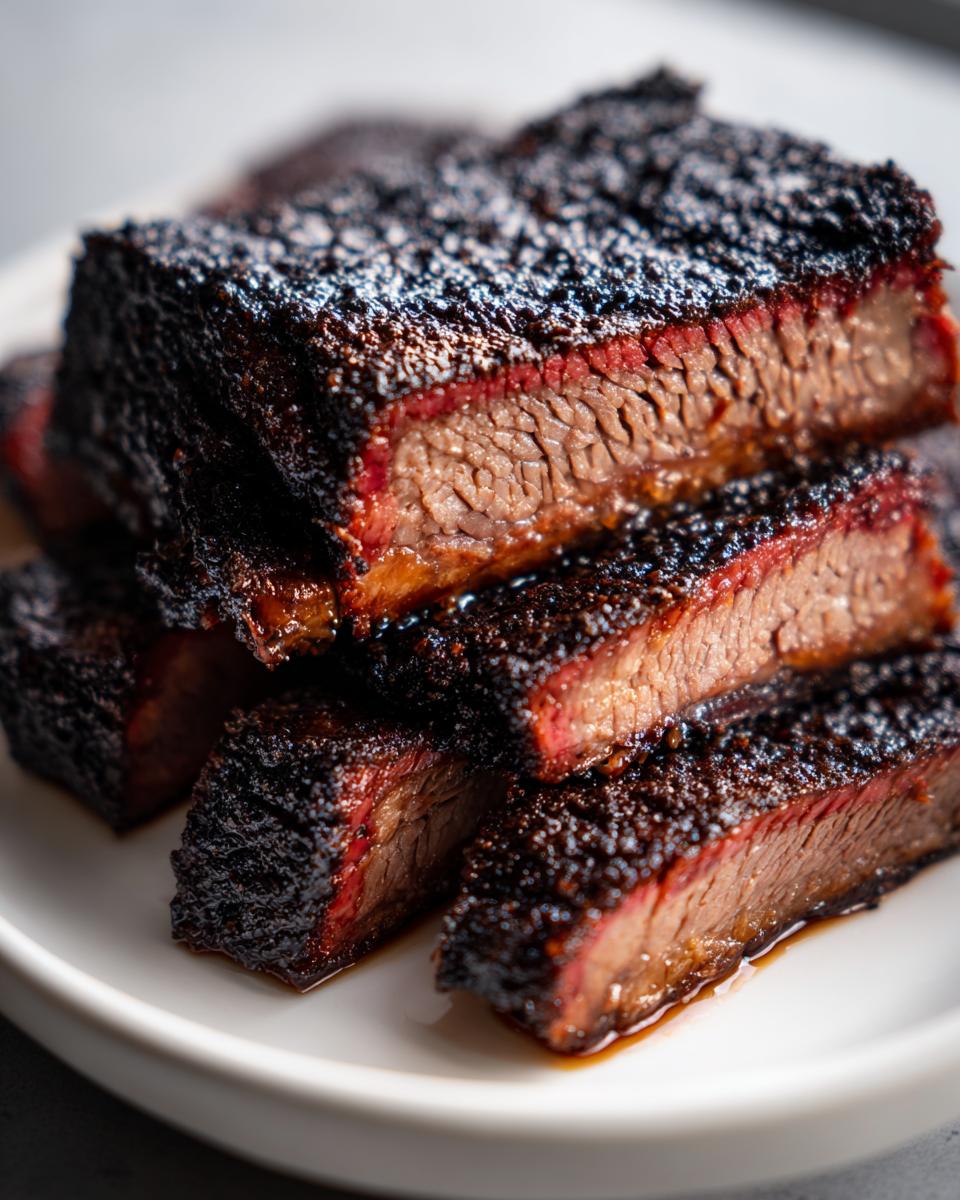
So, you want that extra-crusty bark? We noted earlier that you can skip the wrapping step when the internal temp hits 160°F. Be warned, though—this trades tenderness insurance for texture insurance. Without the wrap, your smoked beef brisket has to fight the stall the hard way, meaning the total cook time could easily stretch several extra hours. It’s a trade-off! For a competition-style bark, it’s worth the wait; for a reliable weeknight smoke, stick to the wrap.
If You Need a Faster Beef Brisket Option
Look, I understand that 12 hours isn’t always feasible. If you’re in a pinch but still want that signature flavor profile, you can use the exact same rub mix we developed here. You can turn that into a decent slow cooker brisket. Just sear the meat first to build some color, then set it on low in the slow cooker for about 8 to 10 hours. It won’t have the bark, obviously, but the core flavor blueprint from our rub will still shine through. It’s a good way to practice the seasoning blend before tackling the big smoke. If you need a great side to go with it, I’ve linked my recipe for rich brown gravy, which is surprisingly good poured over leftover sliced brisket!
Serving Suggestions for Your Smoked Beef Brisket Feast
You just nailed a 12-hour project! Now for the payoff. You should be slicing that gorgeous smoked beef brisket against the grain for maximum impact. Since this meat is so rich and intensely flavored, you want sides that can stand up to it without fighting the meat. When you’re looking through my other bbq recipes, always think balance.
I highly recommend our creamy, cheesy loaded mashed potatoes; their richness complements the savory smoke perfectly. You can find the recipe for loaded mashed potatoes here. And don’t forget something vinegary, like a sharp coleslaw, to cut through that fat cap. It makes every single bite taste like the best backyard grill session ever.
Storage and Reheating Instructions for Leftover Smoked Beef Brisket
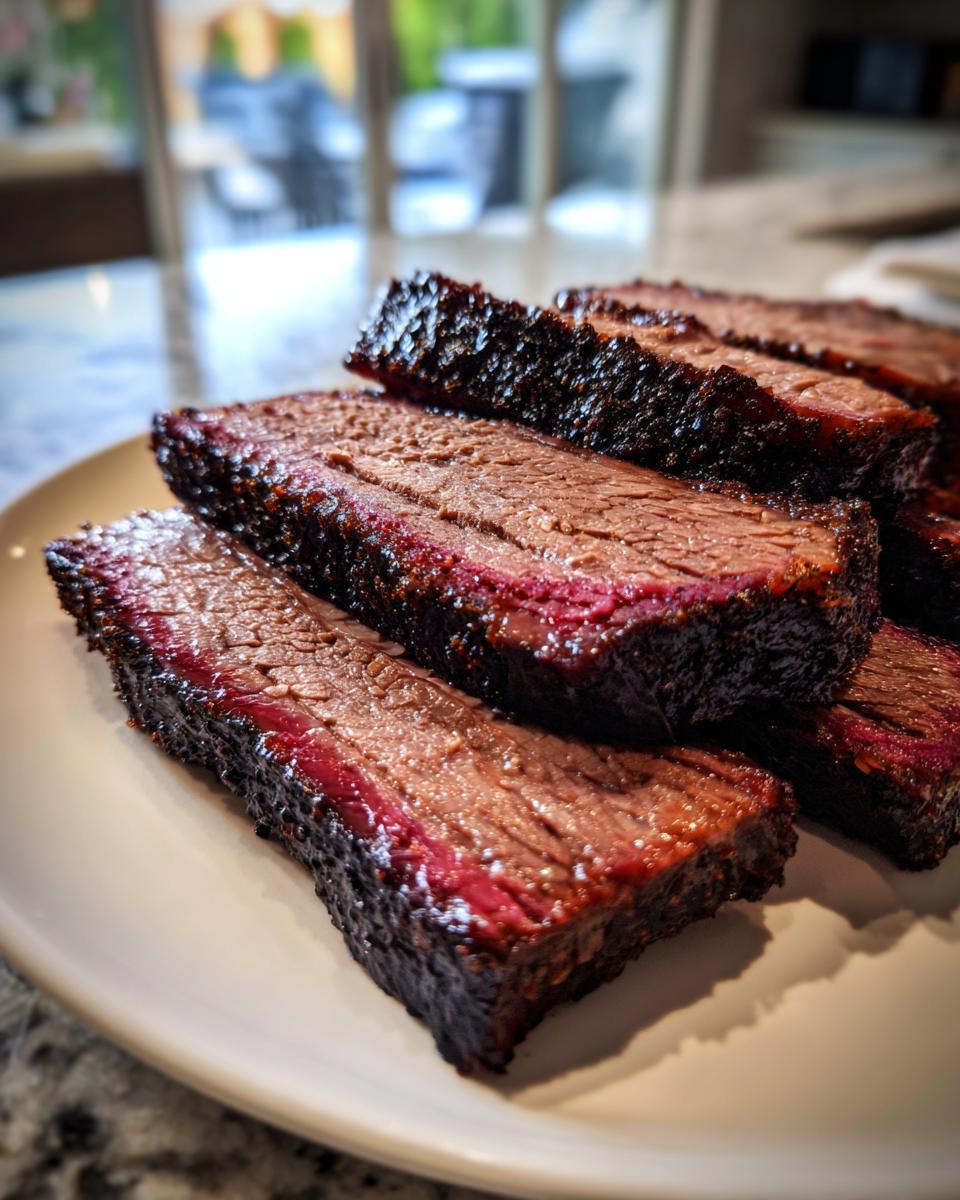
If you somehow manage to have leftovers after hosting your National Brisket Day event—which, honestly, is a victory in itself—storage needs to be efficient. Don’t just throw the whole slab in the fridge! For the best quality later, slice the remaining smoked beef brisket against the grain before you pack it away. Slicing before storage keeps moisture locked in better.
Wrap the sliced meat tightly in plastic wrap first, then slip it into an airtight container or heavy-duty freezer bag. It lasts about five days in the fridge or up to three months frozen. When you reheat, low and slow is the key again. I like to add a splash of beef broth to a covered pan in the oven at 300°F until warmed through. It brings that tenderness right back!
Frequently Asked Questions About Smoked Beef Brisket
When you’re executing a long smoke like this, questions always pop up, even when you follow the plan perfectly. I wanted to cover a few common points that come up when people try to master their first real smoked beef brisket. It’s all about smoothing out the variables so you can focus on enjoying the party.
What wood is best for achieving that authentic Texas BBQ flavor?
For me, you need strong, clean smoke, so I stick strictly to oak or hickory. Hickory gives you that classic, bold flavor often associated with traditional texas bbq. Oak is a little milder but still provides that necessary smoke penetration without turning bitter. Avoid mesquite unless you are using it sparingly in combination with oak; straight mesquite can overpower the meat very quickly.
Why did my beef brisket stall right around 160°F? Is something wrong?
Absolutely nothing is wrong! That’s just physics at work, which is why we planned for it in the instructions. The stall happens because the moisture evaporating off the surface of the meat cools it down faster than the heat can push it higher. It’s the “sweating” phase. Wrapping the beef brisket in foil at 160°F is the engineered solution to bypass that lengthy stalling period and get you back on track for that tender finish.
Can I use this rub or method for a pork butt instead?
You totally can! This dry rub is fantastic on pork, too. The overall philosophy of low-and-slow cooking applies beautifully to pork shoulder. If you are using this rub on pork, just be aware that pork usually finishes a bit sooner than brisket, generally aiming for 200°F internal temperature, and you might decide to go ahead and skip the wrap to get that super crisp pulled pork exterior. You can even check out my recipe for homemade BBQ sauce to toss that pulled pork in later!
I don’t have a smoker; can I make a decent cut using a slow cooker brisket method?
I get it—sometimes the weather doesn’t cooperate or you just don’t have the equipment. If you must use a slow cooker brisket route, use the heavy rub development we created here, and definitely sear the meat hard on all sides before putting it in the pot. It won’t develop the beautiful bark, but the flavor profile from that seasoning will still get you close to savory.
How do I know when to slice? What if I rested it for an extra hour?
The rest is crucial for moisture redistribution. If you rested it an extra hour on top of the minimum, that’s fantastic! It will only make the meat more forgiving and tender when you slice it. The biggest mistake is slicing too early when it’s piping hot; the extended rest in the cooler keeps the internal temperature high enough to stay safe while allowing the muscle fibers to relax, which prevents all that hard-earned juice from escaping.
Estimated Nutritional Snapshot for Smoked Beef Brisket
Now that you’ve successfully managed the project of smoking a massive piece of meat, let’s look at the breakdown. Because this recipe focuses on a whole, untrimmed piece of meat initially, and we are dealing with a large yield (16 servings!), the numbers per serving are pretty manageable for such a dense cut. Remember, this is an estimate based on the full run of ingredients before the final trim, so your personal slice composition will affect these figures.
For a standard 6-ounce serving, here’s what you can generally expect from this smoked beef brisket preparation:
- Calories: About 450
- Fat: 28g (Make sure you trim some of that outer cap off if you are watching your saturated fat intake!)
- Protein: A whopping 45g—this is pure fuel!
- Carbohydrates: Very low, around 2g, since we aren’t adding sugary sauces during the cook.
Just keep in mind that these values are based on the general data provided for the recipe when divided across 16 people. Since home trimming always varies, consider this your baseline for checking against your overall meal goal for the day. Enjoy the results of your hard work!
PrintPitmaster Smoked Beef Brisket for National Brisket Day
Achieve pitmaster status with this straightforward recipe for perfectly smoked beef brisket, featuring a deep bark and a tender interior for your summer celebration.
- Prep Time: 30 min
- Cook Time: 10 to 12 hours
- Total Time: 12 hours 30 min
- Yield: 16 servings 1x
- Category: Main Course
- Method: Smoking
- Cuisine: American
- Diet: Low Fat
Ingredients
- 1 (12-14 lb) whole beef brisket, untrimmed
- 1/4 cup coarse kosher salt
- 1/4 cup coarse black pepper
- 1 tablespoon granulated garlic
- 1 tablespoon onion powder
- 1/2 cup apple cider vinegar (for spritz)
- 1 cup beef broth (for spritz)
- 1 cup water (for spritz)
- Wood chunks (oak or hickory recommended)
Instructions
- Prepare the brisket: Remove the brisket from refrigeration 2 hours before smoking. Trim off any hard, thick pieces of fat, leaving about 1/4 inch fat cap intact.
- Mix the rub: Combine the salt, pepper, garlic powder, and onion powder in a small bowl.
- Apply the rub: Coat the entire surface of the brisket evenly with the rub mixture. Press the rub into the meat.
- Set up the smoker: Prepare your smoker for indirect heat, aiming for a consistent temperature between 225°F and 250°F. Add your wood chunks.
- Start the smoke: Place the brisket fat-side up on the smoker grate. Maintain the temperature and smoke for approximately 5 to 7 hours, or until the internal temperature reaches 160°F in the thickest part of the flat.
- Create the spritz mixture: While the brisket smokes, combine the apple cider vinegar, beef broth, and water in a spray bottle.
- Spritz the brisket: Every 45 to 60 minutes during the smoke phase, spray the brisket surface liberally with the spritz mixture. This helps set the bark.
- Wrap the brisket (The Stall): Once the internal temperature hits 160°F, wrap the brisket tightly in heavy-duty aluminum foil or butcher paper. This helps push through the stall.
- Continue cooking: Return the wrapped brisket to the smoker. Continue cooking until the internal temperature reaches 200°F to 205°F and the meat probes tender when inserted. This phase usually takes another 3 to 5 hours.
- Rest the brisket: Remove the wrapped brisket from the smoker. Place it in an empty, dry cooler and wrap it in old towels for insulation. Let it rest for a minimum of 1 hour, up to 3 hours.
- Slice and serve: Unwrap the brisket. Slice the meat against the grain for the best texture. Serve your Texas BBQ masterpiece.
Notes
- For a crispier bark, you can skip the wrapping step and cook until the internal temperature is reached, though this will take longer.
- If you are looking for a slow cooker brisket alternative, use this rub and cook on low for 8-10 hours after searing.
Nutrition
- Serving Size: 6 oz
- Calories: 450
- Sugar: 1
- Sodium: 650
- Fat: 28
- Saturated Fat: 11
- Unsaturated Fat: 17
- Trans Fat: 0
- Carbohydrates: 2
- Fiber: 0
- Protein: 45
- Cholesterol: 150