

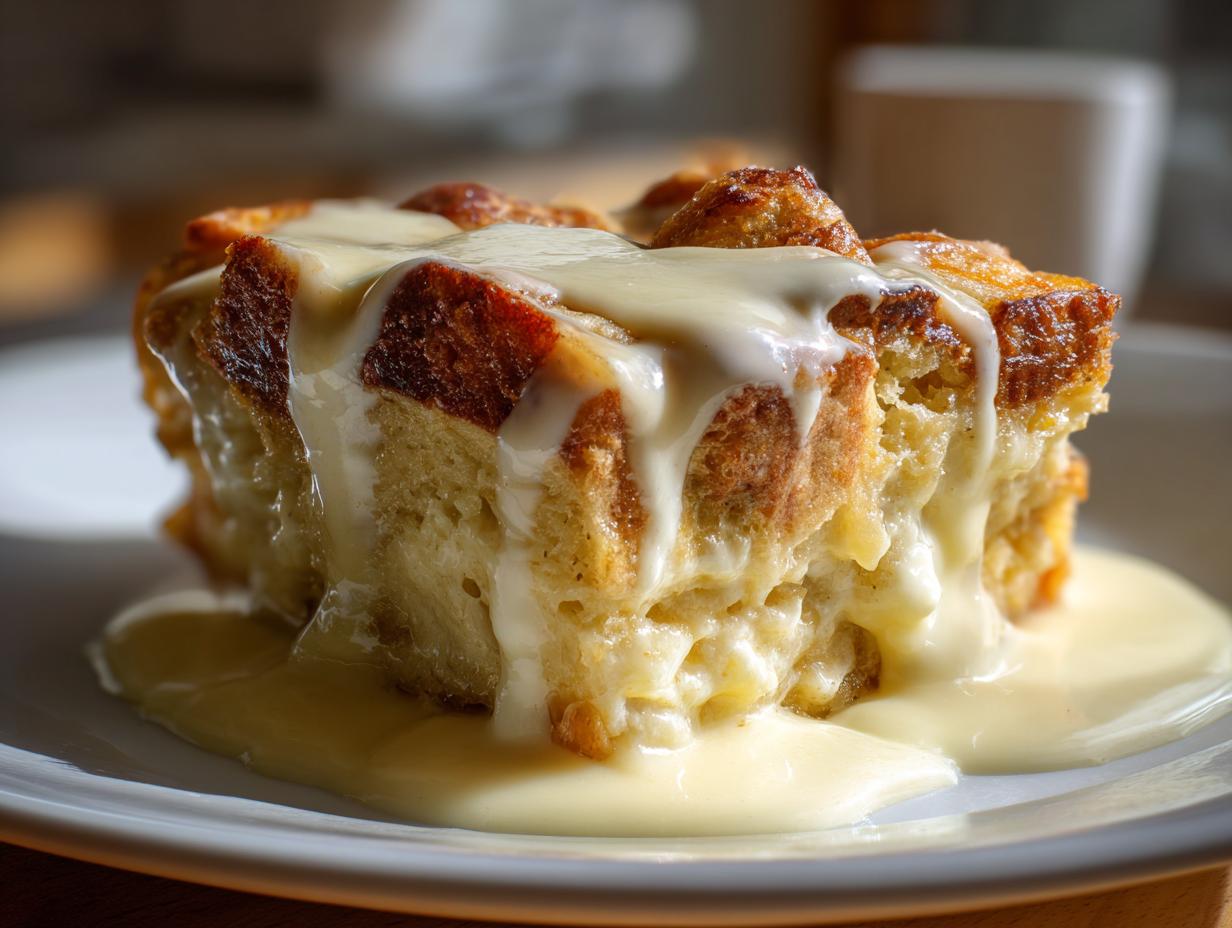
When you need real, soul-satisfying comfort, nothing beats a classic dessert that smells like a cozy Sunday afternoon. We’re not talking about fussy, modern concoctions here. We’re diving straight into the reliable, tested structure of Grandma’s Old-Fashioned bread pudding. This isn’t just another recipe; it’s how we take day-old bread and transform it into something truly special. As the founder of Dishicious, I approach these classics like a project—streamlined, efficient, and designed to deliver maximum flavor every single time. If you think bread pudding is complicated, I promise, my systematic approach makes this simple, decadent treat foolproof for your busy weeknights. See all our trusted dessert recipes here.
- Why This Old Fashioned Bread Pudding is Your New Go-To Comfort Food Dessert
- Ingredients for the Best Bread Pudding with Vanilla Sauce
- Step-by-Step Instructions for Easy Bread Pudding
- Tips for Success: Mastering Your Homemade Pudding
- Variations on Classic Bread Pudding: Bourbon and Beyond
- Storage and Reheating Instructions for Leftover Bread Pudding
- Frequently Asked Questions About Making Bread Pudding
- Estimated Nutritional Data for This Classic Dessert Recipe
- Share Your Experience Making This Decadent Bread Pudding
Why This Old Fashioned Bread Pudding is Your New Go-To Comfort Food Dessert
When I look for a true comfort food dessert, it has to solve multiple problems at once. That is exactly what our old fashioned bread pudding does. You’re using up bread that’s just about to go bad—efficiency win! Then you turn it into this incredibly tender, spoonable bake. It’s the ultimate low-effort, high-reward project. Why complicate things when nostalgia tastes this good? You can see all our reliable trusted dessert recipes right here.
Key Benefits of Our Classic Dessert Recipe
- It’s incredibly easy; the hands-on time is minimal, making it perfect for busy schedules.
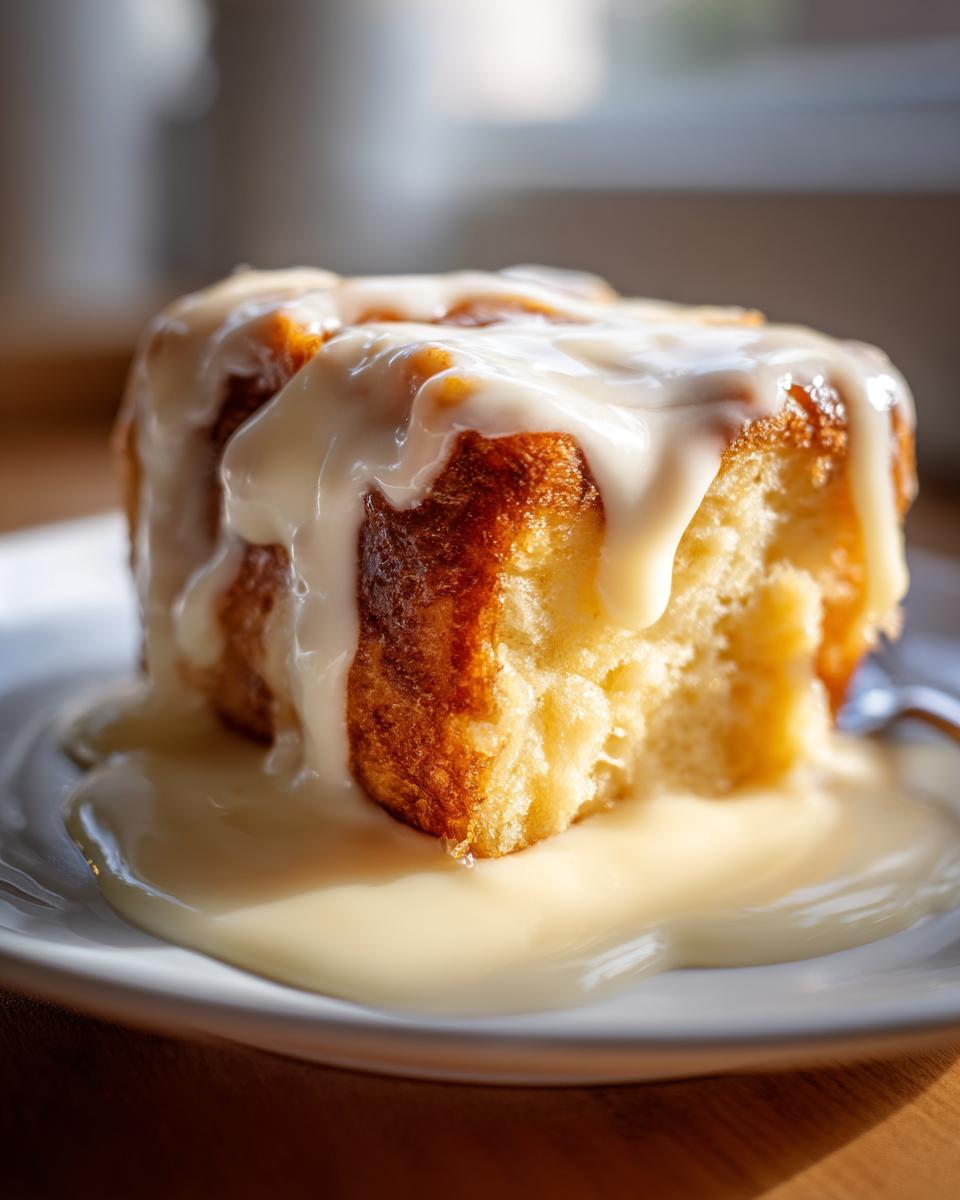
- The texture hits that sweet spot: a slightly crisp, golden exterior giving way to a moist, spice-infused custard center.
- This recipe is a champion for waste reduction, turning stale loaves into a satisfying family treat.
- It pairs perfectly with whatever sauce you have on hand, but trust me, the vanilla sauce is the classic choice.
Ingredients for the Best Bread Pudding with Vanilla Sauce
Okay, for this recipe to deliver that perfect, reliable result we are aiming for, precision in measuring is the operational key. Don’t try to guess your volumes here; we need tangible, consistent inputs to get that foolproof bake. Remember, the success of this bread pudding starts with the right raw materials, especially that stale bread—it needs to be ready to soak up all that delicious custard! This is where you get to see the project manager in me shine; everything has its designated place.
For the Bread Pudding Base
We are keeping this straightforward, using pantry staples that deliver maximum ‘old fashioned’ flavor. This is the heart of the recipe:
- 8 cups cubed stale bread (French or standard white bread works best for texture).
- 4 large eggs—don’t skimp on these, they set the custard!
- 1 cup granulated sugar.
- 2 cups whole milk.
- 1 teaspoon vanilla extract.
- 1 teaspoon ground cinnamon.
- 1/4 teaspoon ground nutmeg.
- A small pinch of salt to balance all that sweetness.
For the Homemade Vanilla Sauce Dessert Topping
The rich topping is what elevates this dish from good to unforgettable—this homemade bread pudding with vanilla sauce is simple and leagues better than using anything store-bought. This sauce makes everything better!
- 1/2 cup unsalted butter.
- 1 cup powdered sugar (sifted, if you want to be extra smooth).
- 1/4 cup milk.
- 1 teaspoon pure vanilla extract.
If you want to learn more about streamlining other kitchen tasks, check out how I approach making quick soups efficiently.
Step-by-Step Instructions for Easy Bread Pudding
Making this easy bread pudding is all about managing your inputs before you hit ‘bake.’ Think of this as your simple project timeline. We need to set up the workspace, mix the primary components, and let the materials absorb the liquid before we move to the heat source. Trust me, following these steps exactly keeps the final result reliable and delicious every single time. This method prevents that dreaded soggy bottom layer while ensuring the top forms that perfect crust.
Preparing the Bread and Custard for Your Sweet Bread Bake
First things first: get your oven warmed up to 350°F (175°C) and lightly grease that 9×13 pan. Honestly, don’t skip the grease—we don’t want project failure on release! Scatter your bread cubes evenly across the bottom. Now, we build the custard. In a separate big bowl, whisk those four eggs first. Then add the sugar, milk, vanilla, cinnamon, nutmeg, and salt. You want this fully combined so you don’t get any weird egg clumps later. Pour that beautiful custard mix slowly over your bread. Here’s the critical part for a perfect sweet bread bake: press the bread down gently with a spatula to make sure every cube gets a good soak. Let it sit there for a full 15 minutes. Seriously, don’t rush this soak time!
Baking and Making the Warm Dessert Recipes Sauce
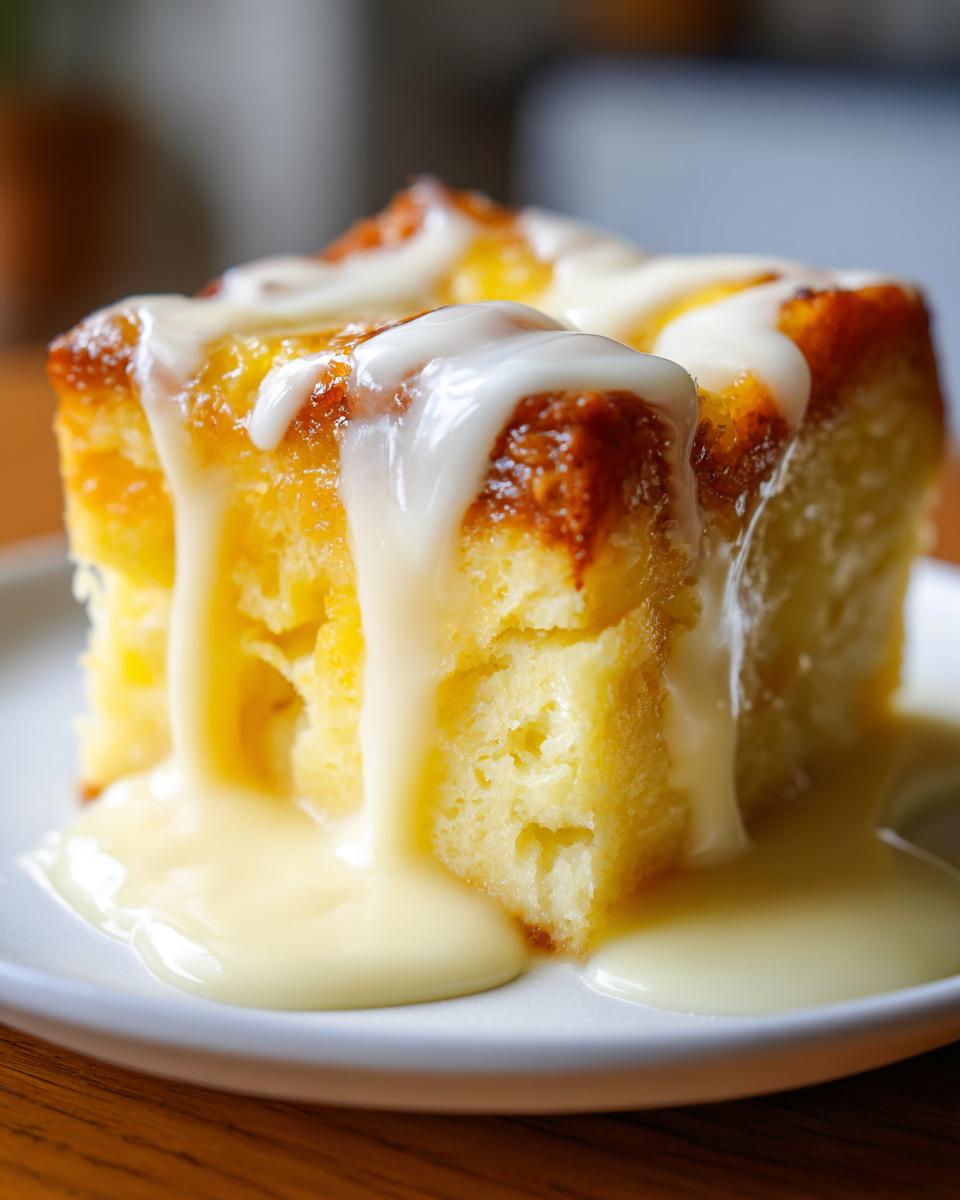
After the soak, pop it into the oven for about 40 to 50 minutes. You’re looking for that golden-brown top, and a knife inserted near the center should come out with just moist crumbs clinging to it. While that’s cooking, start our sauce. Melt that butter for the topping over medium heat. Pull it off the stove and whisk in the powdered sugar, milk, and vanilla until it’s completely smooth. Want that perfect warm texture for your warm dessert recipes? Make sure to drizzle that sauce over the pudding while it’s freshly cooled down just a bit. If the sauce is too stiff, just add a tiny bit more milk until it flows right. You can find more streamlined baking guides over here at Dishicious dessert recipes and see how we tackle things like easy brunch items. For more inspiration on getting that perfect classic texture, this guide on classic bread pudding recipe is fantastic.
Tips for Success: Mastering Your Homemade Pudding
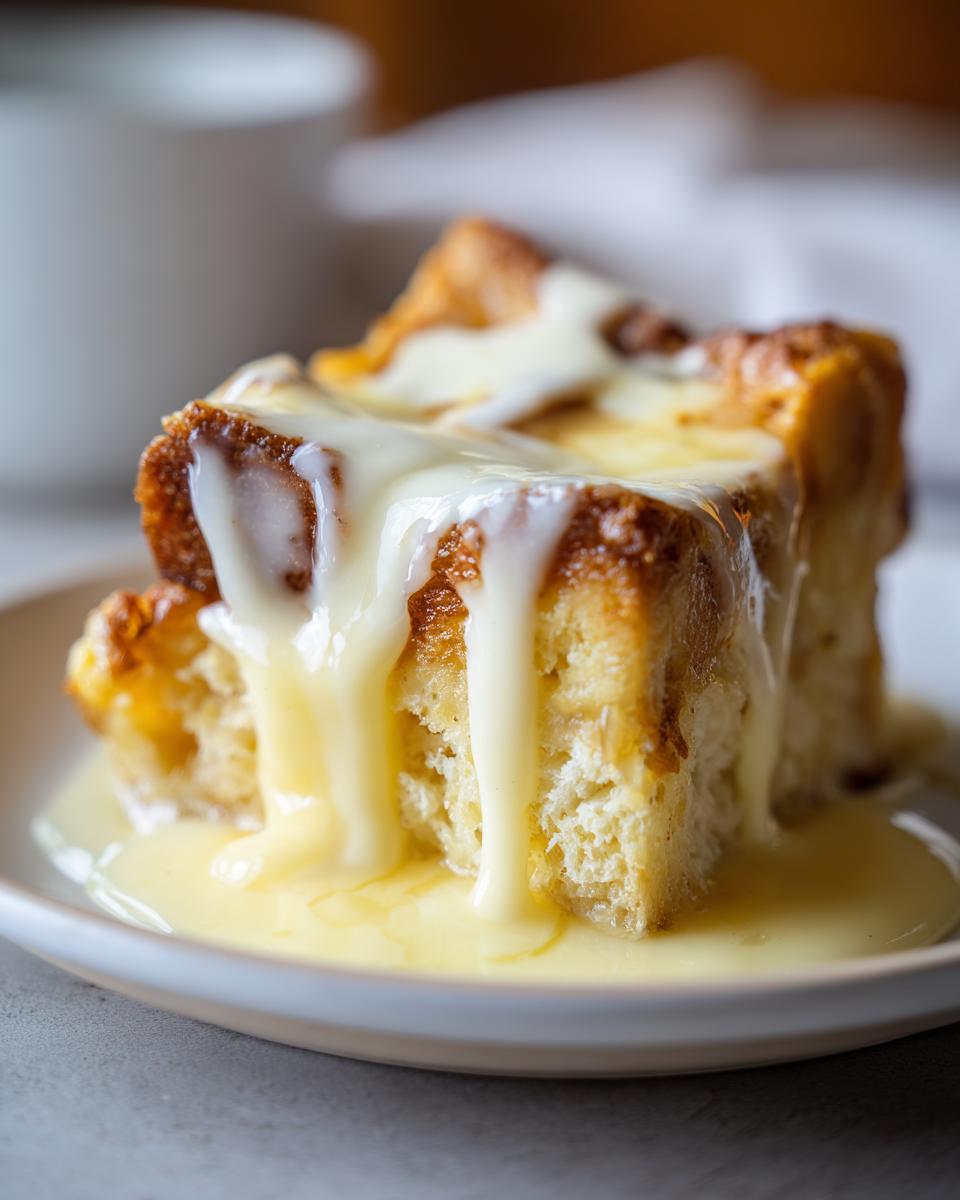
Listen, mastering a classic recipe like this isn’t about following the steps perfectly; it’s about understanding which variables you can control to make it consistently great. That’s how I approach every project in the kitchen. We’ve established this formula works, but when you’re pulling ingredients together, a few minor optimizations really push this over the top. Stick to these guidelines and you’ll build real expertise in making this pudding.
One of the most important things I learned handling leftovers is that the bread choice matters hugely. We specifically call for French bread or standard white bread because their structure holds up best when absorbing the liquid. If your bread is too soft to begin with, you end up with soup, not a baked dessert.
Ingredient Choices for Richer Custard Dessert
The base recipe is solid, but if you want to elevate the richness—especially if you’re making this for a special weekend treat or a heavier meal—you absolutely need to look at the liquid component. For a truly indulgent custard dessert experience, try swapping out half of the whole milk for heavy cream. It’s a simple 1:1 substitution, but the extra fat content makes the set texture unbelievably luxurious and creamy, giving you that premium feel without adding any complexity to the process.
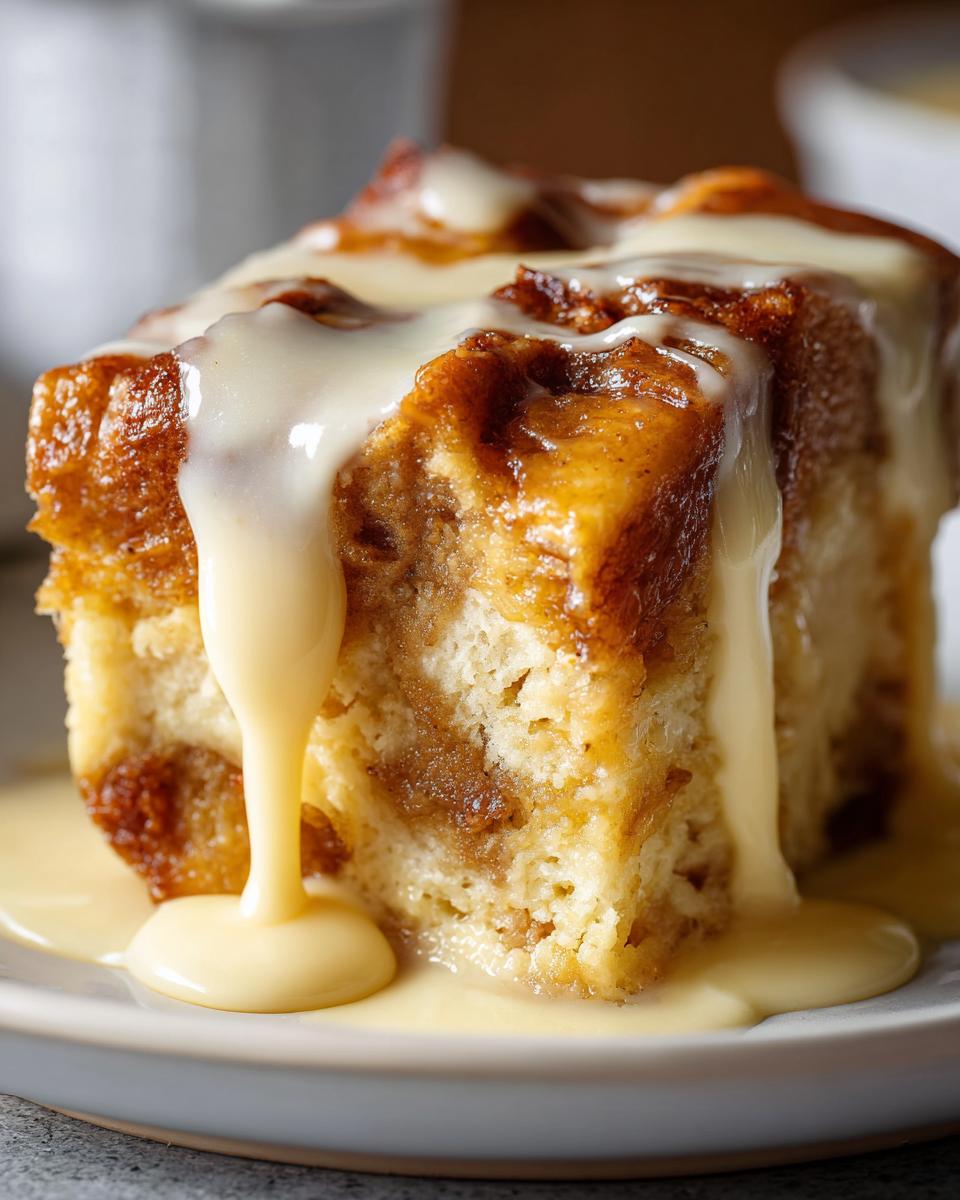
Also, remember that pro tip before you bake? After you’ve poured the custard over the bread and let it sit for those 15 minutes, go back in and press it down again, firmly but gently! You need to ensure that every single piece of bread makes contact with the liquid. It’s a small extra step, but it guarantees you won’t have dry pockets of bread hiding under the surface of what should be a perfectly uniformed bake. You can find our whole library of streamlined dessert recipes if you want guaranteed success next time.
Variations on Classic Bread Pudding: Bourbon and Beyond
While our vanilla sauce version is pure, reliable comfort, I know some of you are looking to add a bit of an edge to your sweet bread bake. This recipe is so fundamentally sound that it handles variations beautifully. If you’re feeling adventurous, think about bringing in some classic regional flavors. This adaptability is what makes this bread pudding such a fantastic template for your baking needs.
Making Bourbon Bread Pudding
If you want to step up the decadence and get that authentic taste of the Big Easy, the classic move is swapping out the simple vanilla sauce for a rich bourbon sauce. It’s an easy switch, really! Follow the directions for the vanilla sauce, but when you remove the butter from the heat, whisk in a couple of tablespoons of good bourbon along with your sugar and milk. It ramps up the complexity instantly. This New Orleans-style take is incredible when served warm, perfect centerpiece for any gathering. See which other streamlined dessert recipes we’ve perfected for reliability.
Thinking about that Southern twist reminds me of the great recipe linked here, which dives deep into that specific New Orleans dessert style, if you want more detail on the sauce science!
Storage and Reheating Instructions for Leftover Bread Pudding
Now, let’s talk about the reality of leftovers, because even the best baked goods sometimes don’t disappear on the first round! The beauty of this structure is that it holds up really well, which is part of why it’s such a reliable dessert project. You shouldn’t have any trouble storing this, provided you follow a standard project timeline for cooling and preserving.
Once the pudding has cooled down completely at room temperature—and I mean totally cool, don’t rush it—you need to seal it up tight. Transfer any remaining dessert into an airtight container. Alternatively, you can cover the baking dish tightly with plastic wrap, making sure the wrap touches the surface of the remaining pudding as much as possible to minimize air exposure. Store this in the refrigerator for up to four days. That’s it. It’s simple preservation, no complex system required.
When you’re ready for a second serving, you have two primary methods for reheating, depending on how much time you have. If you have a few minutes, the oven is always the best choice for texture recovery. Wrap the portion loosely in foil and reheat at 325°F (160°C) for about 15 minutes, or until heated through. This gives you that slight crispness back on the edges.
If you are sacrificing efficiency for speed—maybe this is a quick snack—the microwave works too. Just nuke a slice for 30 to 60 seconds. Keep in mind the microwave will soften the texture significantly, making it more pudding-like right away, but it’s fast! If you’re having trouble reheating or want more straightforward dessert projects, check out the rest of our Dishicious dessert recipes database.
Frequently Asked Questions About Making Bread Pudding
When you’re breaking down a recipe into the simplest components, questions always pop up about substitutions or what happens if you skip a prerequisite step. That’s totally fine! My goal here at Dishicious is transparency, so let’s run through a few common things people ask when they are tackling this classic bake for the first time. Treat this like an operational review!
Can I use fresh bread instead of stale bread for bread pudding?
Yes, technically you can, but you are adding unnecessary complexity to the project. If you use fresh bread, it hasn’t dried out properly, which means it’s already full of moisture. If you dump the custard on it now, you risk a very mushy outcome or potentially needing to bake it forever just to set the center. If that’s all you have, you absolutely must increase the soaking time—maybe even up to an hour—so the bread can fully absorb the liquid evenly. But honestly, sticking to stale bread is better, especially if you are trying to meet that goal of using up stale bread instead of tossing it.
Can this be served as a brunch dessert idea?
One hundred percent! This is one of the great things about this particular bread pudding. It’s rich enough to feel like a real dessert, but since it’s essentially a baked custard saturated bread, it transitions perfectly into a heavy weekend meal. It lands beautifully on the table as a fantastic brunch dessert idea. I prefer serving it warm, maybe with just a light drizzle of that vanilla sauce—it feels substantial without being overly sugary for the morning crowd. For more simple weekend options, check out our full list of Dishicious dessert recipes.
What is the best way to make the vanilla sauce thicker?
This is a common adjustment depending on the consistency of your powdered sugar or how much evaporation happened while you were mixing. If your vanilla sauce is too thin, you have two reliable options that don’t require calling in outside help! First, you can whisk in more powdered sugar, one tablespoon at a time, until you hit that luxurious, pourable-but-not-watery consistency. The other approach, if you notice it’s still too relaxed, is simply to put the saucepan back on very low heat and let it simmer gently, stirring constantly, for about 60 seconds. This allows a bit of evaporation to happen, which concentrates the sauce. Don’t boil it though, or the sugar might seize up on you!
Estimated Nutritional Data for This Classic Dessert Recipe
As a strategist, I know that data transparency builds trust, even in the kitchen. When we calculate the output for any standardized recipe in the Dishicious system, we have to account for every ingredient used, from the stale bread cubes up to the sugar in the sauce. What I’m giving you below are the estimated nutritional values for one standard serving of this old fashioned bread pudding—including the vanilla sauce drizzle. Don’t treat these numbers as gospel, because the size of your bread cubes or how much sauce you pour on matters, but it gives you a solid baseline for this classic dessert recipe.
This dessert is definitely rich due to the butter and sugar, which is what makes it such a fantastic reward after a long week. If you’re looking for lighter options, always check out our full library of streamlined dessert recipes, but for this wonderfully decadent treat, here is the breakdown:
- Calories: Approximately 380 per slice
- Total Fat: Around 15g (with 9g being saturated from the butter)
- Total Carbohydrates: Roughly 55g
- Protein: About 10g
- Sugar: This runs high, clocking in around 45g, which is standard for this style of sweet bread bake.
We are focusing on flavor and reliability here, not calorie counting! But it’s important to know what you are serving up to your family.
Share Your Experience Making This Decadent Bread Pudding
Alright, project complete! Now I want to hear how this turned out in your kitchen. Did you stick with the classic vanilla sauce, or did you pull a runner and go for the bourbon twist? Rate Grandma’s formula—how does this decadent bread pudding score out of five stars? Drop your thoughts and photos below! If you want more guaranteed wins, check out the rest of our streamlined dessert recipes list.
PrintGrandma’s Old-Fashioned Bread Pudding with Vanilla Sauce

Make this classic bread pudding using stale bread. It features a soft custard center, a golden crust, and is topped with a simple homemade vanilla sauce for a comforting dessert.
- Prep Time: 20 min
- Cook Time: 50 min
- Total Time: 70 min
- Yield: 8 servings 1x
- Category: Dessert
- Method: Baking
- Cuisine: American
- Diet: Vegetarian
Ingredients
- 8 cups cubed stale bread (French or white bread works well)
- 4 large eggs
- 1 cup granulated sugar
- 2 cups whole milk
- 1 teaspoon vanilla extract
- 1 teaspoon ground cinnamon
- 1/4 teaspoon ground nutmeg
- Pinch of salt
- For the Vanilla Sauce:
- 1/2 cup unsalted butter
- 1 cup powdered sugar
- 1/4 cup milk
- 1 teaspoon vanilla extract
Instructions
- Preheat your oven to 350°F (175°C). Lightly grease a 9×13 inch baking dish.
- Arrange the bread cubes evenly in the prepared baking dish.
- In a large bowl, whisk together the eggs, granulated sugar, milk, vanilla extract, cinnamon, nutmeg, and salt until well combined. This is your custard base.
- Slowly pour the custard mixture evenly over the bread cubes, pressing down gently to help the bread absorb the liquid. Let the bread soak for 15 minutes.
- Bake for 40 to 50 minutes, or until the top is golden brown and a knife inserted near the center comes out mostly clean.
- While the pudding bakes, prepare the vanilla sauce. In a small saucepan, melt the butter over medium heat. Remove from heat.
- Whisk in the powdered sugar, milk, and vanilla extract until the sauce is smooth. If the sauce is too thick, add milk, one teaspoon at a time, until you reach your desired consistency.
- Let the bread pudding cool slightly before serving. Drizzle generously with the warm homemade vanilla sauce.
Notes
- Using stale bread prevents the pudding from becoming too mushy during baking.
- For a richer flavor, substitute 1/2 cup of the milk with heavy cream.
- If you prefer a New Orleans dessert style, substitute the vanilla sauce with a bourbon sauce.
Nutrition
- Serving Size: 1 slice
- Calories: 380
- Sugar: 45g
- Sodium: 250mg
- Fat: 15g
- Saturated Fat: 9g
- Unsaturated Fat: 6g
- Trans Fat: 0.5g
- Carbohydrates: 55g
- Fiber: 2g
- Protein: 10g
- Cholesterol: 105mg