

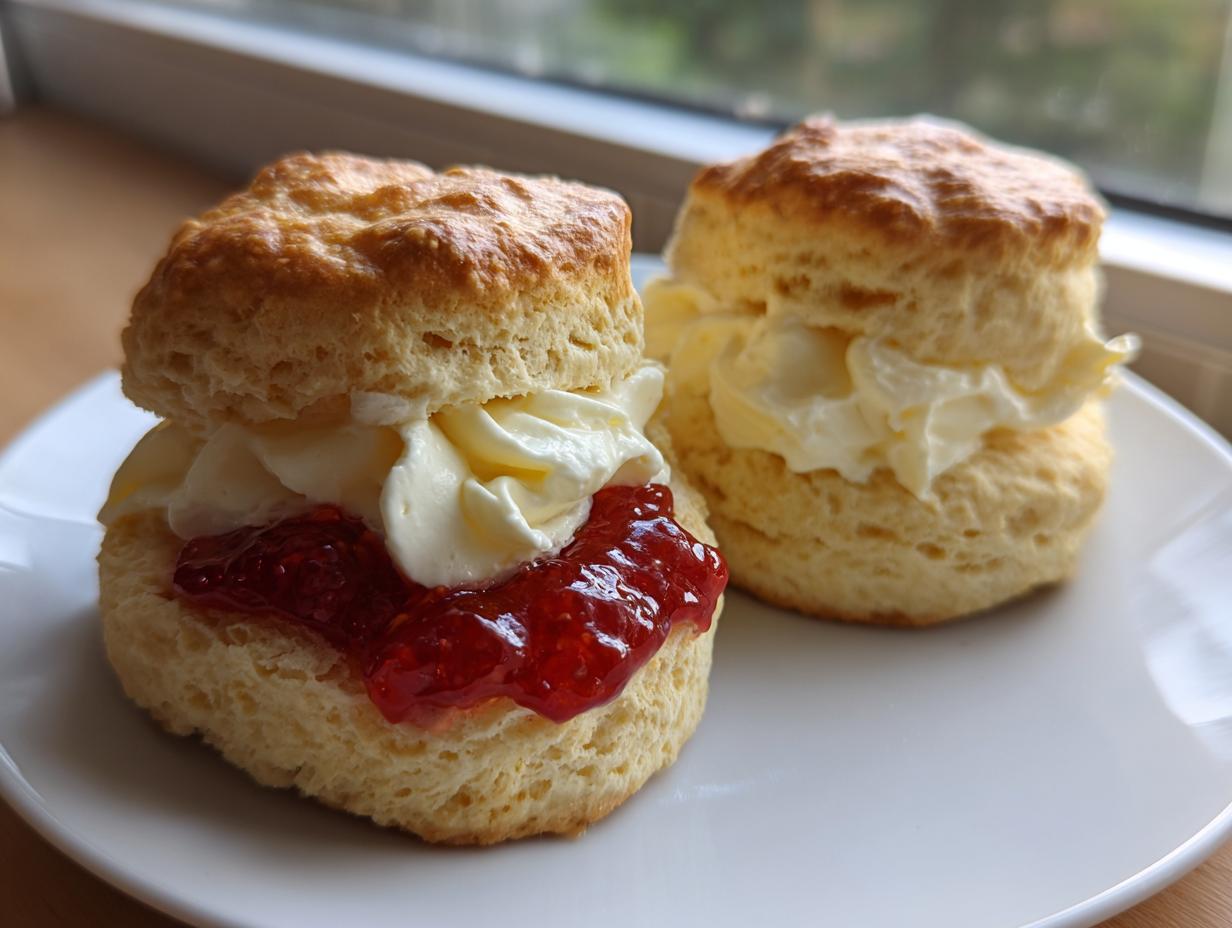
When we talk about baking, sometimes the old ways are simply the best ways, especially when planning a proper tea party. You can’t cheat tradition, which is why nailing that perfect clotted cream scone is so vital for International Tea Day. Forget dry, crumbly messes; we’re aiming for that authentic density that still feels light as air when you bite into it. Here at Dishicious, founder Leo Grant approaches baking like a project: strip away the complexity, focus on the essential steps, and you get flawless results every time. This recipe delivers that classic, reliable British standard you’ve been looking for.
- Why This Clotted Cream Scone Recipe Works for Your Tea Party
- Essential Ingredients for Classic Scones
- Step-by-Step Instructions for Perfect Clotted Cream Scone Baking
- Tips for Success When Making Clotted Cream Scones
- Serving Your Clotted Cream Scone for an Afternoon Tea
- Storage and Reheating Instructions for Clotted Cream Scones
- Frequently Asked Questions About English Scones
- Estimated Nutritional Information for One Clotted Cream Scone
- Share Your Traditional Tea Party Success
Why This Clotted Cream Scone Recipe Works for Your Tea Party
If you’re setting the table for a proper afternoon tea, speed shouldn’t be your main goal—authenticity should rule the day. This recipe is engineered to meet the highest standards of English baking tradition. We focus on delivering a consistent, perfect bite every single time.
- We nail the texture: dense enough to hold up to rich cream, but delightfully light inside.
- It respects tradition; this isn’t a sweetened modern muffin masquerading as a scone.
- The results are reliable. Because we control the variables, you can trust these classic scones will rise beautifully.
Achieving Authentic Texture in Your Clotted Cream Scone
The secret to that perfect rise and tender interior isn’t magic; it’s physics! We insist on using rock-solid cold butter and milk. When these icy bits hit the hot oven, they create steam pockets that force the dough upward. Minimal handling afterward protects those pockets, ensuring you get that signature lift and airy crumb without turning your dough tough. That’s the Dishicious way—simple precision leads to incredible results.
Essential Ingredients for Classic Scones
Making *classic scones* that stand up to a dollop of *clotted cream* demands respect for the core components. We keep this list short because, honestly, great scones don’t need a ton of extras; they just need the right stuff handled correctly. You’ll need the usual suspects, but preparation is everything.
- 2 cups all-purpose flour
- 1/4 cup granulated sugar — just enough for flavor, not sweetness!
- 1 tablespoon baking powder
- 1/2 teaspoon salt
- 6 tablespoons cold unsalted butter, cut into small pieces
- 3/4 cup whole milk, cold
- 1 large egg, beaten (for egg wash)
Ingredient Notes and Substitutions for Your Clotted Cream Scone
Look, I can’t stress this enough: everything needs to come straight from the fridge or even the freezer for the butter. If your butter gets warm while you are cutting it in, those beautiful steam pockets we need for rising will instantly melt away. Room temperature milk is the enemy of a tall scone! Treat your ingredients like cold chain logistics, and your results will be perfect every time.
Step-by-Step Instructions for Perfect Clotted Cream Scone Baking
This is where the project management mindset really pays off. We follow a strict timeline here to ensure we lock in that beautiful initial rise. First, get your oven screaming hot at 425°F (220°C) and line that baking sheet right away. We need to work fast once the milk hits the flour, so preheating is non-negotiable. Whisk the dry stuff, then cut in that cold butter until it looks like coarse sand—think pea-sized crumbs, nothing bigger!
Now, pour in the cold milk and mix it quickly with a fork. I mean it, mix it just until it *barely* hangs together in a shaggy mess. Seriously, stop mixing the second you see no dry flour streaks left. Over-handling this dough is the fastest way to get a flat brick instead of a glorious clotted cream scone. Grab your biscuit cutter and get cutting!
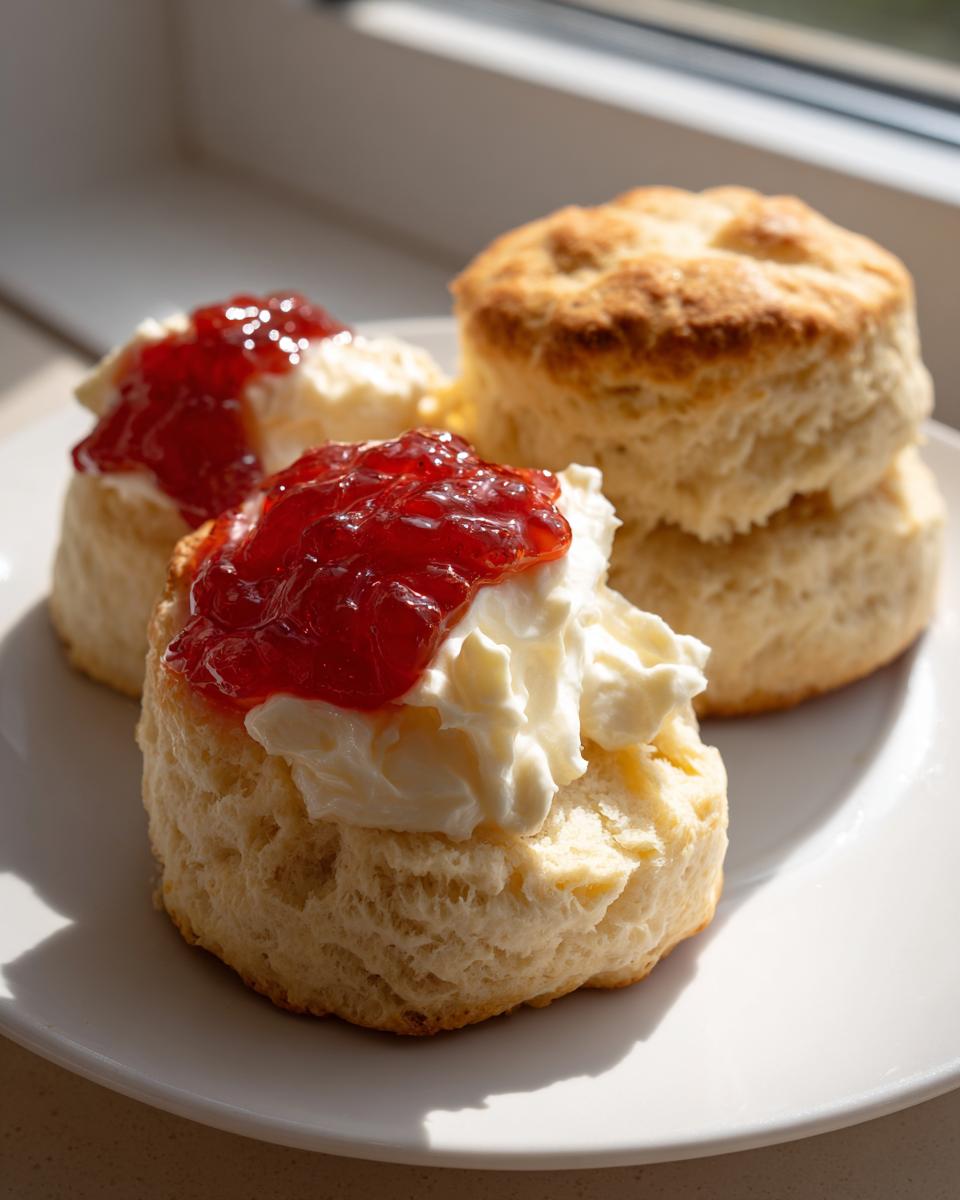
The Critical Step: Cutting Out the Clotted Cream Scone Rounds
Listen closely: when you cut your rounds, you must press the cutter **straight down** and lift straight up. Do not twist the cutter, even a tiny bit! Twisting seals up the edges of the dough layers, preventing the scone from expanding upwards in the oven. We want straight sides for maximum height, which is crucial for an authentic look.
Tips for Success When Making Clotted Cream Scones
We’ve established that cold is king when making these *english scones*, but I have a few other process tweaks packed away that Leo Grant swears by for reliability. First, don’t overwork your butter crumbs after adding the milk; the dough should look messy and uncooperative. That “shaggy dough” is exactly what we want! If you try to smooth it out, you’re developing gluten, and that’s what leads to dense, tough scones instead of light ones.
Second, once you cut the rounds, put them right onto the baking sheet and brush the egg wash on quickly. The longer the dough sits out, the warmer it gets, and the less lift you’ll achieve in that hot oven. Remember, these beauties bake fast—only about 15 minutes at high heat—so be ready to pull them out the second they look golden brown. High-temperature baking locks in that lovely texture immediately.
Serving Your Clotted Cream Scone for an Afternoon Tea
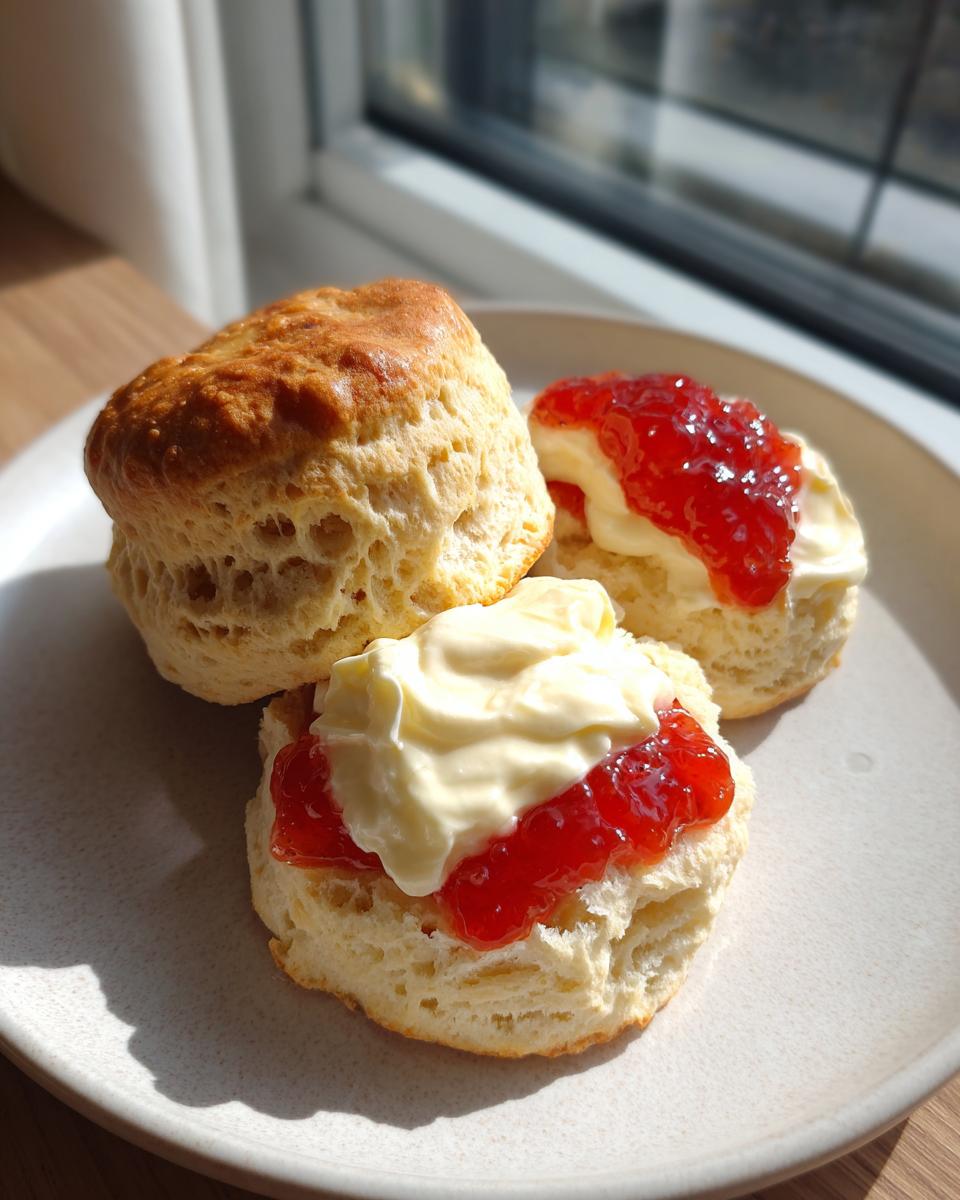
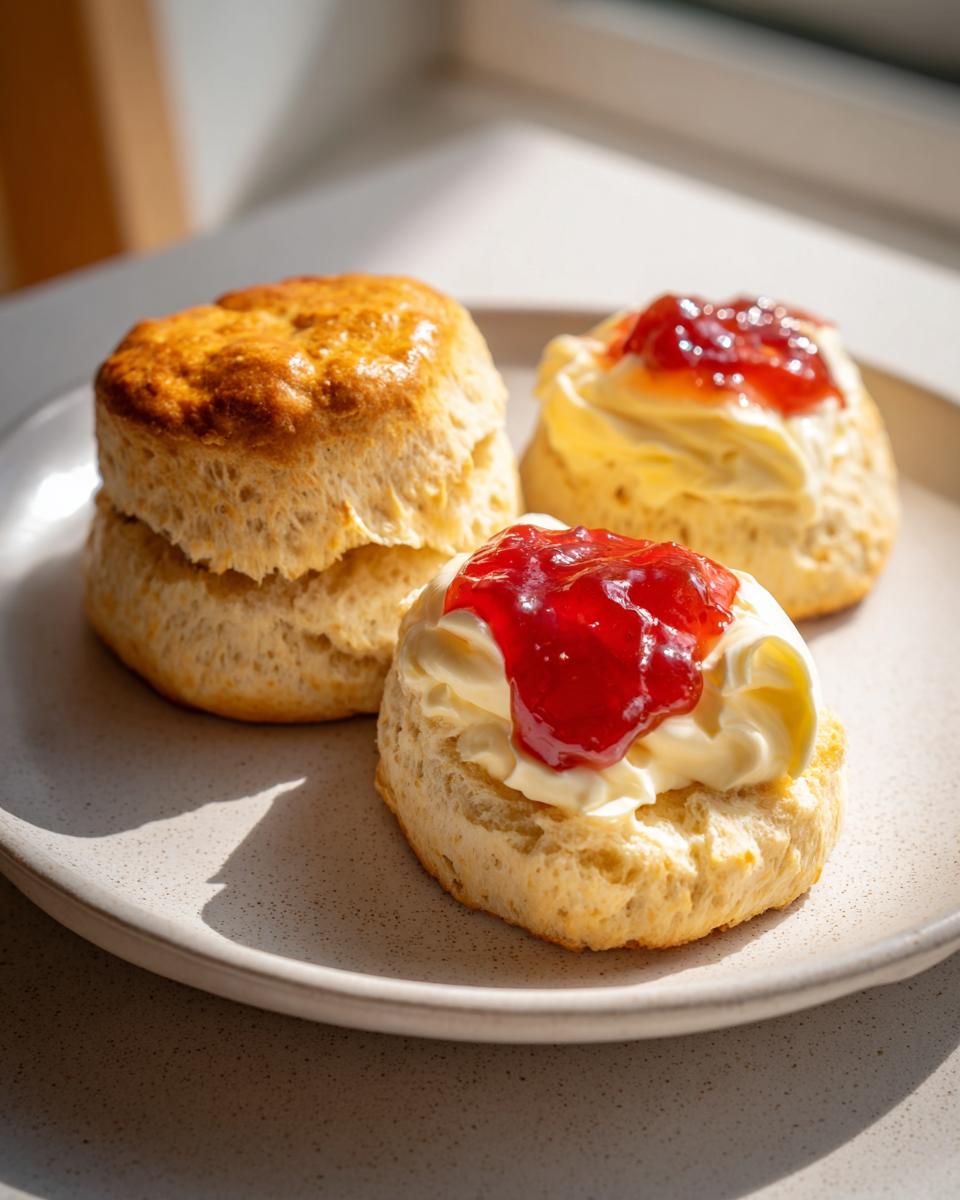
You’ve nailed the texture; now it’s time for the traditional presentation fit for any proper *tea party*. These *classic scones* demand the right partners, and that means no substitutions for the main event. You absolutely need a high-quality strawberry jam—the brighter the better—and, of course, proper clotted cream. Don’t even think about using whipped cream; it just won’t hold up!
The key to presentation is serving them warm, straight from the oven after just a minute or two on the rack. Lay them out beautifully on a tiered platter, remembering the Devon vs. Cornwall debate is eternal, so let your guests decide whether jam or cream goes first! For more ideas on event spreads, check out these tips for appetizers and snacks.
Storage and Reheating Instructions for Clotted Cream Scones
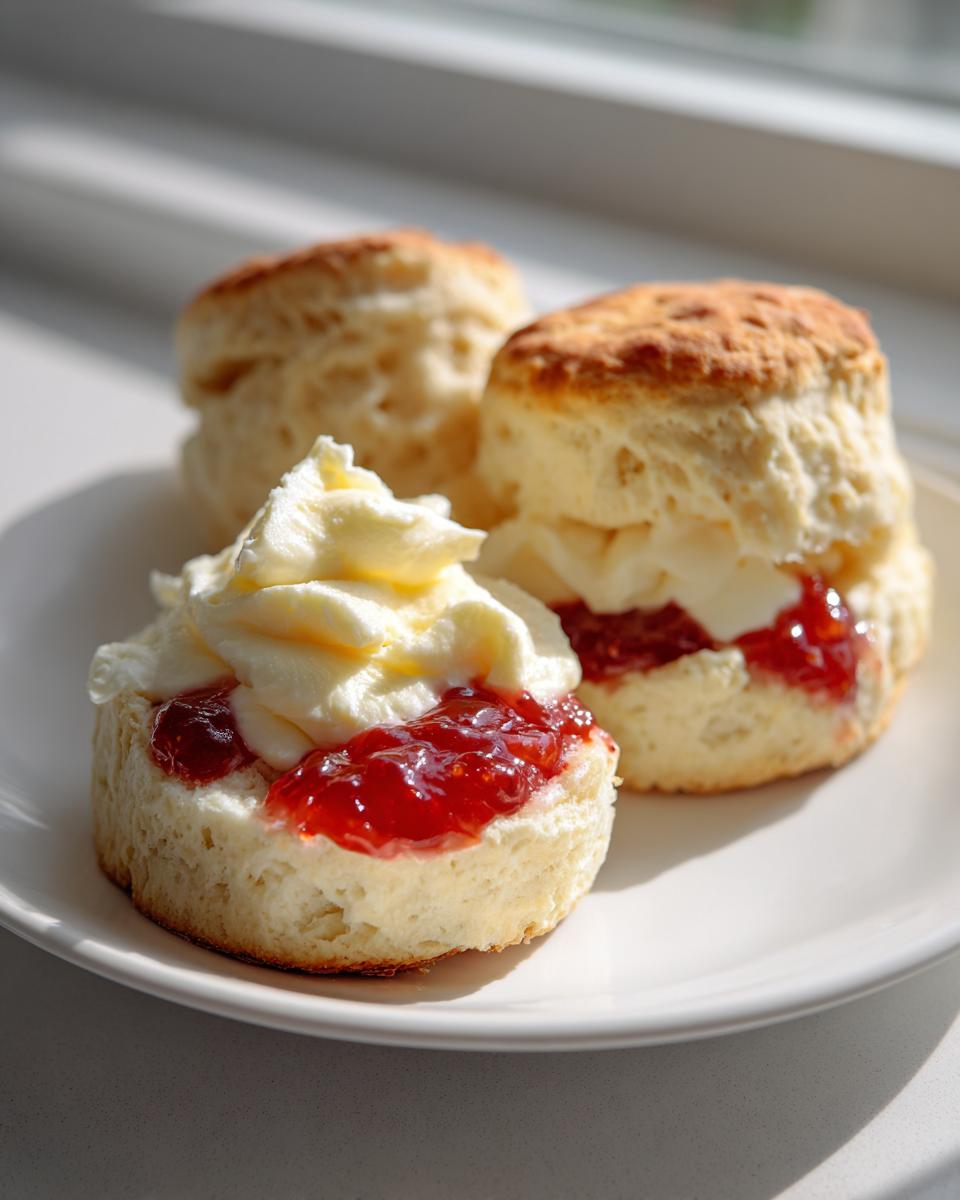
These *classic scones* really are at their absolute peak when served warm, so you’ll want to plan for that. If you have leftovers, store them in an airtight container at room temperature—don’t refrigerate them, as that dries them out! If you need to revive them the next day, just pop one or two onto a baking sheet. A quick five minutes in the oven at 350°F will bring back that just-baked softness perfectly. They’re ready again for their date with the jam and cream!
Frequently Asked Questions About English Scones
I know you’ve got questions—anyone serious about hosting a proper tea party does! These small divergences between recipes can trip people up, but that’s why we lay out the science behind the structure. Getting these *english scones* right is all about controlling for temperature and handling, making sure you get that perfect, subtly sweet base for your toppings.
Can I make the dough for my clotted cream scone ahead of time?
You technically can mix the dough and chill it, but honestly, I advise against it for this recipe. The magic happens when the butter melts in the oven. The sooner you get that cold dough into the hot oven after mixing, the better your rise will be. Don’t leave it chilling for too long!
What is the difference between an American biscuit and an English scone?
This is a big one! American biscuits are often richer, layered, and typically served with savory meals like gravy. Our traditional *clotted cream scone* is slightly sweeter than a biscuit but much denser and less flaky inside. We want that firm, perfect vehicle for cream, not something that falls apart instantly.
Estimated Nutritional Information for One Clotted Cream Scone
Since we focus on classic techniques using foundational ingredients, the nutrition profile is pretty straightforward—it’s a treat, not a health food, and that’s okay! Keep in mind these numbers are strictly estimates based on the flour, sugar, and butter ratios we used in testing. Everything varies slightly depending on your exact milk fat percentage, so take these figures as a helpful guide rather than gospel.
- Serving Size: 1 scone
- Calories: 240
- Fat: 11g (7g Saturated)
- Carbohydrates: 31g
- Protein: 6g
- Sugar: 5g
Share Your Traditional Tea Party Success
Phew! We’ve covered all the technical details to get that perfect, authentic rise on your clotted cream scone. Now comes the best part: setting the table and celebrating tradition! Leo Grant built Dishicious because cooking should bring joy, not stress, and seeing your successful spreads honestly makes all the methodical testing worth it.
I really want to know how your afternoon tea turned out. Did everyone appreciate the proper height and texture? Go ahead and share photos of your beautiful creations—I absolutely love seeing these *english scones* paired perfectly with jam and cream! Tag us on social media, or if you have any lingering questions only I can answer, feel free to reach out via the contact page.
If these *classic scones* hit the mark for your next event, please consider leaving a rating below. Happy baking, and enjoy that perfect bite!
PrintClassic English Scones for Afternoon Tea

Make authentic, light, and dense English scones perfect for serving with jam and clotted cream at your next tea party.
- Prep Time: 15 min
- Cook Time: 15 min
- Total Time: 30 min
- Yield: 8 servings 1x
- Category: Breakfast
- Method: Baking
- Cuisine: British
- Diet: Vegetarian
Ingredients
- 2 cups all-purpose flour
- 1/4 cup granulated sugar
- 1 tablespoon baking powder
- 1/2 teaspoon salt
- 6 tablespoons cold unsalted butter, cut into small pieces
- 3/4 cup whole milk, cold
- 1 large egg, beaten (for egg wash)
Instructions
- Preheat your oven to 425 degrees Fahrenheit (220 degrees Celsius). Line a baking sheet with parchment paper.
- In a large bowl, whisk together the flour, sugar, baking powder, and salt.
- Add the cold butter pieces to the dry ingredients. Use your fingertips or a pastry blender to cut the butter into the flour until the mixture resembles coarse crumbs.
- Make a well in the center and pour in the cold milk. Mix quickly with a fork until just combined into a shaggy dough. Do not overmix.
- Turn the dough out onto a lightly floured surface. Gently pat or roll the dough to about 3/4 inch thickness.
- Use a 2-inch round biscuit or scone cutter to cut out the scones. Press the cutter straight down without twisting to keep the sides straight for a good rise.
- Place the cut scones close together on the prepared baking sheet.
- Brush the tops lightly with the beaten egg wash.
- Bake for 12 to 15 minutes, or until the tops are golden brown and the scones sound hollow when tapped.
- Transfer the classic scones to a wire rack to cool slightly before serving warm with jam and clotted cream.
Notes
- For the best texture, keep all your ingredients, especially the milk and butter, very cold.
- Do not twist the cutter when cutting the rounds; this seals the edges and prevents the scones from rising properly.
- Serve these English scones fresh for the best afternoon tea experience.
Nutrition
- Serving Size: 1 scone
- Calories: 240
- Sugar: 5
- Sodium: 250
- Fat: 11
- Saturated Fat: 7
- Unsaturated Fat: 4
- Trans Fat: 0
- Carbohydrates: 31
- Fiber: 1
- Protein: 6
- Cholesterol: 45