

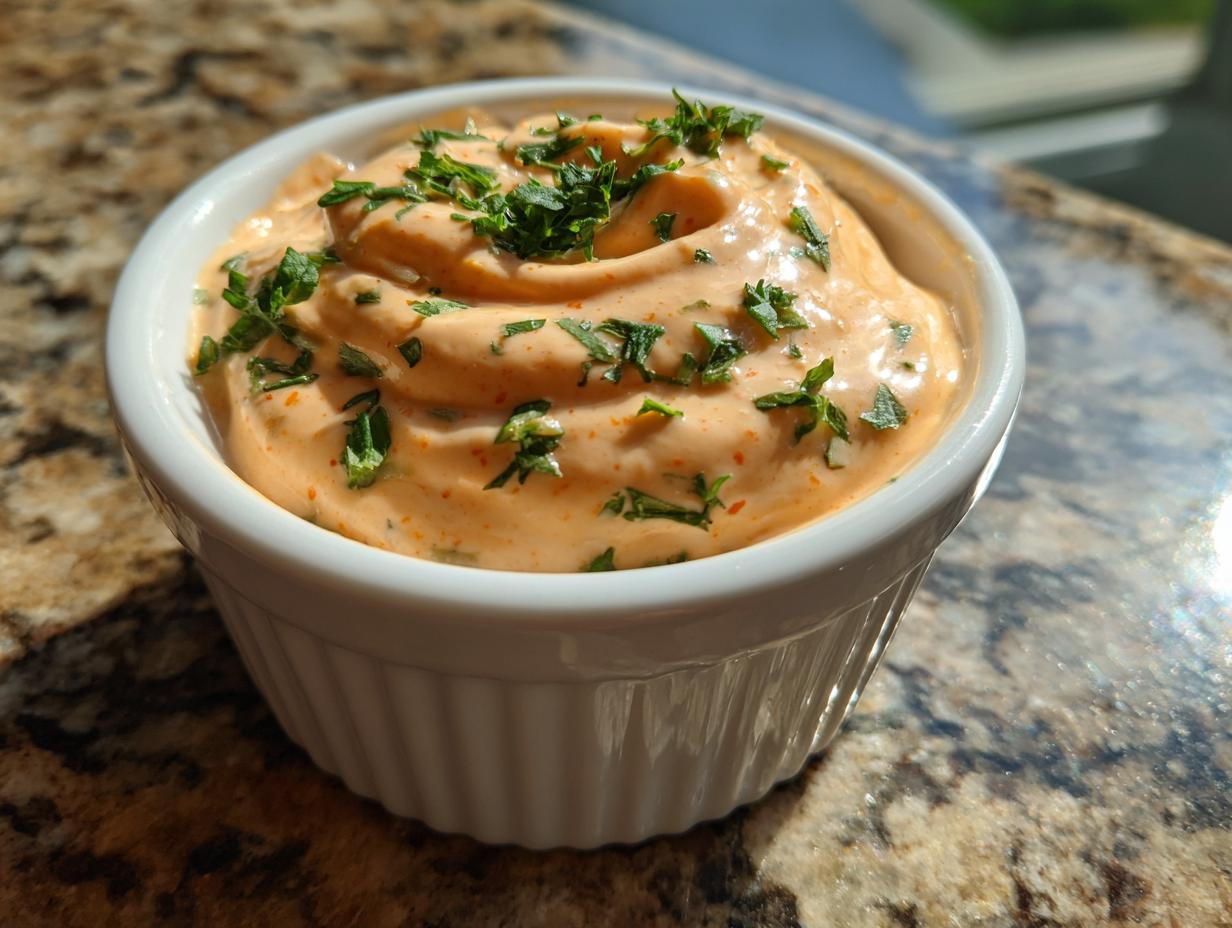
If you feel like your weeknight meals are stuck in a flavor rut, I have the solution. You don’t need gourmet skills or obscure ingredients to bring true Southern vibrancy to your plate—you just need the right condiment. I’m talking about my go-to, cannot-live-without remoulade sauce. When I started Dishicious, I needed a reliable, powerful flavor booster that took minutes, not an hour. This Creole remoulade sauce recipe delivers that bold, zesty kick instantly. Forget the complicated old-school versions; this streamline approach captures the authentic remoulade flavor using pantry staples. Seriously, this is the easiest, most flavorful version you will ever make, transforming everything from shrimp to a simple sandwich.
- Why This Creole Remoulade Sauce Recipe Works Every Time
- Gathering Ingredients for Your Best Remoulade Sauce
- How to Make Creole Remoulade Sauce Step-by-Step
- Serving Suggestions for Your Tangy Sandwich Condiment
- Variations on the Classic Remoulade Sauce
- Storage and Reheating Instructions for Homemade Remoulade Sauce
- Frequently Asked Questions About Remoulade Sauce
- Estimated Nutritional Data for Remoulade Sauce
- Share Your Experience Making This Remoulade Sauce
Why This Creole Remoulade Sauce Recipe Works Every Time
When I engineered this sauce, I wasn’t trying to reinvent the wheel; I was trying to get dinner on the table faster. That’s the Dishicious way! This recipe is built for reliability. You get maximum payoff with minimum effort, which is exactly what you want in a quick remoulade recipe.
- It’s ready in under 10 minutes of active prep time.
- There’s zero cooking involved—just whisk and chill.
- Cleanup is laughably easy because everything stays in one bowl.
- This is the secret to turning out an easy homemade remoulade that tastes like it simmered all day.
Speed and Simplicity: Our Project Manager Approach
As a former project manager, I look for bottlenecks, and in a Southern kitchen, that’s usually the long resting time for complex sauces. Not here! We use a straight-up mixing method. Combine the ingredients, whisk until smooth, and boom—you’re done with assembly in about 10 minutes. It’s the ultimate efficiency upgrade for your kitchen.
The Authentic Flavor Profile of Our Remoulade Sauce
What makes this so good? It’s the perfect calibration of creamy base against those zesty, sharp players. We balance rich mayo with the specific tang of Creole mustard and the sharp bite of horseradish. That combination gives you that signature, punchy taste that makes it a fantastic spicy aioli alternative. It’s creamy, it’s tangy, and it absolutely nails that authentic remoulade flavor.
Gathering Ingredients for Your Best Remoulade Sauce
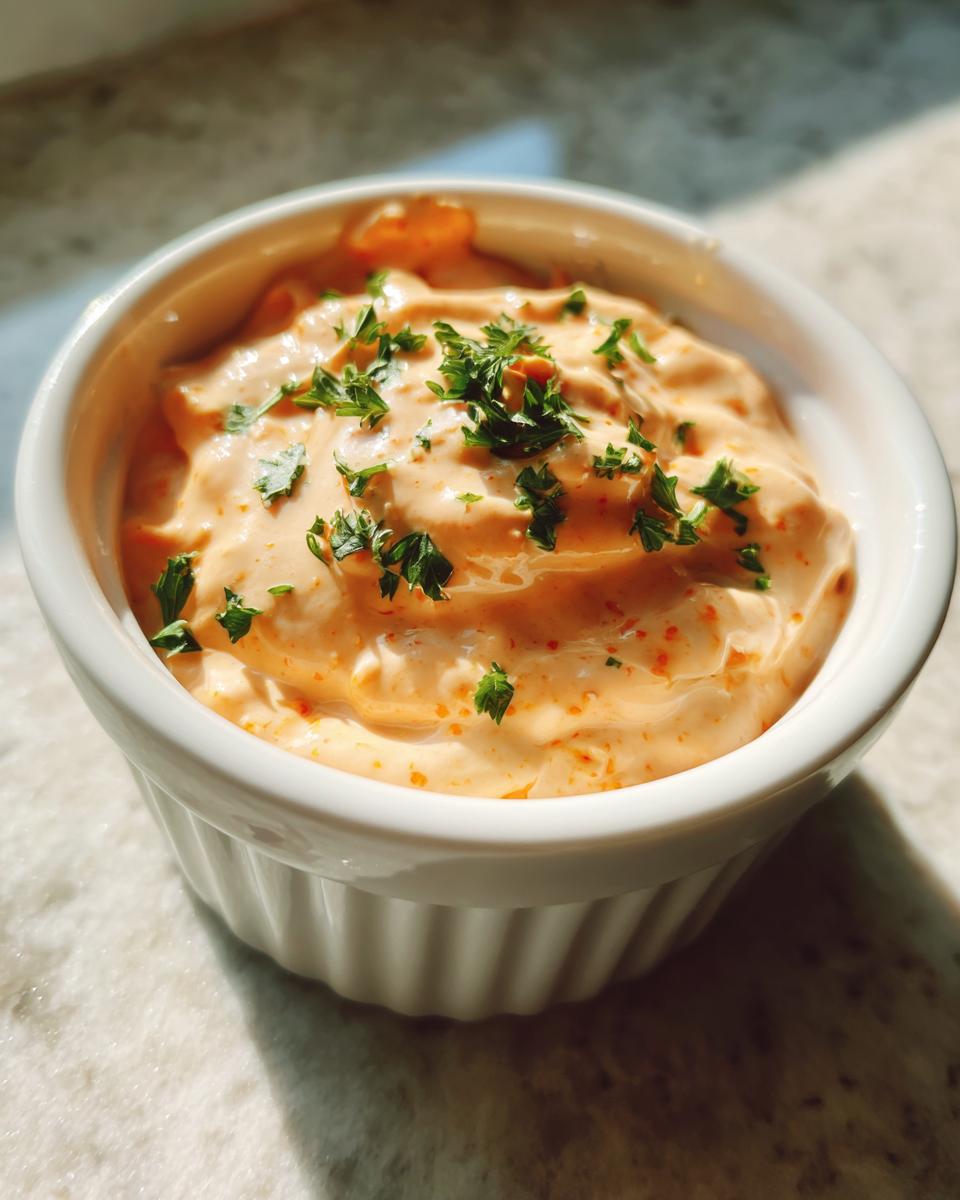
Okay, Leo here again. If we are going to tackle the mission of making the best sauce, we need precision on the ingredients list. Clarity here builds immediate trust, which is the whole point of Dishicious. For our creole remoulade sauce recipe, you won’t be hunting down anything strange. Everything is accessible, but the *quality* and *type* of a couple of ingredients genuinely matter for that necessary Southern punch.
First, we start with the base: one full cup of good quality mayonnaise. If you’re feeling extra ambitious and want to take this to the absolute next level, I have a fantastic guide on how to make your own mayonnaise right at home. Otherwise, grab the best full-fat jar you can find. Next, you’ll need two tablespoons of that bright, spicy Creole mustard—this is crucial. Don’t just grab plain yellow or Dijon; the flavor profiles are totally different. We blend that with two tablespoons of ketchup for body and color, one tablespoon of prepared horseradish for that essential nasal sting, and just one teaspoon of your favorite hot sauce, like Tabasco, for heat.
For the dry spices, which build that deep, savory base, grab one teaspoon each of paprika, onion powder, and garlic powder. Then, we add a teaspoon of Worcestershire sauce and one tablespoon of fresh lemon juice for necessary acid. Finally, for texture and freshness, we fold in two tablespoons of finely chopped green onion and two tablespoons of fresh parsley. See? Simple components delivering complex flavor.
Ingredient Notes and Substitutions for Remoulade Sauce
Let’s talk strategy on a couple of these players. I cannot stress this enough: you must use Creole mustard here. Dijon is too mild; it won’t give you the acidic punch this sauce requires, especially if you are using this as a tangy sandwich condiment.
Horseradish is non-negotiable for that zesty kick, but if you find yourself making this for someone who is watching their carbs, just take a quick look at your mayo brand. Some cheaper mayonnaises sneak in sugar. If you’re aiming for a keto remoulade recipe, check the label, or better yet, make your own mayo! You want that richness without the unexpected sugar spikes.
Also, remember the herbs—freshness counts. Don’t use dried parsley here; we are aiming for vibrancy, not dullness. The chopped herbs are added last so they don’t wilt into oblivion during the chilling process.
How to Make Creole Remoulade Sauce Step-by-Step
This is where the project management approach really pays off—it’s just mixing! We aren’t standing over a stove waiting for anything to thicken; we are combining flavor layers efficiently. The goal in this first phase is just total uniformity. You want to crush those individual flavors into one cohesive, creamy machine. This easy mixing process is what guarantees you have that superb, easy homemade remoulade texture every single time.
Mixing the Base for Your Remoulade Sauce
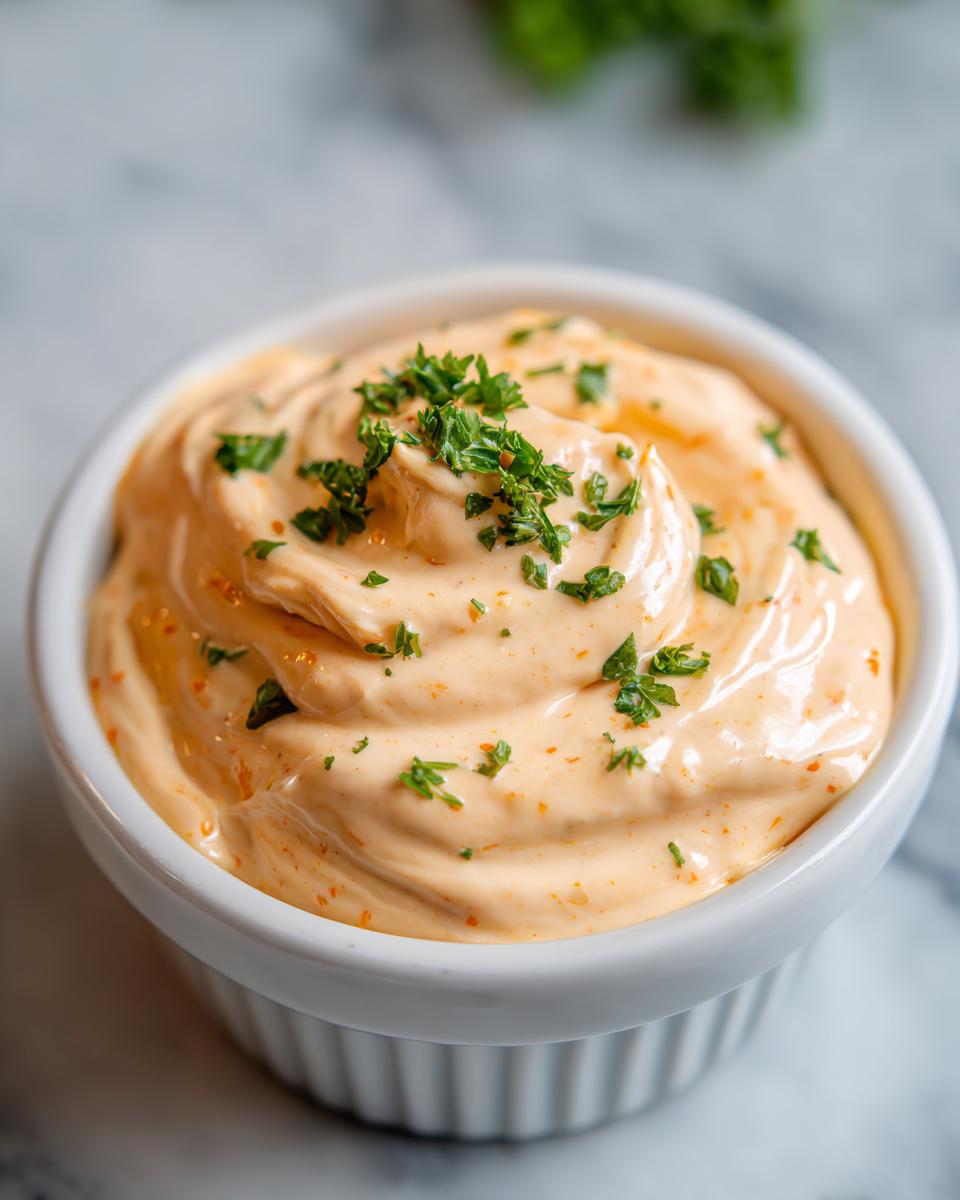
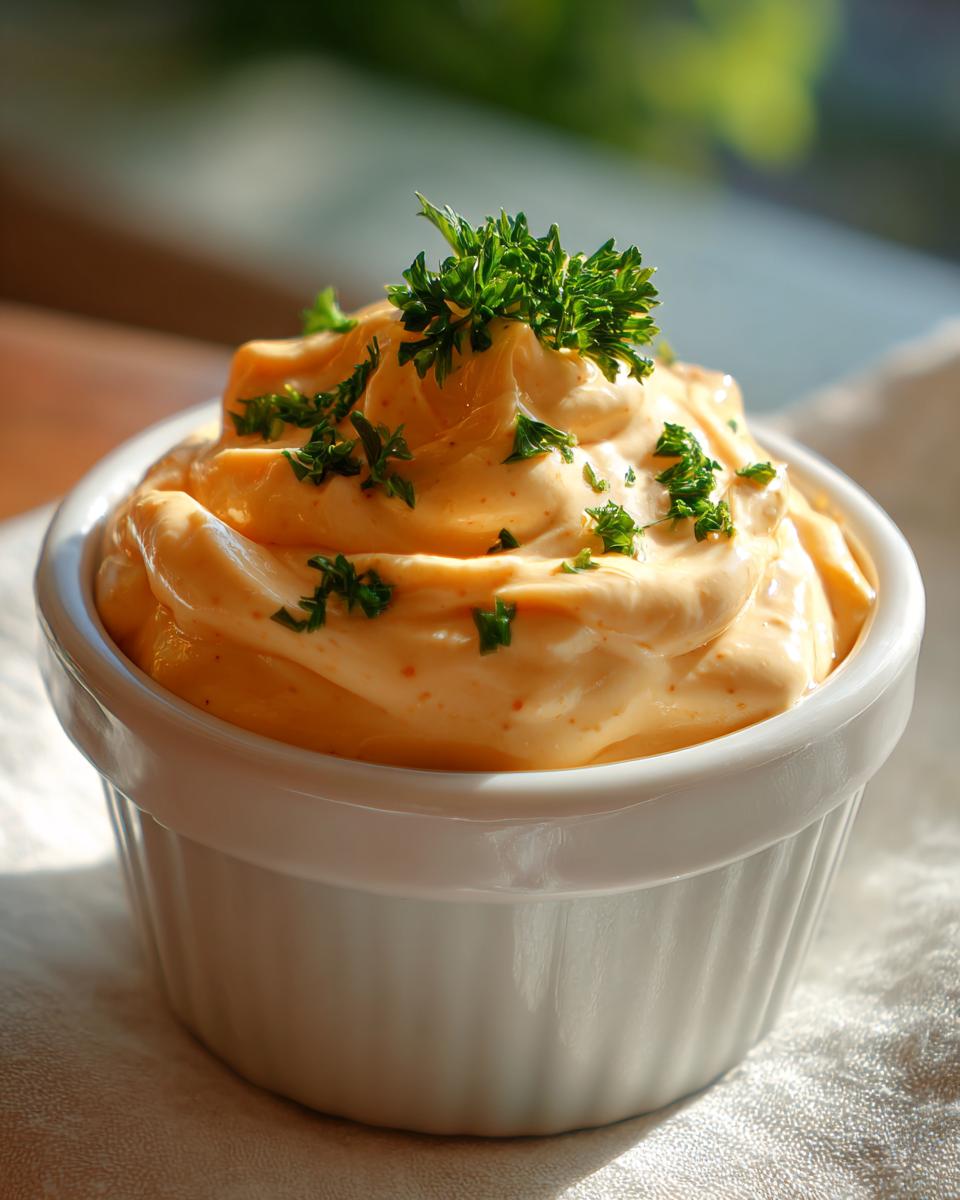
Grab a medium bowl—keep that cleanup easy! Dump in the mayonnaise, the Creole mustard, ketchup, horseradish, hot sauce, paprika, onion powder, garlic powder, Worcestershire sauce, lemon juice, salt, and pepper. Now, take a whisk and just mix it with purpose. You need to whisk until every trace of lumps is gone and the entire mixture is one beautiful, uniform pinkish-gold color. That’s the sign you’ve activated your base perfectly.
Once that’s smooth, gently fold in your fresh green onions and parsley. Don’t overdo it on the folding; we want those herbs suspended, not destroyed.
Resting the Remoulade Sauce for Maximum Flavor
Now, here is the step I almost always forget when I’m hungry, but Leo insists you cannot skip: chilling. Seriously, cover that bowl and get it into the fridge for at least 30 minutes. This isn’t just to chill it down; this mandatory resting period is when the spices bloom and all those zesty notes meld into true Louisiana remoulade sauce. If you rush this, it tastes like cold salad dressing. If you wait, it tastes like New Orleans. Trust me on this one!
Serving Suggestions for Your Tangy Sandwich Condiment
Okay, we have this powerhouse sauce ready to go. Now the fun part: deploying the flavor! This vibrant remoulade sauce isn’t just good; it’s the missing link to making your standard plate feel like an experience. When I first used this batch, I tried it on some fried shrimp I perfected using my panko-buttermilk fried shrimp recipe. Wow. The creamy, tangy complexity just cut right through the rich fry batter perfectly. It was instantly my top choice for any creamy seafood dipping sauce.
But don’t stop at shrimp! This is authentic Louisiana flavor, so you have to think about the classics. This sauce is practically mandatory for a proper remoulade for po boys. It’s the defining element of that sandwich. Furthermore, if you’re making delicate seafood like crab, this is undoubtedly the best remoulade for crab cakes you will find, much better than plain tartar sauce.
Pairing Remoulade Sauce with Fried Foods and Appetizers
Think about texture contrast. Anything crispy needs this creamy counterpart. If you are frying anything—fish sticks, onion rings, even okay french fries—this sauce turns them into something special. It acts as the ultimate zesty sauce for fried food because its acidity brightens up the heavy, oily profile of the coating.
Beyond fried items, it shines as an appetizer feature. Try swapping out standard ranch for this at your next gathering. It’s incredible drizzled over roasted asparagus, mixed into a seafood salad, or served alongside deviled eggs. For something extra, I’ve seen people take some nice artichoke hearts, roast them slightly, and use this sauce for dipping. It’s a huge winner, and you can even peek at how the experts do it over at Simply Recipes for inspiration.
Variations on the Classic Remoulade Sauce
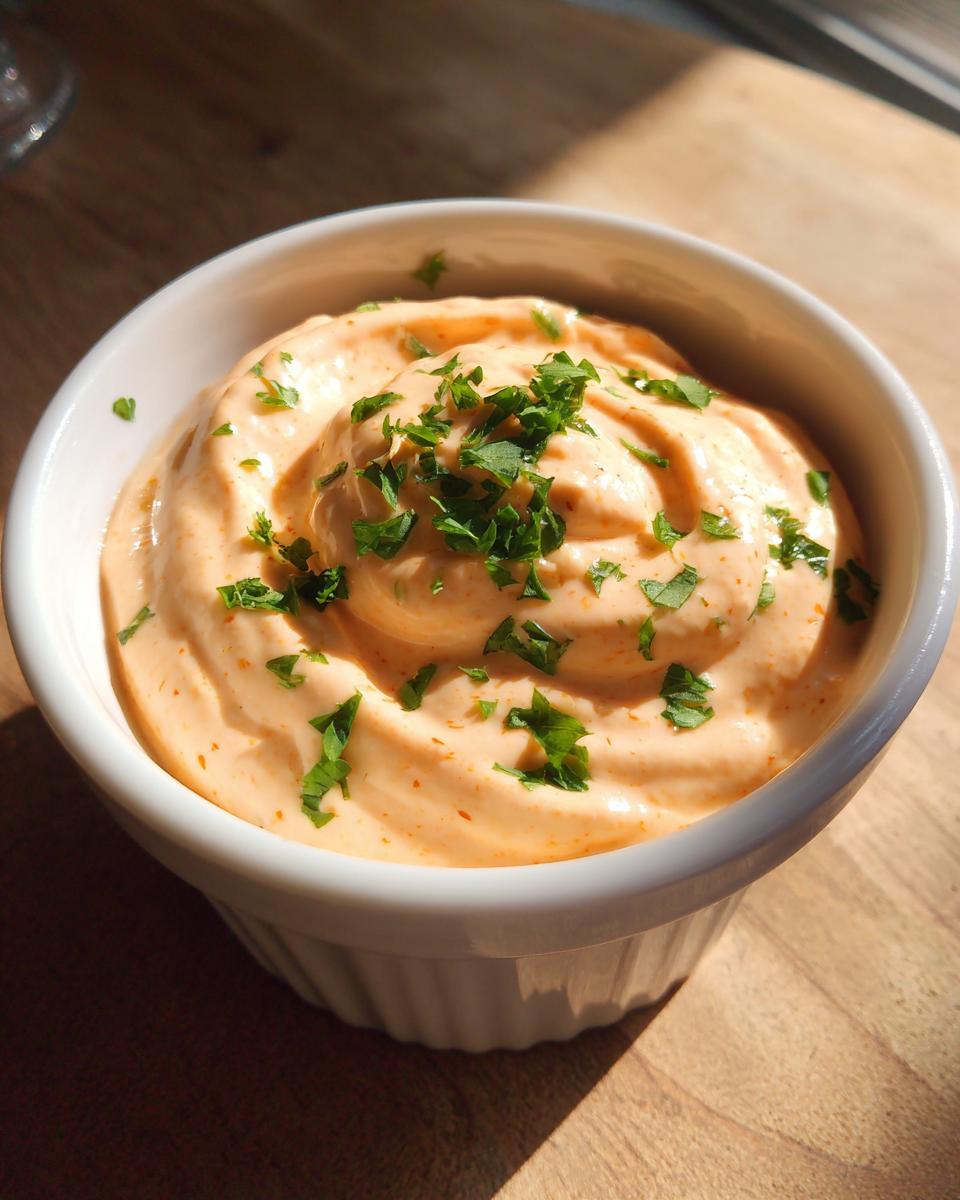
One of the greatest things about Southern cooking is that nothing is set in stone, right? While my version sticks firmly to the Creole remoulade sauce recipe profile—we like our ketchup and a bit of sweetness balancing the heat—I know folks up north and deep in the bayou treat the flavors a little differently. Understanding these subtle shifts helps you customize this sauce. If you want to move away from the Creole style toward something more aggressively seasoned, you can easily turn this into a fantastic Cajun remoulade sauce or even nod toward a classic French approach.
Creating a Spicier Cajun Remoulade Sauce
If your family, like mine sometimes, prefers a serious punch—the kind that makes your forehead sweat a little—you need to lean into the Cajun side. That often means dialing down the tang of ketchup and cranking up the raw heat. You can easily make this recipe much spicier. First, ditch the standard Tabasco and swap in a Louisiana-style pepper sauce that uses cayenne as its base.
My kitchen trick for an instant heat spike is adding just a small pinch—seriously, start with 1/4 teaspoon—of cayenne pepper right in with the powdered spices. That dries heat compounds beautifully with the horseradish. For an even deeper, muddier heat that really defines the Cajun remoulade sauce experience, try adding a tiny dash of dry mustard powder in there too. Taste as you go; you can always add heat, but taking it away is an adventure!
Making a Bayou Sauce Recipe Alternative
You’ll hear people call this whole flavor profile a bayou sauce recipe, and honestly, that’s kind of true because it captures that rich, layered eating experience unique to the Gulf Coast. But if you were comparing our Creole style to, say, a classic French remoulade, the difference is huge. French versions are usually lighter, relying on capers, olives, and herbs, often using vinaigrette or sour cream instead of a heavy mayonnaise base.
We are distinctly Americanized here. Our version is richer, creamier, and much bolder because we embrace the mayo and the strong, sharp condiments like Creole mustard and horseradish. Our sauce is designed to stand up to rich, fried foods, whereas many European versions are meant to lightly dress a cold plate of fish. This is why this recipe totally dominates as a tangy sandwich condiment; it has the backbone to hold its own!
Storage and Reheating Instructions for Homemade Remoulade Sauce
Here’s the beauty of keeping things simple: cleanup and storage are just as easy as the mixing. Because this remoulade sauce is mayonnaise-based and has a high acid content from the lemon juice and mustard, it holds up really well in the fridge. When I make a big batch—which is often, because my wife puts it on everything—I immediately transfer it to airtight containers.
I use small, square glass containers. Why glass? Because plastic can sometimes leach faint odors, and I want the flavor to stay purely Creole, not faintly plastic. You need to make sure the lid seals tight. If you don’t seal it properly, the aromas of the spices can get absorbed by other things in your fridge, which we definitely don’t want.
The maximum shelf life for this homemade version, like most quality sauces packed with fresh ingredients, is about one week. After seven days, the fresh parsley and green onion start to lose their vibrancy, even under refrigeration, so try to use it up! Don’t worry about “reheating” it; this is a cold, creamy condiment. If you pull it out of the fridge and it seems a little stiff, just give it a quick stir, and it will instantly return to that perfect, ready-to-drizzle consistency.
Frequently Asked Questions About Remoulade Sauce
I get so many questions when people see how much flavor comes out of this simple mix. It’s okay to ask about the nuances—that’s how you gain confidence in the kitchen! I’ve collected the most common ones here, especially for all you Southern sauce aficionados out there.
What is the difference between Louisiana and Creole remoulade sauce?
This is a classic point of confusion, and it’s mostly about two ingredients. My recipe leans Creole because I add ketchup—that touch of tomato gives it that sweeter body and pinkish hue. A strict Louisiana remoulade sauce often skips the ketchup entirely, relying heavier on mustard, horseradish, and maybe some minced pickles or Creole spices for its kick. Both are amazing, but Creole is generally a bit creamier and slightly sweeter than its mustard-forward Louisiana cousin.
Can I make this remoulade sauce ahead of time?
Absolutely! In fact, I strongly encourage it. Remember how I stressed that 30-minute chilling time? If you make this sauce a day ahead, the mustard, lemon, and spices meld together beautifully overnight. It gives the sauce an even deeper, more complex profile. Just cover it tight and keep it refrigerated. It’s perfect for meal prepping on a Sunday so you’re ready for fish tacos on Tuesday. If you need inspiration for using up leftovers, I love stirring a spoonful into my easy salmon salad!
How can I make this a quick remoulade recipe if I am missing an ingredient?
My philosophy is efficiency, so knowing what you can skip is vital for a quick remoulade recipe. The non-negotiables are the base (mayonnaise), acid (lemon juice), sharp tang (Creole mustard), and the heat component (horseradish or hot sauce). If you are missing the fresh herbs like parsley or green onion, the sauce will still be fantastic, though less vibrant. Just skip them, make sure you mix the rest really well, and get that required chilling time in. You’ll still have a stellar, zesty condiment!
Estimated Nutritional Data for Remoulade Sauce
Now for the logistics part—the numbers. Since this is primarily a mayonnaise-based sauce packed with flavor, I need to be upfront: this is definitely not a low-fat dip. This is one of those classic southern sauces where richness equals incredible satisfaction. I’ve calculated the estimated nutritional breakdown based on the ingredients list we just used. Remember, this is purely an estimate, as commercial ingredients vary wildly (especially mayonnaise!), so consider this your baseline for tracking.
A standard serving size of two tablespoons clocks in around 150 calories. Most of that is coming from the healthy fats, which is what gives the sauce its incredible mouthfeel when paired with seafood or fried green tomatoes.
- Serving Size: 2 tablespoons
- Calories: 150
- Total Fat: 16g (Mostly unsaturated fats, which is good!)
- Saturated Fat: 2.5g
- Carbohydrates: 1g
- Sugar: 1g (Mostly from the tiny bit of ketchup)
- Protein: 0g
Keep in mind that if you’re using this as a light drizzle over a massive plate of fried shrimp, your final count goes up! But for portion control, two tablespoons gives you plenty of flavor to enhance your favorite dishes. It proves that even the quickest recipes can deliver maximum taste!
Share Your Experience Making This Remoulade Sauce
So, there you have it—the blueprint for eliminating bland meals from your repertoire forever. My mission with Dishicious is always to give you an efficient, reliable process that yields massive flavor, and I truly believe this remoulade sauce delivers both. It’s the quickest way to add that undeniable, zesty Southern flair to anything you’re eating, whether it’s a hearty main or just a simple snack.
Now, the final step in my project management for you: feedback! I want to know what you think. Did you try out the quick 10-minute mix? How did the 30-minute chill time change the flavor? I’m always tinkering, and knowing how you adapted it makes my approach smarter.
Did you use it as a creamy seafood dipping sauce? Maybe you finally nailed that perfect remoulade for Po’ Boys? Or perhaps you found a wild new application—maybe drizzled over some easy cheesy twice baked potatoes? Let me know how you used it in the comments below. Drop your rating and share your success story so others can cook with confidence!
PrintEasy Creole Remoulade Sauce Recipe

Make this quick, zesty, and creamy Creole remoulade sauce at home. It is the perfect tangy sandwich condiment for Po’ Boys and a versatile dipping sauce for fried seafood.
- Prep Time: 10 min
- Cook Time: 0 min
- Total Time: 40 min
- Yield: About 1 1/4 cups 1x
- Category: Condiment
- Method: Mixing
- Cuisine: American (Louisiana/Creole)
- Diet: Vegetarian
Ingredients
- 1 cup mayonnaise
- 2 tablespoons Creole mustard
- 2 tablespoons ketchup
- 1 tablespoon prepared horseradish
- 1 teaspoon hot sauce (like Tabasco)
- 1 teaspoon paprika
- 1 teaspoon onion powder
- 1 teaspoon garlic powder
- 1 teaspoon Worcestershire sauce
- 1 teaspoon fresh lemon juice
- 1/2 teaspoon salt
- 1/4 teaspoon black pepper
- 2 tablespoons finely chopped green onion
- 2 tablespoons finely chopped fresh parsley
Instructions
- Gather all your ingredients. You need a medium bowl for mixing.
- Place the mayonnaise, Creole mustard, ketchup, horseradish, hot sauce, paprika, onion powder, garlic powder, Worcestershire sauce, lemon juice, salt, and pepper into the bowl.
- Whisk the ingredients together until the mixture is completely smooth and uniform in color. This ensures you have an authentic remoulade flavor base.
- Stir in the chopped green onion and fresh parsley until they distribute evenly throughout the sauce.
- Cover the bowl and refrigerate the remoulade sauce for at least 30 minutes before serving. Chilling allows the flavors to blend.
- Serve this creamy seafood dipping sauce with crab cakes, fried shrimp, or on your next Po’ Boy sandwich.
Notes
- For a spicier kick, increase the amount of hot sauce or add a pinch of cayenne pepper.
- This sauce works well as a zesty sauce for fried food and keeps well in the refrigerator for up to one week.
- If you prefer a thinner consistency for drizzling, add 1 teaspoon of water or pickle brine until you reach your desired texture.
Nutrition
- Serving Size: 2 tablespoons
- Calories: 150
- Sugar: 1
- Sodium: 280
- Fat: 16
- Saturated Fat: 2.5
- Unsaturated Fat: 13.5
- Trans Fat: 0
- Carbohydrates: 1
- Fiber: 0
- Protein: 0
- Cholesterol: 10