

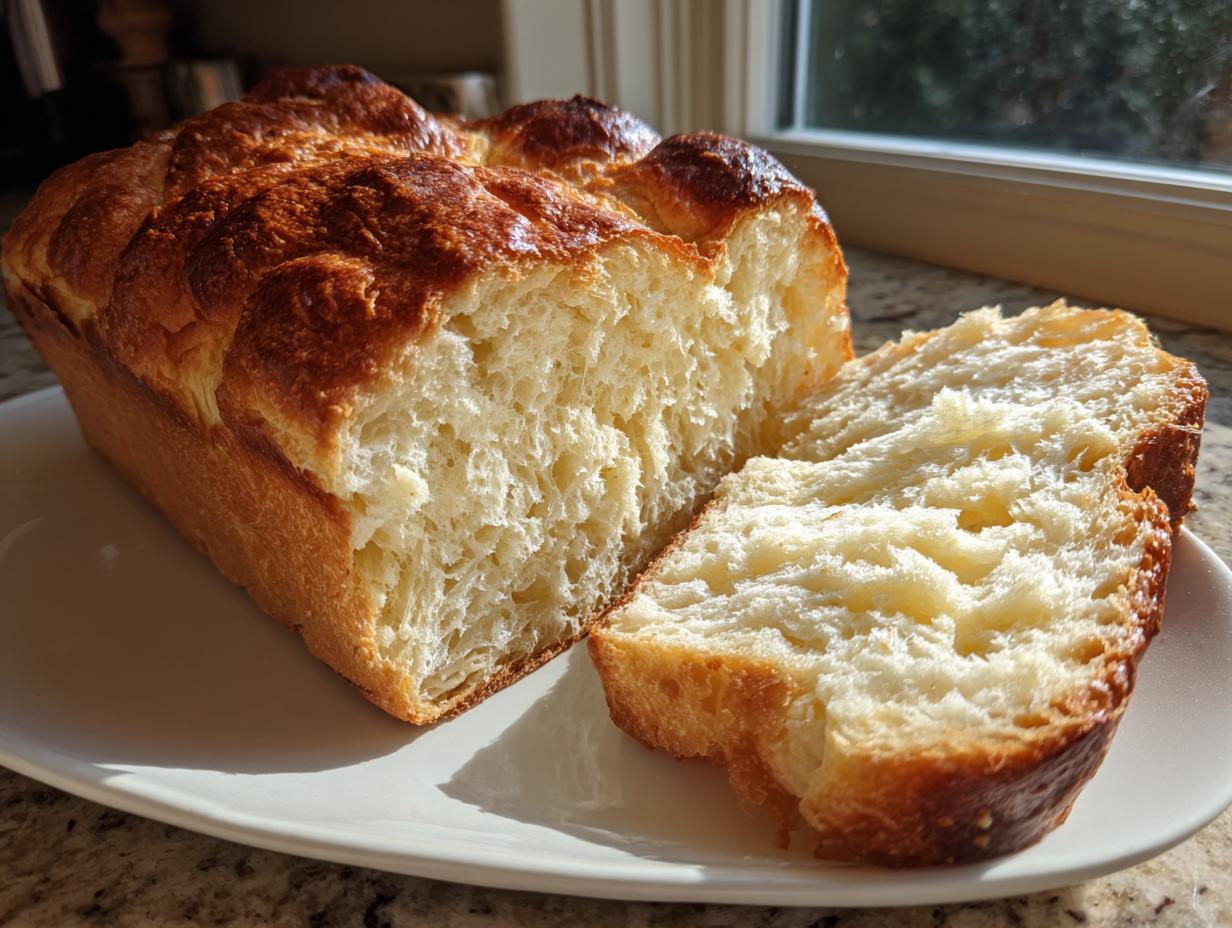
You know, sometimes the most impressive things in the kitchen feel like they should be impossible for a Tuesday night. I always felt that way about combining the deep, complex tang of a great *homemade sourdough* with the sheer, unbelievable richness of a classic brioche. Most recipes treat them like separate beasts, but why should they be? That’s the solvable problem I tackled here.
If you’re looking to build your starter game from the ground up, make sure you check out my guide on Sourdough Starter From Scratch for Beginners. That foundation is key! As the Dishicious founder, my whole approach is about optimizing complexity. Baking an incredible sourdough brioche loaf shouldn’t require a culinary degree or half a day of nonstop fuss. Trust me, I’ve broken down the traditional techniques to get you that unbelievably buttery bread texture and that satisfying sourdough bite, all streamlined for your home setup. This recipe delivers that perfect balance of flavor and structure without turning your evening into a five-hour project.
- Why This Sourdough Brioche Loaf is Your New Favorite Buttery Bread
- Essential Ingredients for Your Sourdough Brioche Loaf
- Equipment Needed for the Sourdough Brioche Loaf
- Step-by-Step Instructions for a Flawless Sourdough Brioche Loaf
- Pro Tips for the Ultimate Sourdough Brioche Loaf
- Storage and Reheating Instructions for Your Sourdough Brioche Loaf
- Serving Suggestions for Your Sourdough Brioche Loaf
- Frequently Asked Questions About the Sourdough Brioche Loaf
- Estimated Nutritional Data for One Slice of Sourdough Brioche Loaf
Why This Sourdough Brioche Loaf is Your New Favorite Buttery Bread
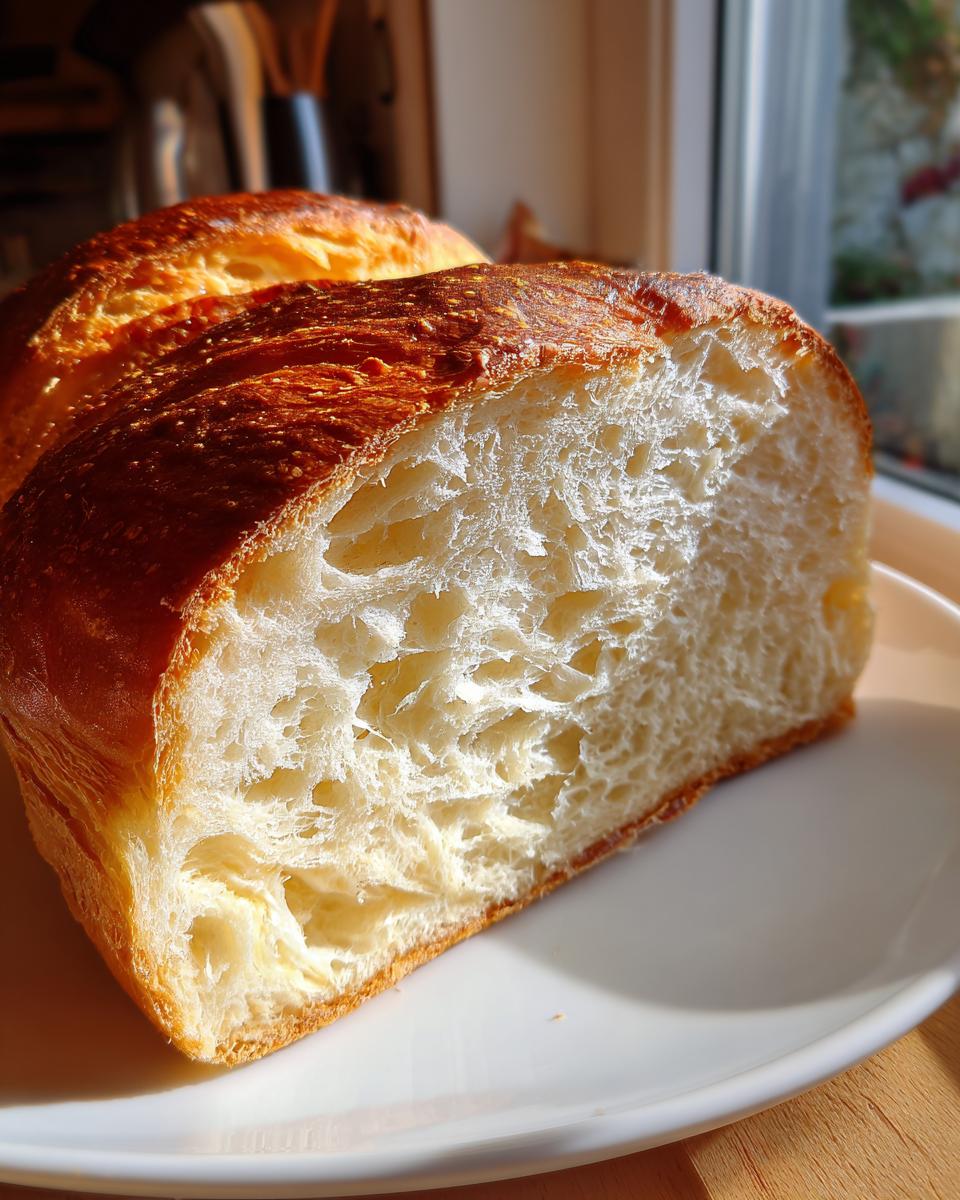
I designed this recipe because I wanted zero compromise. You get the deep, mature flavor from the slow fermentation right alongside that unbelievably soft, melt-in-your-mouth texture that only comes from tons of real butter. It looks stunning, even before you slice into it. This isn’t just bread; it’s an event!
- It delivers that unmistakable, complex tang from the sourdough.
- The structure provides the absolute best, most decadent buttery bread experience you can have at home.
- It’s streamlined—no overly fussy folding schedules needed to get a great rise.
Achieving the Perfect Crumb and Golden Crust
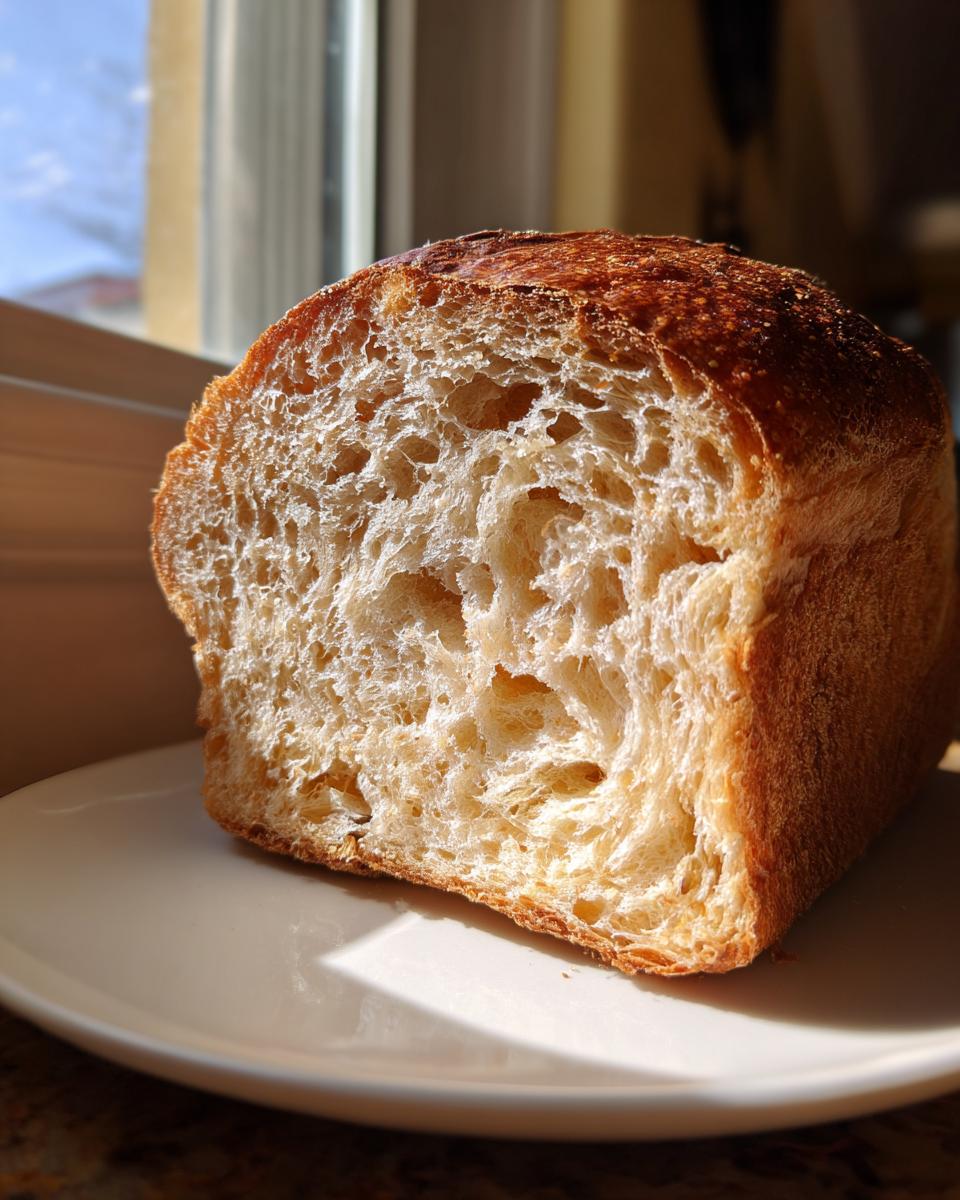
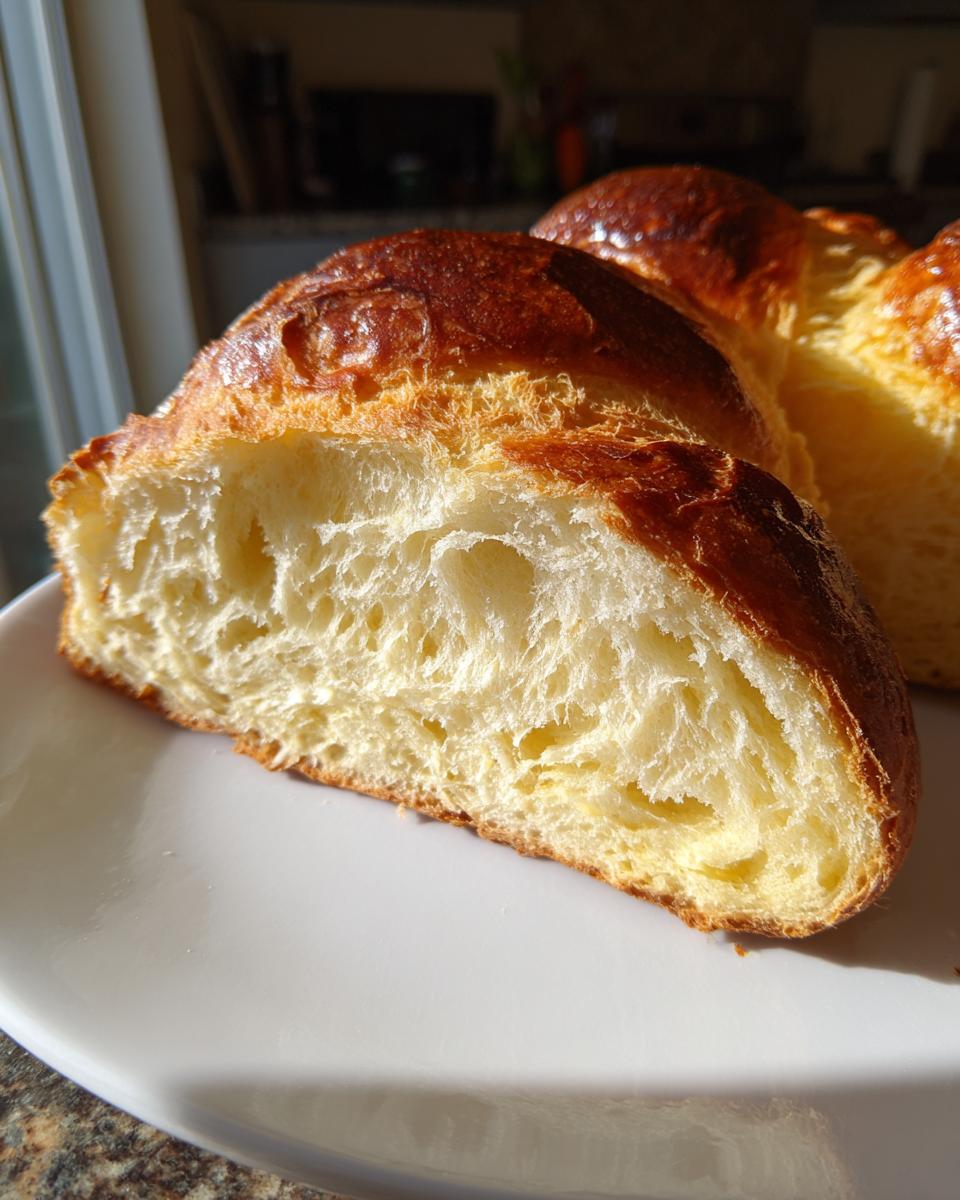
The secret sauce here is marrying two great concepts. The natural acids working in the dough help strengthen the gluten network, which is crucial when you’re loading it up with fat. That strength is what gives you the incredible open, airy structure—that highly sought-after perfect crumb. The high-fat content in the dough caramelizes beautifully in the oven, giving you that deep, rich, golden crust without any extra fuss.
Essential Ingredients for Your Sourdough Brioche Loaf
When you’re making a recipe this rich, the quality of what goes in is everything. I’ve kept the ingredient list tight—we’re focusing only on what transports the flavor of the sourdough and the richness of the butter. Forget fancy additions; we need pure building blocks here. You’ll notice the emphasis on temperature; that’s where my project management brain kicks in—controlling variables guarantees the outcome!
Here’s exactly what you need to gather before you start mixing:
- 100g active sourdough starter (make sure it’s ripe and bubbly!)
- 350g bread flour
- 100g all-purpose flour
- 50g granulated sugar
- 10g fine sea salt
- 5g instant dry yeast (we are using a tiny bit just to help the initial rise since the fat content will slow things down)
- 2 large eggs, room temperature
- 60ml whole milk, room temperature
- 150g unsalted butter, thoroughly softened and cut into small cubes
Bring those eggs and milk out early! Cold liquids totally shock the dough when you start adding the butter later on, and we don’t want any sticking issues. Trust me on this one.
Equipment Needed for the Sourdough Brioche Loaf
Because this dough is so rich, we absolutely have to use a machine to handle the incorporation process correctly. Don’t even try to knead this by hand unless you want an arm workout! Make sure you have these essentials ready to go right near your workstation.
- A sturdy stand mixer fitted with a dough hook.
- A standard 9×5 inch loaf pan, well greased.
- A wire cooling rack—this is non-negotiable once it comes out of the oven!
Step-by-Step Instructions for a Flawless Sourdough Brioche Loaf
Okay, Leo Grant here, and this is where project management shines! We need precision during mixing, especially when adding that huge amount of fat. Think of this like launching a slow-moving rocket—you need steady power, not a sudden blast. We are building structure first, then enriching it. If you’re looking for other great, easy baking walkthroughs, check out my guide for Easy Homemade Bread Bowls for another reliable win!
Mixing and Developing the Dough for Your Sourdough Brioche Loaf
First, get your dry ingredients—flour, sugar, salt, and yeast—together with your active starter in the mixer bowl. Mix just until it looks shaggy. Next, add your room temperature eggs and milk. Let the machine work on low speed for about three minutes. Once it looks mostly combined, then we crank it up just a notch until the dough starts climbing the hook a little. Now comes the critical part: adding the softened butter cubes one at a time. You MUST wait until the previous cube is almost fully absorbed before adding the next piece. This takes patience—maybe 10 to 15 minutes—but this slow incorporation is what guarantees that soft, shreddable buttery bread texture and helps you pass the windowpane test easily.
Fermentation and Proofing for the Sourdough Brioche Loaf
Once that dough is smooth and passes the windowpane, we slow things down intentionally for flavor. Transfer it to a lightly oiled bowl, cover it, and let it have a long, slow bulk fermentation. You are waiting for about a 50% increase in volume—don’t expect it to double like lean dough! Then, gently deflate it and shape it into a tight log before placing it in your greased 9×5 pan. The final proof is also relaxed: let it sit at room temperature until it rises about one inch over the rim. If you want that serious sourdough tang, you can always place that shaped loaf in the fridge overnight for a cold proof; it deepens the flavor profile beautifully.
Pro Tips for the Ultimate Sourdough Brioche Loaf
People often ask me where things go wrong with this recipe, and 99% of the time, it comes down to rushing the process or using ingredients straight from the fridge. Remember, we are managing a project here; skipping quality control steps leads to budget overruns—or in our case, a dense, sad loaf!
This bread is meant to be an impressive showcase of your *homemade sourdough* skills, and a few quick checks before you start mixing will make a huge difference in the final look and texture. We want that complex, tangy flavor without sacrificing that classic, buttery structure.
Temperature Control: Key to Rich Sourdough Brioche
I can’t stress this enough: your eggs and milk need to be at room temperature. If they are cold, when you start adding the butter, the fat will seize up and clump instead of emulsifying smoothly into the dough. We need that creamy, cohesive structure for the best rise. Similarly, your butter must be truly soft—meaning you can indent it easily—but not oily or melted. Melted butter destroys the gluten structure we spent so long building in the machine!
Storage and Reheating Instructions for Your Sourdough Brioche Loaf
I know you’ll want to eat this whole loaf immediately, but hold off! You absolutely must let this rich bread cool completely on a wire rack before you even think about slicing it. If you cut it warm, all that buttery steam escapes, and you ruin that beautiful internal structure we worked so hard for.
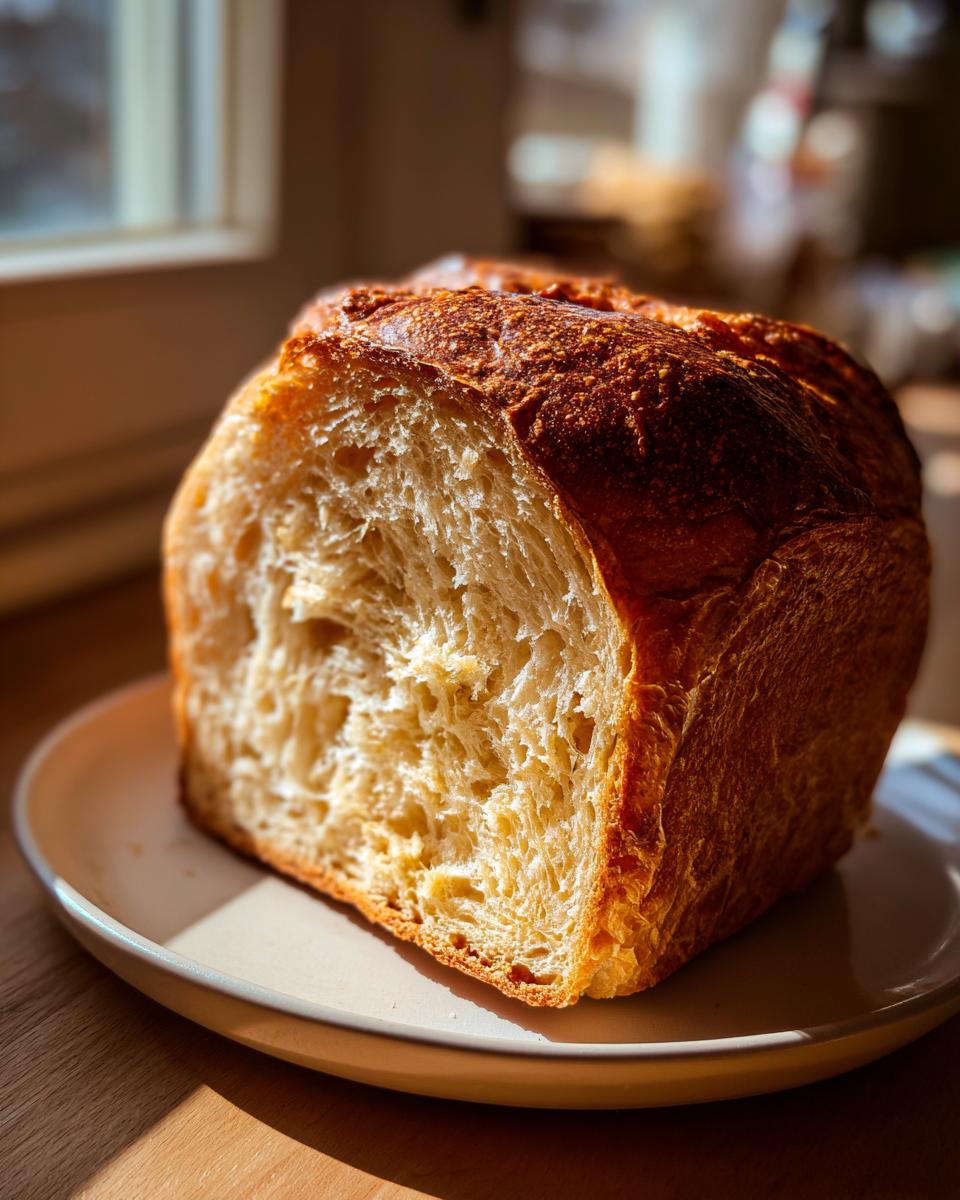
For short-term freshness, keep it wrapped tightly on the counter for two or three days. If you want to keep this fantastic *brioche recipe* tasting amazing for weeks, wrap the cooled loaf tightly in plastic wrap, then aluminum foil, and freeze it. Thaw it on the counter when you’re ready for another slice!
If you want to reheat some slices for breakfast, a quick pulse in the toaster or a few minutes in a low oven brings that golden crust right back to life. Need another amazing loaf idea while this one cools? Check out my Cranberry Walnut Bread Recipe next!
Serving Suggestions for Your Sourdough Brioche Loaf
This bread is so rich that it honestly doesn’t need much coaxing to shine. We are all about simple, delicious execution here! For breakfast, you have to slice this thick and turn it into the best French toast imaginable—the sourdough tang cuts through the richness perfectly. For an afternoon treat, a little smear of quality jam and a cup of coffee is all you need. This takes your everyday *bread baking* to a whole new level of weekend luxury. If you love that French toast idea, you absolutely must try the overnight casserole version I perfected—check out the Cinnamon Roll French Toast Casserole Recipe for a stunning upgrade!
Frequently Asked Questions About the Sourdough Brioche Loaf
When you’re tackling a recipe that combines two complex baking worlds like ours, questions are totally expected! Even as a kitchen strategist, I run into hurdles sometimes. That’s why I always make a FAQ section. It keeps things efficient and ensures you don’t throw out a batch because of a small mix-up.
Can I skip the stand mixer when making this Sourdough brioche loaf?
Honestly? I strongly advise against it. Brioche is notorious for requiring huge amounts of butter, and you have to incorporate that fat slowly while developing a strong gluten structure. Trying to hand-knead that much cold butter into the dough is going to be incredibly messy and unbelievably tough. The mixer handles the emulsion needed for that *buttery bread* texture perfectly. If you’re looking for easier sourdough with less fat, check out my Sourdough Sandwich Bread Recipe where hand kneading is much more manageable.
What if my Sourdough starter isn’t active?
Your starter needs to be vigorous! If your starter is sluggish, your final rise will be weak, and the characteristic sourdough flavor won’t develop properly. The flavor relies on active fermentation. If your starter isn’t peaking strongly, feed it 12 hours before you plan to mix the dough, maybe even give it an extra feeding to really wake it up. A happy starter means a happier loaf!
Why did my loaf shrink slightly after taking it out of the oven?
This is super common when you have a high-fat dough like this *brioche recipe*. It means you likely pulled it a tiny bit early before the internal structure was fully set, or you sliced it while it was still warm. That steam escaping causes a little collapse. Make sure you hit that target internal temperature of 200°F next time, and absolutely wait until it’s cool!
Estimated Nutritional Data for One Slice of Sourdough Brioche Loaf
Even though we preach eating well without complicating things, sometimes you just need the numbers! Since this is a rich, homemade sourdough loaf with a significant amount of butter, the calories are higher, but the payoff in flavor is huge. Remember, these are calculated estimates based on the ingredients listed above, and slight variations will happen depending on your exact butter content and measuring!
Here is the typical breakdown per serving size for this luxurious bread:
| Nutrient | Amount Per Slice |
|---|---|
| Serving Size | 1 slice |
| Calories | 320 |
| Fat | 15g |
| Saturated Fat | 9g |
| Carbohydrates | 40g |
| Sugar | 10g |
| Protein | 8g |
| Sodium | 350mg |
We aim for maximum flavor efficiency here! Enjoy every slice knowing you’ve baked something truly exceptional.
PrintSourdough Brioche Loaf: The Perfect Buttery Bread

Achieve the rich flavor of classic brioche combined with the complex tang of sourdough in this straightforward recipe for a beautiful, buttery bread loaf.
- Prep Time: 45 min
- Cook Time: 45 min
- Total Time: 5 hours 45 min
- Yield: 1 loaf 1x
- Category: Baking
- Method: Mixing and Baking
- Cuisine: American
- Diet: Vegetarian
Ingredients
- 100g active sourdough starter (100% hydration)
- 350g bread flour
- 100g all-purpose flour
- 50g granulated sugar
- 10g fine sea salt
- 5g instant dry yeast
- 2 large eggs, room temperature
- 60ml whole milk, room temperature
- 150g unsalted butter, softened and cut into cubes
Instructions
- Mix the active sourdough starter, bread flour, all-purpose flour, sugar, salt, and yeast in a stand mixer bowl until just combined.
- Add the eggs and milk. Mix on low speed until a shaggy dough forms, about 3 minutes.
- Increase the speed to medium-low and knead for 5 minutes until the dough starts to pull away from the sides of the bowl.
- Add the softened butter, one cube at a time, waiting until each piece is mostly incorporated before adding the next. This process may take 10 to 15 minutes. Continue mixing until the dough is smooth, elastic, and passes the windowpane test.
- Place the dough in a lightly oiled bowl, cover, and let it bulk ferment at room temperature for 3 to 4 hours, or until it has increased in volume by about 50%.
- Gently deflate the dough and shape it into a tight log. Place the dough into a greased 9×5 inch loaf pan.
- Cover the pan loosely and allow the dough to proof at room temperature for 2 to 3 hours, or until it has risen about 1 inch above the rim of the pan.
- Preheat your oven to 350°F (175°C). For a golden crust, brush the top of the loaf lightly with an egg wash (1 egg beaten with 1 teaspoon water).
- Bake for 35 to 45 minutes, or until the internal temperature reaches 200°F (93°C). If the crust browns too quickly, loosely tent it with foil.
- Remove the loaf from the pan immediately after baking and cool completely on a wire rack before slicing.
Notes
- For the best sourdough tang, use a starter that has been fed 12 hours prior to mixing.
- Ensure your butter is truly soft, not melted, for proper incorporation into the dough structure.
- This recipe benefits from a cold proof; after bulk fermentation, you can refrigerate the shaped loaf overnight for deeper flavor development.
Nutrition
- Serving Size: 1 slice
- Calories: 320
- Sugar: 10
- Sodium: 350
- Fat: 15
- Saturated Fat: 9
- Unsaturated Fat: 6
- Trans Fat: 0
- Carbohydrates: 40
- Fiber: 2
- Protein: 8
- Cholesterol: 50