

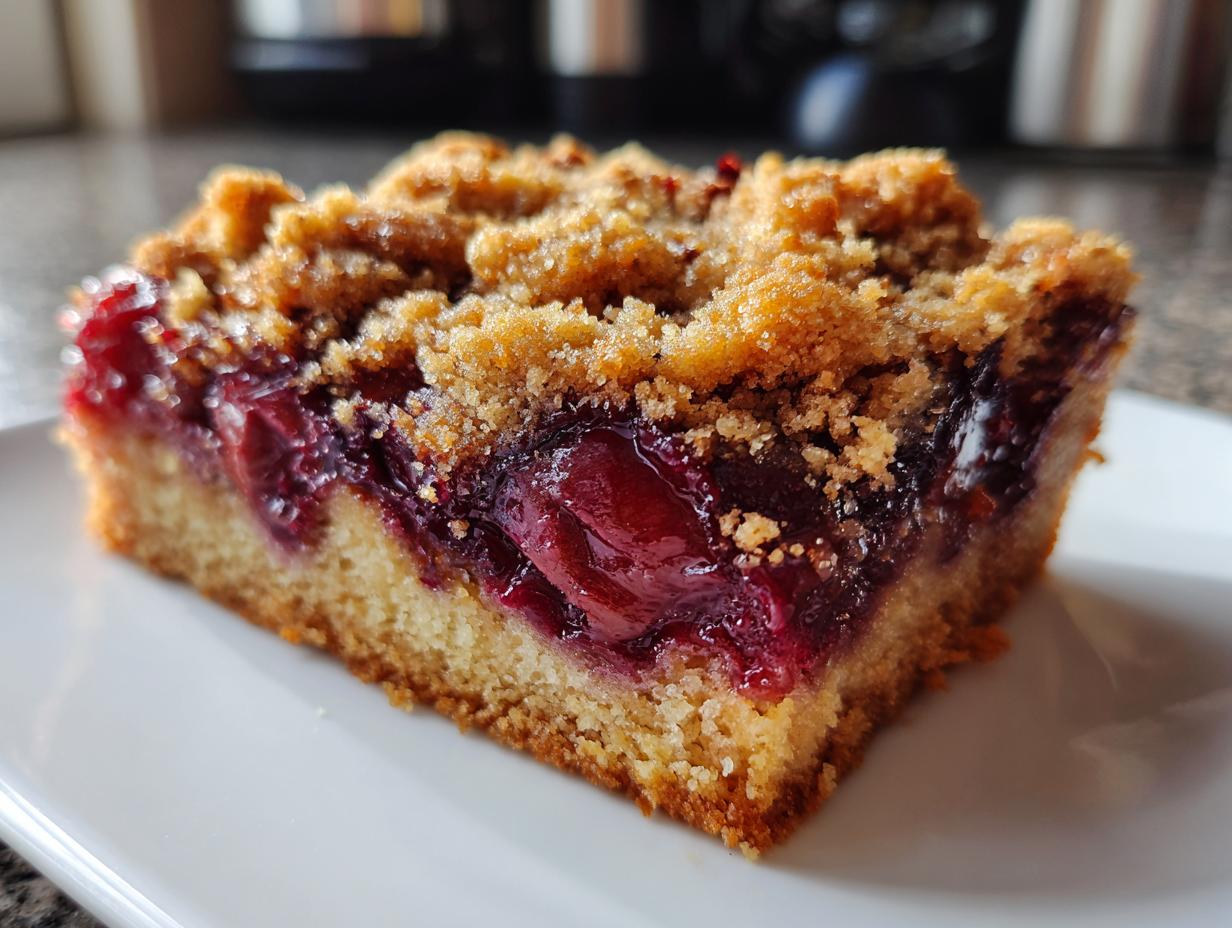
When the seasons change and those perfect tart plums start showing up at the market, you know it’s time to bake. Forget those high-fuss holiday fruit cakes for a moment; I want to talk about the ultimate reliable dessert: the German plum cake, or Zwetschgenkuchen. Here at Dishicious, we approach every recipe like a project that needs streamlining. That means eliminating complexity while maximizing impact. Drawing on my background as a project manager, I’ve optimized this classic European dessert, giving you unbelievably good flavor without demanding your entire evening. If you loved how we simplified that old-school apple cake, wait until you see how easy this is. You get that amazing fruit-meets-crumb topping success, guaranteed.
- Why This German Plum Cake Recipe Works (The Dishicious Method)
- Gathering Ingredients for Your Plum Cake with Streusel Topping
- Step-by-Step Instructions for the Best Plum Cake Recipe
- Tips for Success with Your Plum Cake
- Ingredient Notes and Simple Plum Cake Substitutions
- Storage and Reheating Instructions for Leftover Plum Cake
- Serving Suggestions for This Traditional German Dessert
- Frequently Asked Questions About Making Plum Cake
- Nutritional Estimates for This Moist Plum Cake
Why This German Plum Cake Recipe Works (The Dishicious Method)
When I look at a recipe, I see bottlenecks. Traditional German baking often relies on yeast dough for this type of plum cake, which means rising times, temperature monitoring—a lot of variables we don’t need for a straightforward weeknight treat. My optimized approach throws out the yeast and focuses on a buttery shortcrust pastry base. It’s faster, incredibly reliable, and delivers maximum flavor payoff.
- It gives you a guaranteed Moist Plum Cake experience.
- It’s genuinely an Easy Plum Cake project, even for beginners.
- That crunchy Streusel topping comes together in minutes—no fuss!
We cut the complexity, not the taste. This method ensures you end up with that rustic, satisfying result instead of a science experiment. Click here for another streamlined classic appetizer you can trust.
Achieving the Perfect Moist Plum Cake Texture
Here’s the secret: we skip the often-fussy yeast dough that many authentic *Plum Kuchen* recipes call for. Yeast dough can be tricky to handle and sometimes results in a denser, less refined base. Instead, we use a simple, rich shortcrust pastry. It has just enough structure to handle the weight of those juicy plums without collapsing.
This base fries up slightly at the bottom while staying tender, ensuring that your delicious fruit isn’t sitting on a soggy foundation. It’s the efficiency trade-off that makes this the best version to start with.
Gathering Ingredients for Your Plum Cake with Streusel Topping
When sourcing ingredients for this German plum cake, clarity in measurement is part of the project management philosophy. We need things precise, especially with baking. The fruit delivery system here depends entirely on using plums that are firm but ripe—don’t grab the mushy ones! They need to hold their shape when they bake, which is crucial for that beautiful look.
For clean results, make sure your dry ingredients are measured level, and remember the butter for the pastry and the topping absolutely must be cold and cut into distinct pieces. This recipe is designed to be straightforward, but confusing cold butter with melted ruins the texture fast. If you need a different kitchen staple, check out my guide on making homemade mayonnaise.
Ingredient Breakdown: Pastry, Fruit, and Streusel
Think of your ingredients in three batches: the base, the filling, and the topping. For the shortcrust pastry, use 1/2 cup of sugar and very cold butter cut into defined pieces. For the plums, source about two pounds, halved and pitted; they get tossed with lemon juice and a little sugar to balance the tartness. Finally, for the streusel, make sure you have that 1/4 cup of *packed* brown sugar. See? Every item has a job and a clear description—that’s how we conquer complexity!
Step-by-Step Instructions for the Best Plum Cake Recipe
Alright, let’s get this project moving efficiently. We’re going to tackle the dough first, chill it, and then prep our toppings and fruit while it rests. It’s all about maximizing downtime. Start by prepping your pastry dough in the food processor—remember, pulse only until it starts to clump. My rule, which keeps this plum cake beautifully textured, is simple: stop mixing the moment it looks like it *could* hold together. Don’t try to make a perfect ball yet! Wrap that disk up tight and stick it in the fridge for at least 30 minutes. That chill time is non-negotiable; it lets those gluten strands relax so the shortcrust doesn’t shrink when it bakes.
While that’s resting, prep your fruit. Halve and pit your plums, toss them lightly with that lemon juice and sugar—just enough to coax out some moisture. You need to slice those plum halves thinly afterward to get the best performance out of them. Next, assemble your streusel topping by cutting in those 4 tablespoons of cold butter until it’s crumbly. That’s the structure for the crunchy layer. Once the dough is chilled, press it firmly into your lined 9-inch springform pan. If you want more tips on managing fruit moisture for desserts, check out my guide on cranberry sauce; the principles about preventing soggy bottoms are similar.
Assembling the German Plum Cake (Zwetschgenkuchen Recipe)
Take your chilled shortcrust base and press it evenly across the bottom of that prepared pan. Now for the fun part: arranging the plums. It’s important to place the plum halves cut-side up, fitting them tightly together, almost overlapping slightly in concentric circles. This density is what prevents the filling from sinking too much and keeps the final product looking professional on your table. If you look at the authentic ways people bake this, like what they do over at Cook Designer Portraits, arrangement matters! Once your garden of plums is set, grab that cold streusel topping. Sprinkle it lightly and evenly over the fruit. We want coverage, but not a heavy blanket, if that makes sense for this Zwetschgenkuchen recipe.
Baking and Cooling the Seasonal Fruit Cake
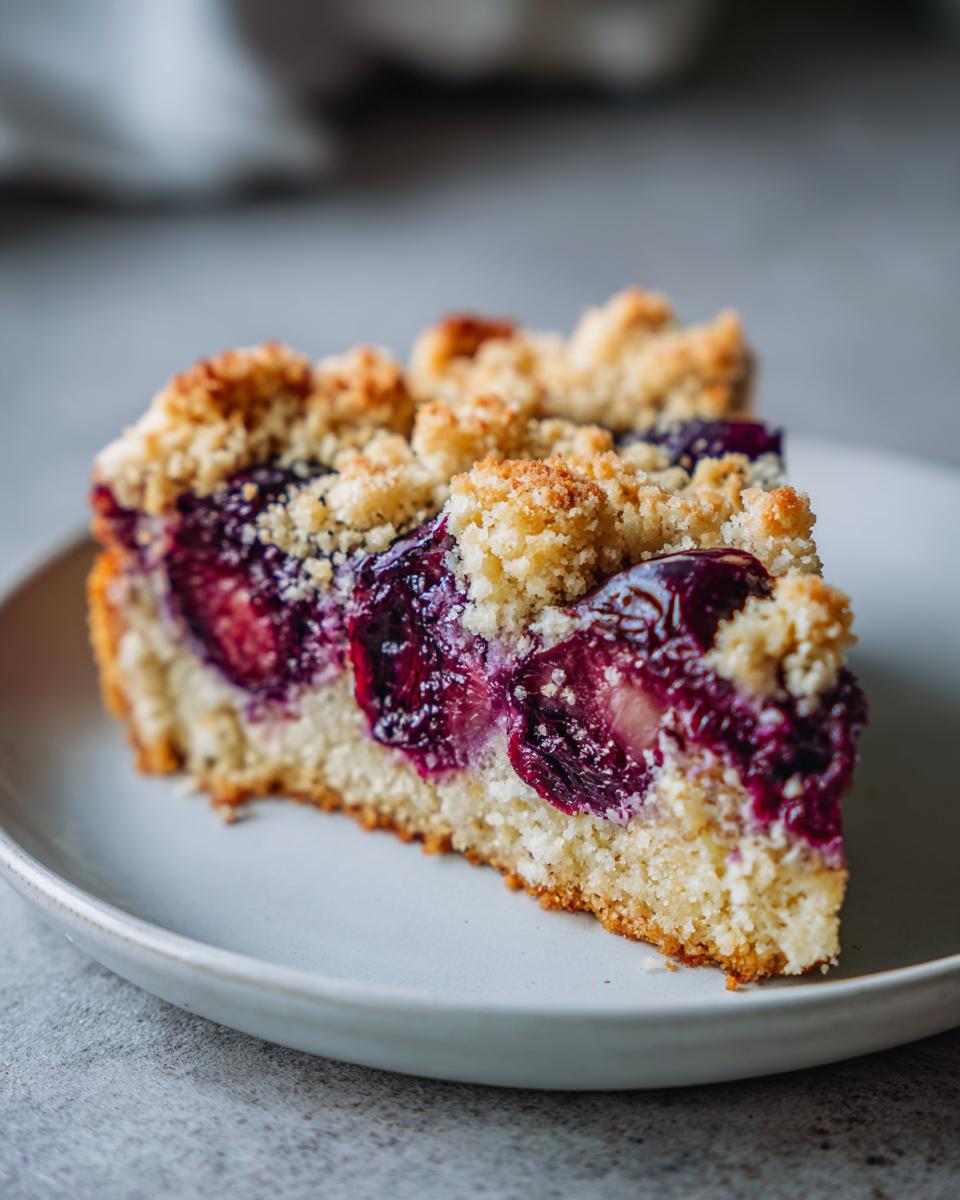
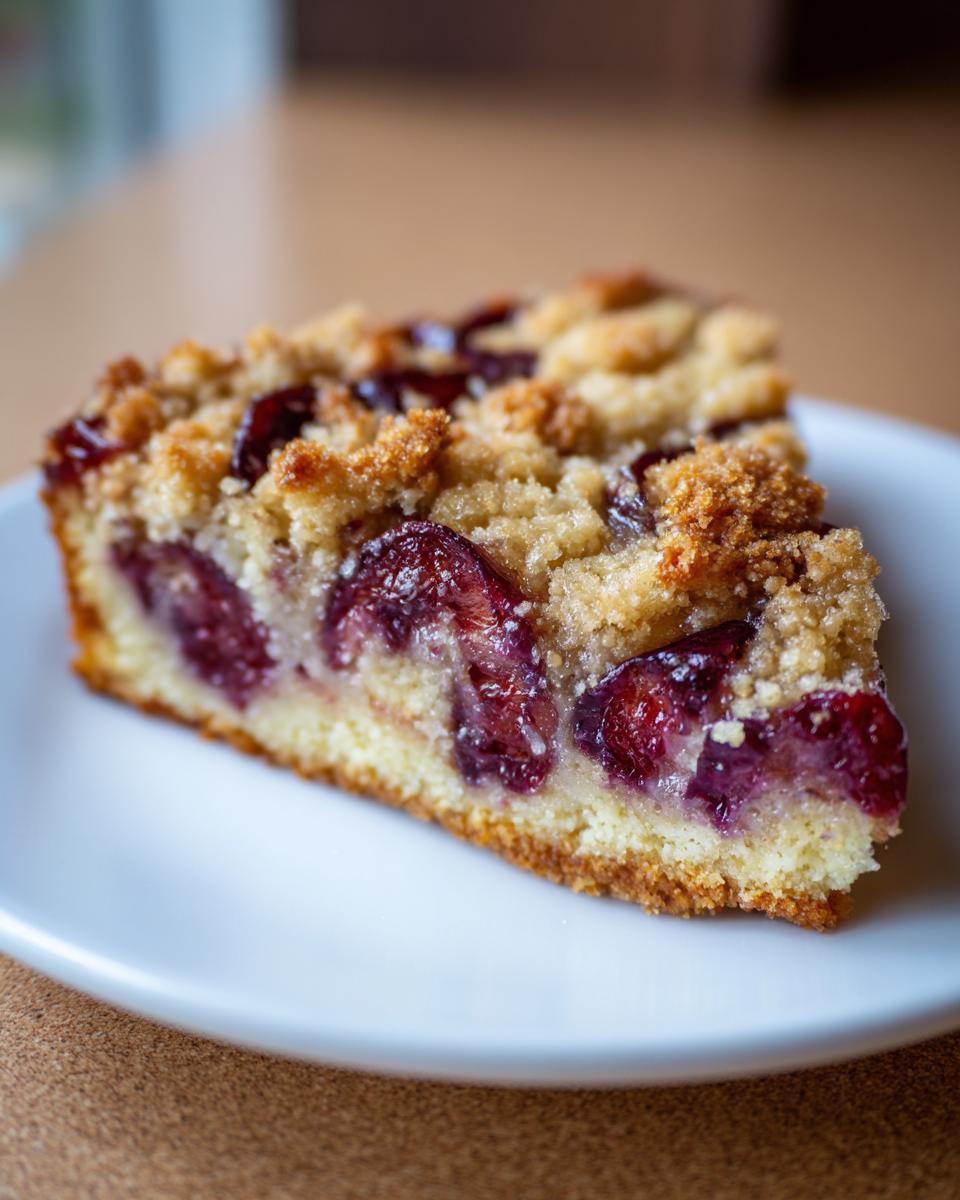
Preheat that oven to 375 degrees Fahrenheit (190 Celsius). Bake this beauty for between 45 and 55 minutes. You’re looking for visual confirmation: the streusel topping should be a lovely golden brown, and the plums should look wonderfully tender and jammy. Don’t pull it out early just because the edges look done! Once it’s out of the heat, resist the urge to slice it immediately. Seriously, let it cool right there in the springform pan on a rack. This cooling period allows the delicate shortcrust structure of this seasonal fruit cake to set up properly before we apply pressure by slicing.
Tips for Success with Your Plum Cake
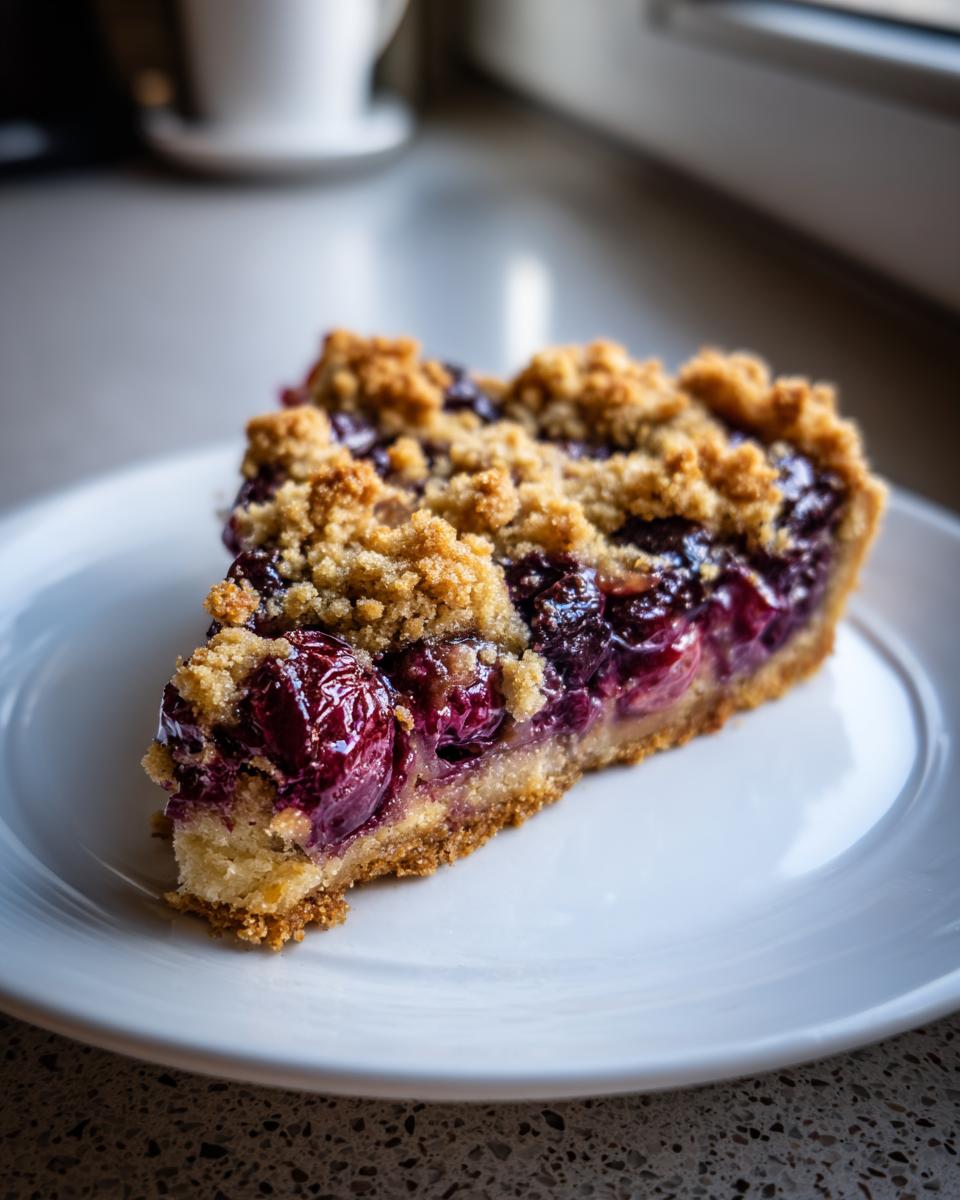
Even with a streamlined recipe, a few small details separate a good dessert from a great one. When baking this plum cake, the biggest issue people run into is moisture control—we want juicy plums, not a watery mess under that streusel topping. That’s why selecting the right fruit is step one. I insist you use Italian prune plums if you can find them. They hold their shape better and aren’t quite as watery as standard eating plums.
If you notice your plums are extremely ripe when you slice them, toss them with just a tiny bit more sugar than called for, and let them sit while you make the dough. If they release a lot of liquid, gently blot them with a paper towel before layering them onto the shortcrust. This simple blotting step prevents sogginess and ensures your base stays crisp. We are aiming for efficiency and a perfect result every time, so don’t skip this fruit prep work!
For another project where controlling moisture is key, check out my process for maintaining an active sourdough starter.
Ingredient Notes and Simple Plum Cake Substitutions
We’re aiming for simplicity here, but sometimes you just can’t find the perfect ingredient. If you can’t source those firm Italian prune plums, look for firm, dark-skinned plums like Black Splendor or Damson varieties. You need something that won’t weep entirely in the oven. For instance, if you’re adapting this to an Eggless Plum Cake variation, the egg provides structure, so you’d need about a quarter cup of applesauce or plain yogurt to replace the moisture and binding power of that one egg in the pastry.
Remember my philosophy: substitutions should support the flavor profile, not fight it. Keep the base technique the same, but adjust your fruit choice for seasonal availability. It’s about adapting the project plan, not redesigning the entire concept!
Storage and Reheating Instructions for Leftover Plum Cake
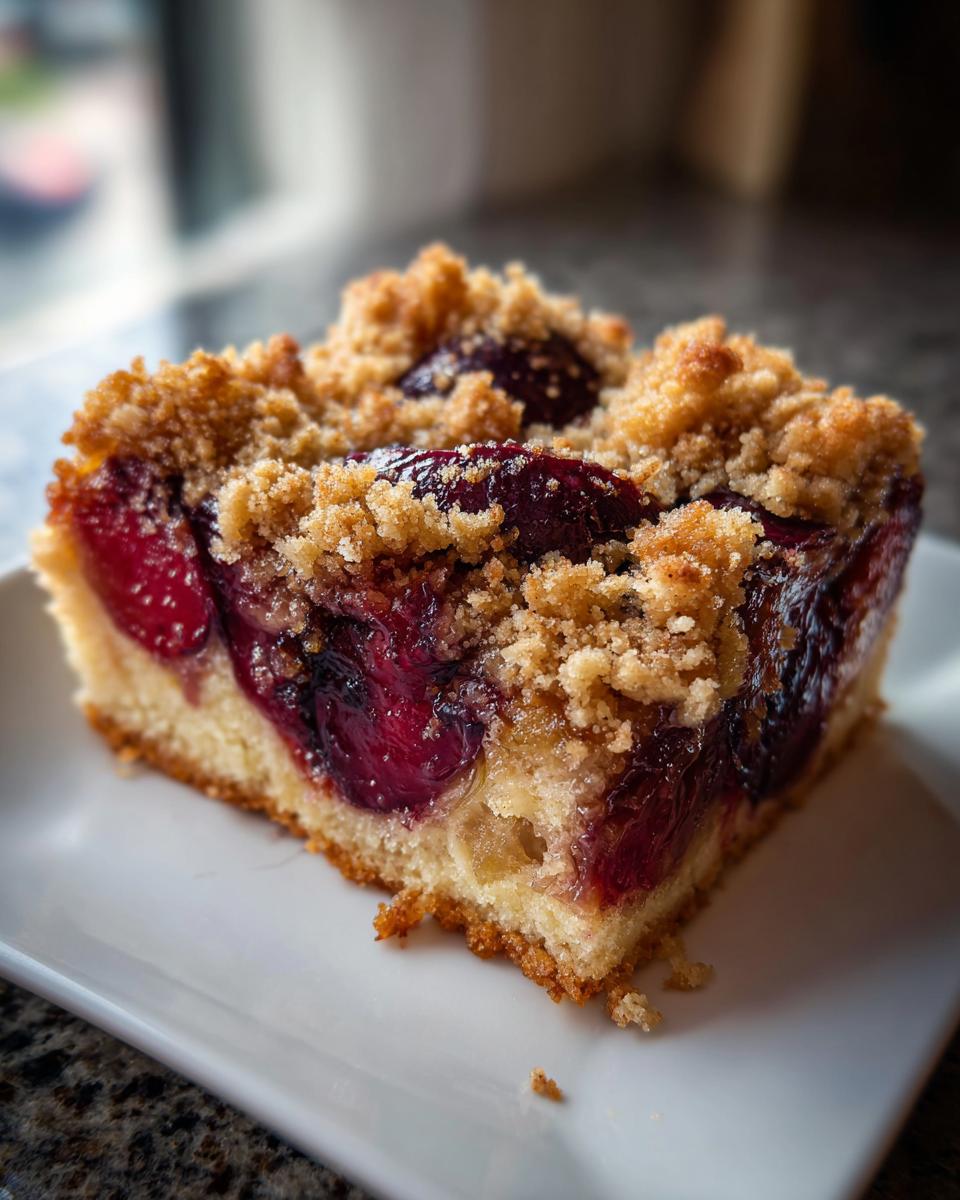
This is the best part about making a high-quality fruit-based bake like our German plum cake: it actually gets better overnight! The moisture from the plums settles into that shortcrust base, creating an even richer texture the next day. You definitely don’t need to worry about keeping it ultra-fresh like some delicate layer cakes.
Store any leftovers loosely covered at room temperature for up to two days. If you plan on keeping it longer, wrap the slices tightly and store them in the fridge. If you bring it back to room temperature, consider warming slices slightly—maybe 10 or 15 seconds in the microwave—to revive that buttery streusel smell. Don’t forget, fantastic leftover treats always deserve a good cup of coffee!
If you’re looking for decadent dessert storage ideas, you should check out my fudge recipe next, it lasts forever!
Serving Suggestions for This Traditional German Dessert
When you pull this golden, crumbly German plum cake out of the oven, it smells incredible, and you’ll be tempted to attack it immediately! But hold tight for just a few minutes. This Zwetschgenkuchen is designed for simple enjoyment. Forget fancy sauces; the beauty is in its rustic simplicity.
The classic pairing, which is a non-negotiable in my book, is a generous dollop of freshly whipped cream—nothing heavily sweetened, just fresh cream beaten until soft peaks form. That cool, light cream cuts perfectly through the warm, slightly tart plums and the richness of the streusel. If you’re feeling decadent, a small scoop of good vanilla bean ice cream works wonders too. For the afternoon, this cake demands a strong cup of coffee. If you’re looking for dessert inspiration that pairs well with coffee, you have to check out my recipe for old-fashioned bread pudding.
Frequently Asked Questions About Making Plum Cake
When running a project, you always need a contingency plan, right? Baking is no different! I’ve collected the questions I always get when people first try this specific plum cake recipe. My goal here is to eliminate any guesswork so you can execute this perfectly the first time around. Whether you call it Plum Kuchen or just a great, simple dessert, these answers should streamline your process for an Easy Plum Cake.
Can I use frozen plums in this Easy Plum Cake Recipe?
You can, but you have to treat frozen fruit differently than fresh fruit. If you use frozen plums, you must thaw them completely first. Once thawed, drain them really well—we don’t want excess liquid seeping into the shortcrust. Give them a gentle pat dry with paper towels. If you skip this, you risk exactly the soggy bottom we tried so hard to avoid across the whole preparation stage!
What is the main difference between Plum Cake and Plum Torte Recipe?
The distinction usually comes down to the base. A classic European *Torte* can sometimes imply a thinner, crisp crust, almost like high-end pastry work, or often a nut base. Our approach here, borrowing from the reliable German method, uses a shortcrust pastry that is more substantial—it’s sturdier, more “cake-like,” and crucial for holding the heavy, juicy fruit without becoming greasy. Many folks prefer the satisfying crumb of this setup over a very thin torte base. For more ideas on making reliable baked goods, check out my recipe for chewy lemon cookies, where consistent results are also key.
If you want to check out other authentic approaches to this style, you can see how others handle the base over at Everyday Delicious.
Nutritional Estimates for This Moist Plum Cake
Now, before we wrap up, I want to give you a quick, high-level snapshot of what you’re looking at nutritionally for one slice of this delicious moist plum cake. Remember, because we are using real, whole fruit and butter, these numbers are estimates. They are designed to help you fit this wonderful seasonal treat into your meal planning framework, not to start a strict diet! We’re all about balance here at Dishicious, so treat yourself when it’s time for baking.
For context on how these ingredients perform in other bakes, check out my guide on making a phenomenal sweet potato pound cake, which also relies on natural fruit moisture.
Here is the breakdown per serving (Yield: 8 servings):
- Calories: Approximately 350
- Total Fat: Around 18g (with about 11g being Saturated Fat)
- Carbohydrates: Roughly 45g (containing 2g of Fiber)
- Protein: About 5g
- Sugar: Approximately 25g
- Sodium: About 150mg
That sugar content reflects the natural sweetness from the plums combined with the granulated sugar in the crust and the brown sugar in the streusel. It’s a dessert, after all! Enjoy it responsibly, ideally with a strong cup of coffee.
PrintEasy German Plum Cake (Zwetschgenkuchen) with Streusel Topping

Make a classic German Plum Cake, Zwetschgenkuchen, using a simple recipe with a buttery shortcrust base and a crunchy streusel topping. This moist fruit cake is perfect for seasonal baking.
- Prep Time: 30 min
- Cook Time: 55 min
- Total Time: 85 min
- Yield: 8 servings 1x
- Category: Dessert
- Method: Baking
- Cuisine: German
- Diet: Vegetarian
Ingredients
- 1 3/4 cups all-purpose flour
- 1/2 cup granulated sugar
- 1 teaspoon baking powder
- 1/4 teaspoon salt
- 1/2 cup (1 stick) cold unsalted butter, cut into pieces
- 1 large egg
- 2 tablespoons cold milk
- 2 pounds ripe plums (such as Italian prune plums), halved and pitted
- 1 tablespoon lemon juice
- 1/4 cup granulated sugar (for plums)
- 1/2 cup all-purpose flour (for streusel)
- 1/4 cup packed brown sugar (for streusel)
- 1/4 teaspoon ground cinnamon (for streusel)
- 4 tablespoons cold unsalted butter, cut into small pieces (for streusel)
Instructions
- Prepare the shortcrust pastry: In a food processor, pulse 1 3/4 cups flour, 1/2 cup sugar, baking powder, and salt until combined. Add the cold butter pieces and pulse until the mixture resembles coarse crumbs.
- Add the egg and milk. Pulse just until the dough starts to come together. Do not overmix.
- Form the dough into a disk, wrap it in plastic wrap, and chill it in the refrigerator for at least 30 minutes.
- Prepare the plums: Slice the plum halves into thin, even pieces. Toss the sliced plums gently with 1 tablespoon lemon juice and 1/4 cup sugar. Set aside.
- Prepare the streusel topping: In a small bowl, combine 1/2 cup flour, brown sugar, and cinnamon. Cut in 4 tablespoons of cold butter using your fingers or a pastry blender until crumbly. Chill until needed.
- Preheat your oven to 375 degrees Fahrenheit (190 degrees Celsius). Line a 9-inch springform pan with parchment paper.
- Roll out the chilled dough on a lightly floured surface to fit the bottom of the prepared pan. Press the dough evenly into the bottom of the pan.
- Arrange the sugared plums tightly over the dough in concentric circles, cut-side up.
- Sprinkle the chilled streusel topping evenly over the plums.
- Bake for 45 to 55 minutes, or until the streusel is golden brown and the plums are tender.
- Let the German Plum Cake cool in the pan on a wire rack before slicing and serving.
Notes
- Use firm, ripe plums for the best texture; Italian prune plums work well for this Zwetschgenkuchen recipe.
- For an easy cleanup, you can line the bottom of the springform pan with parchment paper before pressing in the dough.
- This cake tastes excellent the next day, making it a good option for make-ahead dessert planning.
Nutrition
- Serving Size: 1 slice
- Calories: 350
- Sugar: 25
- Sodium: 150
- Fat: 18
- Saturated Fat: 11
- Unsaturated Fat: 7
- Trans Fat: 0
- Carbohydrates: 45
- Fiber: 2
- Protein: 5
- Cholesterol: 60