

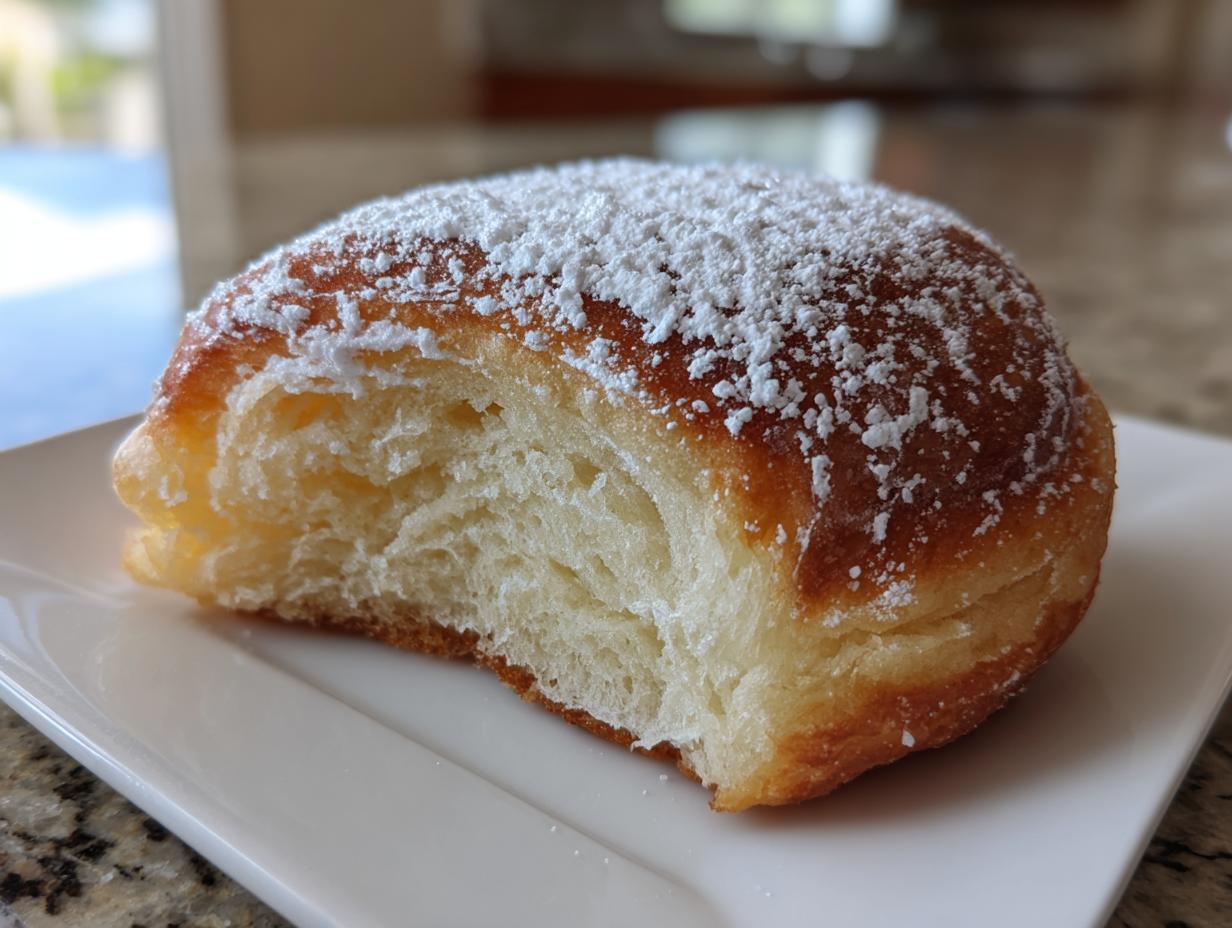
Caribbean baking has this magical quality, right? That perfect balance of airy softness and just the right touch of sweetness that makes you close your eyes after the first bite. If you’ve ever dreamed of bringing that bakery magic home, especially that iconic **pan de mallorca (puerto rican sweet roll)**, I’ve got you covered. Forget wrestling with complicated doughs. Drawing on my project manager background, I’ve streamlined this entire process. This recipe strips away the stress, focusing only on the essential steps Leo Grant perfected to deliver an authentic, fluffy loaf every single time you bake.
- Why This Pan de Mallorca (Puerto Rican Sweet Roll) Recipe Works
- Essential Ingredients for Pan de Mallorca
- How to Make Pan de Mallorca at Home: Step-by-Step Baking
- Essential Ingredients for Pan de Mallorca
- Tips for Perfect Pan de Mallorca Results
- Equipment Needed for Traditional Puerto Rican Pastries
- Serving Suggestions for Your Pan de Mallorca
- Storage and Reheating Instructions for Pan de Mallorca (Puerto Rican Sweet Roll)
- Frequently Asked Questions About Pan de Mallorca
- Nutritional Profile Estimate
Why This Pan de Mallorca (Puerto Rican Sweet Roll) Recipe Works
When I approach a recipe, I see it as a system that needs to be reliable. That’s the Dishicious way. This particular method for the pan de mallorca (puerto rican sweet roll) cuts out unnecessary flourishes and hones in on what matters: results. You get true, authentic texture without the headache.
- Guaranteed Softness: We stick to room temperature ingredients, which is non-negotiable for this type of enriched dough.
- Efficiency in Mixing: We streamline the creaming process so you spend less time wrestling the mixer and more time getting flavor development.
- Reliable Shaping: The instructions make shaping straightforward, cutting down on rookie errors right before the final proof.
If you’re new to yeast work, I actually recommend checking out my guide on basic yeast bread techniques first, just to build that initial confidence!
Achieving the Signature Fluffy Sweet Rolls Texture
The secret to that unbelievable airy crumb in our Puerto Rican sweet bread recipe lies in how we treat the dough early on. This isn’t a lean dough; it’s rich with butter and eggs. Those fats are heavy, and they need to be perfectly emulsified into the flour. That’s why right after incorporating everything, we knead for a solid 8 to 10 minutes. You’re building strength in the gluten structure, which traps all the gases produced by the yeast. When the ingredients are at the right temperature—especially the eggs—they blend seamlessly, ensuring the final roll is light and pull-apart soft, not dense and heavy.
Essential Ingredients for Pan de Mallorca
When managing any recipe project, precision in the ingredient list is step one. For this Puerto Rican sweet bread recipe, we aren’t playing around—the right components guarantee that perfect texture you’re expecting. Don’t substitute on the core items; they are what make this bread so different from your standard dinner roll.
- 1 cup whole milk, warmed to 105-115°F
- 2 1/4 teaspoons active dry yeast
- 1/4 cup granulated sugar plus 1 teaspoon for yeast
- 1/2 cup (1 stick) unsalted butter, softened
- 2 large eggs, room temperature
- 1 teaspoon vanilla extract
- 1 teaspoon salt
- 4 cups all-purpose flour, plus more for dusting
- Powdered sugar, for dusting
Ingredient Notes and Substitutions for Authentic Pan de Mallorca Baking
Temperature control is crucial here, folks! Make sure that milk is perfectly warm—hotter will kill your yeast, and cooler won’t wake it up properly. Room temperature eggs are just as important; cold eggs shock the creamed butter, leading to a curdled base instead of a smooth start for our fluffy sweet bread dough.
While you can use bread flour in a pinch, I strongly recommend standard all-purpose flour for this specific Puerto Rican sweet bread recipe. It creates a softer, slightly less chewy structure, which is what we need for that melt-in-your-mouth result.
How to Make Pan de Mallorca at Home: Step-by-Step Baking
Alright, this is where the project management mindset really pays off: executing the steps efficiently. We’re going to manage this process in clear phases—Activation, Mixing, Kneading, Rising, Shaping, and Baking. Follow these sequencing instructions precisely, and you’ll keep things moving smoothly toward that golden-brown finish.
First, the yeast activation. Mix that warm milk, a touch of sugar, and the yeast. Watch it happen! If it doesn’t foam up in about 10 minutes, your milk was too hot or your yeast is old, and we need to scrap that batch immediately. Time is money, right?
Next, combine the wet foundation: cream that softened butter and sugar until it’s pale. Beat in those room-temperature eggs one at a time—don’t rush this part! Then, slowly introduce the activated yeast mixture and salt. Only now do we bring in the flour, cup by cup, mixing on low speed until the whole thing just starts to come together into a shaggy mass.
For comparison, if you enjoy managing dough development closely, you might love looking at the Yudane method, though this Puerto Rican sweet bread is simpler!
Mastering the Fluffy Sweet Bread Dough Kneading
Turn that shaggy dough out onto a lightly floured area. Now we knead. This step is non-negotiable for an enriched dough like this. You need about 8 to 10 minutes of constant work—push, fold, turn. Stop when the dough feels genuinely smooth and elastic. I know it seems counterintuitive, but you want it to remain slightly sticky at this stage; that tells you you haven’t overworked the flour or added too much extra flour during the process.
Shaping the Pan de Mallorca (Puerto Rican Sweet Roll)
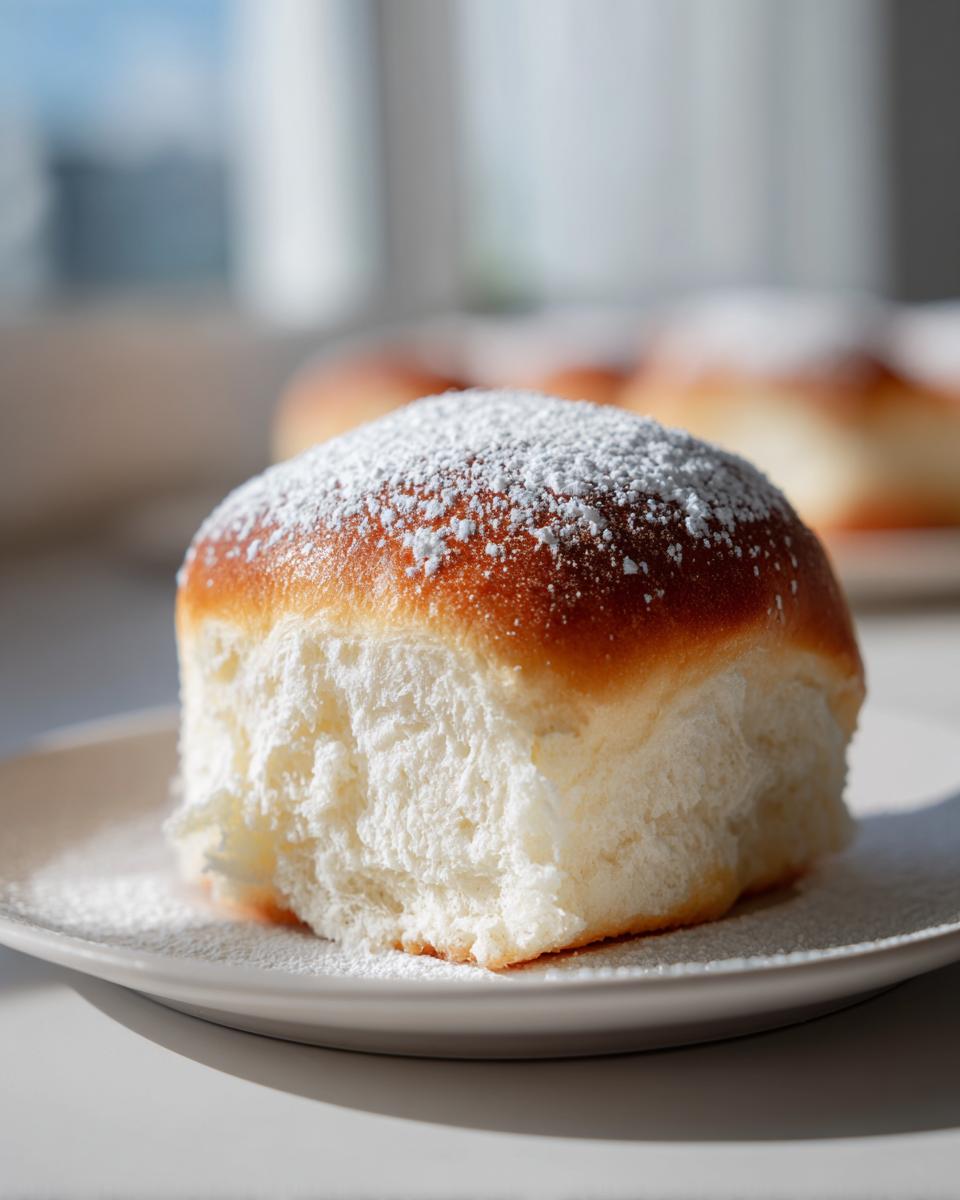
Once the dough has doubled (that’s your first rise—usually 90 minutes), gently deflate it. Divide the dough into 10 equal pieces. Roll each piece firmly into a smooth rope, about a foot long. Then, we coil! Twist that rope into a tight spiral, like a snail shell, or fold it into a simple round for baking. If you want that classic, gentle dip in the middle—perfect for catching powdered sugar—gently press your thumb right into the very center of the coil before covering them for the final, shorter rise.
Essential Ingredients for Pan de Mallorca
When managing any recipe project, precision in the ingredient list is step one. For this Puerto Rican sweet bread recipe, we aren’t playing around—the right components guarantee that perfect texture you’re expecting. Don’t substitute on the core items; they are what make this bread so different from your standard dinner roll.
- 1 cup whole milk, warmed to 105-115°F
- 2 1/4 teaspoons active dry yeast
- 1/4 cup granulated sugar plus 1 teaspoon for yeast
- 1/2 cup (1 stick) unsalted butter, softened
- 2 large eggs, room temperature
- 1 teaspoon vanilla extract
- 1 teaspoon salt
- 4 cups all-purpose flour, plus more for dusting
- Powdered sugar, for dusting
Ingredient Notes and Substitutions for Authentic Pan de Mallorca Baking
Temperature control is crucial here, folks! Make sure that milk is perfectly warm—hotter will kill your yeast, and cooler won’t wake it up properly. Room temperature eggs are just as important; cold eggs shock the creamed butter, leading to a curdled base instead of a smooth start for our fluffy sweet bread dough.
While you can use bread flour in a pinch, I strongly recommend standard all-purpose flour for this specific Puerto Rican sweet bread recipe. It creates a softer, slightly less chewy structure, which is what we need for that melt-in-your-mouth result.
Tips for Perfect Pan de Mallorca Results
When I optimize a baking project, I always focus on the hidden variables—the stuff the recipe might gloss over. For our Pan de Mallorca, the notes section of the original card revealed Leo Grant’s secrets for locking in that ideal texture. Trust me, these little adjustments make a huge difference in transforming good bread into truly spectacular soft sweet rolls recipe Caribbean style.
First, room temperature milk and eggs are not suggestions; they are requirements for a successful emulsion. I learned this the hard way when I tried to rush things on a cold morning last winter. My milk was fine, but the eggs were straight from the fridge. The butter/sugar mixture seized up the second the eggs hit it, resulting in a lumpy base for the dough. It rose, sure, but the texture was dense.
Always, always plan ahead. For handling the second rise, if you need more time or want a deeper flavor, you can actually refrigerate the shaped rolls overnight. This slow, cold proofing lets the yeast work subtly. Just pull them out about an hour before baking to let them warm up slightly before they hit the 375°F oven. For more complex dough management, you might enjoy looking at my approach for sourdough management, though this Pan de Mallorca is much more forgiving!
Equipment Needed for Traditional Puerto Rican Pastries
One of the best things about nailing down an authentic Pan de Mallorca baking process is that you don’t need professional gear! This recipe is totally built for the standard home kitchen setup. When I first mapped out the steps, my goal was efficiency, meaning we rely on tools you probably already have lying around. No need to run out and buy specialized molds for this project.
Here is the core equipment list I use every single time I mix up this fluffy sweet bread dough. Having these ready means you can move from step to step without hunting for a missing item, which keeps that dough happy!
- Large Mixing Bowl: This is where you’ll cream the butter and sugar, and eventually, where the first rise happens. Make sure it’s big enough to handle doubling in size!
- Stand Mixer (or strong arms): While you *can* mix this by hand, using a stand mixer with the dough hook attachment makes that crucial 8-10 minute kneading phase virtually hands-free.
- Baking Sheets: You’ll need one or two large sheets to accommodate the 10 rolls during the second rise and baking. You can’t crowd them, or they won’t brown correctly.
- Parchment Paper: Absolutely essential! This isn’t just for easy cleanup; it prevents the slightly sticky dough from adhering to the pan during the final proof.
- Rolling Surface: A clean countertop or a large cutting board will do perfectly for rolling out those 12-inch ropes.
- Bench Scraper (Helpful but optional): If you struggle with getting sticky dough off your hands or the counter, a plastic bench scraper is a game-changer for gathering up the dough without deflating it too much.
See? Nothing scary there. This is prime candidate territory if you’re looking to tackle your first complex enriched yeast dough recipe. You are already equipped for success!
Serving Suggestions for Your Pan de Mallorca
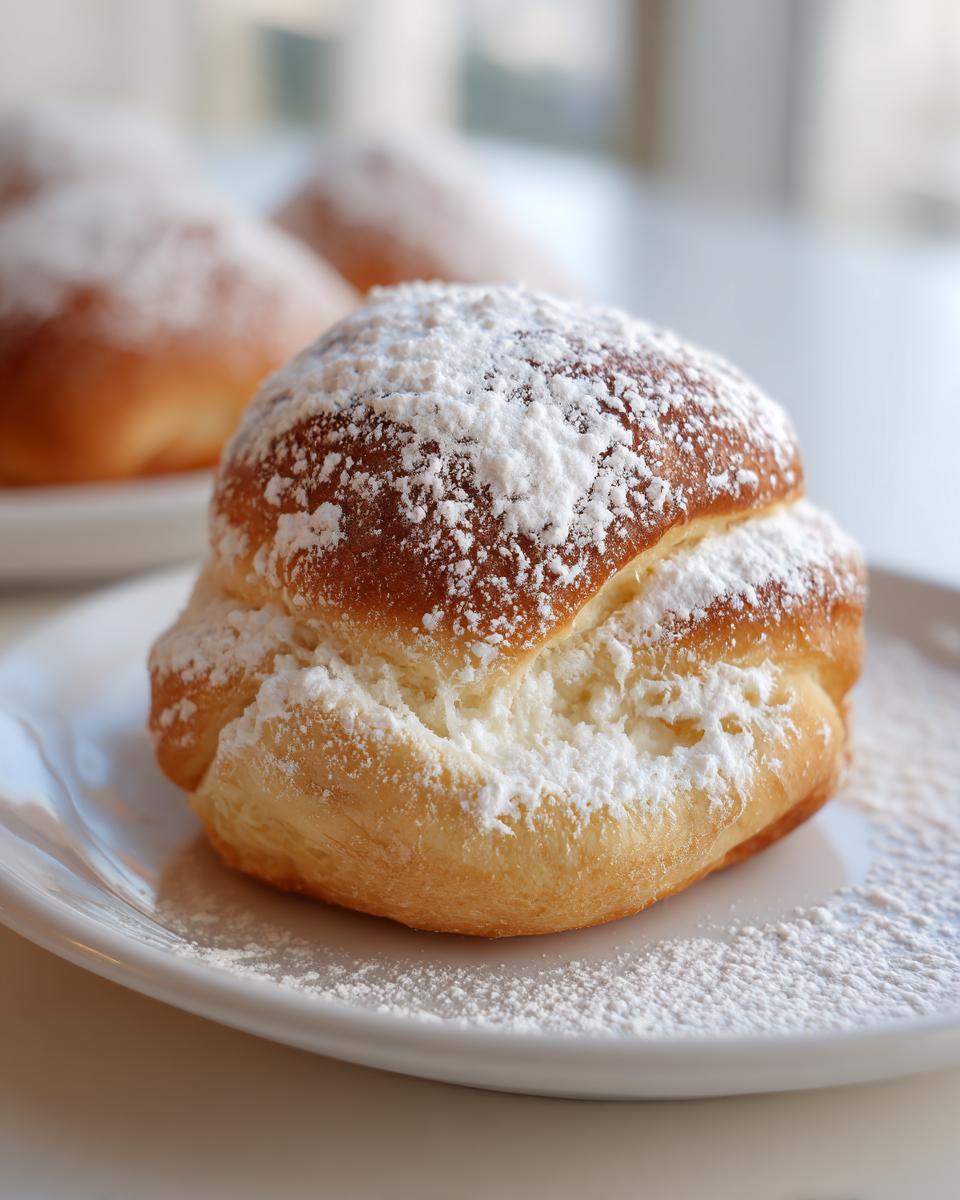
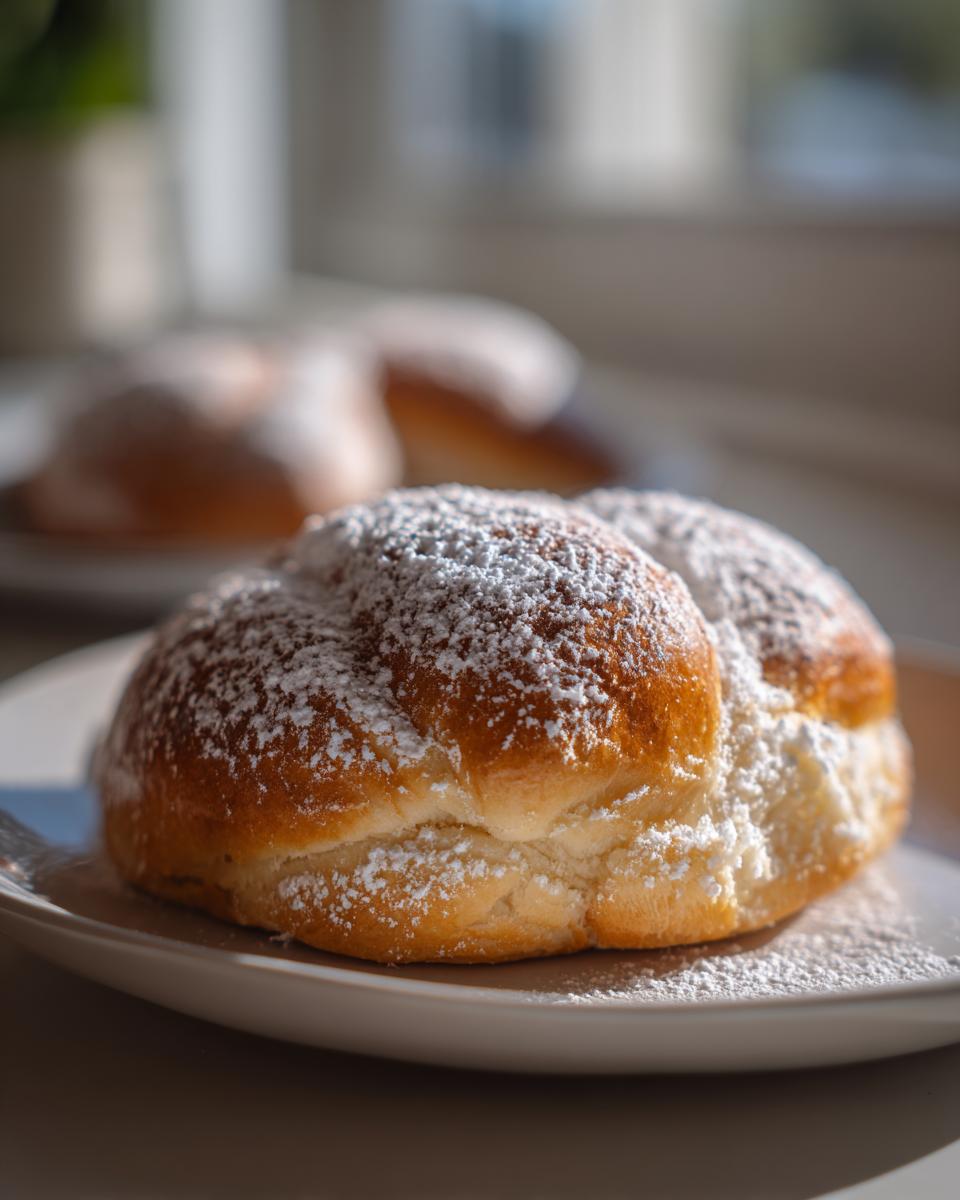
Okay, the best part of managing this baking project successfully is the taste test, right? Once these beautiful pan de mallorca (puerto rican sweet roll) rolls are completely cool and dusted heavy with that snowdrift of powdered sugar, how should you eat them? Honestly, they are nearly perfect straight out of the cooling rack, even after they’ve settled down.
For a truly traditional moment, slow down your morning routine. Slice one open, let the steam (if it’s still faintly warm) waft up, and dunk it into a strong cup of black coffee—that classic Cuban or Puerto Rican cafe con leche pairing is unbeatable. My personal favorite way to eat them the next day is simple: a thin layer of high-quality, slightly salted butter. The salty richness against the subtle sweetness of the bread? Perfection.
But don’t feel trapped by tradition! Because this is an enriched dough, it’s much sturdier than a standard dinner roll. They stand up beautifully to things you might not expect. Thinking of a weekend brunch? Try serving them alongside some sharp cheese or maybe even a dollop of homemade jam. If you are making savory dips sometime, like a quick aioli, you could even use day-old, slightly stale rolls as fantastic dipping bread, though I’d suggest checking out my easy homemade mayo as a potential pairing for savory applications!
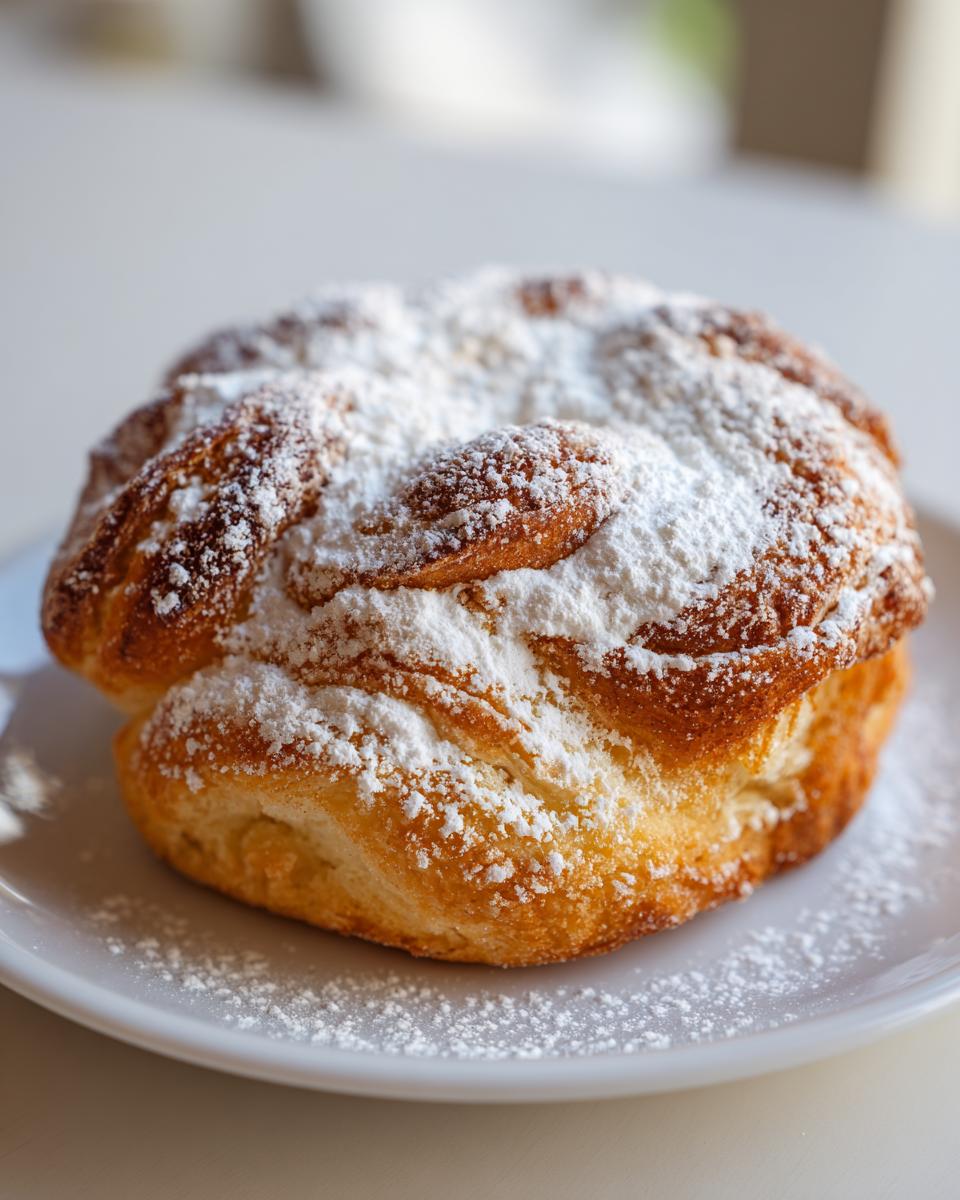
The main takeaway here is: don’t wait. The texture is prime right after cooling, but these hold up well, promising deliciousness whenever you decide to pull one out of the container.
Storage and Reheating Instructions for Pan de Mallorca (Puerto Rican Sweet Roll)
So, maybe you nailed the recipe and ended up with more incredible pan de mallorca (puerto rican sweet roll) than your family can eat in one morning. That’s a great problem to have! The goal is to keep that fluffy texture locked in for as long as possible. Since this is an enriched dough, it’s going to go stale faster than a lean loaf if you just leave it out on the counter uncovered.
For short-term storage—we’re talking up to three days—you need an airtight container. Don’t wrap them directly in plastic wrap touching the rolls, though! That traps moisture and can make the crust go completely soft and gummy. Instead, line a sturdy container with a paper towel, place the completely cooled rolls inside, and then seal it tightly. The paper towel absorbs any residual moisture that tries to condense, keeping the crust a little crispier.
If you need them to last longer, freezing is the way to go. You must let them cool completely. Wrap the individual rolls tightly in plastic wrap first—think mummy style—to prevent freezer burn. Then, slide those wrapped rolls into a heavy-duty freezer bag. They last great for up to three months this way, ready for a quick thaw.
Restoring the Freshness
Reheating is where we bring them back to life. Microwaving works in a pinch—seriously, 10 to 15 seconds is all it takes to get that soft, warm texture back, but be quick! It softens the bread, but it evaporates moisture fast, so they’ll be dry again quickly after cooling off.
For the absolute best results, skip the microwave! Pop the frozen or day-old rolls (unwrapped from the plastic if frozen) directly onto a baking sheet. Heat them in a conventional oven at about 325°F (160°C) for just 5 to 7 minutes. They come out tasting almost freshly baked. You can even dust them with more powdered sugar right when they come out of that warmth. If you’re into making things from scratch for other uses, you might find my guide on making bread bowls helpful for handling dough structure!
Frequently Asked Questions About Pan de Mallorca
I totally get it; when you tackle an enriched yeast dough recipe like this, questions pop up! You want to make sure your project ends exactly how you planned—soft, golden, and ready for that sugar dusting. Here are the things I hear most often about achieving this perfect Puerto Rican sweet bread recipe at home.
Can I make Pan de Mallorca ahead of time?
Yes, absolutely! This is great news for weekend baking. Because this dough is so rich, it benefits from a slow fermentation, which is perfect for planning ahead. After you shape the rolls (step 8), instead of letting them sit at room temperature for the second rise, cover the tray and place the whole thing in the refrigerator overnight. This cold, slow proofing builds fantastic flavor complexity. Just remember to pull them out about an hour before you want to bake so they aren’t ice cold when they hit the oven!
What is the difference between Pan de Mallorca and regular sweet bread?
That’s a great question for understanding what makes this special. Most standard sweet breads might use milk or water and have a leaner formula. Our Pan de Mallorca (Puerto Rican sweet roll) uses a very high ratio of fat—butter and eggs—which makes the crumb incredibly tender, almost cloud-like. That’s the defining feature of this soft sweet rolls recipe Caribbean style. Also, you almost never see a plain sweet bread served completely buried under powdered sugar; that heavy dusting is key to the whole experience!
Is this recipe hard for a beginner?
I wouldn’t call it beginner-level easy, but if you can follow directions, you’ll succeed! It involves yeast, which can be intimidating, but since we are managing the process methodically, the complexity is handled. As long as you accurately measure your ingredients and give that dough the full 8-10 minutes of kneading it needs, you’ll have a beautiful batch of Mallorcan bread cultural recipe bread on your counter!
Nutritional Profile Estimate
Now, I know what you’re thinking. Eating this glorious, sugar-dusted pan de mallorca (puerto rican sweet roll) probably isn’t winning any health awards, and that’s okay! Sometimes, deliciousness trumps daily macros. But since I approach everything here like a project manager, I mapped out the estimated nutritional breakdown for you based on the recipe yield of 10 rolls. Just remember, this is an estimate generated from standard ingredient calculations, not a lab test!
Keep in mind that the final numbers change depending on how heavily you dust with powdered sugar—and let’s be honest, you should dust generously!
- Serving Size: 1 roll
- Calories: approx. 320
- Total Fat: approx. 14g (Saturated Fat: 8g)
- Total Carbohydrates: approx. 42g (Fiber: 2g)
- Sugar: approx. 12g
- Protein: approx. 8g
- Cholesterol: approx. 65mg
This profile confirms we’re dealing with an enriched dough—lots of wholesome structure from the protein and carbs, balanced with the necessary fats from the butter and eggs. If you’re ever curious about how the data for these estimates is handled on the site, you can always check out the privacy policy detailing our data usage here: our policy. Enjoy this treat knowing you made it perfectly, right here in your own kitchen!
PrintAuthentic Pan de Mallorca (Puerto Rican Sweet Roll) Recipe

Follow this straightforward recipe to make soft, fluffy, and slightly sweet Puerto Rican sweet bread at home. This guide breaks down the enriched yeast dough process for perfect Pan de Mallorca every time.
- Prep Time: 30 min
- Cook Time: 20 min
- Total Time: 2 hours 50 min
- Yield: 10 rolls 1x
- Category: Breakfast
- Method: Baking
- Cuisine: Puerto Rican
- Diet: Vegetarian
Ingredients
- 1 cup whole milk, warmed to 105-115°F
- 2 1/4 teaspoons active dry yeast
- 1/4 cup granulated sugar plus 1 teaspoon for yeast
- 1/2 cup (1 stick) unsalted butter, softened
- 2 large eggs, room temperature
- 1 teaspoon vanilla extract
- 1 teaspoon salt
- 4 cups all-purpose flour, plus more for dusting
- Powdered sugar, for dusting
Instructions
- Activate the yeast: In a small bowl, combine the warm milk, 1 teaspoon of sugar, and the yeast. Let stand for 5 to 10 minutes until foamy.
- In a large mixing bowl, cream together the softened butter and the remaining 1/4 cup of sugar until light and fluffy.
- Beat in the eggs one at a time, mixing well after each addition. Stir in the vanilla extract.
- Add the yeast mixture and salt to the butter mixture. Mix until just combined.
- Gradually add the flour, one cup at a time, mixing on low speed until a soft dough forms.
- Knead the dough: Turn the dough out onto a lightly floured surface. Knead for 8 to 10 minutes until the dough is smooth and elastic. It will be slightly sticky.
- First rise: Place the dough in a lightly oiled bowl, turning to coat. Cover the bowl with plastic wrap and let it rise in a warm place for 1 to 1.5 hours, or until doubled in size.
- Shape the rolls: Gently punch down the risen dough. Divide the dough into 10 equal pieces. Roll each piece into a rope about 12 inches long. Form each rope into a coil or a simple round shape. For the traditional look, you can gently press the center of the coil to create a slight indentation.
- Second rise: Place the shaped rolls on baking sheets lined with parchment paper, leaving space between them. Cover loosely and let rise again for 30 to 45 minutes, or until puffy.
- Preheat your oven to 375°F (190°C).
- Bake for 15 to 20 minutes, or until the tops are golden brown.
- Cool the rolls completely on a wire rack. Once cool, dust generously with powdered sugar before serving.
Notes
- For the softest texture, ensure your milk and eggs are at room temperature before starting.
- If you prefer a heart shape, roll the dough into a rope, fold it in half, twist the ends together, and then shape it into a heart before the second rise.
- This enriched yeast dough benefits from a long, slow rise for better flavor development.
Nutrition
- Serving Size: 1 roll
- Calories: 320
- Sugar: 12
- Sodium: 250
- Fat: 14
- Saturated Fat: 8
- Unsaturated Fat: 6
- Trans Fat: 0
- Carbohydrates: 42
- Fiber: 2
- Protein: 8
- Cholesterol: 65