

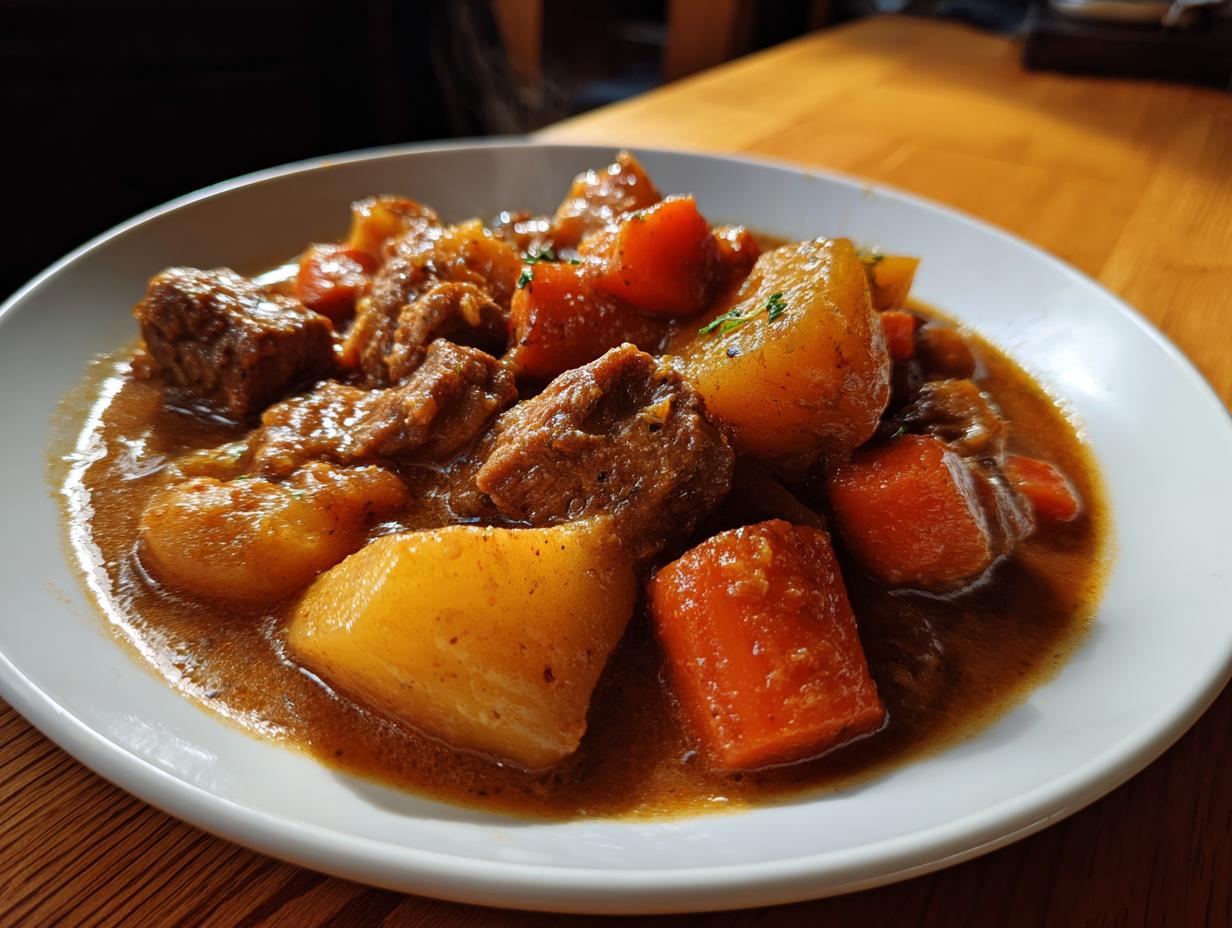
There is just nothing that beats that deep, soul-satisfying warmth you get from a meal that’s been simmering away all day. If you’re anything like me—trying to manage things between deadlines, meetings, and just, well, life—you need food that works *for* you, not against you. That’s why I engineered this ultimate pork stew. As the founder of Dishicious, Leo Grant, I approach recipes like I approach a major project: maximum payoff for streamlined effort. This slow cooker recipe is the convergence of reliability and incredible flavor, ensuring you get that hearty, home-cooked result without having to babysit a stove top. Trust me, this method delivers the *best pork stew* you’ll ever make with minimal fuss. Check out my logic for one-pot chicken dishes when you need speed!
- Why This Slow Cooker Pork Stew Recipe Works Every Time
- Essential Ingredients for Your Pork Stew
- Step-by-Step Instructions for the Best Pork Stew
- Tips for Success with Your Crock Pot Pork Stew
- Variations on the Classic Pork Stew Recipe
- Serving Suggestions for a Homestyle Pork Dinner
- Storage and Reheating Instructions for Leftover Pork Stew
- Frequently Asked Questions About Making Pork Stew
- Nutrition Estimates for This Hearty Pork Dinner
Why This Slow Cooker Pork Stew Recipe Works Every Time
When I created this recipe, my main goal was reliability. Using the slow cooker takes the guesswork out of dinner. This isn’t just any easy pork stew; it’s programmed for success, giving you that fork-tender result every single time, regardless of how busy your day gets. You set it, you forget it, and you come home to perfection. If you love minimizing clean-up, you should also check out my guide to easy one-pot enchilada pasta!
Here is why this method is so dependable:
- It’s the blueprint for reliably tender pork stew.
- It builds complex, savory flavor over several hours of low, gentle heat.
- The vegetables cook perfectly without turning into mush (usually!).
Achieving Fall Apart Pork Stew Texture
The magic here is time breaking down structure. Pork shoulder has a lot of connective tissue. When you cook it low and slow in the moisture of the Crock-Pot, that tough tissue melts down into luscious gelatin. That’s the secret sauce that guarantees you get that unmistakable, truly fall-apart pork stew texture every time.
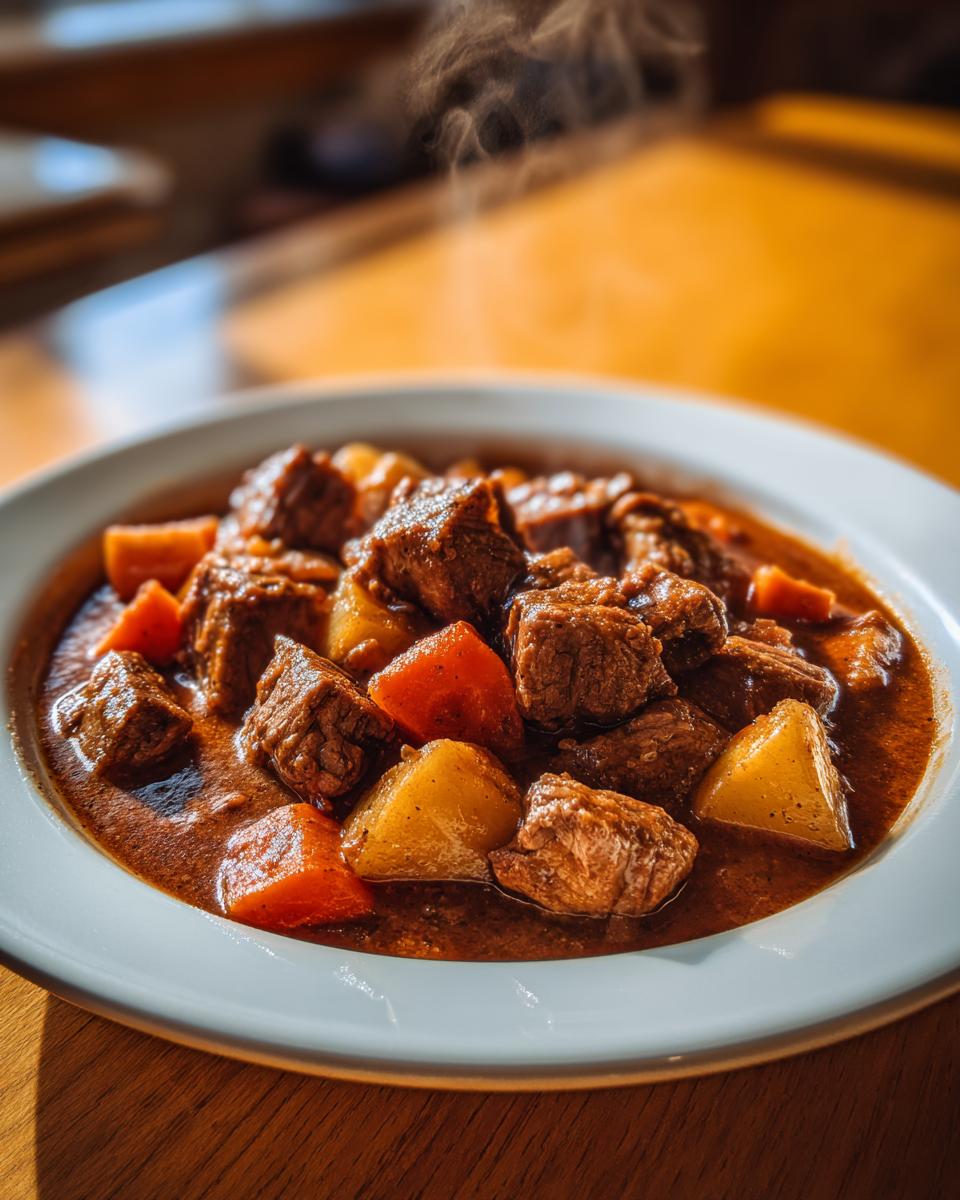
The Ultimate Comfort Food Stew Experience
This is pure comfort in a bowl, truly the ultimate comfort food stew. It smells like home the second you walk in the door. Every bite is rich, hearty, and incredibly savory, tasting like it simmered all weekend long, even if you only started it this morning.
Essential Ingredients for Your Pork Stew
When running a tight schedule, ingredient quality and clarity matter because we don’t have time for second attempts. This list is definitive. I’ve broken down exactly what you need for this robust, one-pot meal. Every item plays a critical role in delivering that deep, satisfying flavor we are aiming for in this pork stew.
- 3 lbs pork shoulder, cut into 1-inch cubes—don’t substitute this cut, seriously!
- 2 tablespoons olive oil (for searing)
- 1 large yellow onion, chopped
- 3 cloves garlic, minced
- 4 medium carrots, peeled and cut into 1-inch pieces
- 3 medium russet potatoes, peeled and cut into 1-inch pieces
- 4 cups low-sodium chicken broth
- 1 cup dry red wine (if you skip this, add more broth—no worries!)
- 2 tablespoons tomato paste
- 1 teaspoon dried thyme
- 1 teaspoon dried rosemary
- 1 bay leaf
- 1 tablespoon Worcestershire sauce
- Salt and black pepper to taste
- 2 tablespoons cornstarch mixed with 3 tablespoons cold water (this forms our thickening slurry)
We’ll use that last component, the slurry, right at the end to ensure the broth has the rich body required for a phenomenal stew. If you need a little inspiration for other rich dishes, my wild rice soup recipe is another excellent option for a cozy night.
Ingredient Notes and Substitutions for Perfect Pork Stew
Let’s talk execution here. For the pork, you absolutely must use pork shoulder, often called pork butt. That fat and collagen content is what breaks down over 8 hours to create that signature melt-in-your-mouth texture. If you can’t use the red wine, just use an extra cup of the chicken broth; it won’t mess up the structure at all.
And here’s the crucial part for building the savory pork broth: that initial browning step? Non-negotiable. That color and crust on the meat is pure flavor locking in. I learned the hard way early on that adding raw pork shoulders straight to the slow cooker yields a pale, flat-tasting result. Searing first is how you manage complexity efficiently.
Step-by-Step Instructions for the Best Pork Stew
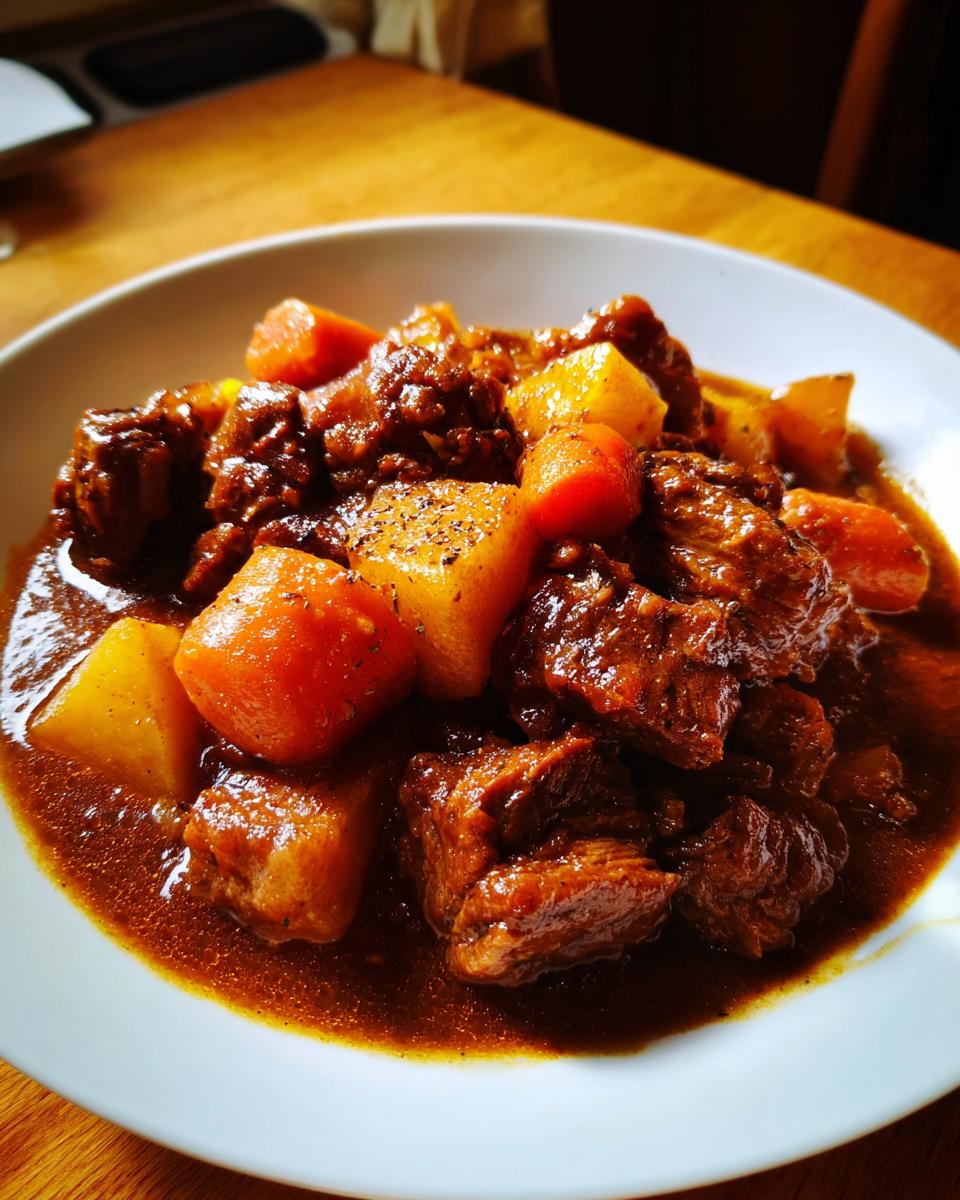
This is where the ‘project management’ really pays off. We’re setting up the system to run itself. Follow these engineering steps precisely, and you guarantee yourself a truly spectacular hearty pork dinner at the end of the day. Remember, the slow cooker does the heavy lifting, but our prep work dictates the final flavor profile.
- First up, pat your pork cubes totally dry. Seriously, a dry surface browns better. Then, season them aggressively with salt and pepper—be generous!
- Get your skillet hot over medium-high heat and add the oil. You need the pan hot before the pork goes in. Brown those cubes in batches until they have a nice crust on all sides. Never overcrowd the pan, or you end up steaming the meat instead of searing it.
- Once the meat is out, toss in your chopped onion and sweat those down until they’re soft, about five minutes. Then throw in the garlic; just cook it until you can smell it—that’s usually 60 seconds.
- Now, transfer all that wonderful browned material—pork, onions, garlic—into the bottom of your slow cooker basin.
- Add the rest of your core ingredients: carrots, potatoes, broth, wine (if you’re using it), the tomato paste, thyme, rosemary, bay leaf, and Worcestershire sauce. Give it a gentle stir to combine everything in that liquid bath.
- Time to walk away! Cover it up and let it cook on LOW for 7 to 8 hours, or if you started it mid-morning, cook on HIGH for 3.5 to 4 hours. Check it when the time is nearly up and the pork should just shred apart.
- Pull out that bay leaf—we don’t want anyone biting into that! Taste the broth. Does it need more salt or pepper? Now is the time to adjust.
- If you want that thick, luxurious gravy consistency, here’s the final step. Whisk your cornstarch and cold water together until it’s totally smooth (that’s the slurry). Stir that right into the cooker, cover it, and cook on HIGH for about 15 to 20 minutes until that savory pork broth thickens up nicely.
Browning the Meat: Flavor Foundation for Your Pork Stew
I cannot stress this enough: Step 2, the browning, is your flavor insurance policy. When I was first learning to cook efficiently, I ignored this step thinking, “It’s going into a slow cooker anyway, who cares?” Big mistake. Searing creates the fond—those flavorful brown bits stuck to the bottom of the pan. That fond is the base note for the entire pork stew. When you deglaze with the onions, all that concentrated flavor lifts right out and into your dinner. It’s simple chemistry, and skipping it nets you a dull stew.
Thickening the Savory Pork Broth
Look, sometimes even the long cooking time doesn’t give you the thick gravy you crave, especially if you skip the wine. That’s where the cornstarch slurry (Step 8) comes in. Timing is everything here. You should only add this *after* the meat is totally tender, or the cornstarch will seize up and turn pasty. You’ll know it’s working because the liquid will go from watery to glossy and coat the back of a spoon right there in the slow cooker. It’s a fast-acting modification to perfect the broth consistency without adding endless extra time.
If you’re looking for other recipes where controlling the liquid balance pays off big time, you might enjoy my steps for making easy homemade mayonnaise—it’s all about emulsification!
Tips for Success with Your Crock Pot Pork Stew
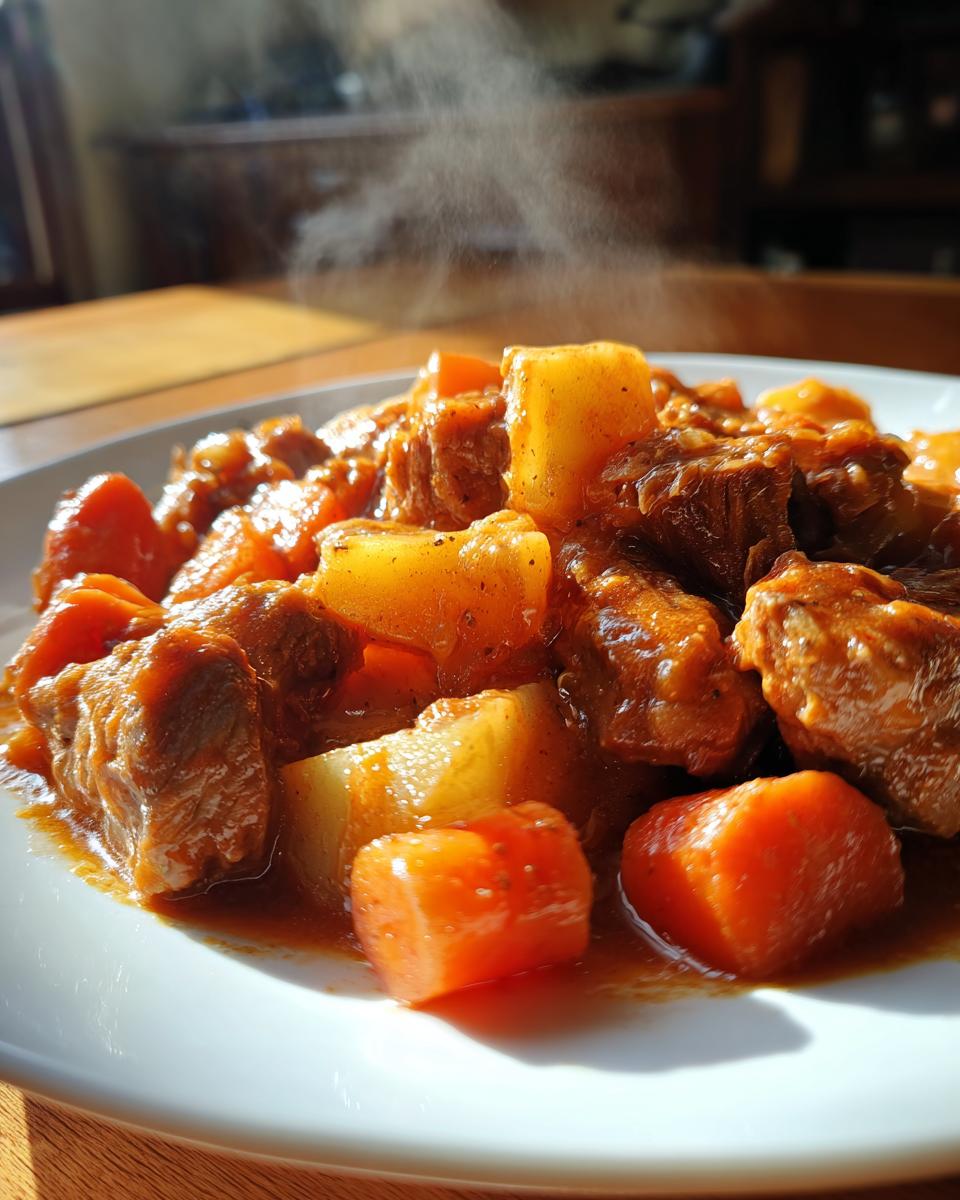
Since we optimized this recipe to be a low-effort affair, I want to give you a few manager-level hacks to ensure everything runs smoothly. These tips come directly from testing failures and wins while perfecting this staple easy pork stew. We want every component of your pork and vegetable stew to shine, not just the meat.
Here are my top strategies for total Crock-Pot optimization:
- Don’t Add Potatoes Too Early: I know the recipe shows adding them all at once, and for the 8-hour cook, that works. But if you cook on HIGH, or need to extend your time, potatoes can get that mealy, sad texture. If you are unsure about timing, hold the potatoes back for the last 2 hours of cooking. They cook fast enough to prevent mushiness but still soften perfectly.
- Double Down on Herbs: Since slow cooking mutes delicate flavors over time, I always lean into the dried herbs. If the recipe calls for 1 teaspoon of rosemary and thyme, go ahead and use 1.5 teaspoons. That extra oomph ensures the herbal notes cut through the richness of the pork and broth when you finally sit down to eat.
- Check Those Spices Later: Always wait until the very end (Step 7) to adjust salt and pepper. You reduce a lot of liquid during the long cooking time, which concentrates the natural sodium from the broth and Worcestershire sauce. If you salt early, you’ll end up with an overly salty final product. Patience pays off here!
For serving this truly homestyle meal, you’ll want something sturdy to sop up every last drop of that thickened gravy. Check out my recipe for sourdough sandwich bread—it’s the perfect pairing for dipping!
Variations on the Classic Pork Stew Recipe
This basic slow cooker pork stew recipe is solid gold, but that doesn’t mean we can’t customize it a bit to shake things up mid-season! If you find yourself making this amazing pork stew weekly—which I totally encourage, by the way—you might want a slight twist. Think of the base recipe as the perfect engine; we are just changing the paint job and accessories.
Here are three foolproof ways to pivot this recipe toward different flavor profiles without totally redesigning the schedule. You’ll still get that tender pork, but with a new personality!
Going Southwestern
If you want to give your hearty pork dinner a little kick, this is the easiest change. This is how you turn it into something close to a Southwestern style. Skip the rosemary and thyme completely. Instead, add one can of drained black beans (toss them in at the same time as the potatoes), one can of diced green chilies (undrained!), and swap the dried thyme for a teaspoon of ground cumin and a half-teaspoon of oregano. You might even throw in a pinch of cayenne if you like a little heat. It transforms the broth into something bright and zesty!
Making an Italian Pork Stew
For a richer, almost rustic tomato base—think of an Italian pork stew vibe—we ditch the Worcestershire sauce and the wine substitution. Instead, when you sauté the onions and garlic, add an extra tablespoon of tomato paste and let it cook until it darkens slightly. Then, swap the thyme and rosemary for two teaspoons of Italian seasoning blend. If you have some diced celery available, toss that in with the onions, too! It gives the base a fantastic aromatic depth that screams traditional comfort food.
A Brighter, Lighter Vegetable Pork Stew
Sometimes you just need something a little less heavy, especially if you are eating this earlier in the fall. For a lighter feel in your pork and vegetable stew, reduce the chicken broth down to three cups and skip the thickening slurry entirely. We want that thin, brothy texture! To boost the freshness, add a full cup of frozen peas and chopped fresh parsley right in the last 30 minutes of cooking. The peas add a pop of sweetness and color, making the whole dish feel less heavy while still delivering that fall-apart pork texture.
These simple adjustments mean you get variety without adding complex extra steps, keeping dinner efficient. If you’re into baking to complement your comfort meals, you might enjoy my recipe for the German plum cake—it’s surprisingly straightforward!

Serving Suggestions for a Homestyle Pork Dinner
Alright, you have achieved the perfect tender pork stew—it’s rich, it’s thick, and it smells incredible. Now, how do we serve this magnificent production? For a truly homestyle pork dinner, you need something sturdy to manage that incredibly savory pork broth. I highly recommend a stack of crusty French bread or my recipe for easy homemade copycat Olive Garden breadsticks for maximum dipping power.
If you prefer a starch base, serving this over creamy mashed potatoes or simple white rice is always a winning configuration. A little side of lightly sautéed Swiss chard or spinach gives you the slightest fresh bite against all that richness!
Storage and Reheating Instructions for Leftover Pork Stew
One of the best parts about making a big batch of pork stew? The leftovers! This is a meal engineered for efficiency, remember? Stews always seem to taste better the next day because the flavors have had time to really meld and settle into that thick, savory pork broth. Treating leftovers right is key to maintaining that just-made quality.
For storage, you need airtight containers, obviously, but here’s the trick: let it cool down on the counter for about an hour first. Cramming hot food into the fridge messes with your appliance temperature. Once it’s cooled slightly, break the stew into individual serving-sized containers. This makes thawing and reheating much faster later on. This easy pork stew will last beautifully in the fridge for up to four days. If you need something for the freezer, stick to the advice in my easy rice casserole recipe post on freezer prep.
The Stovetop Method: Best for Flavor Revival
If you have the time, the stovetop is the superior method for reheating any kind of stew, especially one with intact vegetables like this pork and vegetable stew. Scoop the desired amount into a sturdy saucepan over medium-low heat. Don’t scorch the bottom! Stir it every few minutes. This gentle, even heat warms the meat and potatoes through without making anything tough or mushy.
Microwaving Quicker Pork Stew Reheating
Look, I get it—sometimes you need dinner in five minutes flat. The microwave works in a pinch, but you have to be careful. Cover the container with a microwave-safe lid or vented plastic wrap (it lets steam escape, preventing explosions!). Use medium power instead of high, and heat in 60-second intervals, stirring thoroughly between each one. High power tends to magnetize the liquid, making the edges scalding hot while the center is still cold. We want uniform warmth for that perfect hearty pork dinner experience.
Frequently Asked Questions About Making Pork Stew
I often get emails asking about variations or troubleshooting for this essential pork stew recipe. Since my focus is always efficiency, I figured I’d answer the most common points here so you can get dinner on the table faster! Getting the details right ensures you end up with the *best pork stew* possible. If you are looking for flavor twists, you can see how I adapted this base for an Italian pork stew variation!
Can I make this pork stew recipe in an Instant Pot?
Absolutely! If you need to expedite this process, the Instant Pot is a fantastic tool. The key difference is the cook time. Instead of 8 hours on LOW in the Crock-Pot, you’ll follow the browning and sauté steps (Steps 2 and 3) right in the main pot. Everything else goes in, and then you pressure cook on High setting for about 45 minutes. Then let the pressure naturally release for 10 minutes before doing a quick release. This gets you that wonderfully tender pork much faster than a straight slow cooker approach. It’s a great alternate route for an easy pork stew.
What is the best cut of meat for pork stew?
This is one of those areas where I insist on following the manual. You need pork that has some fat and plenty of connective tissue, which is why pork shoulder—also labeled as pork butt—is your only real choice here for that melt-in-your-mouth result. That collagen needs hours of low heat to dissolve into gelatin. If you use a leaner cut, like fresh pork loin, you’ll end up with dry, chewy cubes instead of that coveted *fall apart pork stew* texture. Stick to the shoulder, brown it well, and let the slow cooker work its magic!
We designed this recipe to be the foundation for any great, warming meal. If you love hearty, comforting food, you’ve got to check out my tips for easy creamy chicken corn chowder next.
Nutrition Estimates for This Hearty Pork Dinner
Now, I know we focus on flavor and efficiency here at Dishicious, but for those of you tracking metrics, I always provide these figures. Remember, these numbers are estimates based on the ingredients listed above and don’t account for any optional additions like wine or adjustments you make during thickening. For a deeply satisfying meal like this pork stew, I think the payoff in comfort vastly outweighs tracking every calorie!
Here is a general breakdown per serving:
- Serving Size: 1.5 cups
- Calories: 450
- Sugar: 8g
- Sodium: 450mg
- Fat: 18g (with 6g saturated fat)
- Carbohydrates: 35g
- Fiber: 5g
- Protein: 40g
If you are looking for side dishes that pair well with this robust flavor profile—maybe some roasted root veg—you should definitely check out my instructions for roasted sweet potato cubes. They need minimal oversight while your crock pot pork stew finishes up!
PrintUltimate Slow Cooker Pork Stew: Tender Family Comfort Food
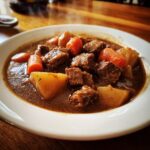
This recipe delivers fork-tender pork and hearty root vegetables in a savory broth. Use your slow cooker for an easy, comforting dinner that requires minimal effort.
- Prep Time: 20 min
- Cook Time: 8 hours
- Total Time: 8 hours 20 min
- Yield: 6 servings 1x
- Category: Dinner
- Method: Slow Cooking
- Cuisine: American
- Diet: Low Fat
Ingredients
- 3 lbs pork shoulder, cut into 1-inch cubes
- 2 tablespoons olive oil
- 1 large yellow onion, chopped
- 3 cloves garlic, minced
- 4 medium carrots, peeled and cut into 1-inch pieces
- 3 medium russet potatoes, peeled and cut into 1-inch pieces
- 4 cups low-sodium chicken broth
- 1 cup dry red wine (optional, substitute with more broth)
- 2 tablespoons tomato paste
- 1 teaspoon dried thyme
- 1 teaspoon dried rosemary
- 1 bay leaf
- 1 tablespoon Worcestershire sauce
- Salt and black pepper to taste
- 2 tablespoons cornstarch mixed with 3 tablespoons cold water (for slurry)
Instructions
- Pat the pork cubes dry and season generously with salt and pepper.
- Heat the olive oil in a large skillet over medium-high heat. Brown the pork in batches on all sides. Do not overcrowd the pan. Remove the browned pork and set it aside.
- Add the chopped onion to the skillet and cook until softened, about 5 minutes. Add the minced garlic and cook for 1 minute more until fragrant.
- Transfer the browned pork, onions, and garlic to the basin of your slow cooker.
- Add the carrots, potatoes, chicken broth, red wine (if using), tomato paste, thyme, rosemary, bay leaf, and Worcestershire sauce to the slow cooker. Stir everything together gently.
- Cover the slow cooker and cook on LOW for 7 to 8 hours or on HIGH for 3.5 to 4 hours, until the pork is fork-tender.
- Remove the bay leaf. Taste the broth and adjust seasoning with salt and pepper if needed.
- If you prefer a thicker stew, stir the cornstarch slurry into the slow cooker. Cover and cook on HIGH for 15 to 20 minutes, or until the broth has thickened.
- Serve this hearty pork dinner hot with crusty bread.
Notes
- For the best texture, brown the pork before adding it to the slow cooker. This step builds deep flavor in the savory pork broth.
- If you skip the thickening step, this recipe results in a thinner, soup-like consistency.
- This easy pork stew recipe is excellent for meal prepping; it stores well in the refrigerator for up to 4 days.
Nutrition
- Serving Size: 1.5 cups
- Calories: 450
- Sugar: 8
- Sodium: 450
- Fat: 18
- Saturated Fat: 6
- Unsaturated Fat: 12
- Trans Fat: 0
- Carbohydrates: 35
- Fiber: 5
- Protein: 40
- Cholesterol: 110