

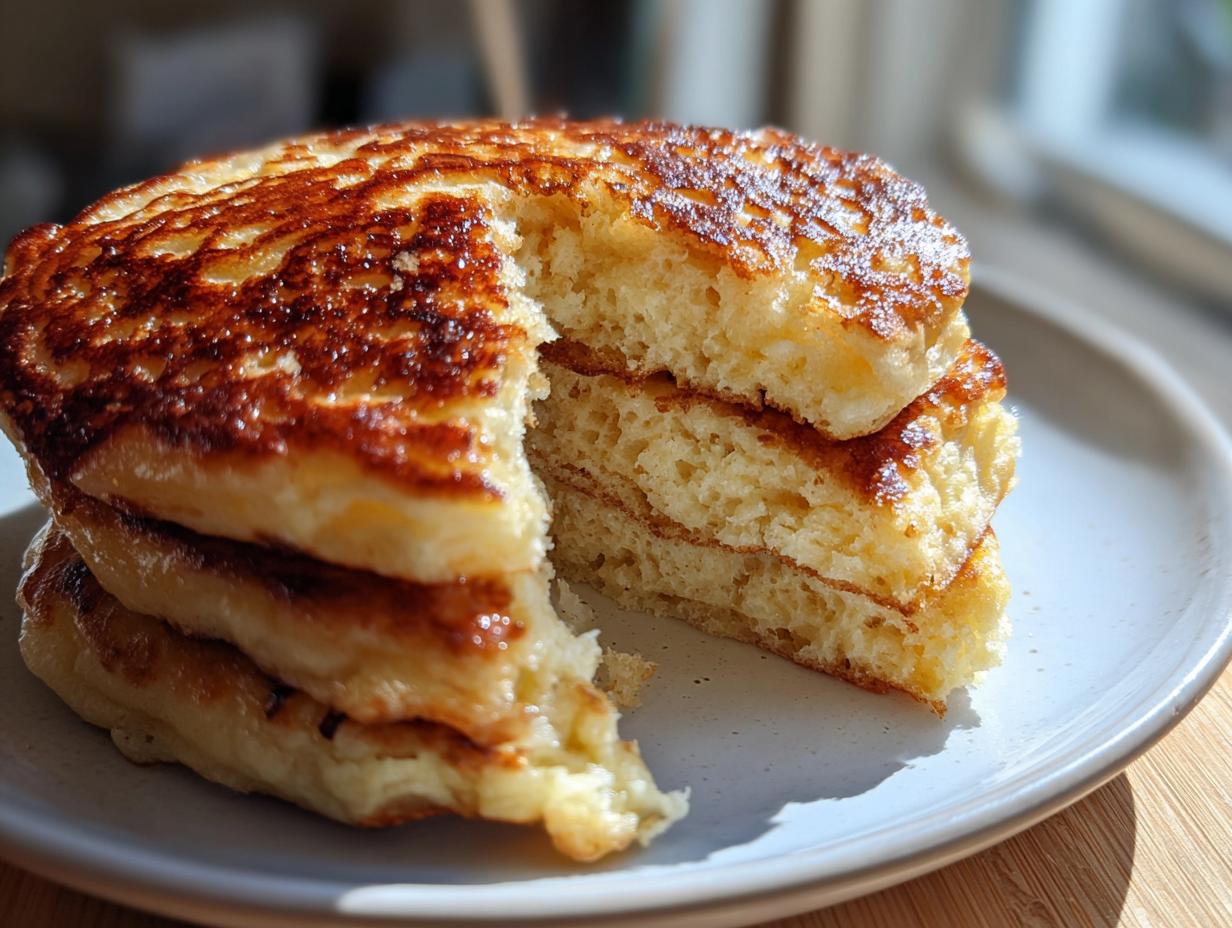
If you’re managing a sourdough starter, you know the drill: the constant cycle of feeding means you always end up with excess unfed starter. I used to feel like I was pouring baking gold down the drain! That’s where my project manager brain kicks in. We optimize processes, and that includes taking kitchen scraps and turning them into high-value breakfast. Forget waiting for a long ferment; these discard pancakes are the zero-waste solution you need. I engineered this recipe to deliver incredibly light, fluffy texture and that perfect tangy complexity, all while keeping prep time under 30 minutes. It just works.
- Why These Are The Best Discard Pancakes You Will Ever Make
- Ingredients Needed for Fluffy Discard Pancakes
- Expert Tips for Perfect Discard Pancakes Every Time
- Step-by-Step Instructions for Quick Discard Pancakes
- Making Your Discard Pancakes Golden Brown
- Serving Suggestions for Your Tangy Pancakes
- Storage and Make-Ahead Options for Discard Pancakes
- Frequently Asked Questions About Discard Pancakes
- Nutritional Snapshot of Your Discard Pancakes
Why These Are The Best Discard Pancakes You Will Ever Make
Look, there are a million pancake recipes out there, but these sourdough discard pancakes hit a sweet spot that others miss. I developed this formula specifically after testing several versions that came out too dense or too sour. We’re aiming for perfection here, not just throwing stuff in a bowl. When you streamline a recipe, you highlight what works best, and that’s exactly what we’ve done.
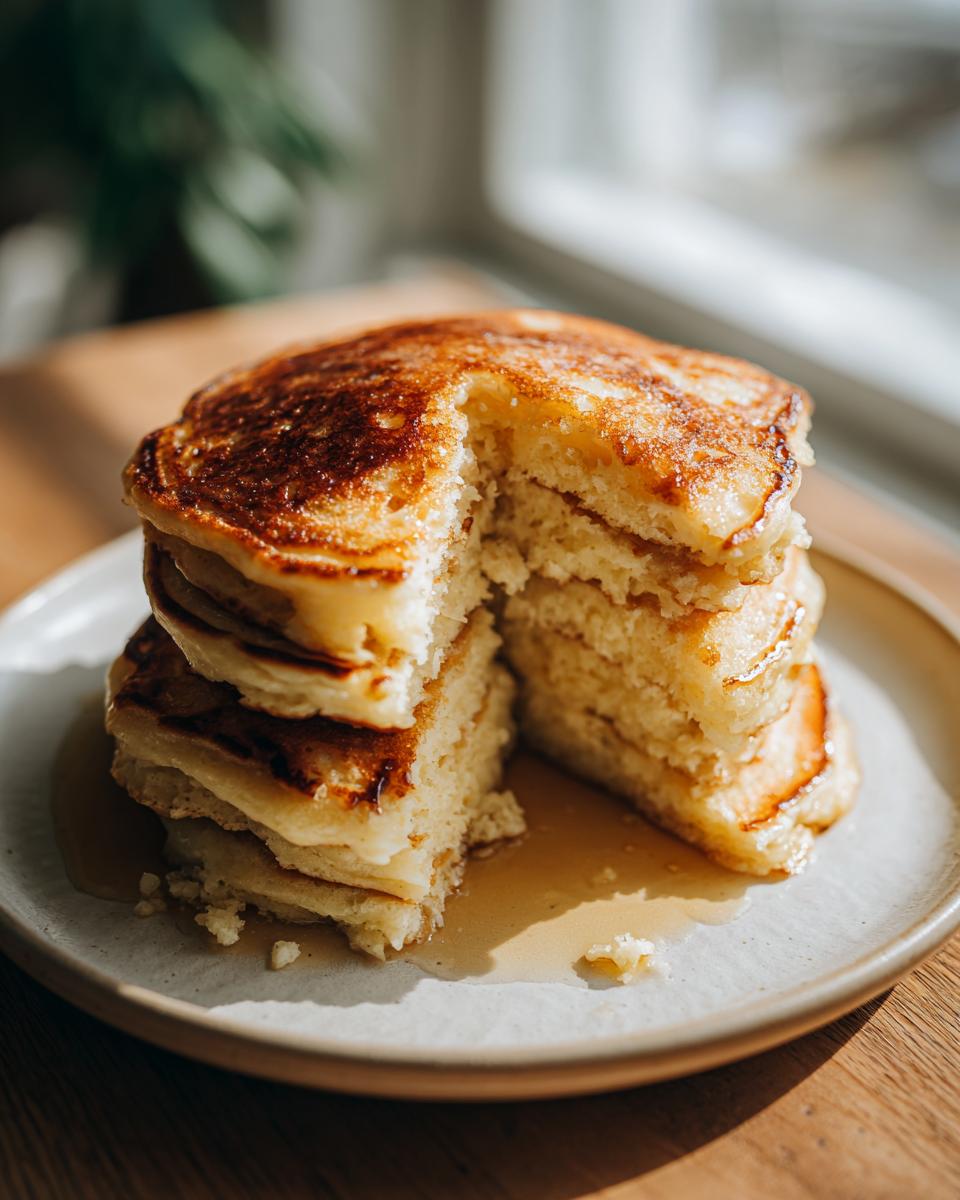
- Incredibly Fluffy Stack: We use the right balance of leavening agents alongside the discard to guarantee you get those thick, light, and airy pancakes every single time. No more sad, flat discs!
- Perfect Tang Factor: That subtle tang of fermentation comes through wonderfully, adding depth that regular pancakes just can’t match. It’s sophisticated breakfast flavor without the fuss.
- True ‘No Wait Pancakes’: This is key for my busy schedule. Unlike traditional sourdough baking, this recipe is ready to go as soon as you mix it—perfect for a quick weekday breakfast or when brunch plans change last minute.
- Zero-Waste Win: This is genuinely how you stop wasting valuable starter. You aren’t baking bread; you’re making an amazing sourdough cornbread alternative for breakfast!
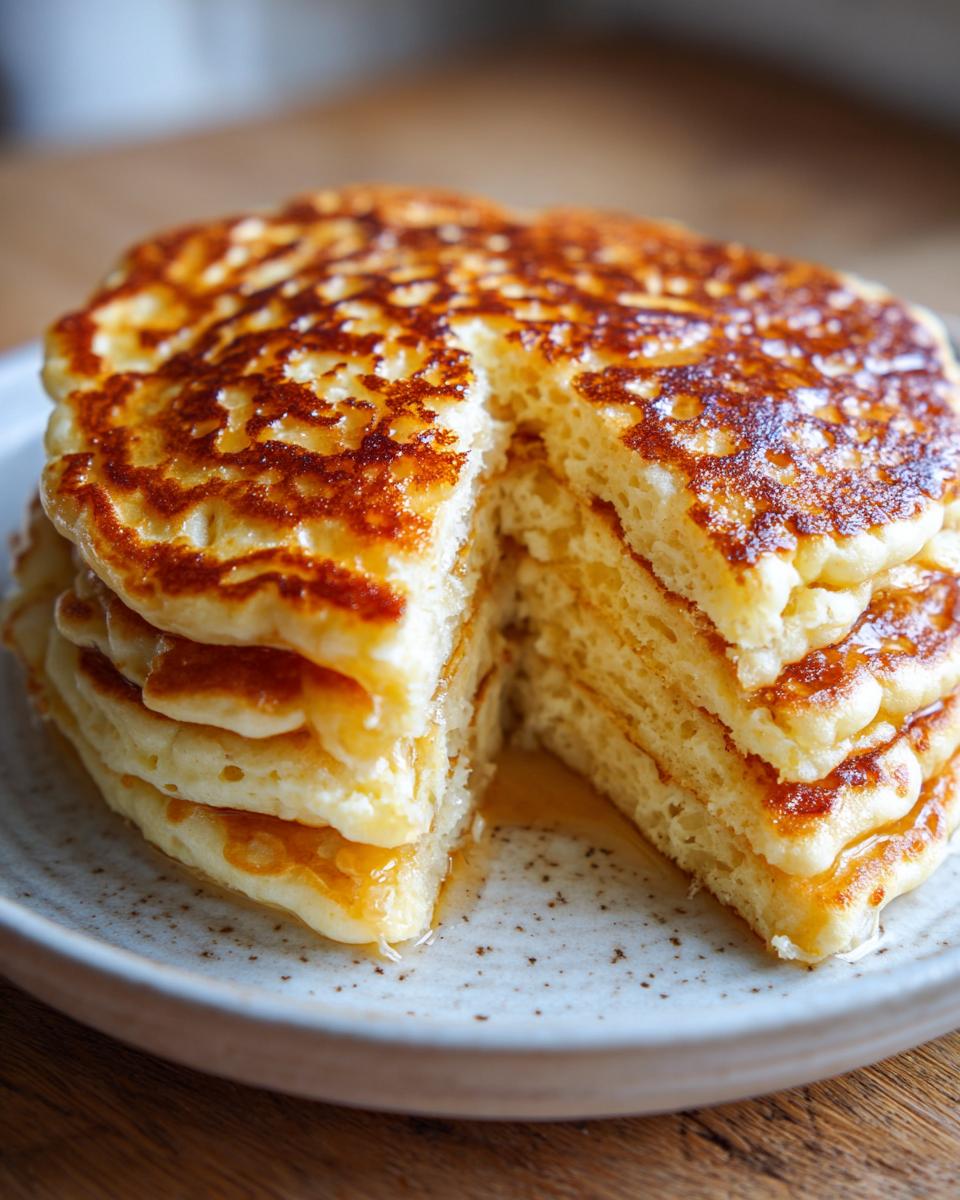
Ingredients Needed for Fluffy Discard Pancakes
When you look at this list, you’ll see we rely on standard pantry staples. That’s efficiency in action. We aren’t adding weird enhancers; the sourdough discard is doing most of the heavy lifting flavor-wise! Here’s exactly what you need to pull them together quickly:
- 1 cup sourdough discard (must be unfed starter)
- 1 cup all-purpose flour
- 2 tablespoons granulated sugar
- 1 teaspoon baking powder
- 1/2 teaspoon baking soda
- 1/4 teaspoon salt
- 1 large egg
- 1 cup milk (buttermilk preferred for extra tang)
- 2 tablespoons melted unsalted butter, plus more for the griddle
Expert Tips for Perfect Discard Pancakes Every Time
When I developed this recipe—my key approach for integrating any sourdough starter from scratch guide—I focused on predictability. We need results that are reliable, especially for weekend breakfast when everyone is waiting. The difference between good pancakes and truly great ones lies in respecting a couple of small, crucial steps. Trust me on these points; they separate the amateur effort from the perfectly fluffy stack.
Achieving Maximum Loft: The Rest Period Secret
You absolutely must let the batter rest for 5 to 10 minutes after you mix everything. This isn’t optional downtime; it’s part of reaction time. While the mixture sits, the baking powder and baking soda start working their magic, creating those tiny gas bubbles needed for that signature height. It’s a simple chemical process that maximizes your lift, giving you those light and airy pancakes people rave about.
Ingredient Notes and Substitutions for Your Discard Pancakes
A couple of quick notes to optimize your flavor and texture. First, if you have buttermilk, use it instead of regular milk. That extra acid really amps up the tangy flavor profile you want from sourdough discard pancakes. Second, for edges that are slightly crisper—something my testing showed added great texture—stir in just one teaspoon of melted butter directly into the finished batter right before you scoop it onto the griddle.
My biggest warning, and I tell everyone this: Do not overmix the batter! Once the wet meets the dry, mix only until you see the streaks disappear. If you mix until it’s perfectly smooth, you’re developing gluten, and gluten means tough, rubbery pancakes. Lumps are your friends here; they are promise of fluffiness.
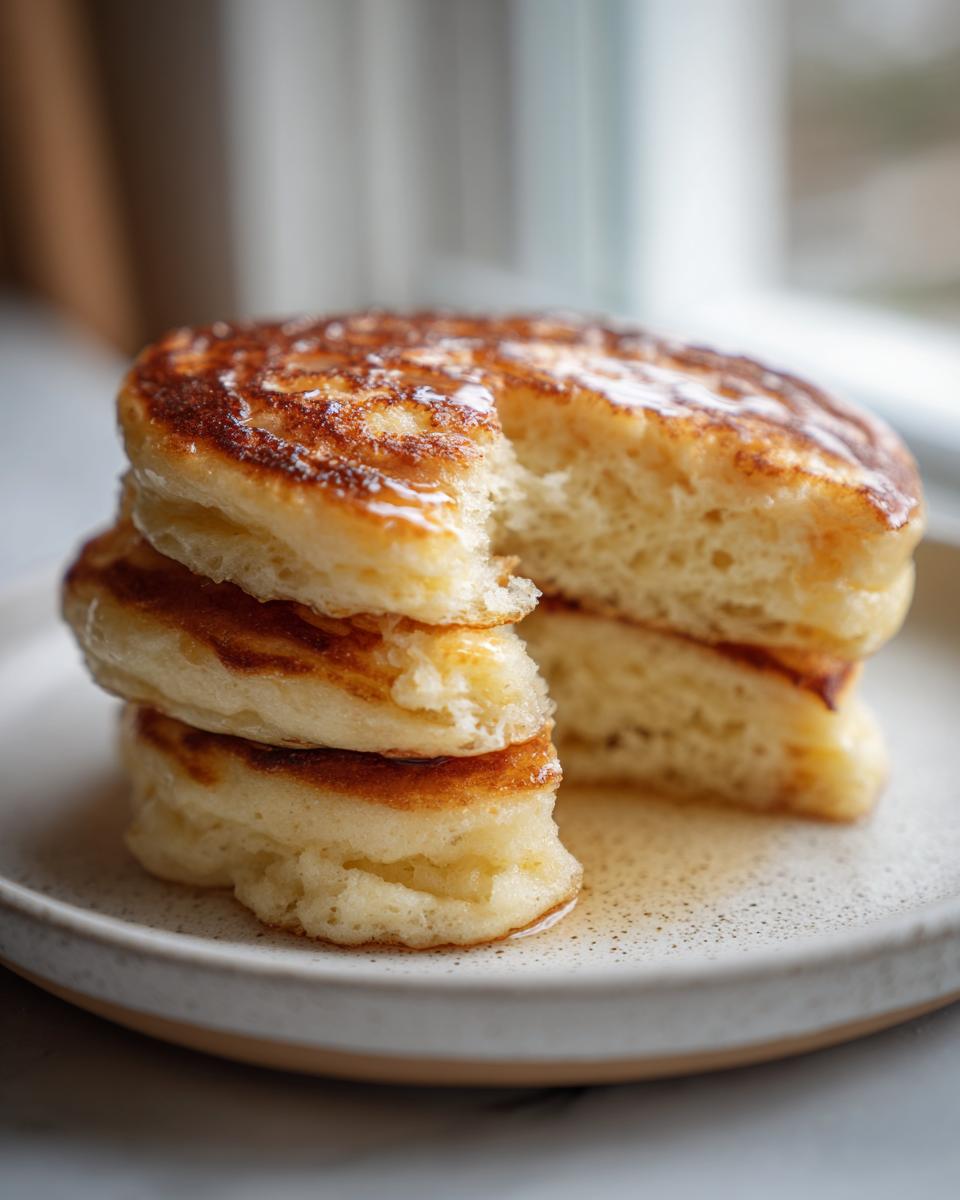
Step-by-Step Instructions for Quick Discard Pancakes
Alright, organization is key here. We’re moving fast because we want these amazing, fluffy breakfast treats on the table without any drama. Think of this as a pit stop for maximum breakfast efficiency. Grab your bowls and let’s get to work. We need to combine the dry elements first to make sure everything is evenly distributed before the moisture hits.
- First, grab your largest bowl—we want to keep this tidy—and whisk together all your dry components: the flour, sugar, baking powder, baking soda, and salt. Give that a good mix so the leavening is ready to perform when its time comes. This ensures we don’t get a pocket of baking soda in one spot!
- In a separate, medium-sized bowl, that’s where the wet stuff goes. Whisk the sourdough discard, the egg, and the cup of milk together until they look reasonably combined. Don’t worry about perfection here; it’s just getting acquainted.
- Now for the critical step we talked about! Pour all those wet ingredients right into the dry mixture. Mix gently, and I mean gently. Use a whisk or a sturdy spatula, and stop mixing the second you see most of the flour streaks disappear. If you see a few lumps? Excellent. That means they are going to be light. If you mix too much, they get tough, and that’s a project failure in my book.
- Time to let them relax. Set the batter aside on the counter for 5 to 10 minutes. This short rest period is non-negotiable for achieving that spectacular loft. This little break activates the leavening, setting you up for the best sourdough discard pancakes stack.
- While they are resting, get your griddle or skillet heating up over medium heat. You want it hot enough that a drop of water sizzles immediately, but not smoking. Lightly grease the surface with butter or spray.
Once rested, you are ready to cook! Remember that if you’re thinking about making homemade naan bread, technique matters—and it matters here too! Scoop about 1/4 cup of batter per pancake onto the hot cooking surface.
Making Your Discard Pancakes Golden Brown
This is where the magic finishes, and frankly, where a lot of home cooks lose their nerve! Getting that perfect golden brown pancake is all about temperature control. I am firm on medium heat for the griddle. Too low, and the pancakes dry out before browning, resulting in pale, thin discs. Too high, and you burn the outside while the inside is still raw batter. We aim for consistent, even heat here—it’s all about process management!
Make sure you grease the pan lightly before each batch, or at least every other batch. Seeing that melted butter lightly sizzle when it hits the surface tells you the temperature is just right for that first scoop of batter. Pour about 1/4 cup for a good, respectable stack size.
Now, the flip. This is the crucial visual cue I look for. You need to watch the surface closely. When you start seeing bubbles form all over the top—and critically, when those bubbles start to break and stay open instead of popping back—that’s your signal. The edges should look set and slightly dry, not wet. That means it’s time to slide the spatula underneath and flip it with confidence!
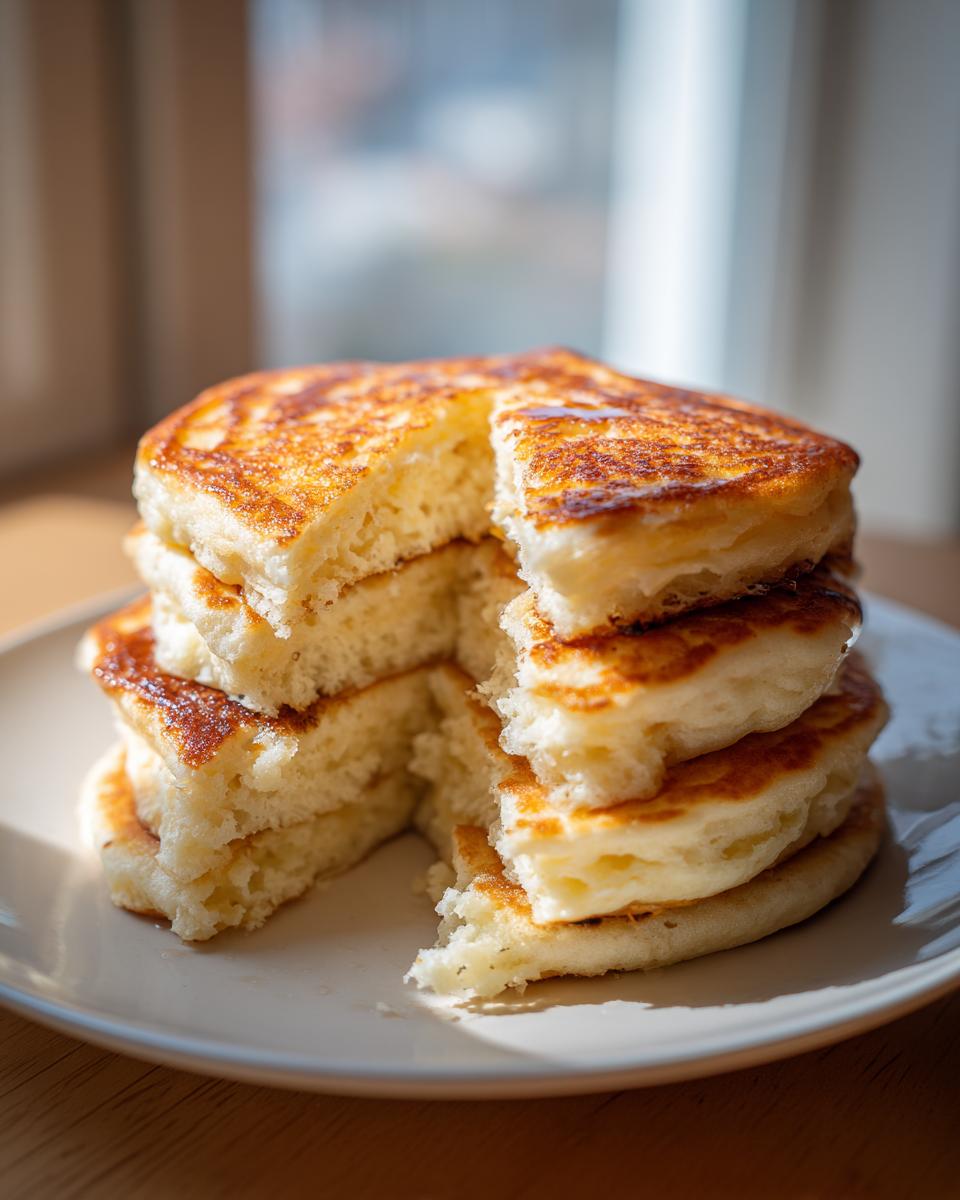
The second side cooks faster, usually only about one to two minutes. You are looking for that beautiful, deep golden brown color—that beautiful caramelized exterior that locks in the fluffiness we worked so hard to create in the batter. Don’t press down on them once they are flipped, please! Pressing releases all the trapped air we worked to build up. Just let them cook, flip once, and stack them up hot!
Serving Suggestions for Your Tangy Pancakes
These tangy pancakes are such a versatile base for a fantastic homemade breakfast. Because the sourdough discard gives them a slight complexity, you don’t need super fancy toppings to make them sing. Keep it simple, keep it delicious! My favorite approach, especially for a weekend brunch, is pairing them with a generous knob of melting butter and good quality maple syrup—that sweet and tangy combination is unbeatable.
If you want to elevate the meal slightly, a handful of fresh berries works wonders. Blueberries or sliced strawberries cut through the richness perfectly. For something hearty, try serving a stack alongside some crispy bacon or maybe even some of my easy blueberry protein muffins for a balanced brunch effort!
Storage and Make-Ahead Options for Discard Pancakes
I know what you’re thinking: Can I make these ahead? When running a tight kitchen schedule, planning is essential. The great news is that these discard pancakes are fantastic for meal prepping, which means more relaxing on the weekend. For those mornings where you just want to grab and go, we have options.
First, let’s talk about the batter. As I mentioned in the notes, you can totally make this batter the night before. Just mix it up exactly as the recipe says, cover that bowl tightly, and stick it in the fridge. It will hold beautifully overnight. When morning comes, pull it out, give it a very gentle stir—it might look a little separated, that’s fine—and cook them fresh. This is a huge time saver for serving a crowd!
If you want to make a big batch of cooked pancakes, that works too! Once they are cooled completely—make sure they aren’t steaming—you want to freeze them flat, separated by a small square of parchment paper. Pop them into a sealed, freezer-safe bag. This stops them from sticking together, which is critical for successful reheating. They last easily up to two months this way.
Reheating is easy, but you have to be gentle to keep that beautiful fluff we worked so hard for. The best method is popping them directly into a toaster or a toaster oven for a few minutes. That gets the outside crisp again while warming the inside perfectly, kind of like a second fry. If you’re doing a big stack, 30 seconds in the microwave and then a quick minute in a dry skillet warms them through without making them rubbery. Remember, we want this to feel like a cozy homemade breakfast, not a frantic kitchen rescue!
If you’re using a recipe that requires overnight fermentation, be sure you check out suggestions over at Country Road Sourdough, but for our quick version, refrigerating the mixed batter is totally achievable for that faster prep.
Frequently Asked Questions About Discard Pancakes
When you’re optimizing your kitchen workflow, questions always pop up. It’s logical! We streamlined this whole process to be beginner-friendly, but sometimes you need clarification on ingredients or deviations. Here are the most common things folks ask when they are diving into Sourdough Discard Recipes for the first time.
Can I use active, bubbly sourdough starter instead of the discard?
You absolutely can, but you’ll change the outcome! If you use active, recently fed starter, the leavening power doubles up. Since this recipe already has baking powder and soda, using active starter means you’ll end up with pancakes that are almost *too* puffy and might collapse after cooking. For this specific recipe aiming for that perfect ‘no wait’ texture, unfed discard is what gives us the right balance of acid and density.
Will these pancakes taste very sour?
That’s the best part! Because we are using unfed discard and cooking the batter right away, they aren’t overly sour. The tang is subtle—a lovely background note that adds complexity, better than a standard buttermilk pancake. If you prefer more of a bite, you can switch to full buttermilk, but generally, the flavor is perfectly balanced for a sweet breakfast.
What happens if I skip the 5 to 10-minute rest time?
If you skip the rest, you’re sacrificing loft. That rest period is non-negotiable for achieving that light and airy pancakes promise. Without that time, the chemical reactions between the baking soda/powder and the acid in the discard don’t fully activate. Your pancakes will still taste great, but they will press flatter on the griddle. For me, part of successful Starter Discard Baking is respecting those short chemical windows!
Can I use whole wheat or rye discard instead of white flour discard?
That’s a great customization question! Yes, many people use whole grain starter discard. If you substitute some of the all-purpose flour with whole wheat or rye, the pancakes will be slightly denser and might absorb moisture differently. I always suggest keeping at least 3/4 cup of all-purpose flour in the dry mix just to maintain that signature fluffiness we engineered. You might also need an extra splash of milk if the batter seems too stiff.
Is this zero-waste recipe also good for reheating?
Definitely. This formulation holds up well when reheated, which is crucial for true weeknight convenience. They don’t get gummy like some recipes do. To reheat without a fuss, use a toaster oven—it crisps the outside slightly while warming the inside evenly. If you need to cover them in gravy instead of syrup, remember you can check out my guide for homemade brown gravy recipe with no drippings for another quick win!
Nutritional Snapshot of Your Discard Pancakes
I know some folks track macros or are just curious about what they’re stacking up on their plate for breakfast, so I always try to provide a reliable estimate. Since we are dealing with simple ingredients here—flour, egg, butter, and that discard—the figures are pretty standard for a rich breakfast pancake. This breakdown is based on using regular milk, not buttermilk, just so you have a baseline.
Remember, this is based on standard ingredient measurement execution—if you use a ton more butter for frying or drown them in heavy syrup, those numbers are going to jump up fast! Think of this as the core nutrition profile of about two medium-to-large pancakes.
- Serving Size: 2 pancakes (which is a nice, good-sized plate!)
- Calories: 280
- Fat: 10g (This includes the butter mixed into the batter, which is essential for texture!)
- Saturated Fat: 5g
- Carbohydrates: 40g
- Sugar: 6g (Mostly from the added granulated sugar)
- Protein: 8g
- Fiber: 1g
- Sodium: 350mg
It’s important to know that these numbers are estimates to provide transparency to our Dishicious readers. Ingredient brands vary, and exactly how much butter you use on the griddle can change things significantly. But overall, this gives you a solid idea of what you are enjoying when you make these quick pancake recipe favorites!
PrintThe Ultimate Fluffy Sourdough Discard Pancakes: Quick & Easy (Zero-Waste)
Stop wasting your sourdough starter. Transform your unfed discard into incredibly light, fluffy, and tangy pancakes perfect for a weekend family breakfast. This zero-waste sourdough recipe is surprisingly quick, delivering the best homemade sourdough breakfast without needing an active starter.
- Prep Time: 10 min
- Cook Time: 15 min
- Total Time: 25 min
- Yield: About 8 medium pancakes 1x
- Category: Breakfast
- Method: Griddling
- Cuisine: American
- Diet: Vegetarian
Ingredients
- 1 cup sourdough discard (unfed starter)
- 1 cup all-purpose flour
- 2 tablespoons granulated sugar
- 1 teaspoon baking powder
- 1/2 teaspoon baking soda
- 1/4 teaspoon salt
- 1 large egg
- 1 cup milk (buttermilk preferred for extra tang)
- 2 tablespoons melted unsalted butter, plus more for the griddle
Instructions
- In a large bowl, whisk together the flour, sugar, baking powder, baking soda, and salt. This is your dry mix.
- In a separate medium bowl, whisk together the sourdough discard, egg, and milk until combined.
- Pour the wet ingredients into the dry ingredients. Mix gently with a whisk or spatula until just combined. Do not overmix; a few lumps are acceptable. Overmixing develops gluten and results in tough pancakes.
- Let the batter rest on the counter for 5 to 10 minutes. This short rest allows the leavening agents to activate, which helps create fluffy pancakes.
- Heat a griddle or large non-stick skillet over medium heat. Lightly grease the surface with butter or cooking spray.
- Pour 1/4 cup of batter onto the hot griddle for each pancake. Cook for 2 to 3 minutes per side, until bubbles appear on the surface and the edges look set.
- Flip the pancakes and cook for another 1 to 2 minutes until golden brown.
- Serve immediately with maple syrup, butter, or fresh berries.
Notes
- For extra tang, use buttermilk instead of regular milk.
- If you want crispier edges, add 1 teaspoon of melted butter directly into the batter just before cooking.
- You can make the batter the night before and store it covered in the refrigerator for an even quicker morning breakfast.
Nutrition
- Serving Size: 2 pancakes
- Calories: 280
- Sugar: 6g
- Sodium: 350mg
- Fat: 10g
- Saturated Fat: 5g
- Unsaturated Fat: 5g
- Trans Fat: 0g
- Carbohydrates: 40g
- Fiber: 1g
- Protein: 8g
- Cholesterol: 55mg