

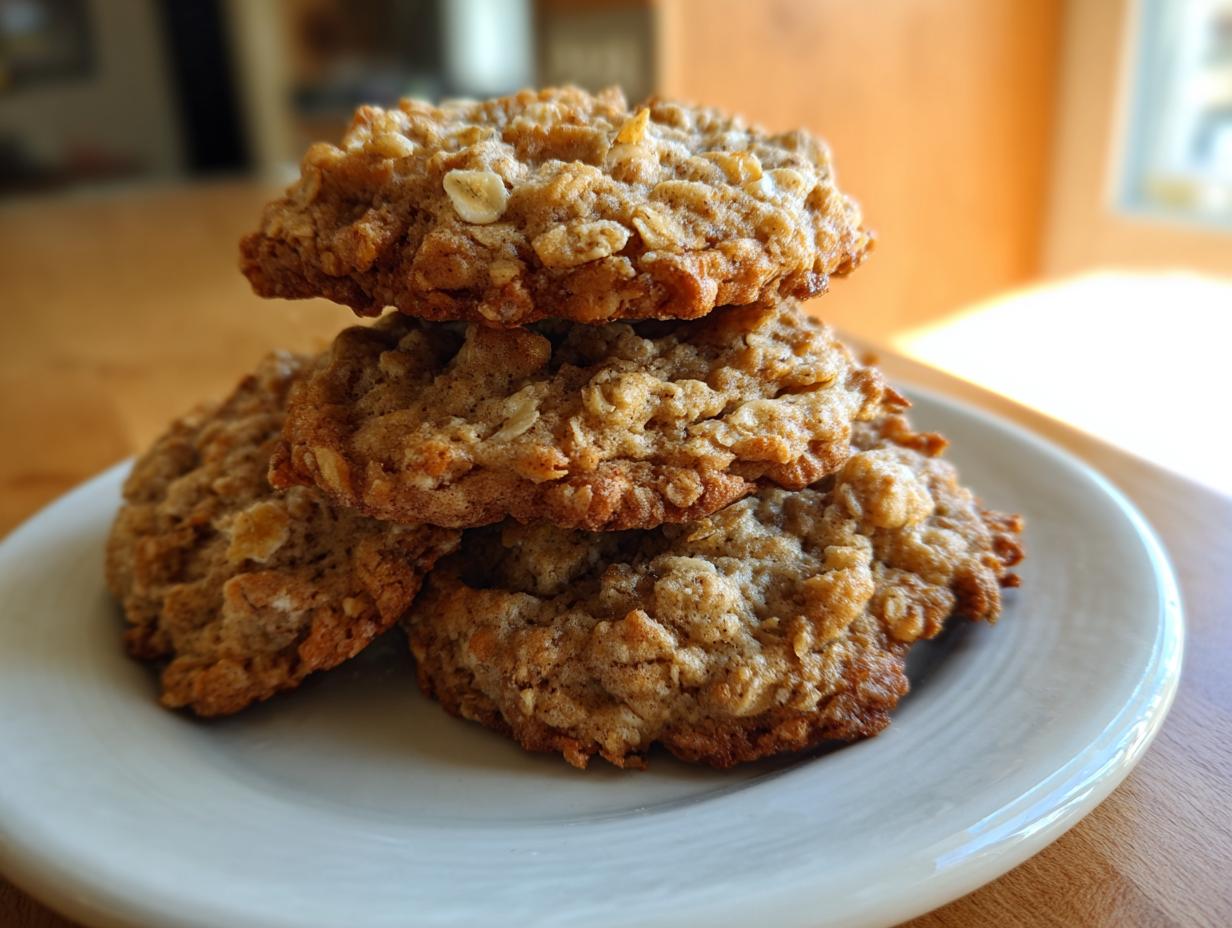
Forget those flat, dry, crumbly discs you sometimes end up with. When I set out to perfect my ultimate **oatmeal cookies** recipe, the goal wasn’t just edible—it was *essential*. As a project manager in the kitchen, I needed a method that was reliable, used ingredients already sitting in the pantry, and delivered maximum texture payoff. This isn’t complicated; it’s engineered. We are focusing purely on achieving that highly desirable soft and chewy center every single time, making this the cornerstone of your simple cookie baking collection.
- Why These Are The Best Oatmeal Cookies You Will Ever Make
- Ingredients for Ultimate Soft & Chewy Oatmeal Cookies
- How to Prepare Your Chewy Oatmeal Cookie Recipe Step-by-Step
- Tips for Success: Making Bakery Style Oatmeal Cookies
- Variations on Classic Homemade Cookies
- Storage and Reheating Instructions for Your Oatmeal Cookies
- Serving Suggestions for Cozy Dessert Recipes
- Frequently Asked Questions About Making Oatmeal Cookies
- Nutritional Estimate for These Oatmeal Cookies
Why These Are The Best Oatmeal Cookies You Will Ever Make
Okay, listen up, because this is where we move past just ‘having’ oatmeal cookies and start talking about making the best. My whole philosophy for Dishicious is efficiency meeting incredible results, and these **oatmeal cookies** are the perfect expression of that. We aren’t doing fussy steps that waste time. We are making guaranteed soft and chewy cookies using things you already have.
This recipe is loaded with flavor thanks to the sugar ratio, and the baking time is precisely calculated. I promise you, once you nail this texture, you won’t look back. If you want to see how a slight tweak can elevate a classic, check out my brown butter cookie recipe, but for now, focus here!
Achieving the Perfect Soft Oatmeal Cookies Texture
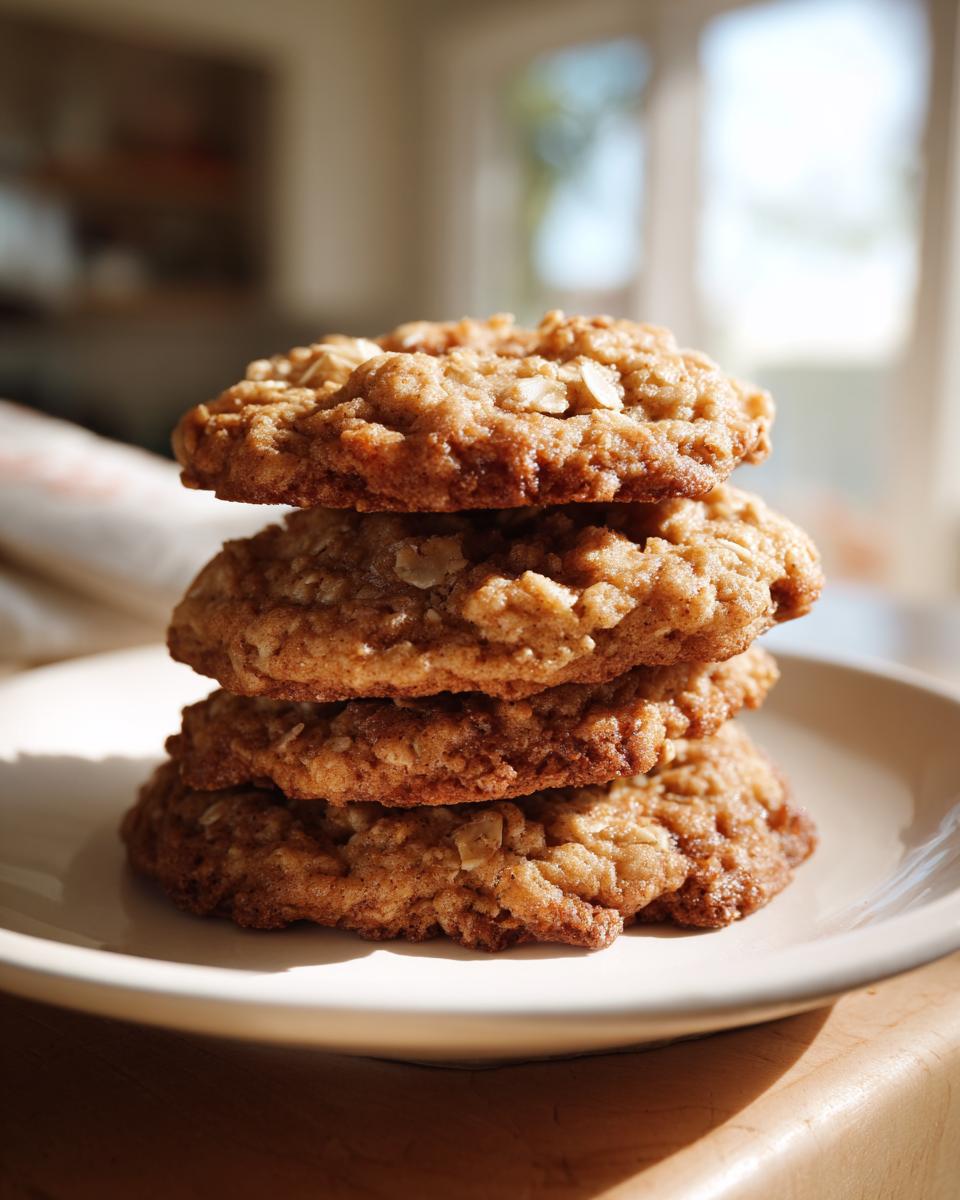
The secret to that magnificent, bakery style chewiness lies in three places. First, we lean heavily on brown sugar—that molasses content is your best friend for moisture retention. Second, we cream the butter and sugars properly; this whips the necessary air in for that slight lift without sacrificing density. Finally, and this is key: we pull these out slightly early. The edges look set, but the center is just barely done. They firm up perfectly as they cool on the sheet, giving you that soft oatmeal cookies texture we obsess over.
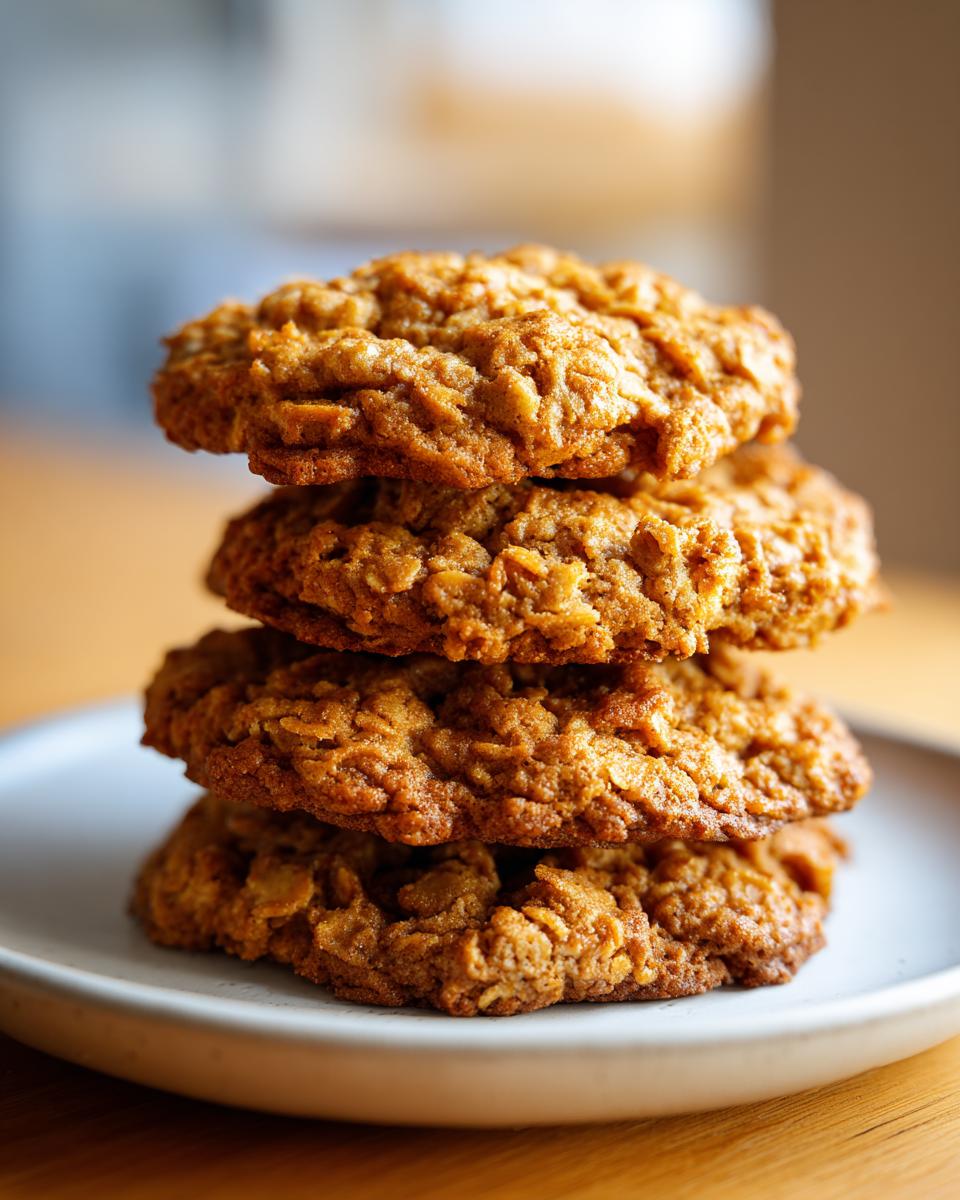
Quick Prep: The No-Chill Advantage for Easy Oatmeal Cookies
Who has time to chill cookie dough for an hour? Not me! That’s why this is such a great **quick oatmeal cookie recipe**. We skip the chilling step entirely. Because we use the right fat consistency—softened, not warm or melted—the dough holds its shape beautifully right out of the mixer. You can mix these up, scoop them, and have warm, comforting cookies ready to eat in under 30 minutes total. That’s efficient baking, my friends.
Ingredients for Ultimate Soft & Chewy Oatmeal Cookies
When baking, especially for something as crucial as your new favorite **oatmeal cookie recipe**, I treat the ingredient list like my project blueprint—every measurement matters. We aren’t calling for anything obscure here; these are true pantry staple cookies. Getting the butter right (softened, not melted!) is half the battle. If you’re looking for other ways to use up your oats, check out my blueberry oatmeal muffins later!
Dry Ingredients for Your Oatmeal Cookies
- 1 3/4 cups all-purpose flour
- 1 teaspoon baking soda
- 1 teaspoon ground cinnamon
- 1/2 teaspoon salt
- 3 cups old-fashioned rolled oats (This is important! Don’t use instant or quick oats here if you want that classic chew.)
Wet Ingredients and Mix-Ins for Classic Homemade Cookies
- 1 cup (2 sticks) unsalted butter, softened to just the right point
- 1 cup packed light brown sugar (See? That dark, moist sugar needed for chewiness!)
- 1/2 cup granulated sugar
- 2 large eggs, room temperature is best
- 1 tablespoon vanilla extract
- 1 cup raisins or chocolate chips (Your choice, or mix them for fun!)
How to Prepare Your Chewy Oatmeal Cookie Recipe Step-by-Step
Alright, execution time! This is where our planning pays off. We want to make sure every element of this **chewy oatmeal cookie recipe** is handled with the right timing so we get dessert gold. Before you even start mixing, make sure that oven is cranked up to 350°F (175°C) and your baking sheets are lined with parchment paper. I always have my paper ready to go; it’s small steps like that that keep the process flowing smoothly.
Mixing the Base Dough for Perfect Oatmeal Cookies
Start by creaming the butter, brown sugar, and white sugar together really well. I use my electric mixer for this for about two minutes until it looks genuinely fluffy and pale. Don’t rush this! Next, beat in those eggs one at a time, followed by the vanilla. In a separate bowl, whisk those dry ingredients—flour, baking soda, cinnamon, and salt—just to make sure everything is evenly distributed. Remember our goal for consistent results? Now, gradually add the dry mix to the wet, mixing on low. Stop as soon as you see everything come together. Seriously, stop mixing! Overworking that dough is the fastest way to turn those soft oatmeal cookies into hockey pucks.
Baking and Cooling for Soft Oatmeal Cookies
Once the oats and mix-ins are added, scoop your dough onto the sheets, spacing them about two inches apart. If you want that thick, chewy look, make sure you flatten the balls just a tiny bit—not too much, though! Bake these for 10 to 12 minutes. Here’s the absolute key to softness: you want to pull them when the edges look set, but the middle still looks a little pale and gooey. If you wait until the middle looks fully baked, you missed your window! Let them sit on that hot sheet for a full five minutes to firm up before you transfer them to a rack. If you need a refresher on making stable frosting for other treats later, I have a guide on vanilla buttercream.
Tips for Success: Making Bakery Style Oatmeal Cookies
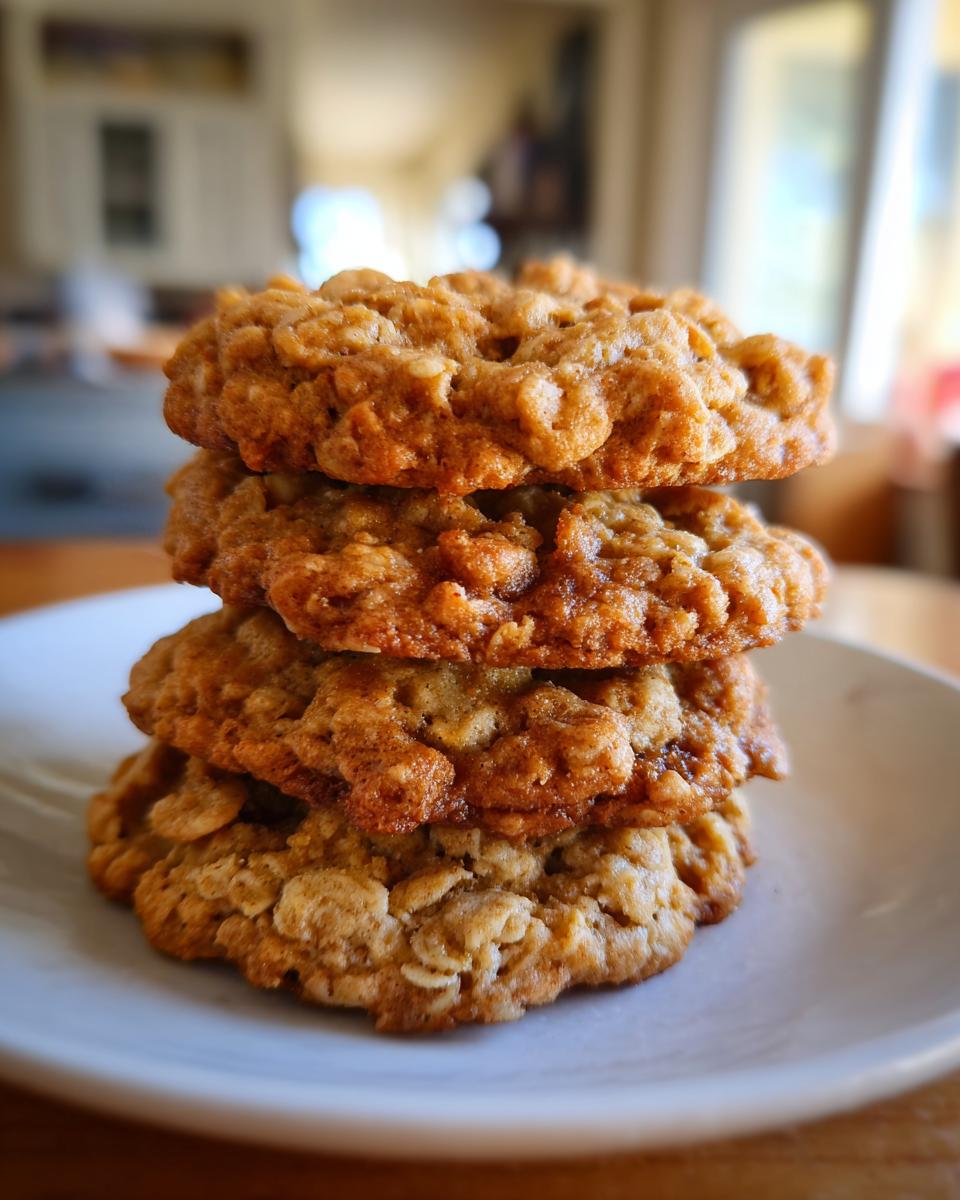
We’ve got the blueprint for what I consider the best oatmeal cookies, but sometimes the difference between great and ‘I need to hide these from my kids’ comes down to one or two small details. Since I approach baking like a project, I always stick to these refined techniques to guarantee that perfect result. We are aiming for that dense, chewy structure that feels substantial, much like a premium bakery would deliver.
If you master these little adjustments, you’ll be churning out batch after batch that tastes like comfort. And if you’re looking for another intensely flavored, reliable bake, check out my tried-and-true lemon meringue pie recipe later on.
Ingredient Deep Dive: Why Brown Sugar Matters in Oatmeal Cookies
I’ve seen people try to swap out the brown sugar for white sugar, thinking it won’t make a difference. Wrong! This is where you sabotage your texture before you even turn the oven on. Light brown sugar isn’t just about a hint of caramel flavor; it’s loaded with molasses. Molasses is hygroscopic, which is just a fancy word for ‘it loves water and holds onto it tightly.’ When you rely on that higher ratio of brown sugar, you ensure those **oatmeal cookies** stay moist and chewy long after they’ve cooled down. It’s non-negotiable for the soft texture we are chasing here.
Troubleshooting: What If My Oatmeal Cookies Spread Too Much?
This is the classic issue when baking from scratch, especially if you are aiming for thick cookies. If your cookies flatten out into thin, brittle discs, it almost always points back to your fat temperature. The butter has to be genuinely softened—firm but yielding when pressed—but never melted or greasy. If your dough seems really loose, or if you notice it oozing sideways immediately after scooping, stop and chill it. Put the entire bowl in the fridge for about 20 minutes. That brief chill allows the fat to re-solidify slightly, which helps the dough hold its shape longer in the heat, resulting in those taller, chewier oatmeal cookies we want.
Variations on Classic Homemade Cookies
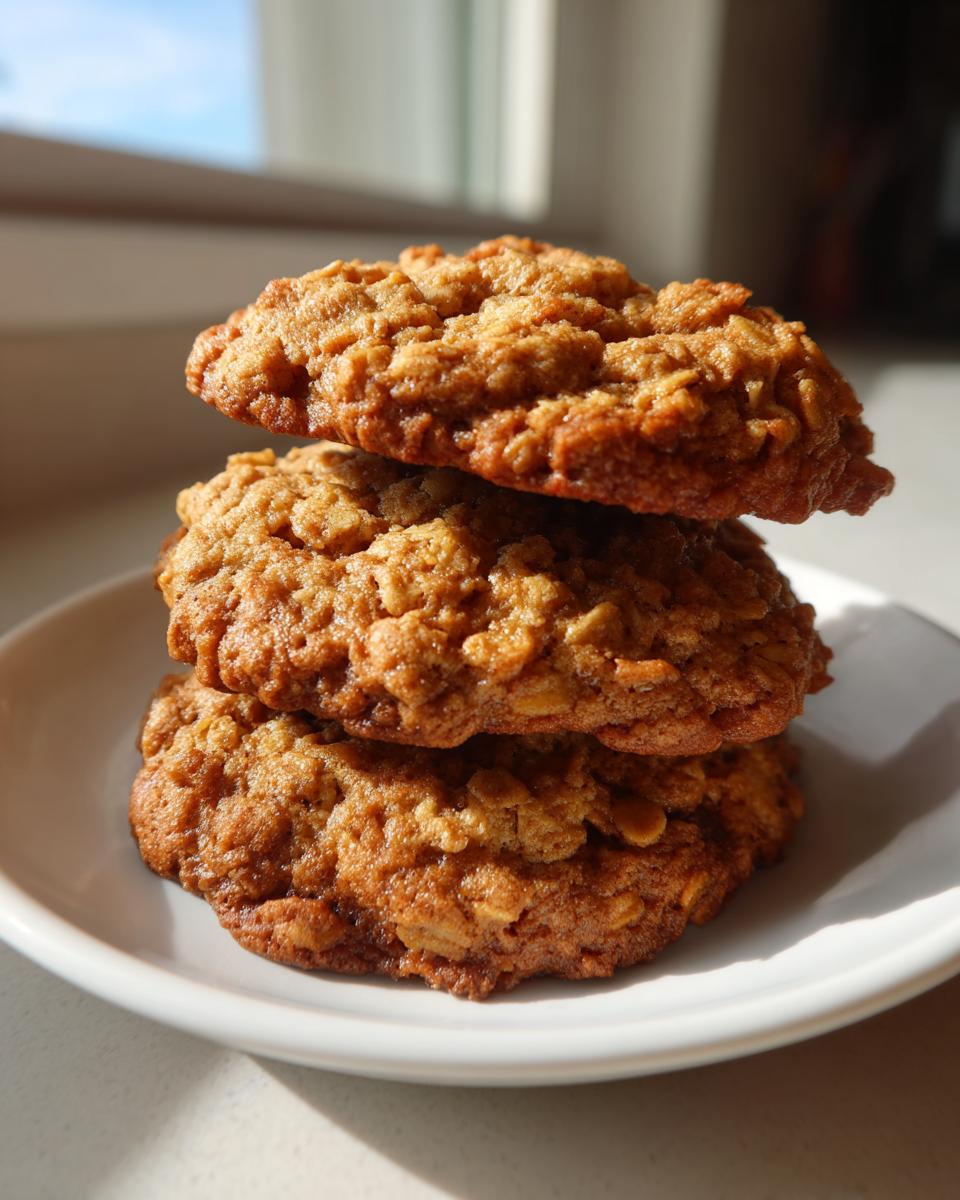
While this fundamental recipe nails the best oatmeal cookies texture—soft and irresistibly chewy—I know many of you want to customize! That’s the beauty of working from a solid foundation; you can build whatever you want on top of it. Since we focused on making a great base dough, swapping in classic additions like raisins or chocolate chips is incredibly easy. You don’t need a whole new recipe; you just need to make smart swaps.
I’ve even seen people substitute half the oats with finely crushed cornflakes for a completely different texture, but if you’re sticking to the classics, try these simple modifications. If you ever need a super fun, non-cookie treat, you must check out my peanut butter rice krispie treats!
Making Oatmeal Raisin Cookies Recipe
For the quintessential oatmeal raisin cookies recipe, it’s a straightforward swap! Just take the 1 cup of optional mix-ins listed in the ingredients and, instead of chocolate chips, use 1 cup of raisins. Now, here’s a trick my mom taught me that elevates this from good to great: soak your raisins in hot water or, for a real kick, a splash of rum or bourbon while you cream the butter and sugar. Drain them really well and pat them dry before stirring them into the dough. This little step ensures they don’t suck moisture out of the cookie structure while baking. They stay plump and soft!
Creating Oatmeal Chocolate Chip Cookies
If you’re bringing out the chocolate chips for these oatmeal chocolate chip cookies, you have options! I personally lean toward semi-sweet chips because their slight bitterness balances the sweetness from the brown sugar perfectly. You can use a full cup, just like the raisins, or scale it back slightly to 3/4 cup if you want the oat flavor to be more dominant in these from scratch cookie recipes.
Pro tip: If you use milk chocolate chips, the cookie will be slightly sweeter overall, which is fun, but you might want to reduce the granulated sugar by one tablespoon just to keep things balanced. Either way, these are guaranteed winners!
Storage and Reheating Instructions for Your Oatmeal Cookies
We put all this effort into making the ultimate soft and chewy **oatmeal cookies**, so we certainly don’t want them going stale on the counter! Keeping that perfect texture—that chewiness we worked so hard for—is entirely dependent on how you store them after they’ve cooled completely. Hot cookies packed away will always steam and get gummy, so patience here is key after they come off that wire rack.
The goal is locking in the moisture we built in with all that brown sugar. You’ll want to store finished cookies in an airtight container at room temperature. If you stack them, put just a small square of parchment paper between the layers. This prevents them from sticking together, especially if you’ve got decadent chocolate chips melting slightly in a warm room.
If you’re finding they’ve hardened up a bit after a couple of days—which can happen, even with the best recipe—don’t worry, we can fix it! To bring back that just-baked softness, try one of two quick heating methods. For softening just one or two cookies quickly, microwave them for about 8 to 10 seconds. That little burst of heat melts the fats just enough to bring back the chew.
For a slightly crispier edge with a soft center, you can refresh a whole batch at 300°F (150°C) in the oven for about five minutes. If you happen to be planning ahead for next week, you can often freeze the dough balls, too! Just lay them flat on a sheet, freeze solid, and then transfer them to a freezer bag. When you’re ready for fresh cookies, just toss a few frozen dough balls onto a baking sheet and add 3-4 extra minutes to that baking time. If you’re looking for another fantastic pantry staple that freezes and reheats well, you should look at my recipe for easy homemade naan bread.
Serving Suggestions for Cozy Dessert Recipes
So you’ve perfected your oatmeal cookies. They are soft, they are chewy, and they are cooling down perfectly on the rack—now what? We don’t just bake these incredible pantry staple cookies to look at them, right? We eat them! The beauty of this classic homemade cookie is how perfectly it pairs with simple, cozy beverage companions. This is comfort food baking at its absolute best.
If you’re looking for ways to make a full weekend spread, I highly recommend pairing these textures with something warm and decadent. My favorite dish for a cozy morning gathering is my cinnamon roll French toast casserole—the spice profile just matches these cookies so well!
But truly, the best way to enjoy a chewy oatmeal cookie is with something ice cold or piping hot. Here are my top suggestions for a perfect pairing:
- The Classic Milk Dunk: You simply cannot beat milk. Cold whole milk makes the chocolate chips melt slightly in your mouth and softens the edges of the oat on contact. It’s nostalgic and perfect.
- Coffee Companion: For an afternoon treat, these cookies stand up wonderfully to a strong cup of black coffee or a foamy latte. The slight bitterness of the coffee cuts through the richness of the brown sugar beautifully.
- Ice Cream Sandwich: This is my way of elevating the cookie into a full-blown dessert. Take two cookies, make sure they are completely cool, and sandwich a scoop of vanilla bean or coffee ice cream between them. Because we nailed the soft oatmeal cookies texture, they actually press nicely around the ice cream without shattering. Trust me on this one—it’s worth the effort!
Frequently Asked Questions About Making Oatmeal Cookies
I always get questions after people try these, which totally tells me we’re creating a solid, reliable **oatmeal cookie recipe**! Since I designed this recipe to be ultra-reliable for busy people, most of the questions come down to ingredient swaps or timing. If you’ve managed to master the mixing for these **from scratch cookie recipes**, you’re basically unstoppable in the kitchen.
If you’re looking for other make-ahead bread ideas after you’ve wrapped up your cookies, check out my guide on easy homemade naan bread!
Can I use quick oats instead of old-fashioned oats in this oatmeal cookie recipe?
You totally can, but I need you to know what you’re sacrificing! Remember how we talked about structure? Old-fashioned rolled oats hold their shape during baking and give you that satisfying, slightly hearty chew. If you switch to quick oats—the ones that are pre-cut into smaller pieces—your cookies will still be soft, but they turn out much smoother and less textured. They get almost cake-like faster. For this specific recipe aiming for maximum chew, stick to old-fashioned, but sure, quick oats will work in a pinch!
Can I make these oatmeal cookies ahead of time?
Absolutely! That’s the beauty of a well-engineered recipe. Now, this recipe is famous because it’s a **no chill oatmeal cookie recipe**—you can scoop and bake immediately. But if you need to prep for a party or just want fresh cookies all week, you can definitely make the dough ahead. Roll the dough into balls, place them on a parchment-lined tray, and freeze them solid. Once frozen, transfer them to a freezer bag. When you want a batch, just toss them onto a baking sheet—no need to thaw—and add about 3 or 4 extra minutes to the baking time. That’s smarter baking!
What makes these the best oatmeal cookies compared to others?
It all boils down to texture, honestly. If you compare these to other **easy oatmeal cookies** you might have tried, ours are superior because of the fat-to-sugar ratio. We use a higher proportion of brown sugar versus white sugar, which pumps molasses into the dough. This higher molasses content locks in moisture better than recipes relying only on white sugar. That, combined with pulling them from the oven when they look just barely set in the middle, guarantees you get that hallmark soft and chewy texture instead of a crispy, crumbly result.
Nutritional Estimate for These Oatmeal Cookies
Now, I know some of you are planning your macros, or maybe you’re just curious about what exactly goes into these beautiful, cozy dessert recipes. As a project manager, I track the inputs, and that extends to the nutrition numbers, too! Keep in mind that this data is purely an estimate based on the standard ingredients listed in the recipe for one cookie. If you swap out the raisins for chocolate chips, or use a different kind of butter, those numbers will shift a little, so take this as a great starting point.
This estimate is a snapshot of what you’re getting when you enjoy one of these perfectly soft and chewy **oatmeal cookies** made exactly to my blueprint. We aim for maximum flavor payoff here, and the numbers reflect that wholesome mix of oats, butter, and sugar that makes them so good!
- Serving Size: 1 cookie
- Calories: 180
- Fat: 9g (With 5g being saturated fat—that’s the butter we relied on for flavor!)
- Carbohydrates: 23g
- Protein: 3g
- Sugar: 14g (Mostly from the essential brown sugar!)
Remember, these are estimates. If you decide to make them into an ice cream sandwich like I suggested earlier, you’ll obviously need to adjust your totals! But for a single, amazing, **from scratch cookie recipe** serving, this is what you’re looking at. Happy baking!
PrintThe Ultimate Soft & Chewy Oatmeal Cookies

This recipe delivers soft and chewy oatmeal cookies using simple pantry staples. Follow this straightforward method for classic homemade cookies that work every time.
- Prep Time: 15 min
- Cook Time: 12 min
- Total Time: 27 min
- Yield: About 3 dozen cookies 1x
- Category: Dessert
- Method: Baking
- Cuisine: American
- Diet: Vegetarian
Ingredients
- 1 cup (2 sticks) unsalted butter, softened
- 1 cup packed light brown sugar
- 1/2 cup granulated sugar
- 2 large eggs
- 1 tablespoon vanilla extract
- 1 3/4 cups all-purpose flour
- 1 teaspoon baking soda
- 1 teaspoon ground cinnamon
- 1/2 teaspoon salt
- 3 cups old-fashioned rolled oats
- 1 cup raisins or chocolate chips (optional)
Instructions
- Preheat your oven to 350°F (175°C). Line baking sheets with parchment paper.
- In a large bowl, cream together the softened butter, brown sugar, and granulated sugar until the mixture is light and fluffy. This usually takes about 2 minutes with an electric mixer, but you can do this by hand if needed.
- Beat in the eggs one at a time, mixing well after each addition. Stir in the vanilla extract.
- In a separate medium bowl, whisk together the flour, baking soda, cinnamon, and salt.
- Gradually add the dry ingredients to the wet ingredients, mixing on low speed until just combined. Do not overmix the dough.
- Stir in the rolled oats and any mix-ins, like raisins or chocolate chips, using a wooden spoon.
- Drop rounded tablespoons of dough onto the prepared baking sheets, spacing them about 2 inches apart. For thicker, chewier cookies, slightly flatten the dough balls.
- Bake for 10 to 12 minutes. For the softest centers, remove the cookies when the edges are set but the centers still look slightly underbaked.
- Let the cookies cool on the baking sheet for 5 minutes before transferring them to a wire rack to cool completely.
Notes
- To achieve maximum chewiness, use light brown sugar as the primary sweetener. The molasses content helps retain moisture.
- For bakery style cookies, slightly underbake them. They will firm up as they cool.
- If you skip mix-ins, these are excellent as simple, old fashioned oatmeal cookies.
Nutrition
- Serving Size: 1 cookie
- Calories: 180
- Sugar: 14g
- Sodium: 95mg
- Fat: 9g
- Saturated Fat: 5g
- Unsaturated Fat: 4g
- Trans Fat: 0g
- Carbohydrates: 23g
- Fiber: 1g
- Protein: 3g
- Cholesterol: 30mg