

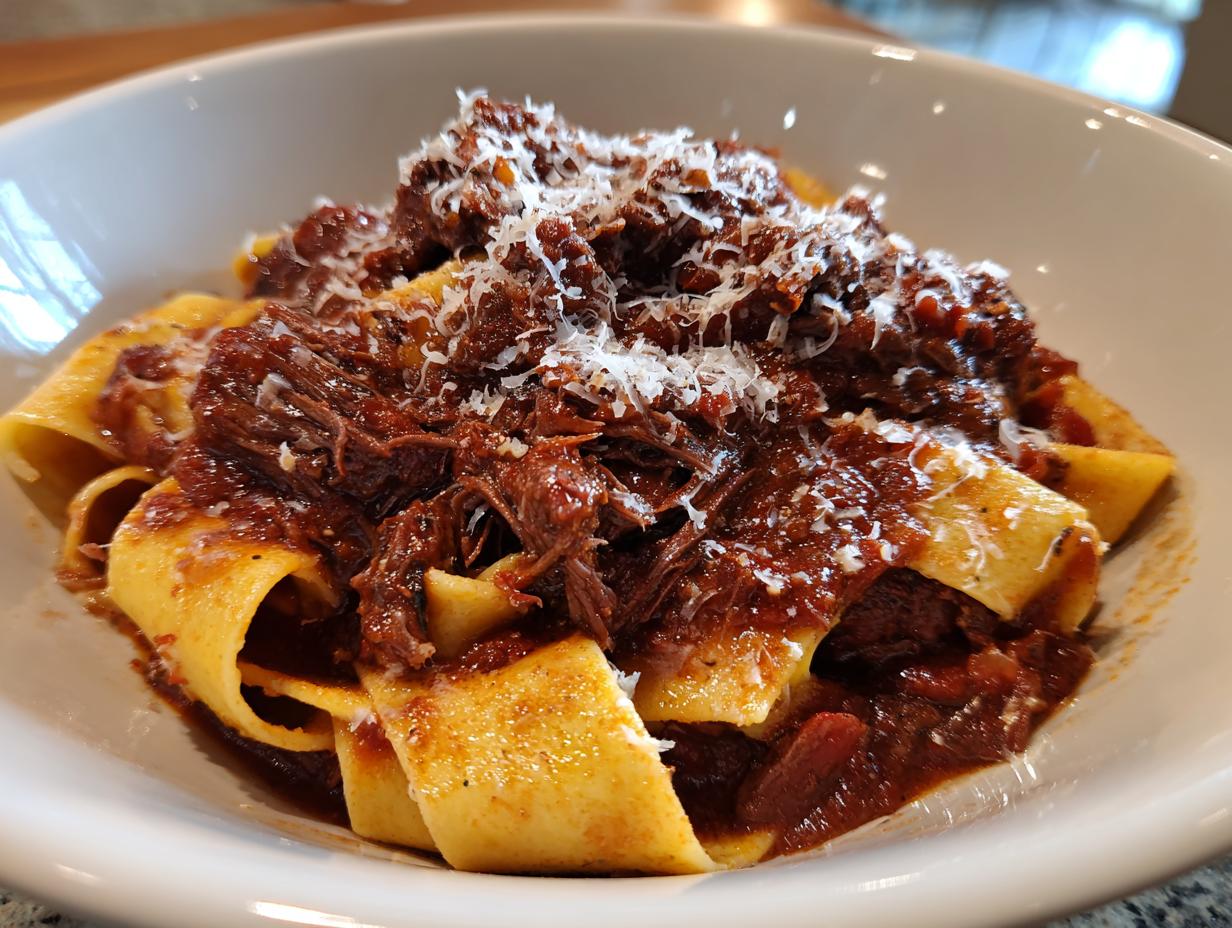
We all crave that rich, slow-cooked flavor—the kind of depth you usually only get after hours of babysitting a pot on the stove. But let’s be real, who has the time? That’s exactly why I developed this Ultimate Slow-Cooked Short Rib beef ragu. As someone who approaches cooking like a project manager back in Chicago, I stripped away all the fussy, complicated steps that traditional Italian recipes demand, focusing only on the elements that maximize flavor. This isn’t just another pasta sauce; it’s a guaranteed, reliable method for achieving a restaurant-quality comfort food dinner with incredibly tender, fall-apart meat. This recipe is tested, streamlined, and ready for your busy week.
- Why This Is the Best Beef Ragu Recipe You Will Make
- Essential Components for Your Ultimate Beef Ragu
- Step-by-Step Instructions for Perfect Beef Ragu
- Tips for the Ultimate Slow Simmered Beef Sauce
- Serving Suggestions for Your Rich Beef and Tomato Sauce
- Storage and Make-Ahead Options for Beef Ragu
- Alternative Cooking Methods for Beef Ragu
- Frequently Asked Questions About Making Beef Ragu
- Estimated Nutritional Data for This Comfort Food Dinner
- Share Your Ultimate Beef Ragu Success
Why This Is the Best Beef Ragu Recipe You Will Make
I get it. You want that deep, slow-simmered taste, but you also need dinner on the table without pulling an all-nighter. What makes this truly the best beef ragu recipe is its reliability. I engineered it so every time you make it, you get that perfect, craveable result. No guesswork allowed.
Fall-Apart Tender Meat Texture
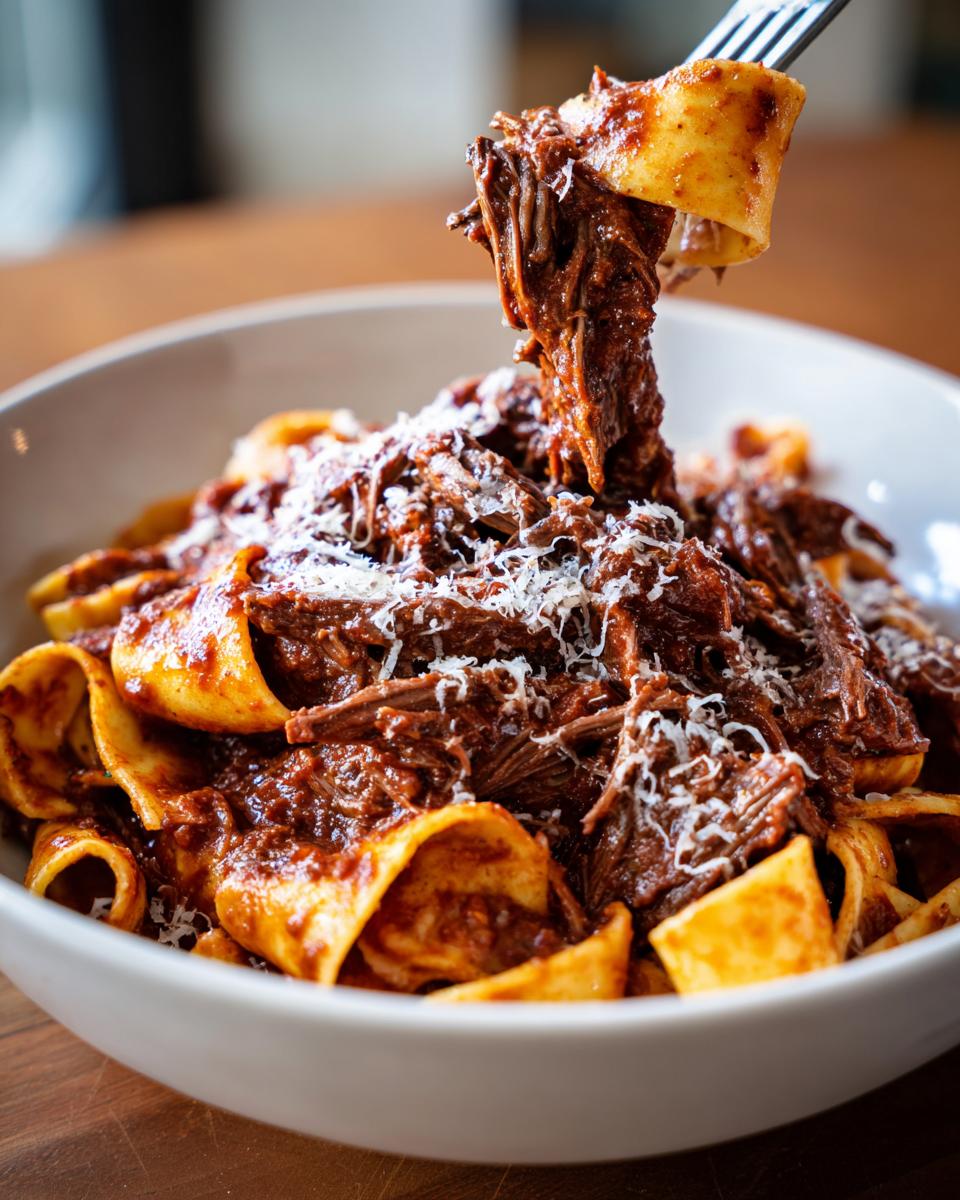
Forget tough chunks of meat! We use a tough cut like chuck roast because it rewards patience. That 3-to-4-hour simmer is non-negotiable because that is precisely what breaks down the connective tissue, leaving you with perfectly shredded beef pasta.
Deep, Rich Flavor Development
We don’t skip the hard work upfront. Browning the beef creates foundational flavor—that crust is essential! Then, we deglaze the pot with red wine. That step concentrates the liquid into a powerful base for our rich beef and tomato sauce. It’s pure flavor science!
Flexible Cooking Methods for Your Schedule
Life happens, right? This recipe is smart. While I love the stovetop method for maximum control, I’ve included specific instructions to turn this into an effortless slow cooker beef ragu. This ensures you get that authentic Italian ragu depth even when you prep in the morning.
Essential Components for Your Ultimate Beef Ragu
When executing a flavor-intensive project like this beef ragu, precision matters. Using the right quantities gets you that consistent, deep flavor profile every single time. Think of this list as the critical Bill of Materials for our project—everything needs to be ready to go before we flip the ignition switch on the stove.
The Beef and Aromatics Foundation
This starting lineup sets the tone for the entire hearty beef sauce. We need solid structure here. Make sure your beef is trimmed correctly so we aren’t dealing with excess grease we don’t need.
- 3 lbs beef chuck roast, trimmed and cut into 3-inch pieces
- 2 tablespoons olive oil
- 1 large yellow onion, diced
- 2 carrots, diced
- 2 celery ribs, diced
- 6 cloves garlic, minced
Building the Rich Beef Ragu Sauce
This is where the magic starts happening. The relationship between the wine and the tomato paste creates that essential Italian depth—it’s what separates a good sauce from a true gourmet pasta sauce.
- 6 ounces tomato paste
- 1 cup dry red wine (like Merlot or Chianti)
- 28 ounces crushed tomatoes
- 4 cups low-sodium beef broth
- 2 bay leaves
- 1 teaspoon dried oregano
- 1 teaspoon dried thyme
- 1/2 teaspoon red pepper flakes (optional)
- Salt and black pepper to taste
Pasta Pairing for this Hearty Beef Sauce
You need heft to stand up to this sauce! While you could use rigatoni, wide pasta is the classic choice for maximizing sauce contact. We want a big surface area for this chunky, slow-simmered masterpiece.
- 1 pound pappardelle pasta
- Freshly grated Parmigiano-Reggiano cheese, for serving
If you end up with extra sauce after tossing your pasta, don’t panic! It freezes beautifully, or you can toss that extra sauce over some creamy loaded mashed potatoes for a different kind of comfort food dinner tomorrow.
Step-by-Step Instructions for Perfect Beef Ragu
Okay, let’s execute this project. Making world-class beef ragu comes down to sequence. We need that initial, aggressive flavor build before we move into the patient, slow-simmer phase. Follow these four phases exactly, and you’ll have the richest homemade meat sauce waiting for you.
Phase 1: Browning the Beef and Sautéing Vegetables
First thing: season your beef pieces aggressively with salt and pepper—don’t be shy! Heat that olive oil in your Dutch oven over medium-high heat. You have to brown the beef in batches so you don’t steam it; we want a deep, brown crust on all sides. Pull the browned meat out and set it aside.
Now, drop the heat slightly and toss in your onion, carrots, and celery. Cook until they are softened—about 8 minutes. Next up, the flavor bomb: garlic and tomato paste. You absolutely must cook the tomato paste for a full two minutes, stirring constantly, until it darkens to a brick-red color. That step wakes up the tomato flavor big time.
Phase 2: Deglazing and Simmering the Beef Ragu
Time to deglaze! Pour in that dry red wine. Turn the heat up just a hair and use your spoon to scrape up every single browned-on bit from the bottom of the pot—that’s pure gold locking in your flavor. Let that wine reduce by half.
Now, return the beef to the pot. Pour in your crushed tomatoes, broth, bay leaves, and all those seasonings. Give it a good stir, bring it up to a gentle simmer, cover it tight, and reduce that heat way down low. We are talking 3 to 4 hours on the stovetop. If you went the brown gravy route previously, you know how important low and slow heat is for development!
Phase 3: Shredding and Finishing the Sauce
When that beef is tender enough to fall apart if you look at it funny, we move on. Fish out those bay leaves; they’ve done their job. Take two forks and shred the beef right there in the pot. Don’t drain anything!
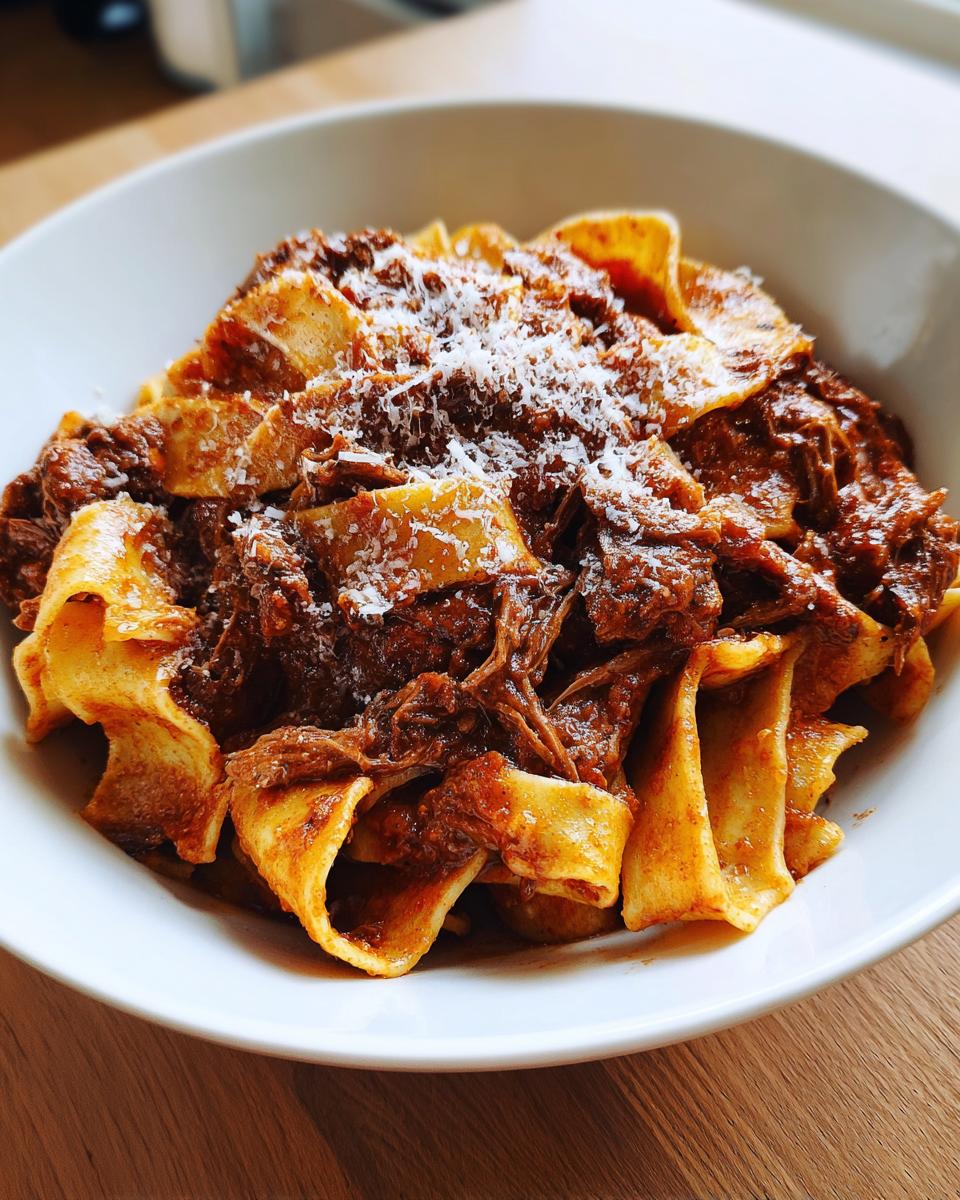
This is critical: Taste the sauce now. Does it need more salt? More pepper? This is your last chance to really fine-tune this incredibly long cooking sauce because once it hits the pasta, it’s done!
Phase 4: Combining Pasta and Serving
While the sauce is resting, cook your pappardelle until it’s just shy of al dente—maybe a minute less than the box tells you. Before draining, scoop out about a cup of that starchy pasta water. Trust me, you’ll need it later.
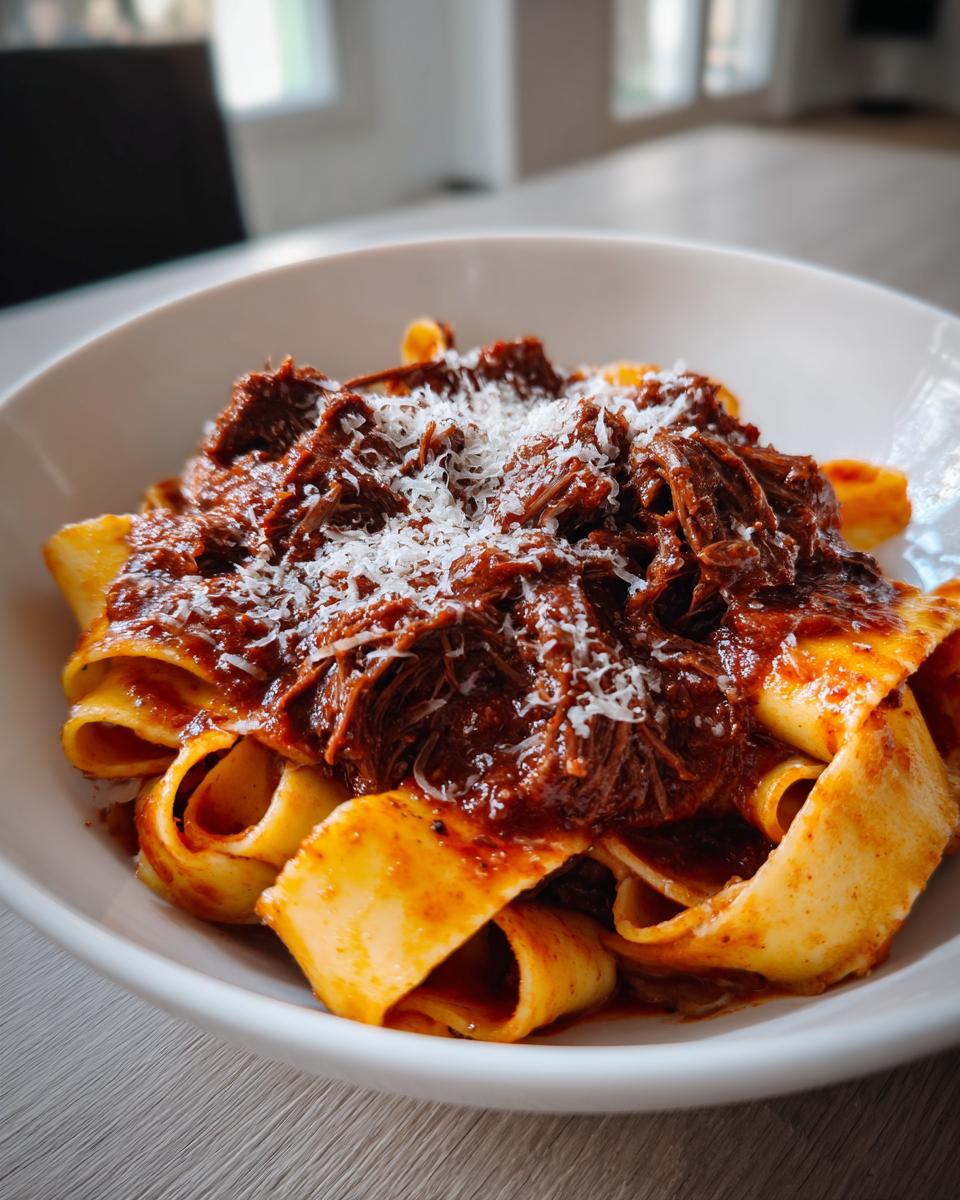
Toss the drained pasta right into the pot of sauce. Add a splash of that reserved water, stirring vigorously until the sauce coats every ribbon perfectly. Serve this epic shredded beef pasta immediately, piled high with that sharp Parmigiano-Reggiano cheese!
Tips for the Ultimate Slow Simmered Beef Sauce
We’ve done the hard work to create a fantastic beef ragu, but if you really want to elevate this from great to legendary, there are two optimization steps I swear by. Remember, I treat cooking like project management—if a small tweak yields a massive return on flavor investment, we implement it immediately. These two tricks will take your sauce from excellent to something you’d happily pay $40 for at a nice Italian place.
The Overnight Beef Ragu Trick
This is maybe the most genius trick I learned for batch cooking: Make the sauce entirely one day, let it cool completely, and stick it in the fridge overnight. When you reheat it the next day, the flavors have married, settled down, and deepened in a way that just isn’t possible in a single cooking session. It’s like the sauce gets smarter!
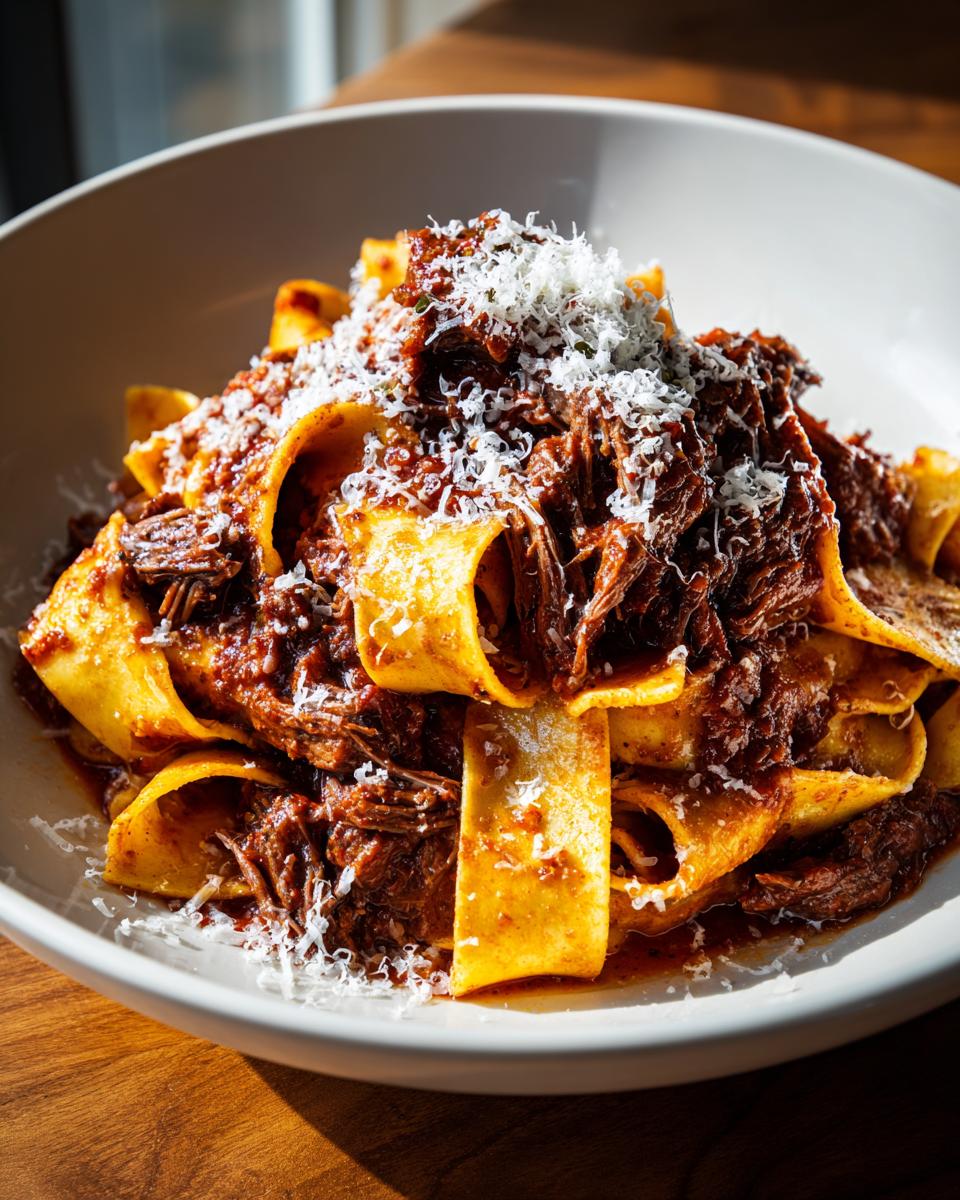
It’s also a perfect strategy for busy weekends. You can brown the beef and let it simmer on Saturday afternoon. Then, on Sunday when you’re ready for a classic Italian dinner, you just reheat it gently on the stove or transfer it to the slow cooker for a couple of hours. It makes the entire process feel incredibly easy, even though the flavor profile is complex.
Achieving Your Preferred Sauce Consistency
When you shred that beautifully tender beef, you end up with a sauce that’s chunky—which is great! But sometimes, maybe for a specific pasta or if you have picky eaters, you want something a little more velvety. That’s where the immersion blender comes in.
After you’ve shredded the meat, carefully pull out about half of the shredded meat back into a separate bowl. Take your immersion blender and pulse the remaining sauce until it’s smooth and luxurious. Then, mix the reserved shredded beef back in! You end up with a gorgeous, thick, slow simmered beef sauce that has the texture of a commercial sauce but still features those gorgeous, tender chunks of meat. It’s the perfect compromise for our hearty beef sauce.
And hey, if you want to try this sauce but need it fast, don’t forget to check out my tips on the garlic parmesan pasta, because sometimes you need that rich flavor profile but only have 30 minutes!
Serving Suggestions for Your Rich Beef and Tomato Sauce
Now that you’ve successfully executed this incredible beef ragu, the final step is presentation! This sauce is intensely rich—we need things that either cut through that richness or are hearty enough to really soak up every last drop of that incredible, slow simmered beef sauce.
Perfect Pasta Pairings Beyond Pappardelle
Sure, pappardelle is my go-to choice because those wide ribbons just grab onto the chunky sauce perfectly. But if you don’t have them, that’s okay! Wide, sturdy pasta works best for this shredded beef pasta. Try tagliatelle, or even rigatoni. Anything that can hold up to the weight of this sauce is what we’re aiming for.
Simple Side Dishes to Complete This Classic Italian Dinner
You definitely need bread. Period. A crusty loaf, maybe something like my cranberry walnut bread if you happen to have some on hand, is essential for mopping up the plate—we call that making a ‘scarpetta’ in Italy!
To balance all that deep, savory flavor, you need something bright and acidic on the side for your classic Italian dinner. A super simple green salad tossed in a sharp lemon vinaigrette works wonders. It cleanses the palate between bites of that decadent, hearty beef sauce!
Storage and Make-Ahead Options for Beef Ragu
Look, making a truly great beef ragu takes time, so it only makes sense to maximize your effort! This recipe is fantastic for meal prep because the flavor actually improves over time. Think of it as efficiency engineering for your future meals. Why run the stove for four hours twice when you can do it once and reap the rewards all week?
Freezing Instructions for Long Cooking Sauce
If you’re batch cooking, keep the sauce and the pasta separate. This is important for texture control!
- First, cool the finished rich beef and tomato sauce completely down in the fridge—never freeze hot sauce, it messes with the texture.
- Transfer the sauce into heavy-duty, freezer-safe containers or Ziploc bags, removing as much air as possible. Lay the bags flat in the freezer so they stack neatly later. You can freeze the sauce for about three months easily.
I never freeze the cooked pasta with the sauce clinging to it. Pasta gets mushy when thawed and reheated in liquid, even this magnificent homemade sauce. Keep them separate, and you guarantee that perfect bite every time you serve it.
Reheating Your Hearty Beef Sauce
Reheating is simple, but gentleness is key—we don’t want to shock the beautifully tender meat. Whether you’re warming up a single serving or a whole batch of that long cooking sauce, low and slow is the golden rule.
Stovetop (Best Method): Transfer the frozen or refrigerated sauce to a heavy-bottomed pot, like the Dutch oven we cooked it in. Heat it on low or medium-low, stirring every 10 minutes. If it looks dry, add a splash of beef broth or water to loosen it up.
Microwave: If you’re just doing an individual portion, just zap it in short 60-second bursts, stirring in between, until it’s heated all the way through. This prevents those irritating hot spots in your otherwise perfect hearty beef sauce.
When you’re ready to eat, cook your pappardelle fresh, reintroduce it to the reheated sauce, and finish it with that reserved pasta water, just like we did in the main instructions. If you need amazing bread to go with your reheated ragu, check out my recipe for homemade bread bowls—perfect for dipping!
Alternative Cooking Methods for Beef Ragu
I designed this beef ragu recipe to be flexible, because efficiency isn’t just about the process; it’s about fitting the cooking into *your* life. While the stovetop method gives you that deep, controlled low-and-slow simmer, I know sometimes you need to set it and forget it. The good news is that this framework works perfectly for the slow cooker beef ragu crowd too!
Converting to Slow Cooker Beef Ragu
This is your easiest route to a deeply flavored hearty beef sauce. After you complete Phase 1—browning the beef and building that crucial aromatic base with the tomato paste and wine reduction—you just transfer everything into the slow cooker pot. Dump it all in, give it a solid stir, and cover it up.
The timing shifts, naturally. Instead of 3 to 4 hours on the stove, you’ll let your slow cooker beef ragu go on LOW for 6 to 8 hours, or until that chuck roast is ridiculously tender. This method lets you prep on a Sunday morning and come home to the best comfort food dinner imaginable. Seriously, the house smells like an Italian kitchen!
Can I Make This as an Instant Pot Beef Ragu?
Yes, you absolutely can use your pressure cooker to speed things up! If you’re in a rush and need that richness faster, the Instant Pot is your friend for this braised beef ragu.
However, here is the one non-negotiable step you cannot skip: You must brown the beef and sauté the vegetables first using the Sauté function. Pressure cooking tenderizes meat fast, but it can’t *build* that base flavor profile the way searing does. After you finish Steps 1 and 2 of deglazing, seal the lid and set the pressure cooker for high pressure for about 60 to 75 minutes, depending on the size of your beef chunks. A natural pressure release is critical afterward to keep the meat from getting tough. It cuts the active time way down, but that initial flavor layering is still key to a great slow simmered beef sauce.
If you are looking for other ways to utilize the slow cooker for less authentic Italian dishes, check out the easy timing adjustments for my slow cooker chicken pot pie!
Frequently Asked Questions About Making Beef Ragu
When you’re tackling a long cooking sauce like this, sometimes questions pop up right when you need the answer. I’ve compiled the most common scenarios I run into, so we can keep this project moving smoothly toward a fantastic classic Italian dinner.
What makes this beef ragu recipe authentic Italian ragu?
That’s a great question! Truly authentic Italian ragu takes days sometimes, involving multiple meats and painstaking layering. My recipe is a highly efficient version—think of it as an Italian-American chef giving you the roadmap. We honor the tradition through the essentials: using quality beef, browning properly, and the non-negotiable step of reducing dry red wine into the sauce base. That wine reduction is what gives you that complex, deep flavor you expect from an authentic Italian ragu without needing three different animal proteins!
Can I substitute the beef chuck roast for short ribs?
Yes, please do! If you find bone-in or boneless short ribs, absolutely use them. My recipe calls for chuck roast because it’s incredibly accessible and gives you beautiful results every time, but short ribs are even richer. When you use short ribs, you are definitely making a superior short rib ragu. They render a bit more fat and have a slightly deeper, richer flavor profile when slow-simmered. Just make sure you shred it the same way in the final phase!
How do I keep the pasta from getting mushy when mixing with the sauce?
This is where we defeat mush! The secret is twofold: timing and starch. First, you must pull the pasta out when it is truly al dente—that means still firm to the bite, *under*cooked by about a minute compared to how you might normally eat it. Second, reserve that starchy pasta water! When we combine the pasta and the sauce, we use splashes of that starchy water to emulsify everything together. The starch in the water helps the sauce cling tightly to the noodle, creating that beautiful, coated texture instead of leaving you with just wet pasta underneath a pile of hearty beef sauce. It’s the final key step for the perfect pappardelle with ragu.
If you’re looking for other simple, reliable recipes, my no-bake peanut butter bars are proof that you don’t need an oven to nail a classic treat!
Estimated Nutritional Data for This Comfort Food Dinner
Because we’re running a tight ship here at Dishicious, I always track the macro impact of my big batch recipes. Keep in mind these numbers are estimates based on the full recipe divided into 6 generous servings. They reflect the rich, slow-simmered nature of this beef ragu, so you get that deep flavor without feeling weighted down later. This is designed to be a satisfying, high-protein comfort food dinner.
- Serving Size: 1 serving (approx. 1.5 cups sauce + 5 oz pasta)
- Calories: 650
- Protein: 45g
- Fat: 28g (Saturated Fat: 11g)
- Carbohydrates: 55g
- Sodium: 550mg
Since we use a lean chuck roast and lean broth, the sodium stays relatively controlled, but always remember to watch the salt if you are adding extra at the end! It’s all about control and consistency for a reliable outcome.
Share Your Ultimate Beef Ragu Success
Alright, team, the project is complete! You’ve gone from planning to execution, and now you have the absolute best beef ragu recipe warming your kitchen. I need to know how it went! That’s the whole point of having a reliable playbook—to see others cook with confidence and joy.
I really want to hear which method you chose. Did you stick to the classic stovetop simmer for maximum flavor development? Or did you deploy maximum efficiency and use the slow cooker? Drop a comment below and let me know! Telling me if you used chuck roast or went for that decadent short rib ragu helps me refine future instructions, too.
Don’t keep that success a secret! Snap a picture of what you served it over—pappardelle with ragu? Polenta? Show off that beautifully coated pasta! Tag me so I can celebrate your perfect execution of this hearty beef sauce.
If you loved how smoothly this long cooking sauce came together, you might want to check out my streamlined approach to baking next. For a sweet finish that requires zero oven time, these easy blueberry protein muffins follow the same philosophy: maximum impact, minimal managerial oversight required!
Happy cooking, and thank you for trusting the process!
PrintUltimate Slow-Cooked Beef Ragu with Pappardelle
This recipe delivers a rich, hearty beef ragu using a slow-simmered method for fall-apart tender meat. It is the best beef ragu recipe for a deeply flavorful, comforting Italian dinner.
- Prep Time: 30 min
- Cook Time: 4 hours
- Total Time: 4 hours 30 min
- Yield: 6 servings 1x
- Category: Dinner
- Method: Stovetop (or Slow Cooker)
- Cuisine: Italian
- Diet: Low Fat
Ingredients
- 3 lbs beef chuck roast, trimmed and cut into 3-inch pieces
- 2 tablespoons olive oil
- 1 large yellow onion, diced
- 2 carrots, diced
- 2 celery ribs, diced
- 6 cloves garlic, minced
- 6 ounces tomato paste
- 1 cup dry red wine (like Merlot or Chianti)
- 28 ounces crushed tomatoes
- 4 cups low-sodium beef broth
- 2 bay leaves
- 1 teaspoon dried oregano
- 1 teaspoon dried thyme
- 1/2 teaspoon red pepper flakes (optional)
- Salt and black pepper to taste
- 1 pound pappardelle pasta
- Freshly grated Parmigiano-Reggiano cheese, for serving
Instructions
- Season the beef pieces generously with salt and pepper.
- Heat the olive oil in a large Dutch oven or heavy-bottomed pot over medium-high heat. Brown the beef in batches on all sides. Remove the browned beef and set it aside.
- Reduce the heat to medium. Add the onion, carrots, and celery to the pot. Cook, stirring occasionally, until the vegetables soften, about 8 minutes.
- Add the minced garlic and tomato paste. Cook for 2 minutes, stirring constantly, until the tomato paste darkens slightly.
- Pour in the red wine, scraping up any browned bits from the bottom of the pot. Let the wine reduce by half, about 5 minutes.
- Return the beef to the pot. Add the crushed tomatoes, beef broth, bay leaves, oregano, thyme, and red pepper flakes if using. Stir to combine.
- Bring the mixture to a simmer. Once simmering, cover the pot tightly, reduce the heat to low, and cook for 3 to 4 hours, or until the beef is completely tender and shreds easily with a fork. Alternatively, transfer to a slow cooker and cook on low for 6 to 8 hours.
- Remove the bay leaves. Shred the beef directly in the sauce using two forks. Taste the sauce and adjust seasoning with salt and pepper as needed.
- Cook the pappardelle pasta according to package directions until al dente. Drain the pasta, reserving about 1 cup of the pasta water.
- Add the drained pasta to the pot with the beef ragu. Toss to coat, adding reserved pasta water a splash at a time if the sauce seems too thick.
- Serve the hearty beef sauce immediately, topped with plenty of freshly grated Parmigiano-Reggiano cheese.
Notes
- For the best flavor, allow this long cooking sauce to cool completely and refrigerate overnight. Reheat gently the next day; the flavors deepen significantly.
- If you prefer a smoother sauce, you can remove the shredded beef, blend a portion of the sauce with an immersion blender, and then return the beef to the pot.
- This recipe works well for meal prep and freezes easily for future comfort food dinners.
Nutrition
- Serving Size: 1 serving (approx. 1.5 cups sauce + 5 oz pasta)
- Calories: 650
- Sugar: 12
- Sodium: 550
- Fat: 28
- Saturated Fat: 11
- Unsaturated Fat: 17
- Trans Fat: 1
- Carbohydrates: 55
- Fiber: 7
- Protein: 45
- Cholesterol: 140